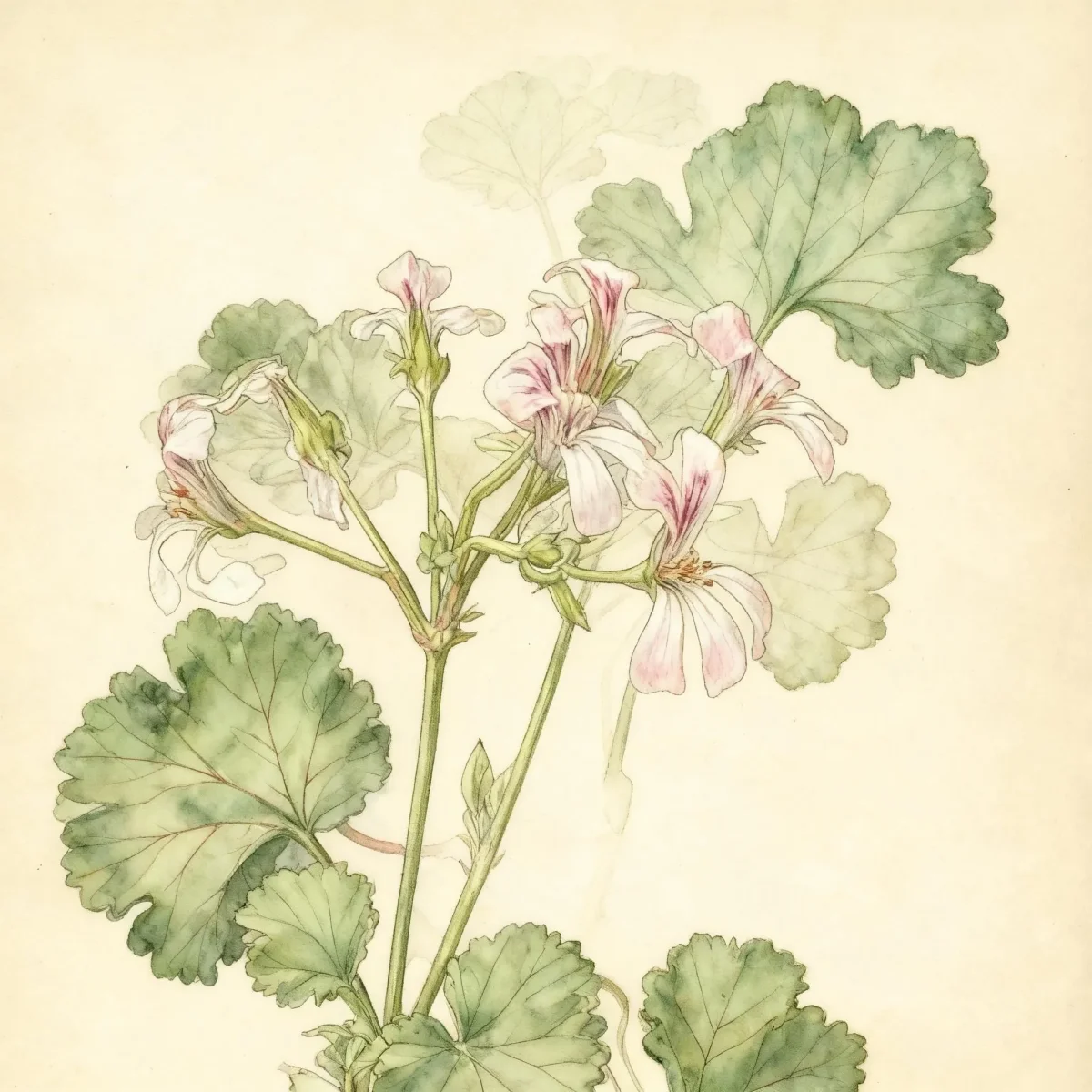
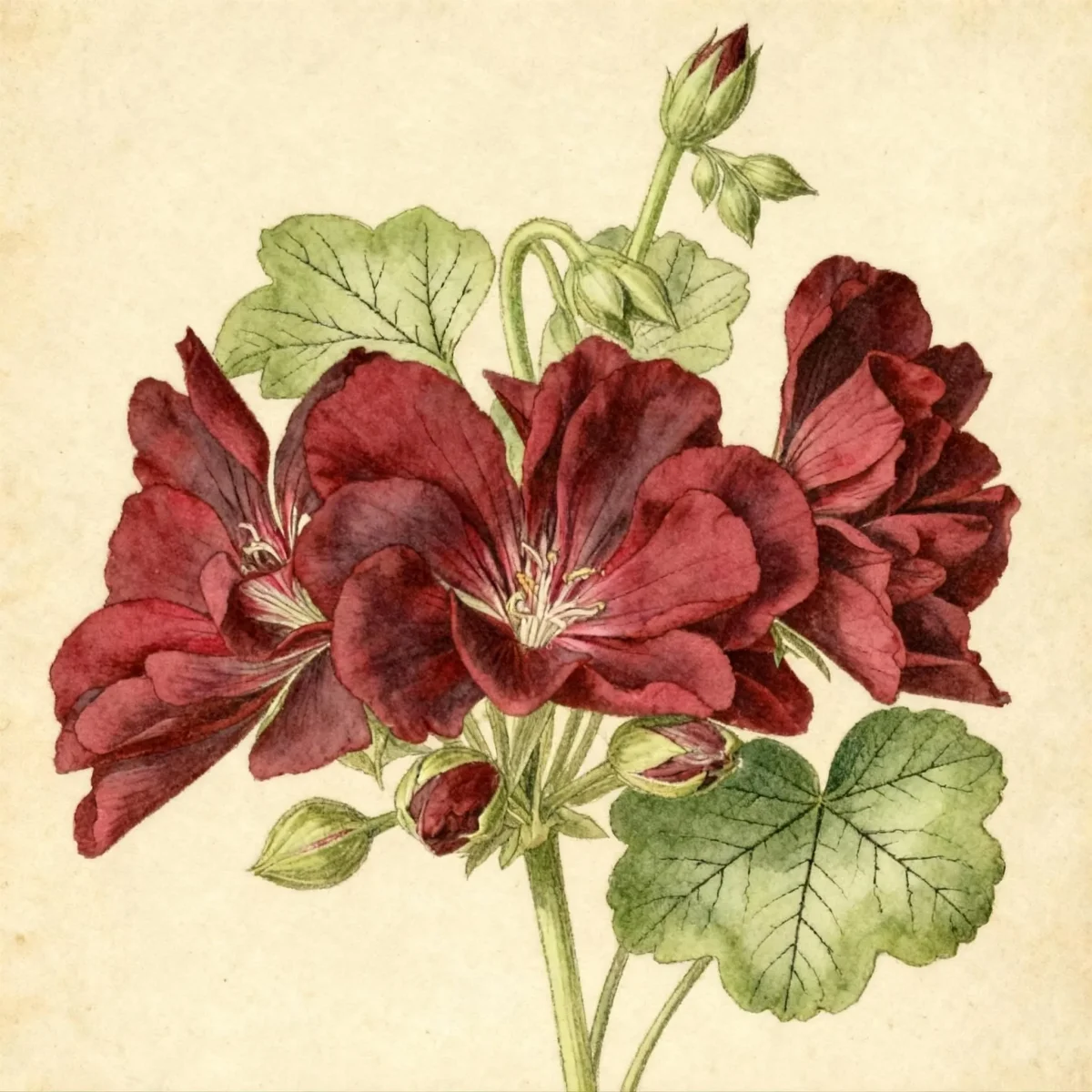
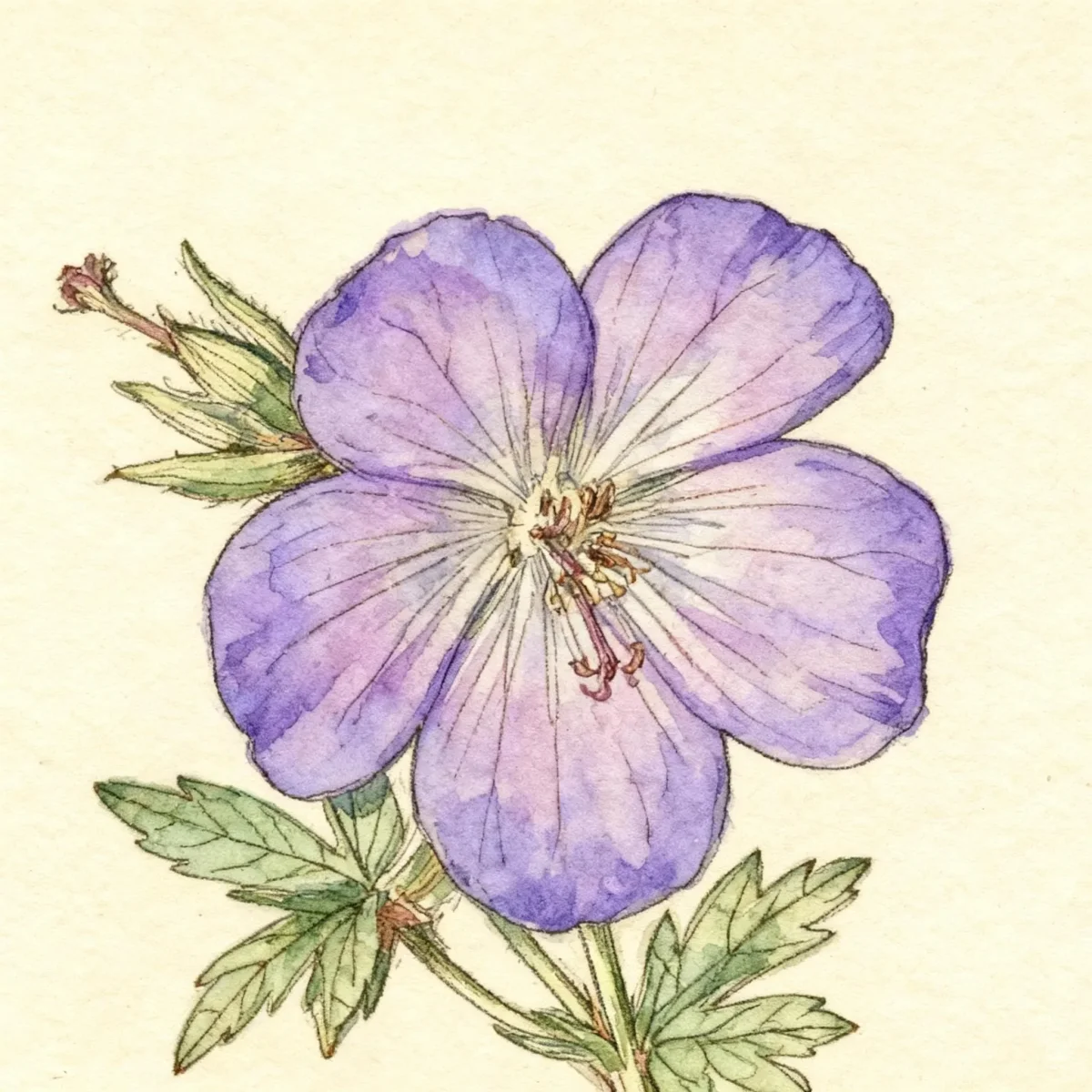
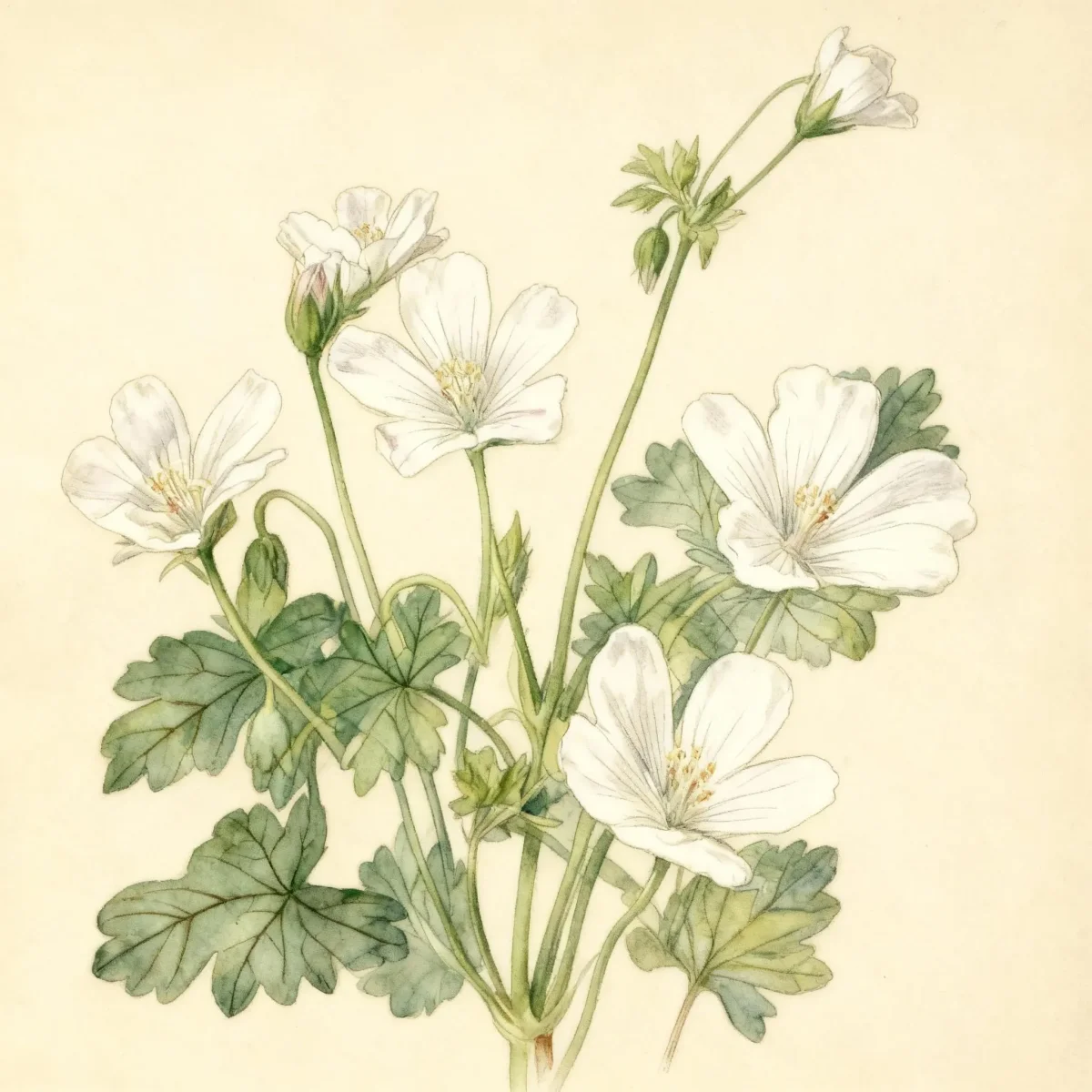
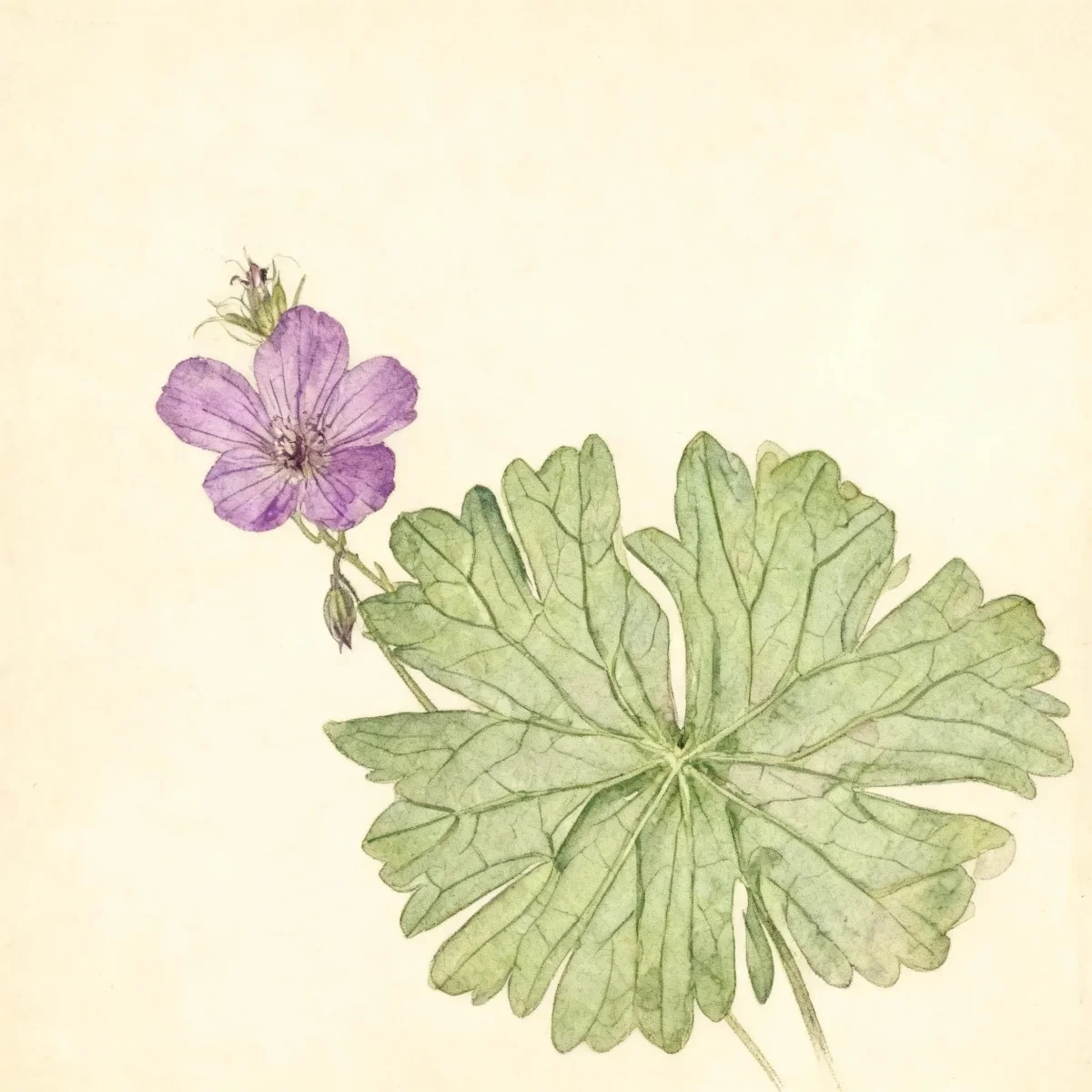
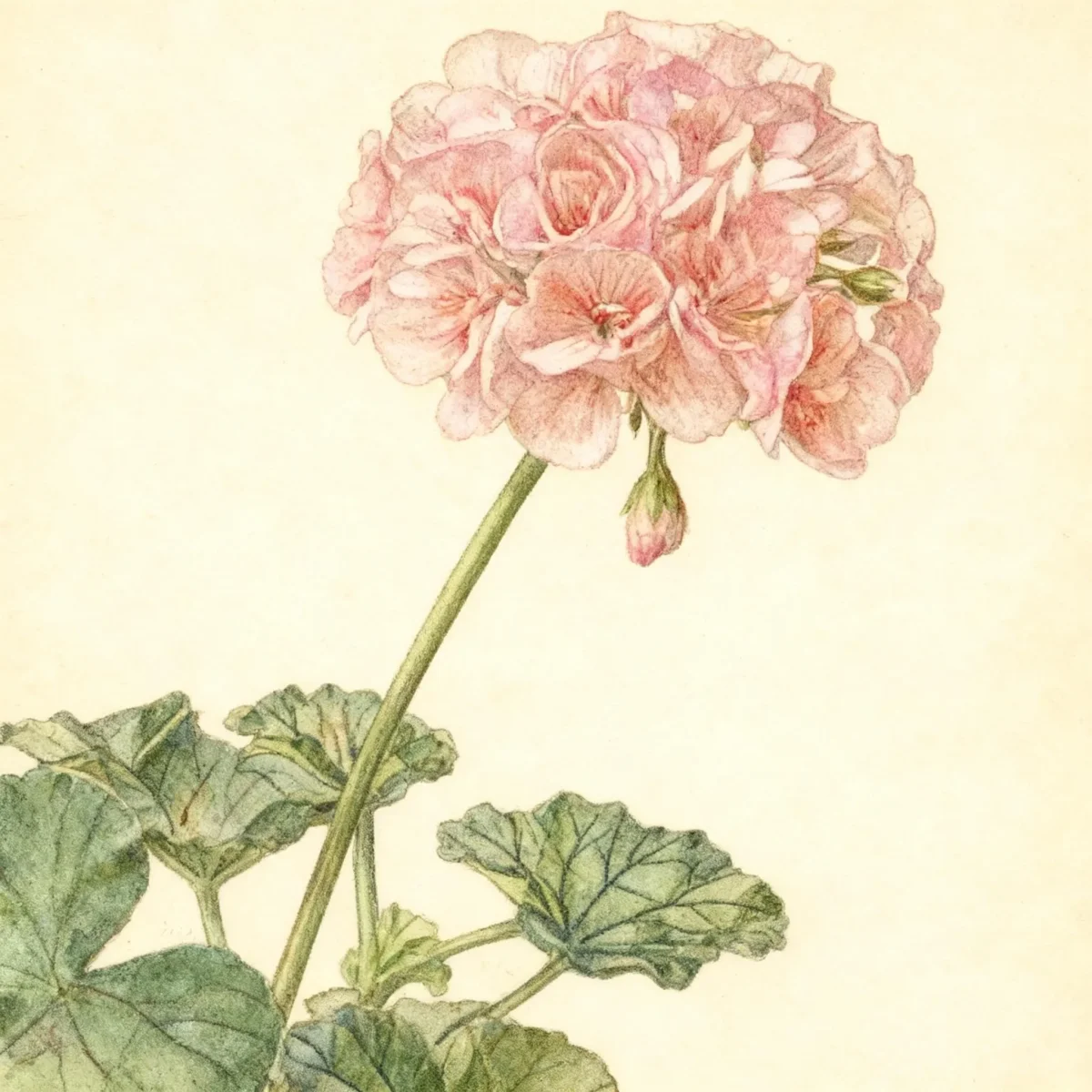
Zonal geranium (Pelargonium × hortorum)
Discover Pelargonium × hortorum, the reliable Zonal geranium, offering season-long color in borders and containers. Easy care perennial.
Scroll down to discover growing tips, care requirements, companion plants, and more
Complete Plant Information
Overview
The Zonal geranium, scientifically known as Pelargonium × hortorum, is a cherished staple in gardens worldwide, prized for its consistent and vibrant summer display. Grown often as an annual outside its narrow hardiness range, this plant forms shrubby mounds reaching up to three feet tall, providing mass color in beds and containers. Its resilience and ease of care make the Pelargonium × hortorum an excellent choice for gardeners seeking low-maintenance flowering displays.
These plants are complex hybrids, dominant parents derived from P. Zonale and P. Inquinans, leading to the diverse color palette available today. Distinctive rounded leaves, often accented with dark, circular ‘zonal’ bands, combine with dense flower clusters. From full sun borders to charming window boxes, the Zonal geranium delivers reliable visual impact season after season.
Gardeners value how freely the Pelargonium × hortorum flowers, requiring little more than regular water and routine deadheading to maximize bloom production throughout the warm months. While they are hardy only in USDA Zones 10-11, their adaptability allows them to be a dominant feature wherever summer color is needed.
Fast Facts
- Plant Family: Geraniaceae
- Plant Type: Herbaceous perennial
- Native Range: Garden origin
- Hardiness Zones: USDA Zones 10-11
- Size at Maturity:
- Height: 1-3 ft
- Spread: 1-3 ft
- Bloom Time: Flowers freely
- Bloom Description: Red, purple, pink, orange, white
- Sun Exposure: Full sun to part shade
- Water Needs: Medium
- Maintenance Level: Low
How to Grow
To establish vibrant Zonal geraniums, plant them after all danger of frost has passed in colder regions, or year-round in Zones 10-11. Ideal locations offer full sun, though some protection from the most intense afternoon heat is beneficial. When planting in the ground, amend the soil to ensure it is organically rich, possesses medium moisture retention, and drains exceptionally well, aiming for a neutral to slightly alkaline pH.
Watering should be regular throughout the growing season to maintain even soil moisture; avoid letting plants become waterlogged, as poorly drained soil is a significant cause of stem and root rot. To encourage continuous blooming, promptly deadhead spent flower stalks. Furthermore, pinch back young stems regularly to maintain a compact, bushy habit and prevent the Pelargonium × hortorum from becoming leggy over time.
For gardeners outside of tropical zones, treating Pelargonium × hortorum as an annual is common practice. If you wish to overwinter favorite plants, bring containers indoors before the first frost. They can be kept as houseplants near a bright, cool window with reduced watering, or placed dormant in a cool, dark, frost-free area like a basement or garage, which often promotes the most vigorous flowering the following spring.
Landscape Uses
The versatility of the Zonal geranium makes it indispensable for numerous landscape applications. They are perfectly suited for mass planting in garden beds and borders, where their uniform habit creates large blocks of solid color. Their upright structure also makes them excellent for edging along walkways or paths, defining hardscape features clearly.
Beyond in-ground use, Pelargonium × hortorum excels in container gardening. They thrive in pots, window boxes, and hanging baskets, where attention to soil drainage is paramount. Because they provide consistent, mid-height structure, consider pairing them with trailing annuals or contrasting upright foliage plants to create layered arrangements that feature the bright blooms of your Zonal geraniums.
Standout Features
Flower Qualities
- Showy
Noteworthy Characteristics
Pelargonium × hortorum, known as zonal geraniums, are typically grown as bedding or container plants where they grow in shrubby mounds to 1-3’ tall. Hybrids are available in both F1 seed varieties (single flower types that flower the first year from seed and come true from seed) and vegetative varieties (semi-double to double types that are propagated by cuttings). Flowers appear in clusters (umbels) atop long flowering stalks throughout the growing season. Flowers come in a wide range of colors, including various shades of red, purple, pink, orange and white. Rich, medium green, rounded to kidney-shaped leaves usually but not always have dark circular zonal bands which give rise to the common name. Zonal geraniums are complex hybrids which have P. Zonale and P. Inquinans as dominant parents.Genus name comes from the Greek word pelargos meaning a stork. The fruit has a beak like a stork.Hybrid name means pertaining to gardeners.
Tolerances
- Rabbit
Potential Problems
Cultivating Zonal geraniums successfully hinges on environmental control, especially in hot, humid summers frequently punctuated by heavy rain, which can be problematic in regions like the Southeast. Poor drainage is the fastest way to assure failure, quickly leading to fatal stem and root rots. To prevent fungal issues, ensure ample air circulation around the plants, especially when growing them densely in containers.
Pest management keeps these plants looking their best. Keep a close watch for common houseplant pests like whiteflies and aphids, particularly if you bring containers inside for overwintering. Tobacco budworm larvae are known to chew unsightly holes directly into the developing flower buds, requiring preventative treatment if infestations are common in your area.
Frequently Asked Questions
What hardiness zones is Zonal geranium suitable for?
The Pelargonium × hortorum is winter hardy only in USDA Zones 10 and 11, requiring overwintering indoors or replacement as an annual in most climates.
How large does Zonal geranium grow?
This species typically matures to a height between 1 and 3 feet, with a similar spread of 1 to 3 feet, forming a bushy mound.
What sun exposure does Pelargonium × hortorum need?
These plants perform best with full sun exposure but will appreciate protection from the most intense heat of the day, thriving well with light afternoon shade.
When does Zonal geranium bloom?
The Zonal geranium flowers freely throughout the growing season, producing colorful clusters in shades of red, purple, pink, orange, and white.
Conclusion
The Zonal geranium remains a foundation plant for summer color, offering reliable, low-maintenance blooms in almost any setting, container, or border. Whether grown as an annual display or carefully overwintered, the vibrant flower clusters of Pelargonium × hortorum provide unmatched seasonal cheer. Check your local USDA hardiness zone compatibility and plan for excellent drainage to ensure these beloved geraniums flourish next season.
Propagation Tips
Taking cuttings is an excellent, budget-friendly way to secure new Pelargonium × hortorum plants for the next season. Cuttings can be taken from established, healthy plants in late summer before they are brought indoors for overwintering, or taken from overwintered stock in early spring. Use clean pruners to take cuttings approximately 3 to 4 inches long, ensuring each piece has several nodes.
Remove the lower leaves, leaving only the top few to minimize water loss. Allow the cut end to dry and form a protective callous for several hours, or even overnight, before planting them into a sterile, well-draining rooting medium, such as a 50/50 mix of peat and perlite. Keep the medium lightly moist but never soggy, and provide bright, indirect light until roots develop.
Design Ideas
The structural density and predictable height of the Zonal geranium lend it well to formal landscape designs where uniformity is desired. They create excellent, long-lasting borders along pathways, offering a crisp edge that contrasts nicely with lower-growing groundcovers or softer textural plants. When selecting bedding schemes, use single-color patches of deep magenta or brilliant scarlet to maximize the visual impact of the massed flowers.
For mixed containers, utilize the “thriller, filler, spiller” concept where the Pelargonium × hortorum serves perfectly as the “filler”—providing vertical body and mid-level color saturation. Pair them with cascading petunias or creeping Jenny as spillers, and perhaps an upright structural accent like ornamental grass as the thriller for dynamic interplay.