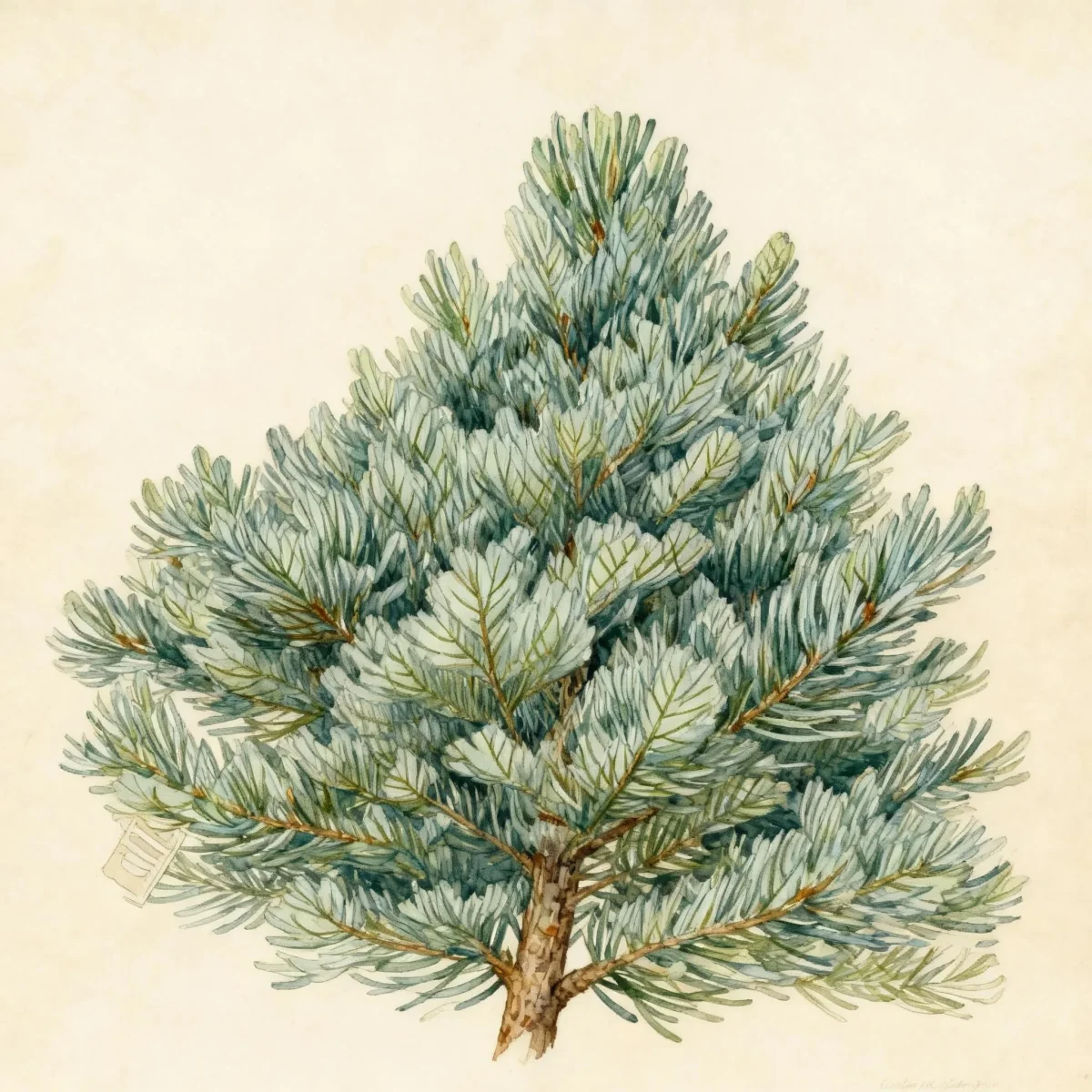
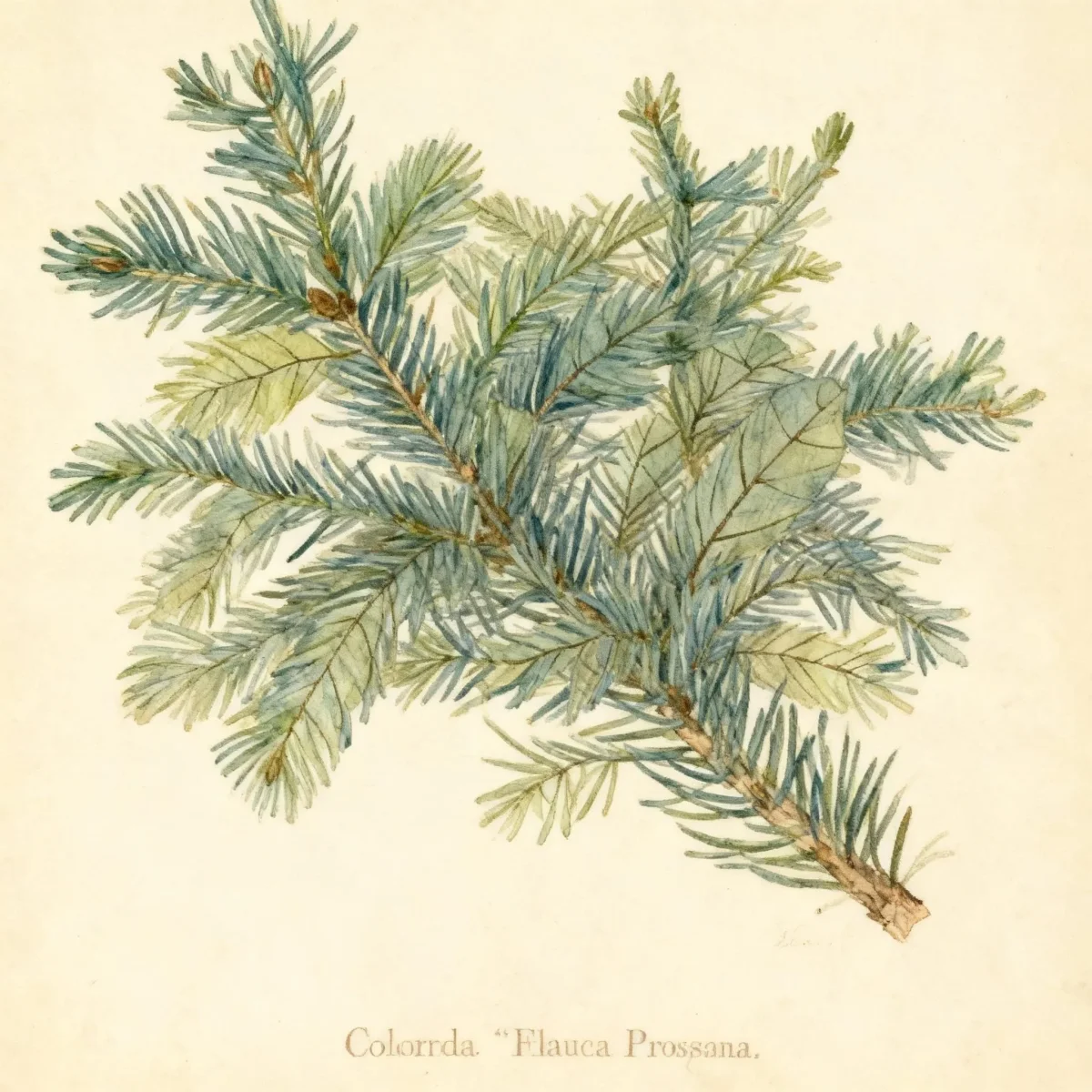
Colorado spruce (Picea pungens 'Montgomery')
Picea pungens 'Montgomery' is a slow-growing, dwarf Colorado spruce known for silvery-blue needles, perfect for rock gardens.
Scroll down to discover growing tips, care requirements, companion plants, and more
Complete Plant Information
Overview
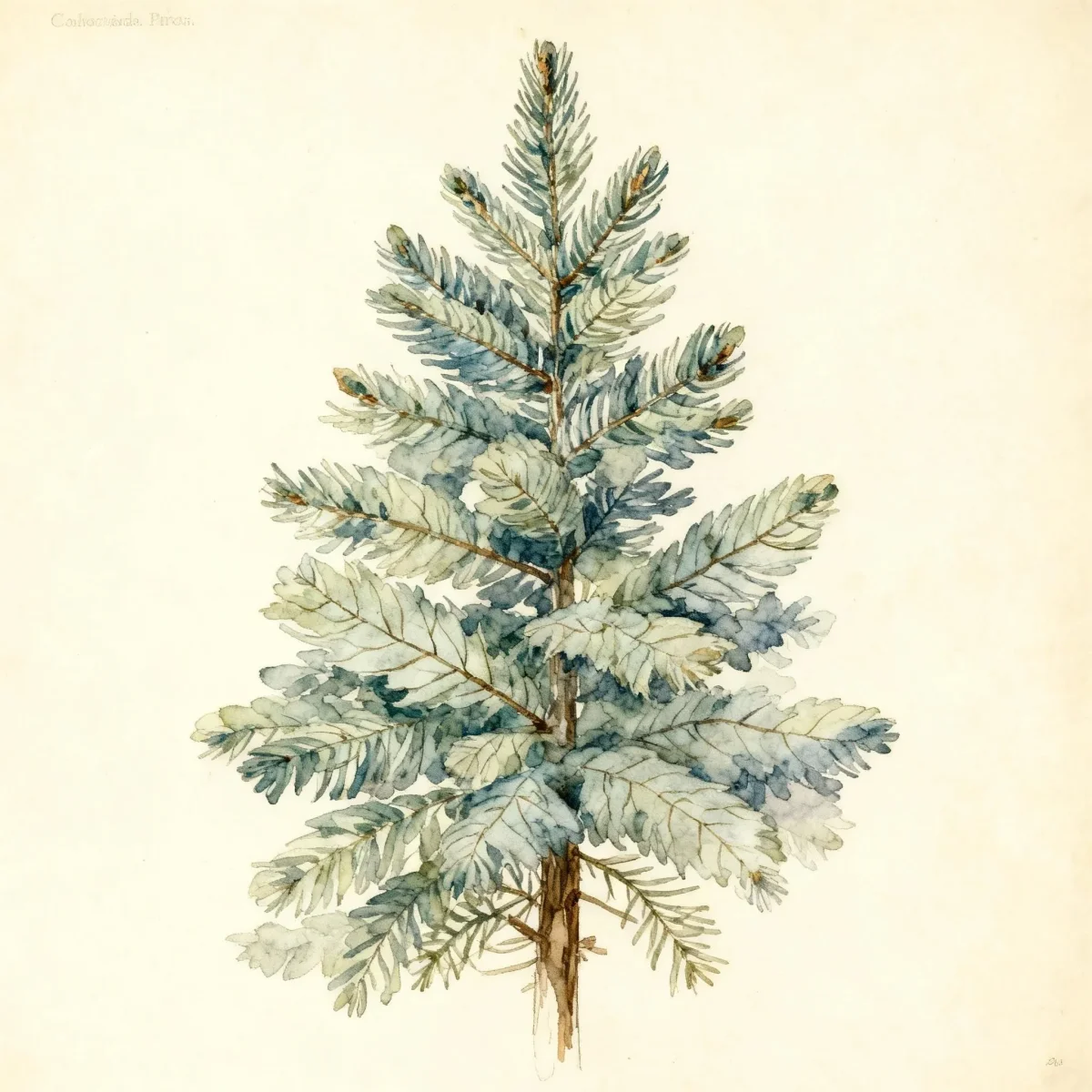
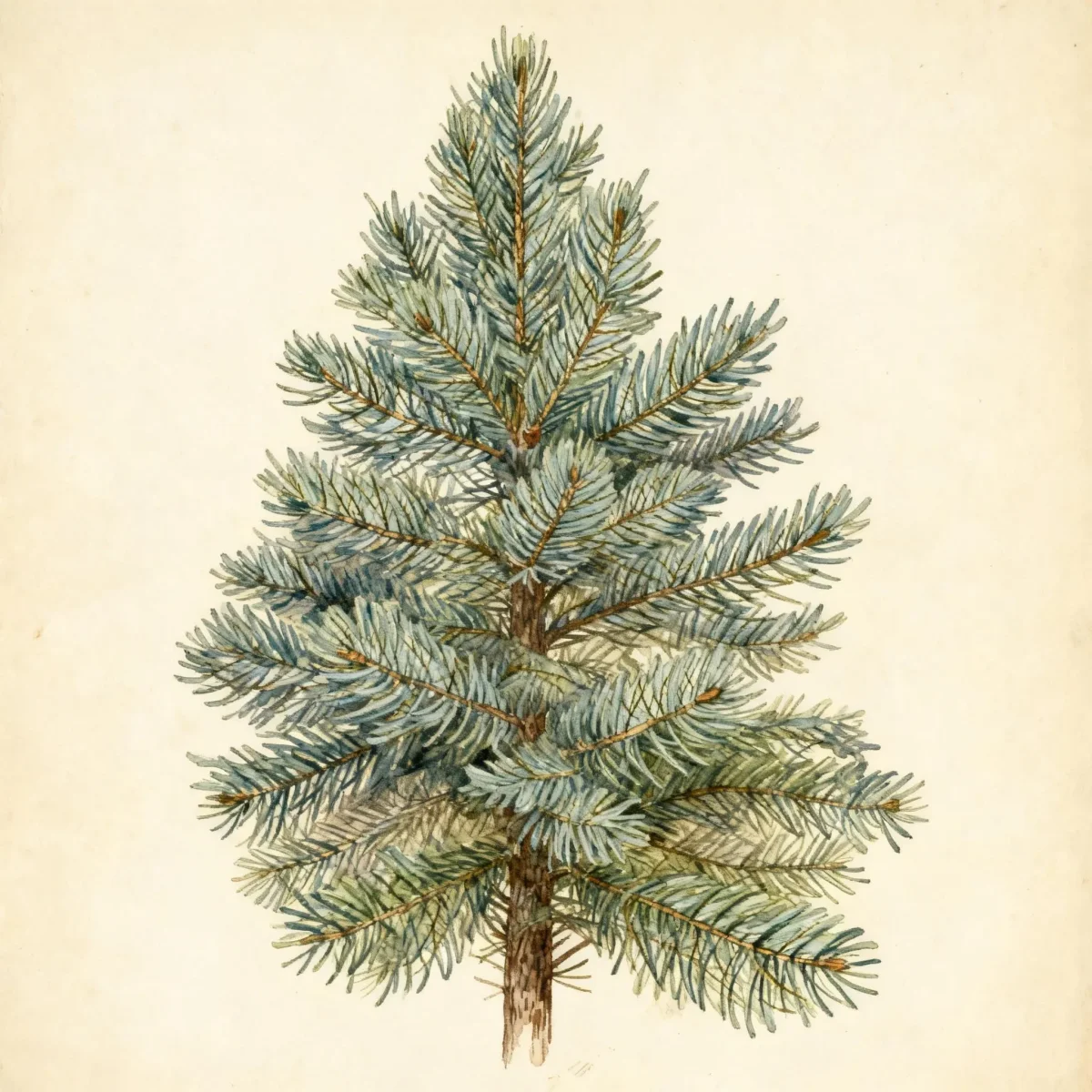
Picea pungens ‘Montgomery’, commonly known as the dwarf Colorado spruce, offers the stunning silvery-blue foliage of its larger relatives in a compact, manageable form. This slow-growing cultivar is highly valued for adding year-round texture and brilliant cool color to smaller garden spaces where a full-sized specimen would overwhelm the landscape. It retains an attractive, broad conical shape, making it an excellent structural accent.
This needled evergreen thrives when provided with consistent moisture and ample sunlight, reflecting its Rocky Mountain origins. While considered low maintenance once established, attention to its soil and water needs during its initial years is crucial for developing a strong root system. The dense branching structure of the Colorado spruce naturally provides excellent year-round visual interest.
The striking blue hue of the needles on Picea pungens ‘Montgomery’ provides an unusual contrast against green plantings, making it a standout specimen. Gardeners appreciate its reliable evergreen structure and its ability to tolerate various urban stressors, establishing it as a dependable choice for structured landscapes.
Fast Facts
- Plant Family: Pinaceae
- Plant Type: Needled evergreen
- Hardiness Zones: USDA Zones 3-7
- Size at Maturity:
- Height: 3-4 ft
- Spread: 3-6 ft
- Bloom Time: Non-flowering
- Bloom Description: Non-flowering
- Sun Exposure: Full sun
- Water Needs: Medium
- Maintenance Level: Low
How to Grow
Plant Picea pungens ‘Montgomery’ in the spring or fall in a location receiving full sun for the best color development. This conifer performs best in average, acidic soils that are medium in moisture and possess excellent drainage. While afternoon shade is beneficial in extremely hot, humid summer climates, sufficient sun exposure is necessary to maintain the coveted blue coloration.
Watering is critical, especially during the first few seasons as the plant establishes its root system; aim to keep the soil consistently moist and avoid letting it dry out completely. Although established plants exhibit some drought tolerance, they prefer rich, moist conditions. Pruning is generally unnecessary for Picea pungens ‘Montgomery’, as it naturally maintains a desirable broad cone shape; however, selective pruning can be used to manage height if required.
This rugged Colorado spruce cultivar shows surprising adaptability, even performing well in challenging conditions like the hot and humid St. Louis climate, provided its cultural requirements for moisture and sun are met consistently. Generally, this is a low-maintenance evergreen that offers significant visual impact without demanding constant attention.
Landscape Uses
The compact size of Picea pungens ‘Montgomery’ makes it uniquely qualified for positions where standard blue spruce trees are impractical. It shines as a dramatic specimen or accent in rock gardens, drawing attention with its silvery needles placed against stone textures. Its dense, pyramidal habit also lends itself well to formal foundation plantings near homes, offering year-round structure.
While it can be grown as a hedge, landscape designers often suggest using this dwarf cultivar more sparingly. The intense blue needle color, which is its primary aesthetic draw, can become overwhelming if used in broad mass plantings, making integration into mixed borders or as singular focal points more effective. Pair it with dark green or deep burgundy foliage plants to maximize the contrast of the Colorado spruce.
Standout Features
Noteworthy Characteristics
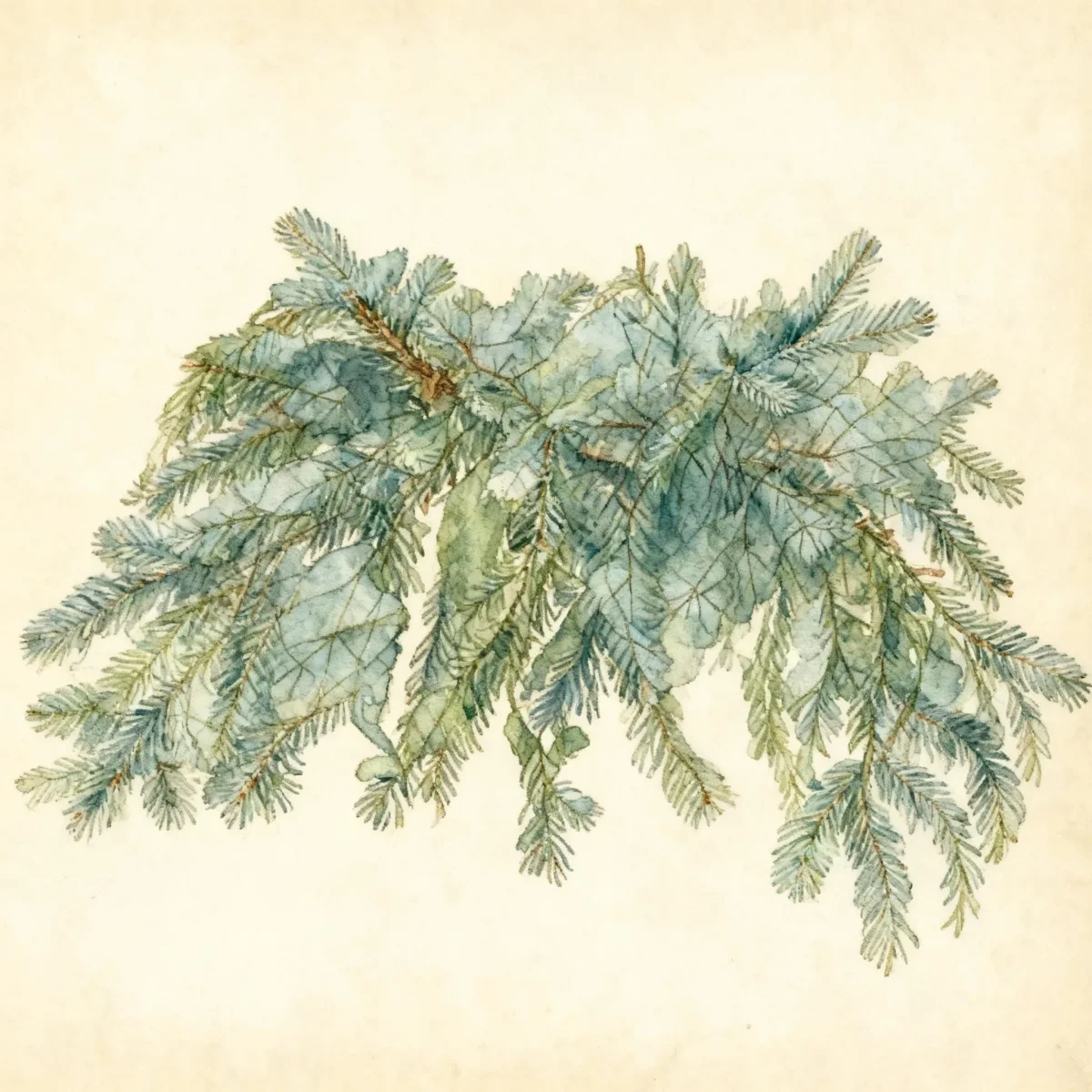
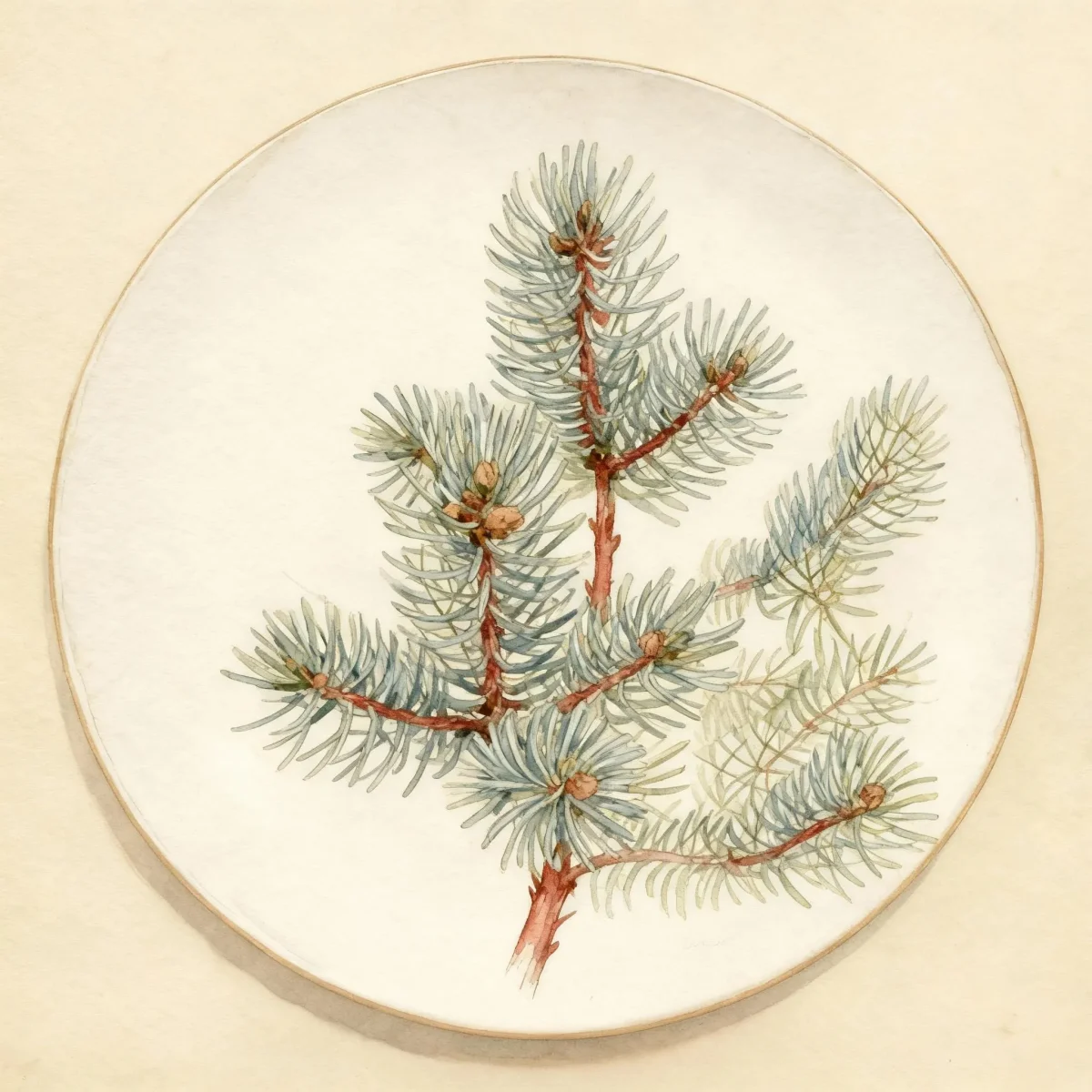
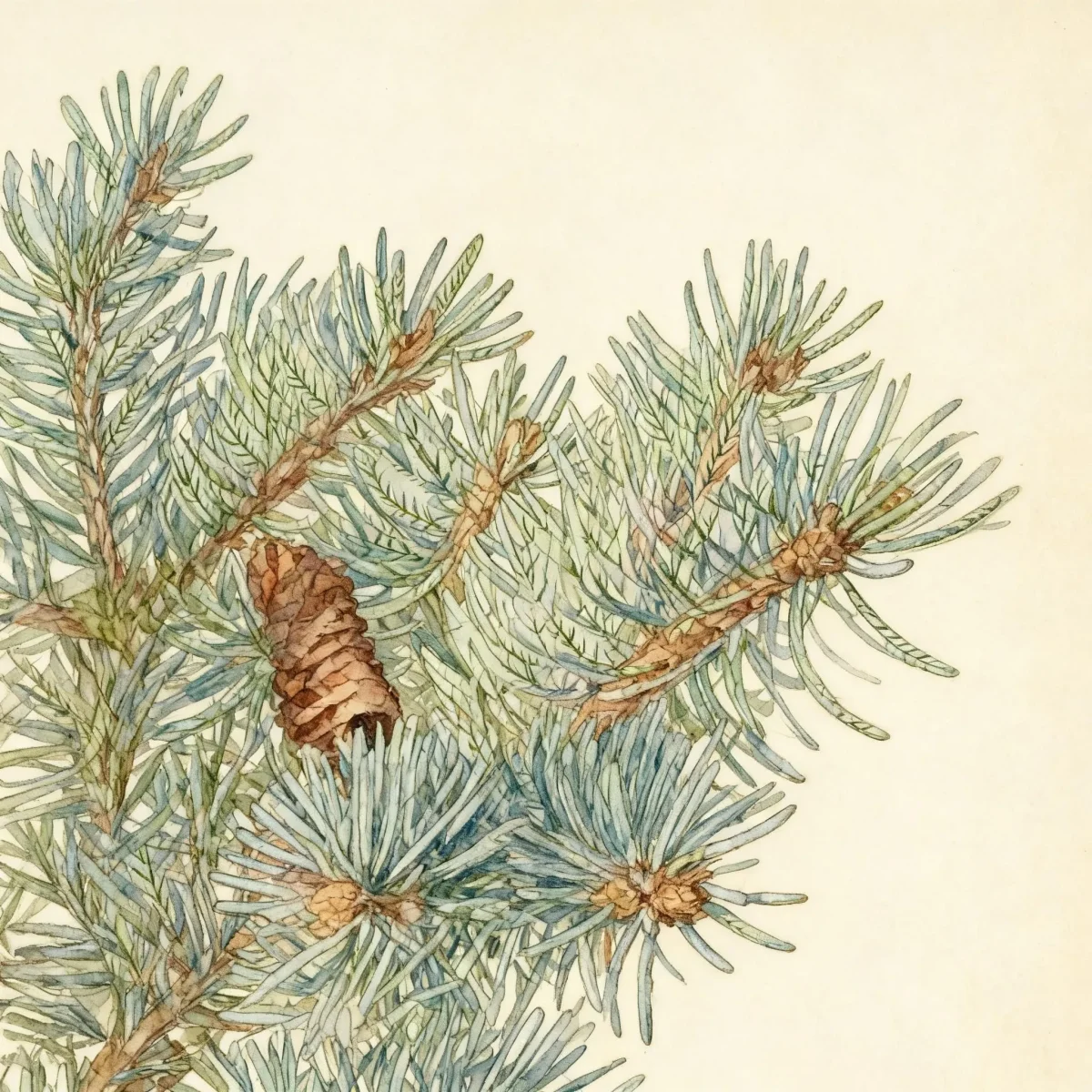
Picea pungens, commonly called Colorado spruce (also blue spruce), is noted for its stiff, bristly, four-angled needles that range from green to vibrant silver-blue. The horticultural appeal of this species lies heavily in its blue-foliaged varieties. Specifically, ‘Montgomery’ is a slow-growing dwarf cultivar maintaining a broad cone shape, typically reaching only 2-3 feet tall initially, potentially maturing to 6-8 feet unless pruned. Its attractive, silvery blue needles distinguish it, making Picea pungens ‘Montgomery’ a desirable dwarf accent.
Tolerances
- Rabbit
- Deer
- Drought
- Air Pollution
Potential Problems
Colorado spruce varieties are susceptible to several fungal issues, most notably needle cast and cytospora canker, which can cause browning and shedding of older needles. Proper air circulation, achieved by avoiding overly crowded plantings, is the primary preventative measure against these diseases. Rust is another potential fungal concern to watch for on the foliage.
Insect pests frequently target spruces; be vigilant for aphids, especially spruce gall aphids, scale insects, budworms, and bagworms. Severe infestations of spider mites, particularly during hot, dry periods, can significantly stress the plant, causing the needles to look dull and stippled. Inspecting new growth early in the season can help catch pest invasions before they become significant problems for your Picea pungens ‘Montgomery’.
Frequently Asked Questions
What hardiness zones is Colorado spruce suitable for?
Picea pungens ‘Montgomery’ is reliably hardy in USDA Zones 3 through 7. Always confirm suitability for your specific microclimate before planting.
How large does Picea pungens ‘Montgomery’ grow?
This dwarf cultivar typically grows slowly, reaching heights between 3 to 4 feet tall with a spread of 3 to 6 feet at maturity, though some sources suggest it may eventually reach 6-8 feet if left completely unpruned.
What sun exposure does Picea pungens ‘Montgomery’ need?
This needled evergreen requires full sun exposure to develop the best, most intense silvery-blue needle coloration.
When does Picea pungens ‘Montgomery’ bloom?
As a conifer, Picea pungens ‘Montgomery’ is non-flowering and does not produce ornamental blooms.
Design Ideas
Focusing on context is key when integrating the vibrant Colorado spruce into your garden design. Because of its distinct color, consider placing Picea pungens ‘Montgomery’ near dark green evergreens or deep burgundy deciduous shrubs, such as certain Japanese Maples or Barberry varieties, to amplify the cool blue tones. Its low stature makes it perfectly suited for the front row of an evergreen border or as a standalone feature in a mixed foundation planting.
This dwarf can also serve as a permanent, low-maintenance “thriller” in very large, year-round container arrangements, especially on patios or near entryways where its structure can be appreciated up close. Ensure the container is large enough to accommodate its slow but steady spread of 3 to 6 feet over time.
Companion Planting
When planning plantings around your Picea pungens ‘Montgomery’, select companions that benefit from or thrive in similar acidic soil conditions and medium moisture levels. Low-growing, broadleaf evergreens like Dwarf Mugo Pine or various low-growing Junipers create excellent textural contrast without competing aggressively for sunlight. For seasonal color, consider low-mounding perennials like Hosta (in partial shade areas flanking the spruce) or Siberian Iris, whose upright foliage complements the vertical nature of the coniferous accent.
Conclusion
Picea pungens ‘Montgomery’ offers exceptional value by delivering the striking silvery-blue foliage characteristic of the Colorado spruce in a manageable, slow-growing dwarf form. Its low maintenance requirements and tolerance for urban elements make it an exceptionally practical choice for year-round structure. Before planting, verify that your site provides full sun and enjoys USDA Zone 3-7 conditions, ensuring your new accent pine thrives for years to come.