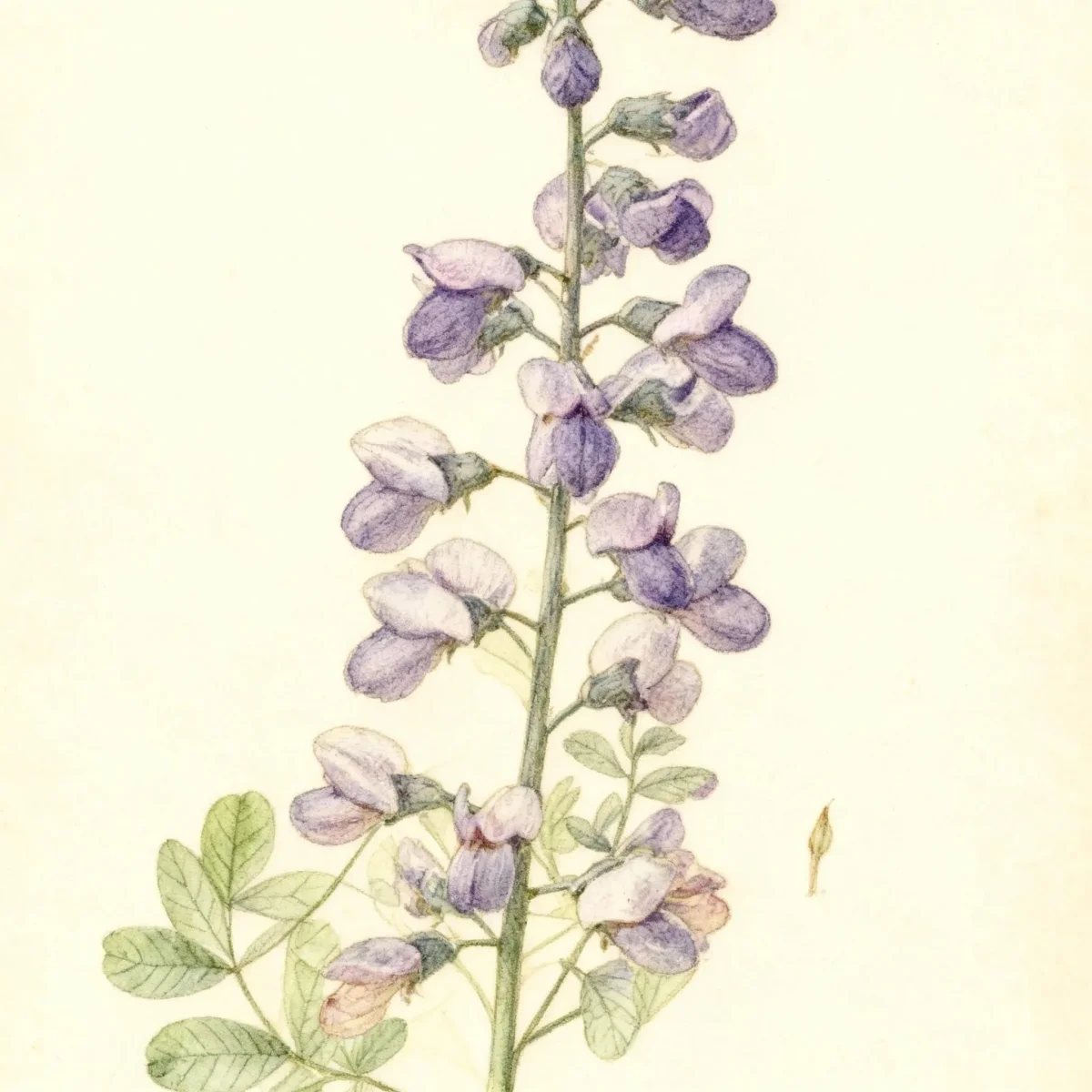
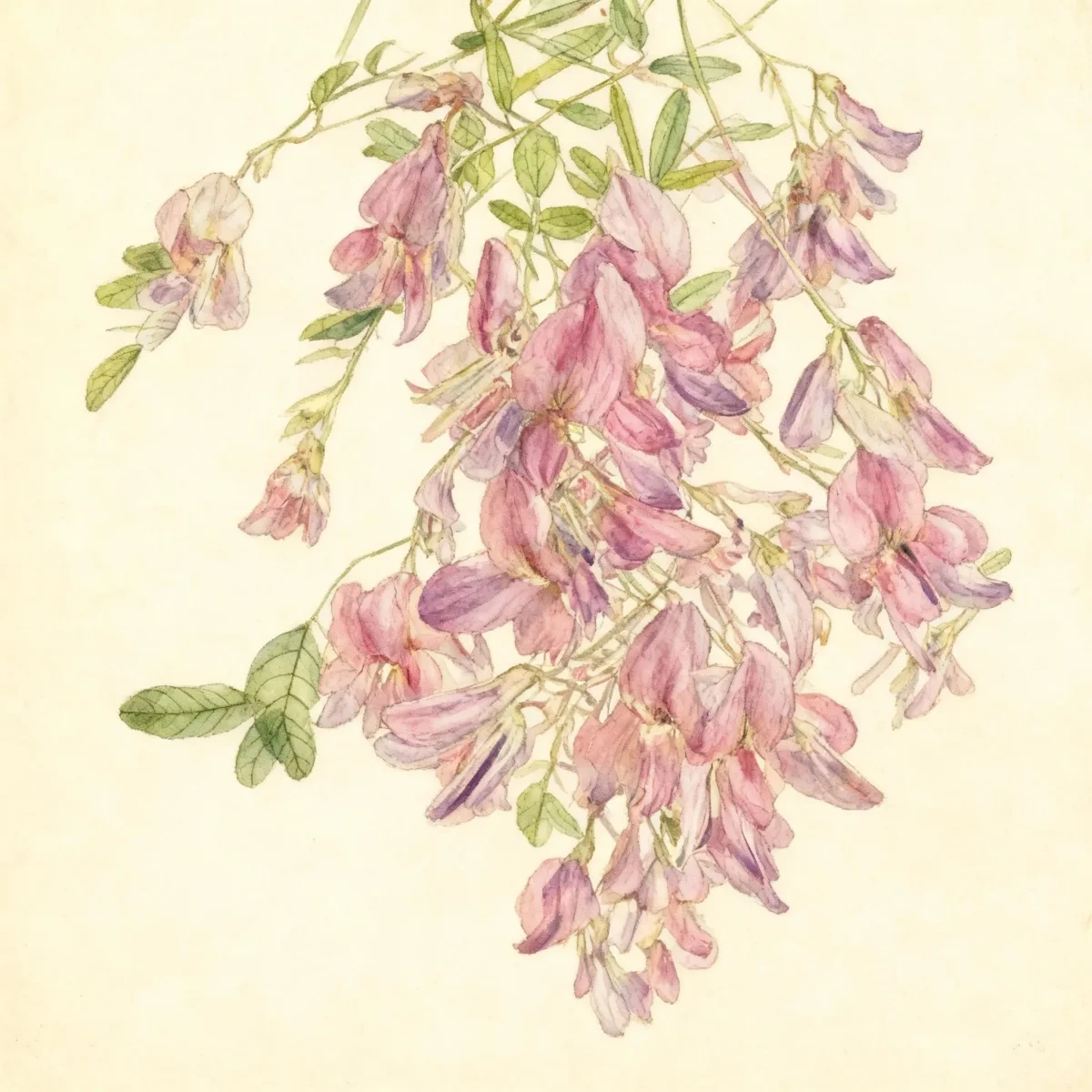
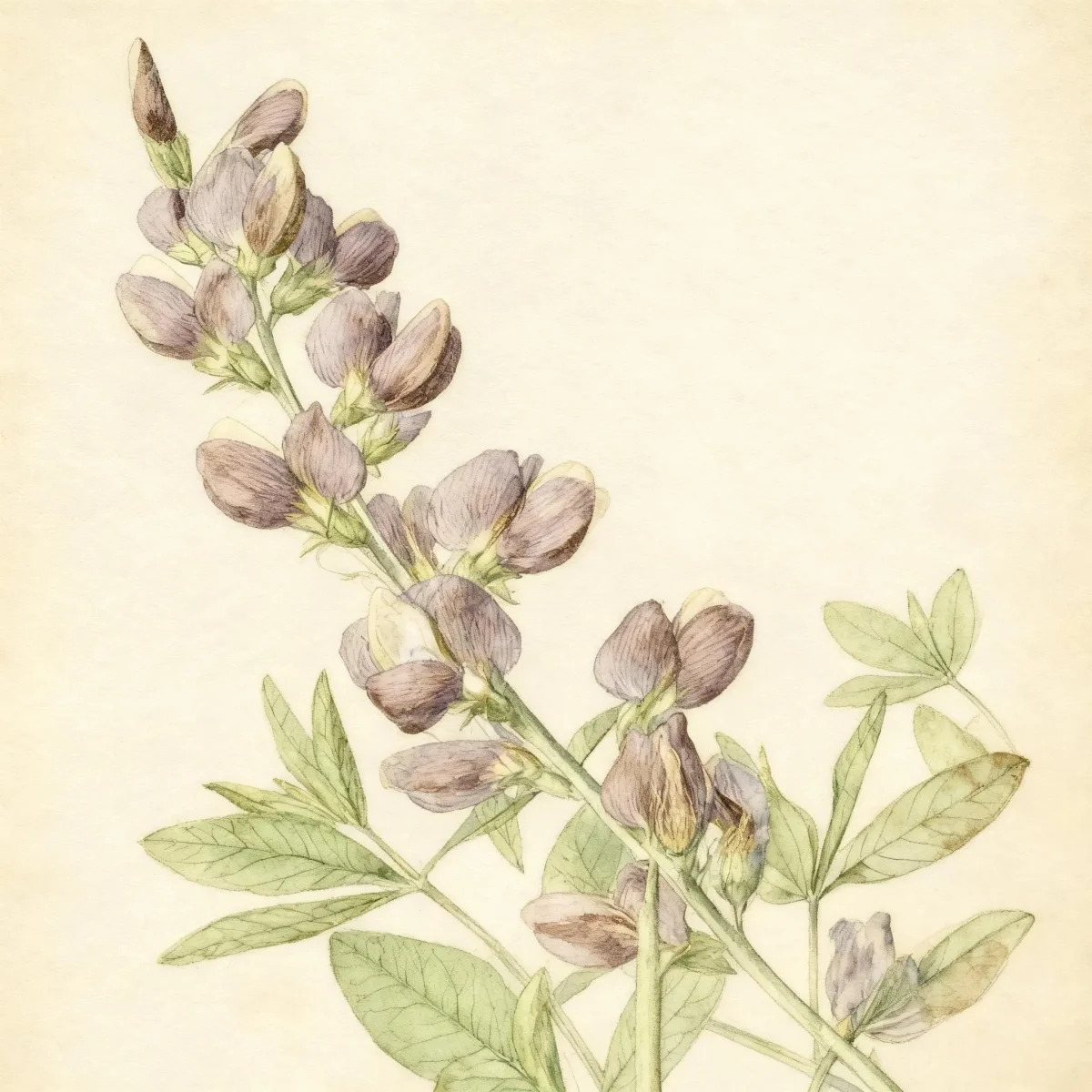
Kudzu vine (Pueraria montana var. lobata)
The famous Kudzu vine (Pueraria montana var. lobata) is a vigorous, invasive Asian vine known for rapid growth and large purple flowers.
Scroll down to discover growing tips, care requirements, companion plants, and more
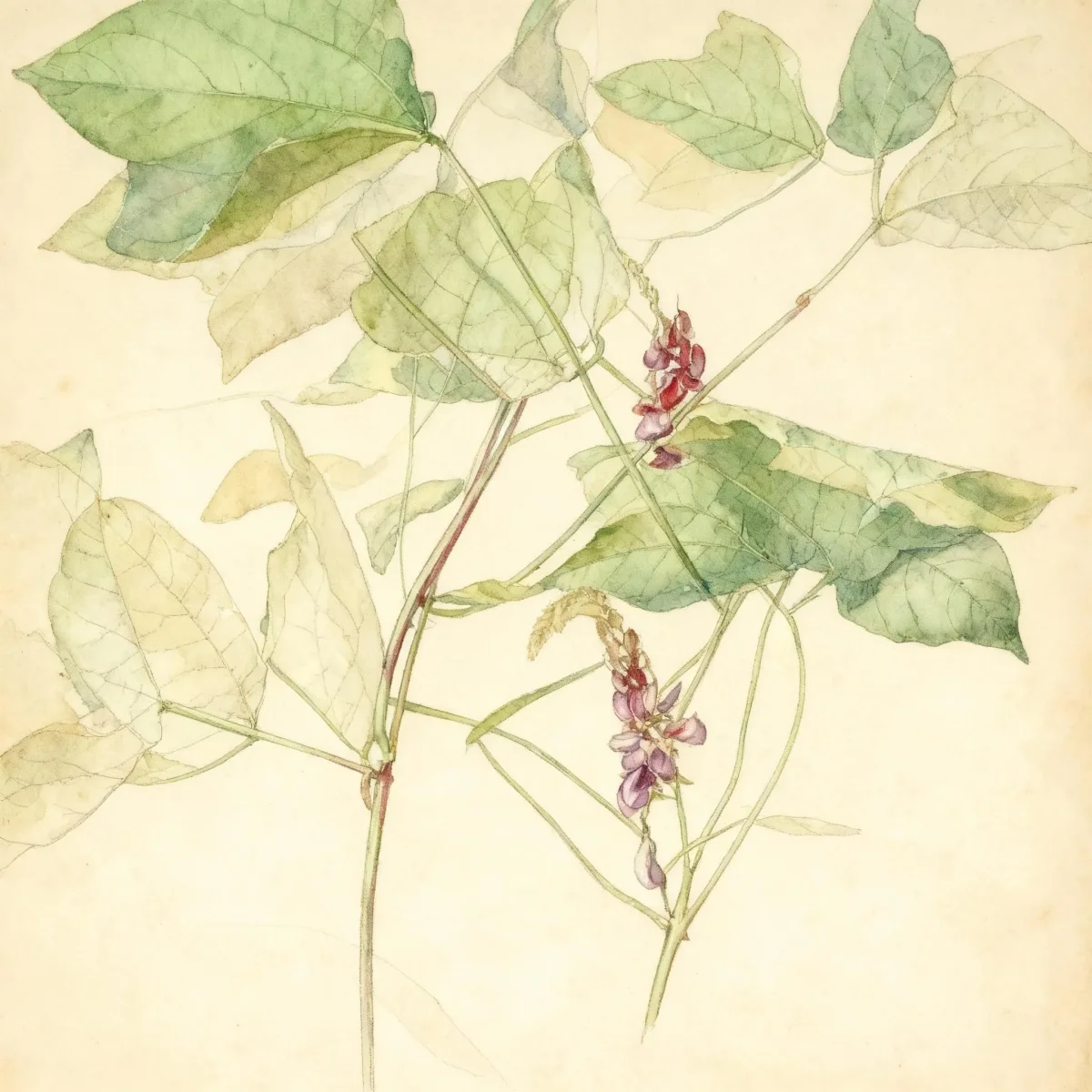
Complete Plant Information
Overview
Pueraria montana var. lobata, universally recognized as Kudzu vine, is perhaps the most notorious fast-growing vine established in the Eastern United States. This rapidly spreading deciduous plant establishes deep taproots and can produce an astonishing 100 feet of new growth annually under ideal conditions. While native to Asia, where it has historical use as a food and fiber crop, its introduction to the US garden landscape quickly revealed its aggressive, invasive character.
The primary visual distinction of the Kudzu vine is its voluminous coverage, utilizing clinging stems to blanket nearly any surface, from ground cover to entire tree canopies. Although possessing significant aesthetic features, such as fragrant purple blooms, its rapid colonization—leading to environmental catastrophe—now dominates its profile, resulting in its classification as a noxious weed. Therefore, gardeners considering Pueraria montana var. Lobata must approach cultivation with extreme caution regarding containment strategies.
In areas where the winter is mild, Pueraria montana var. Lobata can form dense, impenetrable mats, choking out native plant communities. Even in cooler climates, like parts of Missouri where vegetative growth dies back, the powerful crowns ensure vigorous regrowth. Its rapid structure development is a key functional characteristic, historically valued for erosion control before its invasive potential was realized.
Fast Facts
- Plant Family: Fabaceae
- Plant Type: Vine
- Native Range: China, Japan
- Hardiness Zones: USDA Zones 5-10
- Size at Maturity:
- Height: 30-100 ft
- Spread: 10-20 ft
- Bloom Time: July to September
- Bloom Description: Purple
- Sun Exposure: Full sun to part shade
- Water Needs: Dry to medium
- Maintenance Level: High
How to Grow
The best results for Pueraria montana var. lobata culture, provided it is contained, involve planting during spring or early summer in well-drained, sandy loam substrates. Root establishment is key, as the plant develops huge, tuberous taproots that store immense energy for subsequent growth spurred by the crown. Full sun is preferred, which promotes flowering, but the vine tolerates heavy shade, although blossoms are usually absent in dimmer locations.
Watering requirements are low once established; the Kudzu vine tolerates significant drought conditions due to its deep root system. Avoid planting in overly wet soils, as poor drainage hinders long-term crown health. Fertilizer is rarely necessary given its inherent vigorous nature.
Pruning, or rather aggressive control, is paramount. In cold winter climates, the top vegetative growth will die back to the crown, offering a small reprieve. However, even in these areas, unchecked growth can resume intensely the following season. Management requires constant inspection and removal of rooting nodes along the stems and perpetual monitoring of the main crown.
Landscape Uses
Due to the extreme invasive nature of Pueraria montana var. Lobata and its designation as a Federal Noxious Weed, its use in ornamental or standard cover applications in the United States is strongly discouraged and often illegal. The primary functional use that led to large-scale planting—erosion control and bank stabilization—has been superseded by the damage it causes to existing ecosystems and infrastructure.
If this plant is encountered where it has escaped cultivation, the “use” becomes absolute eradication rather than incorporation into design. For gardeners in areas where planting is somehow permitted outside regulated environments, the sheer growth rate means it can smother large structures quickly, leading to the collapse of utility poles or buildings if allowed to climb unchecked. No functional companion planting is recommended, as the Kudzu vine aggressively outcompetes all neighbors.
Standout Features
Flower Qualities
- Showy
- Fragrant
Noteworthy Characteristics
Pueraria montana var. Lobata, commonly called Kudzu, is a deciduous twining vine that is noted for its rapid and invasive growth, native to Asia where it was cultivated for its tubers and fibers. Its introduction in the U.S. led to widespread planting for forage and erosion control before its aggressive nature became infamous, resulting in its classification as a federal noxious weed. The vine exhibits prodigious foliage growth, sometimes reaching 100 feet in one season, spreading via rooting nodes, and capable of suffocating entire plant communities.
Tolerances
- Drought
- Heavy Shade
Potential Problems
The primary, overwhelming problem associated with Pueraria montana var. Lobata is its extremely invasive growth habit, which poses a severe threat to native biodiversity. While it experiences no serious insect or disease problems, its ability to cover and kill large areas of desirable vegetation by shading them out far outweighs any minor pest concern. Management mandates persistent physical removal of the crown and ongoing monitoring to sever any new rooting stems immediately upon detection.
Frequently Asked Questions
What hardiness zones is Kudzu vine suitable for?
Pueraria montana var. lobata is suitable for USDA Hardiness Zones 5 through 10.
How large does Kudzu vine grow?
This massive vine can reach heights between 30 and 100 feet tall, with spreads typically ranging from 10 to 20 feet wide around its established crown.
When does Kudzu vine bloom?
The plant produces its tell-tale fragrant, pea-like purple flowers between July and September, typically only on vines that receive adequate sun exposure.
What sun exposure does Kudzu vine need?
While it prefers and performs best in full sun, the Kudzu vine is highly adaptable and will grow successfully even under part shade conditions.
Conclusion
The Pueraria montana var. Lobata vine presents a unique horticultural profile, balancing its historical utility and attractive summer blooms against its devastating potential as an invasive species. For most gardeners in the United States, the takeaway must be an emphasis on prevention and eradication rather than cultivation, due to the severe ecological impact of the Kudzu vine. Always verify local regulations before planting any specimen, even in highly controlled settings.
Propagation Tips
Propagation of Pueraria montana var. Lobata is alarmingly easy, contributing significantly to its invasive success. The primary vectors for spread are rhizomes and stems that root readily at nodes where they touch the soil. When attempting any control measure, ensure the crown is completely destroyed, as even small segments of the tuberous root left behind can regenerate new growth.
For historical study or heavily regulated containment zones, vegetative cuttings taken from the vine nodes can be rooted in moist soil. However, this method is strongly discouraged outside of professional research settings due to the instantaneous establishment of a new, vigorous plant body capable of rapid spread.
Companion Planting
Given the established history and intense competitive nature of Pueraria montana var. Lobata, standard companion planting advice does not apply. No plant should be intentionally placed near the Kudzu vine, as the vine will inevitably smother and kill any desirable companion species. The only successful pairing involves vigorous native plant communities that are actively and relentlessly managed to suppress the invasive spread of the vine.