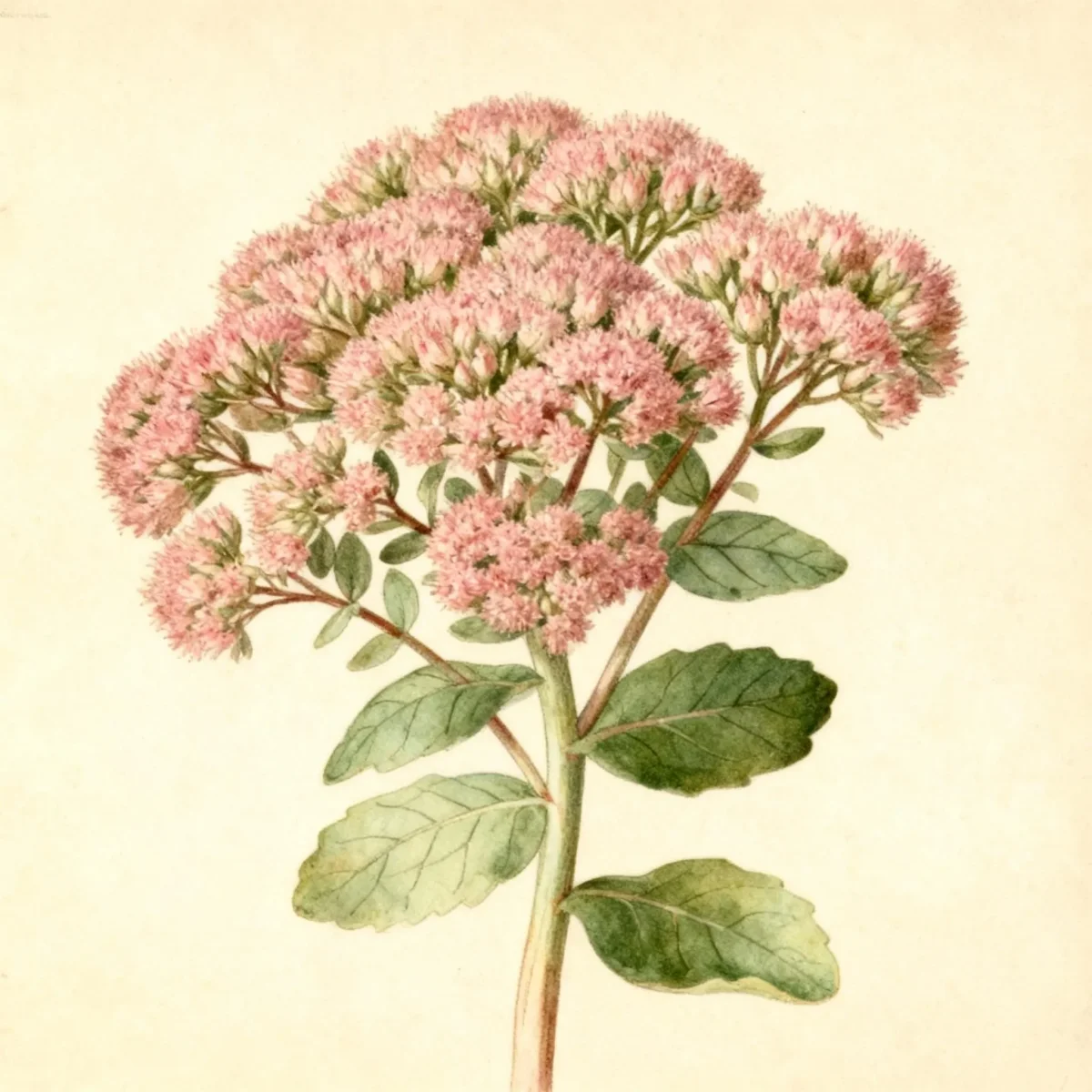
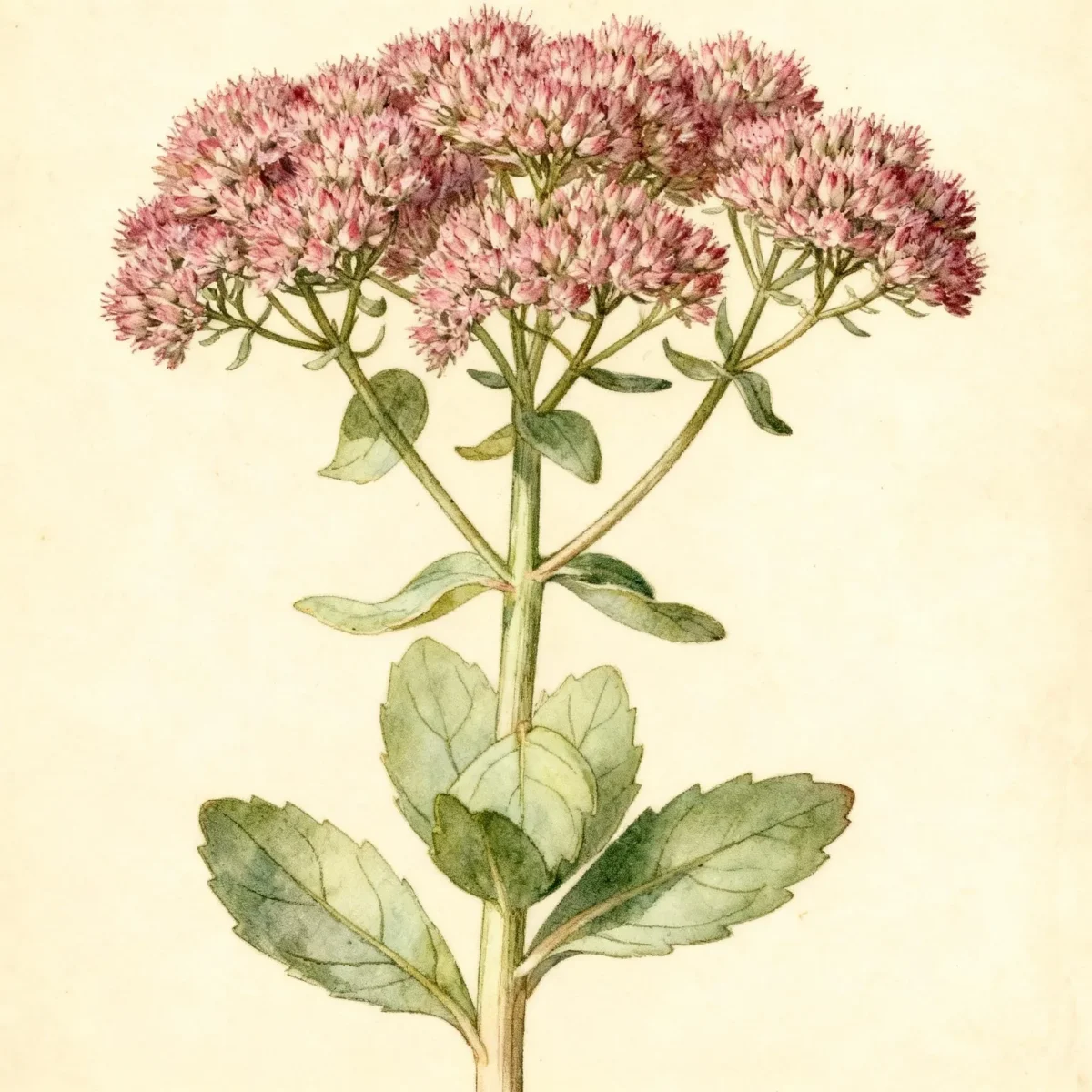
Stonecrop (Sedum 'Blue Spruce')
Sedum 'Blue Spruce' Stonecrop is a tough, low-growing perennial featuring bluish, conifer-like foliage and bright yellow summer blooms.
Scroll down to discover growing tips, care requirements, companion plants, and more
Complete Plant Information
Overview
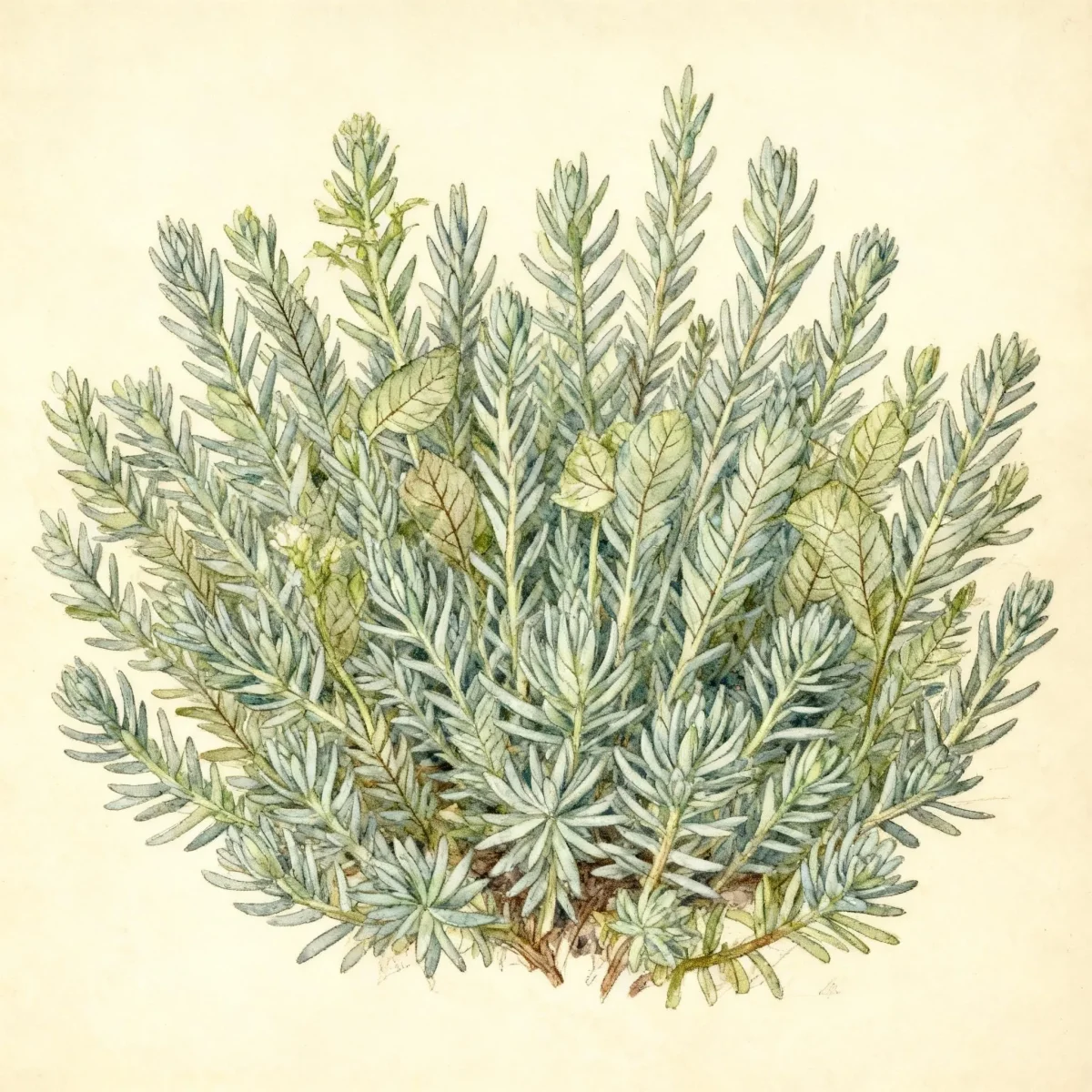
Sedum ‘Blue Spruce’ Stonecrop is a superb, low-growing cultivar prized for its dense mat of bluish, succulent foliage that offers texture all season long. This tough plant is an outstanding choice for gardeners seeking resilient ground cover or erosion control, adapting readily to difficult growing conditions. The genus Sedum contains many drought-tolerant perennials, and this variety upholds that reputation, sending up clusters of small, star-shaped yellow flowers throughout early summer. Once established, this Stonecrop provides dependable, year-round structure with exceptionally low maintenance requirements, making Sedum ‘Blue Spruce’ a garden favorite.
Fast Facts
- Plant Family: Crassulaceae
- Plant Type: Herbaceous perennial
- Hardiness Zones: USDA Zones 3-9
- Size at Maturity:
- Height: 0.5-0.75 ft
- Spread: 1-1.5 ft
- Bloom Time: June to July
- Bloom Description: Yellow
- Sun Exposure: Full sun
- Water Needs: Dry to medium
- Maintenance Level: Low
How to Grow
For optimal performance, Sedum ‘Blue Spruce’ requires planting in full sun. While it tolerates some light shade, too much shade will result in weak, floppy growth, diminishing the aesthetic appeal of this low-mounding Stonecrop. Planting should occur optimally in spring or fall, ensuring the soil is well-drained. Good drainage is the single most critical factor for success; plants must have sharp drainage to prevent rot, thriving even in sandy or gravelly soils.
Care for this succulent perennial is minimal once established. Water sparingly, allowing soil to become dry to medium between waterings, utilizing its excellent drought tolerance. Avoid over-fertilizing; overly rich soils promote weak stems susceptible to flopping. There is usually no need for significant pruning, though spent blooms can be tidied if desired.
This Sedum slowly spreads, creating dense coverage ideal for rock gardens or slopes. In early spring, if the clump appears messy after winter, pinching stems will encourage a thicker, bushier habit for the coming growing season. Its adaptability means it handles a wide range of conditions, making it reliably tough.
Landscape Uses
Sedum ‘Blue Spruce’ excels as a dynamic ground cover, rapidly weaving a tapestry of blue-green foliage across sunny borders or cascading over retaining walls. Its low stature makes it perfect for fronting perennial borders where taller plants might obscure its fine texture. Due to its preference for sharp drainage, it is an indispensable component in rock gardens, where it mimics its natural, stony habitat.
This versatile Stonecrop is also highly effective when massed together to cover large areas or used in small groupings to provide consistent texture. Consider planting it in areas where both the unique conifer-like foliage and the bright yellow summer flowers can be fully appreciated. Even in containers, Sedum ‘Blue Spruce’ performs admirably, provided the potting mix is fast-draining.
Standout Features
Noteworthy Characteristics
Sedum is a genus of about 400 species found mainly in the mountainous areas of North America but some also in dry area of South America. Most are succulent. They are tough, drought tolerant, easy-to-grow perennials that feature star-shaped flowers in clusters blooming on fleshy-leaved plants ranging from mat-forming ground covers to clump-forming upright mounds. Some of the most popular garden plants are hybrids.Genus name comes from the Latin word sedeo meaning to sit in reference to the general growing habit of many of the sedums (they sit and sprawl over rocks).Plants in the genus Sedum are commonly called stonecrops because they are typically found in the wild growing on rocky or stony areas.‘Blue Spruce’ is a low growing cultivar with bluish foliage and conifer-like leaves. Small yellow star-shaped flowers emerge in summer. It adapts well to soils ranging from pure sand to solid clay, grows quickly and is easy to maintain.
Tolerances
- Rabbit
- Deer
- Drought
- Erosion
- Clay Soil
- Dry Soil
Potential Problems
The primary cultural concern for Sedum ‘Blue Spruce’ is root rot, which occurs if the plant is subjected to wet, poorly drained conditions, especially during winter dormancy. Ensure excellent soil drainage is maintained. Watch out for common pests like slugs and snails when new growth first appears in spring. Scale infestations can occasionally occur, though they are uncommon on healthy, robust plants located in full sun. Taller sedum hybrids are often floppy, but this low-growing Stonecrop is generally resilient; however, excessive richness in soil can still lead to undesirable leaning stems.
Frequently Asked Questions
What hardiness zones is Stonecrop suitable for?
Sedum ‘Blue Spruce’ is remarkably hardy, suitable for USDA Zones 3 through 9.
How large does Stonecrop grow?
This particular Stonecrop typically reaches a height between 0.5 and 0.75 feet, spreading between 1 and 1.5 feet wide.
What sun exposure does Sedum ‘Blue Spruce’ need?
Sedum ‘Blue Spruce’ thrives best in full sun conditions to maintain its compact habit and vibrant foliage color.
When does Stonecrop bloom?
This variety produces its cheerful yellow, star-shaped flowers primarily from June to July.
Conclusion
Sedum ‘Blue Spruce’ is an outstanding performer, delivering year-round visual interest with its bluish, conifer-like foliage and remarkably low demands. This tough Stonecrop variety truly lives up to its reputation for exceptional drought tolerance and soil adaptability. Before planting, confirm your location falls within USDA Zones 3-9 and ensure you have a sunny spot with excellent drainage to maximize the health of your new Sedum ‘Blue Spruce’.
Companion Planting
When selecting companions for this Stonecrop, focus on plants that share similar needs for full sun and dry to medium soil conditions. Plants that thrive in lean, well-drained environments, such as ornamental grasses, many types of drought-tolerant succulents, and Mediterranean herbs like lavender or thyme, make excellent neighbors. Avoid grouping Sedum ‘Blue Spruce’ with moisture-loving perennials, as the resulting watering schedule imbalance can quickly lead to cultural issues for the Sedum.
Wildlife Benefits
The low-growing Sedum ‘Blue Spruce’ offers valuable incidental benefits to local ecosystems, primarily when it is in bloom. The clusters of small yellow flowers produced in early summer are known to attract a variety of small native pollinators seeking nectar. While not a primary pollinator magnet, providing these accessible, early-season blooms helps support bees and other beneficial insects in the dry, sunny corners of the garden.