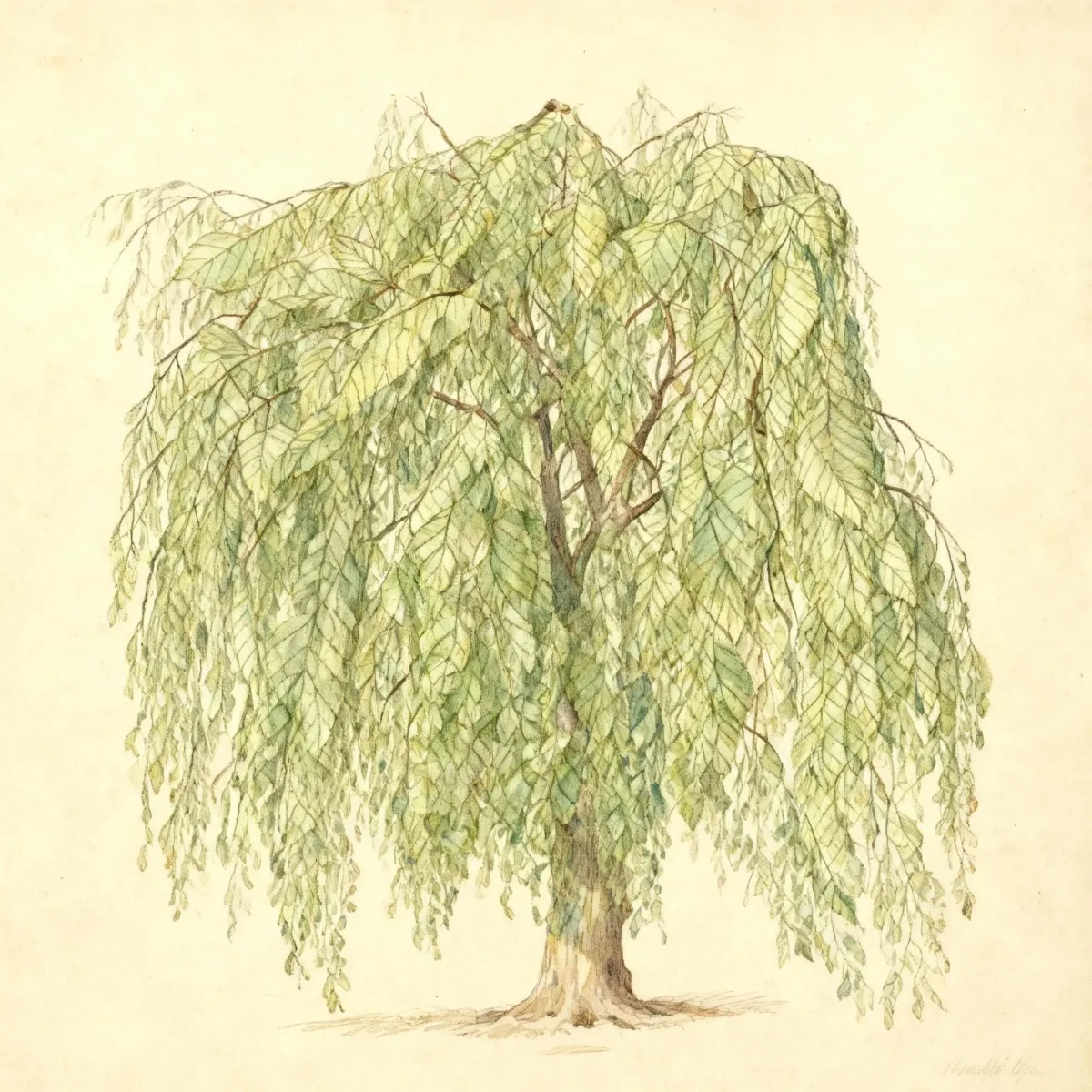
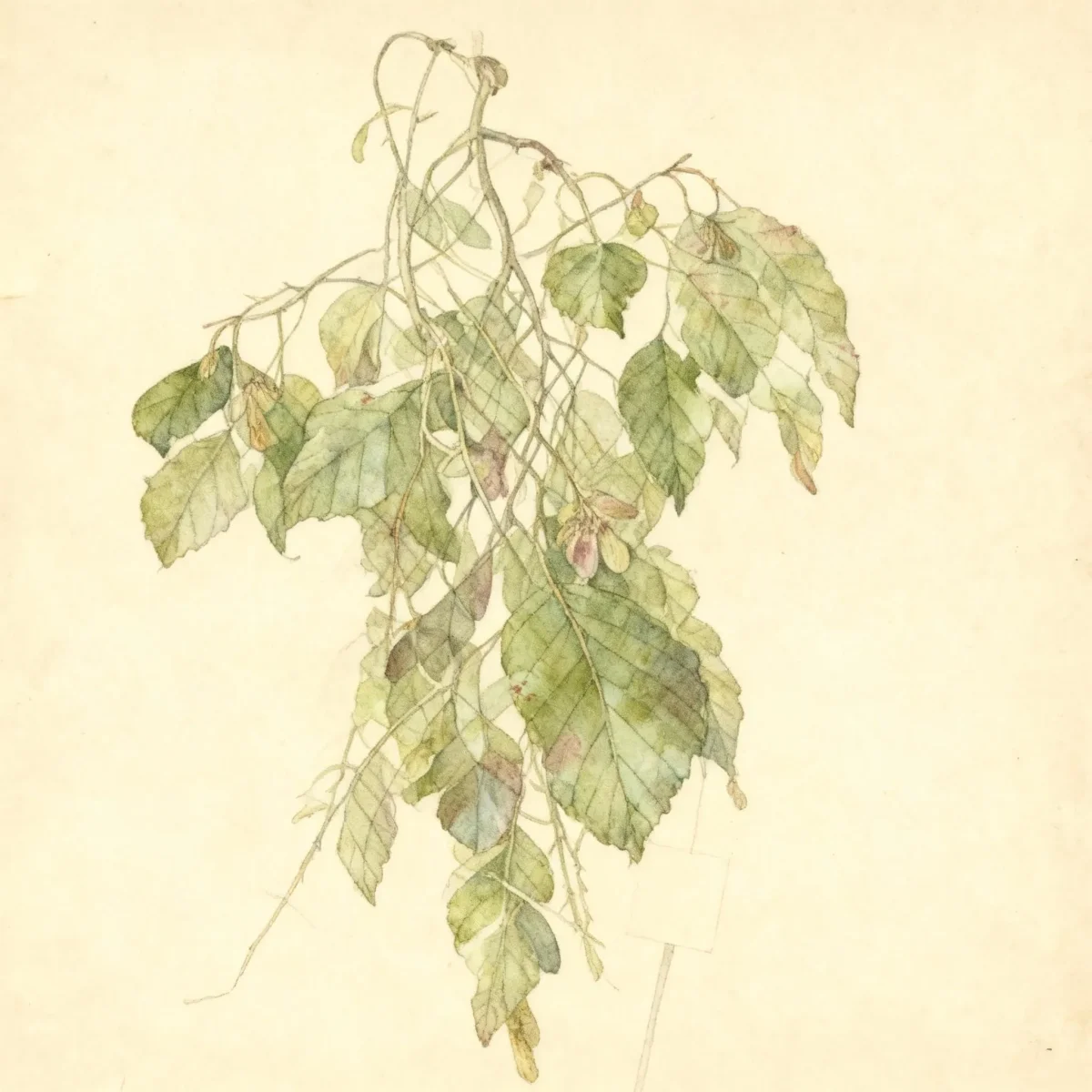
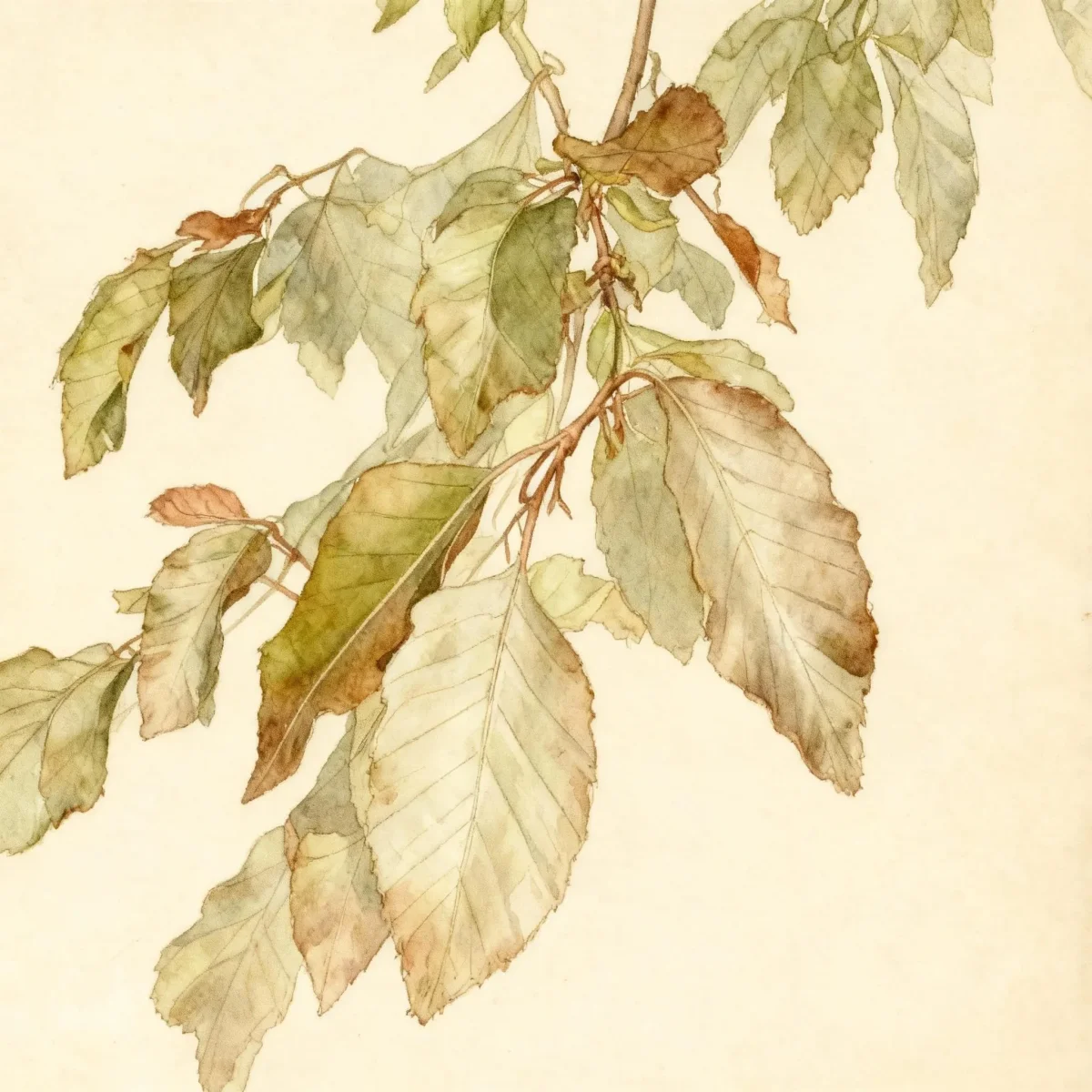
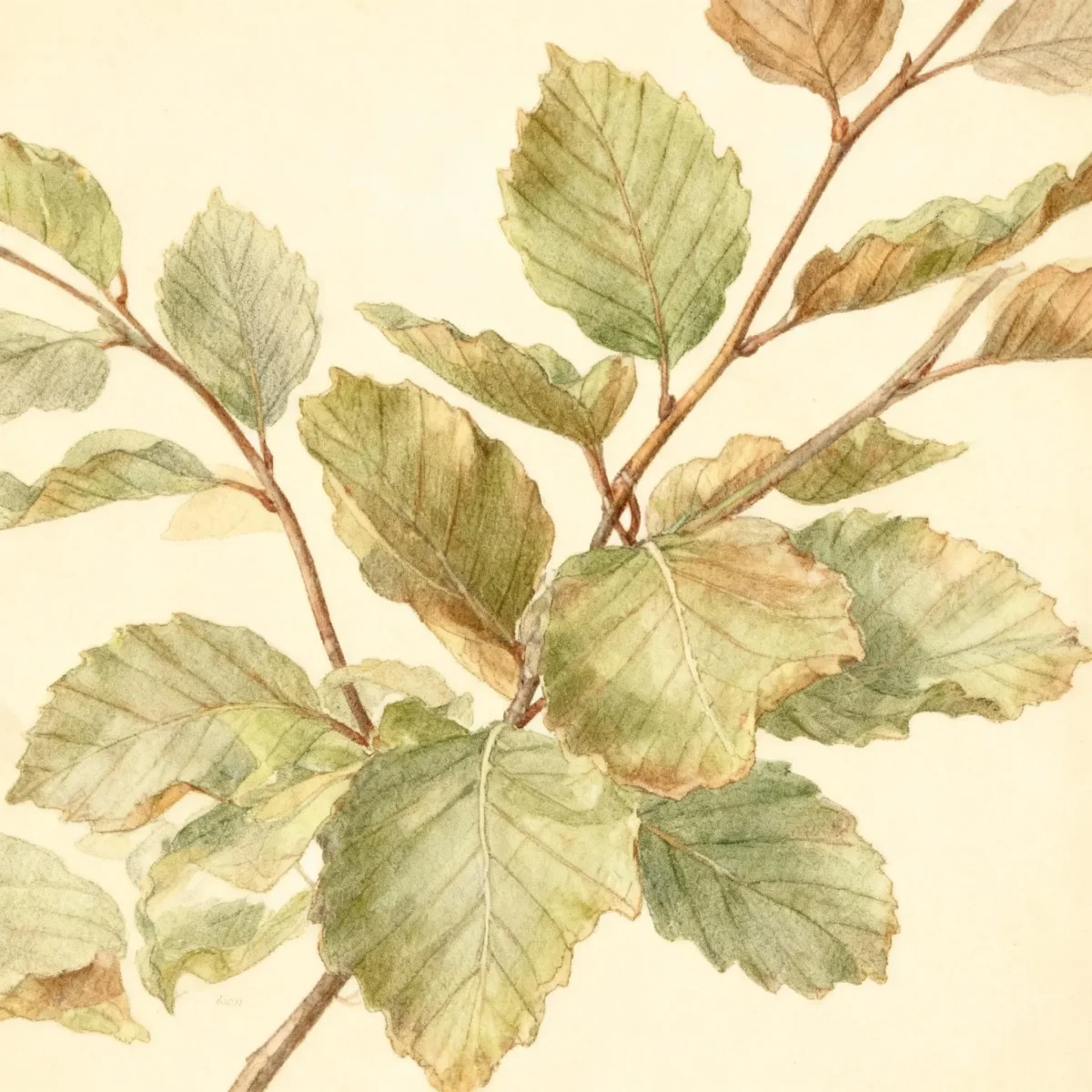
European beech (Fagus sylvatica 'Purpurea Tricolor')
Fagus sylvatica 'Purpurea Tricolor' is a stunning, smaller European beech offering dramatic tricolor foliage, perfect as an accent tree.
Scroll down to discover growing tips, care requirements, companion plants, and more
Complete Plant Information
Overview
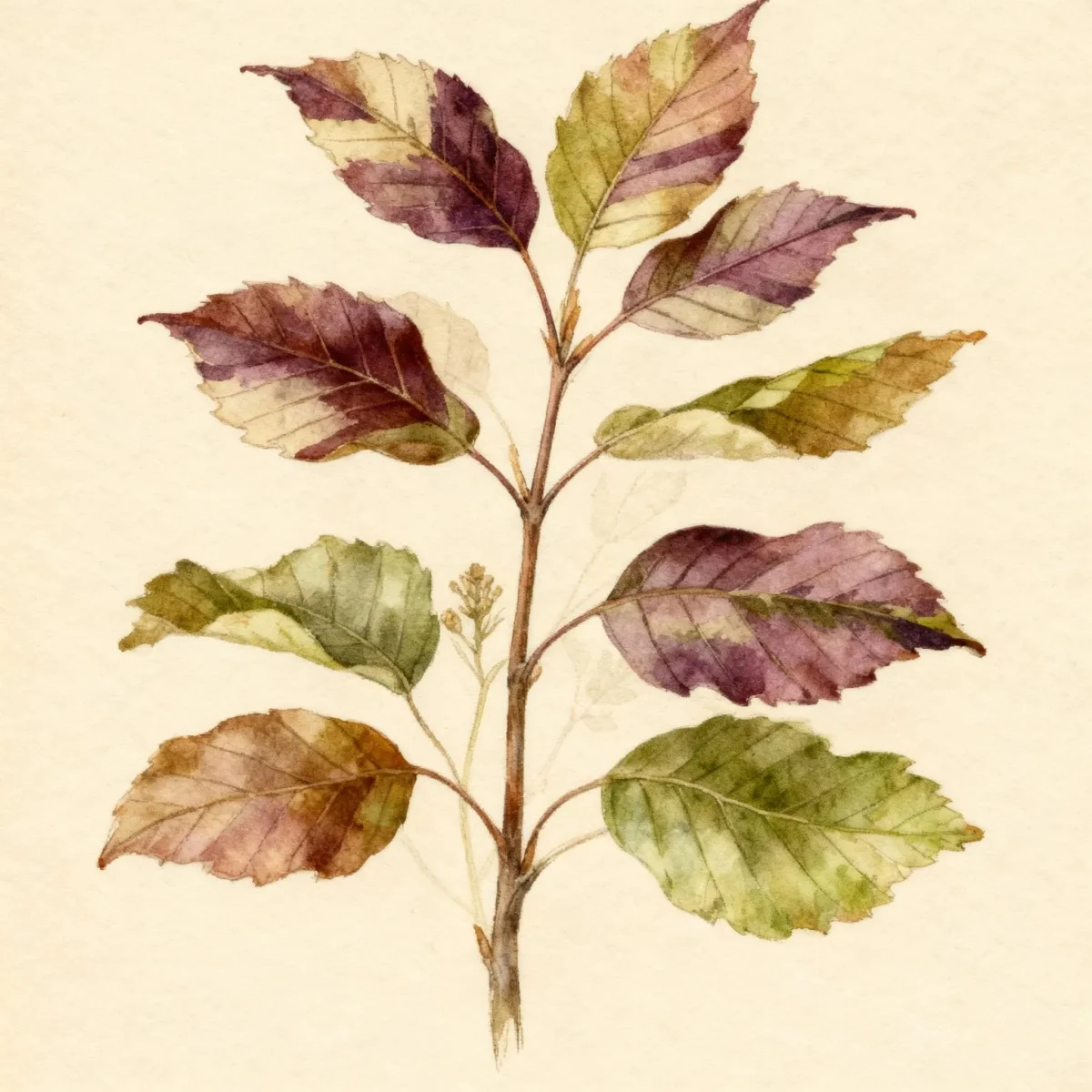
The Fagus sylvatica ‘Purpurea Tricolor’ is an exceptionally striking cultivar of the European beech, valued primarily for its dynamic, variegated foliage. Unlike the standard deep purple beech, this smaller form showcases emergent leaves that emerge purple with pink edges, maturing to a complex tapestry of dark bronze-green and white margins throughout the growing season. This cultivar provides vibrant seasonal interest, making the Fagus sylvatica ‘Purpurea Tricolor’ a standout specimen tree in any landscape design.
While exhibiting the classic smooth, gray bark characteristic of the European beech, this variety typically matures at a more manageable height than its larger counterparts, reaching 20 to 30 feet tall. Generally considered low maintenance once established, it thrives best when provided with the right balance of light and moisture. Gardeners should focus on protection from harsh afternoon sun to preserve the delicate variegation of the tri-color leaves.
For gardeners seeking a focal point with continuous color interest, the European beech ‘Purpurea Tricolor’ delivers year after year. Its ornamental value far surpasses its simple yellow-green flowers, providing structure and sophisticated color patterns from spring until its bronze-gold fall display. Knowing the specific soil and sun needs is key to successfully growing this attractive cultivar.
Fast Facts
- Plant Family: Fagaceae
- Plant Type: Tree
- Hardiness Zones: USDA Zones 4-7
- Size at Maturity:
- Height: 20-30 ft
- Spread: 10-20 ft
- Bloom Time: April to May
- Bloom Description: Yellow-green
- Sun Exposure: Part shade
- Water Needs: Medium
- Maintenance Level: Low
How to Grow
For establishment, plant Fagus sylvatica ‘Purpurea Tricolor’ during its dormant season—early spring or late fall—to minimize transplant shock. The species is intolerant of wet, poorly drained soils; therefore, select a site offering deep, rich, moist but well-drained soil. While it handles full sun, in hotter climates, afternoon shade is crucial to prevent the highly ornamental variegated foliage from scorching.
Water needs are best met by providing consistent, medium moisture, especially during the first few years as the tree establishes its root system. Avoid heavy irrigation or allowing the soil to become saturated, which the roots cannot tolerate. Fertilization is rarely necessary if the soil is rich; focus instead on maintaining adequate moisture levels through dry spells.
Pruning should be minimal, focusing only on removing dead, damaged, or crossing branches during dormancy. Be aware that European beech trees can be difficult to transplant once mature. Given the sensitivity of the variegated foliage, select a location protected from harsh winds and intense, late-day summer sun where sundappled conditions with some afternoon shade will best preserve the rose tones in spring and the pale margins throughout summer.
Landscape Uses
The distinctive foliage of Fagus sylvatica ‘Purpurea Tricolor’ makes it an unparalleled choice for use as a specimen or accent plant where year-round visual interest is desired. Its refined shape and striking leaf pattern mean it commands attention best when given ample space, perhaps positioned near an entrance or offsetting a structure. It should be used in areas around the home where its performance as a purple-leaved, variegated focal point can be fully appreciated.
This cultivar works wonderfully as a contrasting element against darker green evergreens or simpler architectural plants. Because the standard European beech tolerates competition better than some other shade trees, consider pairing it with shade-tolerant groundcovers, ensuring the soil remains well-drained. Ensure the planting location allows the tree room to achieve its mature, though relatively modest, spread of 10 to 20 feet.
Standout Features
Flower Qualities
- Insignificant
Noteworthy Characteristics
Fagus sylvatica, commonly called European beech, is a large deciduous tree typically growing to 50-60’ (less frequently to 100’) tall with a dense, upright-oval to rounded-spreading crown. It is native to woodlands in central and southern Europe. European beech is primarily distinguished from the similar American beech (Fagus grandifolia) by (a) smaller size, (b) darker gray bark, and (c) shorter leaves that have wavy mostly untoothed margins. Trunks have distinctive bark that is thin, smooth and gray. ‘Purpurea Tricolor’ is an extremely attractive, smaller form featuring tricolor variegation. Foliage typically emerges in spring as purple with pink margins, changes to dark bronze-green with pale pink (later white) margins in summer and finally turns bronze-gold in fall.
Tolerances
- Deer
Potential Problems
The European beech generally exhibits few serious insect or disease issues, but vigilant inspection is necessary. Beech scale can occasionally pose a problem, sometimes providing entry points for borers, especially in distressed trees. Monitor regularly for common pests such as aphids, caterpillars, and Japanese beetles. Fungal issues like powdery mildew and canker may also develop. The most common cultural issue for the variegated Fagus sylvatica ‘Purpurea Tricolor’ is foliage scorch, which occurs when the plant receives too much direct, hot afternoon sunlight.
Frequently Asked Questions
What hardiness zones is European beech (Fagus sylvatica ‘Purpurea Tricolor’) suitable for?
The Fagus sylvatica ‘Purpurea Tricolor’ is generally suitable for USDA Hardiness Zones 4 through 7. Always ensure your planting zone falls within this range for best results.
How large does European beech (Fagus sylvatica ‘Purpurea Tricolor’) grow?
This specific cultivar typically reaches a mature height between 20 and 30 feet, with a spread spanning 10 to 20 feet, making it smaller than the standard European beech.
What sun exposure does Fagus sylvatica ‘Purpurea Tricolor’ need?
This tree prefers part shade for optimal leaf color retention and protection from burning. While it can handle some sun, afternoon shade is highly beneficial.
When does Fagus sylvatica ‘Purpurea Tricolor’ bloom?
The tree produces inconspicuous, yellow-green flowers in the spring, typically blooming from April to May. The foliage is the main ornamental feature.
Conclusion
The Fagus sylvatica ‘Purpurea Tricolor’ offers unparalleled foliage drama in a size suitable for many residential landscapes, serving as an excellent, low-maintenance focal point. Its success relies heavily on providing deep, well-drained soil and protection from intense late-day sun to preserve those magnificent variegated margins. Before planting, confirm your site’s zone compatibility and plan for afternoon dappled shade to ensure the best display from this stunning European beech cultivar.
Design Ideas
When incorporating Fagus sylvatica ‘Purpurea Tricolor’ into a landscape scheme, think about contrast. Because the ultimate summer foliage is a medium bronze-green etched with pale margins, planting it adjacent to deep green conifers—such as Japanese holly or dark yews—will make the fine variegation “pop.” Utilize the tree’s upright-oval structure to frame entryways or to break up long sightlines in a garden room, ensuring viewers can appreciate the changing leaf colors seasonally.
This cultivar excels in woodland garden settings, provided the area avoids soggy conditions. Position it where the morning sun highlights the emerging pink/purple spring color without the harshness of the afternoon sun that can cause scorch later in the season. Because mature European beech trees have a large root mass, integrate companion plants around the drip line that are tolerant of root competition and prefer consistent, medium moisture, such as certain ferns or hostas.
Propagation and Cultivar Integrity
Propagation of named cultivars like Fagus sylvatica ‘Purpurea Tricolor’ is typically achieved through grafting onto hardy European beech rootstock, as seed-grown trees will not breed true to this specific variegation. Maintaining cultivar purity is a major professional concern, as noted in its history—many plants currently sold under the name ‘Tricolor’ may actually be this preferred ‘Purpurea Tricolor’ variety instead. Gardeners purchasing this tree should source from reputable nurseries that guarantee the specific cultivar identity to ensure they receive the desired rose-tinged, tri-color foliage.