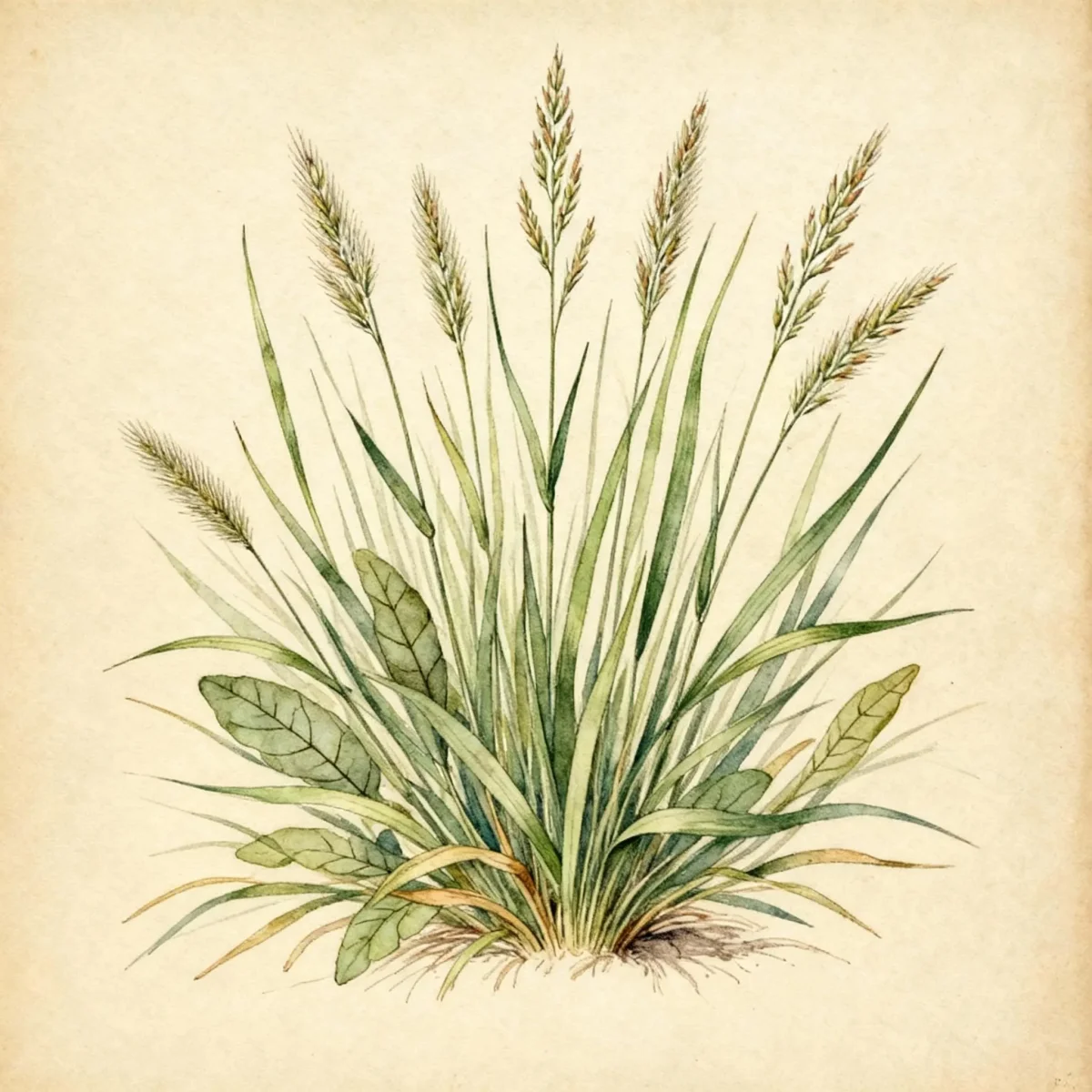
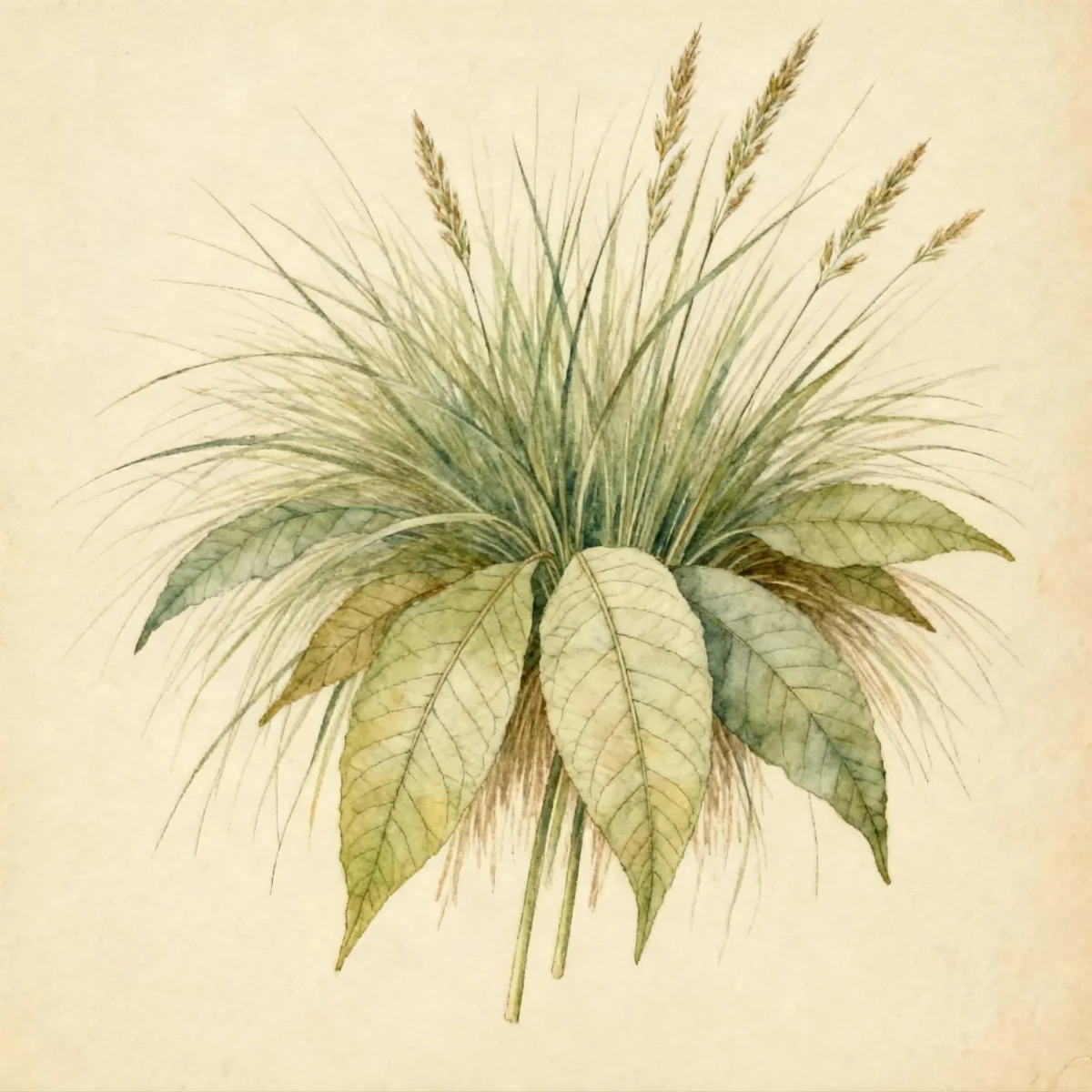
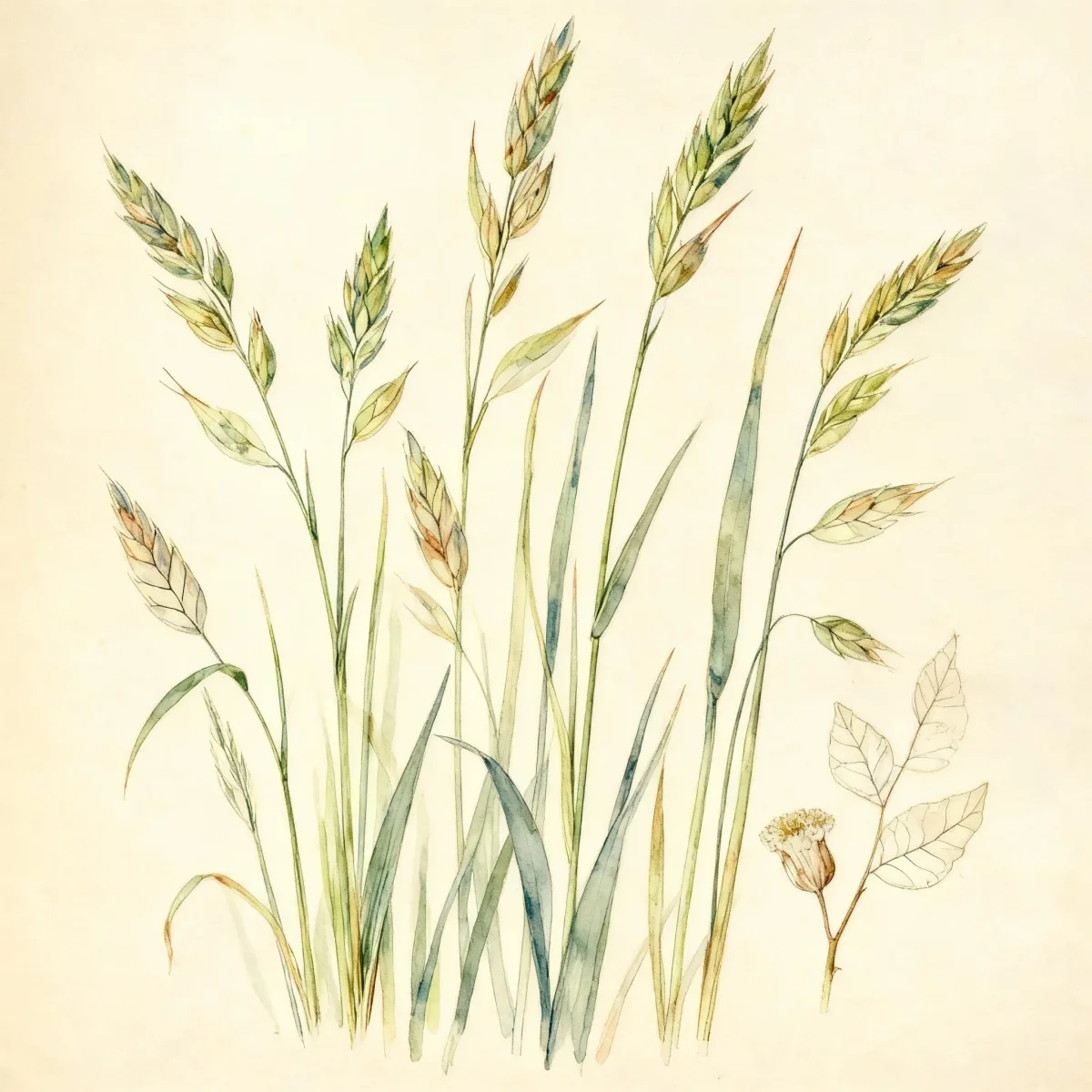
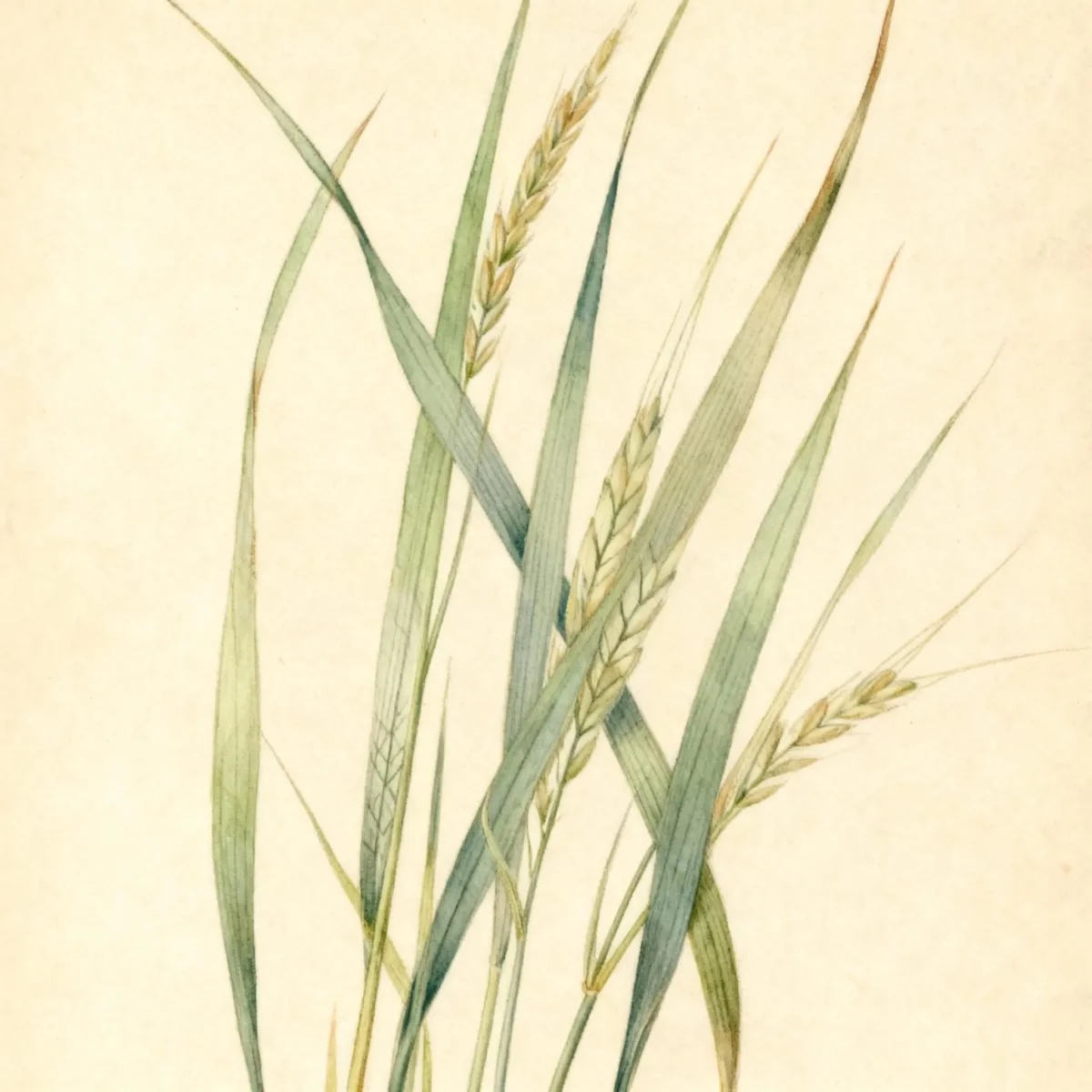
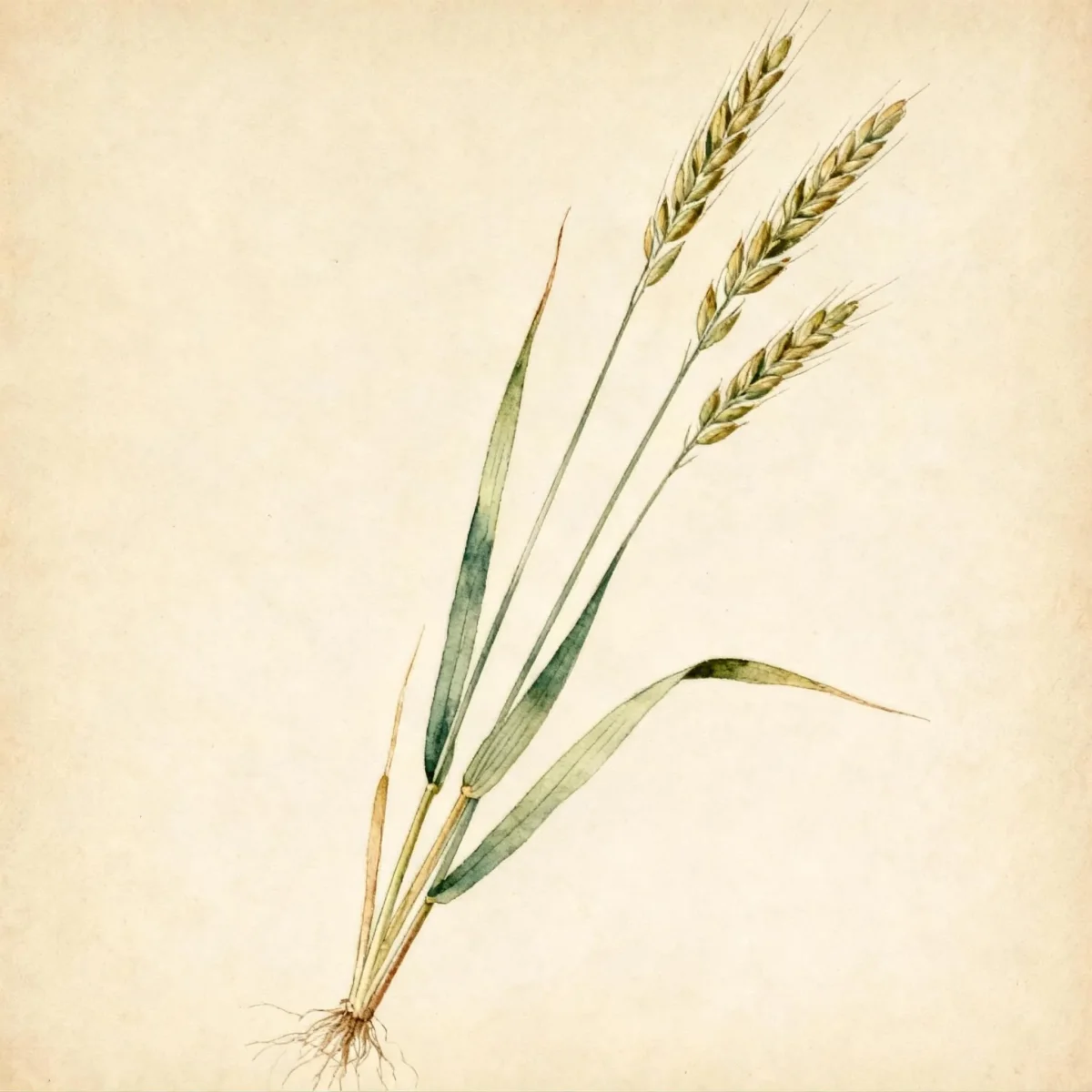
Red fescue (Festuca rubra 'Pennlawn')
Festuca rubra 'Pennlawn', or Red fescue, is a fine-textured, cool-season turfgrass ideal for shady, dry environments.
Scroll down to discover growing tips, care requirements, companion plants, and more
Complete Plant Information
Overview
Festuca rubra ‘Pennlawn’, commonly known as Red fescue, is highly valued by gardeners for its ability to establish a dense, fine-textured turf in challenging, low-light conditions. This cultivar excels in cool climates, making it an excellent choice for areas like the Pacific Northwest or higher elevations where consistent heat is less common. Its creeping habit, achieved through rhizomes, helps it knit together to form a robust ground cover.
The primary benefit of using Festuca rubra ‘Pennlawn’ lies in its adaptability to marginal turf sites, particularly those experiencing dry spells or deep shade where traditional grasses struggle. While it is drought tolerant once established, it still requires a medium amount of water to maintain its characteristic resilience. For the cool-season gardener aiming for sustainability in shaded lawns, this Red fescue offers a practical and aesthetic solution.
Maintenance for Festuca rubra ‘Pennlawn’ is categorized as low to medium, though it demands attention regarding foot traffic tolerance—it does not handle heavy wear well. It forms beautiful blends when mixed with species like Kentucky bluegrass or tall fescue, maximizing overall turf performance across varied light levels on the property.
Fast Facts
- Plant Family: Poaceae
- Plant Type: Turfgrass
- Hardiness Zones: USDA Zones 3-6
- Size at Maturity:
- Height: 0.25-0.25 ft
- Spread: 0.25-0.25 ft
- Bloom Time: Non-flowering
- Bloom Description: Green
- Sun Exposure: Part shade
- Water Needs: Medium
- Maintenance Level: Medium
How to Grow
Seeding Red fescue is best performed in the early fall or early spring, providing the seedlings ample time to establish roots before facing temperature extremes. Optimal locations feature part shade and well-drained soils, characterizing the cool, moist conditions preferred by this species. Seeding rates are crucial for success, typically requiring about 2 to 4 lbs. of seed per 1,000 sq. Ft. of area.
Maintenance involves careful management of fertilization and mowing height. Festuca rubra ‘Pennlawn’ thrives with low to medium nitrogen applications, usually between 1 to 3 lbs. of Nitrogen per 1,000 sq. Ft. annually. Keep mowing height relatively high, aiming for 2 to 3 inches; this height aids in shading the soil and conserving moisture.
While it tolerates drought well once mature, providing medium water during establishment and dry spells is necessary. Unlike some turf species, this grass can be left unmowed to achieve a more natural, meadow-like appearance in certain areas of the landscape. This fine-leaved grass spreads moderately via rhizomes, helping to fill in thin areas naturally over time.
Landscape Uses
Festuca rubra ‘Pennlawn’ excels as an understory grass, frequently used beneath the canopy of established trees where sunlight is limited. This makes it perfect for softening transitions between wooded areas and manicured lawns, acting as an effective ground cover in difficult, shaded borders. Overseeding thin patches in existing cool-season lawns is another recommended application.
Because of its superior shade and drought tolerance, this Red fescue is often incorporated into custom turf blends. Blending it with bluegrass or tall fescue helps create a balanced lawn that performs better across a spectrum of sun exposure levels throughout the day. It is not typically suited for high-activity areas due to its low wear tolerance.
When designing near mature plantings, remember that the fine texture of Festuca rubra ‘Pennlawn’ contrasts beautifully against broadleaf groundcovers or coarse ornamental grasses, adding textural variety while requiring similar cultural care.
Noteworthy Characteristics
Red fescue is the most commonly used cool season turfgrass in shade and dry, drought-prone areas. It can be mixed with other fescues and bluegrass to provide a full sun to shade blend. Its maintenance requirement is low to medium and should be mowed at about 2 to 3”. It can be left unmowed for a meadow look, if desired.
Tolerances
- Drought
Potential Problems
A significant limitation for Red fescue is its low tolerance for heavy wear and pedestrian traffic. It recuperates slowly, meaning areas frequently stepped on will thin out quickly and may not recover fully without reseeding. Prevention involves designating high-traffic paths elsewhere or mixing Festuca rubra ‘Pennlawn’ with more durable species like Kentucky bluegrass.
In hot climates, this grass is highly susceptible to various summer diseases, especially when cultural practices lead to overly fertile, moist soil conditions. To mitigate this risk, reduce nitrogen inputs during the hottest months and avoid overhead irrigation late in the day, allowing the foliage to dry before nightfall.
Frequently Asked Questions
What hardiness zones is Red fescue suitable for?
Festuca rubra ‘Pennlawn’ is suitable for USDA Zones 3 through 6, providing reliable cool-season performance across this range.
How large does Festuca rubra ‘Pennlawn’ grow?
This turfgrass maintains a very short stature, typically reaching only 0.25 ft in height and spreading to around 0.25 ft.
What sun exposure does Red fescue need?
Festuca rubra ‘Pennlawn’ performs best in part shade conditions, making it ideal for areas receiving less direct afternoon sun.
When does Red fescue bloom?
It is listed as non-flowering, though when reproductive structures appear, they present as green coloration.
Conclusion
Festuca rubra ‘Pennlawn’ stands out as a premiere choice for shade and dry slope applications where managing a tough-to-grow turf can be challenging. Its rhizomatous creeping habit and drought resistance make this Red fescue a valuable component in functional, low-maintenance landscapes. Before establishing your lawn, always confirm your regional USDA hardiness zone compatibility and plan for an early fall seeding for optimal establishment.
Companion Planting
When utilizing Festuca rubra ‘Pennlawn’ in shaded garden beds, consider companion plants that appreciate similar dry shade conditions and acidity. Hostas with contrasting coarse or variegated foliage provide a strong textural counterpoint to the fine blades of the Red fescue. Shade-tolerant sedges or certain fine-bladed woodland grasses can also be integrated into the blend to enhance turf resilience.
For borders incorporating this grass, low-growing, shade-tolerant perennials such as Lenten Rose (Helleborus) or Ajuga are excellent choices. These companions do not compete aggressively for the same low mowing height required by the turf, and their ground-covering nature matches the function of the Festuca rubra ‘Pennlawn’ without creating thick thatch layers.
Seasonal Care Calendar
Spring is the critical time to fertilize lightly if turf thinness is observed, using lower nitrogen rates to encourage root growth without forcing excessive top growth. Overseed damaged areas when temperatures begin to cool in late summer or early fall, aiming for soil temperatures around 55 to 65°F for best germination of the Festuca rubra ‘Pennlawn’ seed.
Summer care centers on water management and avoiding disease pressure. Keep irrigation consistent but avoid overwatering; drought tolerance means supplemental water is needed primarily during prolonged hot, dry periods. Keep fertilization to an absolute minimum during high heat to prevent stressing the cool-season grass.
Fall is the ideal period for aeration and overseeding, which helps revitalize the turf going into winter dormancy. Mow less frequently as growth slows, and ensure you remove heavy leaf litter that can smother the planting beds throughout the winter months.