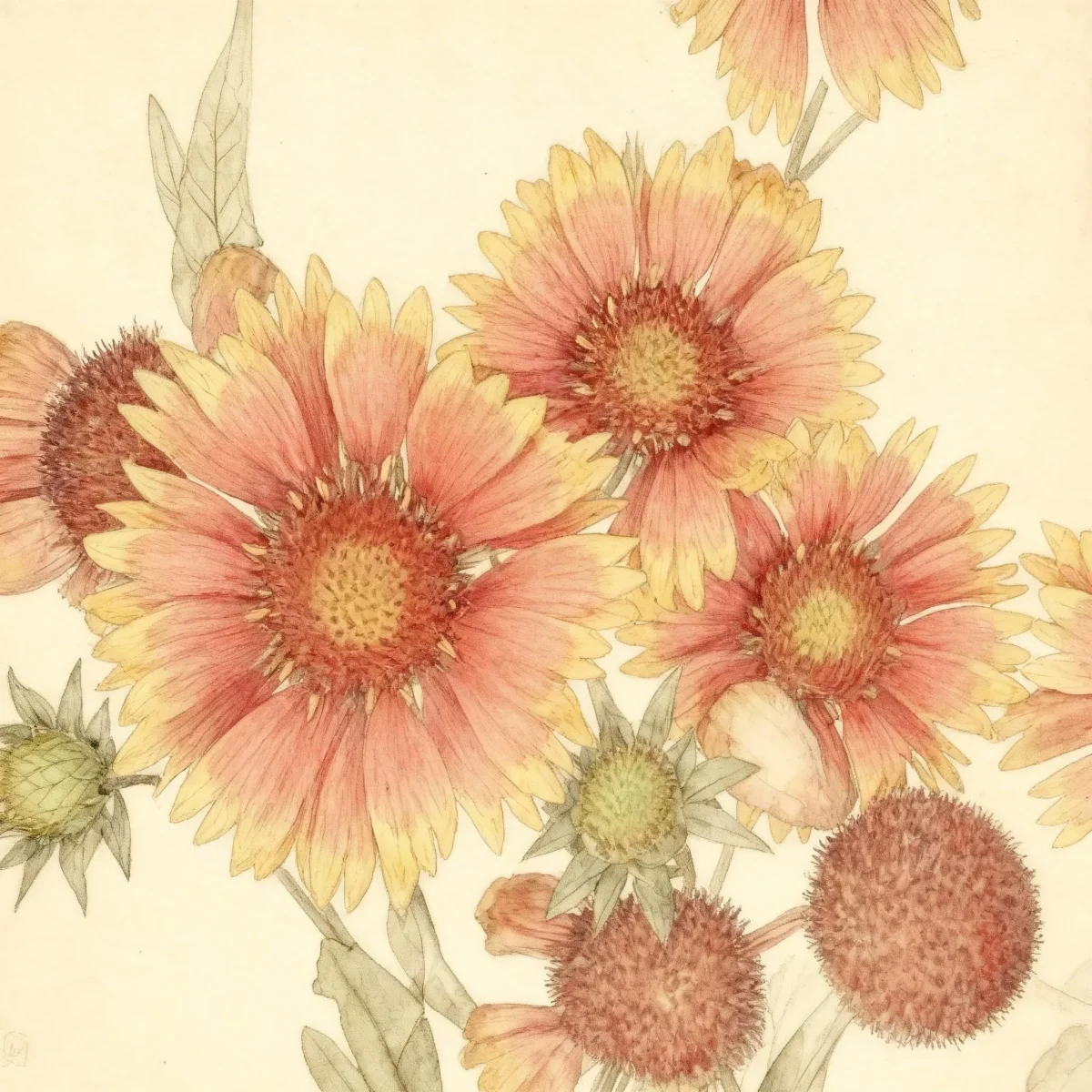
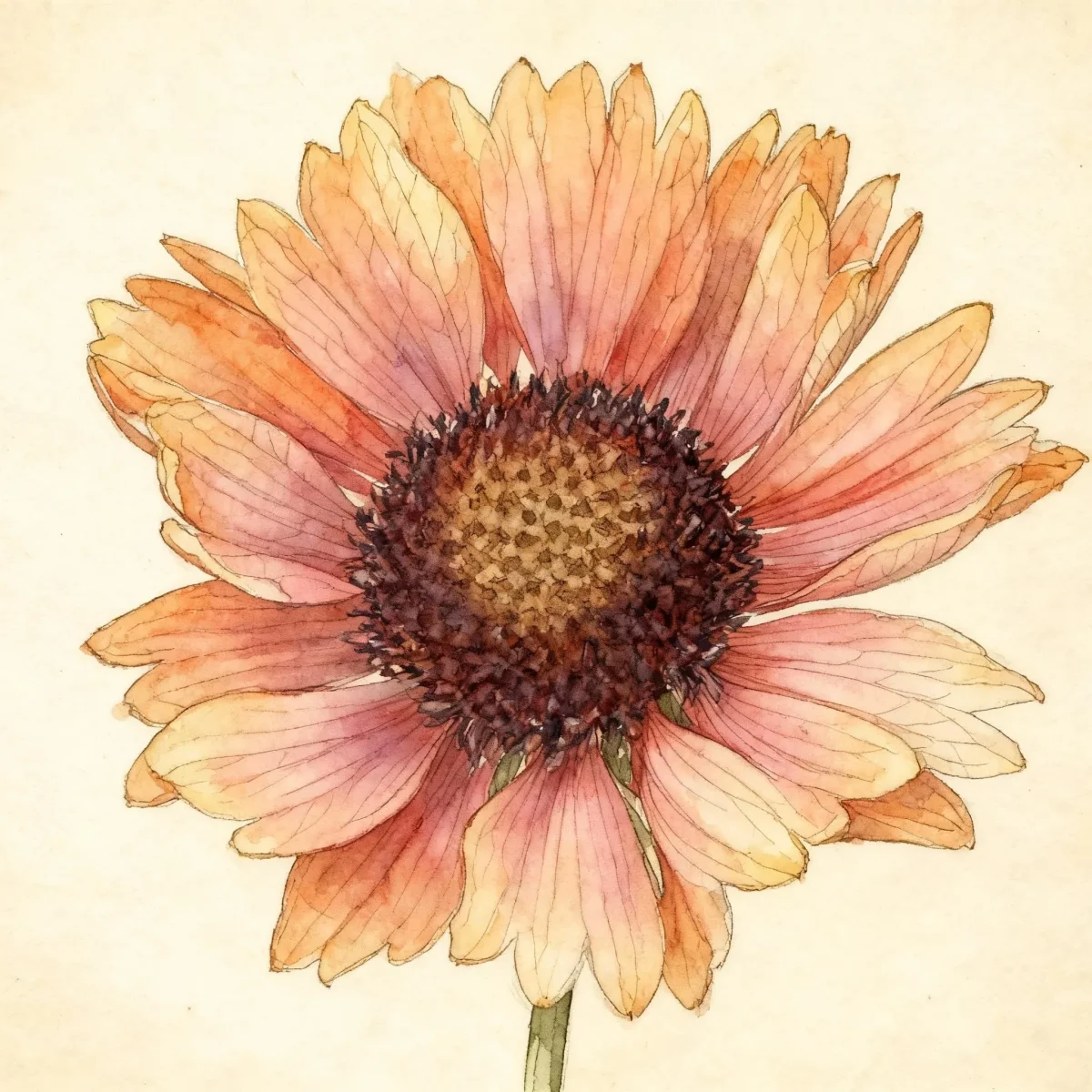
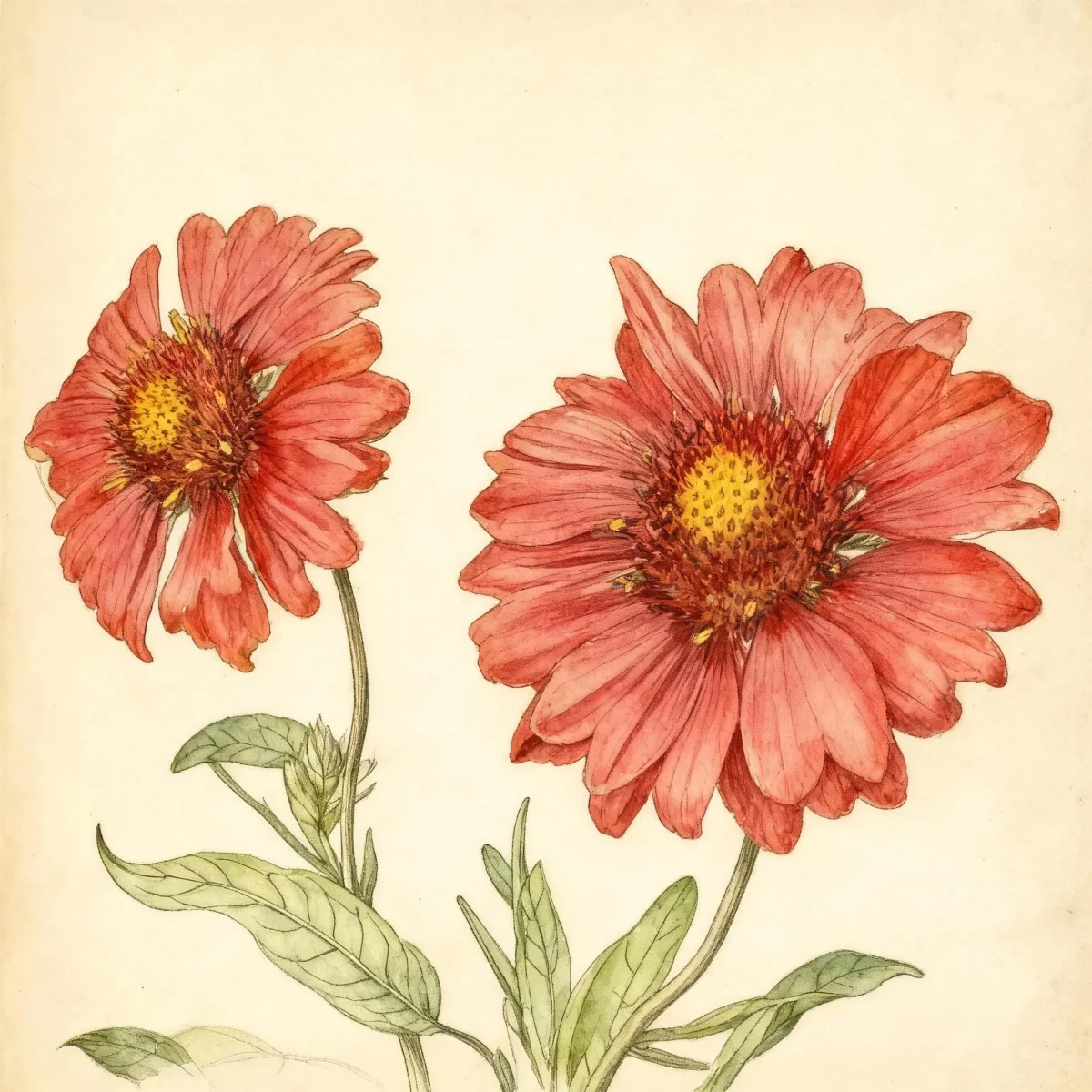
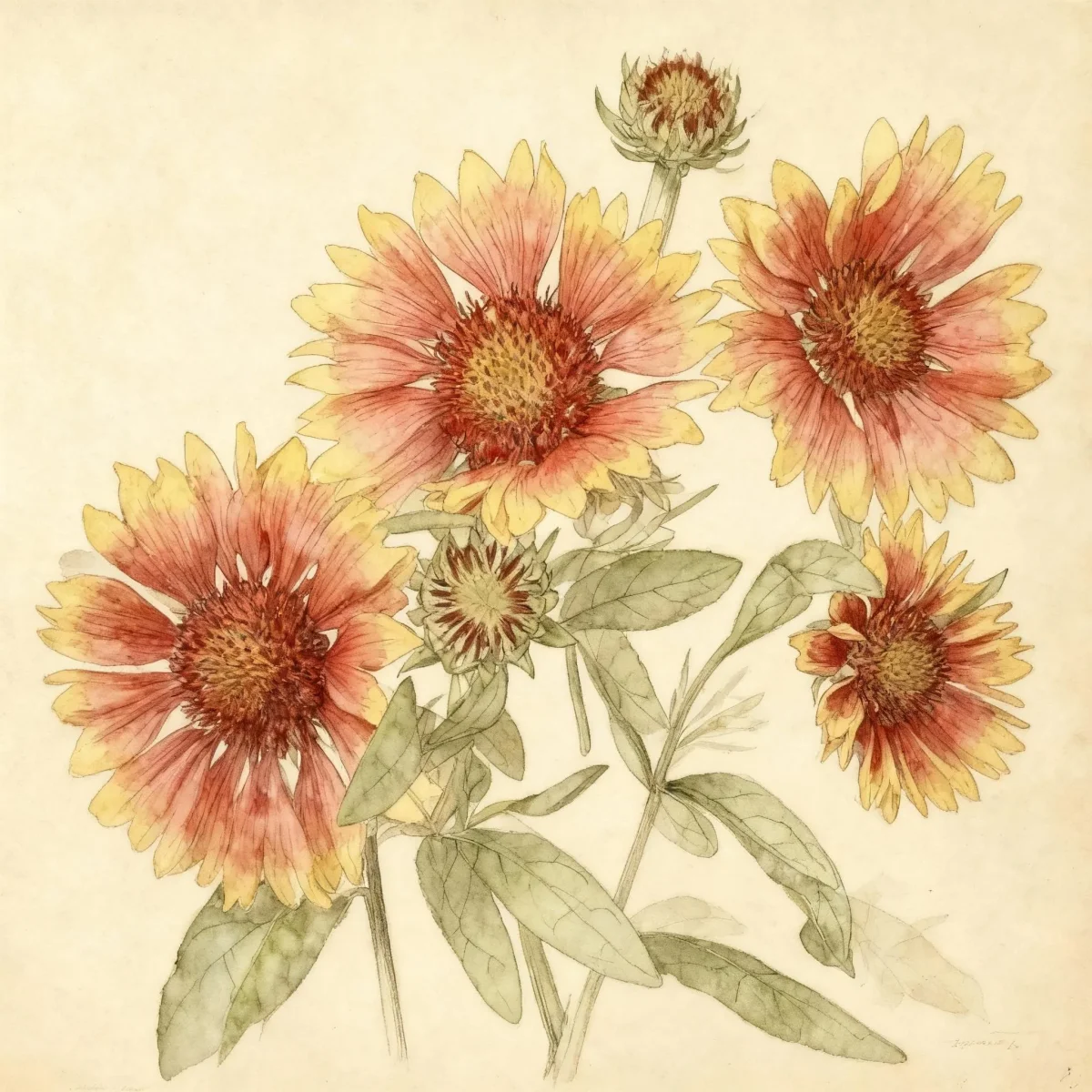
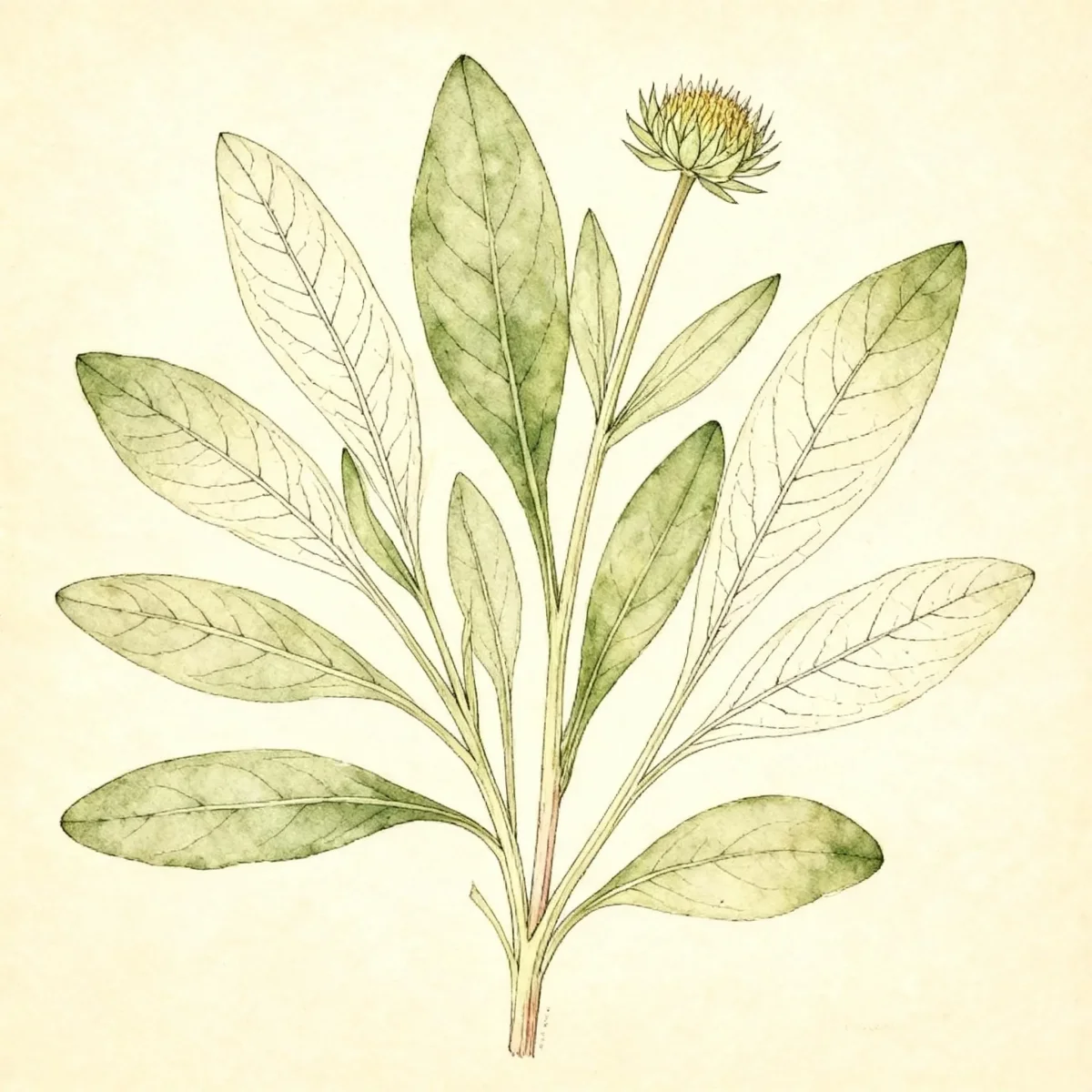
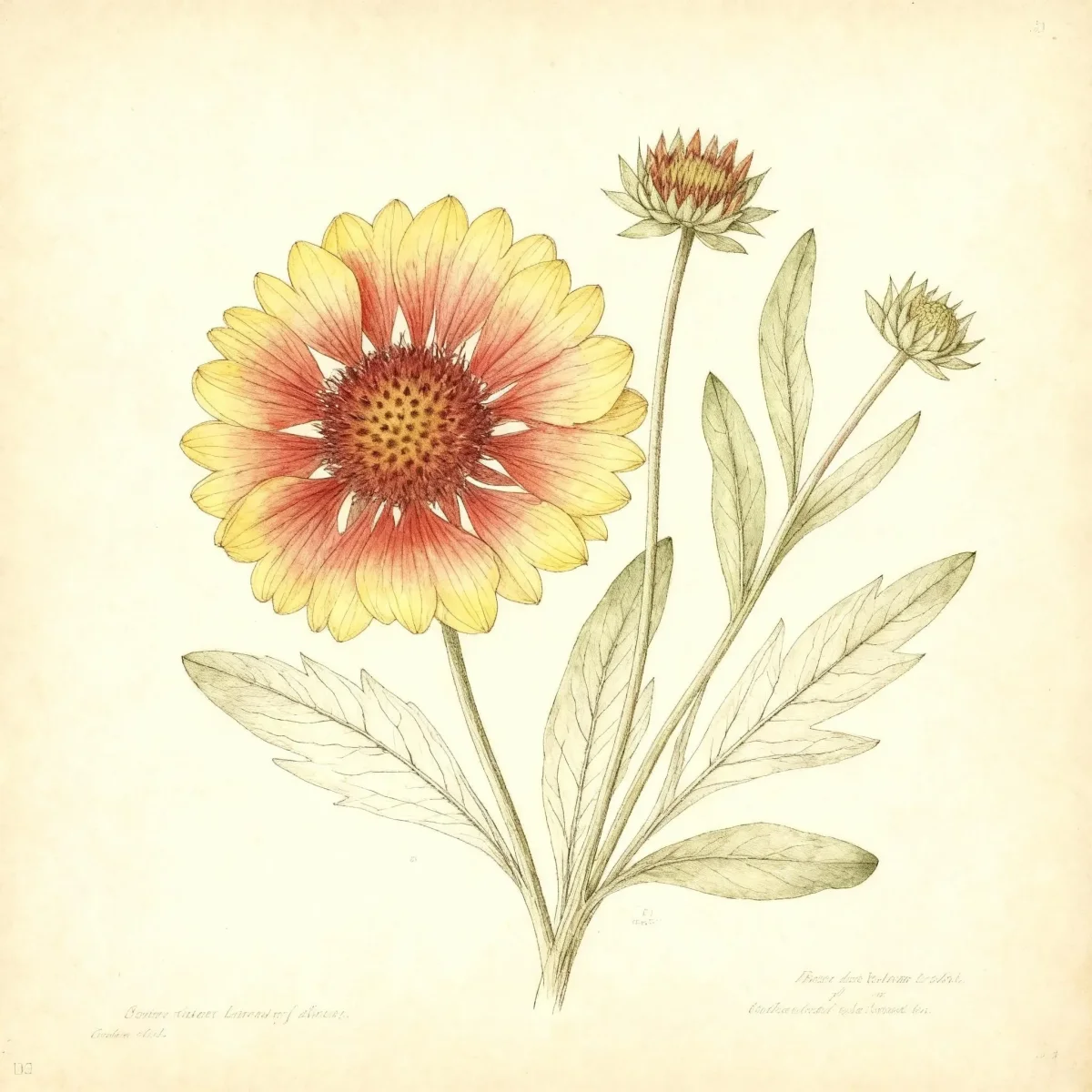
Blanket flower (Gaillardia × grandiflora)
The vibrant Blanket flower (Gaillardia × grandiflora) delivers superb, long-lasting blooms from June to September with low maintenance.
Scroll down to discover growing tips, care requirements, companion plants, and more
Complete Plant Information
Overview
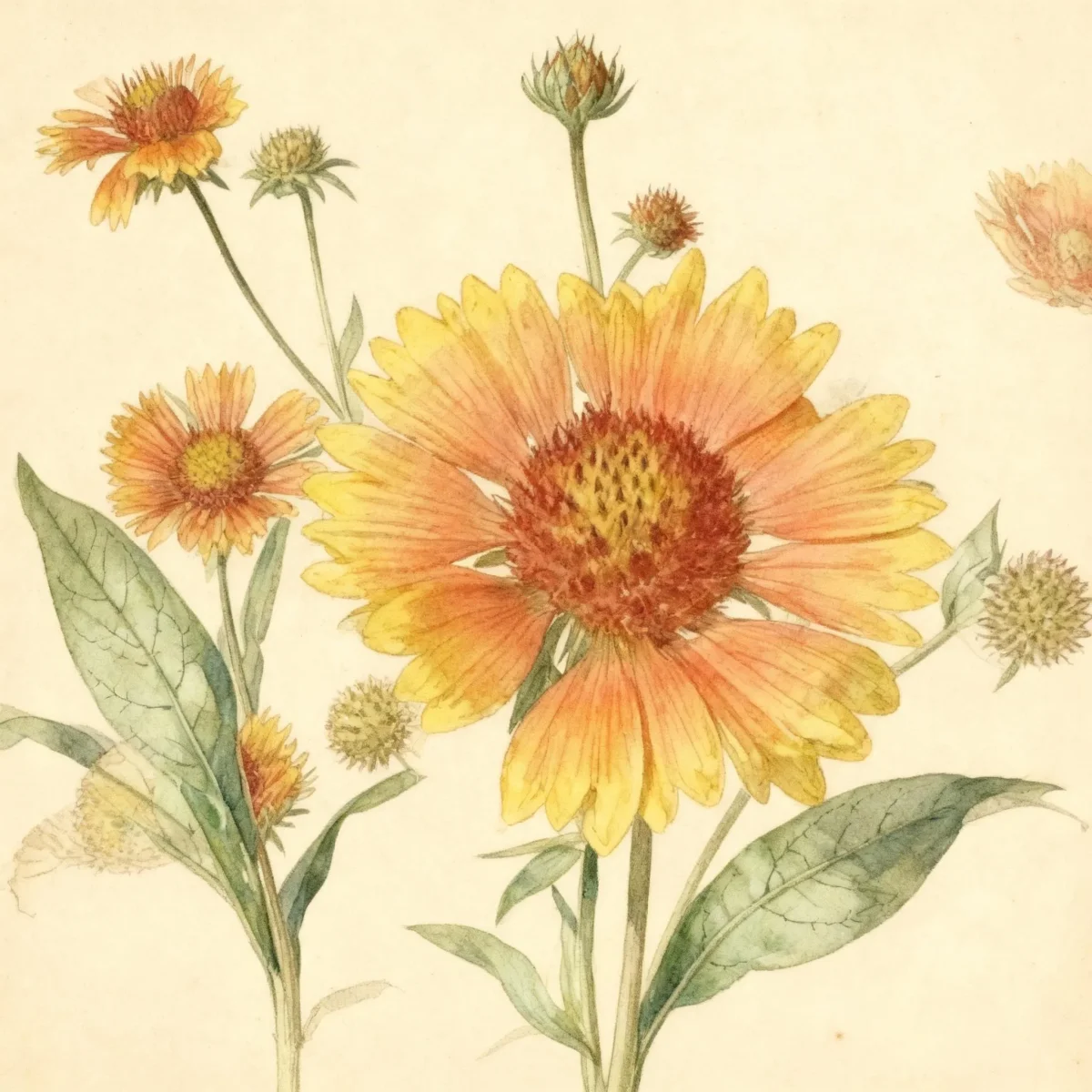
The magnificent Blanket flower, scientifically known as Gaillardia × grandiflora, is celebrated for its dazzling, daisy-like blooms that persist reliably from early summer well into fall. This vibrant hybrid brings reliable color to the garden, often featuring striking combinations of yellow, deep orange, and red. It is one of the most cheerful and resilient additions to dry, sunny borders.
As a tetraploid hybrid, Gaillardia × grandiflora inherits toughness from its parent species, resulting in a plant that thrives in less-than-ideal conditions. Gardeners appreciate its low maintenance needs and its substantial flowering period, making it perfect for continuous seasonal impact.
Beyond aesthetics, the Blanket flower offers strong wildlife value, as its large, open flower heads are highly attractive to butterflies. Planting masses of these perennials creates a tapestry of color reminiscent of a true wildflower meadow, enhancing any cottage or perennial garden design with minimal fuss.
Fast Facts
- Plant Family: Asteraceae
- Plant Type: Herbaceous perennial
- Native Range: Garden origin
- Hardiness Zones: USDA Zones 3-10
- Size at Maturity:
- Height: 2-3 ft
- Spread: 1-2 ft
- Bloom Time: June to September
- Bloom Description: Yellow, orange, red with maroon to orange banding at petal bases
- Sun Exposure: Full sun
- Water Needs: Dry to medium
- Maintenance Level: Low
How to Grow
Gaillardia × grandiflora is remarkably easy to establish, thriving best when planted in the full sun. It prefers average, well-drained soils. While easily grown, it performs poorly in heavy, unamended clay soils, so ensure good drainage is present. If planting cultivars, sow seed directly in the garden after the last frost date, spacing plants about 12 to 18 inches apart depending on the final size of the selected variety.
Once established, the watering needs for the Blanket flower lean towards dry to medium. It tolerates dry soils better than excessively wet conditions, especially during the heat of summer. Minimal fertilization is necessary; overly rich soil can sometimes lead to floppier growth and fewer blooms.
Maintenance for this perennial is generally low. Deadheading spent flowers is optional but can keep the plant tidy and encourage a renewed flush of bloom. If the summer flowering seems to wane, a significant cutback can reinvigorate the plant, promoting abundant flowering again towards the fall. Seed strains are known to self-seed if flowers are allowed to mature.
Landscape Uses
The versatility of the Blanket flower makes it a staple in many garden designs. Its upright structure and bright coloration are perfect for defining the mid-border in perennial beds or softening the edges of cottage gardens. Because Gaillardia × grandiflora is exceptionally hardy and drought-tolerant once established, it integrates beautifully into naturalized areas, requiring little attention once settled in.
For cutting gardens, the long, strong stems of the Blanket flower provide excellent material for fresh arrangements, offering long vase life. They pair wonderfully with complementary textures like ornamental grasses or neighboring blues and purples from plants like Salvia or Lavender, which share similar sun and soil preferences.
Whether used massed for high-impact color or speckled throughout a sunny border, the resilient nature of this hybrid ensures consistent performance. Consider using it in rock gardens or xeriscaping projects where its drought tolerance truly shines.
Standout Features
Flower Qualities
- Showy
Noteworthy Characteristics
Gaillardia × grandiflora is a tetraploid hybrid resulting from a cross between a 3’ tall perennial gaillardia (G. Aristata) and a 2’ tall annual gaillardia (G. Pulchella), inheriting its perennial habit from the former and its long flowering period and rapid growth rate from the latter. Typically grows 2-3’ tall on upright stems, featuring daisy-like flowers (3-4” diameter) in vivid color arrangements. These blooms often show yellow to orange to red rays with maroon to orange banding at the petal bases.
Tolerances
- Rabbit
- Drought
- Dry Soil
Potential Problems
Root rot poses the primary threat to the Blanket flower, occurring if planting sites have poorly drained soils, especially during prolonged, heavy summer rains. To prevent this, ensure soil amendments promote excellent drainage before planting. Gaillardia × grandiflora can also be susceptible to several fungal issues common to the Aster family. Keep an eye out for powdery mildew, which favors humid, close conditions, and fungal leaf spot diseases, which can be managed by improving air circulation or applying fungicides as a last resort. Aster yellows is another potential issue that must be managed by controlling the insect vectors that transmit the disease.
Frequently Asked Questions
What hardiness zones is Blanket flower suitable for?
The Blanket flower (Gaillardia × grandiflora) is highly adaptable, thriving in USDA Zones 3 through 10.
How large does Blanket flower grow?
This perennial typically reaches a height between 2 and 3 feet, spreading to occupy an area between 1 and 2 feet wide at maturity.
When does Blanket flower bloom?
The bloom time for this variety is reliably from June through September, displaying striking flowers in yellow, orange, and red hues.
What sun exposure does Blanket flower need?
The Blanket flower requires full sun to produce its best display of long-lasting, showy flowers throughout the summer season.
Conclusion
The Gaillardia × grandiflora is an indispensable plant for sunny settings, offering unparalleled longevity of color and remarkably low maintenance requirements. Its drought and pest tolerance make the vibrant Blanket flower an excellent choice for simplifying summer garden care. Before adding this hybrid to your landscape, verify that your hardiness zone falls within Zones 3 to 10 and ensure your soil drains freely.
Wildlife Benefits
The open, rayed structure of the Blanket flower heads is biologically significant for local ecosystems. These blooms are highly favored by a wide variety of pollinators, making them excellent additions to pollinator gardens or butterfly waystations. The nectar and pollen provide essential resources throughout the long summer blooming season.
Furthermore, gardeners in areas frequented by goldfinches have a beautiful reason to leave some flowerheads standing in the late fall. Sparrows and goldfinches actively forage for the seeds held within the spent flower disks, providing late-season sustenance for visiting birds.
Propagation Tips
While many gardeners enjoy growing the Blanket flower from fresh seed each year due to its hybrid nature and relatively short-lived perennial status, divisions are also possible. If you wish to propagate existing mature clumps, the best time to divide is in early spring before new growth begins. Carefully dig around the clump and gently pull apart sections, ensuring each new division has a healthy root system attached.
Using seed is often preferred for maintaining the genetic vigor of the hybrid. These seeds can be started indoors 4 to 6 weeks before the last expected frost date to get a head start, or you can sow directly into the garden soil once the threat of frost has passed and the soil has warmed slightly.