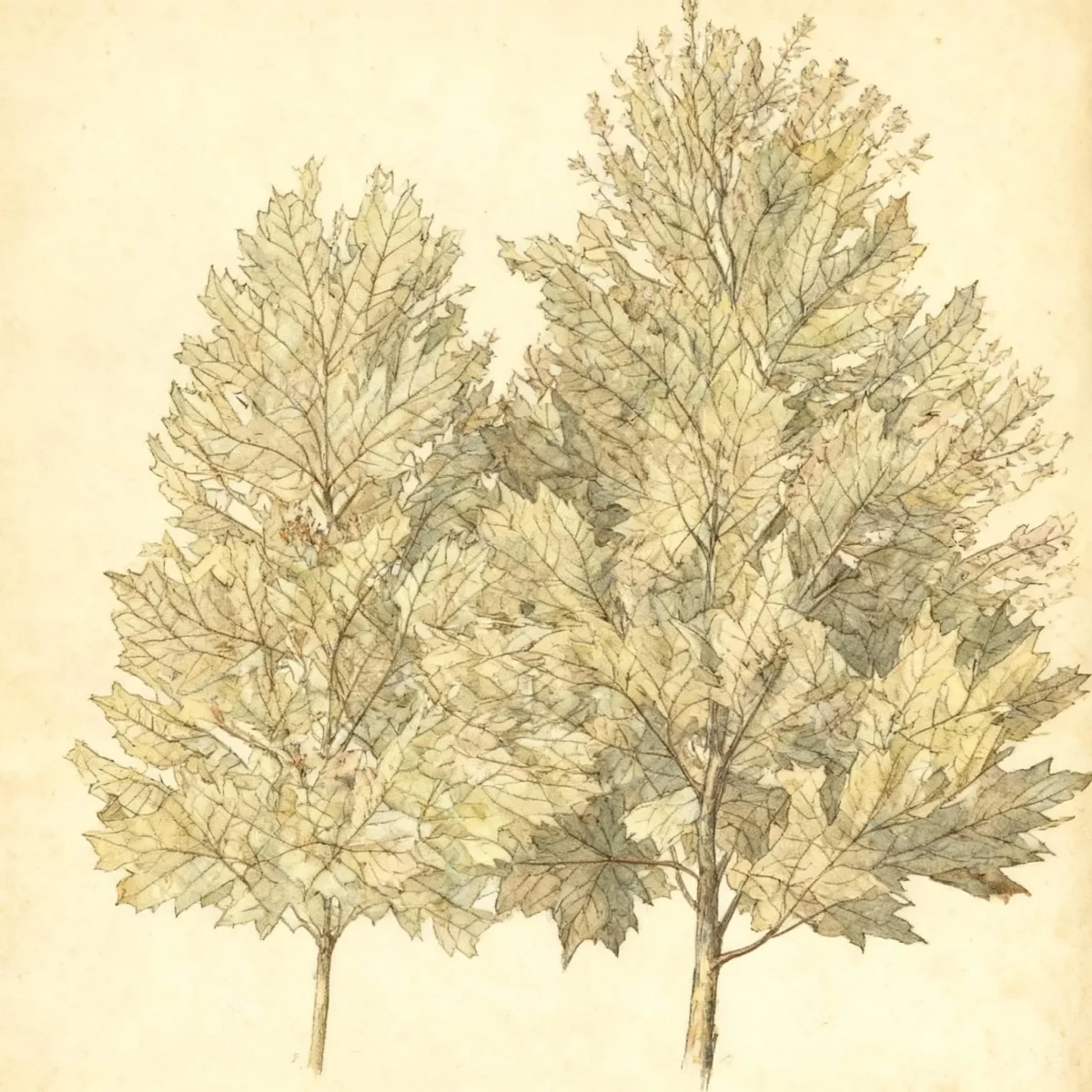
Red maple (Acer rubrum 'Sun Valley')
Acer rubrum 'Sun Valley' is a low-maintenance Red maple known for symmetrical growth and brilliant red fall color, thriving in zones 4-7.
Scroll down to discover growing tips, care requirements, companion plants, and more
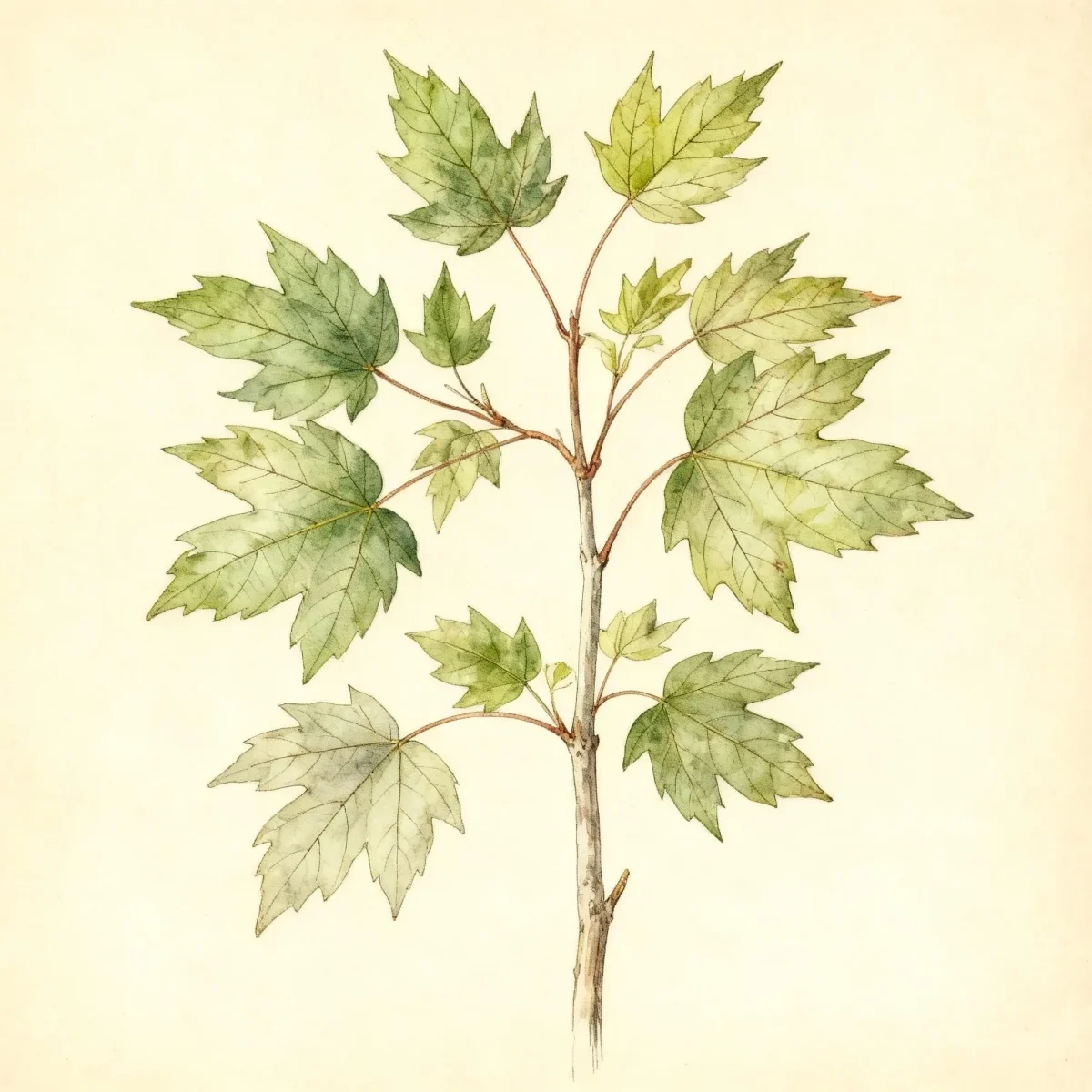
Complete Plant Information
Overview
Acer rubrum ‘Sun Valley’, a distinguished cultivar of the Red maple, offers gardeners a reliably symmetrical and vibrant specimen tree. This selection is highly valued for its exceptional, brilliant red fall display, ensuring excellent seasonal interest in any landscape setting. As a robust deciduous tree, it establishes quickly, growing faster than many traditional maples while maintaining a moderate, manageable size.
The ‘Sun Valley’ cultivar is a male selection, meaning it produces no messy fruit, making it ideal for areas requiring clean aesthetics, such as under power lines or near patios. It combines this clean habit with adaptability, tolerating a wide range of soil conditions, provided moisture levels are adequate. This makes the Red maple a fantastic, low-effort choice for creating substantial shade.
Its cultural requirements align well with many landscape designs, preferring moist, slightly acidic soil but showing tolerance for urban stresses like air pollution. Planting Acer rubrum ‘Sun Valley’ ensures steady growth towards a rounded, ovate crown that provides excellent structure and valuable shade throughout the summer season.
Fast Facts
- Plant Family: Sapindaceae
- Plant Type: Tree
- Hardiness Zones: USDA Zones 4-7
- Size at Maturity:
- Height: 20-35 ft
- Spread: 15-25 ft
- Bloom Time: March
- Bloom Description: Red
- Sun Exposure: Full sun to part shade
- Water Needs: Medium to wet
- Maintenance Level: Low
How to Grow
Planting Acer rubrum ‘Sun Valley’ is best achieved in spring or fall when temperatures are mild, allowing the roots to establish before summer heat or winter freezes arrive. Choose a location that offers full sun to light afternoon shade, as this maximizes fall color intensity. This Red maple excels in average, medium to wet, well-drained soil, though it shows a marked preference for moist, slightly acidic conditions. Avoid planting too closely to structures due to its shallow root system potential.
Watering needs classify this tree as medium to wet; ensure consistent moisture, especially during the establishment period in the first few years. While tolerant of various soils, regular deep watering during dry spells will promote vigorous growth. Fertilization is rarely necessary if the soil is adequately rich and acidic, but a slow-release, balanced fertilizer can be applied in early spring if growth seems sluggish.
Maintenance for this cultivar is generally low. Pruning should focus on removing any dead, damaged, or crossing branches, ideally performed in late winter while the tree is dormant. Because the foliage and twigs often show red coloration, inspect closely in spring for any signs of pests like aphids or leafhoppers, although ‘Sun Valley’ exhibits good resistance to the latter.
Landscape Uses
The primary function of Acer rubrum ‘Sun Valley’ is as an impressive specimen tree, providing significant overhead canopy for lawns, parks, or large garden beds. Its symmetrical, neat growth habit makes it an excellent choice for formal street tree plantings where uniformity is desired. Given its affinity for moisture, this Red maple integrates perfectly into rain garden designs, helping to manage runoff while offering spectacular seasonal transitions.
When selecting companions, pair Acer rubrum ‘Sun Valley’ with understory shrubs or perennials that also appreciate medium to wet soil and partial shade, such as certain holly varieties or native ferns. Ensure any neighboring hardscaping respects the tree’s mature spread. Be mindful of its shallow, flattened root system; avoid planting paved surfaces, driveways, or sidewalks within the mature spread to prevent root intrusion and buckling over time.
Standout Features
Flower Qualities
- Showy
Noteworthy Characteristics
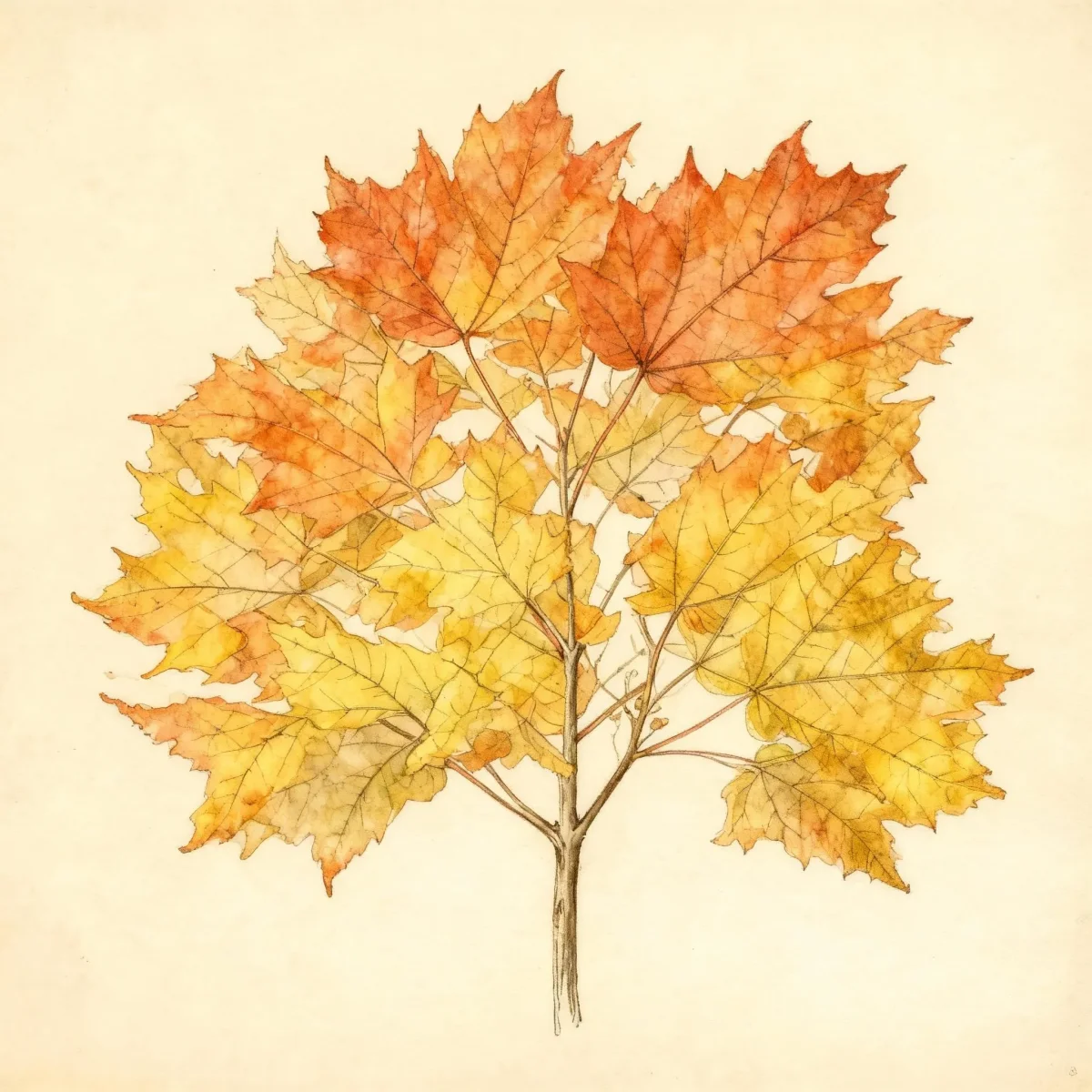
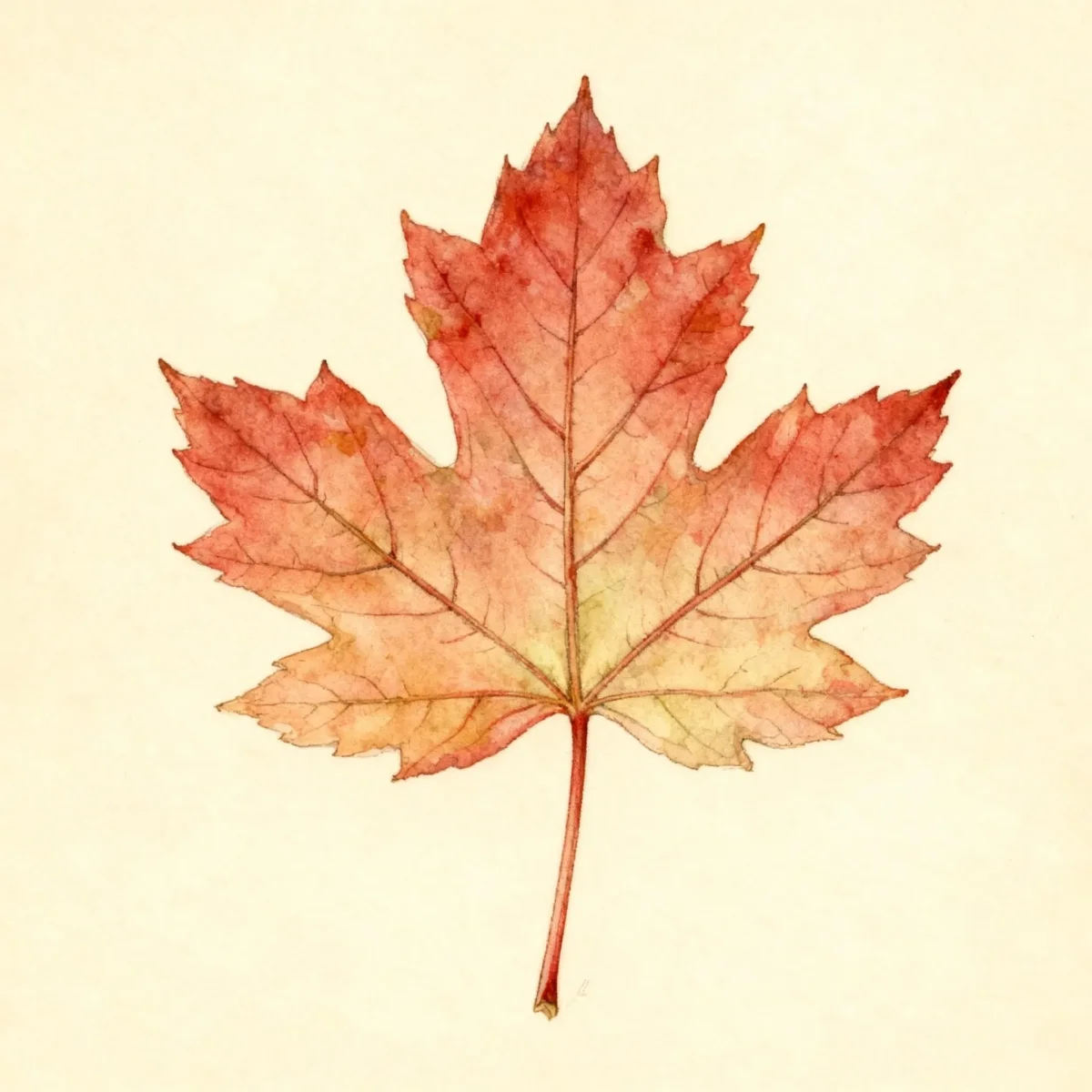
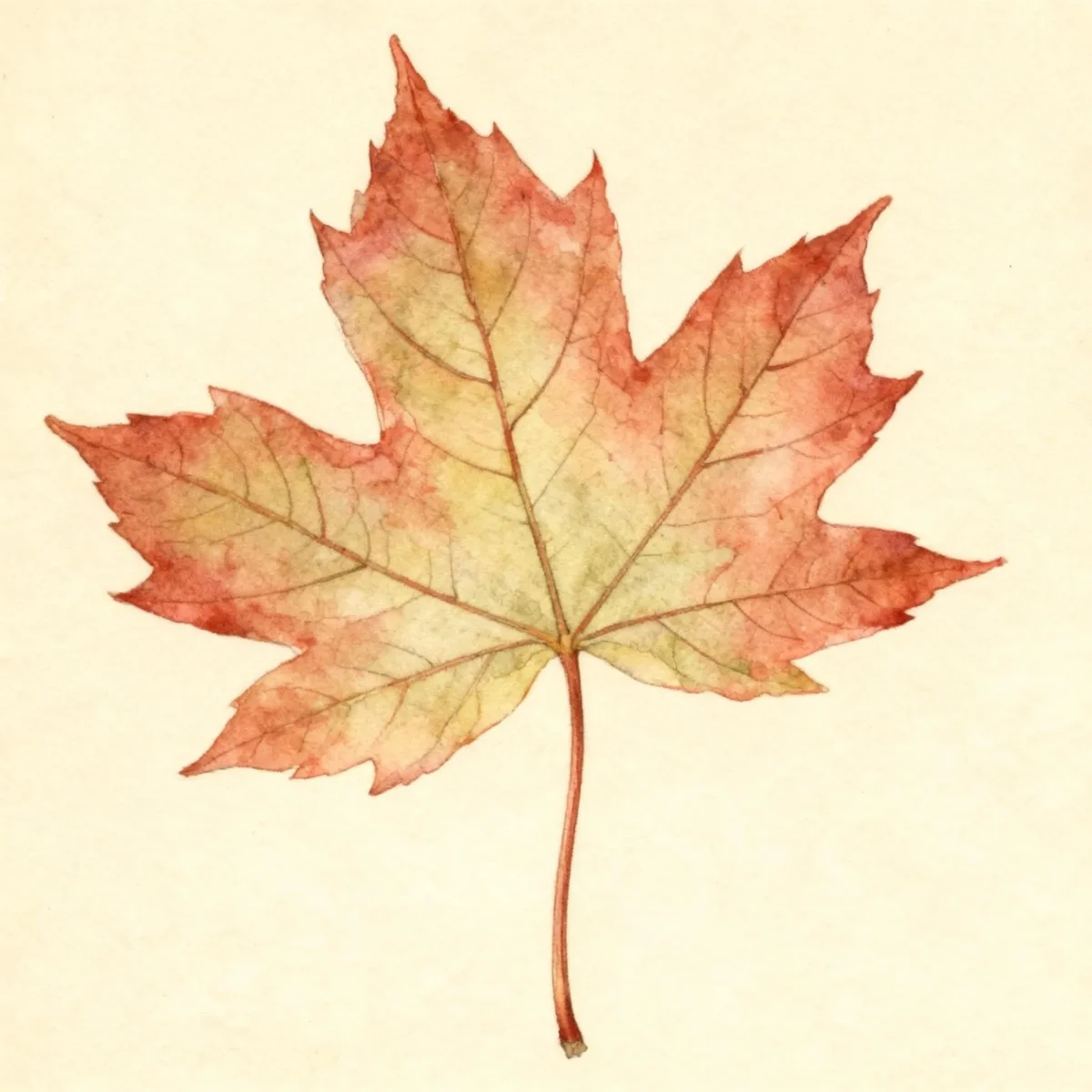
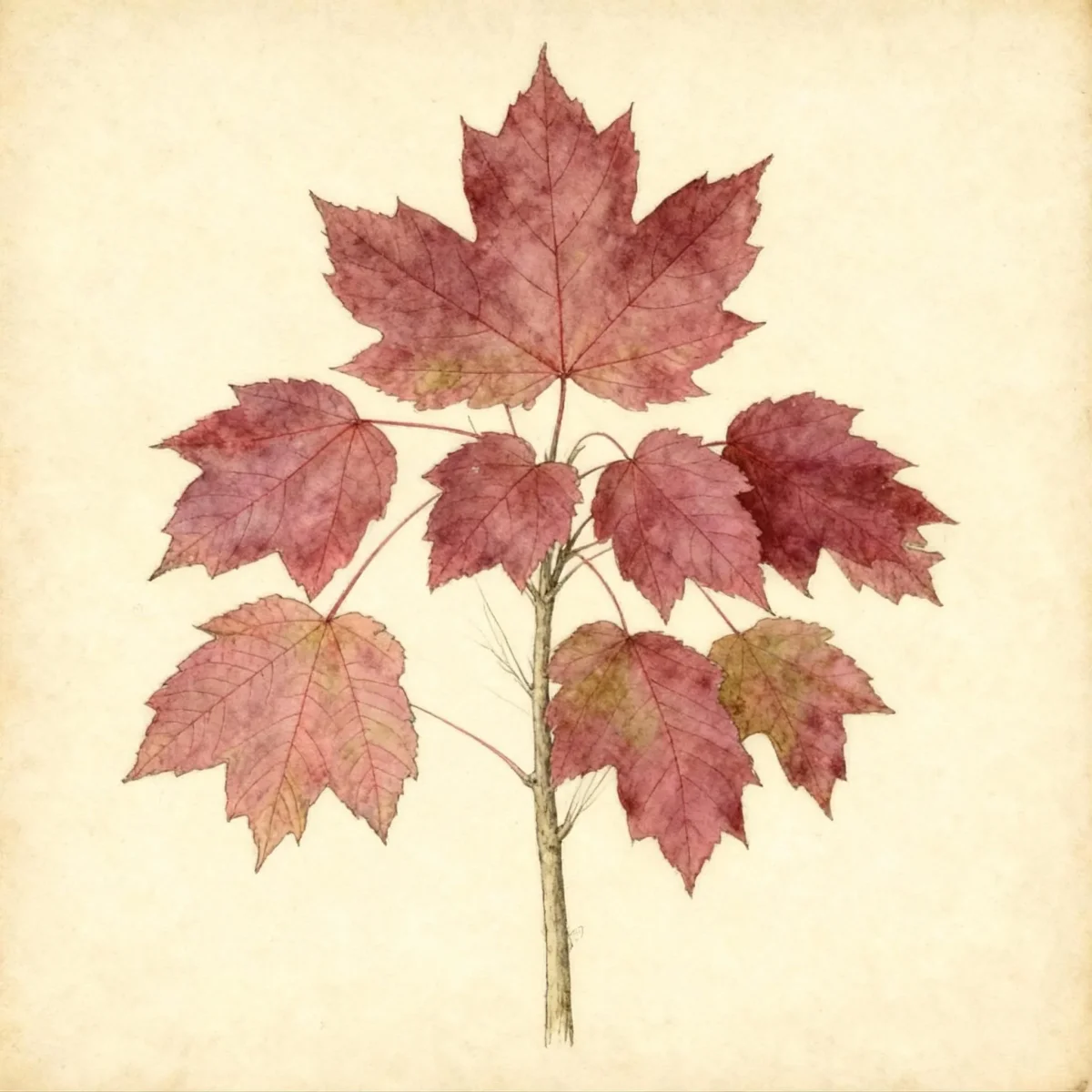
Acer rubrum, commonly called red maple, is a medium-sized, deciduous tree known for its adaptability across Eastern North America. The ‘Sun Valley’ cultivar specifically is recognized by the U.S. National Arboretum for its strong, symmetrical ovate crown and consistently brilliant red fall color. This location is enhanced by reddish new growth, buds, and twigs, making the structure appealing even when leafless.
Tolerances
- Wet Soil
- Air Pollution
Potential Problems
While Acer rubrum ‘Sun Valley’ boasts strong genetics, all maples are susceptible to a few common issues. General watchfulness should be directed toward common pests like aphids, leafhoppers, borers, and scale insects, particularly on young or stressed trees. More serious internal threats include Verticillium wilt, a vascular disease that can be fatal if left untreated, usually presenting as wilting branches.
Management focuses predominantly on cultural care; healthy soil and proper watering reduce stress enough to make the tree highly resistant to minor attacks. If wind or ice cause branch breakage, prune these limbs cleanly back to the trunk or parent branch immediately. While this specific cultivar has good resistance to leaf hoppers, monitor them closely, as heavy feeding can detract significantly from summer foliage quality on susceptible maples.
Frequently Asked Questions
What hardiness zones is Red maple suitable for?
Acer rubrum ‘Sun Valley’ is suitable for USDA Hardiness Zones 4 through 7. Always confirm that your location falls within this range before planting.
How large does Acer rubrum ‘Sun Valley’ grow?
This cultivar typically matures to a height between 20 and 35 feet, with a spread ranging from 15 to 25 feet, developing a notably symmetrical shape.
What sun exposure does Acer rubrum ‘Sun Valley’ need?
For best performance and optimal fall color declaration, this Red maple requires full sun to part shade exposure.
When does Red maple bloom?
Flowering generally occurs early, with reddish flowers appearing in dense clusters in March, often before the main leaf canopy develops.
Conclusion
The Acer rubrum ‘Sun Valley’ represents a superior choice for landscape architects and home gardeners seeking a durable, medium-sized shade tree with guaranteed seasonal drama. Its low maintenance level, coupled with outstanding tolerance to urban conditions and its remarkable, brilliant red foliage, solidifies its status as a premier Red maple cultivar. Before purchasing, confirm your site offers the medium-to-wet soil conditions it prefers and ensure your garden falls within USDA Zones 4-7.
Wildlife Benefits
The inherent structure of the Red maple provides excellent nesting and perching opportunities for various songbirds throughout the year. Even though Acer rubrum ‘Sun Valley’ is a sterile male selection and produces no fruit (samaras), the early spring red flowers still provide an important, albeit brief, nectar and pollen source just as the season begins. The emerging buds and twigs themselves are sometimes browsed by certain wildlife species in winter.
Providing habitat diversity is key to a healthy garden ecosystem. When pairing Acer rubrum ‘Sun Valley’ with other native understory plantings that offer berries or seeds, you can significantly increase the ecological value of the space surrounding this stately tree. Its dense canopy in summer offers crucial refuge from intense sun and predators for smaller fauna.
Seasonal Care Calendar
Spring is the ideal time to focus on assessment and clean-up for your Acer rubrum ‘Sun Valley’. After the vibrant red flowers fade, inspect the tree for winter damage and perform any crucial structural pruning while it is still dormant or just beginning to leaf out. Apply a slow-release fertilizer sparingly if you notice the ground lacking rich, acidic nutrients.
During the summer growing season, water deeply, especially during dry spells, favoring the root zone to encourage deep establishment rather than shallow surface watering. Monitor foliage for early signs of minor pest issues, remembering that this cultivar has reasonable inherent resistance. Summer pruning should be avoided unless strictly necessary to minimize stress.
Fall is when this Red maple truly shines, though maintenance involves simply enjoying the transition. Rake leaves as desired; while they make good mulch, heavy piles can smother this tree’s shallow roots promoting fungal issues. Protect the bark, particularly on young specimens, from late fall rodent activity by installing protective guards before winter sets in.