Lovegrass (Eragrostis elliottii 'Wind Dancer')
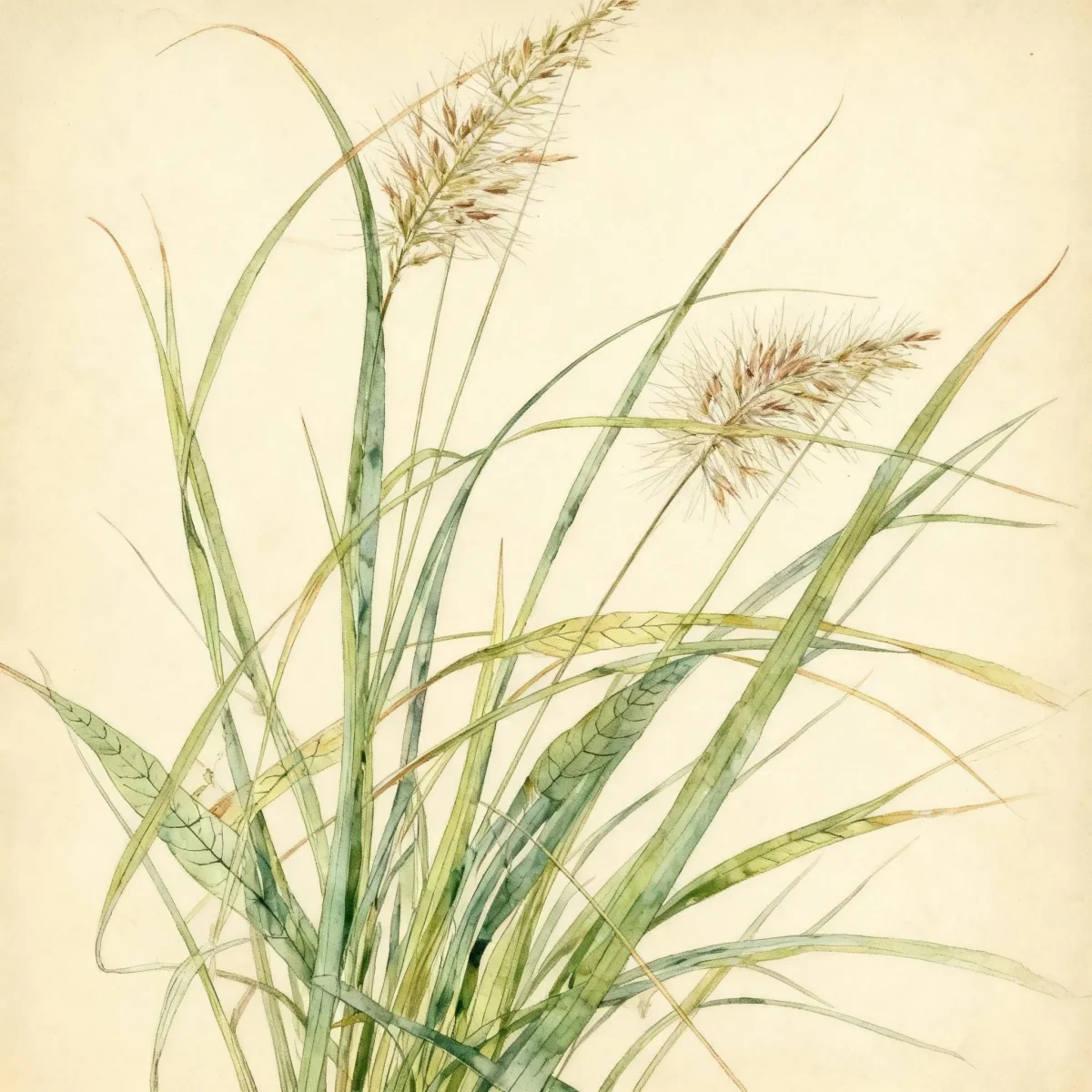
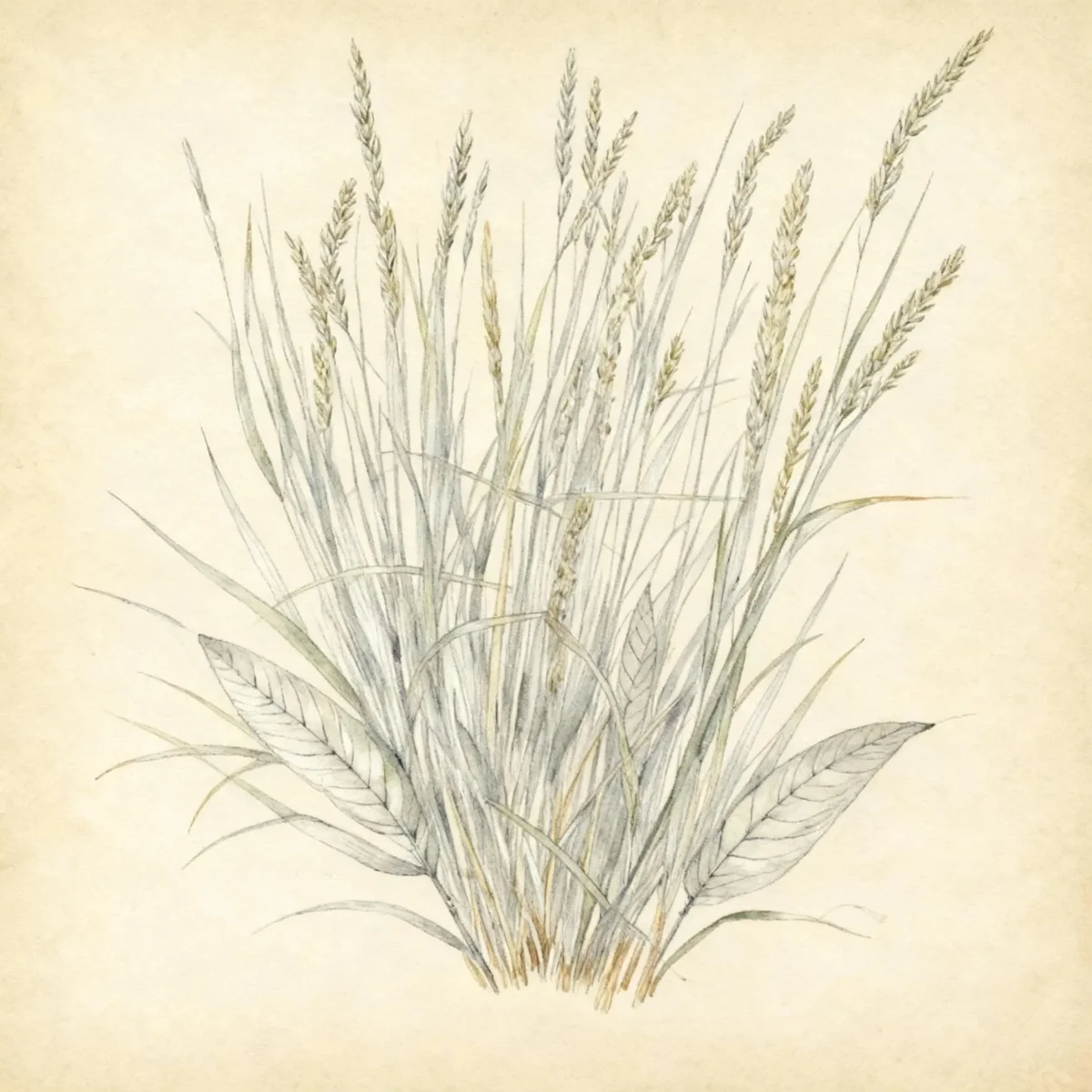
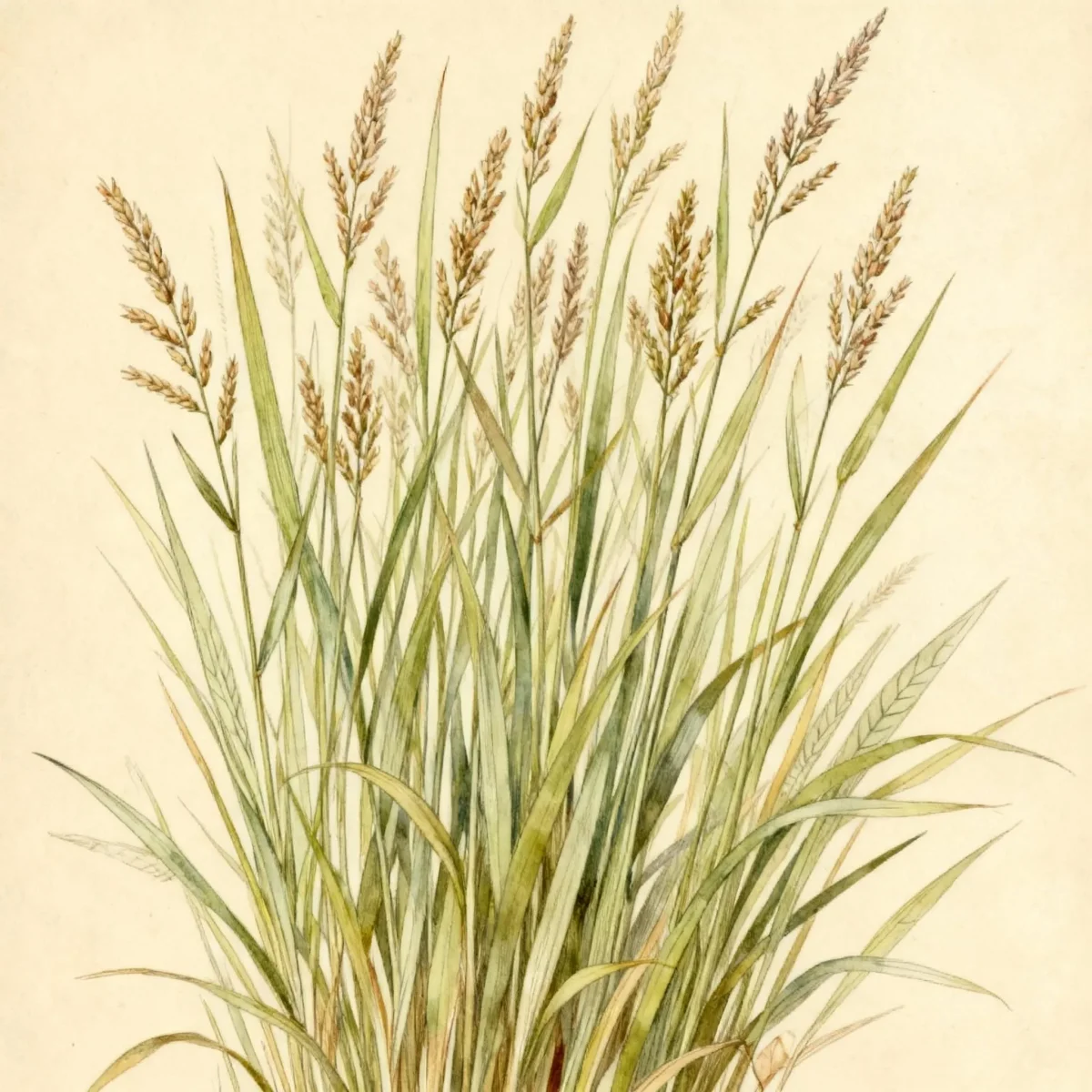
Eragrostis elliottii 'Wind Dancer' (Lovegrass) is a fine-textured ornamental grass with blue-green foliage and showy, airy white flowers.
Scroll down to discover growing tips, care requirements, companion plants, and more
Complete Plant Information
Overview
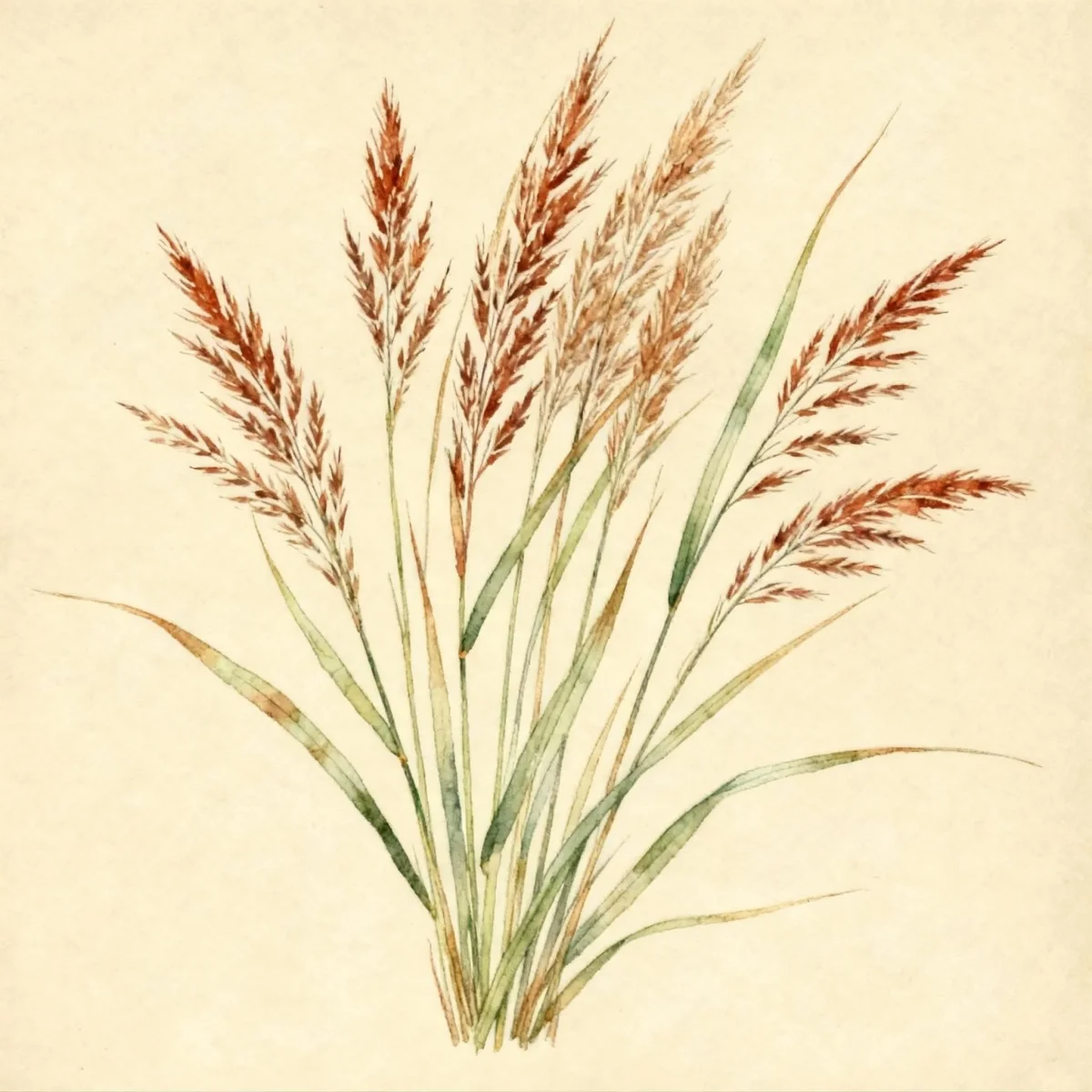
Eragrostis elliottii ‘Wind Dancer’, commonly known as Lovegrass, is an exceptional choice for gardeners seeking fine texture and airy movement in the landscape. This warm season grass stands out with its distinctive blue-green foliage, providing year-round visual interest. Its cultivar name reflects the way the fluffy white flower panicles dance gracefully in the slightest breeze.
This ornamental grass provides low-maintenance beauty across USDA Hardiness Zones 6 through 9. It establishes quickly and thrives in conditions where other plants might struggle, making Lovegrass a resilient addition to various settings. Use Eragrostis elliottii ‘Wind Dancer’ to bring softness and natural charm to meadows or as an elegant specimen accent.
Native to sandy areas and open woodlands in the southeastern US, this variety perfectly captures the spirit of prairie grasses. When established, the drought tolerance of Eragrostis elliottii ‘Wind Dancer’ minimizes the need for supplemental watering, contributing to its highly valued low maintenance profile.
Fast Facts
- Plant Family: Poaceae
- Plant Type: Ornamental grass
- Hardiness Zones: USDA Zones 6-9
- Size at Maturity:
- Height: 2-3 ft
- Spread: 2-3 ft
- Bloom Time: July to October
- Bloom Description: White
- Sun Exposure: Full sun
- Water Needs: Dry to medium
- Maintenance Level: Low
How to Grow
For the best performance of Eragrostis elliottii ‘Wind Dancer’, ensure it is planted in full sun. This ornamental grass thrives in organically rich, well-drained soils that maintain dry to medium soil moisture levels. Plants show particular affinity for sandy soils, which replicate their native environments.
Water young plants regularly to establish a strong root system. Once mature, this Lovegrass demonstrates good drought tolerance, requiring minimal supplemental watering unless conditions are exceptionally dry. Avoid overwatering, as soggy soil can encourage the mature clumps to sprawl or droop unattractively.
As a low-maintenance plant, fertilizing is rarely necessary, especially in organically amended soils. The primary seasonal care involves a thorough cleanup in late winter or early spring, cutting the entire foliage mass back to the ground before new growth emerges. Plants may self-seed in ideal spots, offering natural propagation.
Propagation of Eragrostis elliottii ‘Wind Dancer’ can also be achieved through division of established clumps, best performed in early spring. Gardeners near the cooler edges of Zone 6 should site plants in protected locations, as winter hardiness can sometimes be variable outside of its core range.
Landscape Uses
Eragrostis elliottii ‘Wind Dancer’ excels when utilized in naturalistic plantings where its movement can be fully appreciated. It is highly recommended for grouping or massing within native plant areas or open meadows where it is permitted to naturalize gently. The fine texture contrasts beautifully against coarser, broadleaf perennials.
This grass functions perfectly as a subtle specimen accent, drawing the eye without dominating the space due to its moderate 2-3 foot size. Furthermore, Lovegrass performs admirably in large containers, providing vertical interest and a cascading effect that softens hardscape edges.
Consider pairing this Lovegrass with plants that share similar low water needs and preference for full sun, such as coneflowers, salvias, or various native sedges. Its airy structure makes it an excellent mid-layer plant in a layered border design.
Flower Qualities
- Showy
Noteworthy Characteristics
Eragrostis elliottii, commonly known as love grass, is native to certain open woodlands, sandy areas and prairies in Georgia, North Carolina and South Carolina. It is a fine-textured, warm season grass that grows to 3’ tall and is noted for its blue-green foliage and fluffy white flowers. White flower panicles appear in summer, turn tan by late summer as the seed ripens and finally lighten to straw hues in autumn. Flower panicles dance in the wind, hence the cultivar name.
Tolerances
- Drought
- Erosion
- Dry Soil
- Black Walnut
- Air Pollution
Potential Problems
This Lovegrass variety generally enjoys excellent health, typically presenting no serious insect or disease problems under proper growing conditions. The biggest challenge reported with mature clumps is their tendency to sometimes sprawl or droop, especially if they receive too much moisture or rich organic matter.
To manage potential floppiness, ensure excellent drainage and avoid heavy fertilization. If sprawling occurs, routine pruning in late winter, cutting the clump back hard, helps manage the overall shape for the following season. Avoid planting in areas with consistently soggy soil.
Frequently Asked Questions
What hardiness zones is Lovegrass suitable for?
Eragrostis elliottii ‘Wind Dancer’ is suitable for USDA Zones 6 through 9.
How large does Eragrostis elliottii ‘Wind Dancer’ grow?
This ornamental grass typically reaches a height between 2 and 3 feet, spreading equally between 2 and 3 feet wide.
What sun exposure does Lovegrass need?
This grass requires full sun exposure to maintain its best color and structure in the landscape.
When does Eragrostis elliottii ‘Wind Dancer’ bloom?
The plant offers white, showy flowers that appear from July through October.
Conclusion
Eragrostis elliottii ‘Wind Dancer’ offers gardeners superb textural contrast, reliable drought tolerance, and the beautiful, airy motion of its flowers. Choosing Lovegrass ensures a low-maintenance staple that thrives in sunny, drier soils across temperate regions. Check your local hardiness zone compatibility and plan your late winter cleanup to enjoy the best display from your Eragrostis elliottii ‘Wind Dancer’ next growing season.
Propagation Tips
Division is the most reliable way to propagate established clumps of this Lovegrass. Wait until early spring, right before new growth begins, to lift the clump. Use a sharp spade to divide the root ball into sections, ensuring each division has adequate roots and desirable blue-green foliage. Replant these divisions immediately into prepared soil.
While Eragrostis elliottii ‘Wind Dancer’ plants may self-seed in optimum growing conditions, dividing ensures you maintain the specific characteristics of the named cultivar reliably. Self-seeding from any volunteer sprouts may result in plants that revert slightly toward the straight species characteristics, though the fluffy flower effect should usually persist.
Companion Planting
Since Lovegrass prefers well-drained soil and tolerates dry conditions, pair it with other sun-loving, drought-tolerant perennials. Good companions include varieties of Coreopsis, Rudbeckia (Black-eyed Susan), and native sedges (Carex species) that enjoy similar lean soil conditions. These combinations create dynamic textured borders that require minimal post-establishment watering.
Avoid planting Eragrostis elliottii ‘Wind Dancer’ directly alongside moisture-loving plants, as excess ambient moisture, particularly in summer, can contribute to the potential problem of the grass sprawling or drooping. A sunny, dry border or meadow setting is ideal for harmonious long-term growth.