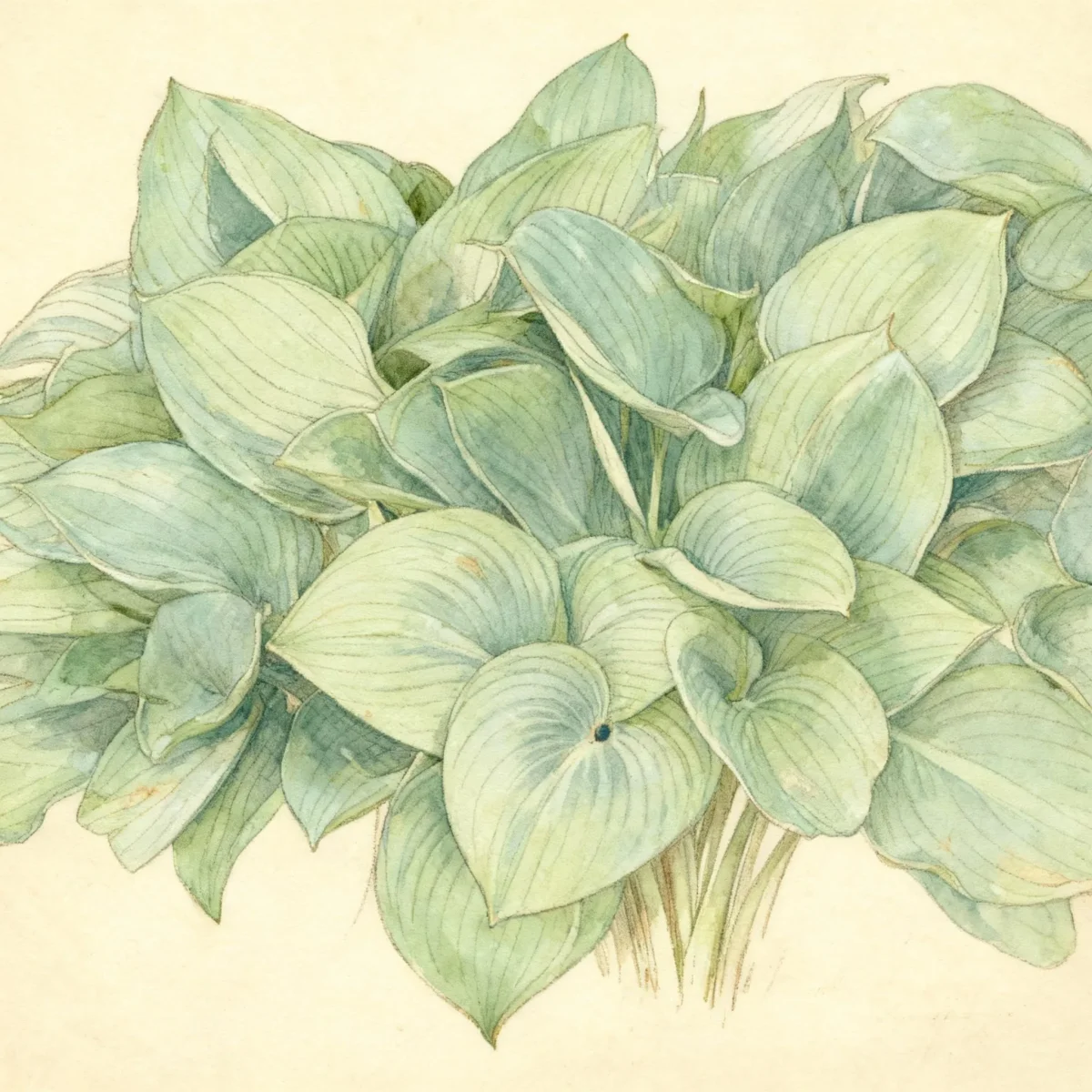
Hosta (Hosta 'Slick Willie')
Hosta 'Slick Willie' is a low-maintenance perennial offering glossy, deep green foliage and pale lavender flowers in summer.
Scroll down to discover growing tips, care requirements, companion plants, and more
Complete Plant Information
Overview
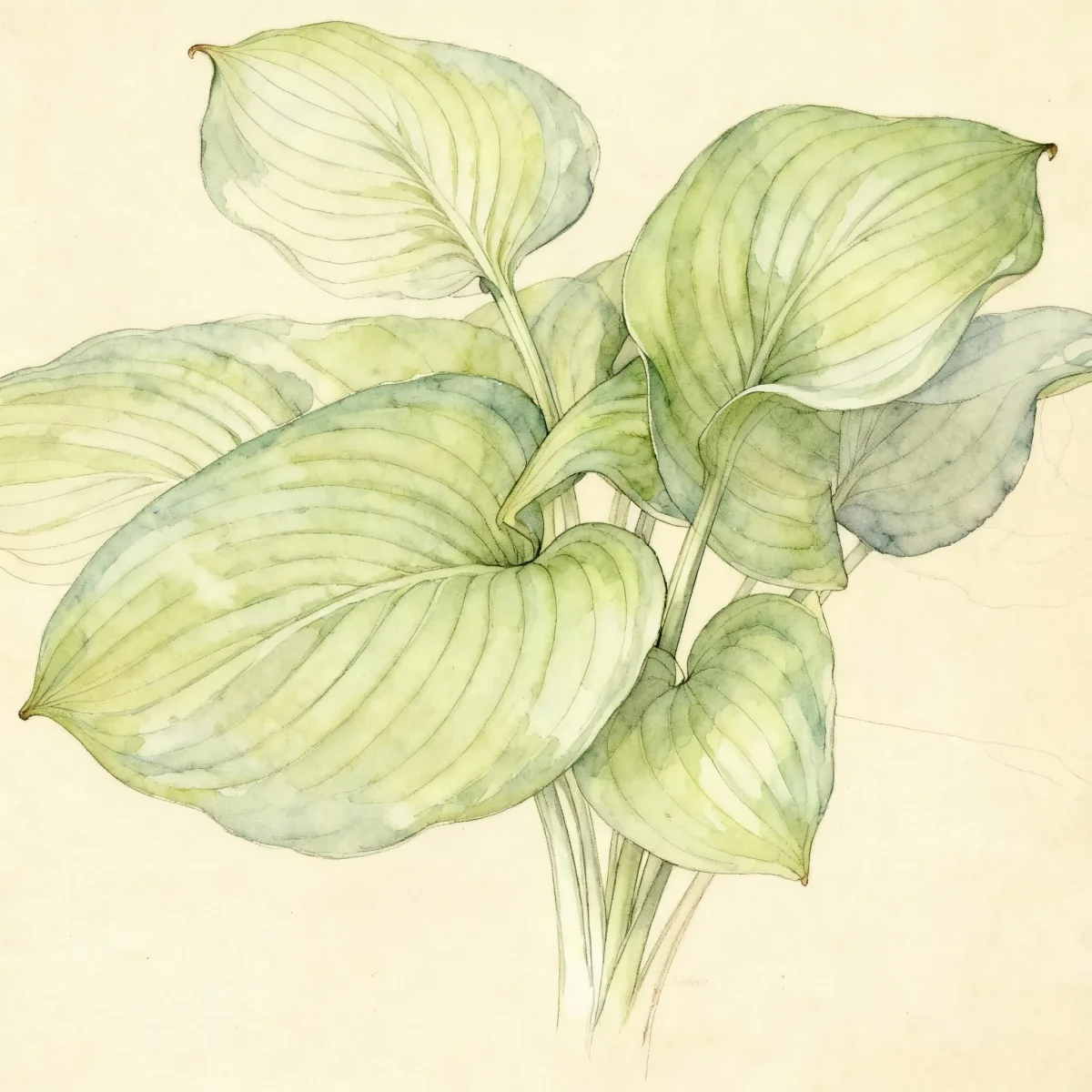
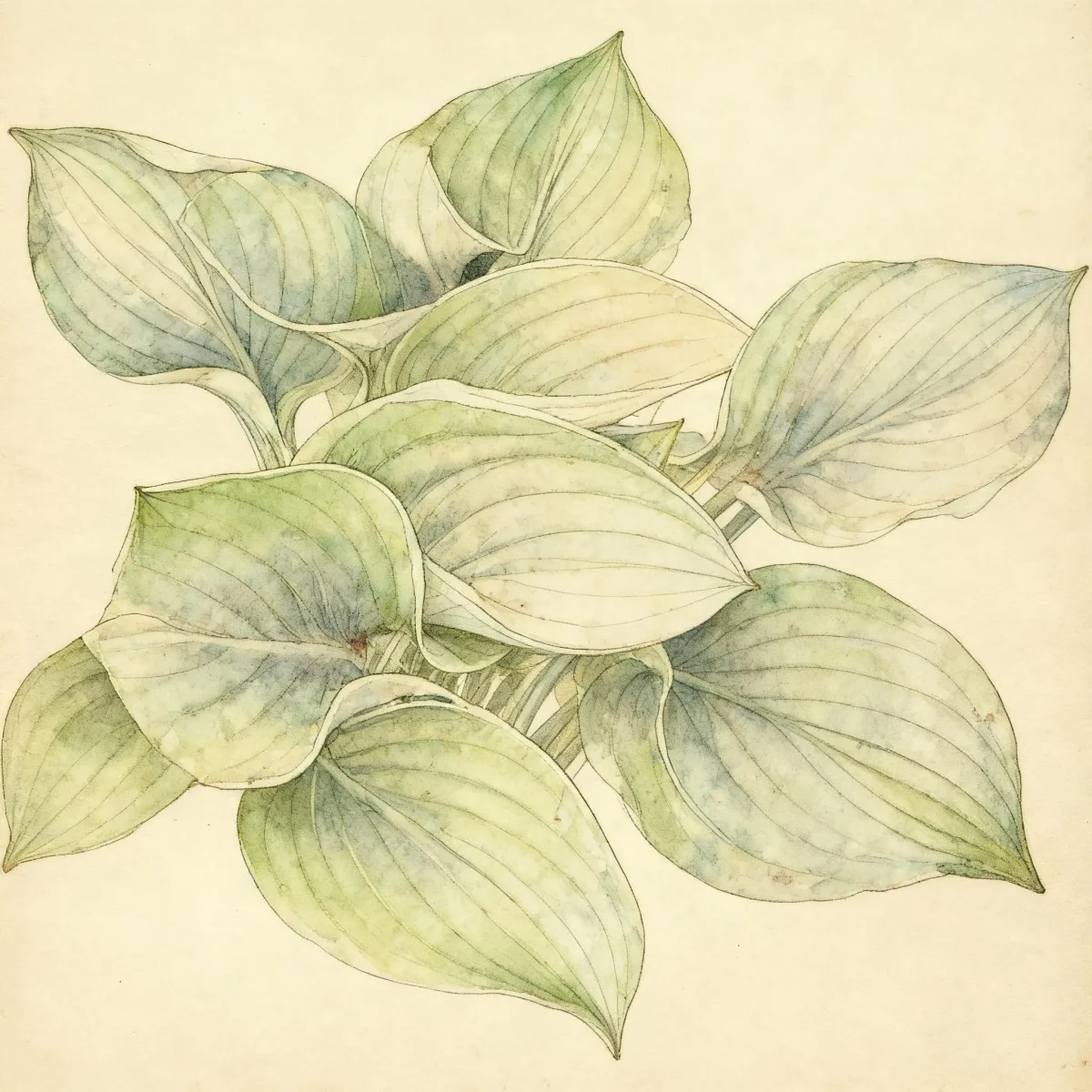
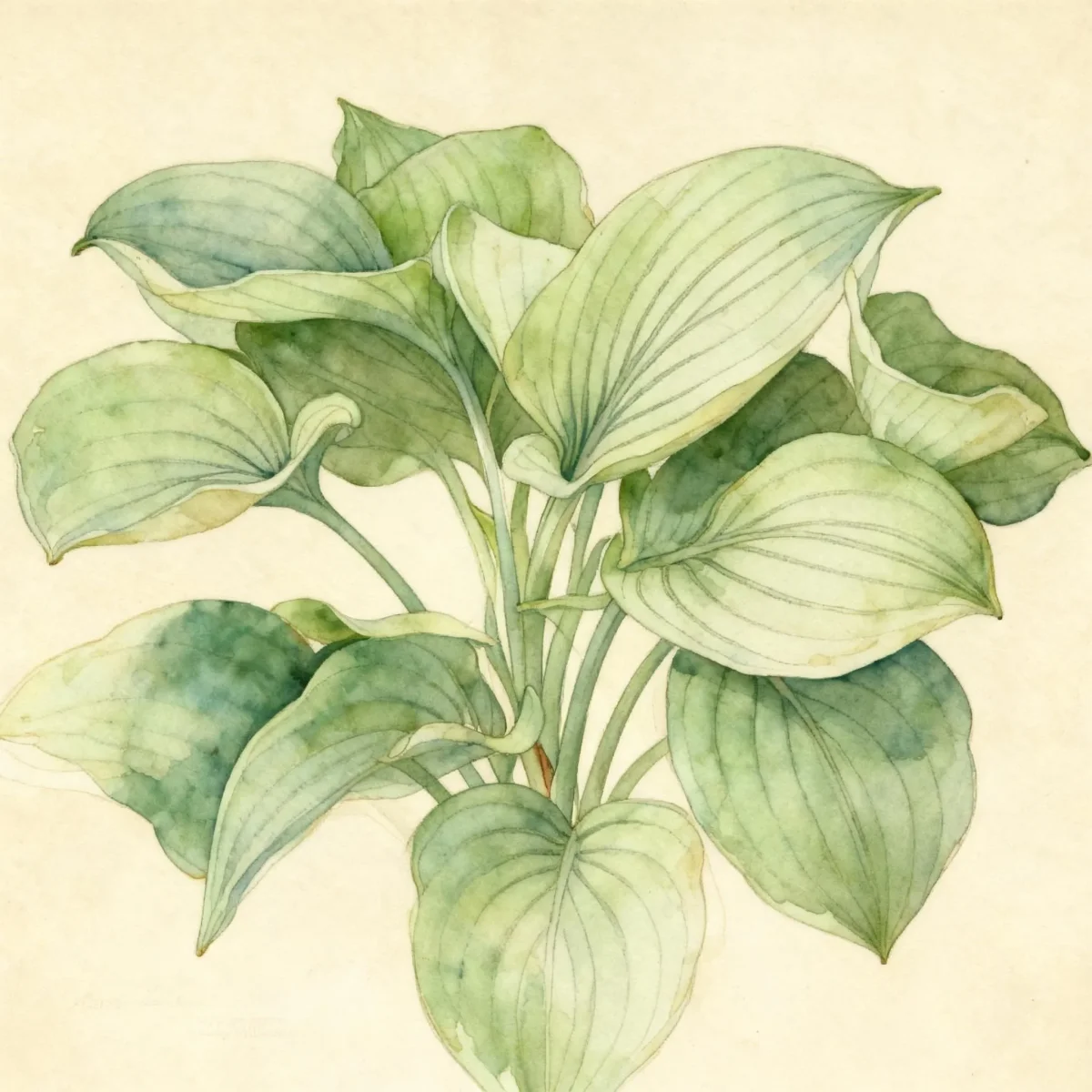
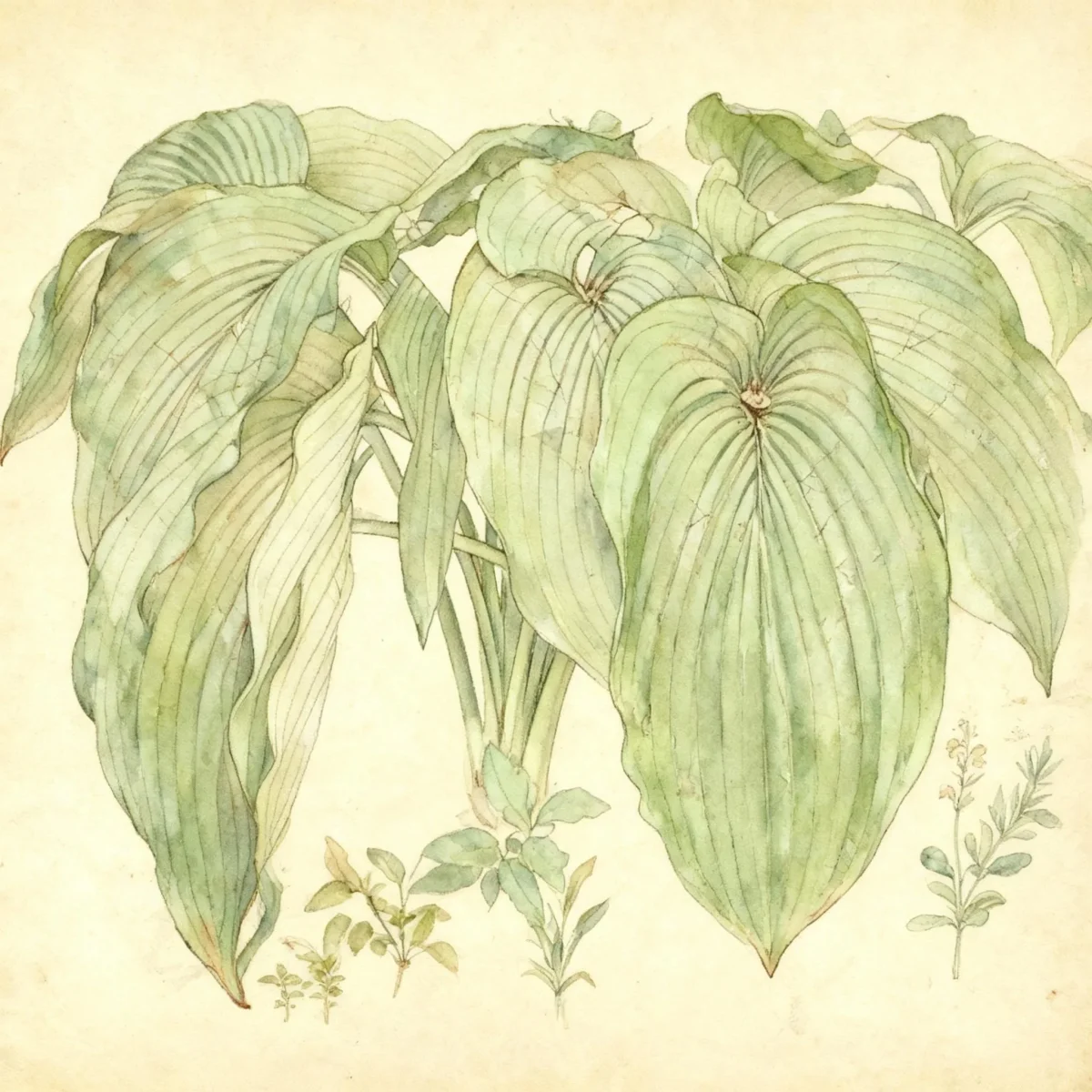
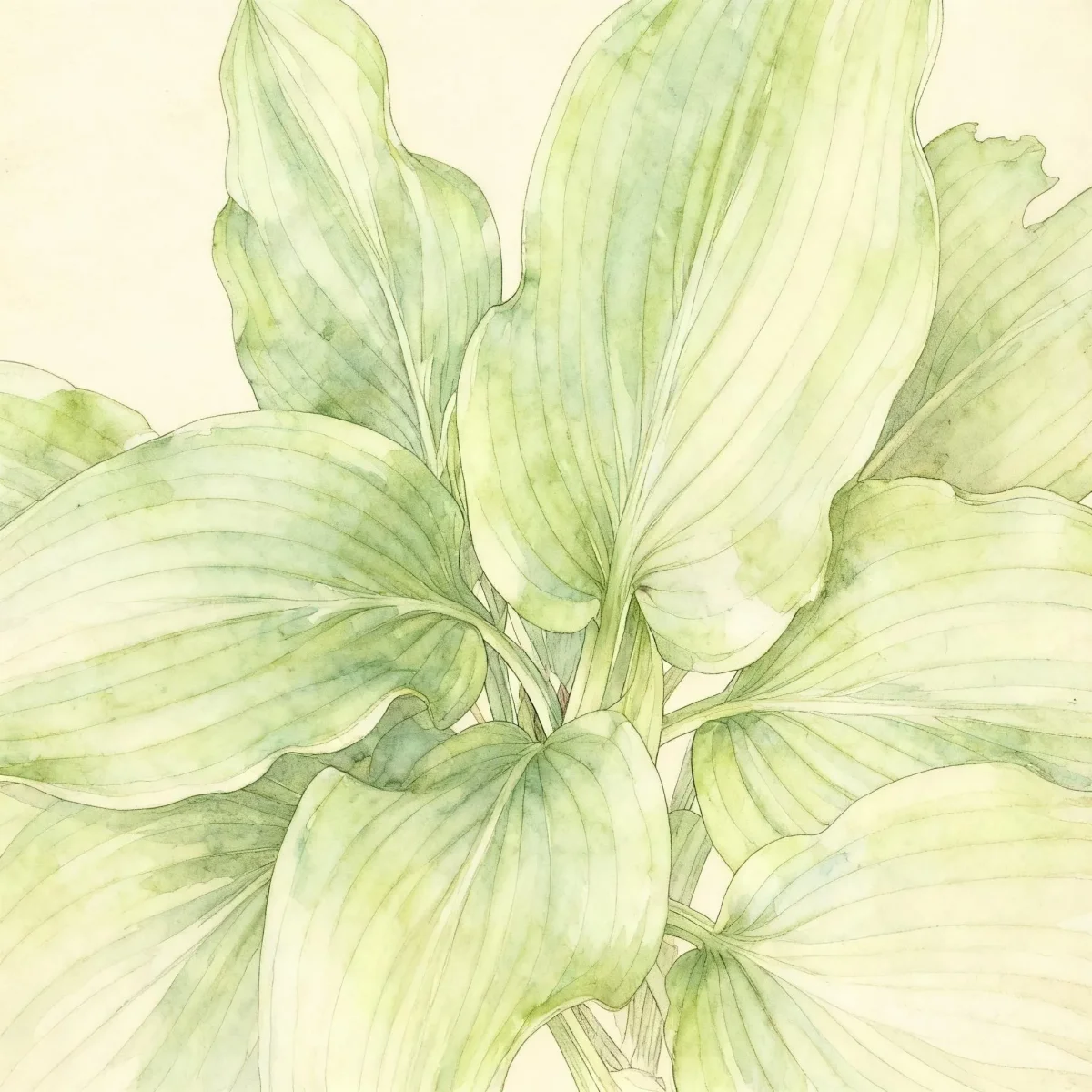
Hosta ‘Slick Willie’ is a highly valued herbaceous perennial, revered primarily for its ornamental foliage that brightens the darkest corners of the garden. This cultivar features distinctively glossy, broad-oval, deep green leaves, which provide excellent texture and color contrast against brighter plantings. As an exceptionally resilient Hosta, ‘Slick Willie’ thrives in deep shade, making it a cornerstone for woodland or foundation plantings.
Originating from Asian woodlands, Hosta species offer reliable, low-maintenance structure, and ‘Slick Willie’ continues this tradition, forming an attractive mound that reaches up to two feet tall. Beyond its greenery, this variety surprises gardeners with funnel-shaped, pale lavender flowers blooming atop tall scapes in mid-summer, adding a subtle floral display atop the dense foliage mound.
The Hosta genus is famous for its adaptability, and Hosta ‘Slick Willie’ is no exception, tolerating challenging shadowed areas and even the root competition of trees like Black Walnut. Its low maintenance requirements and significant visual impact ensure it remains a favorite for gardeners seeking easy-care beauty in shaded environments.
Fast Facts
- Plant Family: Asparagaceae
- Plant Type: Herbaceous perennial
- Hardiness Zones: USDA Zones 3-8
- Size at Maturity:
- Height: 1-2 ft
- Spread: 1-3 ft
- Bloom Time: July to August
- Bloom Description: Pale lavender
- Sun Exposure: Part shade to full shade
- Water Needs: Medium
- Maintenance Level: Low
How to Grow
Planting Hosta ‘Slick Willie’ is best achieved in spring or autumn, ensuring the organic matter is enriched in the soil to promote deep, healthy root development. This Hosta requires evenly moist, well-drained soils. While it prefers part shade—ideally receiving some morning sun or dappled sunlight—it performs admirably in full shade, provided moisture levels are maintained.
Consistent watering is key to achieving the full size and quality form expected of Hosta ‘Slick Willie’. Water should be directed to the soil beneath the leaves to keep foliage dry and reduce disease risk. Although established plants show some tolerance for dry shade, never let the soil dry out completely, especially with thick-leaved varieties.
Minimal care is required once established, fitting its low-maintenance profile. Division, if desired, should occur in early spring before the leaves emerge or in the fall. Protect your Hosta from strong winds, which can damage the large leaves. As a low-maintenance perennial, Hosta ‘Slick Willie’ offers years of dense foliage without fuss.
Landscape Uses
Hostas are the undisputed mainstays of shade gardens, prized infinitely more for their exceptional foliage than their summer blooms. Hosta ‘Slick Willie’, with its distinctively glossy leaves, creates beautiful pools of texture beneath towering trees or along the north side of structures. They are highly effective when massed together or planted in broad groupings to maximize their visual impact against dark backgrounds.
These perennials excel in shady borders, where the mounding habit provides excellent foreground or mid-ground interest. Consider pairing Hosta ‘Slick Willie’ with plants that contrast in texture or color, such as airy ferns or plants with gold or chartreuse foliage, to break up the deep green. Their uniformity makes them ideal as a uniform groundcover or a repetitive element throughout a woodland garden design.
Standout Features
Flower Qualities
- Showy
Noteworthy Characteristics
Hosta is a genus primarily grown for its ornamental foliage, featuring dense, basal leaves that rise from a central rhizomatous crown to form a mound. ‘Slick Willie’ is a specific cultivar known for its glossy, broad-oval, deep green leaves, reaching heights of about 20 inches and spreading up to 36-48 inches over time. It produces funnel-shaped, pale lavender flowers during the summer on scapes that rise above the foliage well into the season.
Tolerances
- Heavy Shade
- Black Walnut
Potential Problems
The primary threat to Hosta ‘Slick Willie’ comes from mollusks; slugs and snails are strongly attracted to the foliage, resulting in jagged holes that severely compromise aesthetics quickly. To manage this, employ bait pellets around the plants or use copper barriers early in the season before significant damage occurs. Be vigilant for foliar nematodes, which cause interveinal browning, often requiring removal of heavily infected leaves.
Less common issues include leaf spots and crown rot, usually linked to overwatering or poor drainage. Furthermore, Hostas are highly sought after by deer and rabbits, often leading to voracious consumption of leaves. Protecting young plants with netting or repellent sprays is critical until the Hosta becomes established and larger. Always destroy any plants confirmed to have viral infections like Hosta Virus X (HVX).
Frequently Asked Questions
What hardiness zones is Hosta ‘Slick Willie’ suitable for?
Hosta ‘Slick Willie’ is hardy and adaptable, thriving in USDA Zones 3 through 8.
How large does Hosta grow?
This medium Hosta eventually forms a mound typically 1 to 2 feet tall, with a spread ranging from 1 to 3 feet wide.
What sun exposure does Hosta ‘Slick Willie’ need?
This Hosta prefers part shade to full shade conditions, flourishing best when protected from intense afternoon sun.
When does Hosta bloom?
Hosta ‘Slick Willie’ produces its pale lavender, funnel-shaped flowers during the peak summer period, generally from July through August.
Conclusion
Hosta ‘Slick Willie’ offers exceptional structural beauty and durability, making it an indispensable element for shaded landscapes due to its glossy texture and low-maintenance nature. Integrating this robust Hosta variety into your garden plan guarantees rich, deep green coverage throughout the growing season. Before planting, confirm that your site falls within USDA Zones 3-8 and that you can commit to medium moisture levels for your new Hosta.
Companion Planting
When designing a space around Hosta ‘Slick Willie’, focus on materials that offer textural contrast to its broad, smooth leaves. Ferns are classic companions, providing an airy, fine-textured counterpoint that enhances the solidity of the Hosta mound. Astilbes or Bleeding Hearts also pair well, as they share similar moisture and shade requirements while introducing vertical flower spikes that differ from the pale lavender blooms of the Hosta.
Consider planting lighter-colored foliage nearby to make the deep green of Hosta ‘Slick Willie’ pop visually. Plants with gold or lime-green leaves thrive in similar light conditions and make the dark leaves of the Hosta appear richer and deeper, leveraging the excellent contrast this Hosta offers.
Seasonal Care Calendar
Spring is the ideal time for garden preparation; amend the soil with rich organic matter before new growth begins. This is the best time for dividing overcrowded clumps of Hosta ‘Slick Willie’ and applying dormant slug and snail controls if pest pressure was high the previous year. In summer, maintain consistent moisture, especially during dry spells, and monitor actively for pests while enjoying the mid-summer blooms.
As autumn approaches, cease heavy fertilization to allow the plant to harden off naturally for winter. Cold temperatures signal the end of the Hosta’s active season; leaves will die back to the ground. Cleanup in late fall or early spring involves removing the dead foliage, which also helps reduce overwintering spots for pests like slugs.