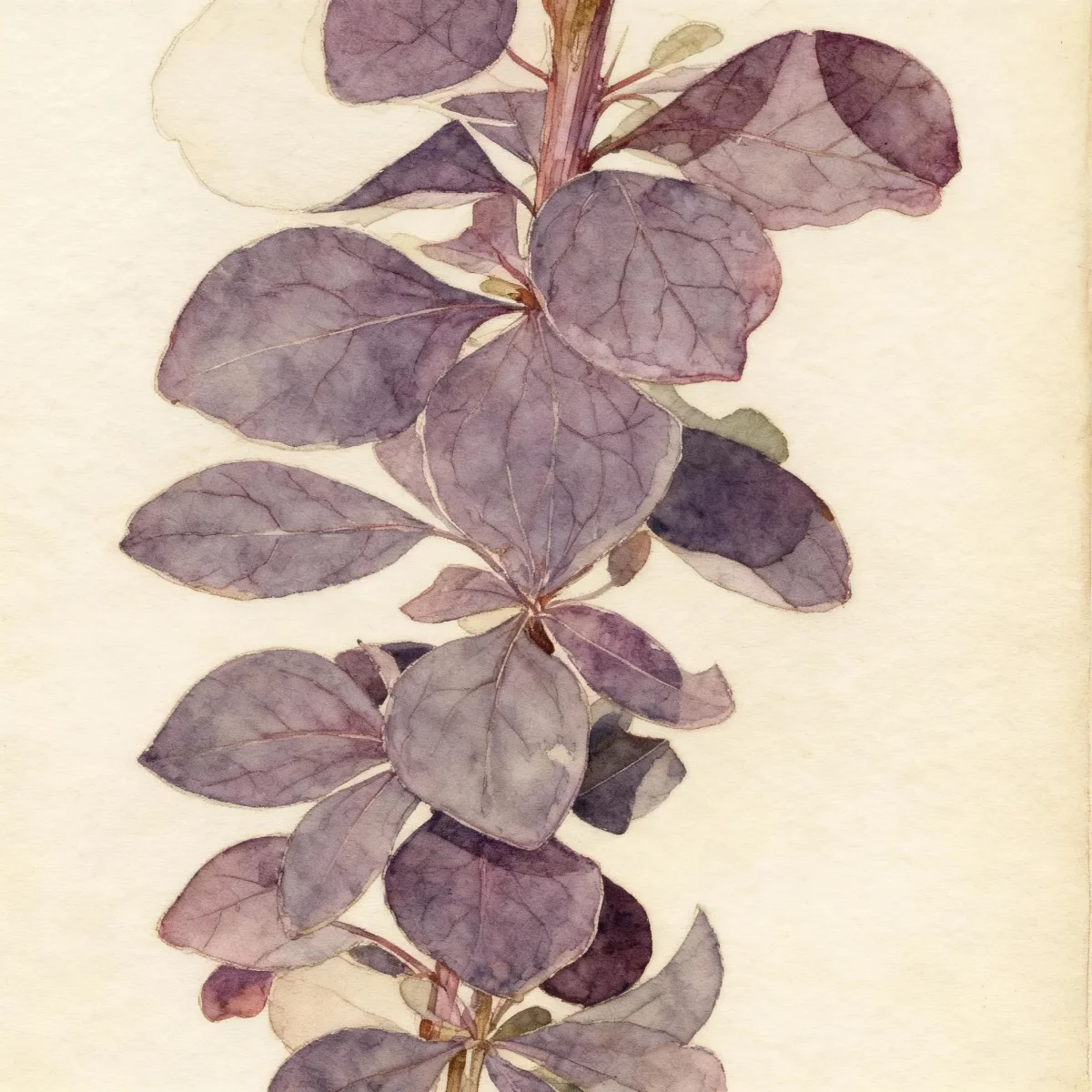
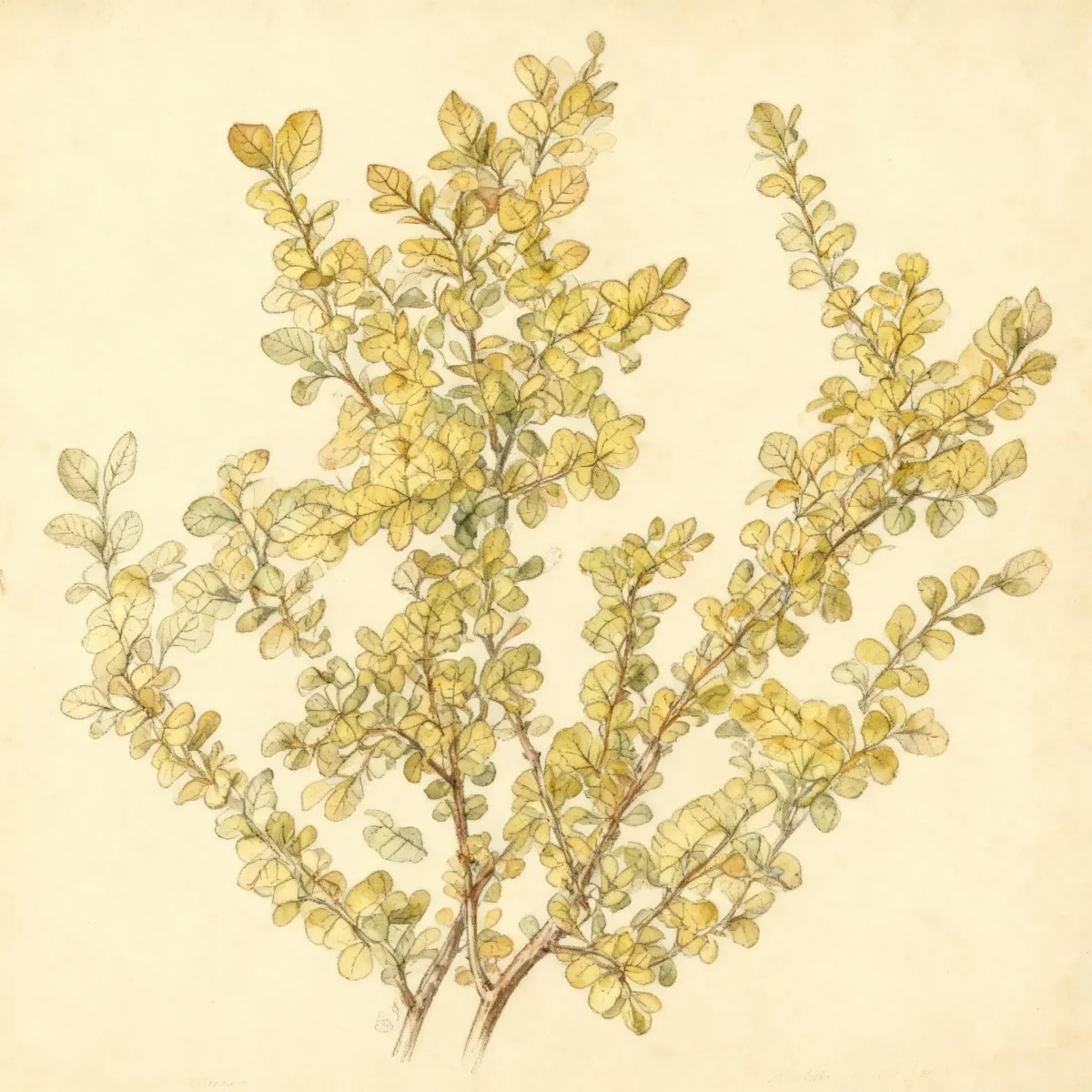
Barberry (Berberis × mentorensis)
Berberis × mentorensis is known as a low-maintenance, adaptable Barberry, perfect for dense hedges or barriers in USDA Zones 5-8.
Scroll down to discover growing tips, care requirements, companion plants, and more
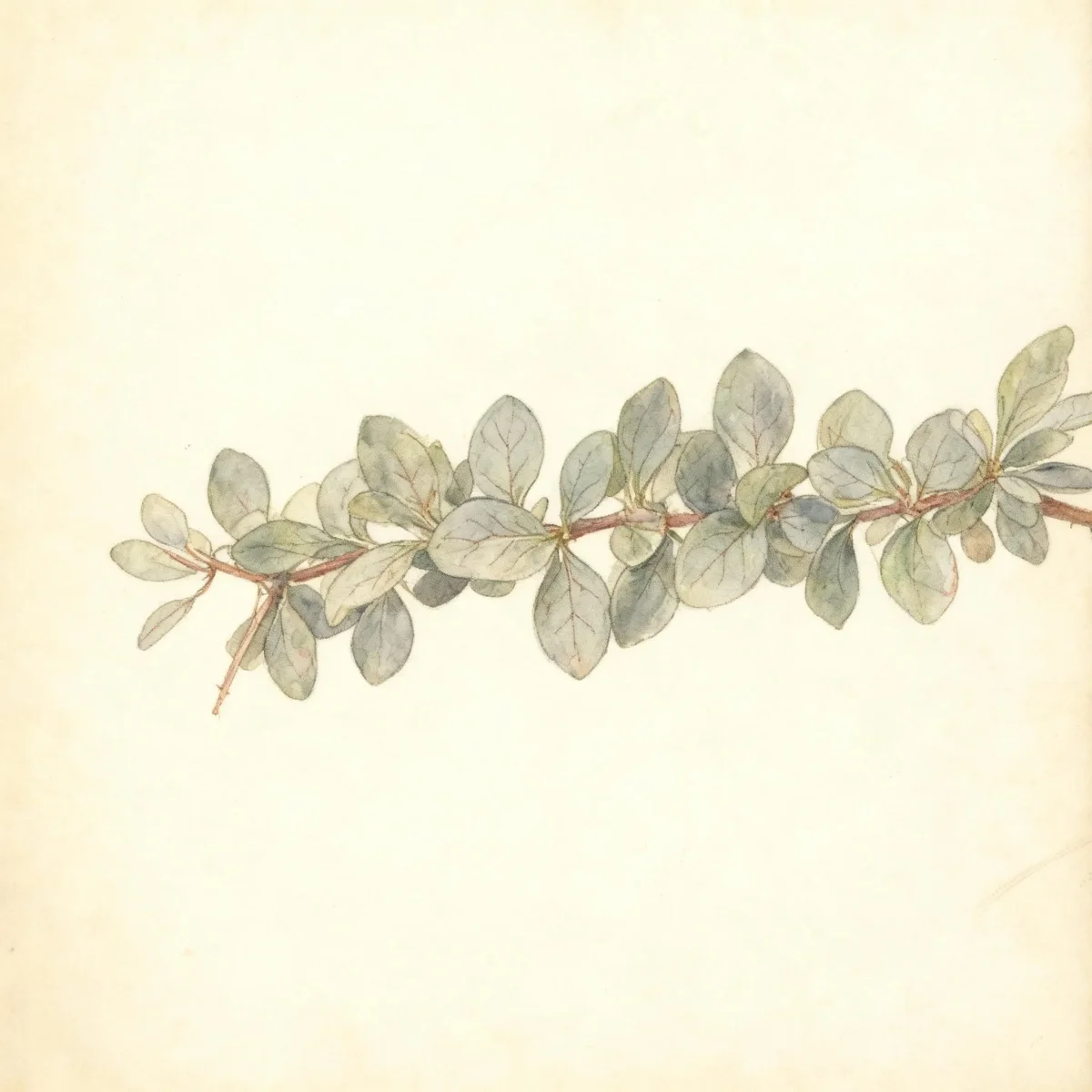
Complete Plant Information
Overview
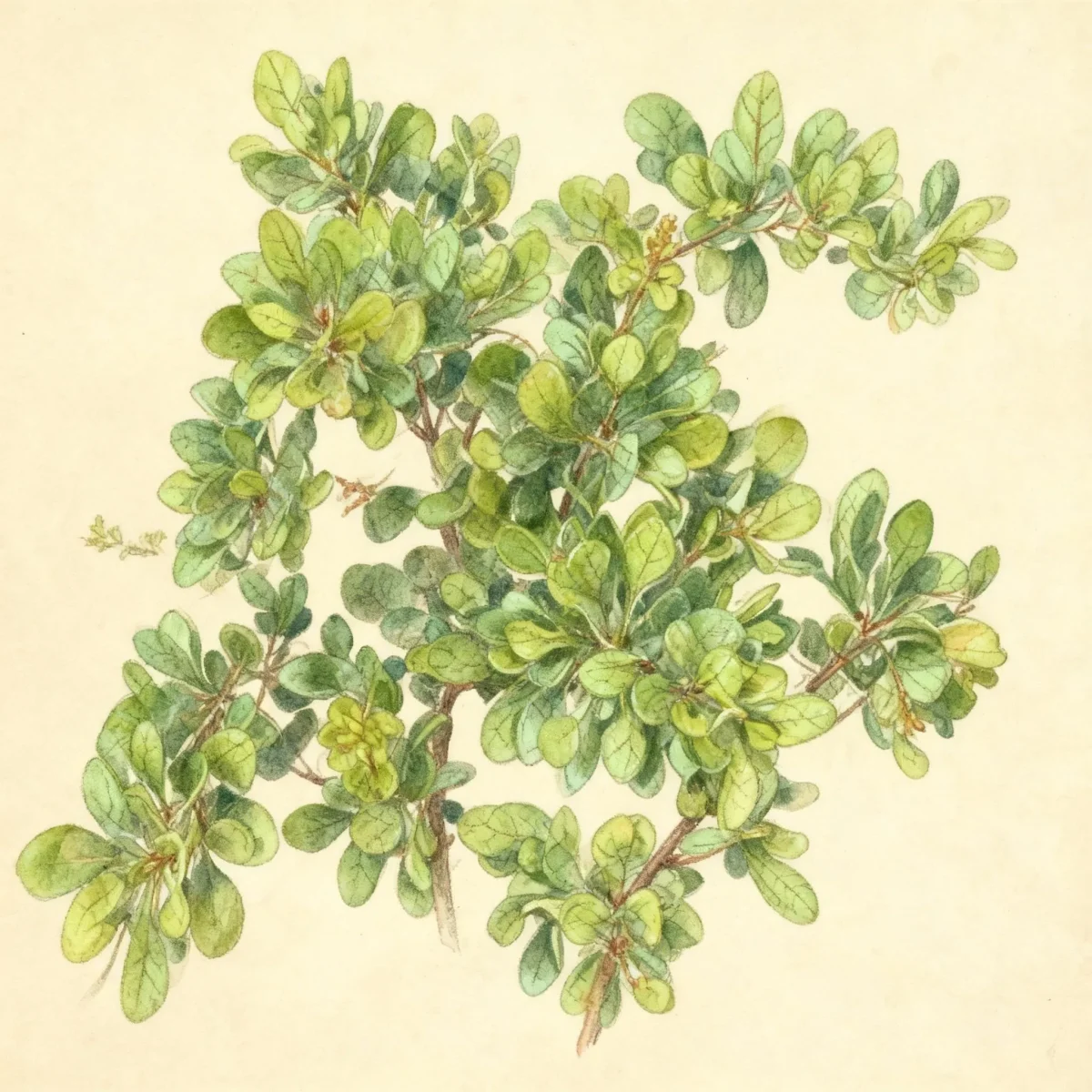
Berberis × mentorensis, widely known as Mentor Barberry, offers gardeners a highly adaptable and tough deciduous shrub suitable for many challenging sites. This hybrid excels where durability is key, forming dense screens or effective barrier plantings due to its naturally mounding habit and sharp thorns. Its general low-maintenance profile makes it an excellent choice for both formal hedges and casual landscape accents.
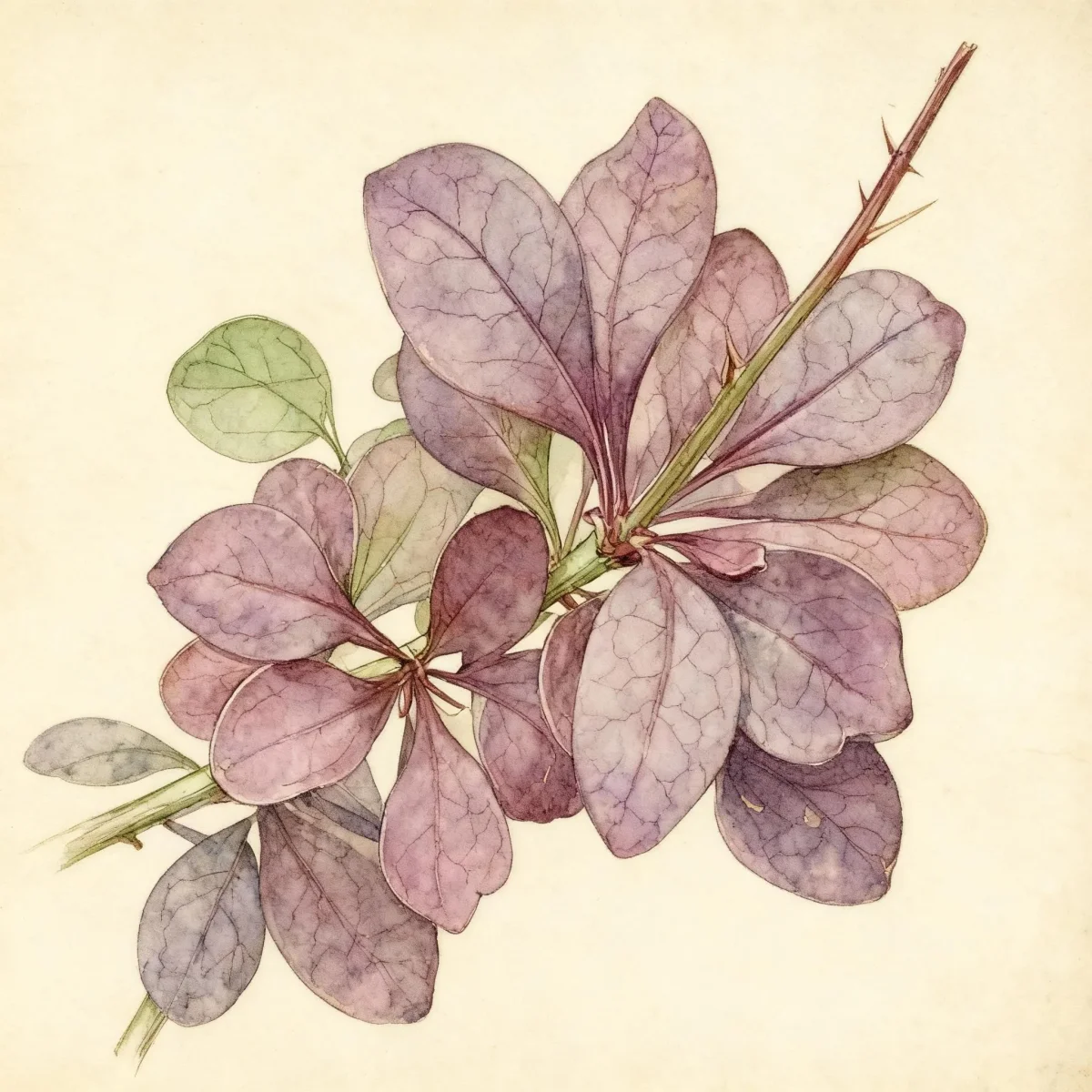
As a hybrid descendant of B. julianae and B. thunbergii, this particular Barberry balances several desirable traits, including adaptability to heat and drought once established. It presents attractive dark green foliage that develops respectable yellow-orange-red fall coloration in cooler climates, offering seasonal interest beyond routine hedging duties.
Grown easily in average, well-drained soil, the Mentor Barberry thrives in a full sun to partial shade setting. Its low care requirements and tolerance for urban pollution solidify its role as a highly practical landscape workhorse, especially when an impenetrable, durable hedge is the goal.
Fast Facts
- Plant Family: Berberidaceae
- Plant Type: Deciduous shrub
- Hardiness Zones: USDA Zones 5-8
- Size at Maturity:
- Height: 5-7 ft
- Spread: 5-7 ft
- Bloom Time: April
- Bloom Description: Pale yellow
- Sun Exposure: Full sun to part shade
- Water Needs: Dry to medium
- Maintenance Level: Low
How to Grow
Planting Berberis × mentorensis is best done in the spring or fall to allow it to establish deep roots before extreme weather hits. This adaptable shrub demands well-drained soil; it tolerates dry to medium moisture levels well but should never sit in poorly drained, wet ground. Full sun exposure yields the best fall color, though the plant handles partial shade without significant performance loss.
Ongoing care for the sturdy Barberry is minimal. Water sparingly once established, relying on its drought tolerance. Fertilization is usually unnecessary unless the soil is extremely poor. If you choose to prune, do so immediately after the spring flowering concludes in April.
This shrub’s adaptability extends to its resilience against pollution, making it an excellent street-side specimen. If establishing a hedge, remember that the Berberis × mentorensis responds very well to shearing, allowing for easily maintained, impenetrable borders. Propagation is typically successful from cuttings taken from mature plants.
Landscape Uses
The primary strength of the Mentor Barberry lies in its use as a functional screen or barrier plant. Its dense, thorny structure ensures that it forms an impenetrable hedge that requires low ongoing maintenance once shaped. Use Berberis × mentorensis along property lines requiring privacy or to deter unwanted pedestrian traffic.
Beyond formalized hedges, this five-to-seven-foot shrub functions effectively as a foundation planting due to its manageable rounded shape, or as a robust element within a shrub border. When planted in small groupings, the consistent green foliage provides a strong textural contrast against finer-textured plants in the garden.
Designers often pair this Barberry with other hardy, tough evergreens or deciduous species that share similar dry soil and sun requirements. Its use as an erosion control plant on slopes is also advantageous, thanks to its deep root system and tolerance for disturbed soils.
Standout Features
Flower Qualities
- Insignificant
Noteworthy Characteristics
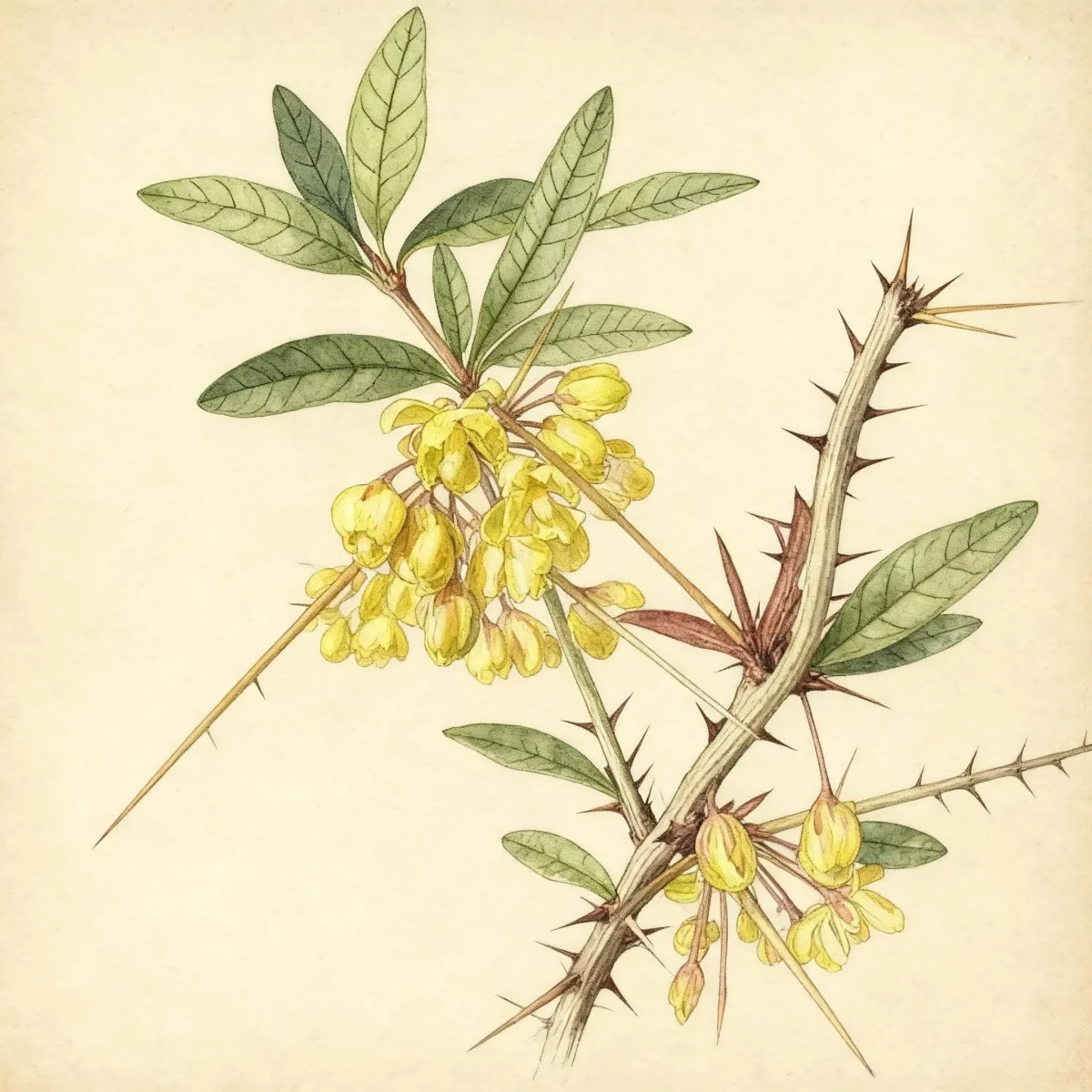
Berberis × mentorensis, commonly called mentor barberry, is an upright, rounded, semi-evergreen barberry that typically grows to 5-7’ tall and as wide. Stems possess sharp thorns, contributing to its effectiveness as a barrier plant. Foliage provides good yellow-orange-red fall color in colder zones, though fruit production can be sparse or non-existent on this hybrid.
Tolerances
- Deer
- Drought
- Erosion
- Dry Soil
Potential Problems
The Mentor Barberry generally boasts excellent disease and insect resistance, making it a low-worry addition to the landscape. However, like many members of the Barberry genus, it carries some susceptibility to fungal issues like rust, anthracnose, and root rot, especially in overly wet conditions. Verticillium wilt and mosaic virus are less common concerns.
To manage potential pests such as scale or aphids, routine monitoring is necessary, though severe infestations are rare. A key cultural consideration is that this shrub tends to trap wind-blown litter between its branches. Promptly cleaning debris from the interior in late winter will help maintain air circulation, reducing the likelihood of developing fungal diseases.
Frequently Asked Questions
What hardiness zones is Barberry suitable for?
The Berberis × mentorensis hybrid is highly adaptable and suited for USDA Hardiness Zones 5 through 8.
How large does Barberry grow?
This dense shrub typically matures to a height and spread between 5 and 7 feet tall and wide, forming a robust presence in the landscape.
When does Berberis × mentorensis bloom?
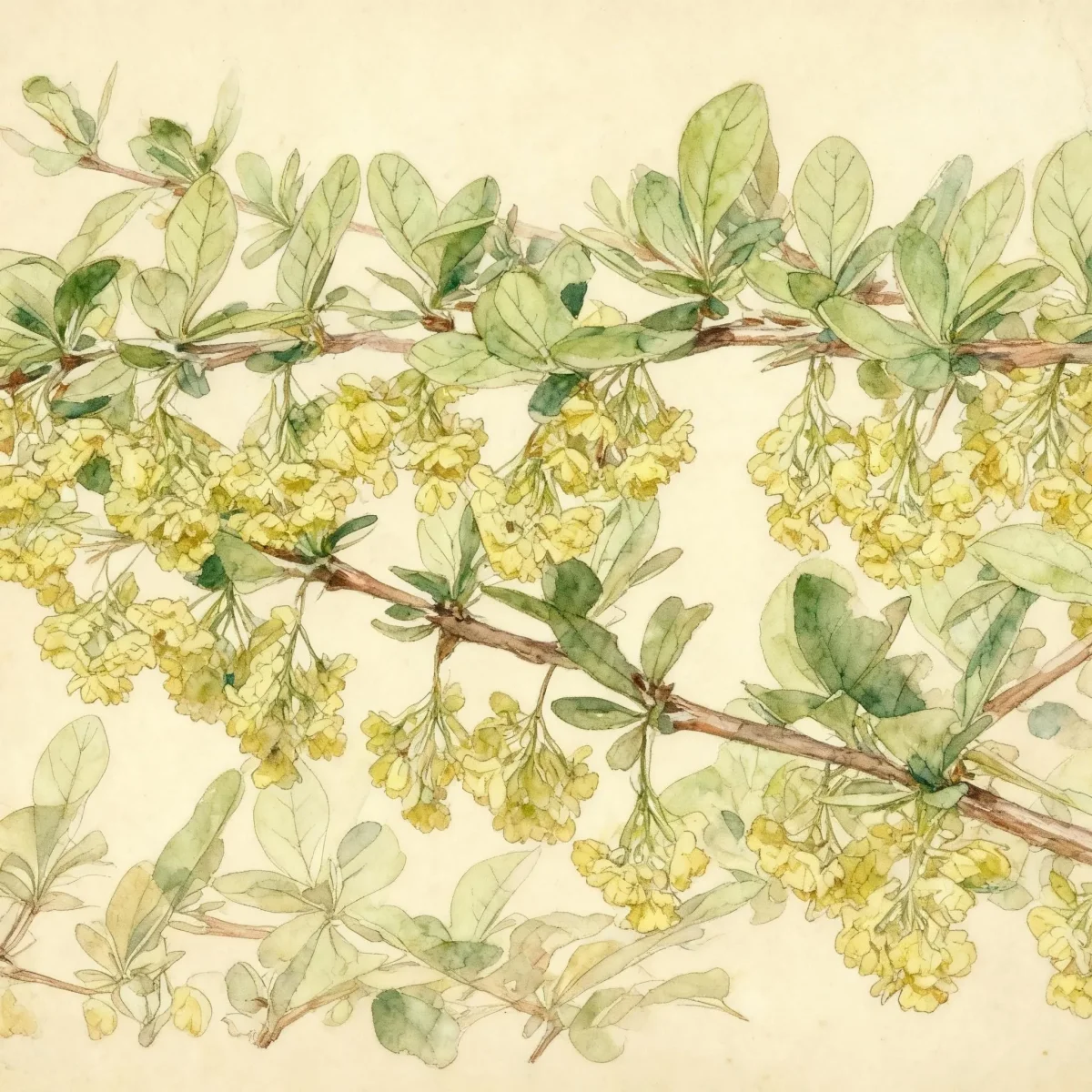
The Mentor Barberry produces its bloom in April, featuring small, pale yellow flowers along the stems.
What sun exposure does Berberis × mentorensis need?
This tough Barberry prefers full sun exposure for best performance and fall color, but it tolerates partial shade effectively.
Conclusion
The Berberis × mentorensis stands out as an exceptionally versatile, low-maintenance shrub prized for its use in hedging and as a tenacious barrier planting. Its tolerance for drought and poor soils, combined with its deer resistance, makes this Barberry a reliable choice for challenging environments. Before planting, confirm that your garden falls within USDA Zones 5-8 and ensure you provide adequate drainage for long-term success.
Companion Planting
Choosing companions for the Mentor Barberry involves selecting plants that appreciate bright light and dry to medium soil conditions, allowing them to thrive alongside the tough Berberis × mentorensis. Consider slower-growing, structural evergreens like dwarf junipers (Juniperus) or textured ornamental grasses that won’t become overwhelmed by the shrub’s upright habit.
Because this Barberry serves well as a tough, low border or screen, using low-growing perennials in front of it can soften the base. Plants like Sedum, Russian Sage (Perovskia atriplicifolia), or Lamb’s Ears (Stachys byzantina) offer textural contrast and generally share a similar tolerance for dry, sunny conditions once rooted. Avoid moisture-loving roses or hydrangeas near this specimen.
Propagation Tips
For gardeners looking to expand their planting of Berberis × mentorensis, standard propagation methods for Barberry apply, though softwood or semi-hardwood cuttings are the most reliable technique. Take cuttings taken in mid-summer when the wood is firming up but still pliable, ensuring each cutting includes several sets of leaves and nodes.
Dip the base of the cuttings into a rooting hormone powder to encourage faster root development, as this will significantly increase success rates. Plant these cuttings in a well-draining, sterile medium, such as a mix of peat and perlite, keeping them protected from direct intense sun and maintaining consistent moisture until new growth indicates successful rooting has occurred into the fall or spring.