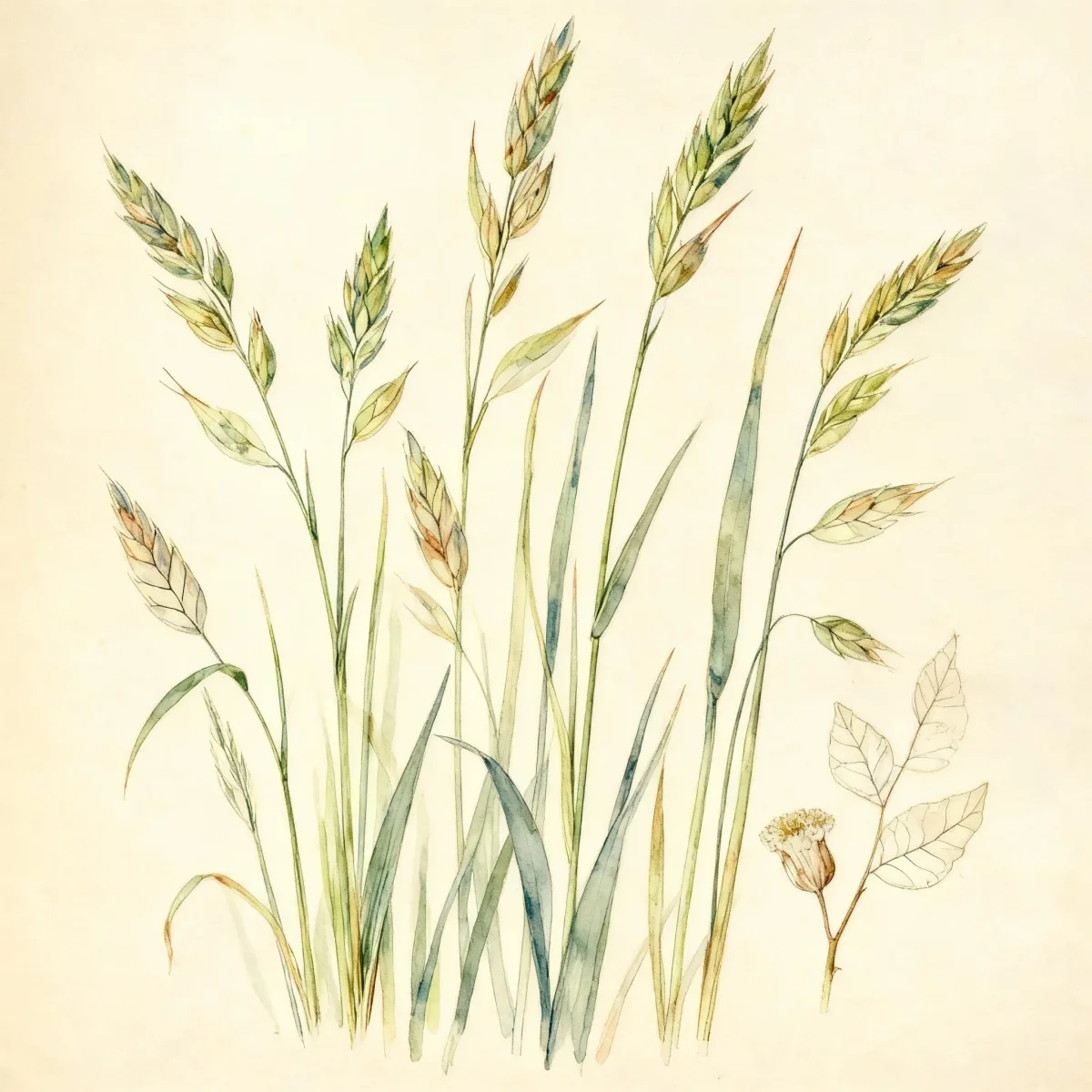
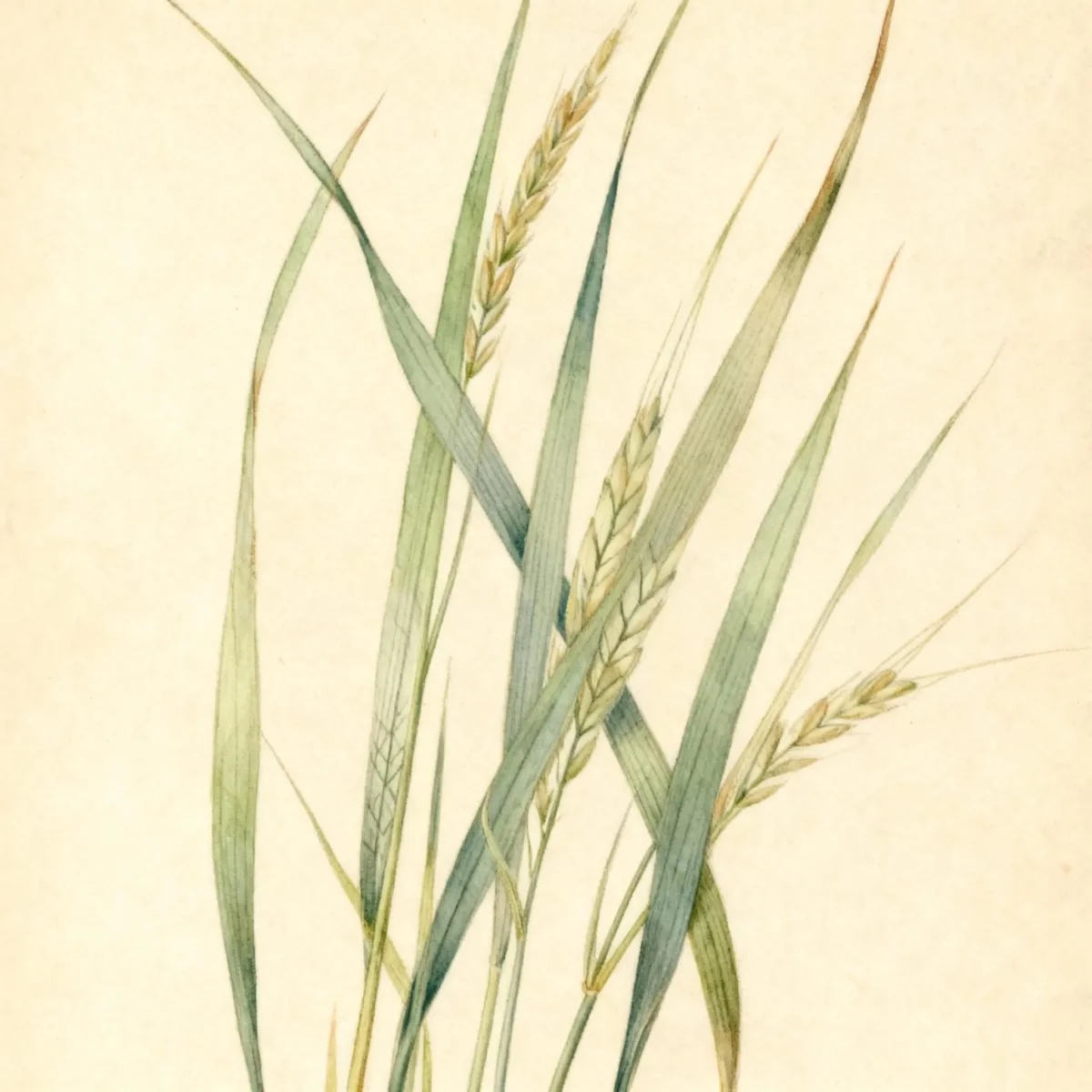
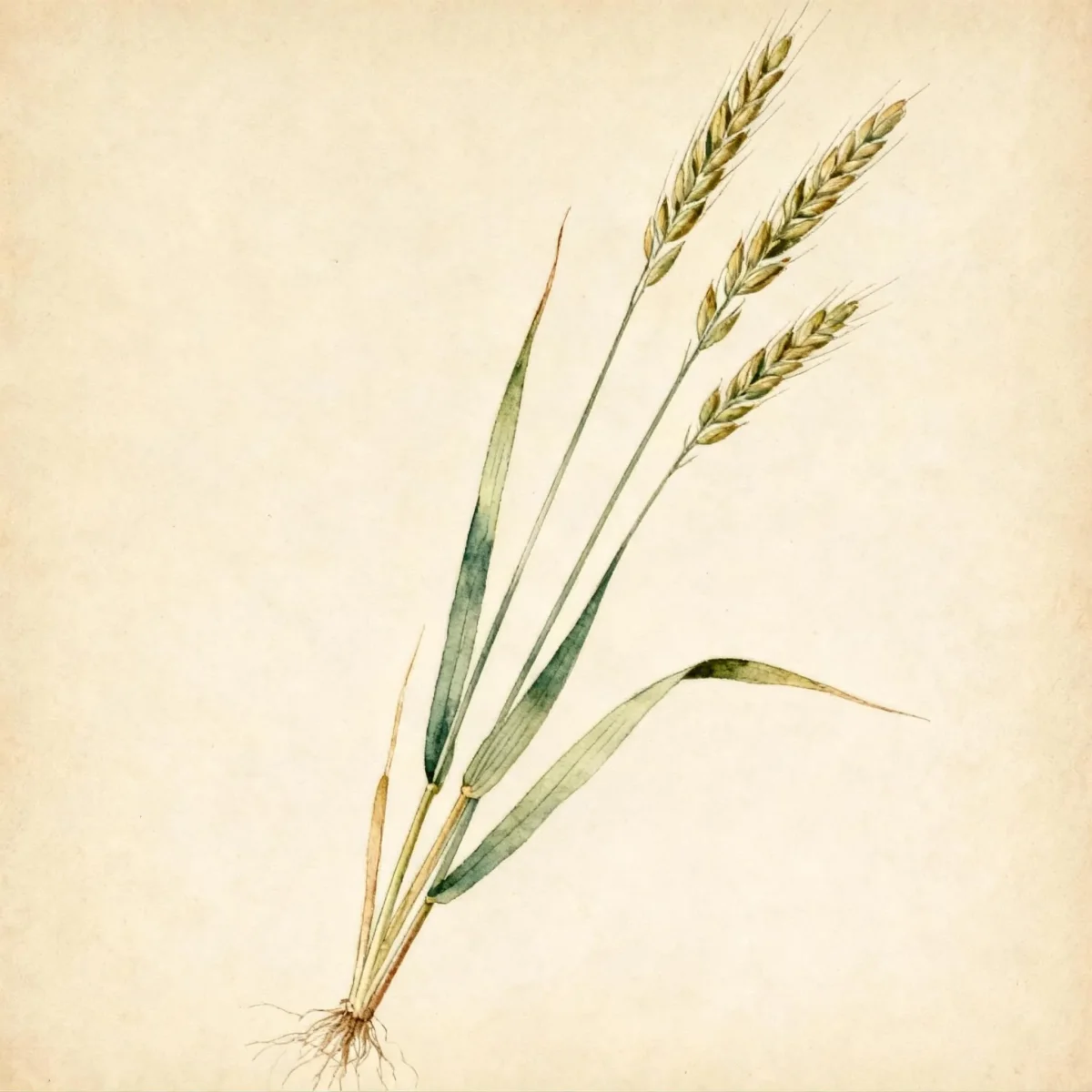
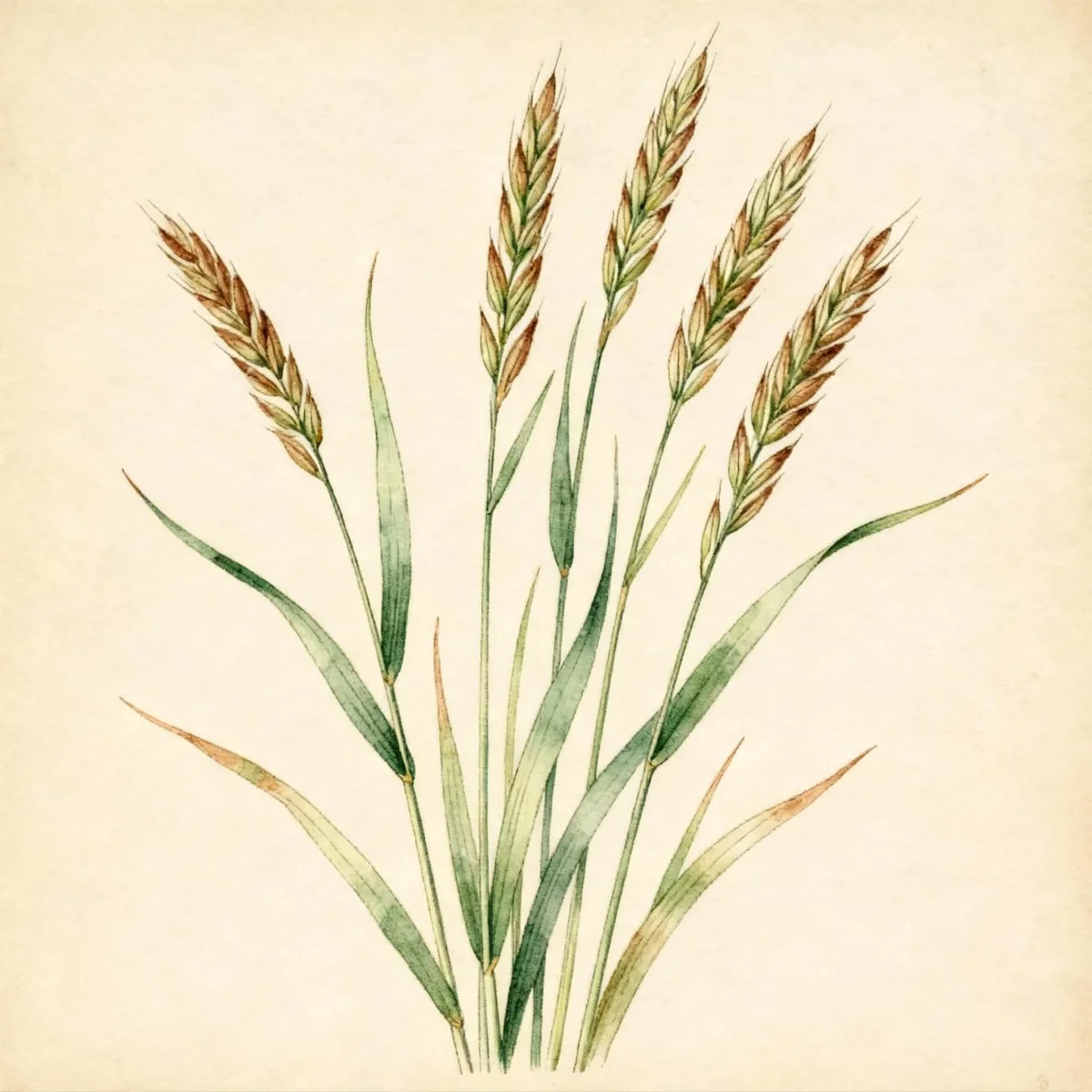
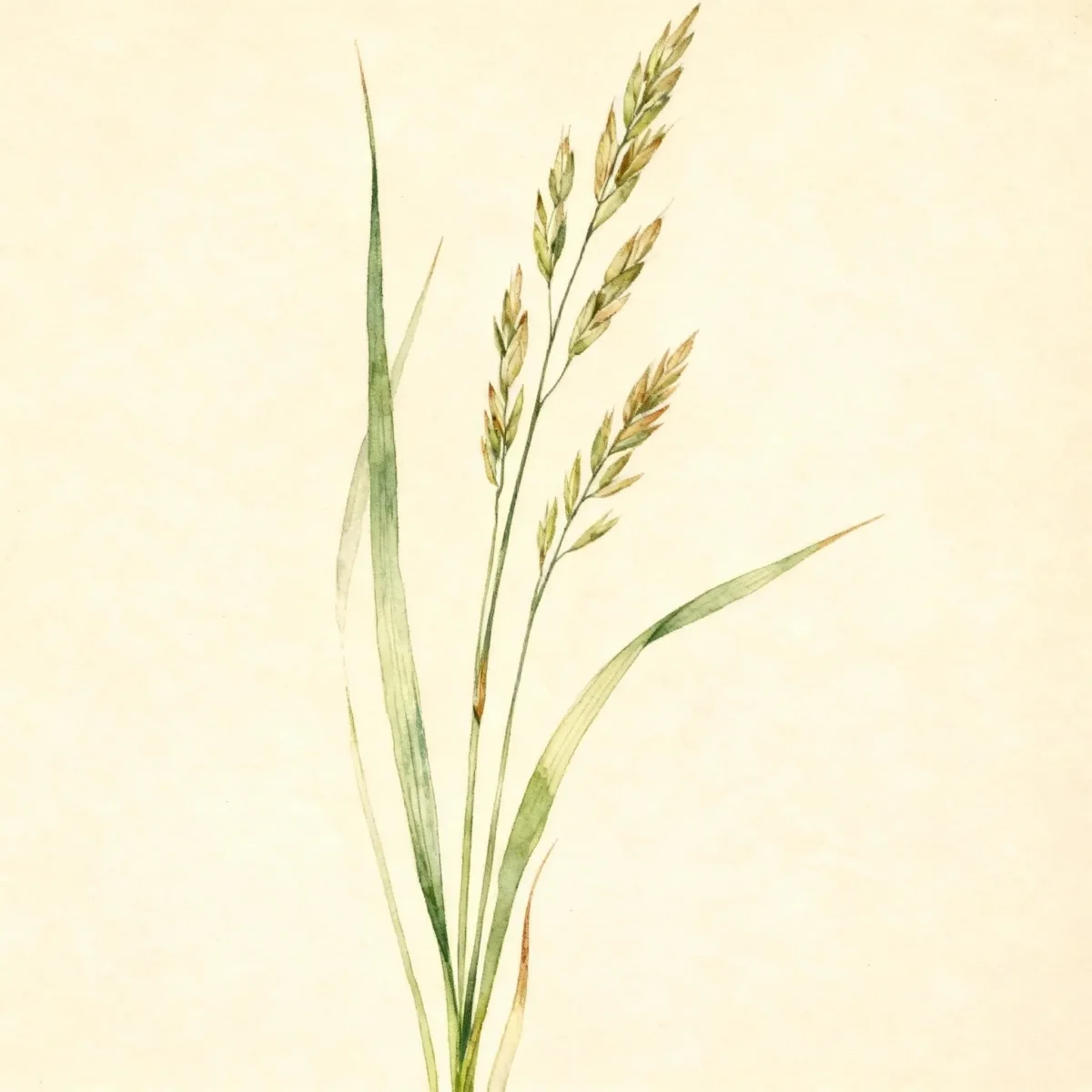
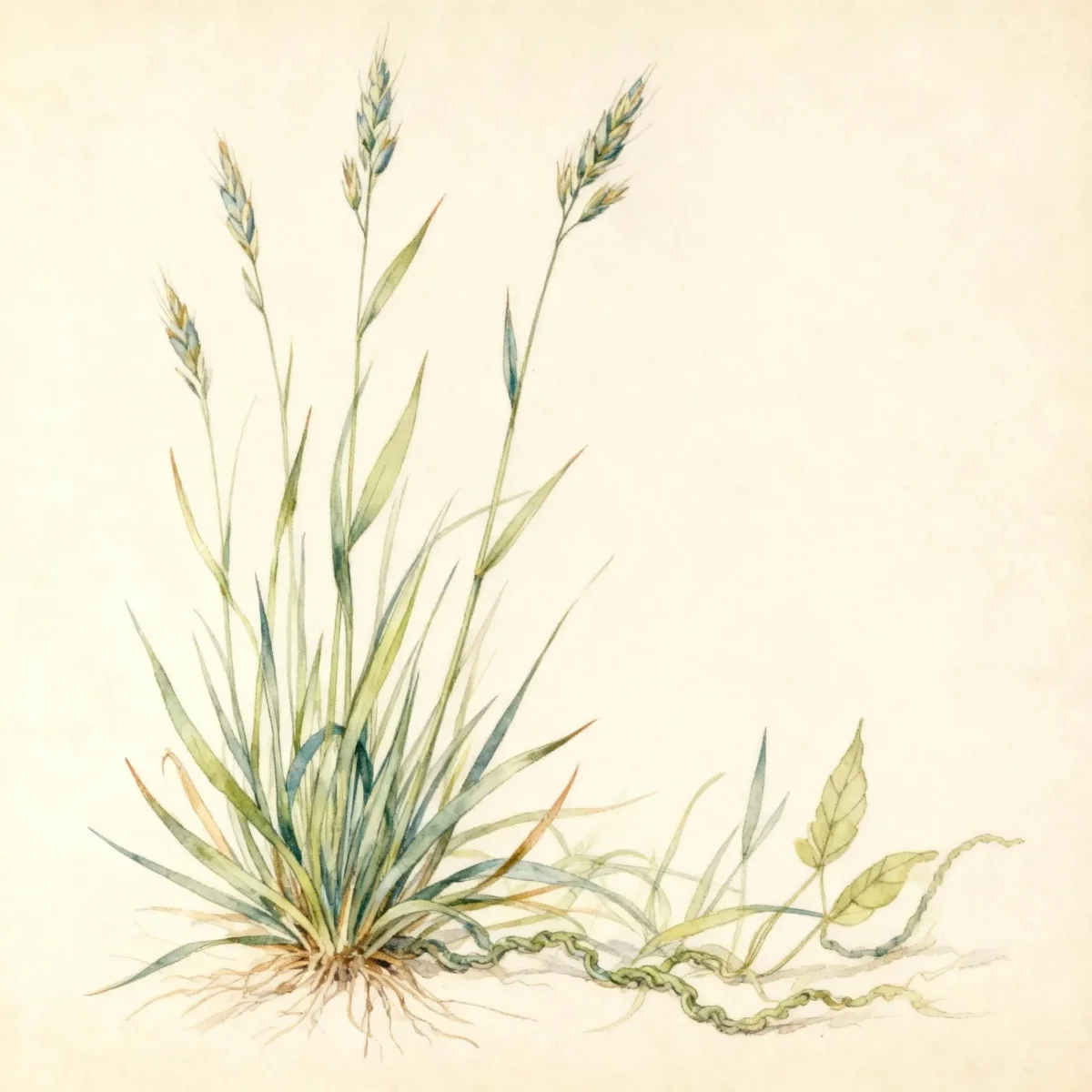
English ryegrass (Lolium perenne 'Manhattan')
Lolium perenne 'Manhattan' offers rapid coverage and traffic tolerance, making this English ryegrass valuable for quick turf establishment.
Scroll down to discover growing tips, care requirements, companion plants, and more

Complete Plant Information
Overview
Lolium perenne ‘Manhattan’, commonly known as English ryegrass, is highly valued as a cool-season turfgrass known for its speed and resilience. This cultivar is specifically noted for being finer and more uniform in texture compared to the standard species. Gardeners rely on Lolium perenne ‘Manhattan’ for its exceptional germination rates, allowing for rapid establishment in new lawns or repair areas.
As a non-creeping, bunch-type grass, it develops a somewhat tufted appearance if planted in isolation. Its primary functional significance lies in its excellent traffic tolerance, making it a prime candidate for athletic fields or high-use areas where durability is essential. Despite its fast growth, bare spots must be addressed by reseeding since English ryegrass lacks a spreading habit.
This perennial ryegrass closely resembles Kentucky bluegrass but distinguishes itself through quick coverage and overall hardiness in favorable conditions. While best suited for cooler climates, its swift germination offers practical benefits even outside ideal growing regions. Understanding the specific needs of Lolium perenne ‘Manhattan’ ensures a dense and uniform turf surface.
Fast Facts
- Plant Family: Poaceae
- Plant Type: Turfgrass
- Hardiness Zones: USDA Zones 3-8
- Size at Maturity:
- Height: 0.25 ft
- Spread: 0.25 ft
- Bloom Time: Non-flowering
- Bloom Description: Green
- Sun Exposure: Full sun to part shade
- Water Needs: Medium
- Maintenance Level: Medium
How to Grow
Lolium perenne ‘Manhattan’ thrives when established in average soils that maintain medium moisture levels. Ideal planting locations receive full sun, though the grass tolerates partial shade. As a cool-season grass, seek to plant English ryegrass in the early fall or early spring to allow it to establish before the intensity of summer heat or the onset of deep winter cold.
Watering requirements are medium; ensure consistent moisture during germination and establishment periods. Although not explicitly detailed, turfgrasses benefit from regular feeding appropriate for cool-season varieties during periods of active growth (spring and fall). Avoid over-fertilizing leading into hot summer months, which can stress the roots.
A practical note regarding its use: perennial ryegrass is not generally recommended for lawns in hot regions like Missouri on its own. Instead, leverage its rapid germination by using Lolium perenne ‘Manhattan’ as a crucial starter component in grass seed mixtures. This provides immediate ground cover while slower, longer-lived components of the mix gain traction.
Since this bunch-type grass does not spread, routine overseeding is essential to fill in any thinning areas, especially where traffic is high or bare spots appear. The tough flower and seed stems may resist mowing initially, requiring attention so they do not lie flat and smother the emerging foliage.
Landscape Uses
While Lolium perenne ‘Manhattan’ is primarily a functional turfgrass, its quick establishment capacity lends itself well to certain practical landscape applications. It excels when used as a temporary cover crop or as the rapid establishment agent within perennial lawn mixtures designed for temperate zones. Consider its density and traffic tolerance when situating it near walkways or areas needing durable, low-growing green cover.
For those managing larger properties, English ryegrass can be effectively utilized in pasture grass mixtures alongside more robust perennials adapted to the region. When used this way, the Lolium perenne ‘Manhattan’ ensures the pasture is productive quickly after seeding, providing forage sooner rather than later. Combining it with slower-growing, deep-rooted grasses can create a more resilient overall turf system over time.
In specialized turf planning, this cultivar can be used to rapidly green up dormant lawns during overseeding operations, particularly in transitional zones where warm-season grasses like Bermuda go dormant in winter. Lolium perenne ‘Manhattan’ provides temporary winter color until the primary turf recovers.
Standout Features
Flower Qualities
- Insignificant
Noteworthy Characteristics
Lolium perenne, called perennial ryegrass, is a cool season, non-creeping, bunch-type grass which is primarily used as a turfgrass. Its main virtues are rapid germination time, quick coverage, and significant traffic tolerance, making it excellent for athletic fields. However, it does not spread, necessitating reseeding for repair, and its tough seed stems can sometimes lie flat unmanaged. The specific cultivar ‘Manhattan’ is known for greater uniformity compared to the general species.
Tolerances
(No specific tolerances listed in provided data)
Potential Problems
Perennial ryegrass is notably susceptible to a range of fungal diseases, which become particularly problematic in areas experiencing hot and humid summers. Common issues include Fusarium patch, Pythium blight, Rhizoctonia blight, red thread, rust, and stripe smut. Proper cultural practices, such as ensuring good drainage and avoiding excessive daytime watering, can help manage humidity around the foliage. Fortunately, the Lolium perenne ‘Manhattan’ cultivar has been bred to exhibit improved resistance to many of these diseases compared to standard perennial ryegrass species.
Frequently Asked Questions
What hardiness zones is English ryegrass suitable for?
Lolium perenne ‘Manhattan’ is hardy across USDA Zones 3 through 8, making it suitable for a wide range of cooler and temperate climates.
How large does Lolium perenne ‘Manhattan’ grow?
This turfgrass maintains a very consistent height and spread, typically reaching only 0.25 feet tall and wide at maturity.
What sun exposure does English ryegrass need?
Lolium perenne ‘Manhattan’ performs best when grown in areas receiving full sun, although it can tolerate sites with moderate part shade.
When does English ryegrass bloom?
This plant is classified as Non-flowering, though its bloom description is noted as Green when reproductive structures appear.
Conclusion
Lolium perenne ‘Manhattan’ stands out due to its unparalleled speed in establishing dense, durable turf, offering exceptional traffic tolerance for high-use areas. This English ryegrass variety provides a finer texture than many standard rye grasses, enhancing aesthetic quality along with function. Before seeding, confirm that your planting site falls within USDA hardiness zones 3 through 8 and plan for consistent medium moisture.
Companion Planting
Since Lolium perenne ‘Manhattan’ thrives in cooler conditions and is a shallow-rooted bunch grass, it pairs well compositionally with deeper-rooted, slower-establishing cool-season grasses like Kentucky bluegrass or fescues. Mixing it with these companions ensures that you gain immediate green cover from the perennial ryegrass while establishing a more permanent, drought-tolerant turf base underneath. Ensure companion seeds share similar sun requirements, focusing on full sun to part shade locales.
Seasonal Care Calendar
Spring is the prime time for renovation or overseeding if fall establishment was missed, focusing on ensuring adequate nitrogen supply for initial vibrant growth. During the hot summer months, monitor moisture levels closely, as this cool-season grass is stressed by high heat, and reduce mowing height only slightly to keep more leaf surface shaded. Autumn is the preferred season for primary seeding, allowing the grass to root deeply through cooler soil temperatures before winter sets in. Minimal preparation is needed for winter dormancy, provided the grass is not excessively wet near the onset of freezing.