Flowering crabapple (Malus × moerlandsii 'Profusion')
The Malus × moerlandsii 'Profusion' Flowering crabapple is a reliable, low-maintenance ornamental tree appreciated for its violet-red spring blooms and persistent red fruit.
Scroll down to discover growing tips, care requirements, companion plants, and more

Complete Plant Information
Overview
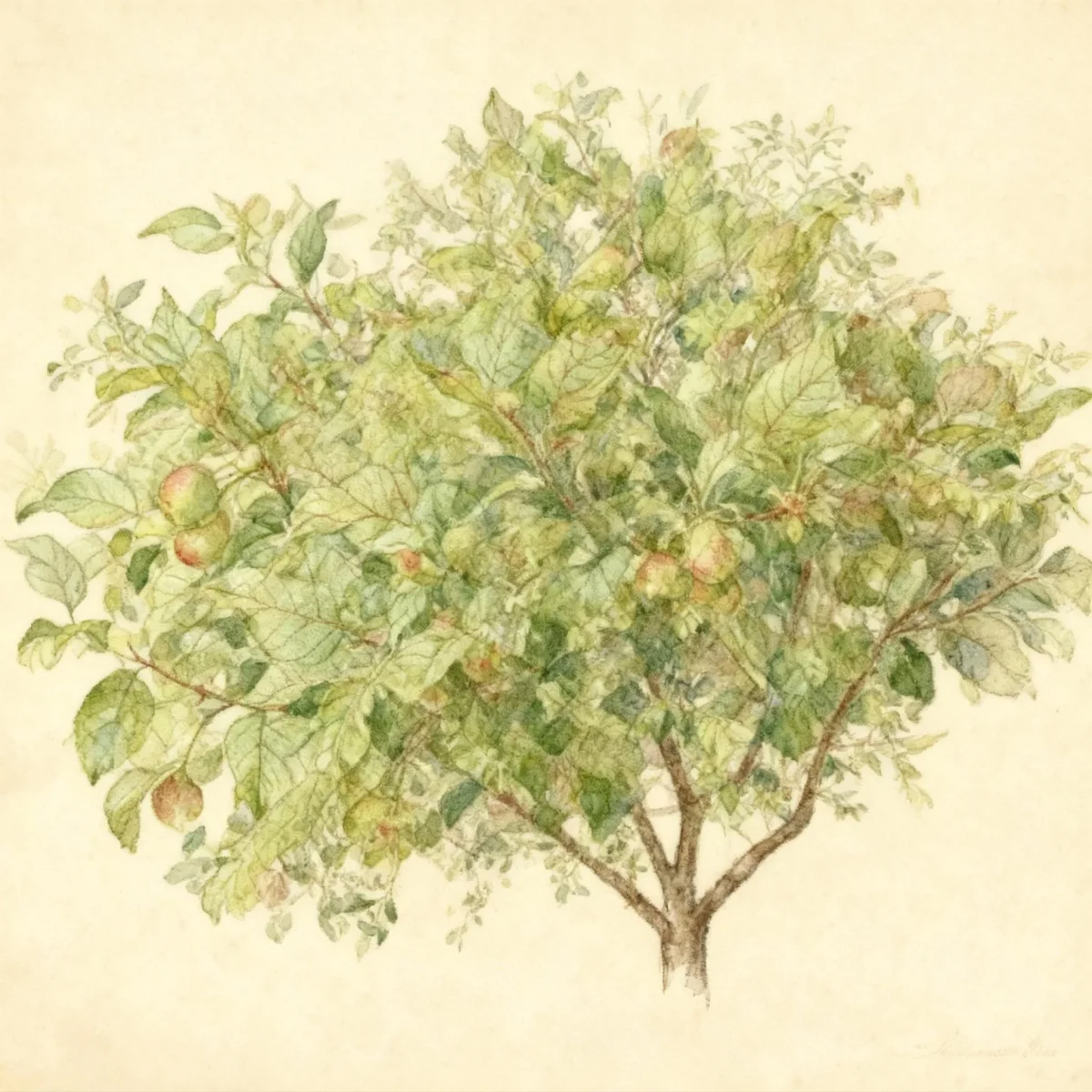
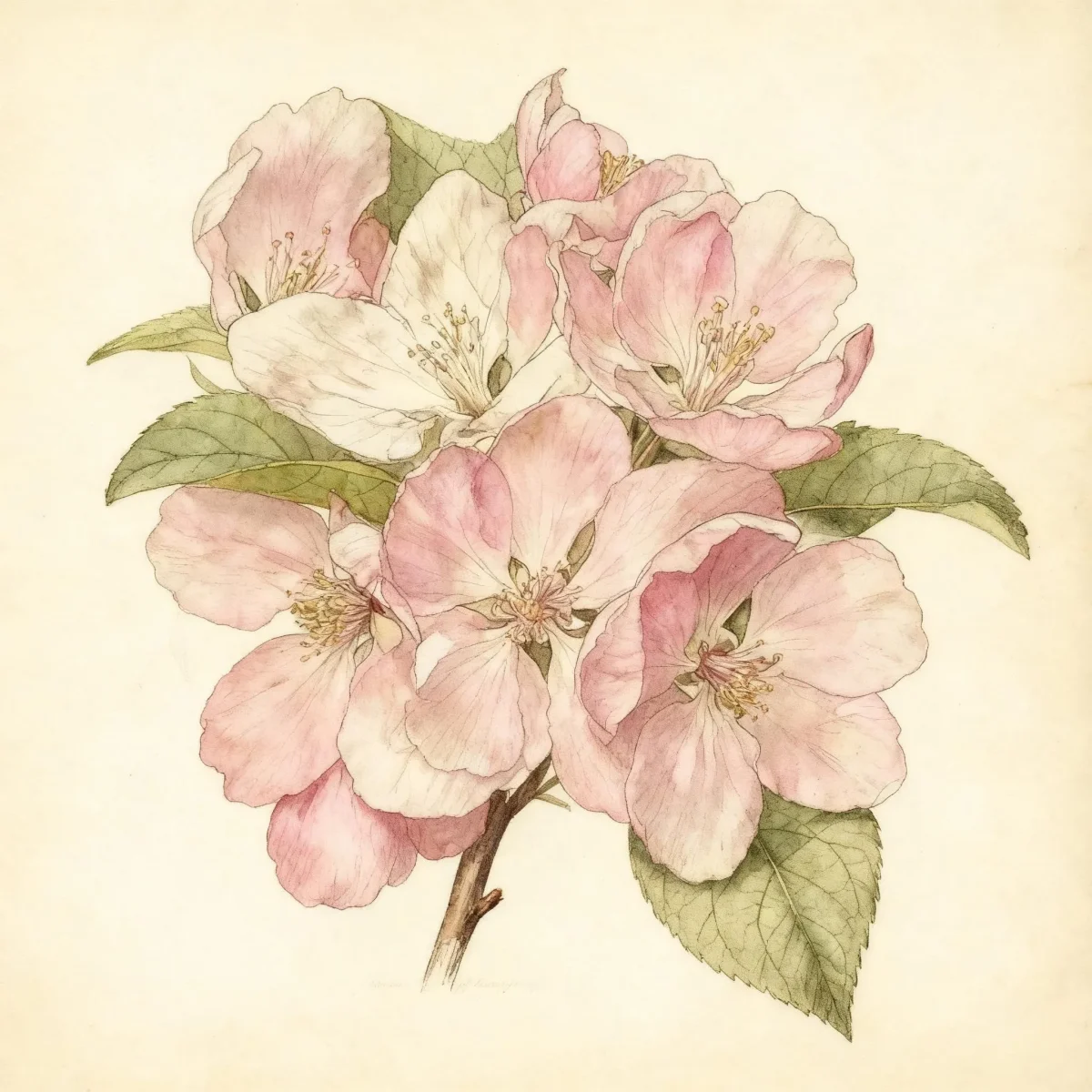
The Malus × moerlandsii ‘Profusion’ is a spreading, highly ornamental tree that offers significant seasonal interest, making it a favorite Flowering crabapple cultivar. It is particularly valued for its vibrant spring display of violet-red flowers, which emerge from deep red buds, setting the scene for the growing season. This cultivar maintains visual appeal well into fall and winter due to its persistent, bright red crabapples.
This species typically matures to a graceful size, generally reaching between 15 and 30 feet tall with a similar spread, forming a rounded shape ideal for specimen planting. As a low-maintenance choice, the Malus × moerlandsii ‘Profusion’ is well-suited for gardeners seeking impact without intensive care. Its good disease resistance further solidifies its reputation as a dependable landscape workhorse across many regions.
Beyond its aesthetic contributions, the Fruit qualities of this Flowering crabapple offer value, as the small, red fruits are edible (suitable for jellies) and attract local birdlife. Planting the Malus × moerlandsii ‘Profusion’ ensures beautiful spring color, structure throughout summer, and winter interest from the persistent fruit.
Fast Facts
- Plant Family: Rosaceae
- Plant Type: Tree
- Hardiness Zones: USDA Zones 4-8
- Size at Maturity:
- Height: 15-30 ft
- Spread: 20-35 ft
- Bloom Time: April
- Bloom Description: Violet-red
- Sun Exposure: Full sun
- Water Needs: Medium
- Maintenance Level: Low
How to Grow
The ideal environment for the Malus × moerlandsii ‘Profusion’ involves planting in full sun to ensure the best flowering and fruit production. Aim for medium moisture, well-drained, acidic loam soils, though this Flowering crabapple is known to adapt well to a variety of soil structures. Proper siting is crucial to maximizing the benefits of this tree.
Once established, trees develop some drought tolerance, though consistent medium watering will support optimal health. Fertilization is rarely needed if the soil is healthy. Pruning should be performed judiciously; the best time for shaping and necessity cuts is in late winter while the tree is dormant.
Crucially, avoid any spring pruning. Open cuts made after winter can serve as entry points for the fireblight bacterium, leading to potential infection. The Malus × moerlandsii ‘Profusion’ exhibits good resistance overall, but avoiding vulnerability windows is key to long-term success.
Landscape Uses
The Malus × moerlandsii ‘Profusion’ shines when utilized as a specimen tree, offering a focal point due to its gorgeous spring bloom and bright fruit display. Its rounded shape and manageable size make it excellent for planting in small groups where repeated seasonal interest is desired, such as near entryways or focal points within perennial beds.
As a Flowering Tree, it provides high vertical contrast against broad expanses of lawn or beneath taller evergreen backdrops. While specific companion plants are not listed, pairing the bronze-green summer foliage with plants offering contrasting leaf textures or late-season color ensures the garden remains dynamic after the crabapples finish blooming.
Standout Features
Flower Qualities
- Showy
Fruit Qualities
- Showy
- Edible
Noteworthy Characteristics
Malus is a genus of about 35 species of deciduous trees and shrubs from Europe, Asia and North America.Genus name from Latin is an ancient name for apple.‘Profusion’ is a spreading, violet-red-flowered crabapple that typically matures to 15-30’ tall. It is noted for its rounded shape, violet-red flowers, red fruit and good disease resistance. Oval leaves emerge reddish-purple when young, turn bronze green in summer, and offer good amber fall color. Flowers are followed by bright red crabapples that mature in fall and may persist into winter; birds are attracted to the fruit, and it may be harvested for jellies.
Tolerances
- Air Pollution
Potential Problems
The Malus × moerlandsii ‘Profusion’ is noted for generally excellent disease resistance, particularly against rust and common leaf spots. Gardeners should remain vigilant for moderate susceptibility to powdery mildew. Less commonly, scab and fireblight can occur, requiring prompt cultural management if symptoms present.
Insect concerns are typically of lesser magnitude but can include pests such as tent caterpillars, aphids, Japanese beetles, borers, and scale. Spider mites may appear during hot, dry stretches. Management often relies on maintaining good orchard hygiene and minor intervention with horticultural oils or appropriate insecticides if pest populations become damaging.
Frequently Asked Questions
What hardiness zones is Flowering crabapple suitable for?
The Malus × moerlandsii ‘Profusion’ is reliably suited for planting within USDA Hardiness Zones 4 through 8.
How large does Malus × moerlandsii ‘Profusion’ grow?
This tree typically reaches a mature height between 15 and 30 feet tall, with a comparable spread ranging from 20 to 35 feet wide.
What sun exposure does Flowering crabapple need?
For optimal health, vibrant blooms, and fruit production, ensure this Flowering crabapple receives full sun exposure throughout the day.
When does Malus × moerlandsii ‘Profusion’ bloom?
Bloom time occurs reliably in April, featuring striking violet-red flowers that emerge from richly colored buds.
Conclusion
The Malus × moerlandsii ‘Profusion’ offers exceptional value as a low-maintenance, highly ornamental tree, delivering consistent violet-red blossoms in spring and attractive red fruit persisting into winter. This reliable Flowering crabapple variety is a sturdy landscape addition across zones 4-8. Check your local climate and soil pH before planning your spring site preparation to ensure this beautiful specimen thrives.
Wildlife Benefits
As a member of the Malus genus, this tree provides significant ecological benefits to the home landscape, particularly in supporting local avifauna. The persistent red crabapples remain on the branches well into colder months after many other food sources have disappeared. This makes the fruit on the Malus × moerlandsii ‘Profusion’ an important, late-season energy source for overwintering and migrating birds.
Furthermore, the springtime flowers, while primarily ornamental, still offer nectar and pollen resources essential for early-season emerging pollinators. Ensuring planting locations are visible, allowing the tree to serve as a specimen, maximizes both its aesthetic viewing pleasure and its wildlife support capabilities.
Companion Planting
When planning surrounding beds for your Flowering crabapple, consider the cultural needs of its low-maintenance profile. Companion plants should also thrive in full sun and tolerate medium moisture levels; avoid high-nitrogen annuals that might encourage excessive, tender growth near the tree’s base. Plants that provide contrast in texture or bloom time offer the best design synergy.
For instance, planting low-growing, shade-tolerant groundcovers beneath the tree canopy might struggle due to the deep shade cast by decades of growth. Instead, utilize herbaceous perennials that enjoy similar sun exposure and prefer well-drained soil. This ensures that the area remains aesthetically pleasing without competing aggressively for the soil resources the established Malus × moerlandsii ‘Profusion’ requires.