Weeping crabapple (Malus × scheideckeri 'Red Jade')
The Weeping crabapple, Malus × scheideckeri 'Red Jade', offers spectacular white blooms and persistent red fruit. Ideal for Zones 4-8.
Scroll down to discover growing tips, care requirements, companion plants, and more
Complete Plant Information
Overview
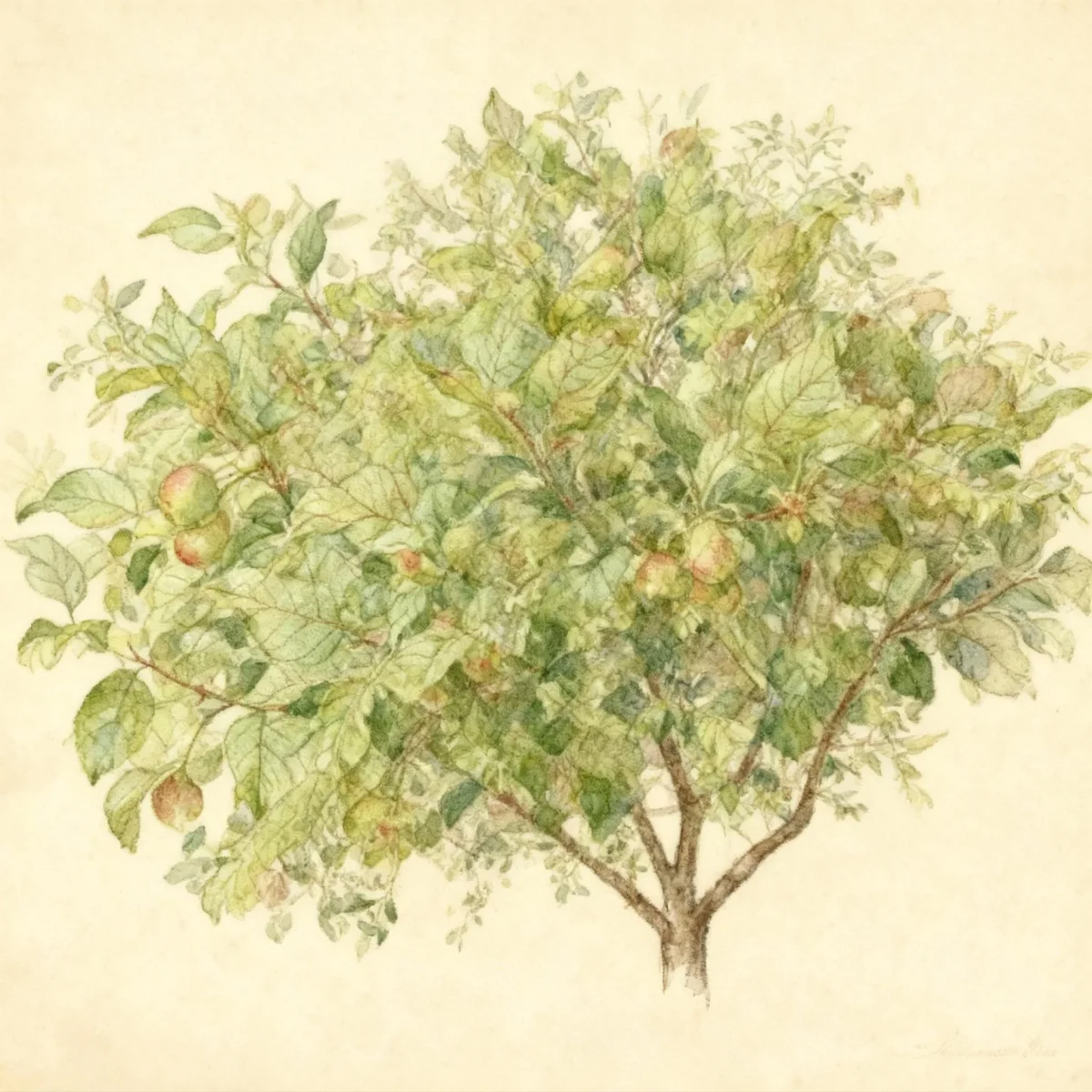
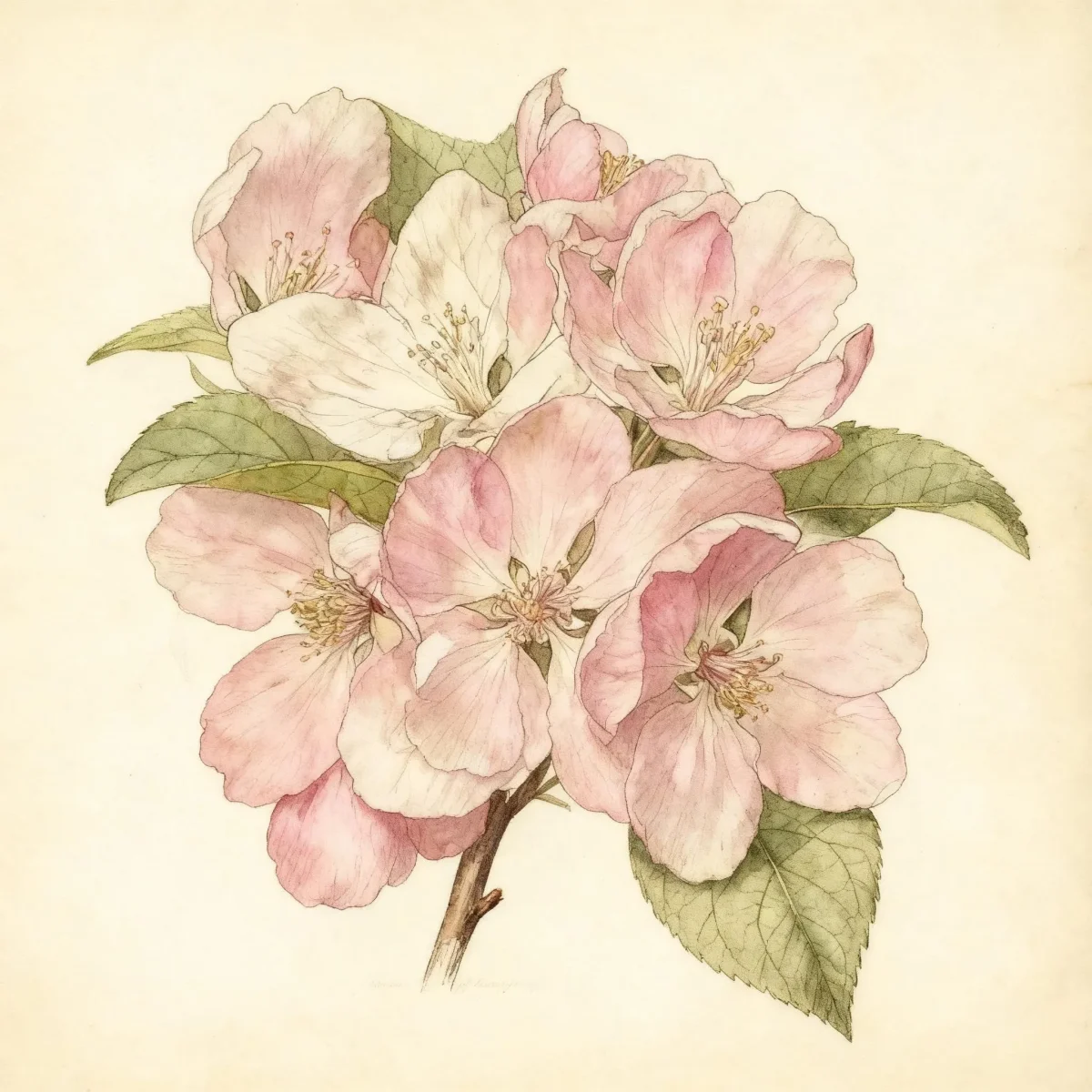
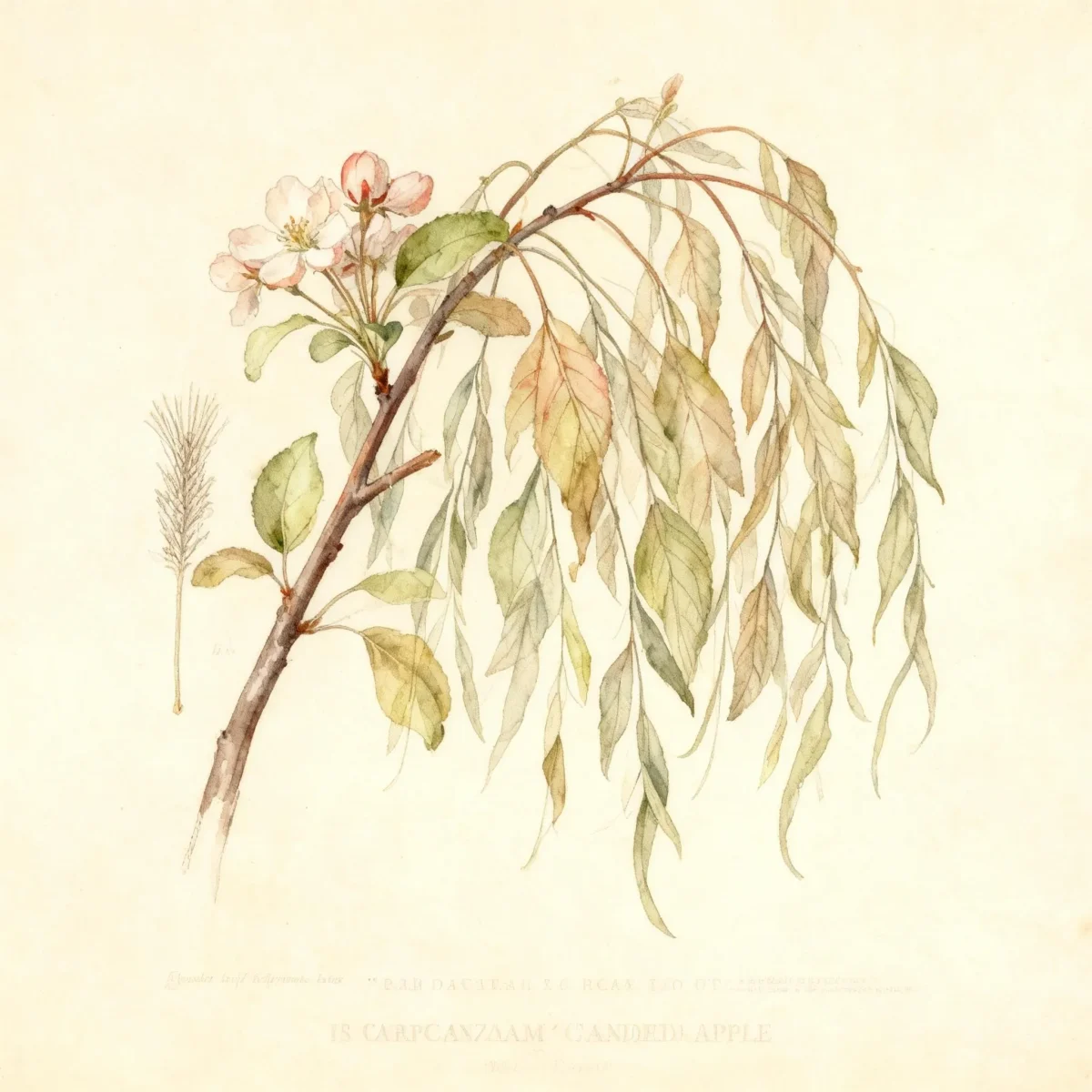
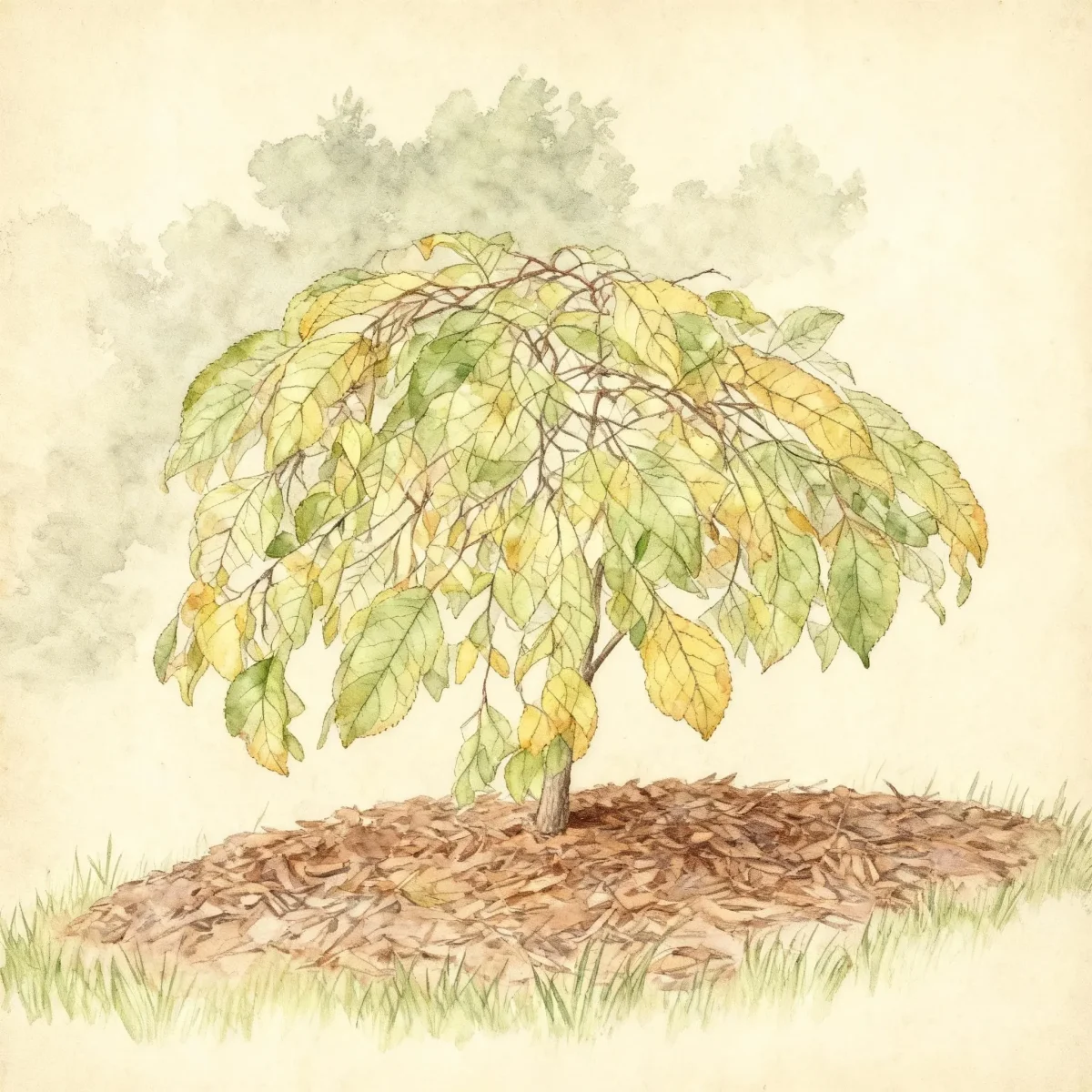
The Weeping crabapple (Malus × scheideckeri ‘Red Jade’) presents a dramatically graceful aesthetic ideal for focal point planting in smaller landscapes. Its signature characteristic is its markedly weeping habit, which cascades branches close to the ground, creating a fountain-like effect throughout the year. This hybrid crabapple is highly valued for its early spring display of white flowers, often tinged with pink buds, which give way to persistent, bright red fruit.
Mature plants of Malus × scheideckeri ‘Red Jade’ generally reach 12 to 15 feet in height but can spread up to 20 feet wide, creating a broad, weeping canopy perfect for specimen planting. While low in maintenance, gardeners must be vigilant about the timing of any necessary pruning to preserve bloom quality and reduce disease entry points. The combination of elegant form, seasonal bloom, and colorful fruit makes the Weeping crabapple a standout ornamental addition.
Fast Facts
- Plant Family: Rosaceae
- Plant Type: Tree
- Hardiness Zones: USDA Zones 4-8
- Size at Maturity:
- Height: 12-15 ft
- Spread: 15-20 ft
- Bloom Time: April
- Bloom Description: White
- Sun Exposure: Full sun
- Water Needs: Medium
- Maintenance Level: Low
How to Grow
The Weeping crabapple thrives when planted in well-drained, medium-moisture, and slightly acidic loam soils. Ensure the chosen location receives full sun throughout the day, as insufficient light can diminish flowering and increase disease susceptibility. Planting should ideally occur when the tree is dormant, avoiding the spring when bloom loss can occur.
Once established, Malus × scheideckeri ‘Red Jade’ exhibits good drought tolerance, but regular medium watering is important, especially during dry spells. Fertilization is rarely necessary if the soil conditions are adequate, but a balanced, slow-release fertilizer can be applied in early spring if growth appears stunted. Avoid fertilization late in the season to prevent soft growth that is vulnerable to winter damage.
Pruning for structure and dead wood removal should be executed in late winter while the tree is dormant. It is crucial to avoid spring pruning, as fresh cuts made after dormancy opens the door for the fireblight bacterium to enter the tissues. This specific cultural requirement is key to maintaining the long-term health of your Weeping crabapple.
Landscape Uses
The weeping silhouette of the Malus × scheideckeri ‘Red Jade’ makes it an exceptional choice for a specimen tree. Plant it strategically in an open lawn area or near a patio where its dramatic form can be fully appreciated without obstruction. Its canopy spreads wide, providing dappled shade, making it an excellent anchor for foundation plantings or formal garden spaces.
Because of its relatively low stature and umbrella-like spread, this specific crabapple works well when underplanted with lower-growing perennials or groundcovers that enjoy similar light and moisture levels. Consider using shade-tolerant bulbs for early spring color beneath the canopy before the tree fully leafs out. The persistent red fruit also provides important visual interest long after the white blooms have faded.
Standout Features
Flower Qualities
- Showy
Fruit Qualities
- Showy
- Edible
Noteworthy Characteristics
Malus × scheideckeri ‘Red Jade’ is a noted weeping cultivar, maturing to about 12-15 feet tall and 20 feet wide, distinguished by its brilliant red crabapples (up to 5/8” diameter) that often cling into the winter months, attracting birds. Opening from white buds tinged with pink, the flowers are fully white and measure about 1 1/2 inches across. This cultivar was isolated as an open-pollinated seedling in 1935 and is appreciated for its glossy green leaves and graceful, ground-sweeping branches.
Tolerances
- Air Pollution
Potential Problems
Crabapples like Malus × scheideckeri ‘Red Jade’ are susceptible to several common diseases, most notably fireblight, scab, and powdery mildew. Moderate susceptibility to leaf spot is also noted, though resistance to rust is generally good. Implementing proper horticultural care, such as pruning only in late winter, helps mitigate the risk of fireblight entry.
Insect pests are a lesser, yet present, concern, potentially including scale, borers, aphids, Japanese beetles, and tent caterpillars. Regular monitoring throughout the growing season allows for quick treatment if infestations occur. Maintaining good air circulation around the canopy also aids in preventing fungal issues like powdery mildew.
Frequently Asked Questions
What hardiness zones is Weeping crabapple suitable for?
Malus × scheideckeri ‘Red Jade’ is reliably hardy in USDA Zones 4 through 8.
How large does Malus × scheideckeri ‘Red Jade’ grow?
This weeping tree typically reaches a mature height between 12 and 15 feet, with a considerable spread ranging from 15 to 20 feet wide, emphasizing its horizontal growth.
What sun exposure does Weeping crabapple need?
This specimen requires full sun exposure to ensure the best flowering display and to promote healthy, robust growth.
When does Weeping crabapple bloom?
The Weeping crabapple blooms in April, displaying attractive white flowers.
Conclusion
The Weeping crabapple (Malus × scheideckeri ‘Red Jade’) offers exceptional ornamental value through its unique cascading structure, vibrant spring flowers, and enduring summer/fall fruit display. Its relatively low maintenance requirements after establishment make it a worthwhile addition to many gardens. Before planting, confirm your USDA hardiness zone falls within the 4-8 range to ensure this beautiful specimen thrives.
Companion Planting
When selecting companion plants for the Weeping crabapple, focus on species that share similar needs for full sun and well-drained soil. Consider planting lower-growing evergreens, like low-mounding dwarf pines or junipers, at the periphery of the drip line to provide year-round structure that contrasts nicely with the crabapple’s seasonal changes. Flowering bulbs such as daffodils or snowdrops are excellent foreground choices, as they bloom before or concurrently with the tree’s flowering period.
For seasonal color contrast, look towards perennials that do not aggressively compete for nutrients. Hostas, while preferring more shade, can be used successfully in partial sun conditions beneath the canopy if kept adequately watered, offering large, textural foliage. Smaller ornamental grasses that tolerate sun can complement the weeping form by offering upright, linear elements nearby.
Wildlife Benefits
The fruit displayed by Malus × scheideckeri ‘Red Jade’ plays a significant role in supporting local bird populations, especially as winter approaches. The small, bright red crabapples (to 5/8” diameter) mature in the fall and often persist into the colder months, providing a vital late-season food source for robins, cedar waxwings, and chickadees.
Furthermore, the dense, weeping structure of this tree can offer excellent shelter and nesting opportunities for smaller bird species throughout the year. While mature crabapples are not primary pollinator magnets like some flowering trees, the early April blooms still contribute nectar and pollen resources as the season begins, supporting early-emerging bees.