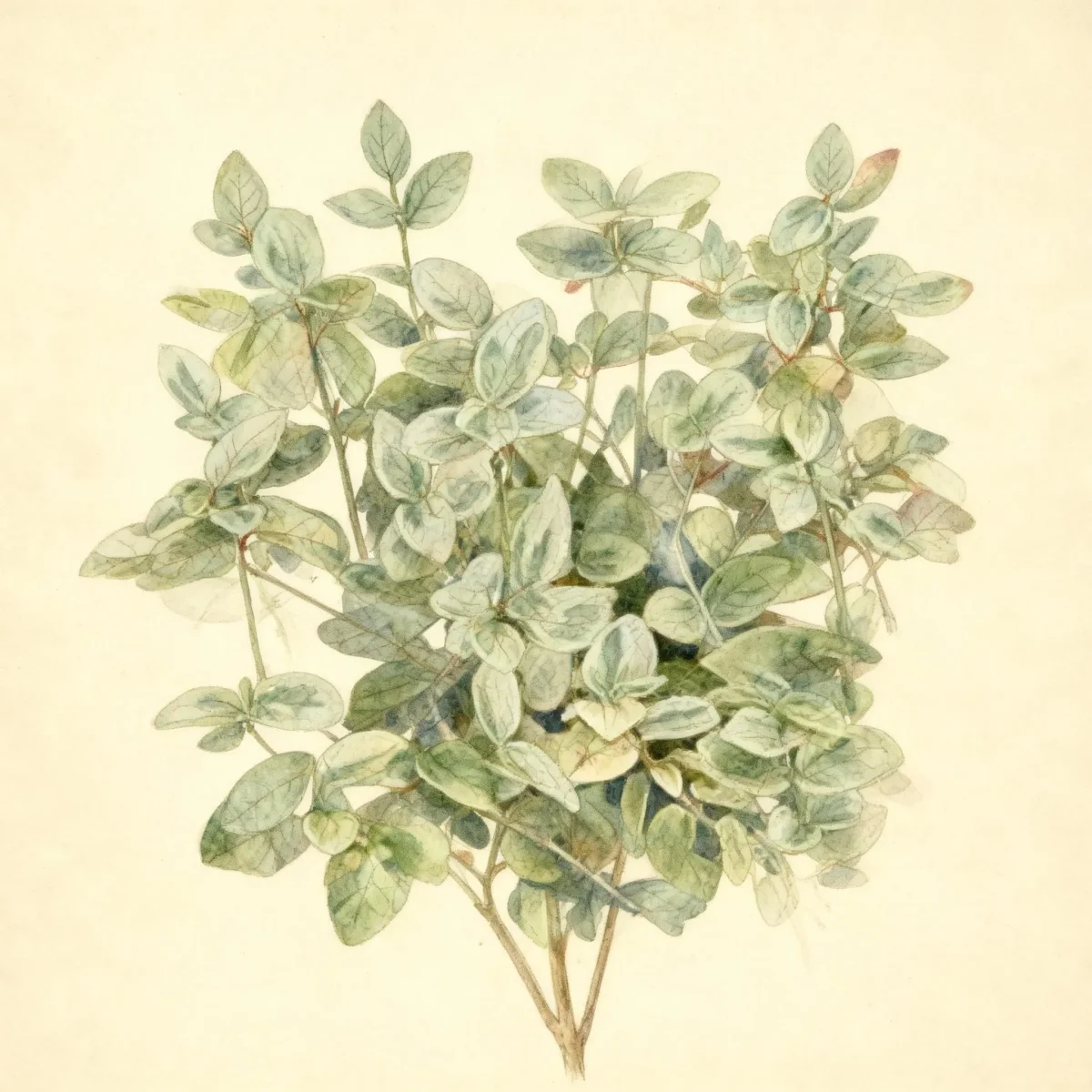
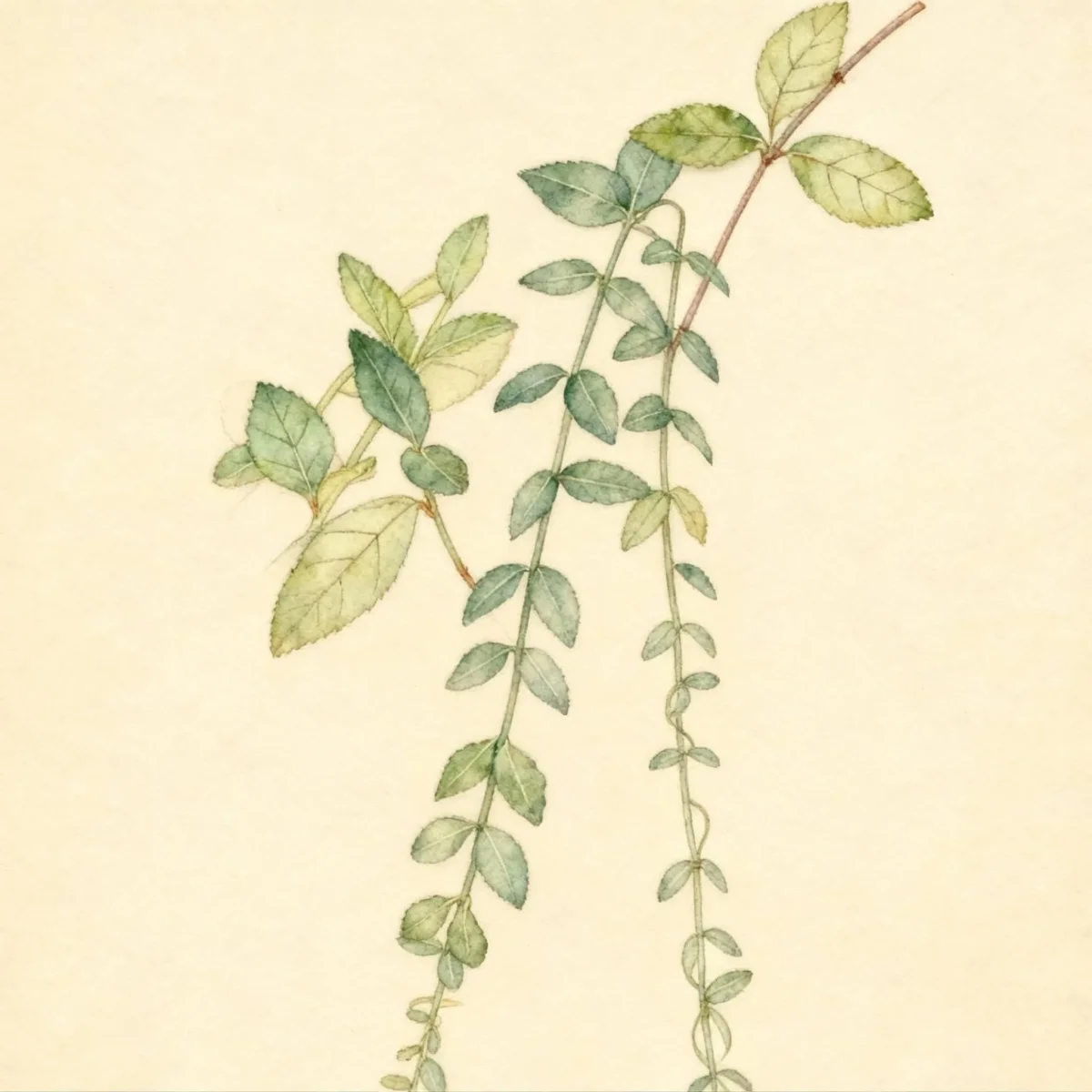
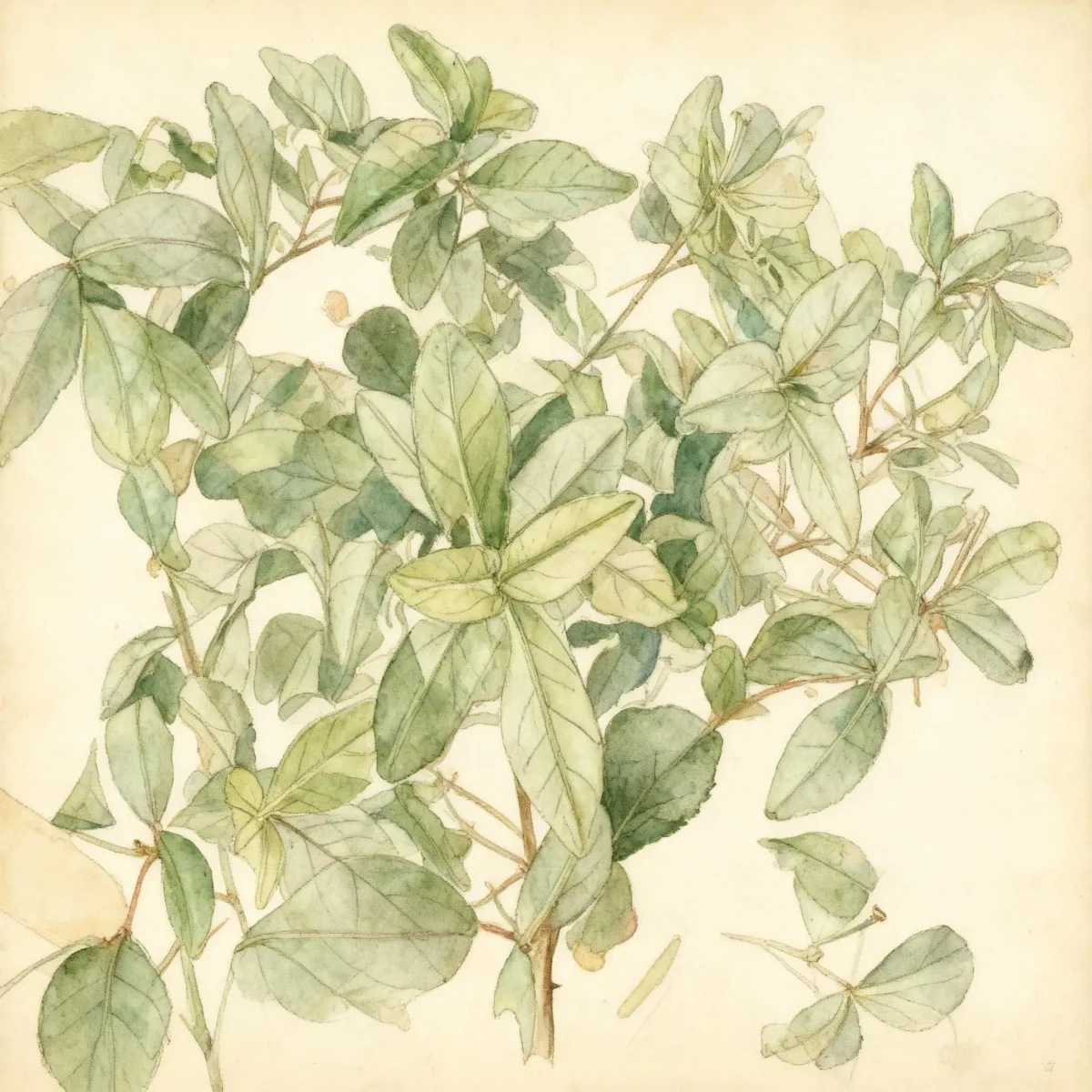
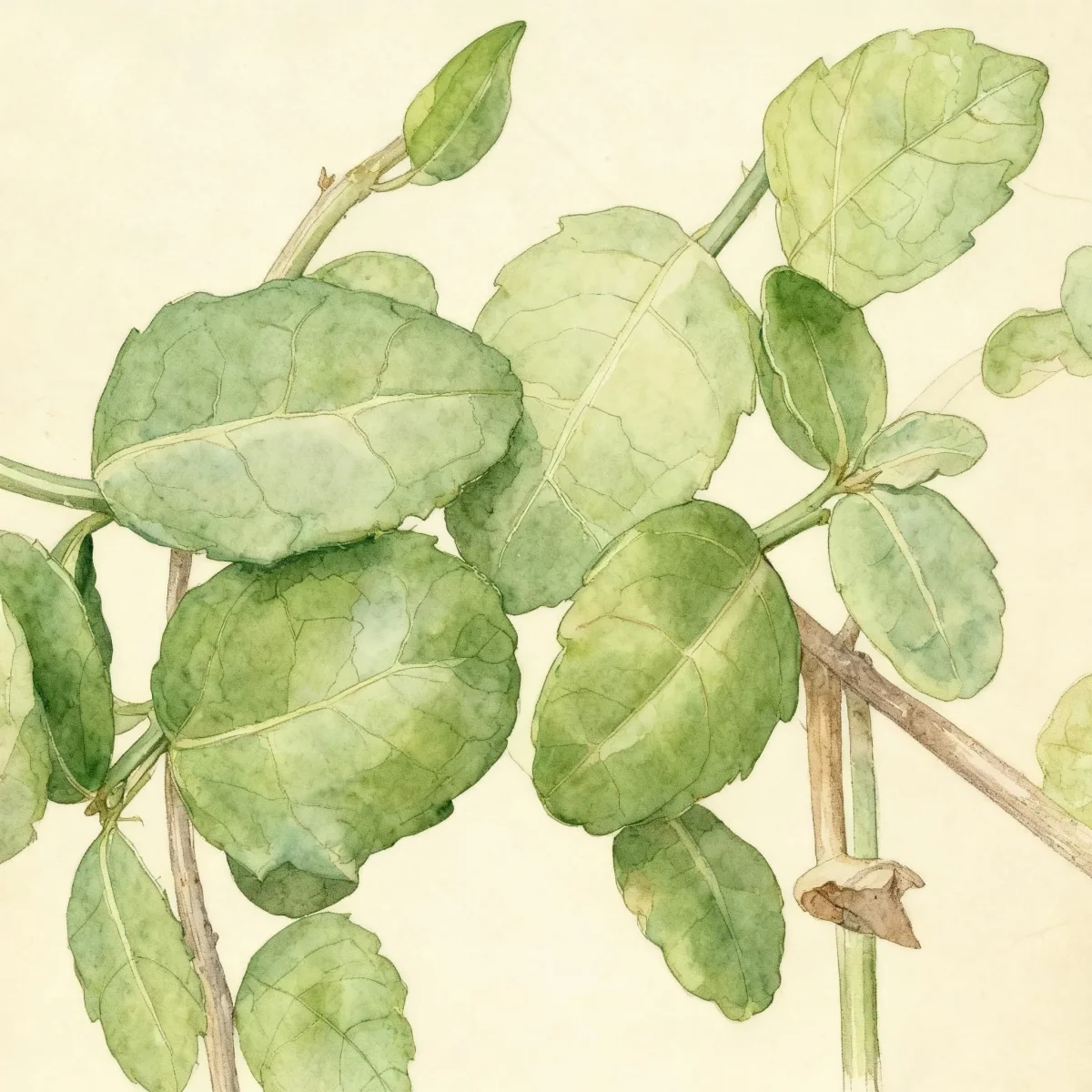
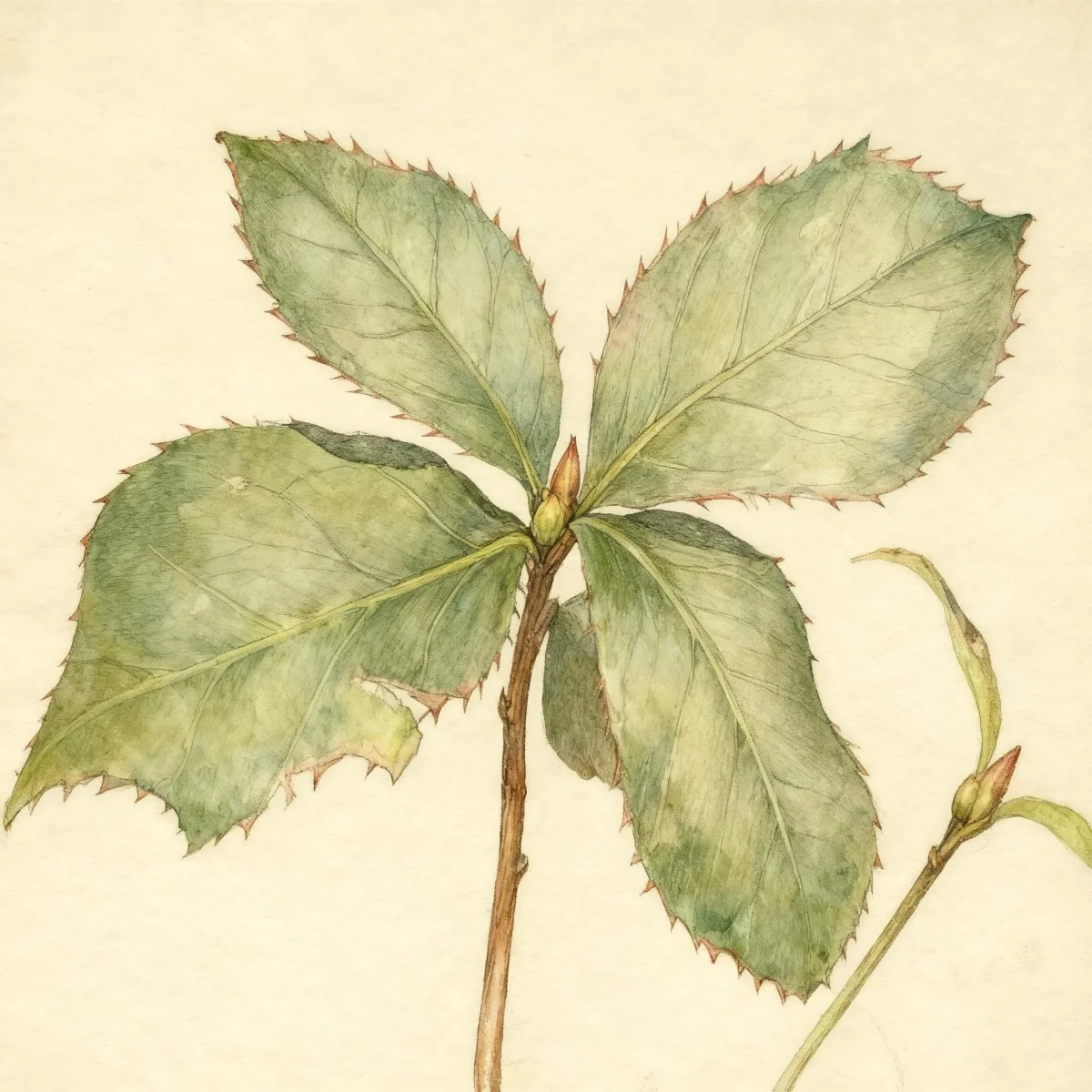
Wintercreeper euonymus (Euonymus fortunei 'Emerald Gaiety')
Euonymus fortunei 'Emerald Gaiety' is a versatile, variegated broadleaf evergreen groundcover for zones 5-8.
Scroll down to discover growing tips, care requirements, companion plants, and more
Complete Plant Information
Overview
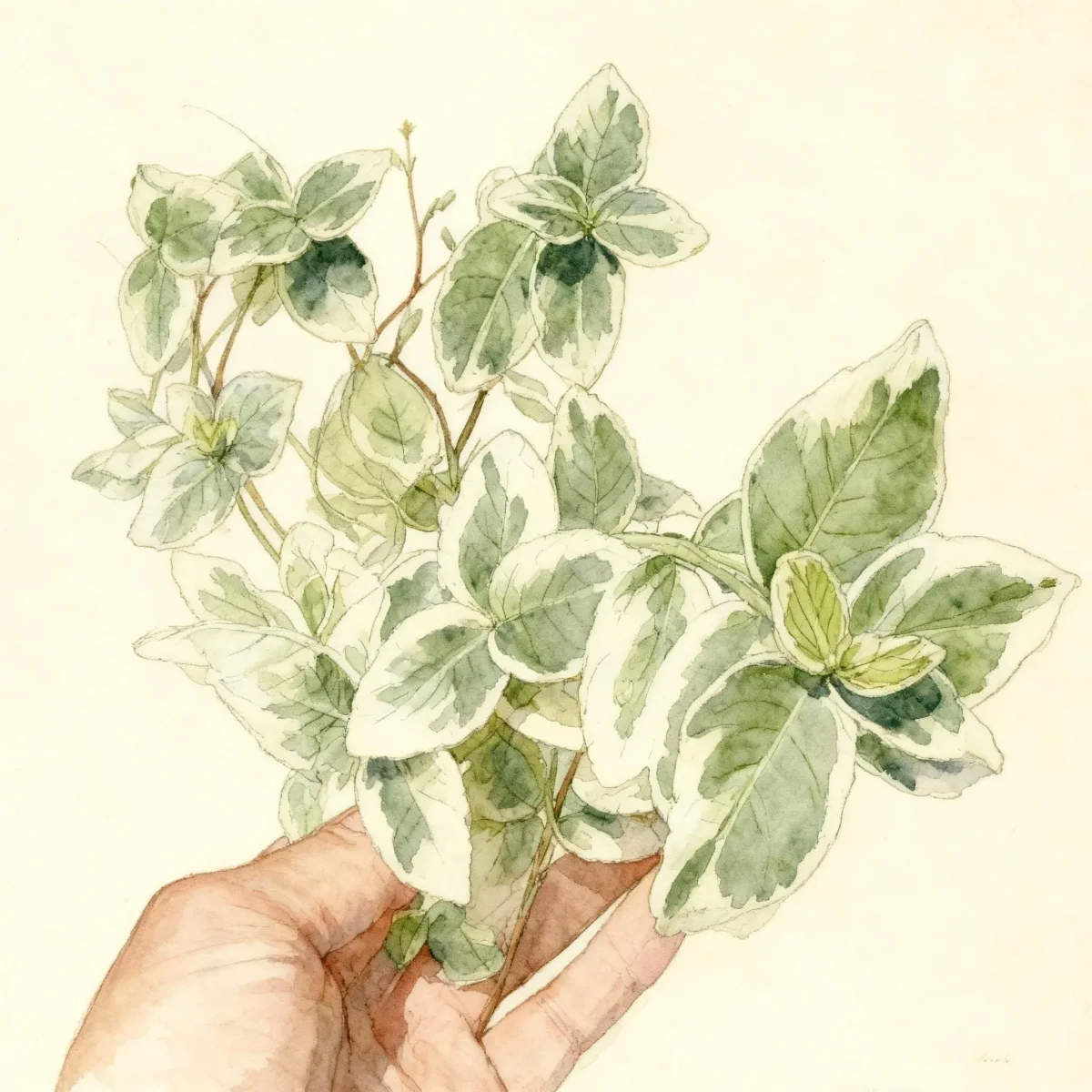
Euonymus fortunei ‘Emerald Gaiety’, commonly known as wintercreeper euonymus, is a highly adaptable broadleaf evergreen prized for its dense, spreading, and potentially climbing habit. This variegated shrub features ornamental foliage—deep emerald green leaves edged in creamy white that often takes on attractive pink hues when cold weather arrives. It offers year-round structure in the landscape, functioning effectively as a ground cover, low hedge, or climber where support is provided.
While incredibly versatile in cultivation, gardeners must be mindful that Euonymus fortunei ‘Emerald Gaiety’ can escape managed areas and become aggressive. Its ability to root along the stem where it touches the ground allows it to spread quickly, even smothering native vegetation in certain climates. Proper siting and yearly pruning are key to harnessing its aesthetic value without encouraging invasive spread.
For those seeking reliable evergreen coverage in areas where it is not restricted, this wintercreeper euonymus provides excellent low maintenance structure. It establishes quickly and handles a wide variety of conditions, from full sun exposures to significant shade, making it a flexible choice for challenging spots in the garden design.
Fast Facts
- Plant Family: Celastraceae
- Plant Type: Broadleaf evergreen
- Hardiness Zones: USDA Zones 5-8
- Size at Maturity:
- Height: 3-5 ft
- Spread: 3-6 ft
- Bloom Time: June
- Bloom Description: Greenish white
- Sun Exposure: Full sun to part shade
- Water Needs: Medium
- Maintenance Level: Medium
How to Grow
The ideal time to establish new Euonymus fortunei ‘Emerald Gaiety’ is when soil conditions are favorable, typically in spring or fall. This plant thrives best in average, well-drained soils, although it demonstrates tolerance for a wide range of soil compositions, with the exception of overly wet situations. Ensure planting sites receive adequate moisture until the plant is fully established, though established wintercreeper euonymus exhibits good drought tolerance.
Ongoing care for this variety is generally straightforward. Water moderately, allowing the soil surface to dry slightly between irrigation sessions. While established plants can handle dry spells, consistent medium moisture supports the best foliage color. It benefits from annual pruning, which should be performed after the main flowering period in June to maintain a neat, attractive shape and prevent excessive sprawling.
When placing Euonymus fortunei ‘Emerald Gaiety’, remember that the variegated leaf performance is superior in partial shade conditions, which helps protect the delicate white margins from scorching. Its good tolerance for urban environments makes it suitable for street-side plantings or areas with atmospheric pollution. Stems readily root where they contact the soil, which aids in coverage but necessitates monitoring for unwanted spread.
Landscape Uses
The versatility of wintercreeper euonymus allows it to fill several important roles in the landscape, especially where evergreen color is desired. Where its use as an aggressive groundcover is permitted, it serves beautifully to blanket sunny or shady slopes, successfully providing necessary erosion control. It forms a dense mat that effectively outcompetes weeds once established.
Euonymus fortunei ‘Emerald Gaiety’ functions excellently along the edges of sidewalks or paths, acting as a formal, low border that requires minimal upkeep beyond occasional trimming. Furthermore, it is appropriate as a foundation planting near buildings where its mounding-to-spreading habit can soften hard lines. If a truly vertical element is needed, the vine form can be trained up walls or fences.
When training this shrub to climb, be aware that this activity may encourage more frequent flowering and subsequent seed production, potentially increasing its dispersal into surrounding unmanaged areas. Consider pairing its bright variegation with darker, solid green evergreens or deciduous shrubs to maximize the contrast in texture and color.
Standout Features
Flower Qualities
- Insignificant
Noteworthy Characteristics
Euonymus fortunei, commonly called wintercreeper euonymus, is a dense, creeping to mounding, broadleaf evergreen to semi-evergreen subshrub that will also climb using adventitious roots. Native to East Asia where it can be found in forests, thickets, and scrublands, it may appear as a trailing ground cover, a mounding shrub or a climbing vine. The cultivar ‘Emerald Gaiety’ is noted for its rounded, glossy deep emerald green leaves with attractive, irregular creamy white margins that blush pink in winter.
Tolerances
- Drought
- Black Walnut
Potential Problems
The primary concern when growing Euonymus fortunei ‘Emerald Gaiety’ is pest management, particularly Euonymus scale, which can severely damage the plant if left untreated. Systemic problems like anthracnose, crown gall, leaf spot, and mildew can also pose threats, often exacerbated by poor air circulation or overly wet conditions. Gardeners should routinely inspect leaves and stems for evidence of scale insects, applying appropriate dormant oil or insecticidal soap treatments if an infestation is found.
Besides pests and diseases, the most significant consideration for this specific plant is its potential invasiveness. It has the capability to spread aggressively into lawns or neighboring landscape beds, and its climbing habit on structures can sometimes lead to structural issues. Regular trimming, especially for climbing sections, helps manage its vigor and reduces the chance of seed spread that contributes to its invasive nature.
Frequently Asked Questions
What hardiness zones is Wintercreeper euonymus suitable for?
The Euonymus fortunei ‘Emerald Gaiety’ is reliably hardy in USDA Zones 5 through 8.
How large does Euonymus fortunei ‘Emerald Gaiety’ grow?
This variety typically reaches a mature height between 3 and 5 feet tall and spreads horizontally from 3 to 6 feet wide, depending on whether it is encouraged to climb or allowed to trail.
What sun exposure does Wintercreeper euonymus need?
This plant is quite adaptable, tolerating full sun but often showing its best variegated leaf color when provided with part shade.
When does Wintercreeper euonymus bloom?
Inconspicuous, greenish-white flowers may appear on the Euonymus fortunei ‘Emerald Gaiety’ during June.
Conclusion
The Euonymus fortunei ‘Emerald Gaiety’ remains a favorite structural plant due to its dependable, variegated evergreen foliage that brightens winter gardens. While indispensable for its versatility as a ground cover or low shrub, gardeners must stay diligent with pruning and monitoring to prevent its potential spread. Before planting this Wintercreeper euonymus, confirm your USDA hardiness zone compatibility and plan for routine maintenance to keep it looking its best.
Companion Planting
When planning a garden space around Euonymus fortunei ‘Emerald Gaiety’, selecting companions that contrast in texture or color helps showcase its variegation. Because it handles both sun and significant shade well, look for shade-tolerant perennials for areas receiving less afternoon light, such as Hosta varieties with blue or gold margins, or Astilbe for soft summer plumes. The low, dense habit of this wintercreeper euonymus pairs well visually with taller, more upright small shrubs like Dwarf Korean Lilacs or upright evergreen conifers which provide a solid green backdrop.
For sunny exposures where its drought tolerance is useful, consider utilizing low-growing Sedums or creeping Thymes beneath its canopy where they won’t compete heavily for vertical space. Ensure any companion plants also prefer medium moisture and have similar soil pH requirements to simplify watering routines. Utilizing these contrasts enhances the visual appeal of the creamy white margins on the foliage of Euonymus fortunei ‘Emerald Gaiety’.
Design Ideas for Variegated Groundcovers
Using variegation as a feature is key when integrating Euonymus fortunei ‘Emerald Gaiety’ into landscape designs. Its spreading habit makes it an outstanding mass planting tool, useful for quickly covering large, difficult slopes that might otherwise host only lawn grass. Consider planting in sweeping drifts rather than small isolated clumps to maximize the impact of the bright edges against darker mulch or soil.
In contemporary landscapes, utilize this wintercreeper euonymus to spill over retaining walls or the edges of raised beds, allowing the variegated stems to cascade downward for dramatic effect. For seasonal interest, plant bulbs like early spring daffodils or late-blooming Russian Sage nearby; as the bulbs fade, the dependable foliage of the Wintercreeper euonymus takes over the visual role seamlessly through the summer, fall, and winter.