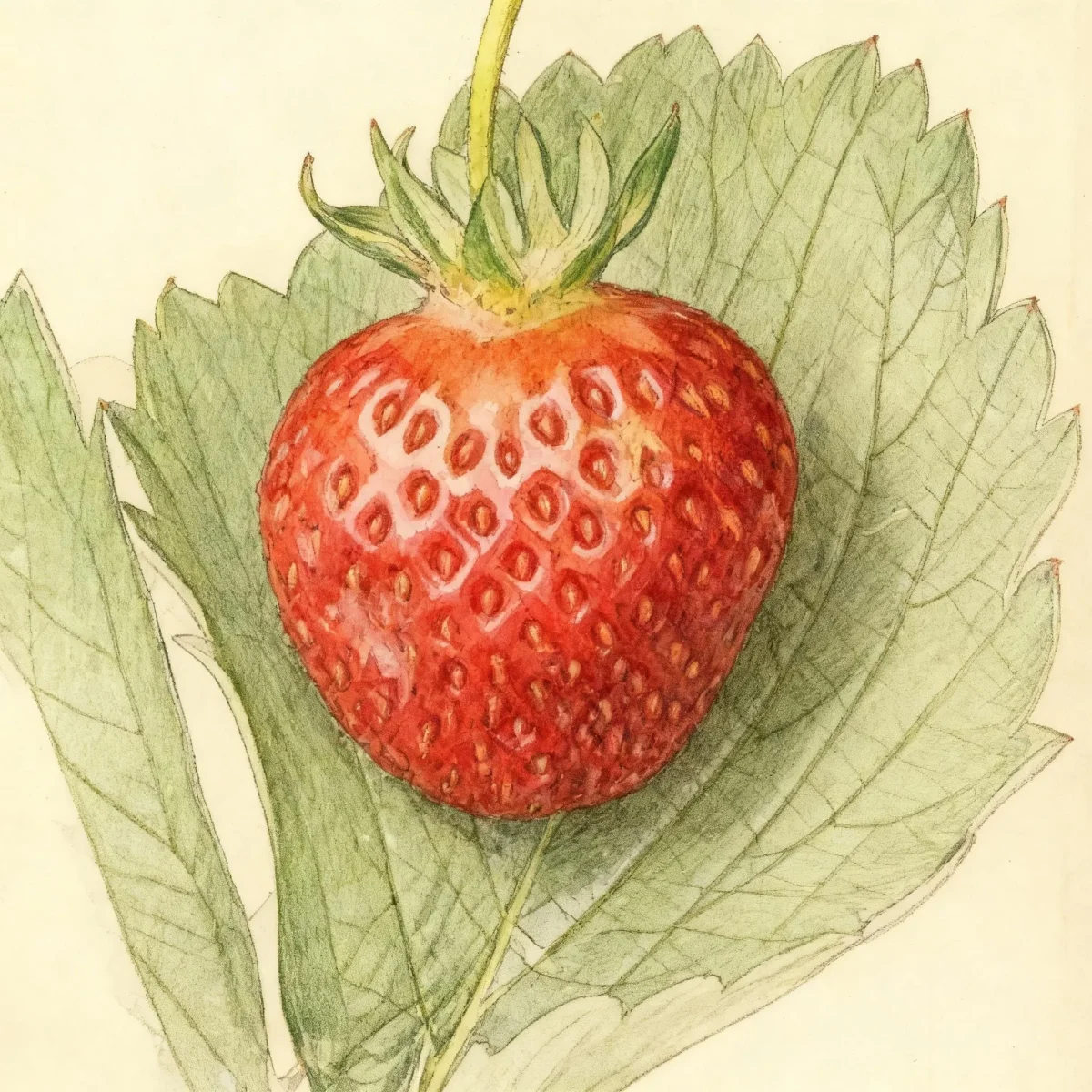
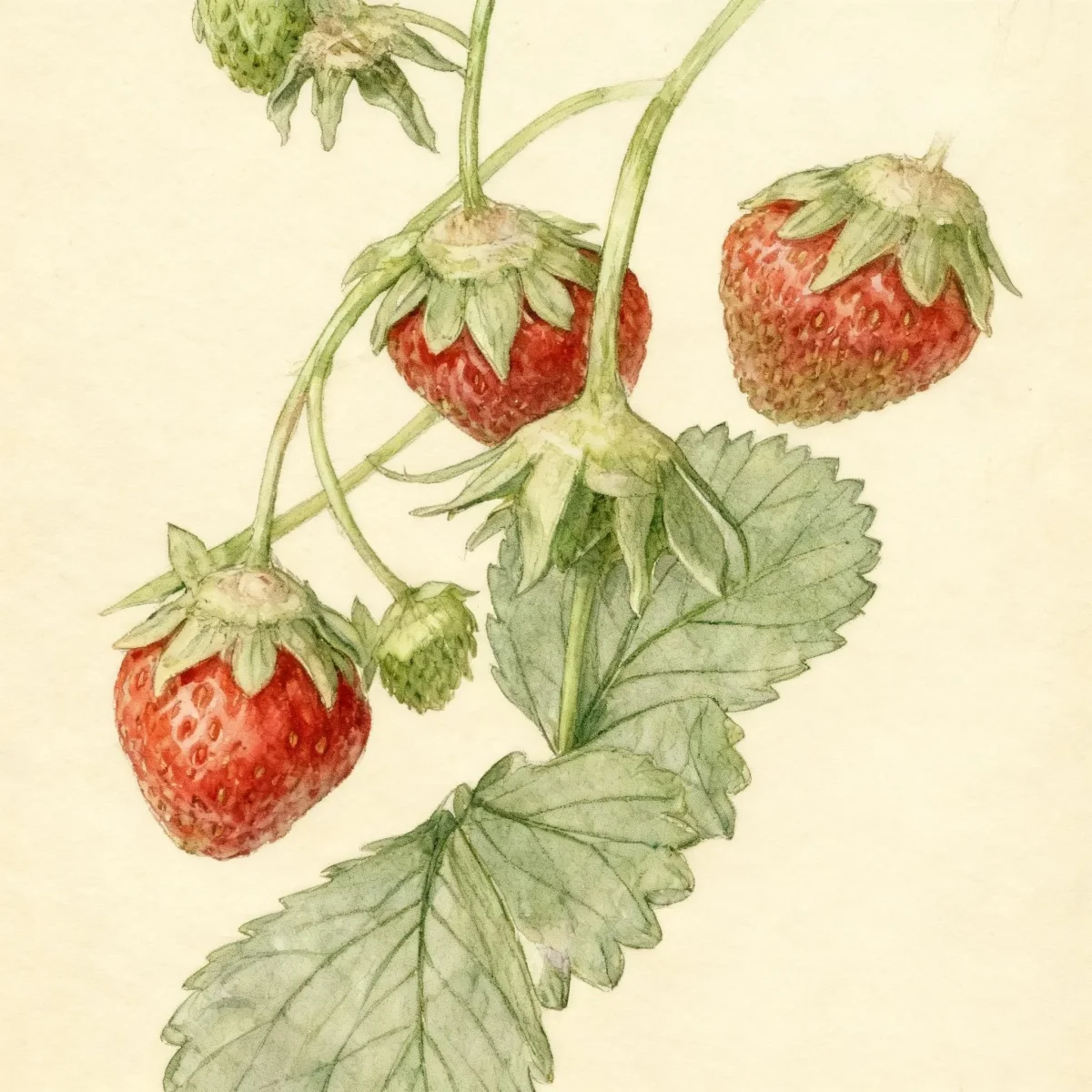
Strawberry (Fragaria 'Earliglo')
Fragaria 'Earliglo' Strawberry is a Junebearing fruit perfect for home gardens, thriving in full sun, Zones 4-8.
Scroll down to discover growing tips, care requirements, companion plants, and more
Complete Plant Information
Overview
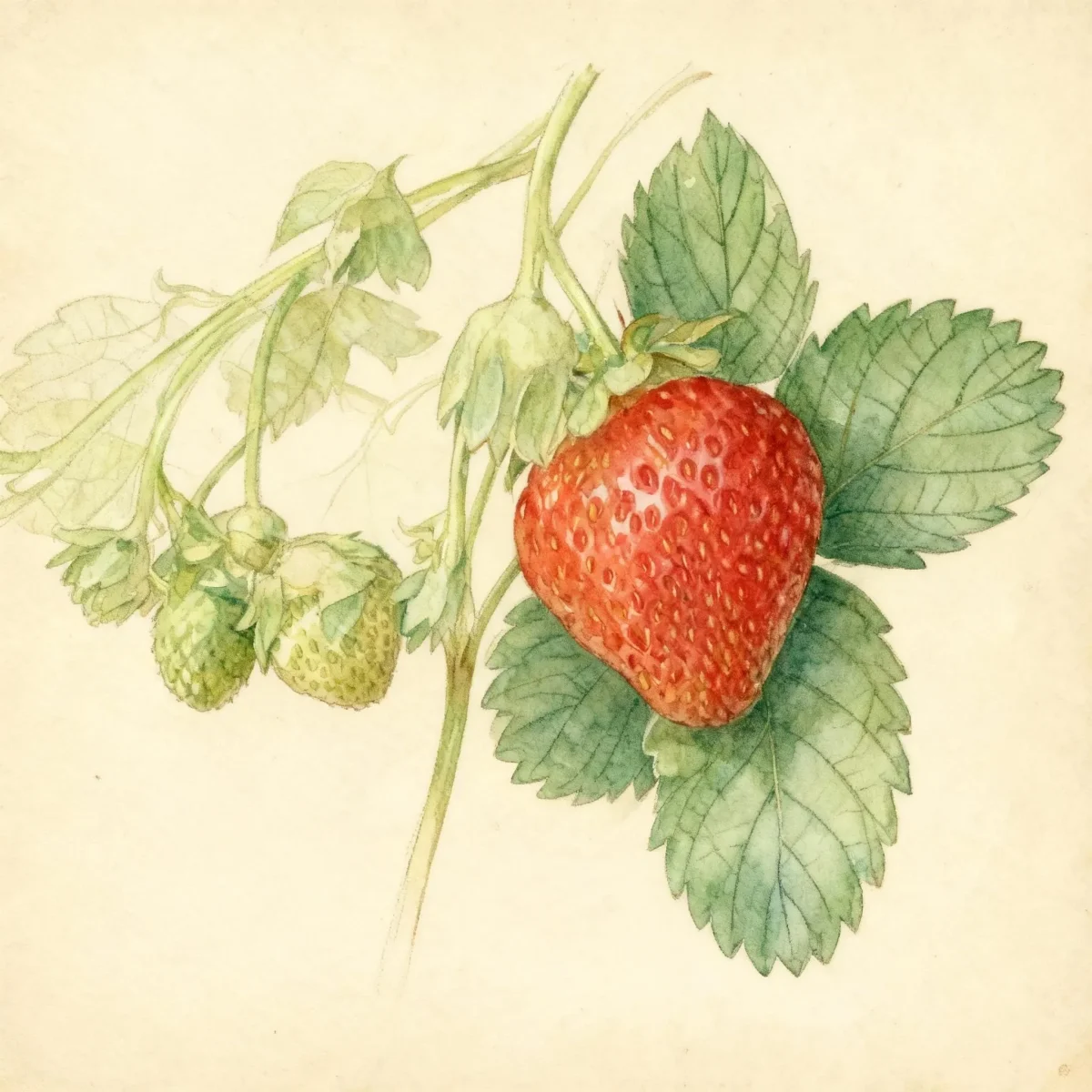
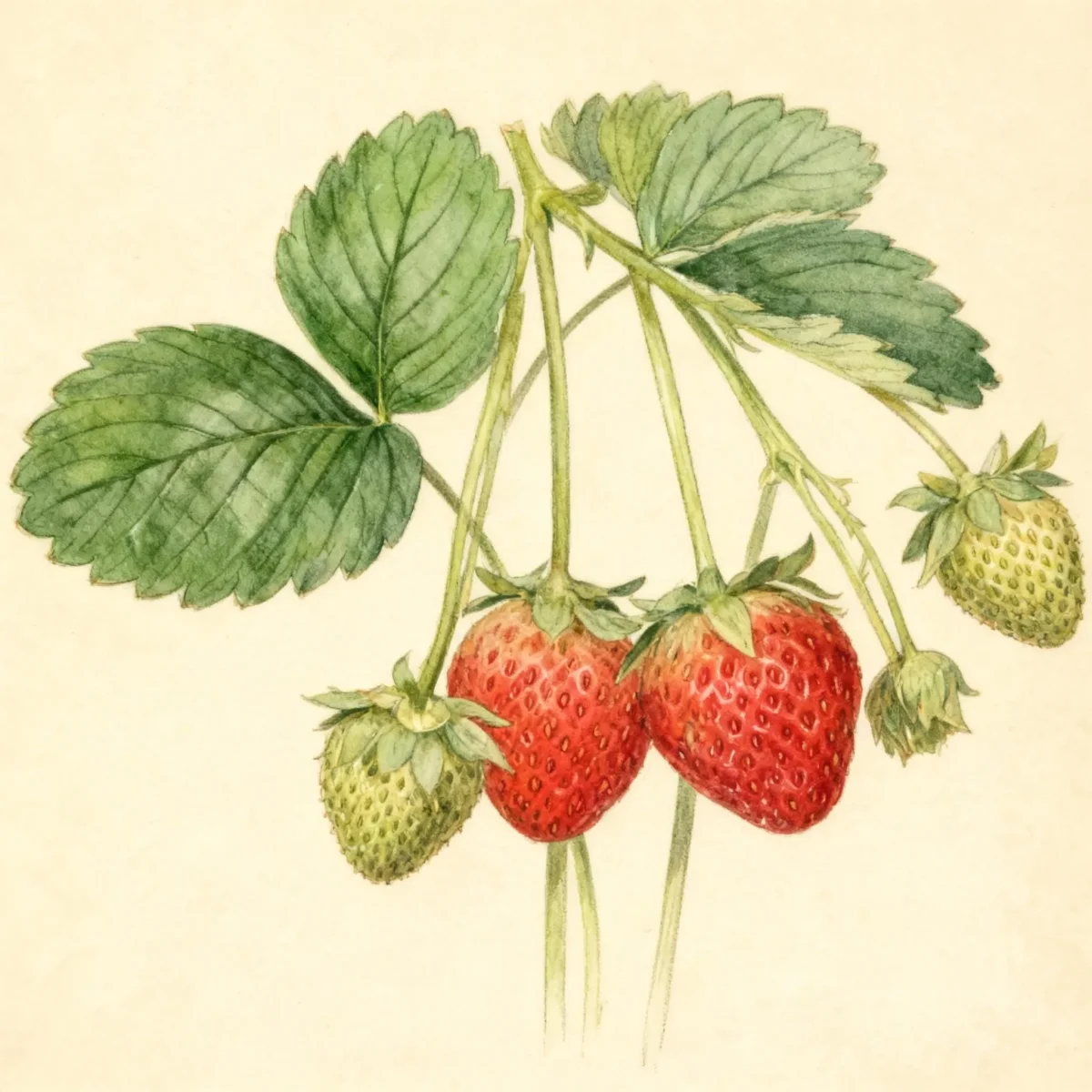
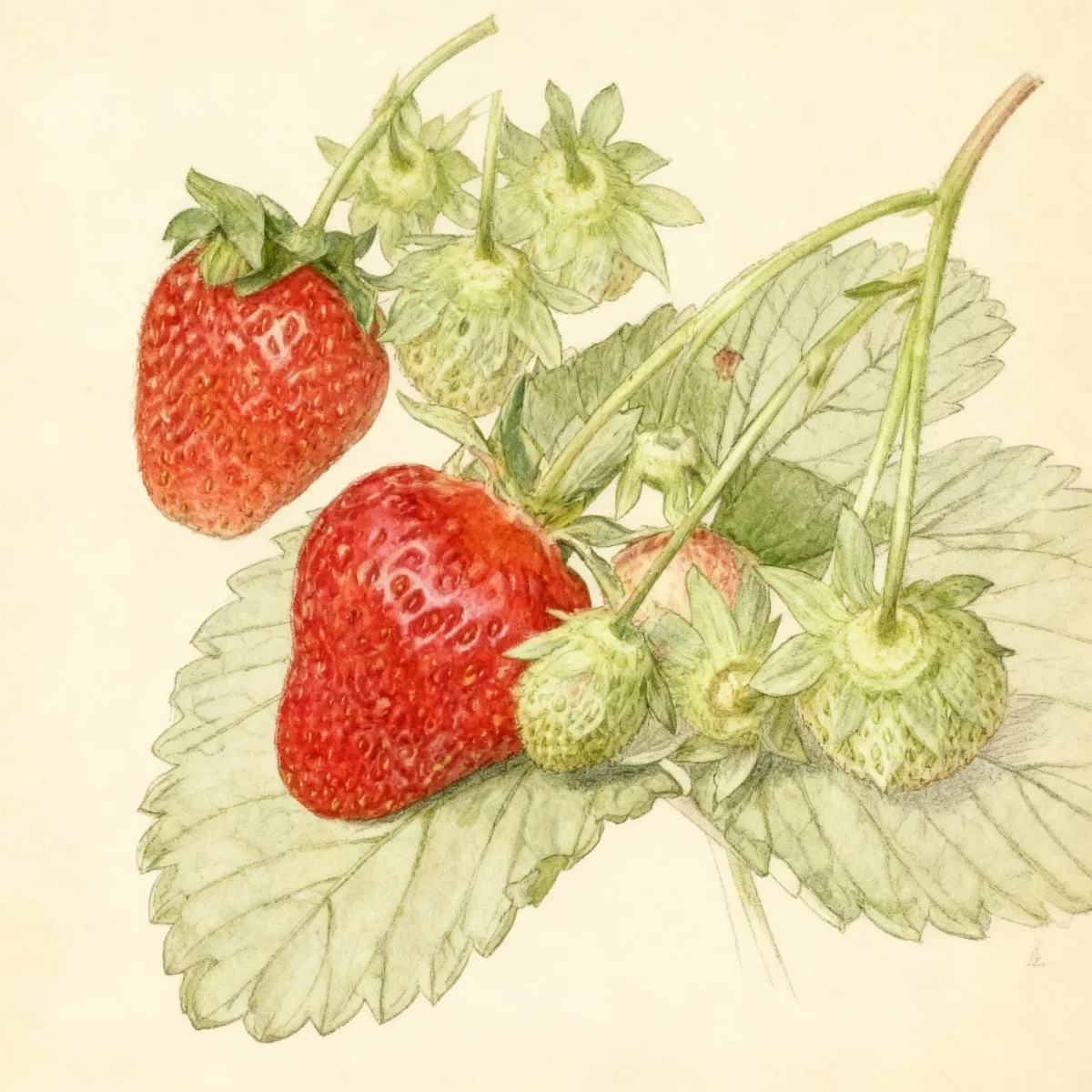
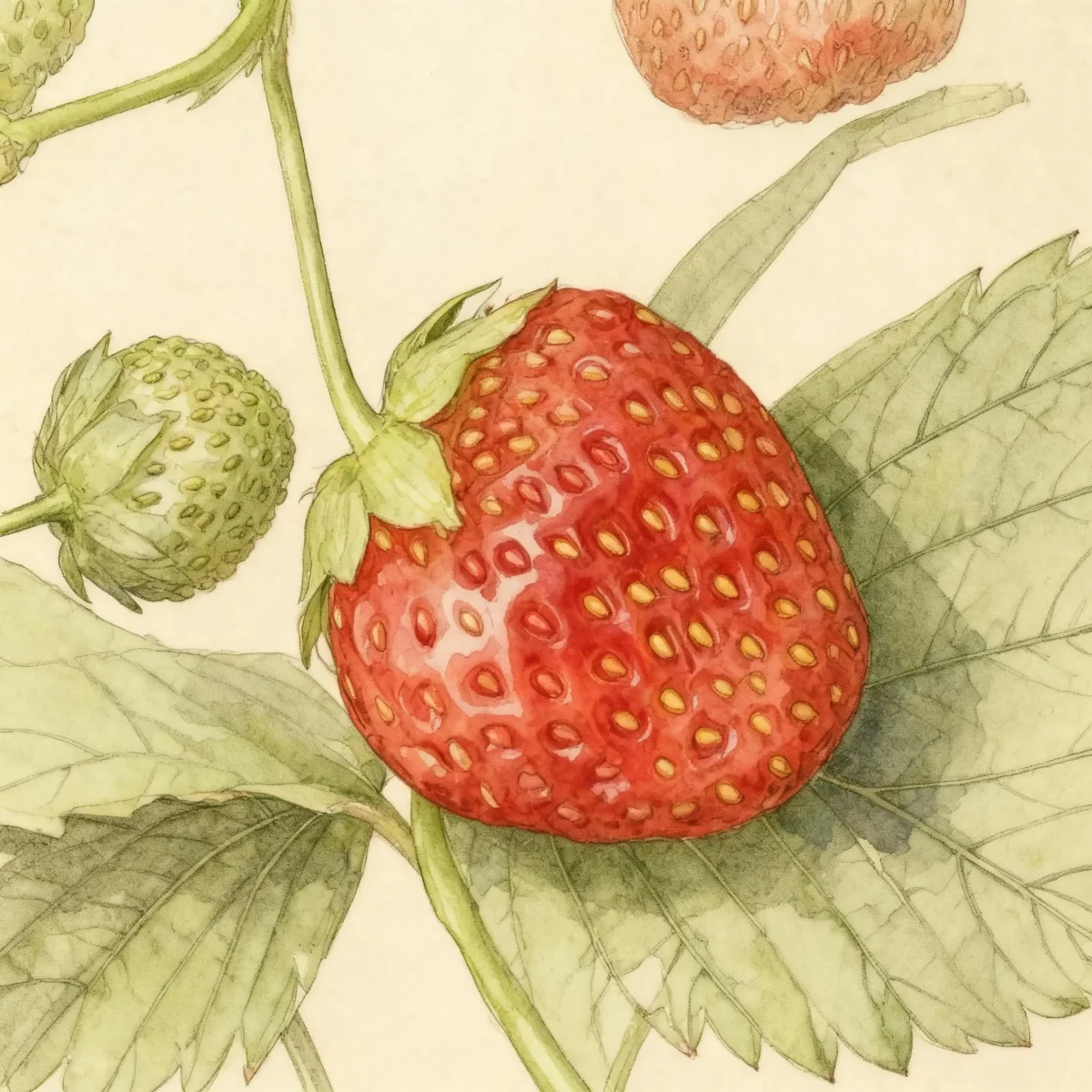
The Strawberry, specifically the popular cultivar Fragaria ‘Earliglo’, is a cornerstone of the home fruit garden. This low-growing, stoloniferous perennial is prized for producing plump, glossy red berries that are intensely fragrant, sweet, and exceedingly tasty come late spring to early summer. As a Junebearing type, Fragaria ‘Earliglo’ concentrates its harvest into one large crop early in the season, typically around June.
This versatile fruit crop can be successfully cultivated across much of the United States, provided growers adhere to specific cultural needs. While providing excellent edible rewards, gardeners should note that strawberries require attentive, high maintenance to ensure a successful harvest. Planting certified, disease-resistant cultivars like Fragaria ‘Earliglo’ is crucial for long-term success.
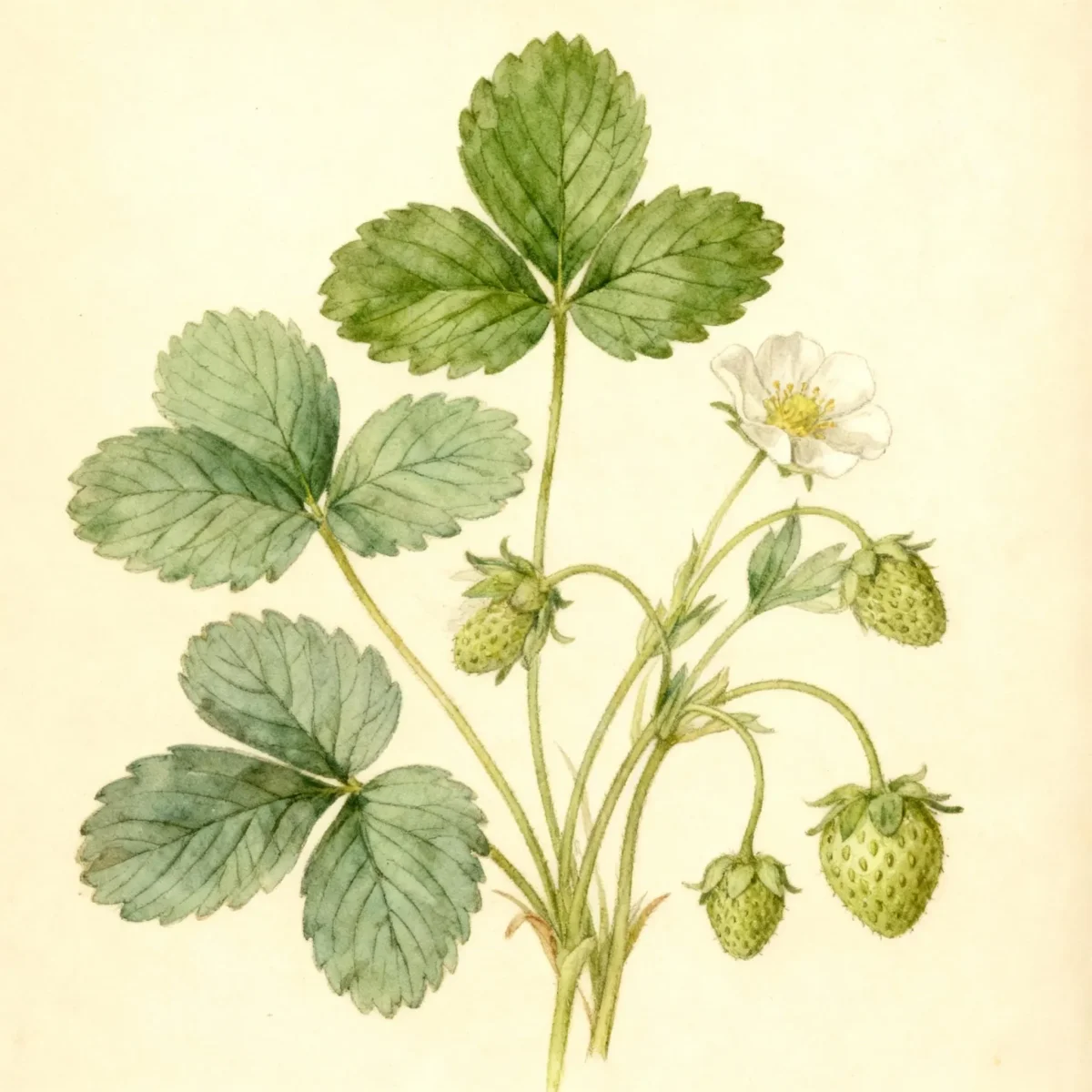
Aesthetically, the plant offers charming five-petaled white flowers with sunny yellow centers before developing its edible fruit. Whether grown for its flavor or its seasonal beauty, the Strawberry remains one of the most rewarding gardening endeavors for those willing to invest the necessary care.
Fast Facts
- Plant Family: Rosaceae
- Plant Type: Fruit
- Hardiness Zones: USDA Zones 4-8
- Size at Maturity:
- Height: 0.5-0.75 ft
- Spread: 1-1.5 ft
- Bloom Time: May to June
- Bloom Description: White with yellow center
- Sun Exposure: Full sun
- Water Needs: Medium
- Maintenance Level: High
How to Grow
Planting should ideally occur in early spring once the soil is workable, ensuring you place your Fragaria ‘Earliglo’ in an area that receives consistent full sun exposure throughout the day. These plants thrive best in average, well-drained soils that are organically rich, favoring sandy loam textures. Because strawberries are susceptible to numerous soil-borne issues, always select certified disease-resistant cultivars when establishing your patch.
Maintaining a medium watering schedule is essential; the soil should be kept consistently moist, especially during fruit development, but never waterlogged, which can encourage root rots. Due to the high maintenance nature of this crop, diligent scouting for pests and diseases is necessary. Furthermore, proper attention must be paid to runner management, as excessive runner production can reduce fruit yield.
For long-term productivity, preparing the bed correctly is vital. If you are new to growing this fruit, consult local university extension services, such as the University of Missouri-Columbia, for regionally adapted growing recommendations specific to your climate zone. Proper yearly cleanup and pruning schedules will help keep the plants vigorous and minimize overwintering problems for your Strawberry patch.
Landscape Uses
While the primary role of the Strawberry is functional, as a dedicated fruit crop grown in a specific area, Fragaria ‘Earliglo’ offers seasonal charm that integrates well into edible landscapes. Consider planting them along the front edge of perennial beds where their low-growing habit won’t obscure taller neighbors, or use them as a ground cover beneath small espalier fruit trees.
The bright green foliage and spring flowers provide attractive texture before the summer harvest begins. Although they are not typically used as hedging or foundation plantings, grouping them in dedicated raised beds or containers allows for easier management of pests and soil amendments, ensuring high-quality edible production. Focus cultivation efforts on areas where you plan to harvest regularly.
Standout Features
Flower Qualities
- Showy
Fruit Qualities
- Showy
- Edible
Noteworthy Characteristics
Fragaria is a genus widely known as strawberries, comprising low-growing, stoloniferous perennials. These plants are categorized as Junebearing, everbearing, or day-neutral, with Junebearers like ‘Earliglo’ providing a single, large annual harvest. The genus is noted for its five-petaled white flowers giving way to large, glossy red berries, with the genus name derived from the fragrant Latin ‘fraga’.
Tolerances
- Deer
Potential Problems
Strawberries, including the desirable Fragaria ‘Earliglo’, face pressure from a wide variety of pathogens and pests. Foliage issues like leaf spot and scorch are common, alongside serious root issues such as red stele. Fruit rots like leather rot and gray mold can quickly ruin a developing harvest.
Insect pests are also an ongoing concern, ranging from mites, aphids, and leafrollers to the strawberry weevil. Managing soil moisture correctly helps mitigate fungal issues, while physically removing runners and keeping the area clean reduces hiding spots for pests. Fortunately, ‘Earliglo’ offers reported good resistance against red stele, providing a slight advantage against some common soil-borne diseases.
Frequently Asked Questions
What hardiness zones is Strawberry suitable for?
Fragaria ‘Earliglo’ is suitable for USDA Zones 4 through 8.
How large does Strawberry grow?
This variety typically achieves a height between 0.5 and 0.75 feet, with a spread ranging from 1 to 1.5 feet at maturity.
What sun exposure does Strawberry need?
Strawberries require full sun exposure to produce the best yields of fruit.
When does Strawberry bloom?
This Strawberry cultivar blooms from May to June, displaying white flowers accented with a yellow center.
Conclusion
The Fragaria ‘Earliglo’ Strawberry is a fantastic choice for gardeners seeking superb early-season yields of sweet, flavorful berries. Its reliable Junebearing nature establishes it as a mainstay in edible landscaping. Evaluate your available sunlight and soil quality, and plan your planting this spring to enjoy the rewards of this high-maintenance, high-reward fruit.
Companion Planting for Strawberries
Selecting the right neighbors can significantly impact the health and yield of your Fragaria ‘Earliglo’ patch. Since Strawberries are heavy feeders and have shallow roots, avoid planting them too close to aggressive feeders like corn or brassicas, which will compete for nutrients and water. Excellent companions include members of the onion family, such as chives or garlic, whose strong scents can help deter common pests like mites and aphids.
Bush beans are also beneficial companions, as they fix nitrogen into the soil, benefiting the strawberries’ nutritional needs without competing aggressively for root space. Integrating herbs like thyme or borage can improve flavor perception and attract beneficial pollinators required for effective fruit set across your berry patch.
Seasonal Care Calendar Checkpoints
Managing the Strawberry season requires attention to specific timing. In early spring, after removing winter mulch, inspect plants for overwintering damage and immediately address any signs of disease or pest activity before active growth begins. Summer is dedicated to harvest; ensure plants receive adequate, consistent medium watering, especially as fruits swell.
As the summer progresses past the main Junebearing harvest, focus on encouraging healthy runner development if you plan to propagate new plants or fill gaps, though runner pruning is often necessary to focus energy on crown development for the next year. Fall maintenance involves clearing dead foliage and ensuring the plants are well-mulched before the ground freezes solid to protect the crowns through the winter dormancy period in Zones 4-8.