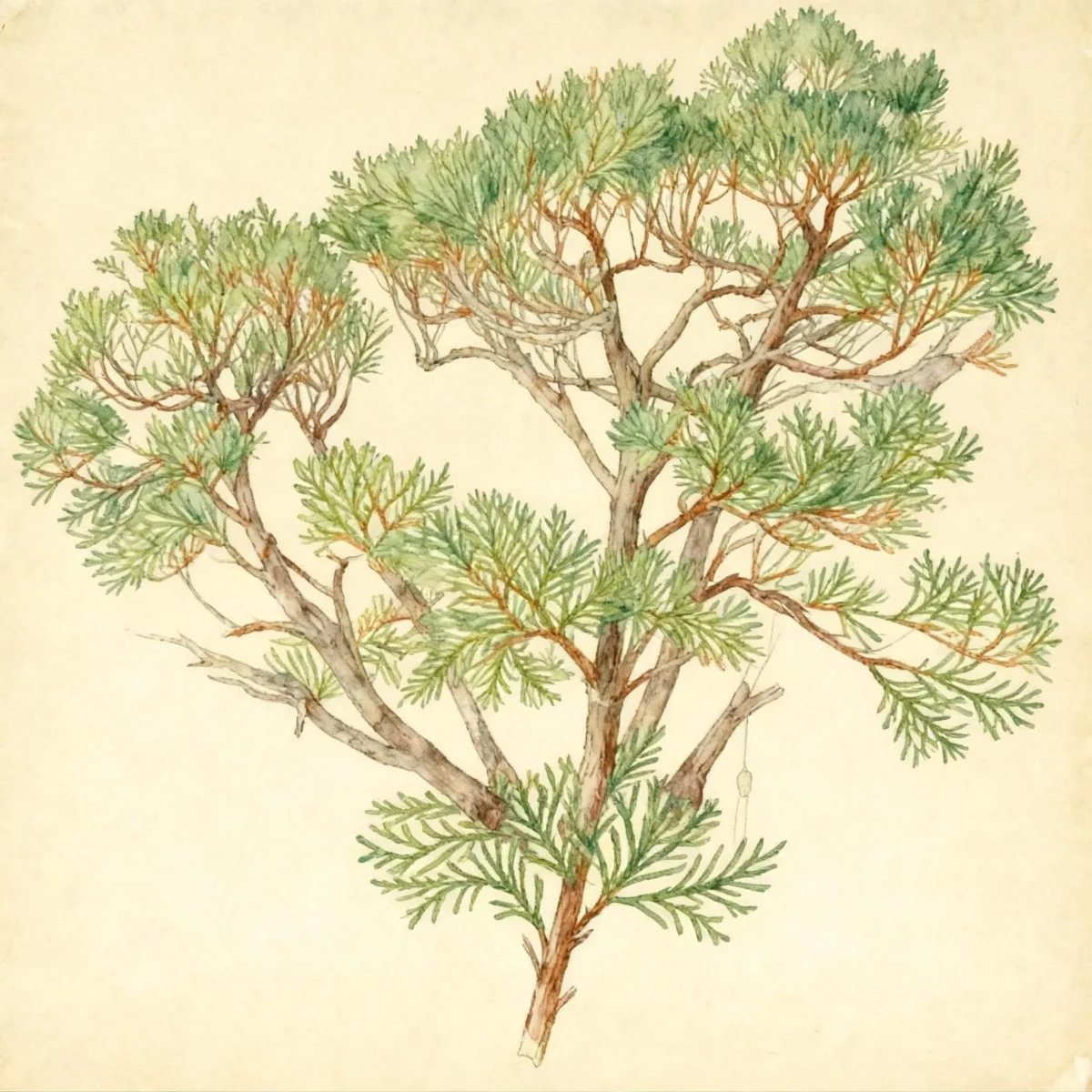
Juniper (Juniperus × pfitzeriana 'Armstrongii')
Dwarf, low-maintenance Juniperus × pfitzeriana 'Armstrongii' is a tough, sun-loving needled evergreen for zones 3-9.
Scroll down to discover growing tips, care requirements, companion plants, and more
Complete Plant Information
Overview
The Juniperus × pfitzeriana ‘Armstrongii’ is a highly valued, low-profile needled evergreen, often recognized simply as a Pfitzer Juniper cultivar. This dense shrub offers year-round visual interest with soft, medium green, scale-like needles, making it an excellent choice for foundational plantings or low hedging where space is a concern. As a hybrid designation, this particular Juniper shares hardy characteristics that enable it to thrive across a wide geographical range. Juniperus × pfitzeriana ‘Armstrongii’ demands little attention once established, appealing to gardeners seeking robust performance with minimal input.
This specific cultivar is noted for its manageable stature, typically maturing to 3 to 4 feet in height and spread, creating a pleasing, compact habit. Its exceptional tolerance profile means this Juniper succeeds in challenging urban or dry conditions better than many ornamental evergreens. For gardeners needing reliable year-round texture and structure, the inherent toughness of Juniper makes it an indispensable landscape component.
Fast Facts
- Plant Family: Cupressaceae
- Plant Type: Needled evergreen
- Hardiness Zones: USDA Zones 3-9
- Size at Maturity:
- Height: 3-4 ft
- Spread: 3-4 ft
- Bloom Time: Non-flowering
- Sun Exposure: Full sun
- Water Needs: Medium
- Maintenance Level: Low
How to Grow
Plant Juniperus × pfitzeriana ‘Armstrongii’ during the fall or early spring when temperatures are moderate, ensuring roots have time to establish before extreme heat or cold hits. This Juniper requires full sun for optimal color and form; shade should be avoided. It adapts well to a wide variety of soils, including heavy clay, provided drainage is adequate. Crucially, this plant is intolerant of persistently wet or waterlogged soils, though it exhibits drought tolerance once its root system is mature.
Ongoing care for the Juniper is straightforward due to its low maintenance needs. Water regularly but sparingly during the first growing season to establish deep roots. Afterward, its medium water needs mean supplemental irrigation is usually only necessary during prolonged dry spells. Fertilization is rarely required; if soil is extremely poor, a balanced, slow-release fertilizer applied in early spring can support healthy growth.
Pruning, if desired, should be done sparingly, mainly to maintain shape or control size, as excessive shearing can sometimes remove desirable new growth. Because Juniperus × pfitzeriana ‘Armstrongii’ is hardy and can handle many city pollutants, it often requires less fussy care than more sensitive foundation evergreens. Monitor for common juniper issues like blights, especially in humid springs, though this cultivar shows good resistance to cedar apple rust.
Landscape Uses
The dwarf, spreading nature of Juniperus × pfitzeriana ‘Armstrongii’ makes it highly versatile in landscape design. It functions perfectly as a low hedge along walkways or property lines, providing year-round screening without becoming easily overgrown. Its habit also lends itself exceptionally well to use in rock gardens or cascading over retaining walls where its arching branches can soften hard edges.
For foundational plantings, this low-growing Juniper helps transition smoothly between lawns or retaining walls and the structure of a building. Because it is so adaptable to difficult soils and drought, it serves as a reliable anchor plant in mixed borders composed of other sun-loving, low-water perennials and shrubs. Consider pairing the year-round green of the Juniper with textural contrasts like fine grasses or broadleaf evergreens.
Standout Features
Fruit Qualities
- Showy
Noteworthy Characteristics
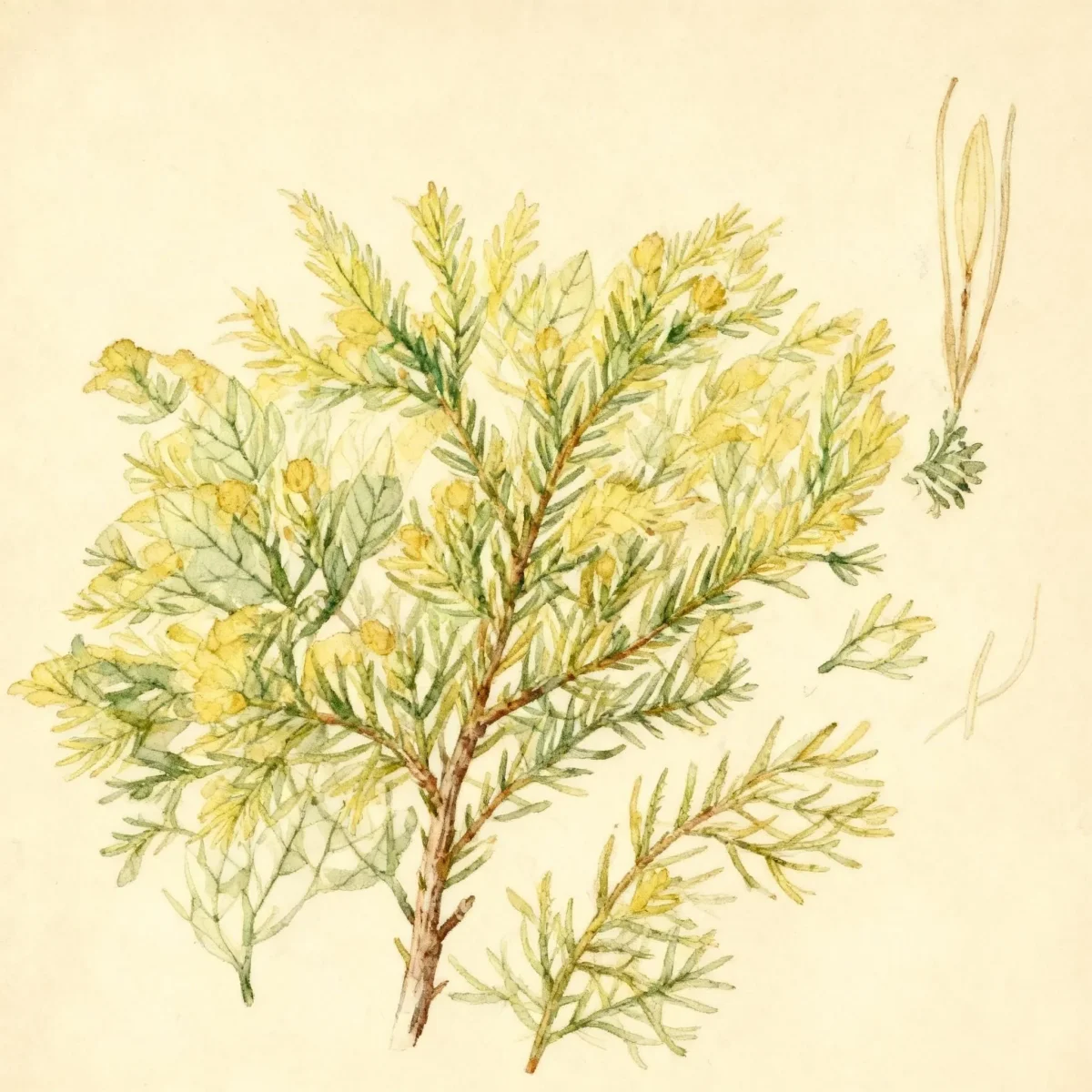
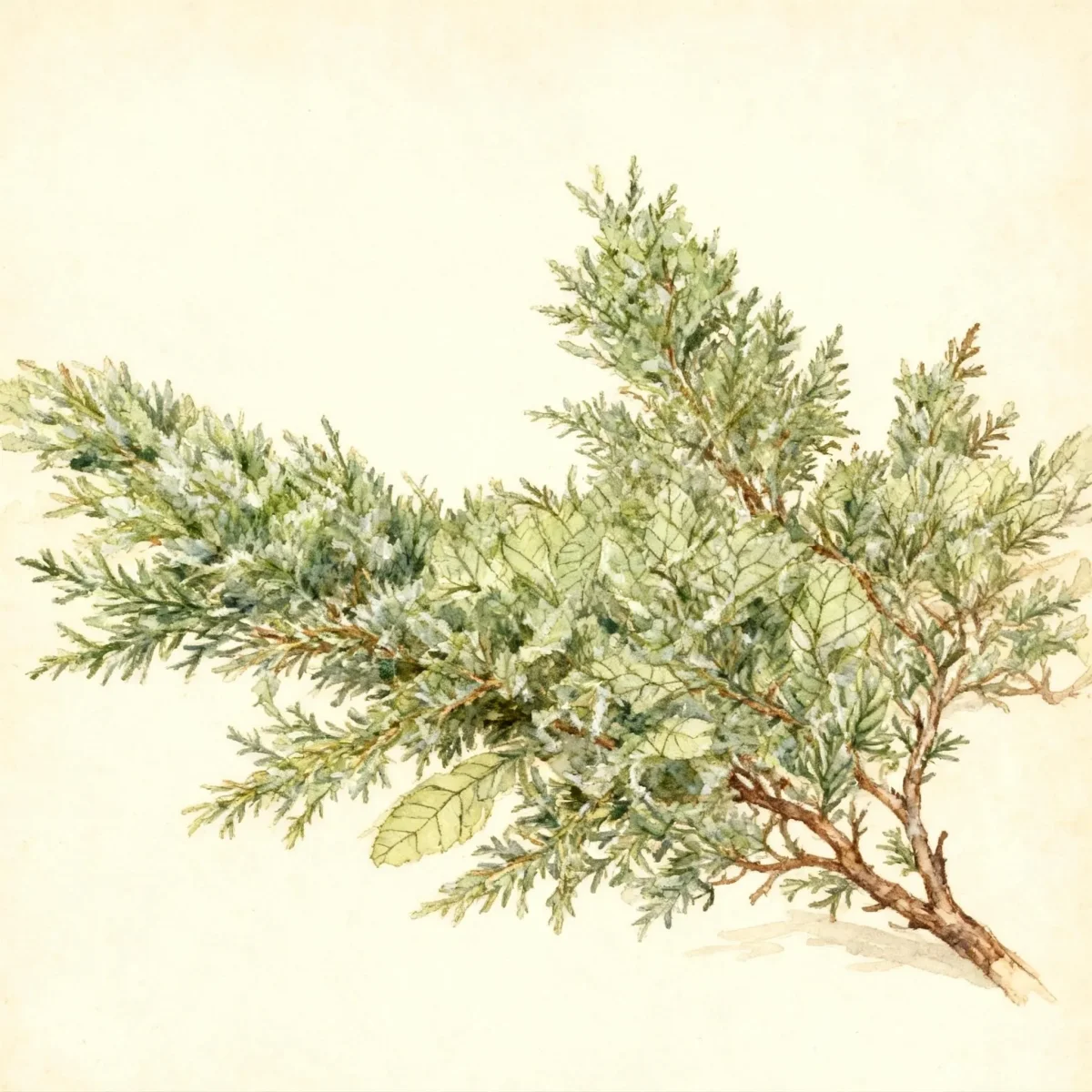
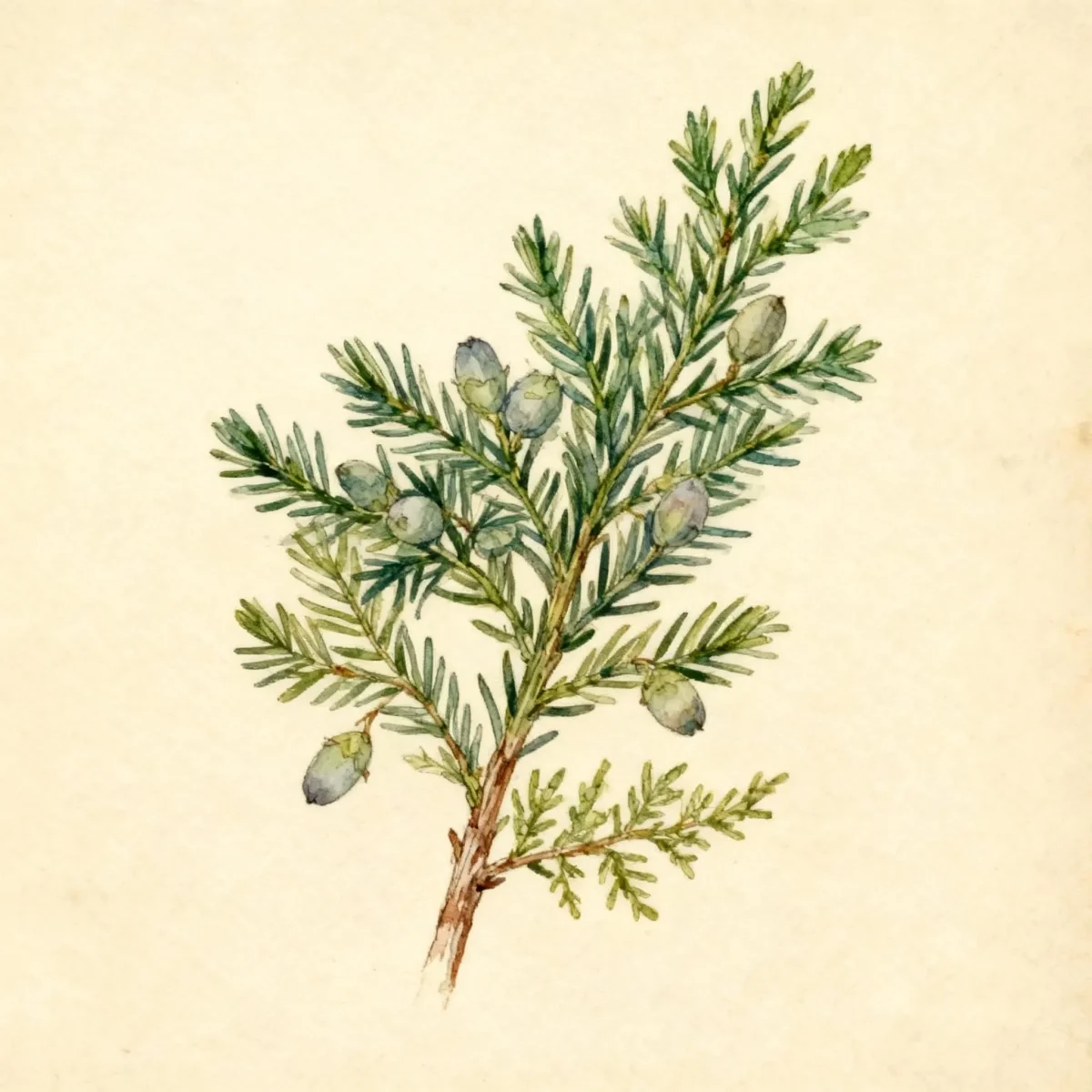
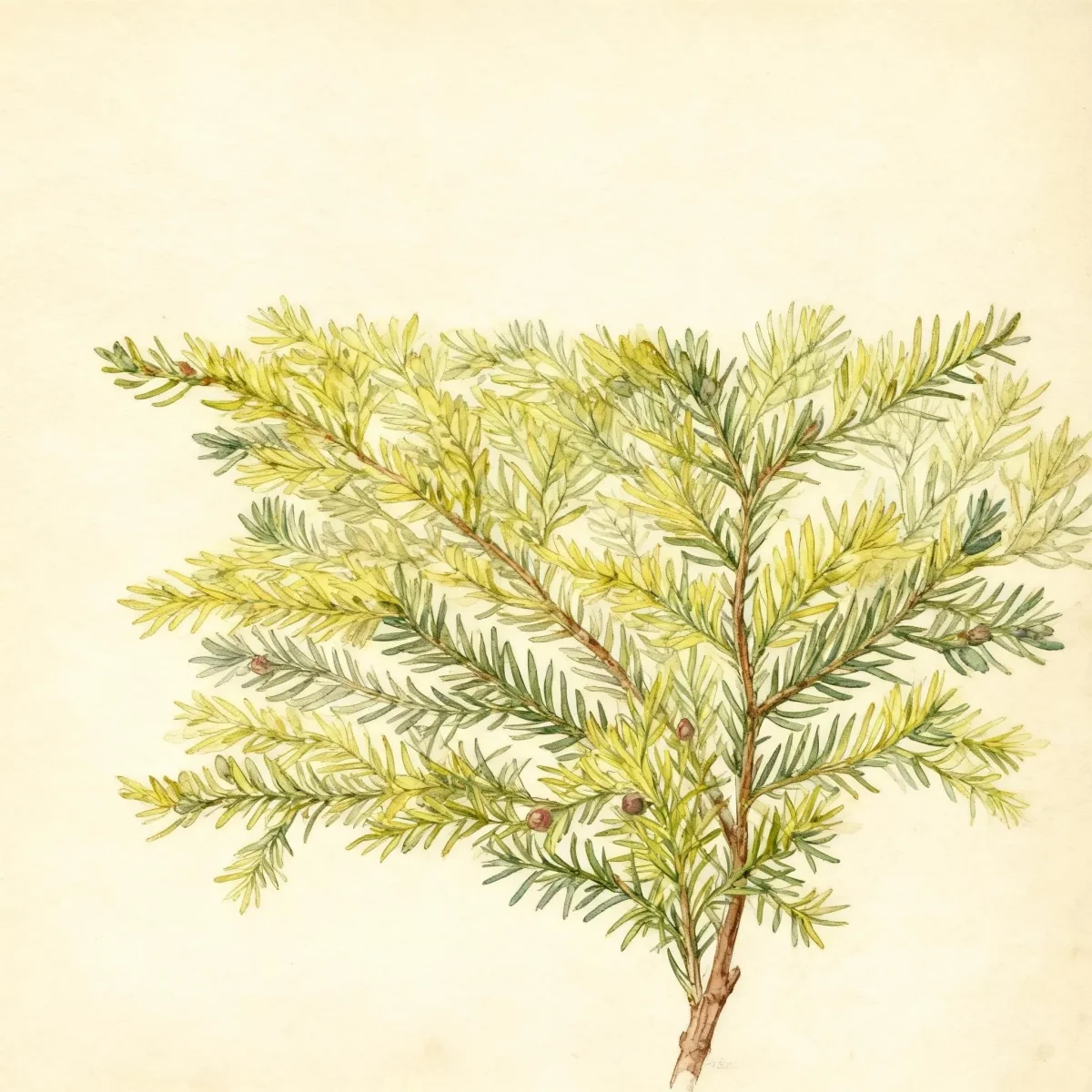
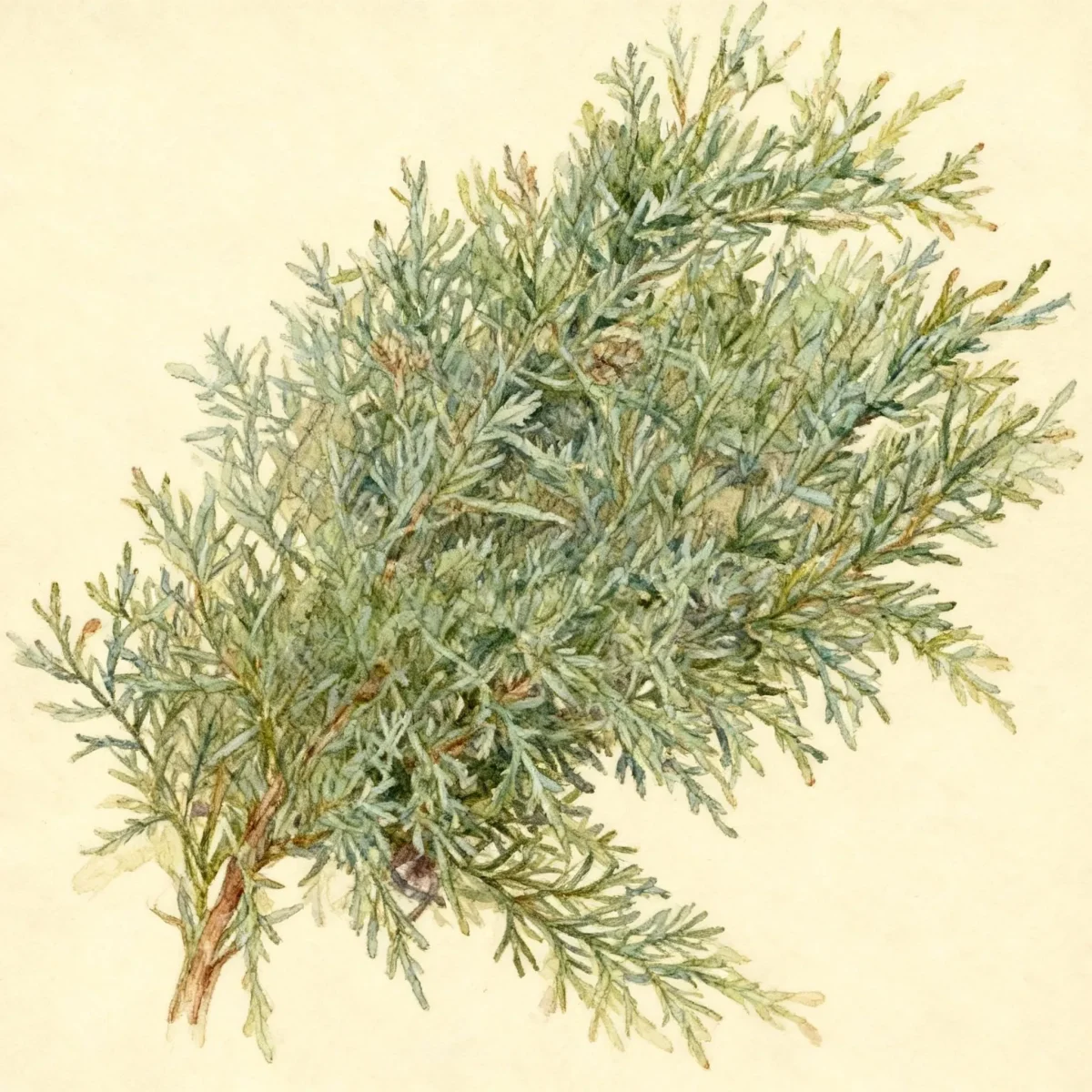
Juniperus × pfitzeriana is a hybrid designation that includes certain cultivars that are crosses between J. Chinensis and J. Sabina. Such cultivars in the Pfitzer Group are sometimes commonly called pfitzer juniper. Genus name comes from the Latin name for the juniper. ‘Armstrongii’ (synonymous with ‘Armstrong’) is a dwarf, shrubby, pfitzer juniper that slowly grows to 3-4’ tall and as wide. It features horizontally spreading branching primarily clad with scale-like, medium green needles that are soft to the touch, and the foliage remains attractive year round.
Tolerances
- Deer
- Drought
- Erosion
- Dry Soil
- Shallow-Rocky Soil
- Air Pollution
Potential Problems
Junipers generally present a few predictable challenges, primarily relating to fungal diseases like tip and needle blights, especially in overly humid or dense plantings. Cedar-apple rust and related rust diseases are common issues in the Juniper genus, spending part of their life cycle on the plant, though the ‘Armstrongii’ cultivar is reported to have good resistance. Root rot remains a significant risk if planted in poorly drained or heavy, wet soils, emphasizing the need for well-drained sites.
Canker can appear, attacking bark or main stems, often entering through existing wounds. Keep an eye out for occasional insect pests, including scale, aphids, bagworms, and webworms, treating promptly with appropriate horticultural oil or insecticides if infestations become severe. Proper planting practices—avoiding tight, wet spots—are the best defense against most common ailments affecting this Juniper.
Frequently Asked Questions
What hardiness zones is Juniper suitable for?
Juniperus × pfitzeriana ‘Armstrongii’ is highly adaptable and suits USDA Zones 3 through 9.
How large does Juniperus × pfitzeriana ‘Armstrongii’ grow?
This dwarf cultivar typically reaches a mature height and spread of 3 to 4 feet.
What sun exposure does Juniper need?
This evergreen thrives best when situated in full sun.
When does Juniper bloom?
This species is classified as non-flowering, meaning it does not produce noticeable blooms, though it does bear showy fruit.
Conclusion
The Juniperus × pfitzeriana ‘Armstrongii’ provides robust, year-round texture with excellent drought and pollution tolerance, making it a low-maintenance winner for sunny locations. This tough Juniper is an ideal solution for structural planting where minimal attention is desired. Before installing, always verify your garden’s hardiness zone matches the USDA 3-9 range for best results with this hardy evergreen.
Companion Planting
Due to the full sun requirement and excellent drought tolerance of Juniperus × pfitzeriana ‘Armstrongii’, select companions that share similar low-water needs when dry. This plant pairs beautifully with other evergreens that offer textural contrast, such as Mugho Pines or upright, narrower Cedars, creating a unified backdrop of conifers. In contemporary designs, consider pairing the dense green of this Juniper with silvery, drought-tolerant perennials like Artemisia, Russian Sage (Perovskia), or various Sedums for high-impact color variation.
Propagation Tips
The best method for propagating Juniperus × pfitzeriana ‘Armstrongii’ is through semi-hardwood cuttings taken in mid-to-late summer. Select healthy, pencil-size cuttings that are about 4 to 6 inches long, ensuring they include some of the previous season’s growth. Dip the base of the cuttings in rooting hormone powder formulated for woody ornamentals and plant them firmly in a well-draining, sterile propagation medium, such as a mix of perlite and peat moss. Keep the cuttings consistently moist but not soggy, providing bottom heat and humidity (often achieved using a plastic dome or bag) until roots develop, which can take several weeks to a few months.