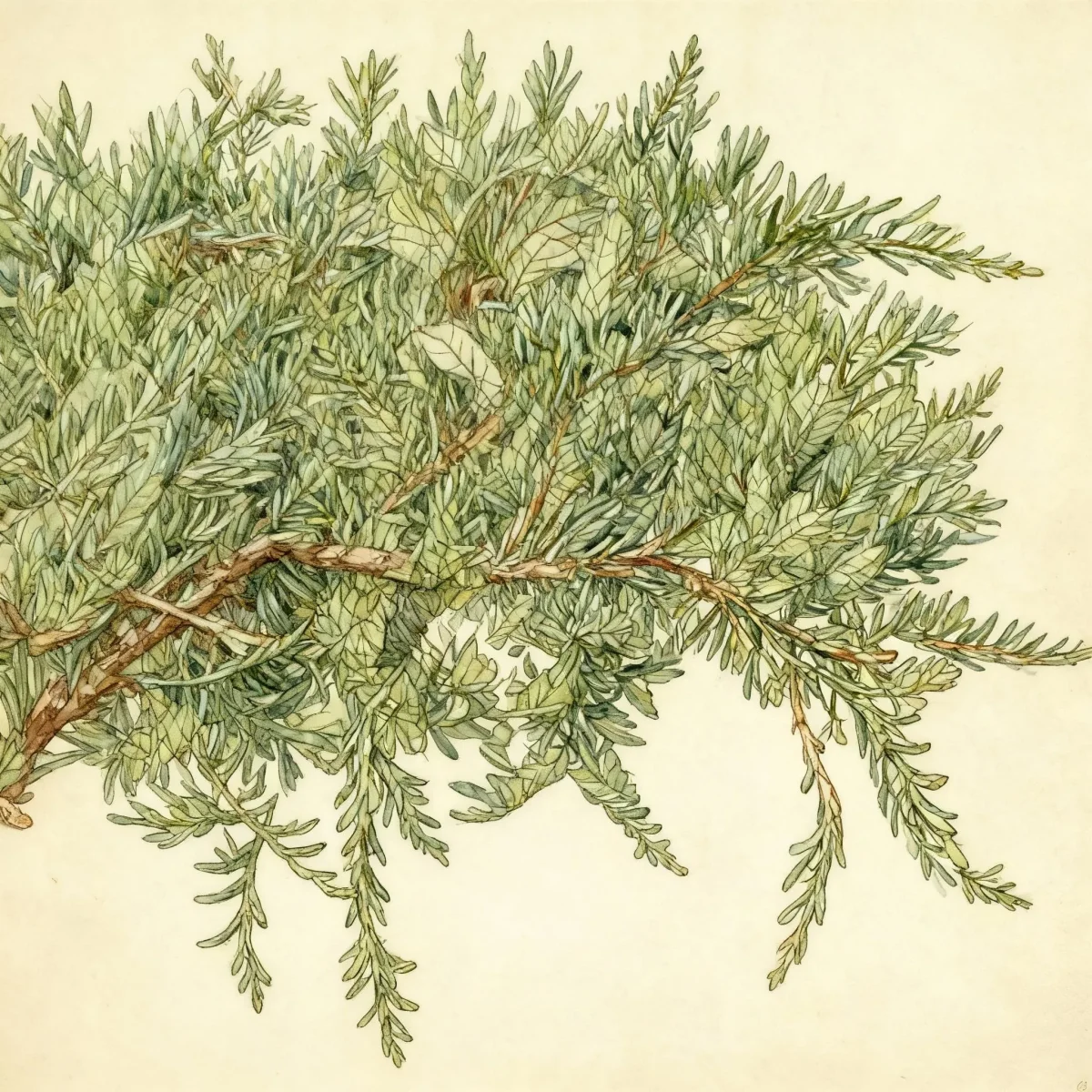
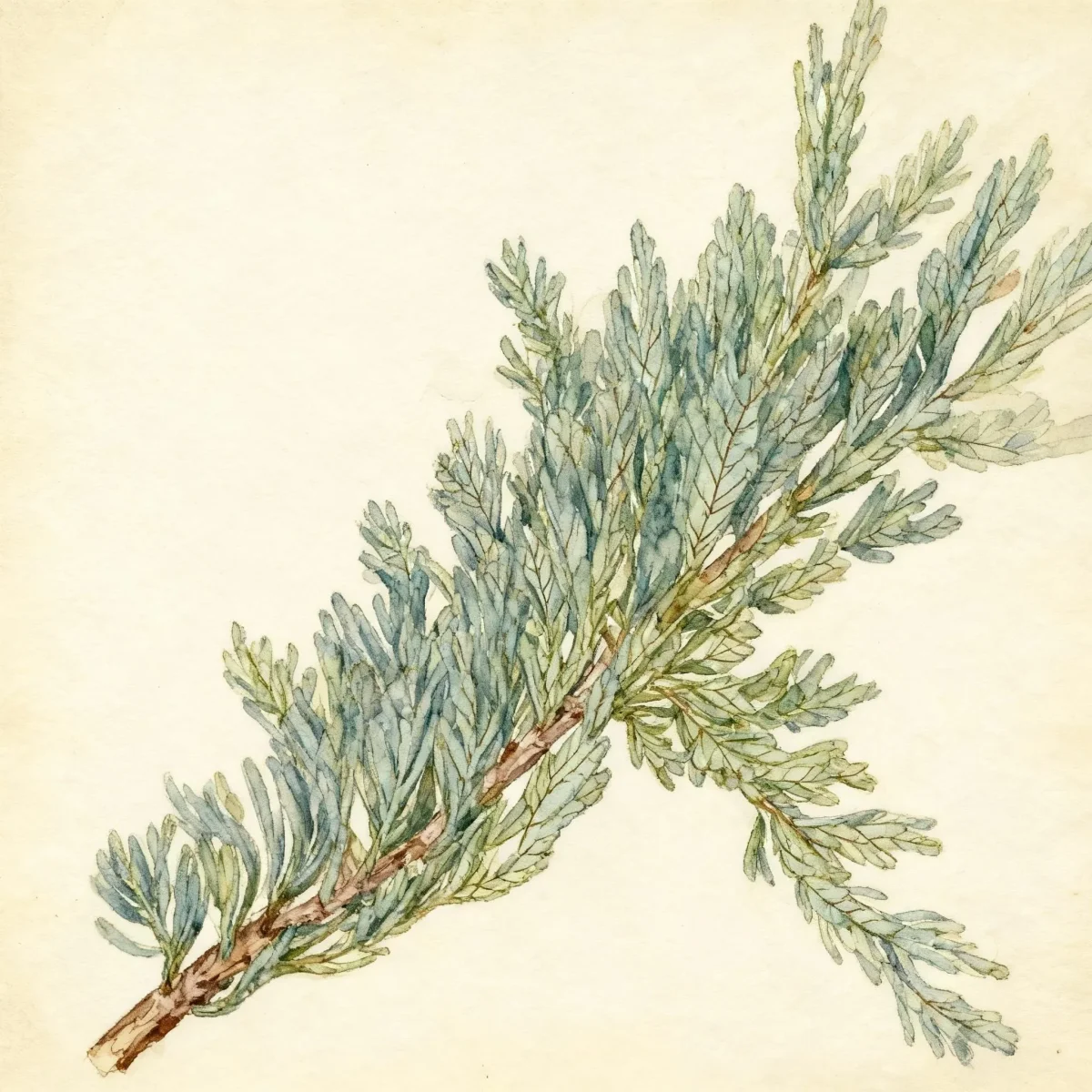
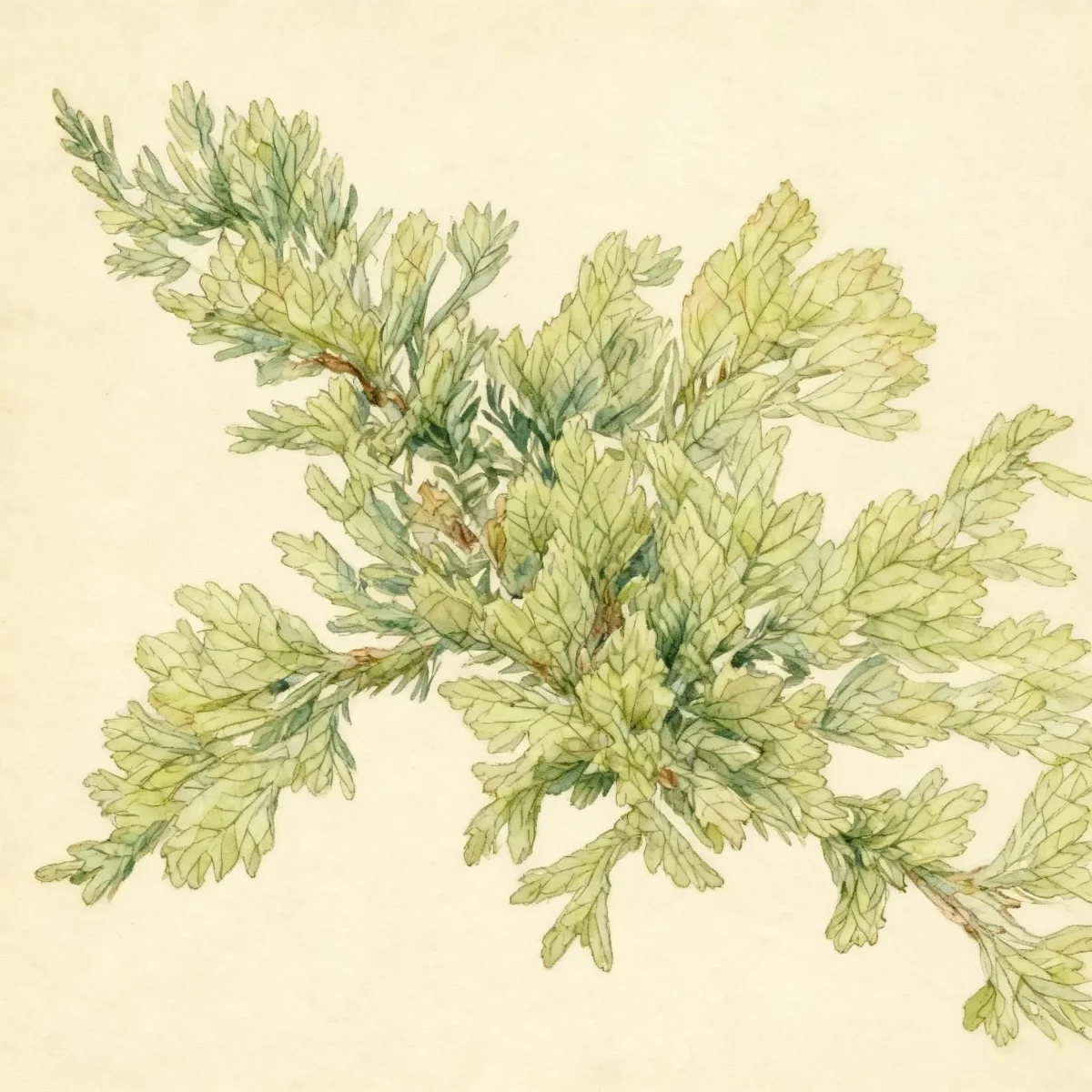
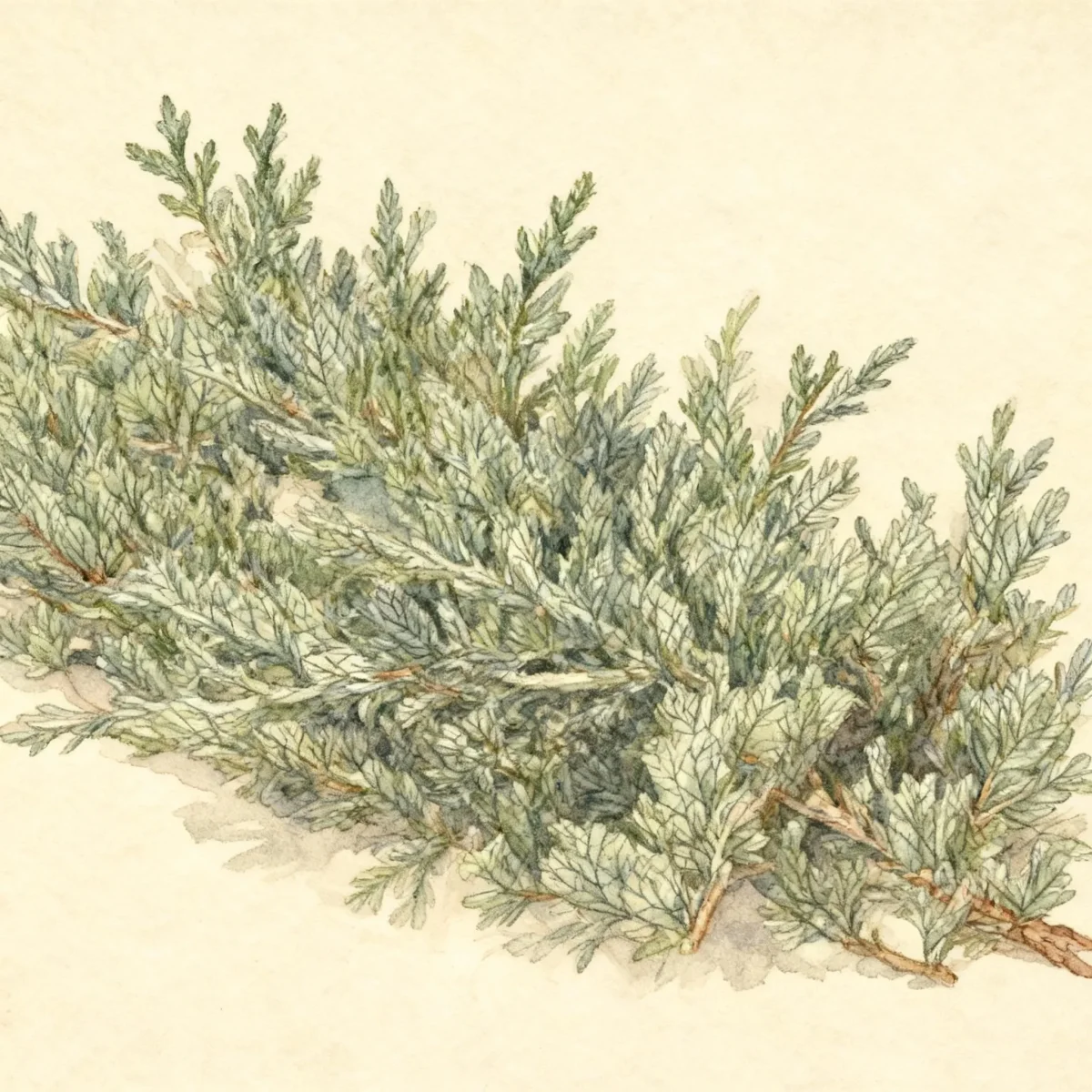
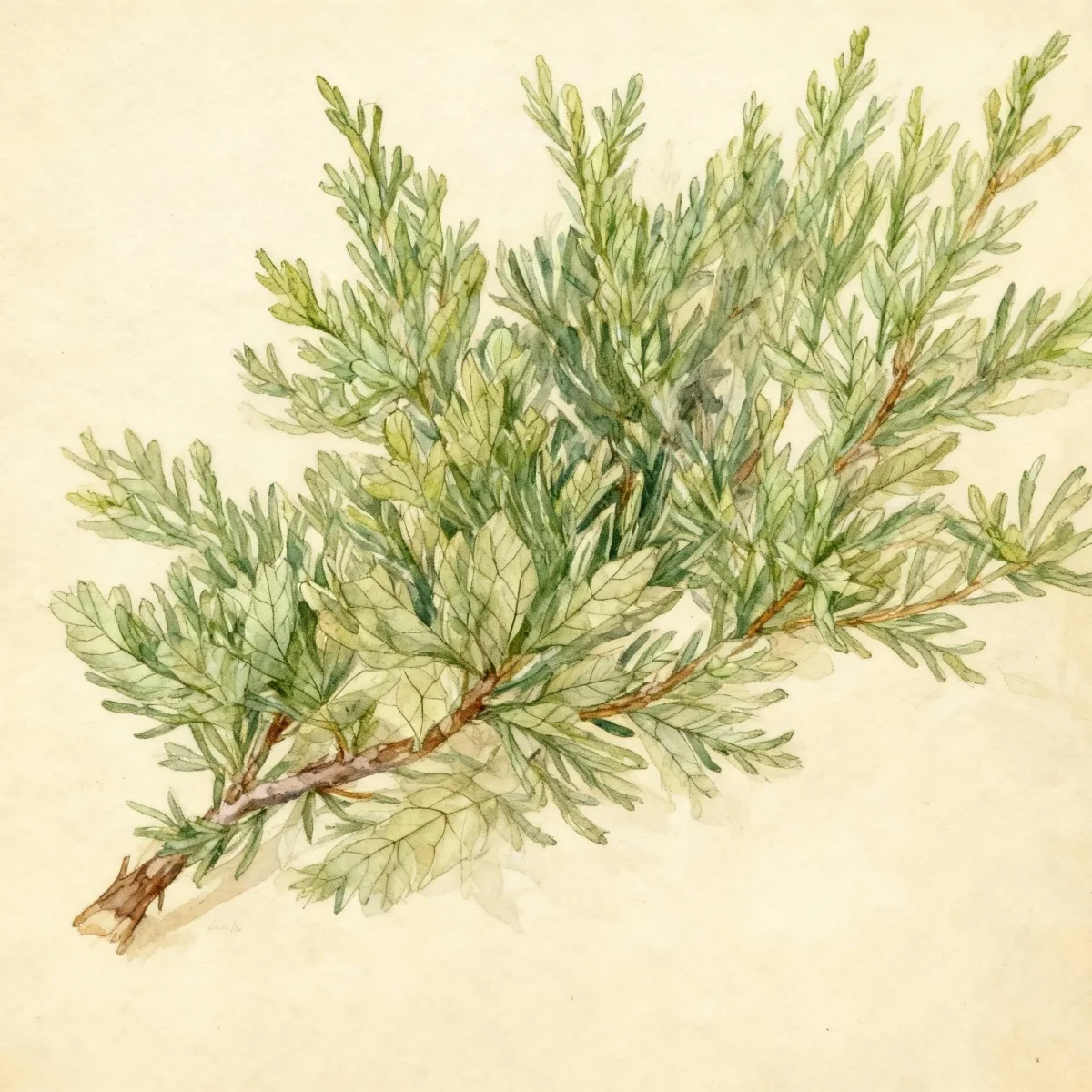
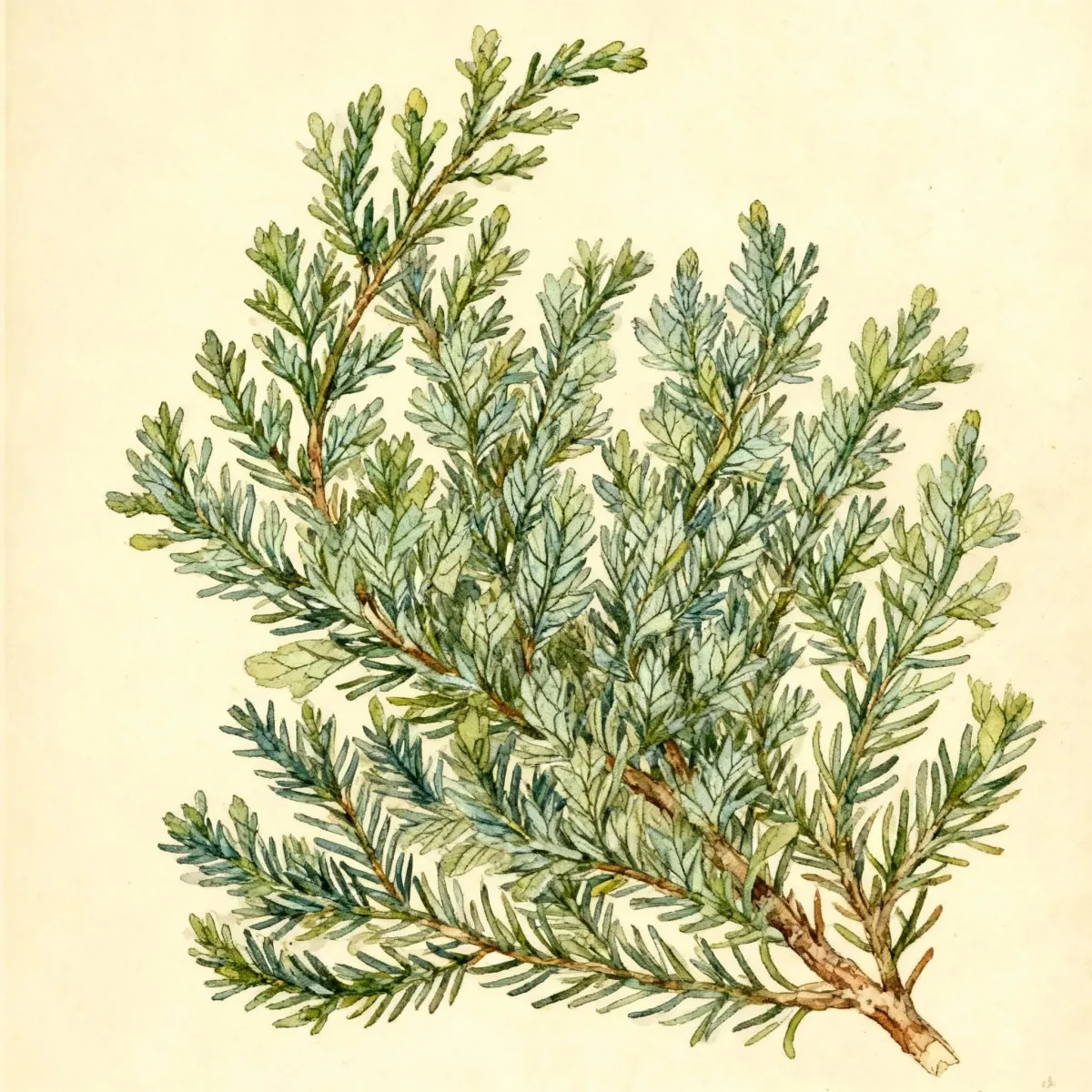
Creeping juniper (Juniperus horizontalis 'Plumosa')
Juniperus horizontalis 'Plumosa', or Creeping juniper, is a durable, spreading needled evergreen ideal for ground cover, handling drought and dry soils.
Scroll down to discover growing tips, care requirements, companion plants, and more
Complete Plant Information
Overview
Juniperus horizontalis ‘Plumosa’, widely known as Creeping juniper, offers exceptional value for gardeners seeking tough, year-round ground cover. This procumbent evergreen shrub forms a dense, wide mat using long, trailing branches, making it excellent for stabilizing difficult slopes and covering large expanses. Its primary appeal lies in its resilience and low-growing habit, providing excellent textural contrast throughout the year.
As a native of northern regions, the Creeping juniper thrives in challenging conditions, adapting well below 18 inches in height but often spreading 8 to 10 feet wide. The foliage typically presents as blue-green during the growing season, often transforming to attractive purple tones as winter sets in. This hardiness and dependable low profile make Juniperus horizontalis ‘Plumosa’ a versatile workhorse for structural landscaping.
Gardeners appreciate the low maintenance associated with this cultivar, provided it receives adequate sun exposure. It handles heat and surprisingly poor soil conditions better than many ornamental shrubs. Use the Creeping juniper where erosion control is necessary or where a fast-spreading, evergreen blanket is desired over rock gardens or retaining walls.
Fast Facts
- Plant Family: Cupressaceae
- Plant Type: Needled evergreen
- Hardiness Zones: USDA Zones 3-9
- Size at Maturity:
- Height: 1-2 ft
- Spread: 8-10 ft
- Bloom Time: Non-flowering
- Sun Exposure: Full sun
- Water Needs: Medium
- Maintenance Level: Low
How to Grow
Planting Juniperus horizontalis ‘Plumosa’ is best achieved in the spring or fall, allowing the extensive root system to establish before experiencing extreme heat or cold. While it tolerates a wide range of soils, this Creeping juniper strongly prefers average, medium-moisture conditions that are well-drained. Avoid heavy clay soils or areas prone to standing water, as this juniper is intolerant of wet soils and is highly susceptible to root rot in overly saturated sites.
Once established, the watering requirements for Creeping juniper become minimal due to its excellent drought tolerance. Focus initial watering efforts on keeping the soil consistently moist during the first growing season. Fertilizing is rarely necessary; this plant adapts to somewhat poor soils. If you must amend, do so sparingly, favoring lean conditions over rich inputs.
Maintenance for this variety is exceptionally low. Pruning is generally unnecessary unless you need to manage size or remove damaged material. In late winter or very early spring, check for centers that may have died back, which can occur on very mature plants, and prune out the dead woody material. Because it handles many city air pollutants well, it remains an excellent choice for urban landscapes requiring tough, robust greenery.
Landscape Uses
The primary function of the Creeping juniper is as a sprawling ground cover, spreading its branches to blanket the landscape effectively. It is superb for defining the edges of retaining walls or softening the transition between hardscape and planting beds. Mass plantings on slopes are highly recommended, utilizing its dense structure to combat erosion effectively under hot, dry conditions once established.
Consider the low profile of this needled evergreen when designing rock gardens or foundation plantings where taller shrubs would obscure architectural features. Because Juniperus horizontalis ‘Plumosa’ handles dry soil so well, consider pairing it with other drought-tolerant perennials and low-water shrubs like Sedum, Russian Sage, or certain types of ornamental grasses for a resilient, low-water design palette.
This species excels in problem areas where turf grass struggles to establish or maintain coverage. Its ability to spread horizontally creates a continuous carpet of blue-green foliage, providing excellent texture and coverage without needing frequent shearing or heavy input.
Standout Features
Noteworthy Characteristics
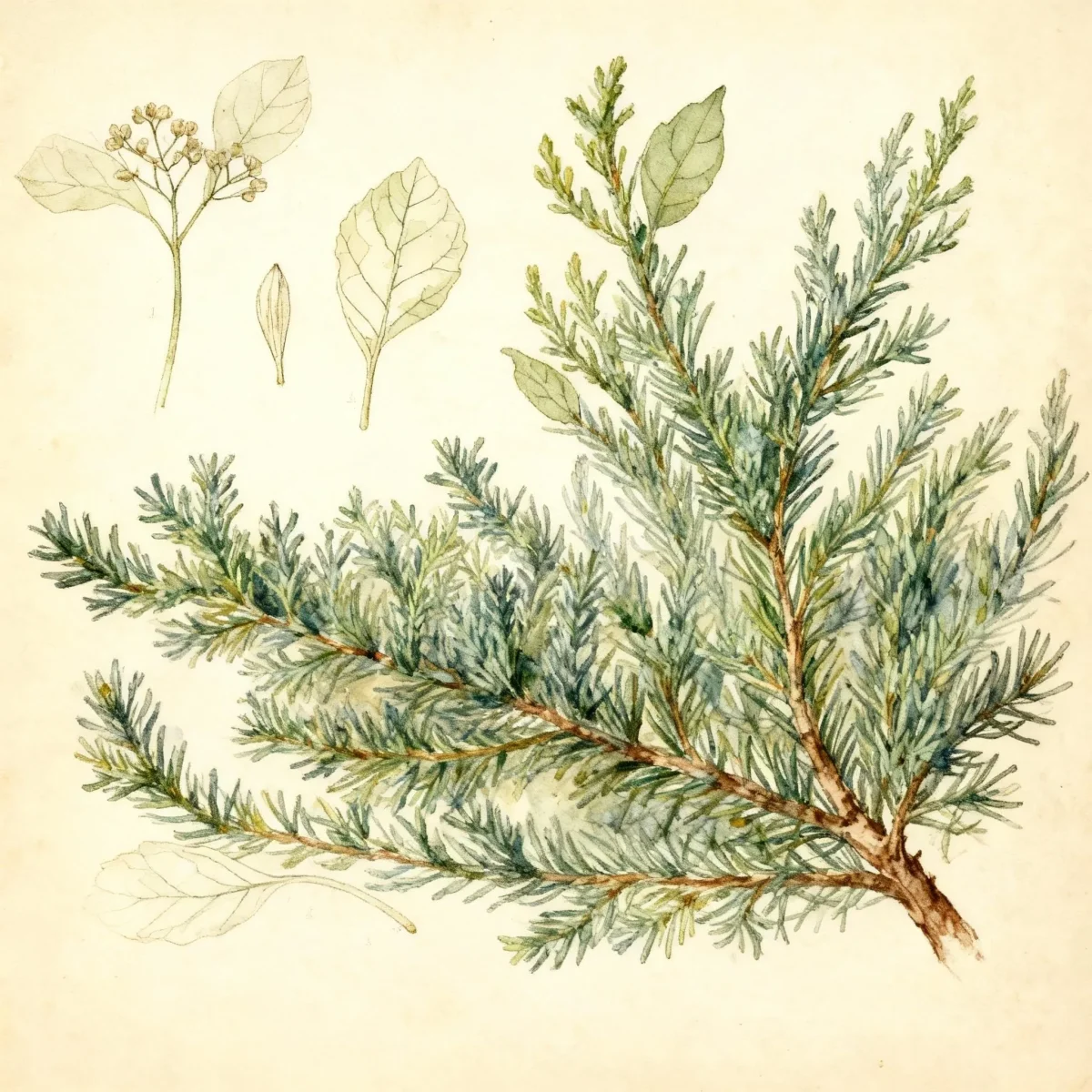
Juniperus horizontalis, commonly called creeping juniper, is a procumbent evergreen shrub that is native to Alaska, Canada and the northern U.S. From New England to New York to the Great Lakes, Wyoming and Montana. It forms a low groundcover that generally rises to 6-18” tall but spreads by long trailing branches to form an often-dense, 4-10’ wide mat. Foliage is typically green to blue-green, often acquiring purple tones in winter. The cultivar ‘Plumosa’ is generally compact, reaching up to 2’ tall and spreading to 10’ wide, featuring excellent blue-green foliage.
Tolerances
- Deer
- Drought
- Erosion
- Dry Soil
- Shallow-Rocky Soil
- Air Pollution
Potential Problems
While generally robust, be aware of a few potential issues with your Creeping juniper. Junipers are susceptible to various blights, which manifest as dieback on stem tips, often exacerbated by wet or unusually rainy springs. To mitigate this, ensure adequate air circulation and proper soil drainage.
Cedar-apple rust is another concern, as junipers serve as an alternate host in part of the fungus’s life cycle; managing nearby apple or hawthorn trees can help control this. Root rot remains a significant risk, especially in poorly drained, wet soils, emphasizing the need for sharp drainage during planting. Occasional insect pests, such as scale or spider mites, may appear, but typically do not cause major structural issues unless the overall plant health is compromised.
Frequently Asked Questions
What hardiness zones is Creeping juniper suitable for?
Juniperus horizontalis ‘Plumosa’ is reliably hardy across USDA Zones 3 through 9, offering wide regional adaptability.
How large does Juniperus horizontalis ‘Plumosa’ grow?
This cultivar generally matures to a height between 1 and 2 feet tall, but it spreads significantly, covering an area between 8 and 10 feet wide.
What sun exposure does Juniperus horizontalis ‘Plumosa’ need?
For best performance, this Creeping juniper requires full sun exposure daily.
When does Creeping juniper bloom?
This plant is categorized as non-flowering, producing fleshy seed cones instead of traditional flowers.
Conclusion
The Juniperus horizontalis ‘Plumosa’ is an indispensable, low-maintenance foundation for durable landscapes, celebrated for its evergreen coverage and remarkable tolerance for dry, poor soils. This Creeping juniper’s spreading habit delivers excellent erosion control and textural interest, gaining winter color as a bonus. Before planting, confirm your site receives full sun and ensures the soil drains exceptionally well to maximize the longevity of this versatile shrub.
Companion Planting
When selecting companions for Juniperus horizontalis ‘Plumosa’, focus on plants that share its love for drought tolerance and full sun conditions. Consider using ornamental grasses such as Festuca glauca (Blue Fescue) beside the spreading juniper to contrast its texture with fine, upright blades. In rock gardens, pairing the low-spreading habit with vibrant, low-growing succulents or the silvery foliage of Artemisia creates a visually interesting, water-wise display. These companions will thrive alongside the Creeping juniper without competing aggressively for moisture in lean soils.
Design Ideas for Slopes and Banks
The ultimate utility of the Creeping juniper lies in its unparalleled ability to stabilize difficult, sunny slopes. Planting in mass across a bank creates an immediate, continuous root network that binds the soil, preventing runoff and erosion. For larger banks, stagger the planting in triangular drifts rather than strict rows, which allows the individual plants to naturally fill in the space as they mature, creating a more organic tapestry effect. Ensure there is enough room for the 8 to 10-foot spread of each plant to eventually touch its neighbor for complete coverage.