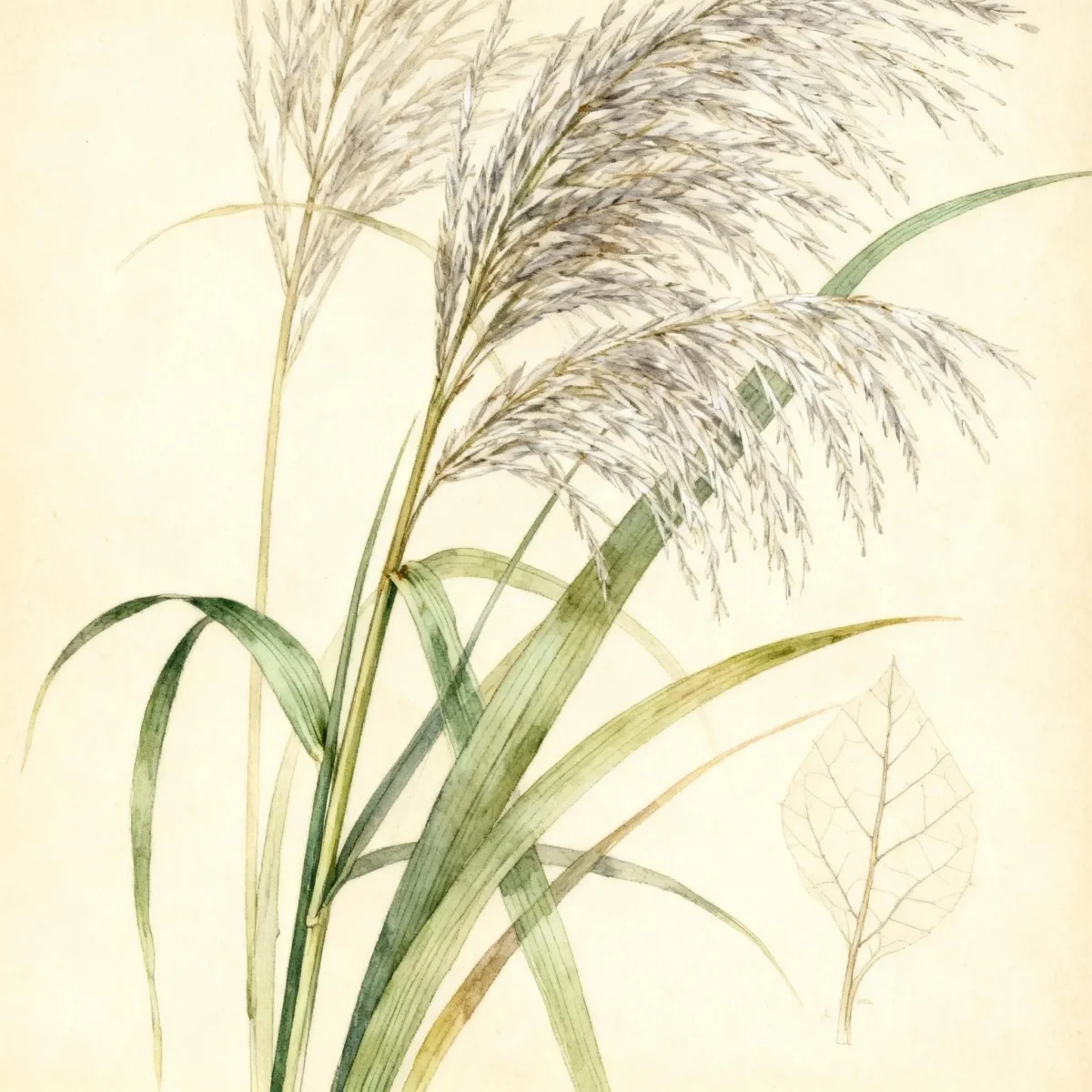
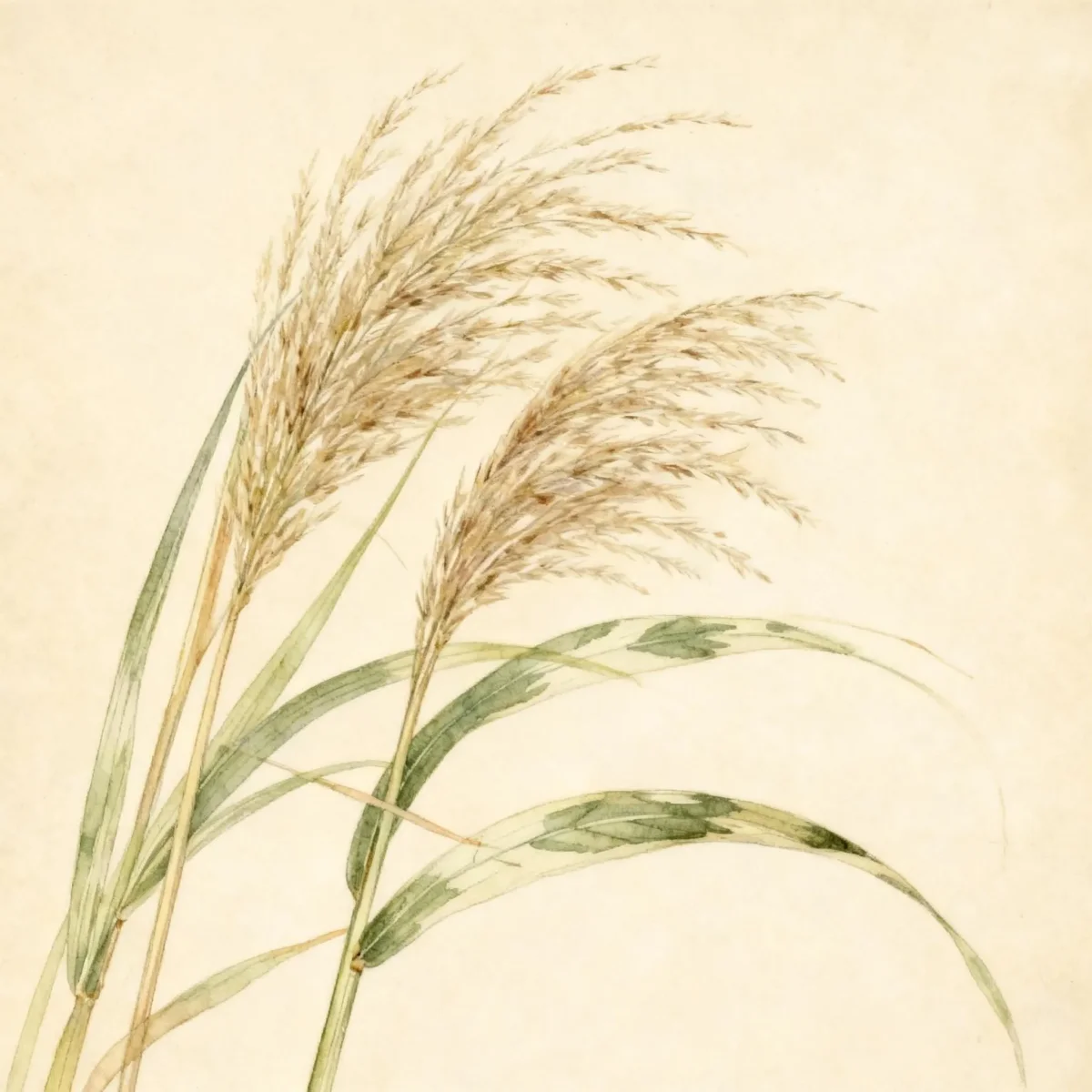
Eulalia (Miscanthus sinensis 'Nippon')
Miscanthus sinensis 'Nippon', a compact Eulalia grass, offers narrow, upright foliage and striking red blooms, ideal for low-maintenance landscapes.
Scroll down to discover growing tips, care requirements, companion plants, and more
Complete Plant Information
Overview
Miscanthus sinensis ‘Nippon’, frequently known as Eulalia, is a highly valued compact cultivar of Chinese silver grass, providing year-round structure in the garden. This cultivar is notable for its narrow, upright habit, allowing it to fit into spaces where larger ornamental grasses might overwhelm. Gardeners appreciate the reliable color transition, as the green blades turn attractive reddish-brown shades in the fall.
This warm-season, clump-forming grass showcases minimal maintenance needs once established, fitting seamlessly into low-input designs. The foliage and late-blooming flower plumes of Miscanthus sinensis ‘Nippon’ offer significant winter interest, especially when dusted with snow. Its adaptability makes it a strong choice for diverse planting scenarios across its hardiness range.
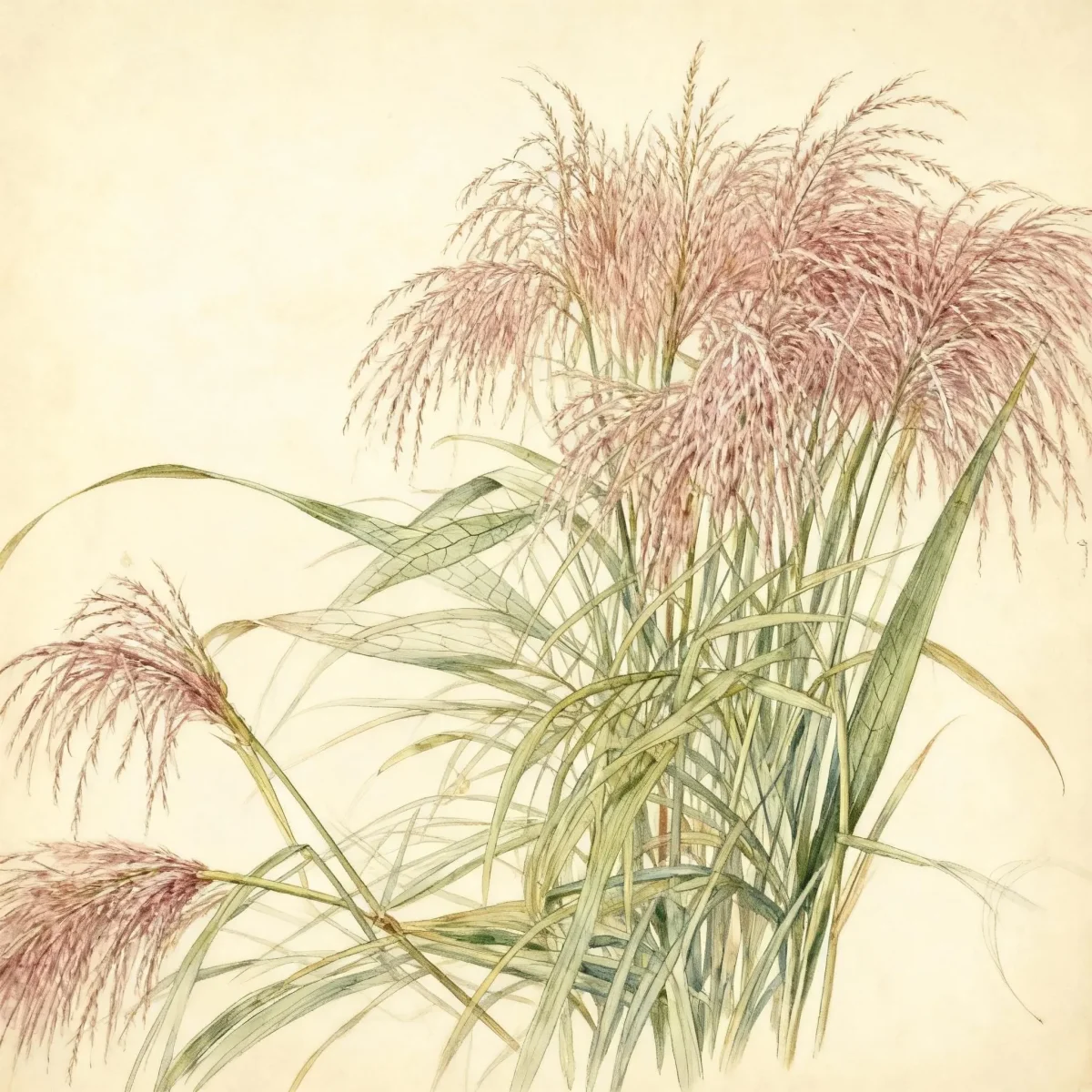
The initial blooms of this Eulalia grass start pinkish-red and mature into creamy plumes, providing a long display from summer well into winter. For gardeners seeking architectural texture without demanding constant attention, Miscanthus sinensis ‘Nippon’ remains an excellent, reliable selection.
Fast Facts
- Plant Family: Poaceae
- Plant Type: Ornamental grass
- Hardiness Zones: USDA Zones 5-9
- Size at Maturity:
- Height: 3-4 ft
- Spread: 2.5-3 ft
- Bloom Time: June to February
- Bloom Description: Red
- Sun Exposure: Full sun to part shade
- Water Needs: Medium
- Maintenance Level: Low
How to Grow
Plant Miscanthus sinensis ‘Nippon’ during the spring after the danger of frost has passed, which allows the plant time to establish a robust root system before winter. This Eulalia is quite adaptable, growing well in average, medium moisture, well-drained soils. While it tolerates everything from sandy soils to heavy clays common in many regions, it performs best when consistently moist, though it handles drought well once established. It thrives best in full sun, though it tolerates part shade; however, excessive shade will result in reduced vigor and a tendency for the clump to flop.
Watering should remain consistent, ensuring the soil does not fully dry out during the establishment phase. After the first season, the medium water needs of this grass are met easily by natural rainfall in many climates. Fertilization is generally unnecessary for this tough grass. Monitor for any signs of clumping too tightly; while Miscanthus sinensis ‘Nippon’ expands slowly by rhizomes, division of the crown can be performed in early spring if necessary.
For winter interest, leave the foliage standing throughout the cold months; this straw-colored structure provides important crown protection. Pruning should be drastic: cut the entire clump back close to the ground in late winter, just as new green shoots begin to emerge. Be aware that this grass may reseed, so applying mulch around the base can help suppress any unwanted seedlings, especially in milder parts of its range.
Landscape Uses
Miscanthus sinensis ‘Nippon’ is incredibly versatile, functioning effectively as a vertical accent or a stately specimen plant where its upright habit can be fully appreciated. Its relatively compact size—reaching only 3 to 4 feet—makes it suitable for defining the middle of a border or mass planting where hedges or screens are too imposing. The contrasting texture provided by the narrow blades works beautifully against broad-leaved perennials.
This Eulalia is a stellar choice for borders, providing architectural structure that remains interesting even after flowering ceases. It integrates well into cottage gardens for height or can be used in naturalized areas to create flowing drifts of texture. Furthermore, the durable flower plumes of Miscanthus sinensis ‘Nippon’ are long-lasting, making them ideal for use in dried flower arrangements, adding functionality beyond the garden display.
Standout Features
Flower Qualities
- Showy
- Good Cut
- Good Dried
Noteworthy Characteristics
Miscanthus sinensis, known as eulalia grass, develops a rounded, fountain-like shape from its dense clump of upward-arching stems. The foliage of this species provides excellent fall color before aging to beige for winter. The compact ‘Nippon’ cultivar maintains a narrow, upright form, featuring green blades that turn reddish-brown, topped by pinkish flowers maturing to reddish-brown tassels that eventually become creamy white winter plumes.
Tolerances
- Drought
- Erosion
- Dry Soil
- Black Walnut
- Air Pollution
Potential Problems
This ornamental grass generally enjoys a low incidence of pest and disease issues. However, gardeners in certain regions should be mindful of specific threats. Miscanthus blight, a fungal disease, targets the blades and sheaths, while the miscanthus mealybug can hide inside the stems, leading to stunted growth that is challenging to treat. Leaf rust is another potential minor issue.
If invasive spread is a concern, particularly in warmer climates, yearly management is vital. The tendency for Miscanthus sinensis ‘Nippon’ to reseed can lead to unwanted colonization in disturbed areas. Applying a heavy layer of mulch immediately following the cleanup of old foliage in late winter helps physically block seeds from reaching the soil and germinating.
Frequently Asked Questions
What hardiness zones is Eulalia suitable for?
Miscanthus sinensis ‘Nippon’ is reliably suited for USDA Hardiness Zones 5 through 9.
How large does Miscanthus sinensis ‘Nippon’ grow?
This compact cultivar typically reaches a mature height between 3 and 4 feet, with a spread of 2.5 to 3 feet.
What sun exposure does Eulalia need?
For the best performance, including compact habit and abundant flowering, Miscanthus sinensis ‘Nippon’ requires full sun to part shade conditions.
When does Miscanthus sinensis ‘Nippon’ bloom?
This Eulalia grass exhibits its bloom period spanning from June all the way through February, presenting decorative red coloring.
Conclusion
The Miscanthus sinensis ‘Nippon’ Eulalia offers gardeners a manageable, beautiful vertical element that requires low overall maintenance throughout the year. Its compact structure, combined with reliable seasonal color changes and persistent plumes, ensures strong visual impact from summer until spring thaw. Before incorporating this grass, ensure your site falls within USDA Zones 5-9 and that you plan for a late winter pruning session.
Propagation Tips
Dividing the crown is the standard method for propagating established clumps of Miscanthus sinensis ‘Nippon’. This operation should be performed in early spring just before the new growth candles begin to push up from the soil line. Use a sharp, sturdy spade or garden fork to carefully lift the clump. Once lifted, use the spade or loppers to separate a viable section containing several healthy buds and roots.
Ensure that each division is replanted promptly into prepared soil at the same depth it was previously growing. Keep the newly planted sections consistently moist during the first few weeks to reduce transplant shock and encourage rapid establishment. This timing takes advantage of the long growing season ahead for Miscanthus sinensis ‘Nippon’ to anchor itself before winter arrival.
Companion Planting
Because this Eulalia grass appreciates well-drained soil and tolerates dry conditions once established, partner it with other sun-loving perennials that share similar water requirements. Consider pairing it with drought-tolerant coneflowers (Echinacea) or stately Russian Sage (Perovskia atriplicifolia) which complement its vertical form with contrasting flower shapes. For an excellent textural juxtaposition in a mixed border, place Miscanthus sinensis ‘Nippon’ near plants with broad, matte foliage like Hostas (in partial shade locations) or Sedum, which provide a soft visual base for the grass’s fine texture.