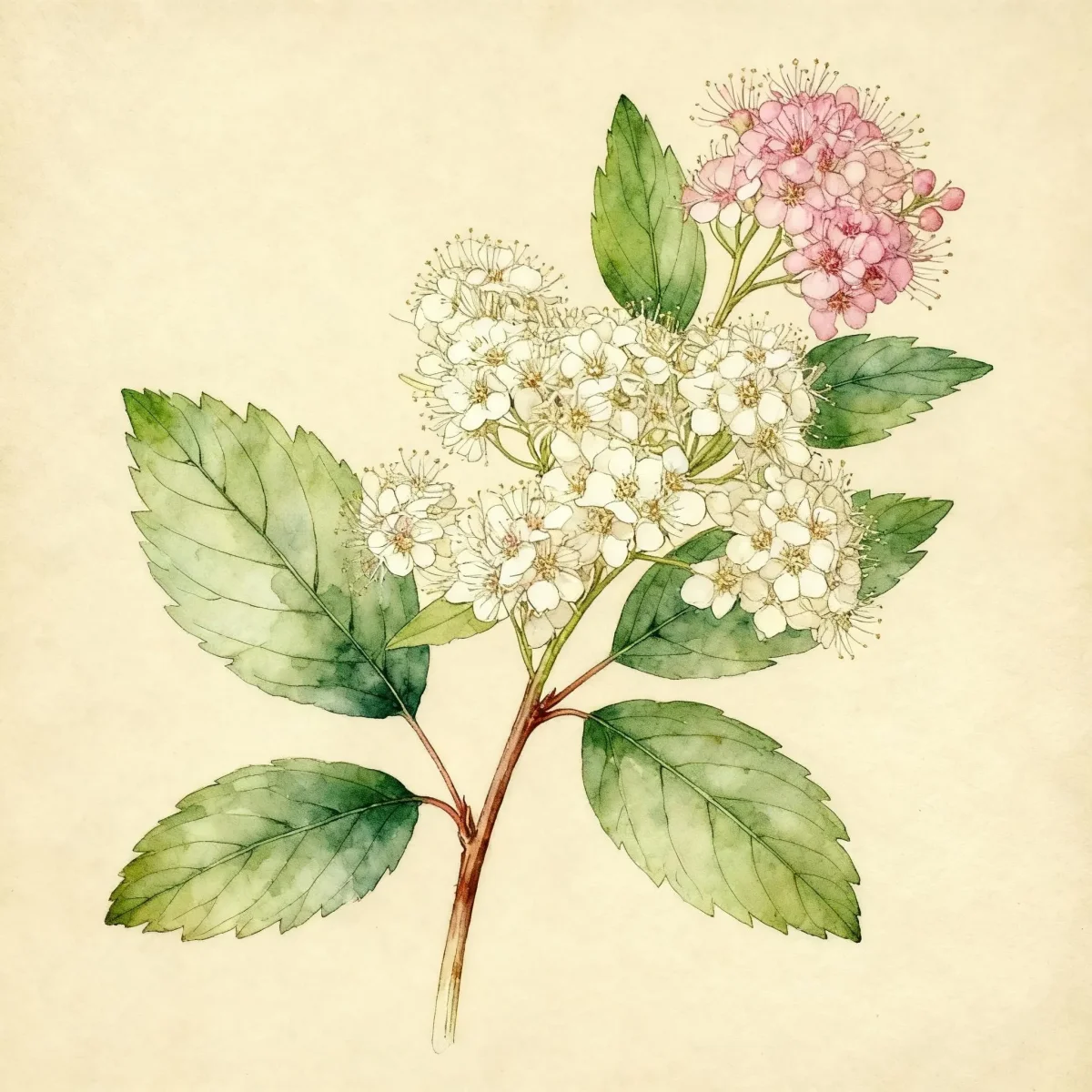
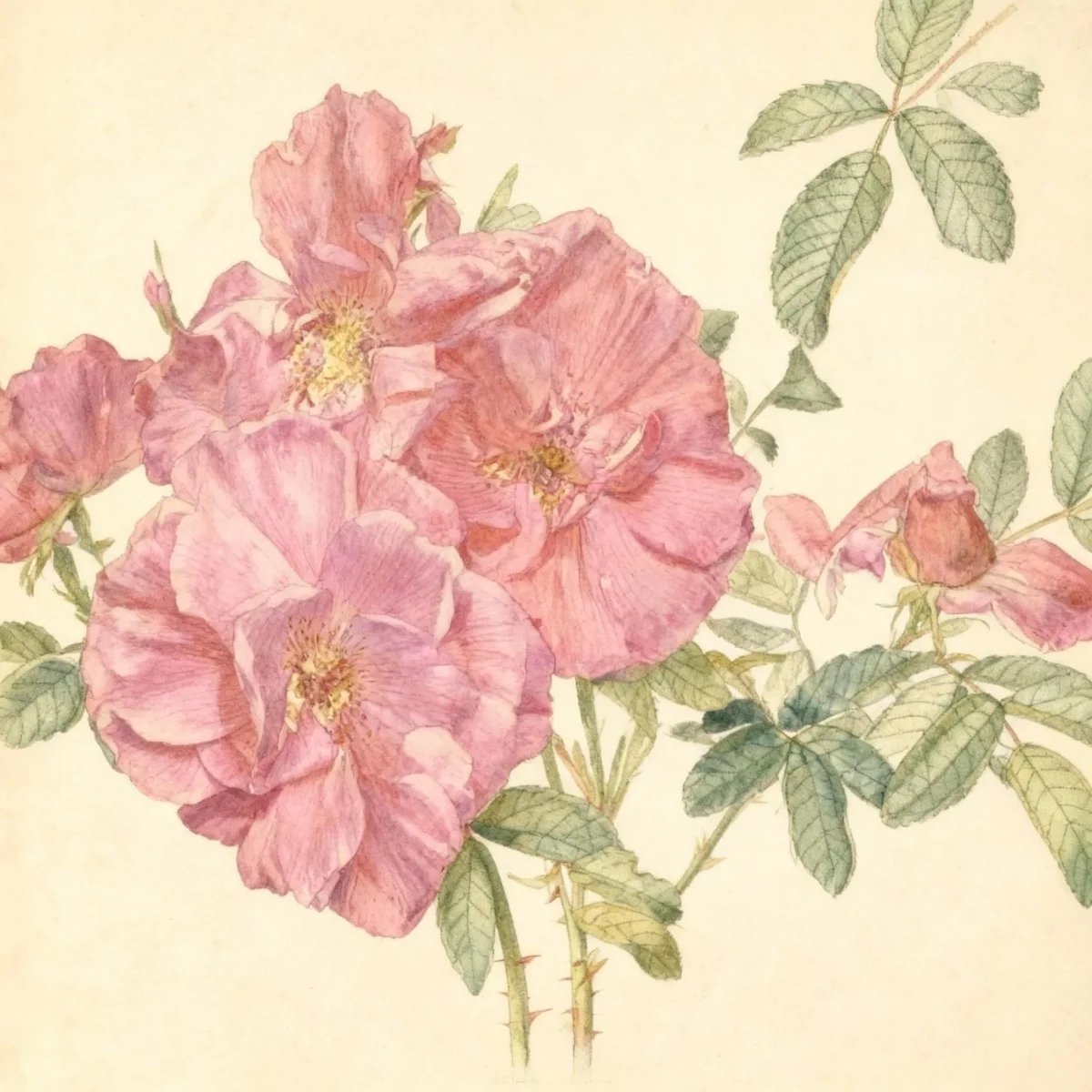
Purple-leaf sand cherry (Prunus × cistena)
Prunus × cistena, the Purple-leaf sand cherry, is a tough, low-maintenance deciduous shrub noted for its striking reddish-purple summer foliage and fragrant spring flowers.
Scroll down to discover growing tips, care requirements, companion plants, and more
Complete Plant Information
Overview
The Purple-leaf sand cherry, scientifically known as Prunus × cistena, is a highly valued hybrid shrub recognized primarily for its outstanding ornamental foliage. Its reddish-purple leaves provide consistent color throughout the summer growing season, offering a dramatic contrast in the landscape. This tough plant handles challenging conditions well, making it a reliable choice for many garden settings.
As an upright deciduous shrub, Prunus × cistena offers seasonal interest beyond its leaves, beginning with fragrant white flowers in the spring. It is hardy and adaptable, thriving in full sun where its rich leaf color is most pronounced. Gardeners appreciate the Prunus × cistena for its generally low maintenance needs once established.
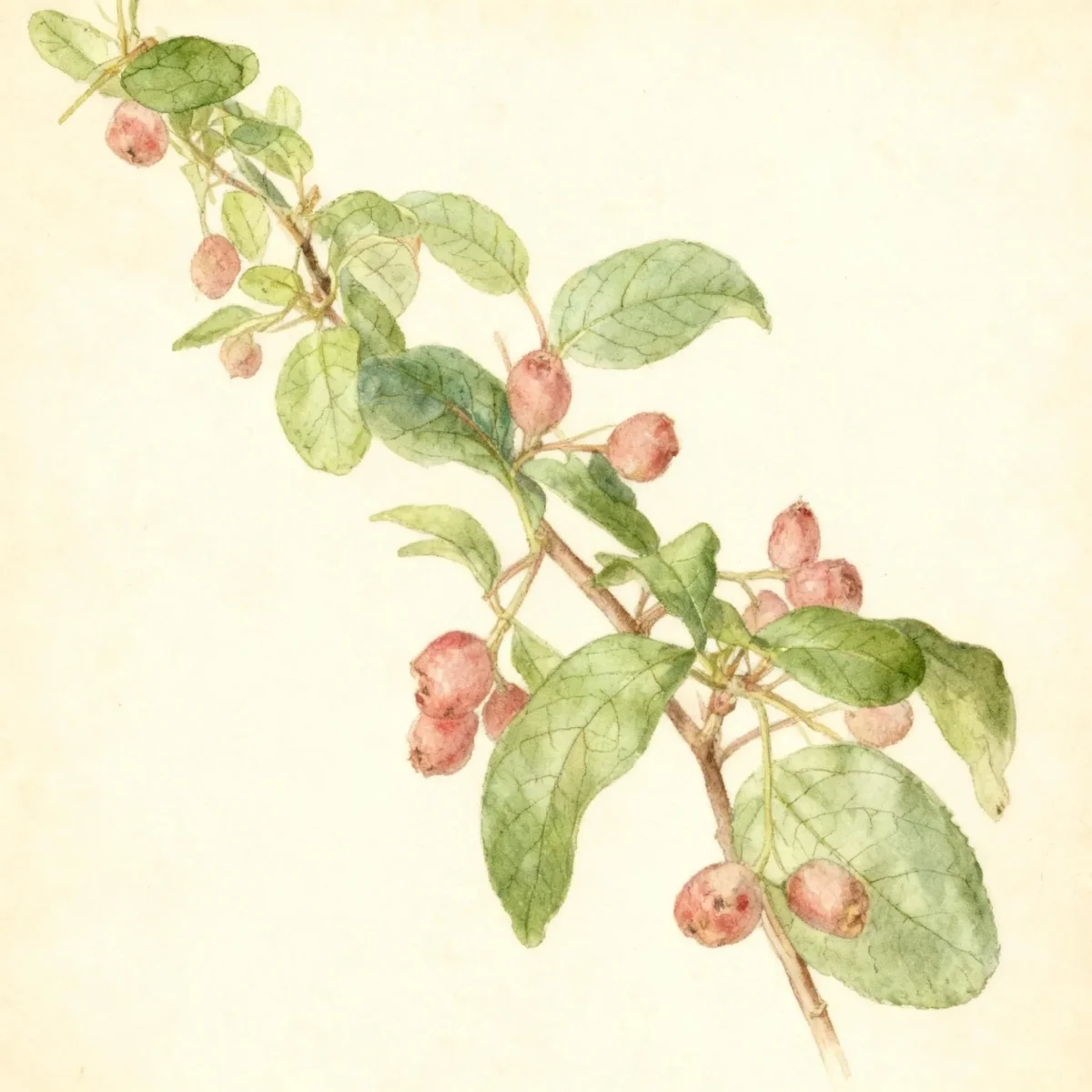
This attractive specimen can be trained as a small tree or maintained as a dense shrub, offering versatility whether used as an accent or incorporated into a larger screen. Bird watchers will note the small dark fruits that mature in mid-summer, though fruiting is often sparse.
Fast Facts
- Plant Family: Rosaceae
- Plant Type: Deciduous shrub
- Native Range: Garden origin
- Hardiness Zones: USDA Zones 2-8
- Size at Maturity:
- Height: 6-10 ft
- Spread: 5-8 ft
- Bloom Time: April
- Bloom Description: White
- Sun Exposure: Full sun
- Water Needs: Medium
- Maintenance Level: Low
How to Grow
The Prunus × cistena performs best when planted in moist, organically rich, and well-drained soils. While it tolerates part shade, achieving the best flowering performance and the deepest leaf color requires locating it in a spot that receives full sun for most of the day. Good drainage is crucial to avoid root issues in this species.
Once established, this purple-leaf sand cherry requires medium water input, especially during dry periods. Fertilizing is rarely necessary if the soil quality is adequate. Pruning should be executed selectively, addressing any necessary shaping or removal of dead wood only after the plant has finished flowering in spring.
This cultivar demonstrates tolerance to urban growing conditions, making it suitable for challenging locations. For reproduction, propagation is typically successful through rooted stem cuttings taken at the appropriate time of year. Always inspect plant stock for signs of pests or disease before placement.
Landscape Uses
The dramatic reddish-purple foliage of the Prunus × cistena makes it an excellent candidate for accent planting or as a specimen shrub where year-round interest is desired. Its upright, approachable size (6-10 ft tall) allows it to function effectively in borders or as a foundation planting near entrances. When planted in succession, these shrubs create dense, colorful screens.
Consider employing the purple-leaf sand cherry near structures painted in lighter colors to amplify the contrast of its dark leaves. While it is quite flexible, always ensure it receives enough sunlight to maintain optimal leaf saturation. It pairs well visually with fine-textured, green or chartreuse foliage that helps set off the rich, dark tones of the Prunus × cistena.
It can be successfully trained into a small tree form, elevating its visual impact above eye level, perfect for framing views or highlighting entryways. Its structure is pleasing even when dormant, though the summer foliage remains its defining feature.
Standout Features
Flower Qualities
- Showy
- Fragrant
Fruit Qualities
- Showy
Noteworthy Characteristics
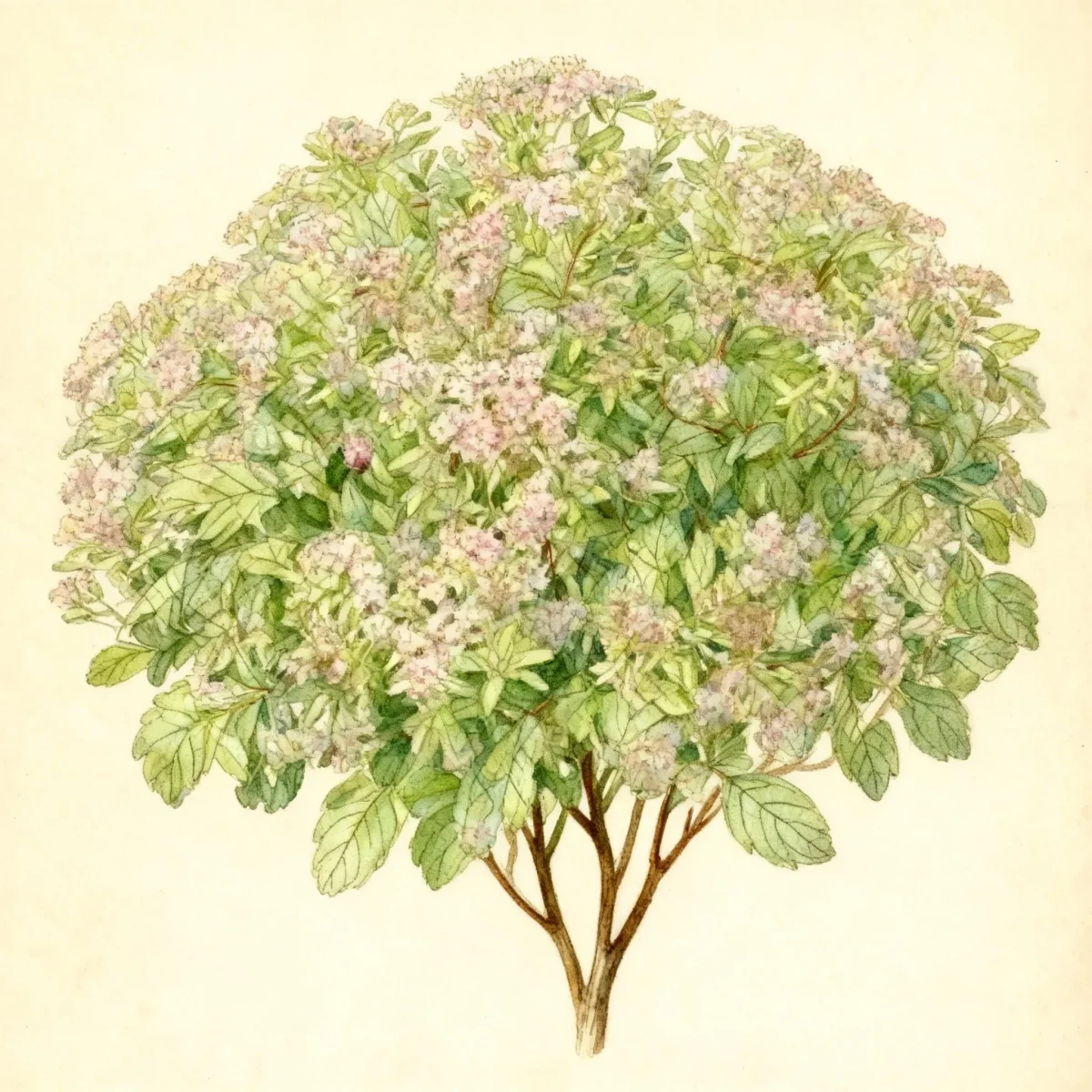
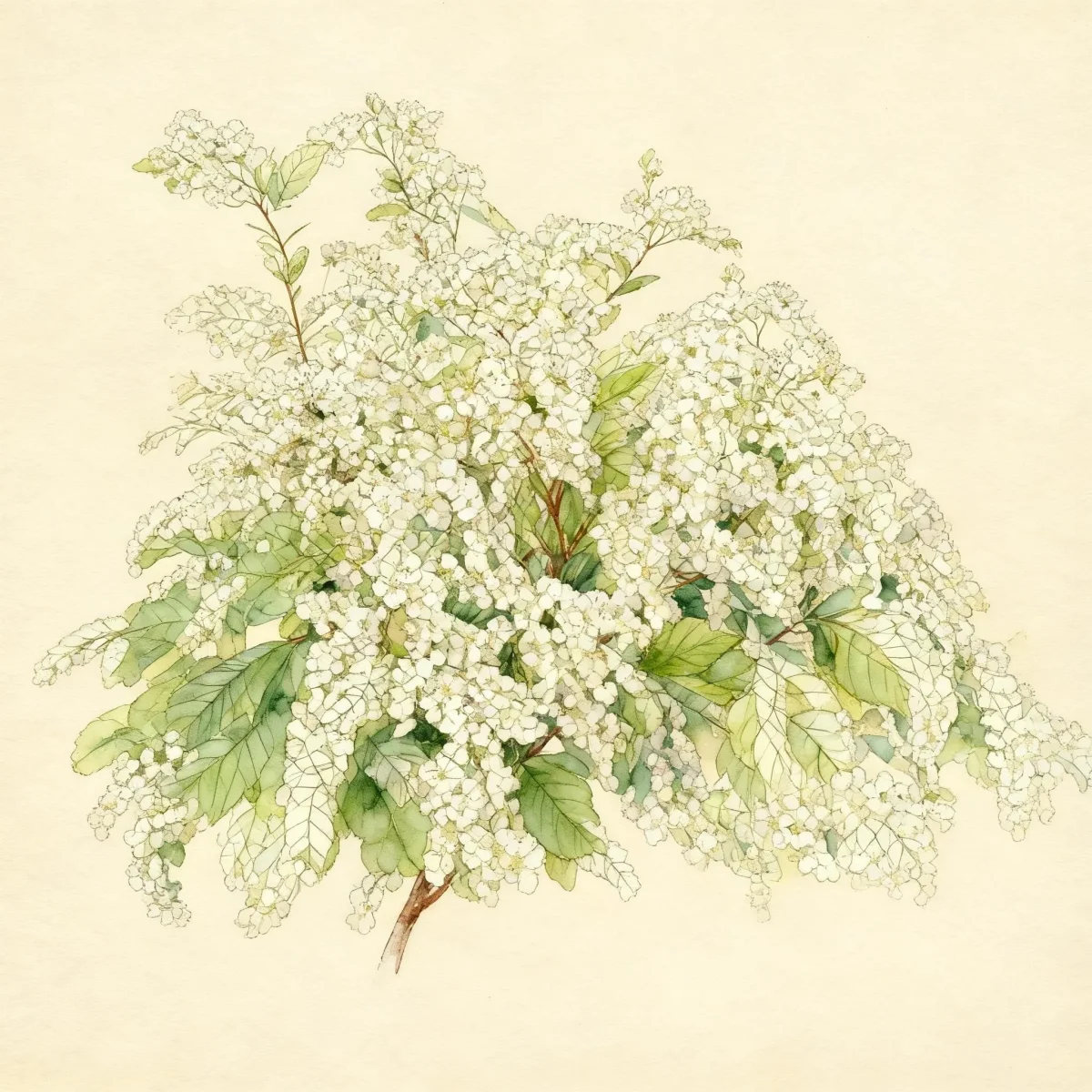
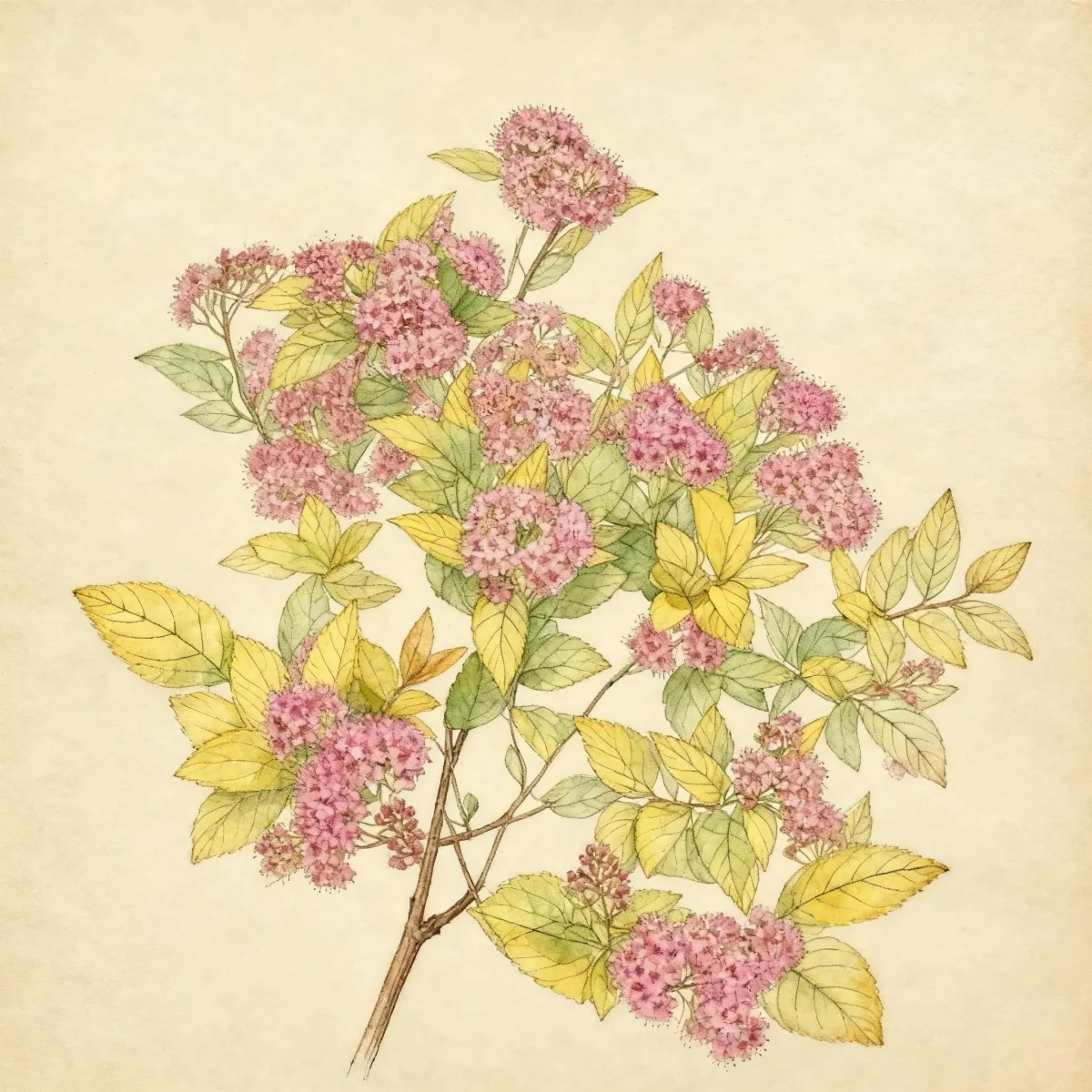
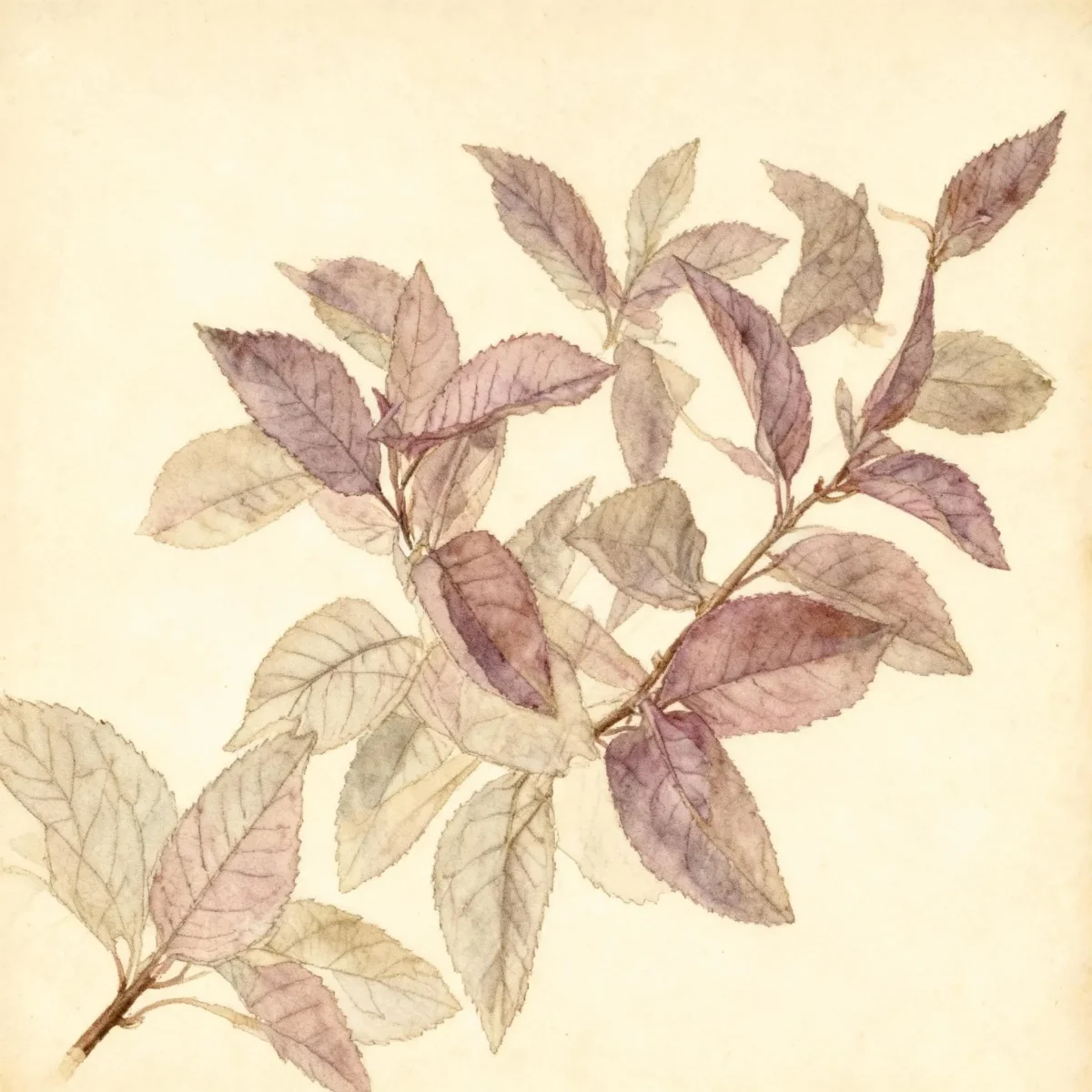
Prunus × cistena, commonly called purple-leaf sand cherry, is an upright deciduous shrub that typically grows 6-10’ tall and 5-8’ wide, and may also be trained as a small tree. It is most noted for its reddish purple foliage that retains good color throughout the summer from its hybrid origins (P. Pumila × P. Cerasifera ‘Atropurpurea’). The distinctive, attractive feature is its ovate-elliptical leaves with serrate margins that display a deep reddish purple hue. During April, fragrant, solitary white flowers tinged with pink bloom just as the foliage emerges.
Tolerances
There are no specified tolerances listed for this entry beyond the cultural notes provided elsewhere.
Potential Problems
The Purple-leaf sand cherry is unfortunately susceptible to a significant number of potential insect and disease pests, which can often result in a shortened life span of less than 10 years. Management should focus on preventative care and immediate response to infestations or infections.
Vascular issues like trunk cankers and borers pose serious threats to the structural integrity of Prunus × cistena. Foliage can sustain significant damage from Japanese beetles during their active feeding season. Other common insect pests include aphids, scale, leafhoppers, and various caterpillars.
Disease management involves watching for leaf spot, leaf curl, powdery mildew, and the potentially fatal fireblight. Root rot and honey fungus are hazards if soil drainage is poor. Vigilant inspection and appropriate fungicide or insecticide application are key to maximizing the lifespan of your Prunus × cistena.
Frequently Asked Questions
What hardiness zones is Purple-leaf sand cherry suitable for?
The Prunus × cistena is exceptionally hardy, suitable for USDA Zones 2 through 8.
How large does Purple-leaf sand cherry grow?
This species typically matures to a height between 6 and 10 feet, with a spread ranging from 5 to 8 feet wide.
What sun exposure does Prunus × cistena need?
For optimal performance, Prunus × cistena requires full sun exposure, although it can tolerate some filtered light.
When does Prunus × cistena bloom?
The attractive bloom time is in April, producing solitary, fragrant white flowers.
Conclusion
The Prunus × cistena, or Purple-leaf sand cherry, offers exceptional value to the landscape through its dependable, deep purple summer foliage and early spring fragrance. Its low maintenance needs and high hardiness make it a workhorse shrub for cold climates. Before planting, ensure your site offers full sun and excellent soil drainage to best support this tough and attractive plant.
Companion Planting
When selecting neighbors for your Prunus × cistena, focus on plants that appreciate similar sun and soil profiles, or those that offer textural or color contrast. Chartreuse or silver-leafed perennials planted beneath help highlight the deep plum color of the shrub’s foliage. Consider using low-growing Hostas or Lamb’s Ears (Stachys byzantina) in the partial shade cast by the shrub’s lower canopy, provided the soil remains well-drained.
Since the Purple-leaf sand cherry is an early bloomer, pairing it with later-flowering shrubs or perennials ensures continuous seasonal interest throughout the garden. Plants that do not require excessive moisture are best, aligning with the medium water needs of this cherry hybrid. Avoid placing moisture-sensitive plants immediately adjacent to the root zone.
Wildlife Benefits
Beyond its aesthetic appeal, the Prunus × cistena offers benefits to local wildlife. The small, blackish-purple fruits, though sometimes meagerly produced, serve as a food source for various bird species once they reach maturity in July. Furthermore, the early spring flowers are fragrant and attractive to early-season pollinators seeking nectar.
While it may not be a primary pollinator source compared to native species, any early-blooming flowering shrub is vital as the growing season begins. Maximizing fruit production relies on adequate sun exposure and healthy overall plant vigor.