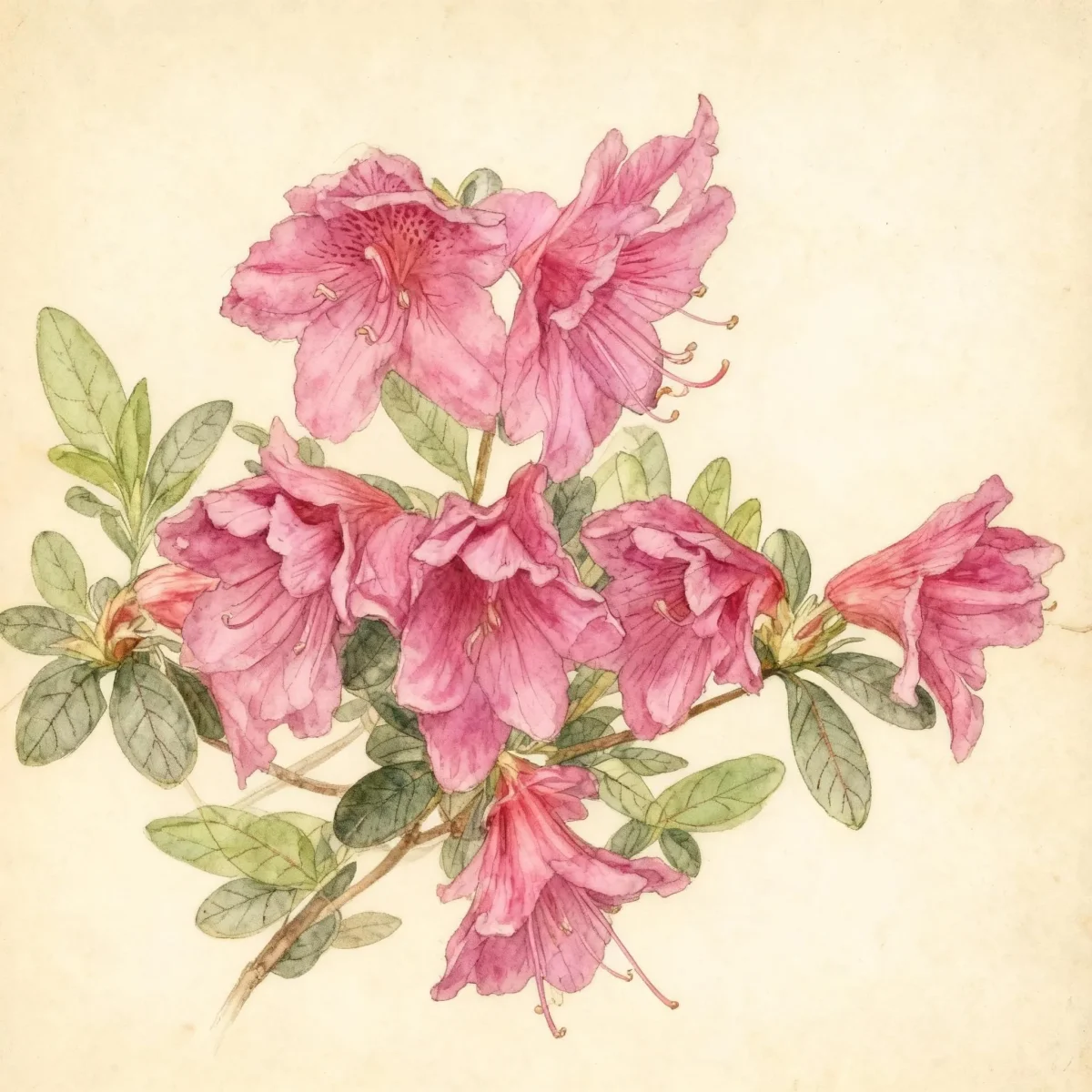
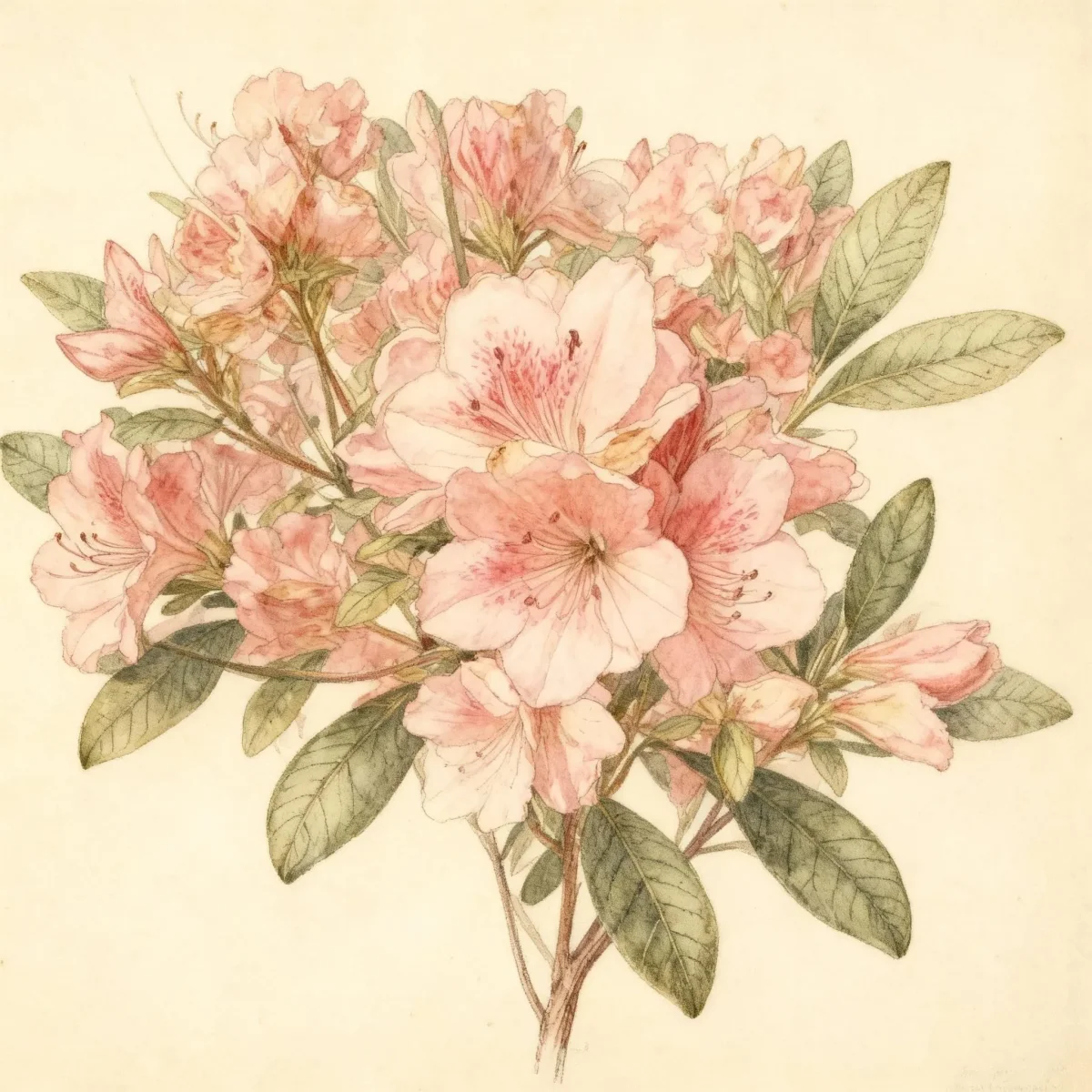
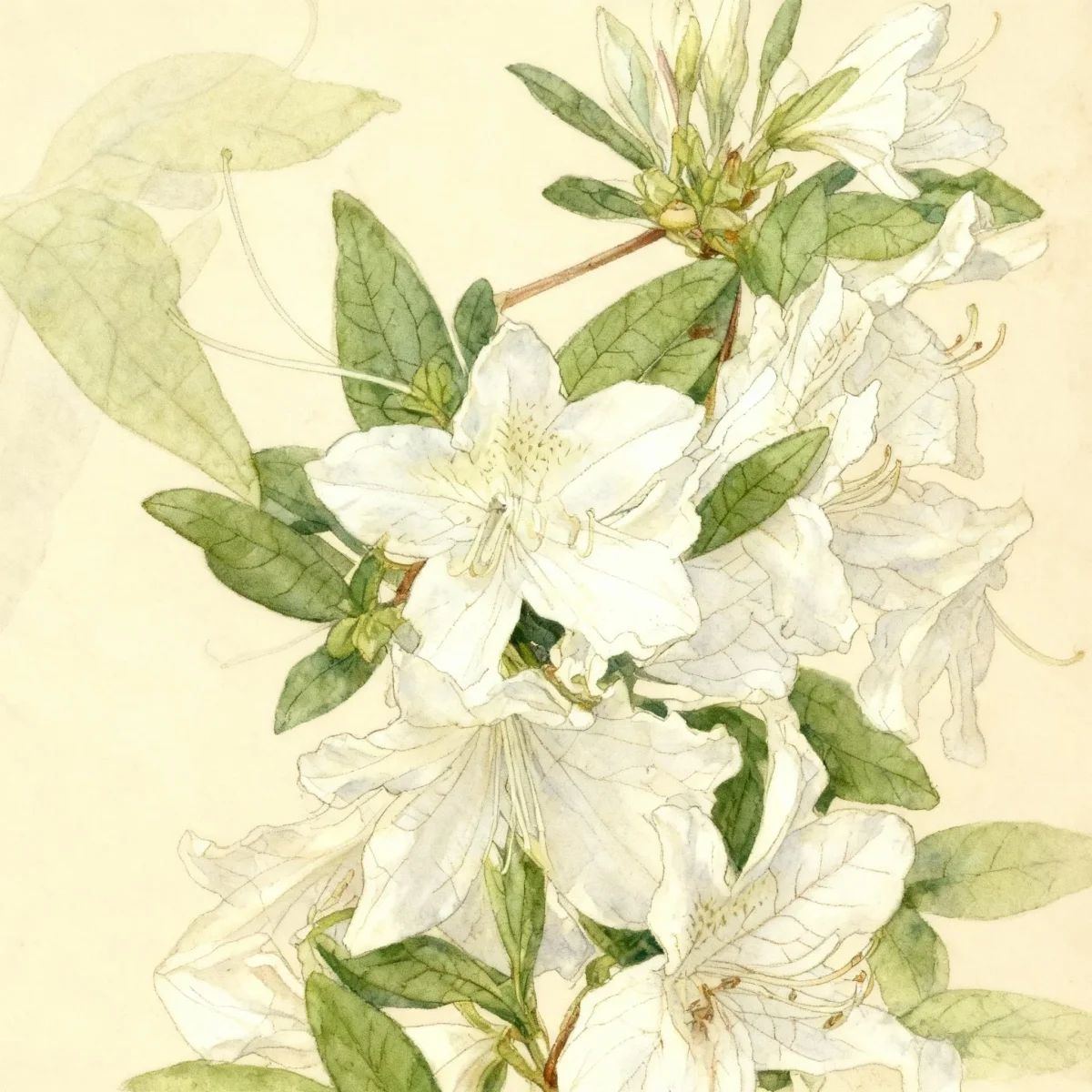
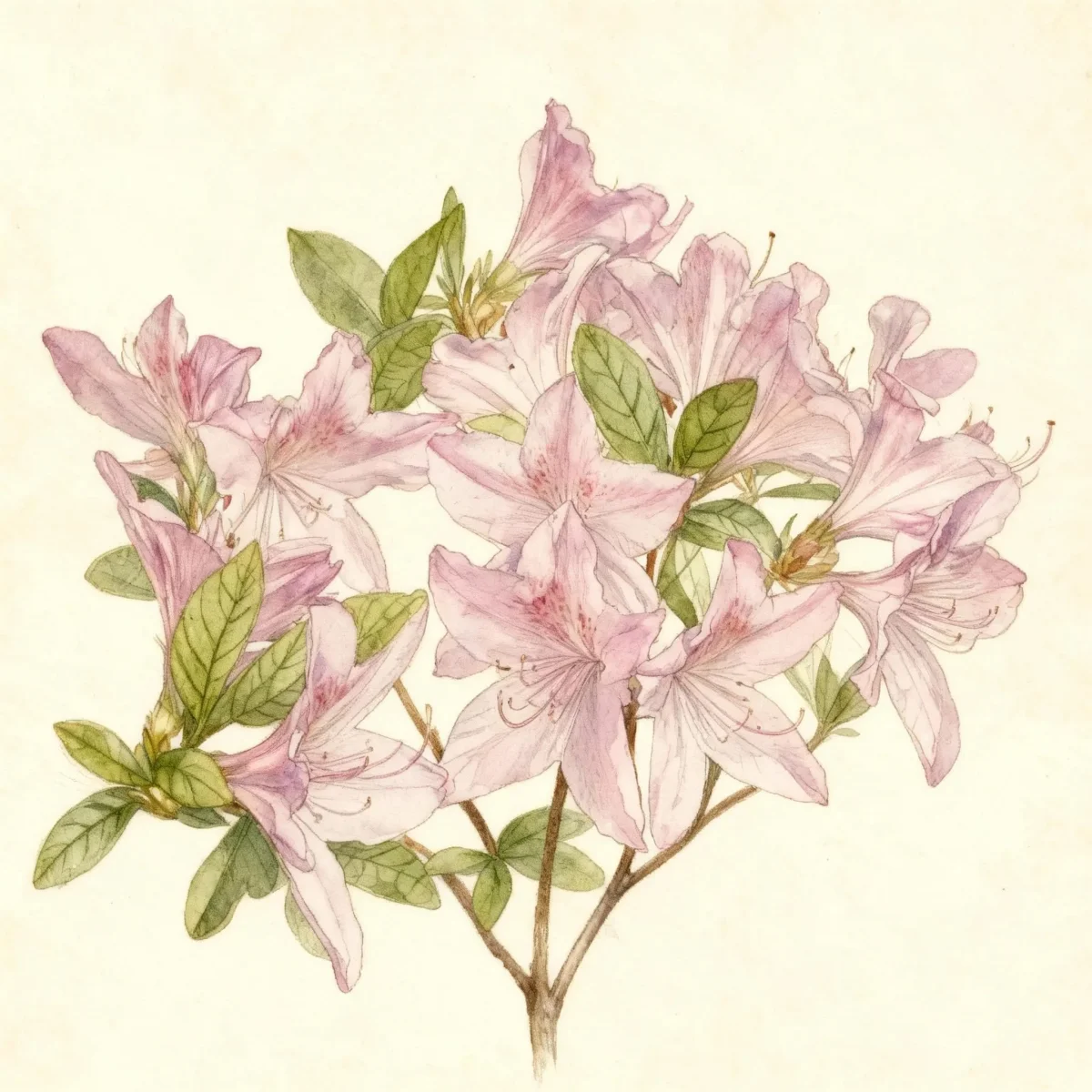
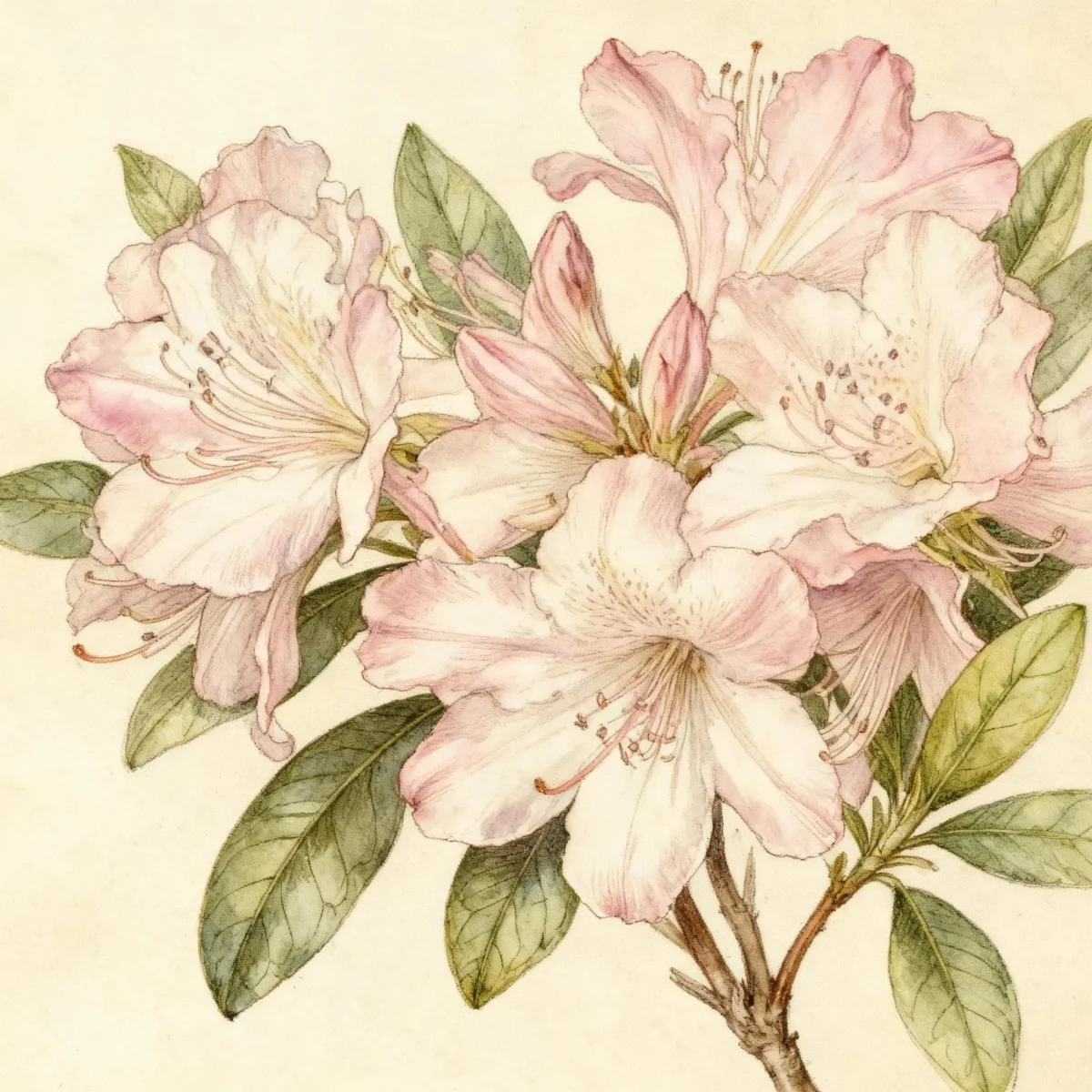
Evergreen azalea (Rhododendron 'Kurai-no-himo')
Rhododendron 'Kurai-no-himo' is a showy Evergreen azalea offering carmine red blooms, ideal for part shade in zones 6-8.
Scroll down to discover growing tips, care requirements, companion plants, and more
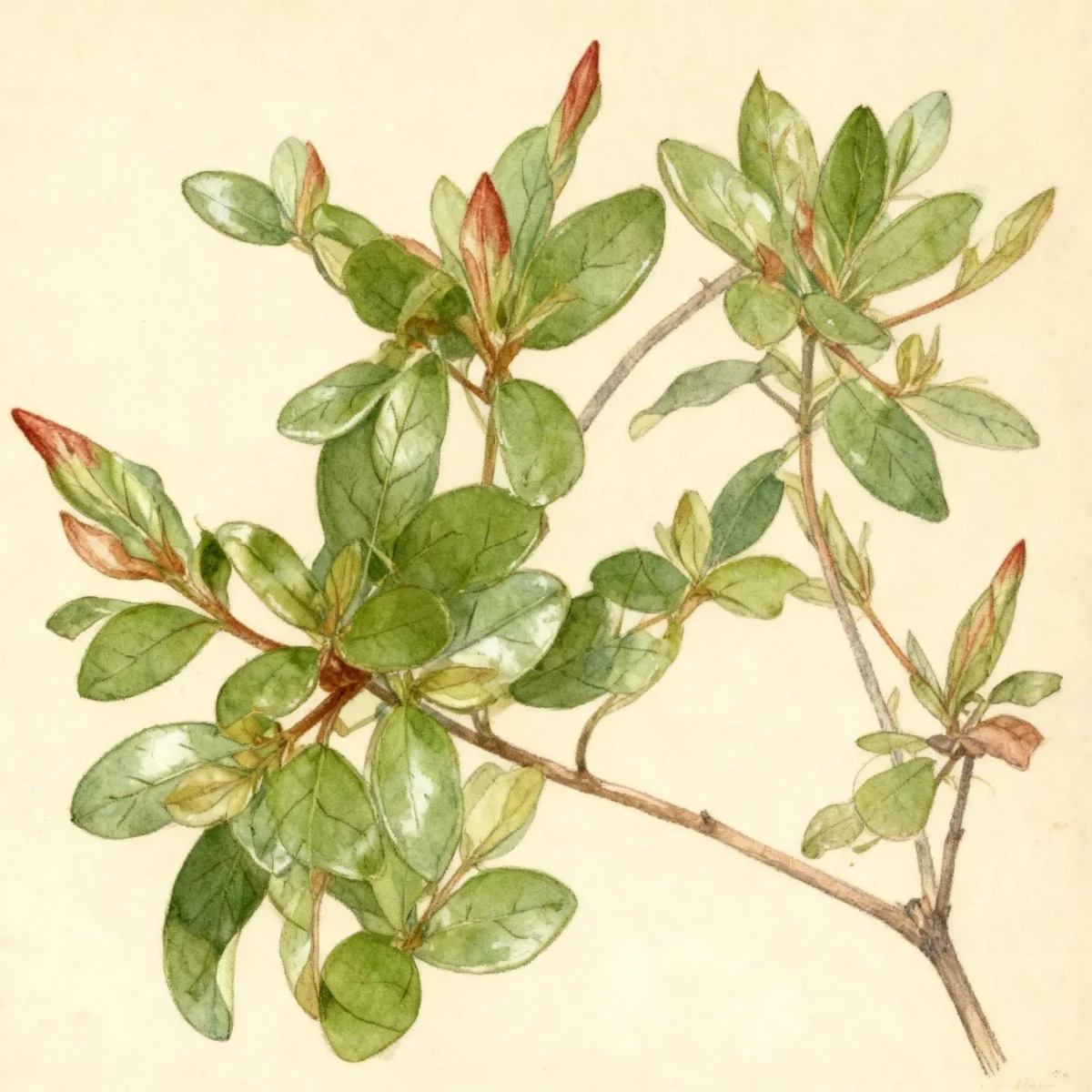
Complete Plant Information
Overview
Rhododendron ‘Kurai-no-himo’ is a valued Kurume hybrid, classified as an Evergreen azalea, prized for its reliable structure and striking floral display. This broadleaf evergreen offers garden structure year-round, contrasting beautifully with the mid-season burst of funnel-shaped, carmine red flowers appearing between April and May. Reaching a manageable 2 to 4 feet in height and spread, Rhododendron ‘Kurai-no-himo’ is versatile for use in structured borders or as a formal hedge. Successful cultivation relies heavily on providing the acidic, moisture-retentive, yet well-drained soil conditions that are characteristic of all quality azaleas.
As with many evergreen azaleas, this cultivar provides excellent visual interest, particularly when its dark green foliage takes on yellow tones during the winter months. While relatively hardy in USDA Zones 6 to 8, gardeners in the cooler edges of Zone 6 must pay extra attention to siting Rhododendron ‘Kurai-no-himo’ in protected locations to minimize potential winter burn on the foliage and frost damage to the flower buds. Proper placement in dappled light is crucial for maintaining leaf quality throughout the growing season.
The robust, shallow root system means that careful soil management, including mulching and avoiding competition, is key to ensuring the health of your Evergreen azalea. With medium maintenance requirements, Rhododendron ‘Kurai-no-himo’ rewards attention with vibrant spring color and reliable evergreen texture.
Fast Facts
- Plant Family: Ericaceae
- Plant Type: Broadleaf evergreen
- Hardiness Zones: USDA Zones 6-8
- Size at Maturity:
- Height: 2-4 ft
- Spread: 2-4 ft
- Bloom Time: April to May
- Bloom Description: Carmine red
- Sun Exposure: Part shade
- Water Needs: Medium
- Maintenance Level: Medium
How to Grow
The most critical factor for success with Rhododendron ‘Kurai-no-himo’ involves soil preparation. These plants anchor themselves in acidic, organically rich, and humusy soil that retains medium moisture but drains extremely well. Planting success is significantly boosted if you ensure the soil is not heavy clay; avoid sites where the plants might sit in “wet feet,” as this inevitably leads to root rot. Raised beds are often recommended in areas with poor drainage, allowing you to amend the soil as needed for your Evergreen azalea.
Ideal positioning involves dappled shade—morning sun followed by afternoon shade is acceptable, though they can tolerate more sun in cooler northern summers. Be wary of hot, direct afternoon sun, especially in warmer zones, which can scorch the leaves. Furthermore, avoid planting near walnuts, butternuts, pecans, or hickories, as azaleas are sensitive to the toxic juglones these trees produce.
Watering needs are medium, but consistency is vital; the shallow, fibrous root system must never be allowed to dry out. Apply a thick layer of organic mulch, such as pine needles or wood chips, around the base of Rhododendron ‘Kurai-no-himo’ to help stabilize soil temperature and conserve moisture, but pull mulch away from the immediate trunk base. Acidify the soil as necessary, aiming for a pH between 5.0 and 5.5, potentially using iron sulfate or sulfur if your soil runs high. Deadheading spent flower clusters immediately after blooming encourages better energy allocation for the following year’s display.
Landscape Uses
Rhododendron ‘Kurai-no-himo’ excels in various landscape applications due to its manageable size and evergreen presence. They are highly effective when used as specimen plantings, allowing their spring bloom to stand out against contrasting textures. They perform wonderfully along woodland margins, or integrated into mixed borders where they provide mid-level contrasting foliage.
A primary suggested use is as a hedge; establishing repetitive plantings of this Evergreen azalea creates a low, dense screen that provides year-round color interest, particularly when sited where their carmine red flowers will be visible from a pathway or patio. For woodland or shade gardens, group plantings of Rhododendron ‘Kurai-no-himo’ create a naturally rich, deeply textured grouping. When planning companions, select plants that share the same acidic soil and moisture requirements, such as ferns, hostas, or other evergreen rhododendrons.
Standout Features
Flower Qualities
- Showy
Noteworthy Characteristics
Rhododendron is a genus of 500 to 900 species and includes both of what we commonly call rhododendrons and azaleas. True rhododendrons have 10 stamens in a flower and azaleas have only 5. Evergreen azaleas like ‘Kurai-no-himo’ typically develop as multi-stemmed plants, retaining leaves year-round but being slightly less cold-hardy than their deciduous cousins. Being a Kurume hybrid, Rhododendron ‘Kurai-no-himo’ features dense trusses of flowers and dark green leaves that can acquire pleasant yellow winter tones.
Tolerances
- Rabbit
Potential Problems
Rhododendrons and azaleas generally face similar insect and disease pressures, requiring preventative care to maintain the health of your Rhododendron ‘Kurai-no-himo’. Common insect pests include scale, lacebugs, aphids, and borers. On the disease front, watch for root rot and crown rot, which are almost always indicators of poor soil drainage, emphasizing again the need for well-drained, acidic soil.
Leaf yellowing, known as chlorosis, often signals an iron deficiency, which is typically not caused by a lack of iron but rather by soil pH becoming too high, making the iron unavailable to the plant. Maintaining the preferred pH range of 5.0 to 5.5 prevents many nutritional issues. Consistent, proper cultural care—ensuring humidity, avoiding drought stress, protecting from wind, and ensuring proper soil chemistry—is the best defense against most problems.
Frequently Asked Questions
What hardiness zones is Evergreen azalea suitable for?
Rhododendron ‘Kurai-no-himo’ is typically suitable for USDA Zones 6 through 8.
How large does Rhododendron ‘Kurai-no-himo’ grow?
This variety typically reaches a mature height between 2 and 4 feet and spreads between 2 and 4 feet wide.
What sun exposure does Rhododendron ‘Kurai-no-himo’ need?
This plant prefers part shade conditions, ideally receiving dappled sunlight or high open shade during the day.
When does Evergreen azalea bloom?
Rhododendron ‘Kurai-no-himo’ blooms actively from April to May, displaying beautiful carmine red flowers.
Conclusion
Rhododendron ‘Kurai-no-himo’ is a standout Evergreen azalea for temperate gardens, offering dense evergreen foliage punctuated by brilliant, carmine red spring flowers. Its ideal size makes it perfect for hedges and structured borders where medium-sized shrubs are required. Before planting, confirm your soil is acidic and drains perfectly, and ensure you select a location protected from harsh afternoon sun to best enjoy this beautiful cultivar.
Companion Planting
When designing a space incorporating Rhododendron ‘Kurai-no-himo’, look for companion plants that thrive under the same acidic shade conditions. Ferns are excellent groundcover choices, providing contrasting, delicate texture beneath the broad leaves of the azalea. Hosta varieties that prefer deeper shade, or acid-loving woodland shrubs like Pieris or Kalmia (Mountain Laurel), will complement the structure and sun/soil needs of your Evergreen azalea. Avoid planting too closely, as the shallow root systems of both azaleas and many shade plants compete heavily for surface moisture and nutrients.
Seasonal Care Calendar
Spring is the busiest time for Rhododendron ‘Kurai-no-himo’, focusing on deadheading spent flowers immediately after bloom to redirect stored energy toward next year’s buds rather than seed production. In summer, maintain consistent moisture, especially during dry spells, remembering that heat stress increases water needs. Autumn is the best time to apply any necessary soil amendments, like sulfur or iron sulfate, to slowly lower pH levels for the following spring. In winter, especially in Zone 6, ensure the plant is protected from drying winter winds, which can contribute significantly to foliage burn on evergreen varieties.