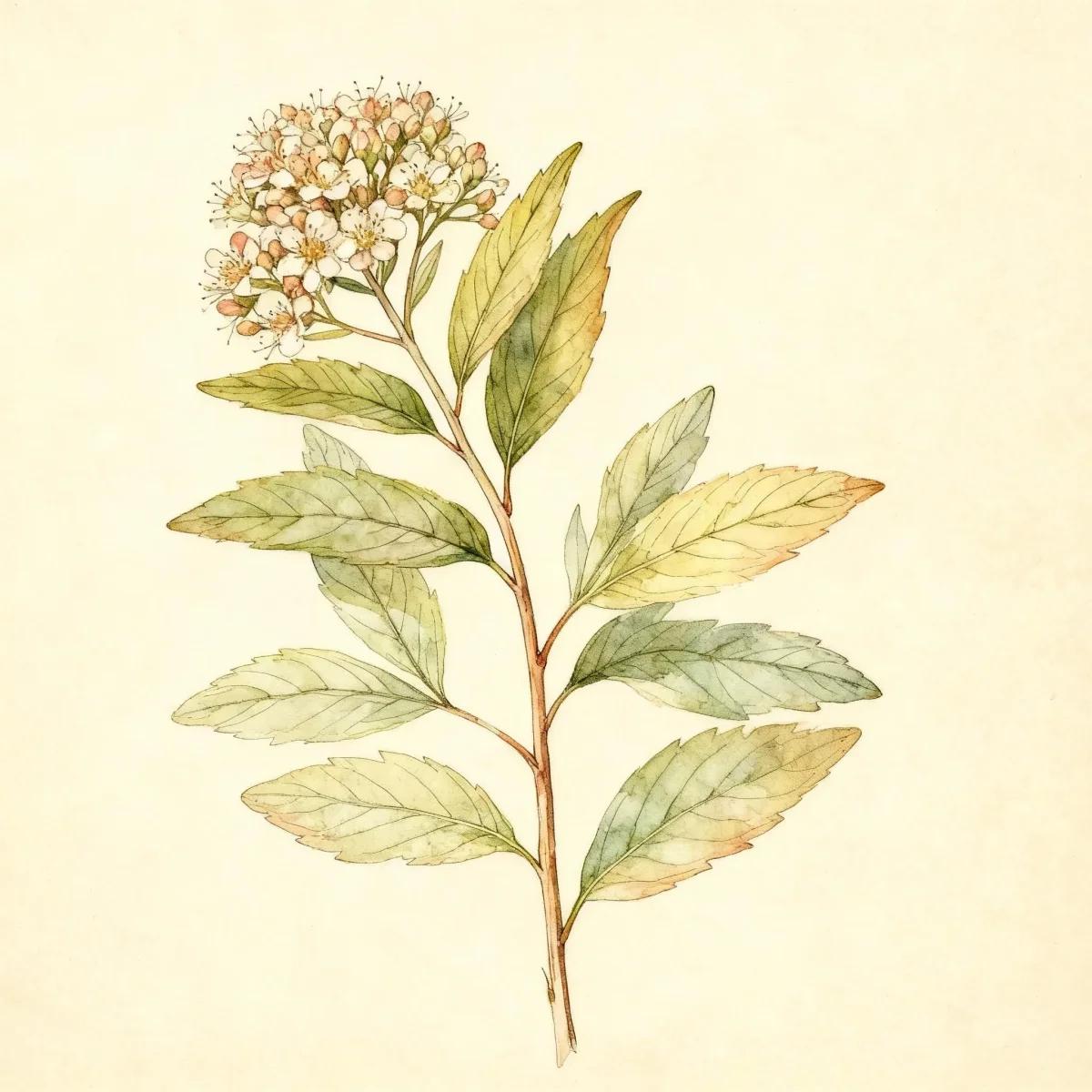
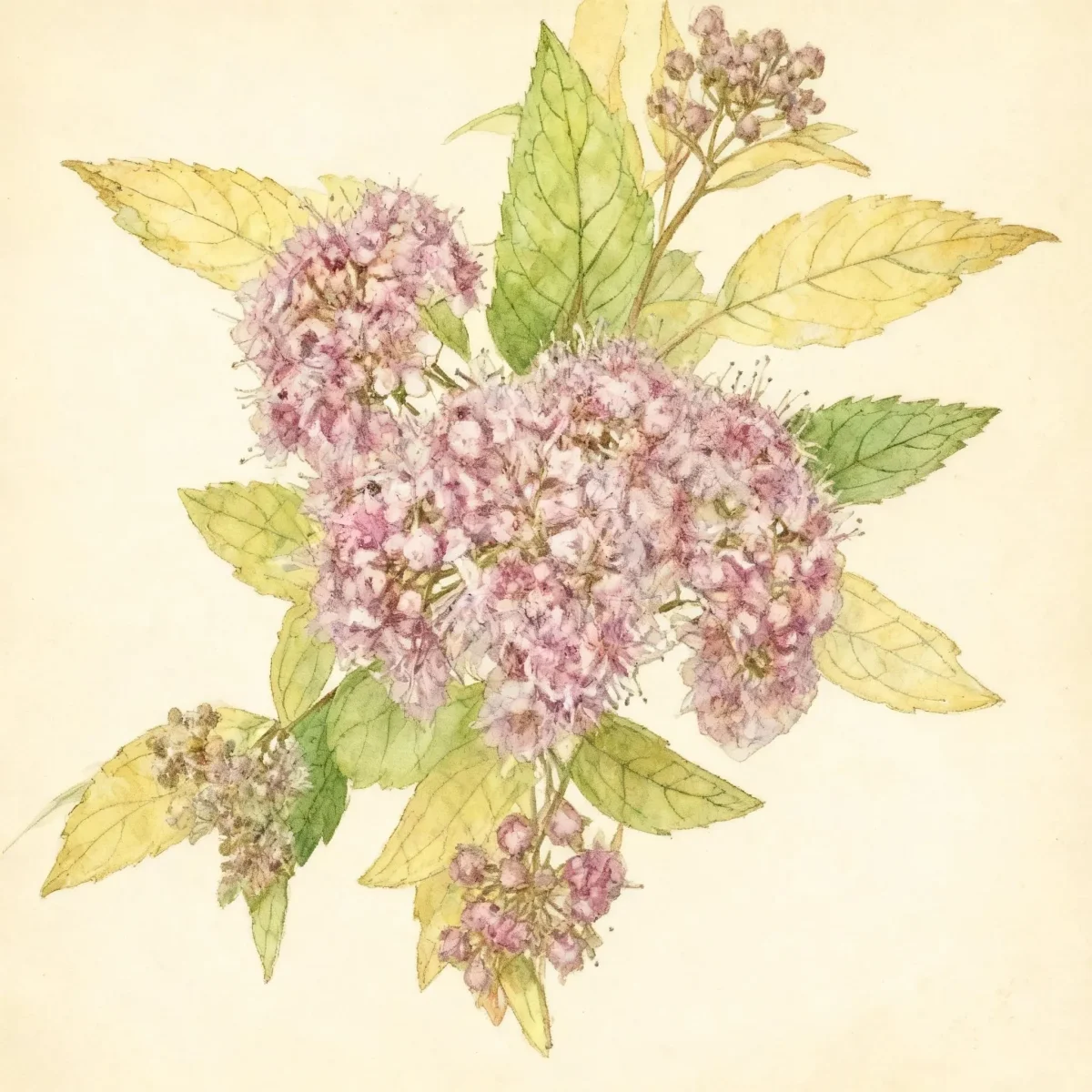
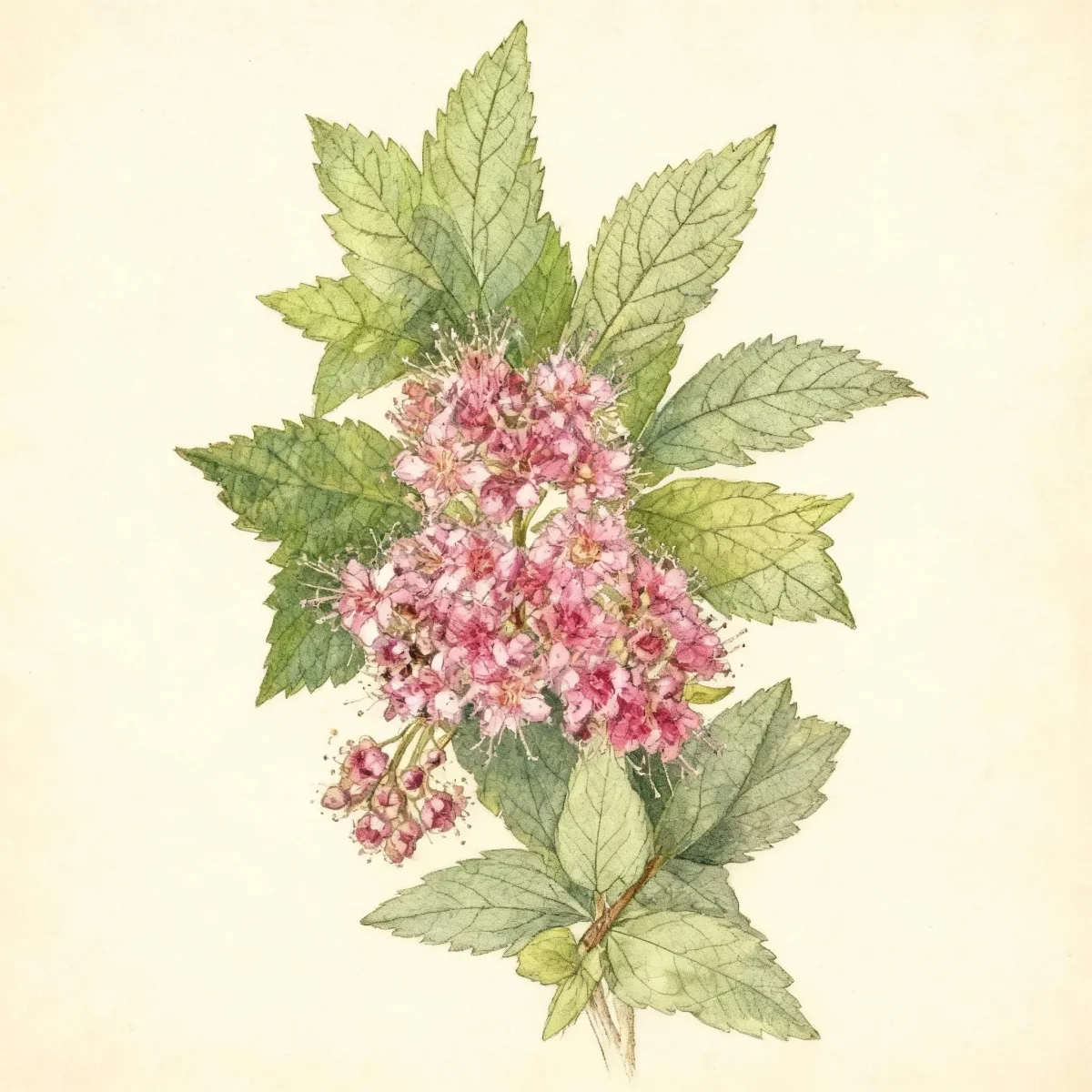
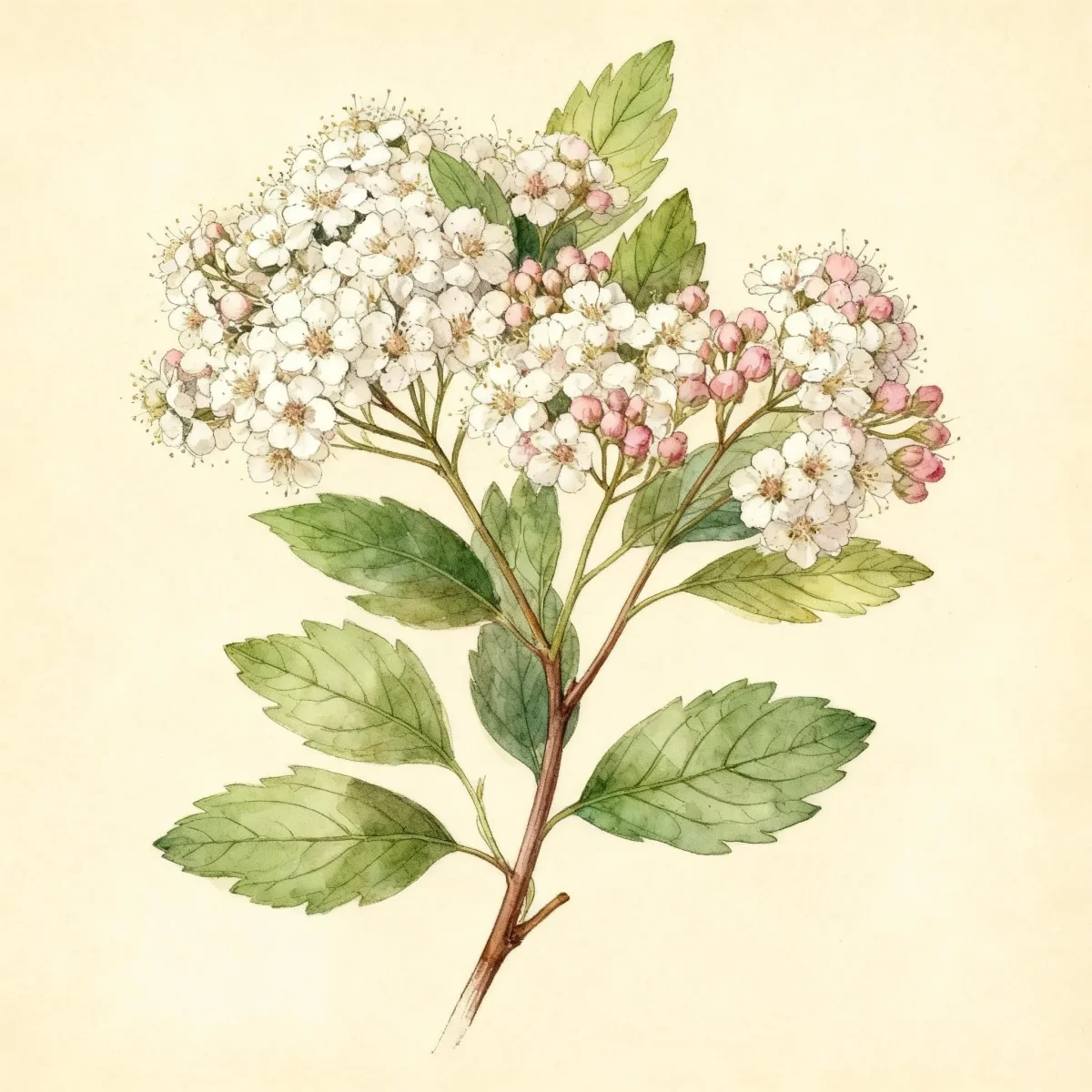
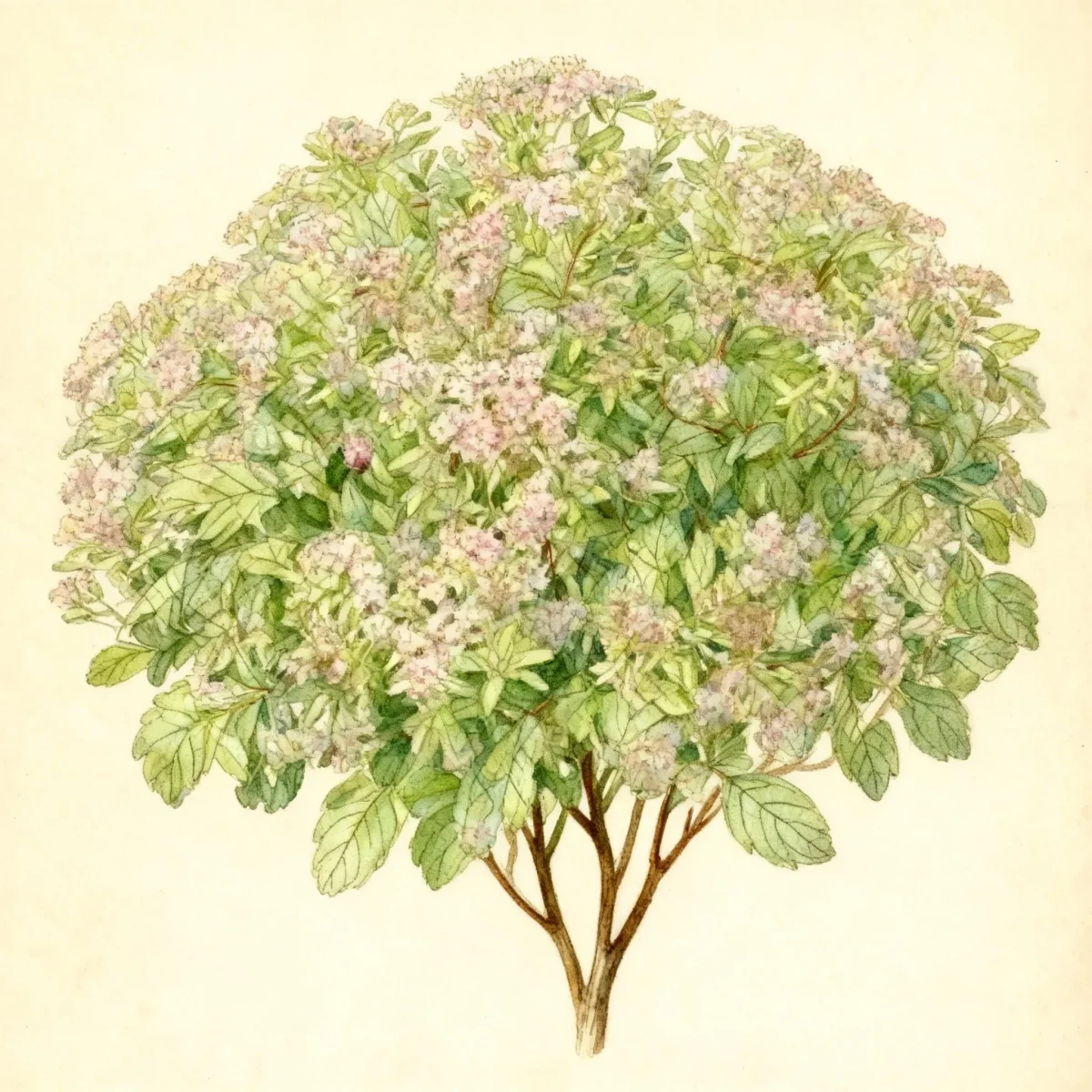
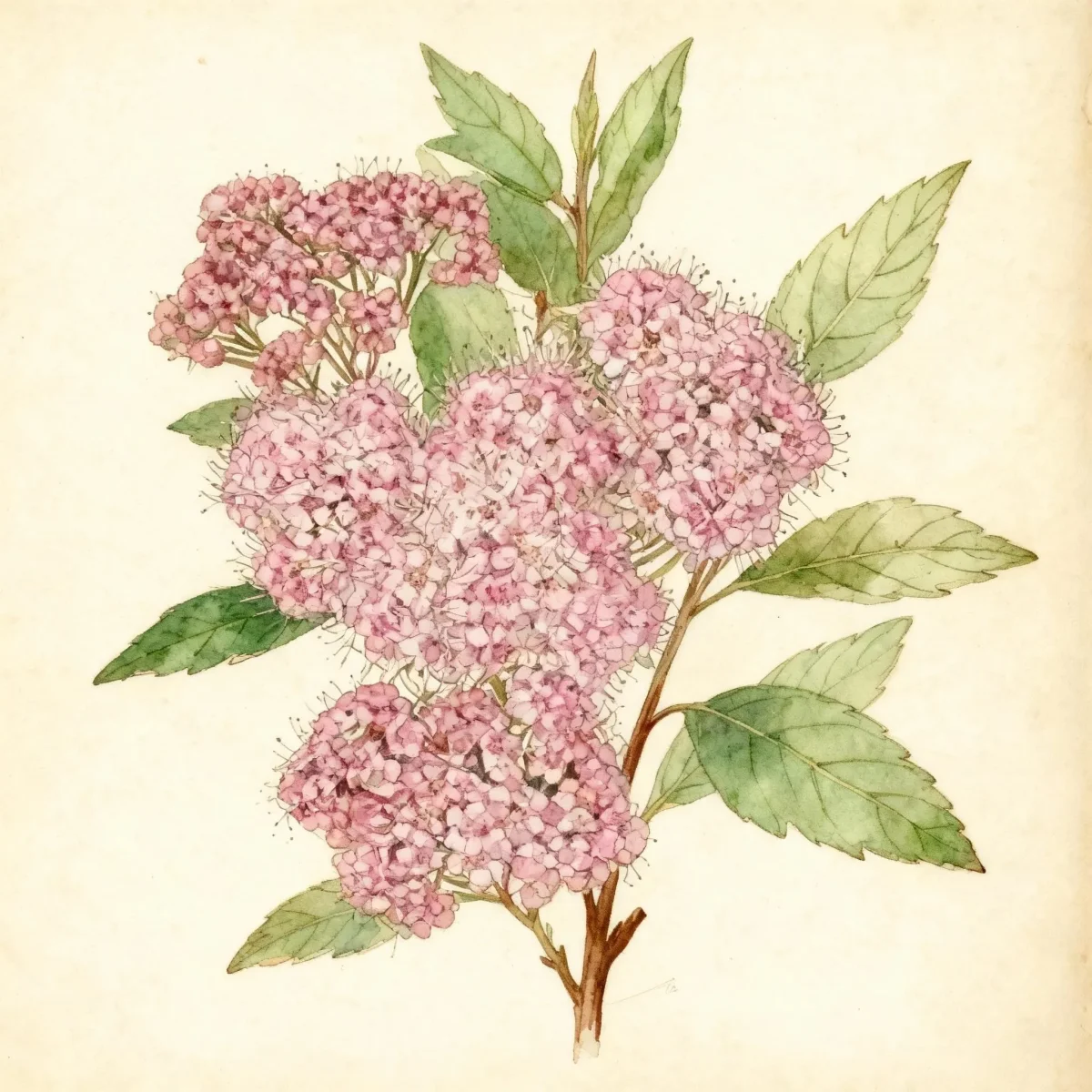
Japanese spirea (Spiraea japonica 'Froebelii')
Spiraea japonica 'Froebelii', or Japanese spirea, is a low-maintenance deciduous shrub offering carmine red summer blooms and excellent fall color.
Scroll down to discover growing tips, care requirements, companion plants, and more
Complete Plant Information
Overview
Spiraea japonica ‘Froebelii’, known widely as Japanese spirea, is a highly versatile and compact deciduous shrub appreciated for its reliable summer color and sturdy nature. This cultivar stands out due to its dense, mounded habit and especially bright carmine red flower clusters that appear mid-summer. It offers excellent tolerance to tough conditions, making the Japanese spirea a reliable choice for challenging landscape sites.
This shrub typically reaches 3 to 4 feet in height with a slightly wider spread, making it an excellent choice where space is limited but seasonal impact is desired. The foliage of this Spiraea japonica cultivar provides visual interest beyond the bloom period, emerging reddish in spring and exhibiting deep burgundy or wine red tones in the autumn. Gardeners value Spiraea japonica ‘Froebelii’ for its low maintenance requirements and adaptability across various soil types.
The genus name Spiraea refers to the wreath-like appearance of the showy flowers, and ‘Froebelii’ provides a vibrant splash of color along paths or in shrub borders. Its ability to handle heat and drought better than many peers ensures continued performance throughout the growing season. Planting this effective shrub provides structure, color, and seasonal transitions to any mixed planting scheme.
Fast Facts
- Plant Family: Rosaceae
- Plant Type: Deciduous shrub
- Hardiness Zones: USDA Zones 4-8
- Size at Maturity:
- Height: 3-4 ft
- Spread: 4-5 ft
- Bloom Time: June to July
- Bloom Description: Carmine red
- Sun Exposure: Full sun
- Water Needs: Medium
- Maintenance Level: Low
How to Grow
Planting should ideally occur during the cooler periods of early spring or fall, allowing the roots time to establish before extreme temperatures arrive. Spiraea japonica ‘Froebelii’ thrives best in full sun, which maximizes flower production and fall color intensity, though it will tolerate light afternoon shade. It is easily grown in average, medium moisture, well-drained soils, showing remarkable tolerance for a wide range of soil types, including clay.
Watering should remain consistent, aiming for medium moisture while the plant establishes itself. Once mature, this Japanese spirea exhibits good heat and drought tolerance, requiring supplemental water only during prolonged dry spells. Fertilization is rarely necessary; however, if the soil is poor, a light application of balanced fertilizer in early spring is sufficient.
Pruning is simple as the plant flowers on new wood. If shaping or reducing size is desired, apply pruning in late winter or early spring before new growth starts. To encourage a secondary flush of bloom, lightly shear off faded flower clusters (deadheading) as they fade. Be aware that Spiraea japonica cultivars, including ‘Froebelii’, can occasionally be aggressive self-seeders and may spread by suckering in the garden.
Landscape Uses
The architectural structure and vibrant flowers of Spiraea japonica ‘Froebelii’ make it invaluable for defined landscape roles. It excels when used as a low hedge lining walkways or paths, providing a neatly defined edge that remains attractive year-round. Mass plantings create a striking visual impact when the carmine red summer flowers blanket the mounds of foliage.
Beyond hedging, this compact Japanese spirea functions beautifully as an informal specimen in rock gardens or as a transitional element in foundation plantings where a taller shrub might overwhelm the structure. Its tolerance for air pollution and varying soil conditions allows it to perform reliably in tough urban environments. Consider pairing it with contrasting foliage colors, such as dark green evergreens or silvery groundcovers, to highlight its bright summer display.
Standout Features
Flower Qualities
- Showy
Noteworthy Characteristics
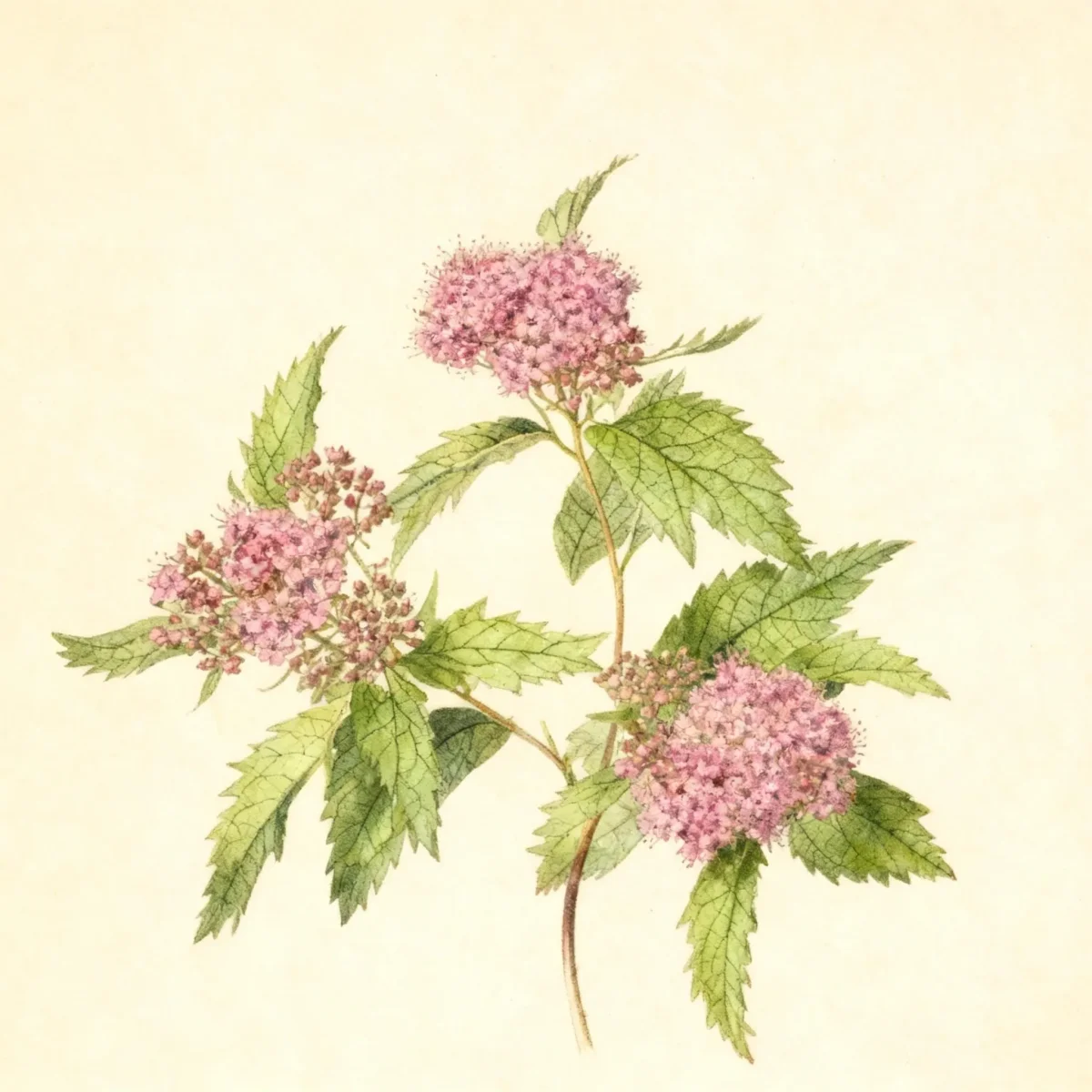
Spiraea japonica, commonly called Japanese spirea, is a dense, upright, mounded, deciduous shrub that typically grows 4-6’ tall with a slightly larger spread in general, though ‘Froebelii’ is more compact. Leaves are oval and sharply-toothed, emerging brownish-red in spring, changing to blue-green, and finally turning burgundy to wine red in fall. Small carmine red flowers appear in flattened clusters (corymbs) in late spring and early summer, offering reliable seasonal color.
Tolerances
- Deer
- Erosion
- Clay Soil
- Air Pollution
Potential Problems
Generally, Spiraea japonica ‘Froebelii’ is known for having no serious insect or disease problems, contributing greatly to its low maintenance rating. However, as members of the rose family, spireas can occasionally be susceptible to issues prevalent in that group. These might include fungal issues such as leaf spot, powdery mildew, or fire blight, especially in humid conditions or if air circulation is poor.
Management relies heavily on proper site selection and cultural practices. Ensuring the plant receives full sun and maintaining well-drained soil prevents many common fungal outbreaks. Pests like aphids, leaf roller, and scale can occasionally appear; standard horticultural oils or insecticidal soaps are usually effective if infestations become problematic.
Frequently Asked Questions
What hardiness zones is Japanese spirea suitable for?
The Spiraea japonica ‘Froebelii’ cultivar is generally hardy in USDA Zones 4 through 8, offering excellent cold tolerance for many regions.
How large does Japanese spirea grow?
This variety typically matures to a manageable size, reaching heights between 3 and 4 feet tall and spreading 4 to 5 feet wide.
When does Japanese spirea bloom?
This variety puts on its primary floral display during the summer months, blooming reliably from June right through July with carmine red flowers.
What sun exposure does Spiraea japonica ‘Froebelii’ need?
For optimal performance, vibrant foliage color, and best bloom set, Spiraea japonica ‘Froebelii’ requires full sun exposure.
Conclusion
The Spiraea japonica ‘Froebelii’ remains a cornerstone for low-effort, high-impact landscaping due to its dependable summer bloom, forgiving tolerance to various soils, and attractive seasonal foliage change. This valuable Japanese spirea offers structure and color with minimal fuss from pests or diseases. Before planting, confirm your location falls within USDA Zones 4-8 and plan your site to maximize its full sun requirements.
Companion Planting
When designing borders around your Spiraea japonica ‘Froebelii’, consider plants that either echo its mounding form or offer contrasting textures and colors through the summer. Plants that enjoy similar sun and soil conditions work best; for example, Catmint (Nepeta) or Russian Sage (Perovskia atriplicifolia) provide softer, airy textures nearby while appreciating full sun. Conversely, using plants with deep purple or contrasting silver foliage, such as certain varieties of Lamb’s Ears (Stachys), can dramatically enhance the visual pop of the carmine red summer flowers.
Design Ideas for Shrub Borders
Spiraea japonica ‘Froebelii’ excels when utilized in layered shrub borders rather than as a single specimen, though its manageable size suits specimen use well in smaller gardens. Use its uniform, dense shape to anchor the middle layer of a border, sitting just in front of taller background shrubs like Lilacs or larger flowering Viburnums. Because it flowers mid-season, pair it with early-season bloomers like dwarf Irises or late-season interest plants like Sedums to ensure continuous floral display in the border space.