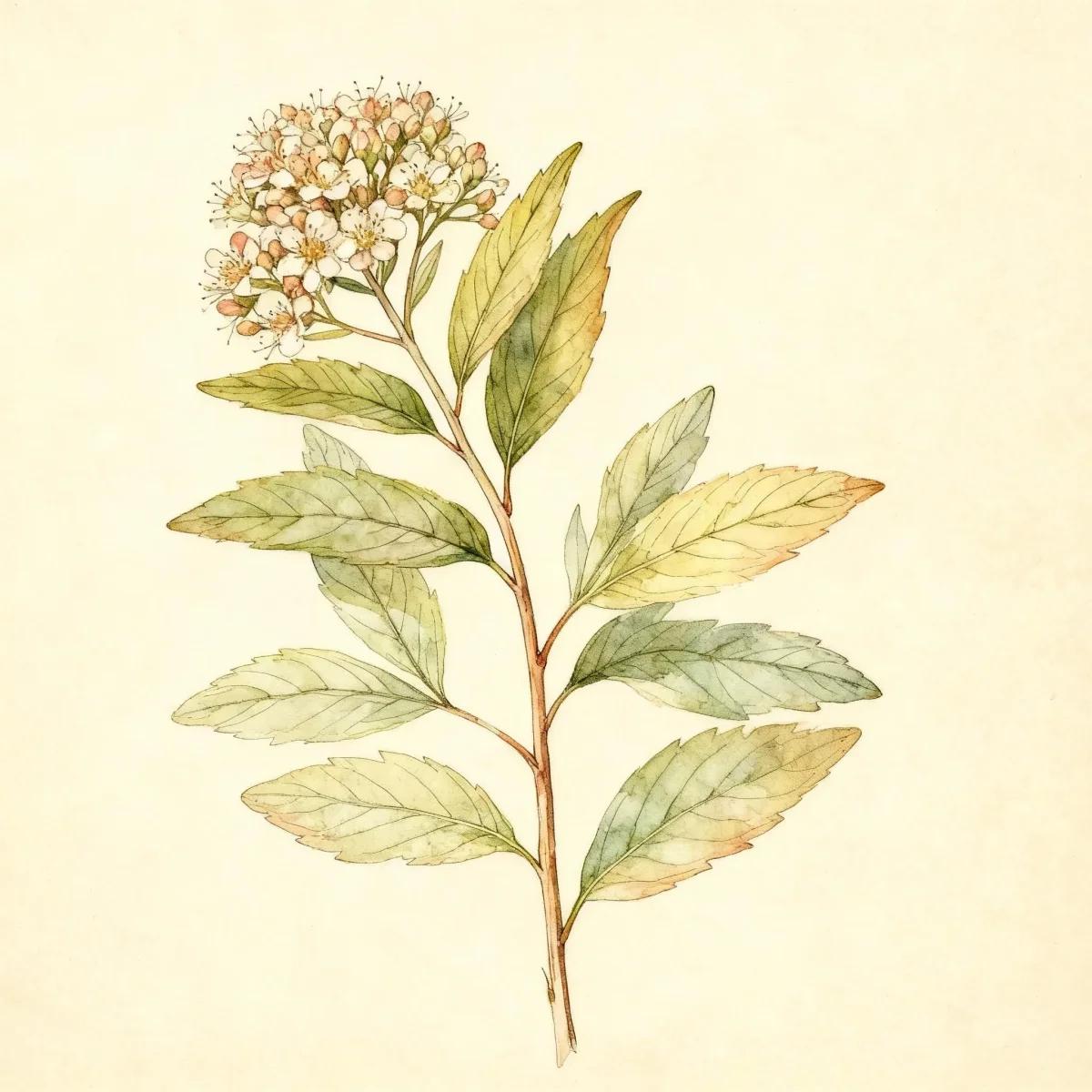
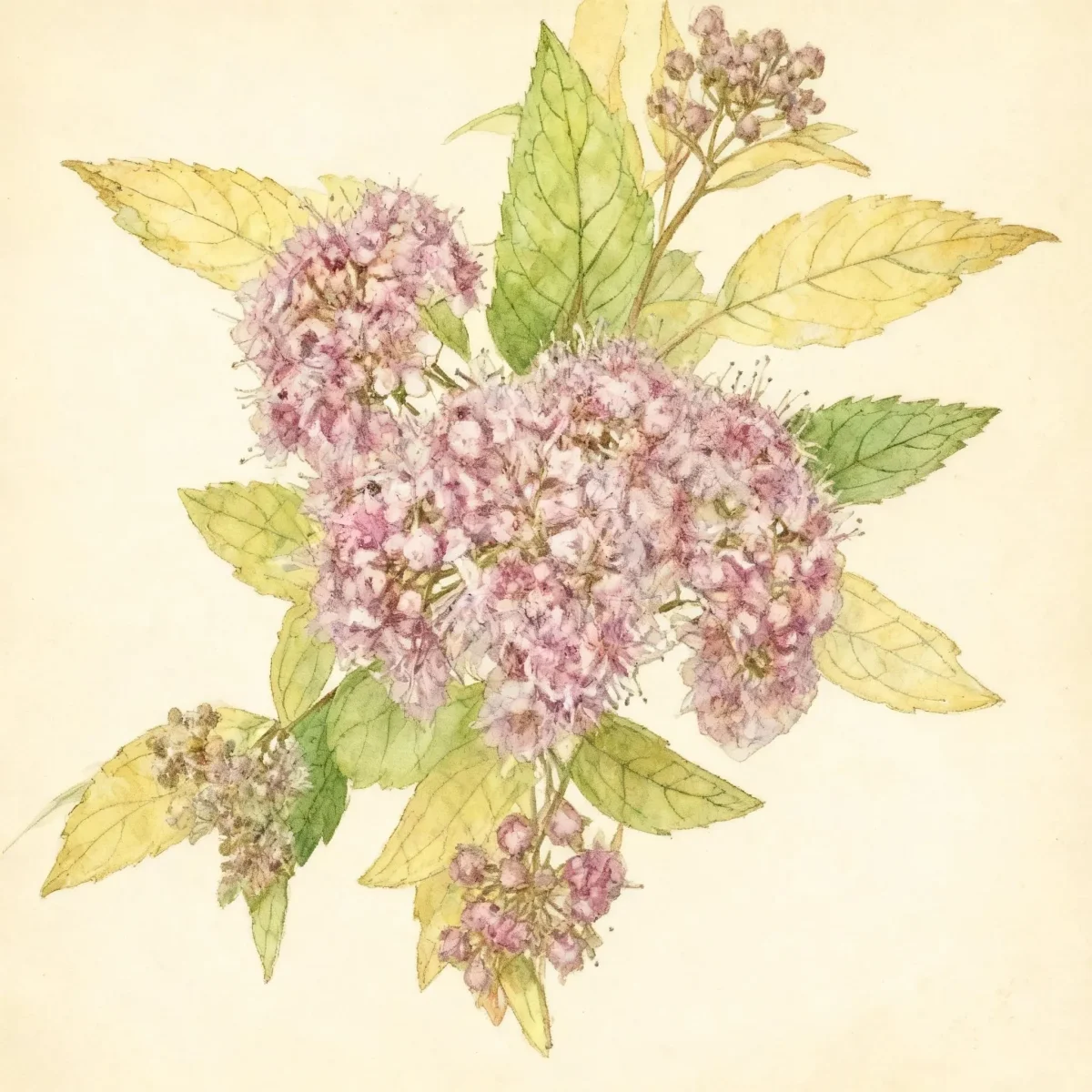
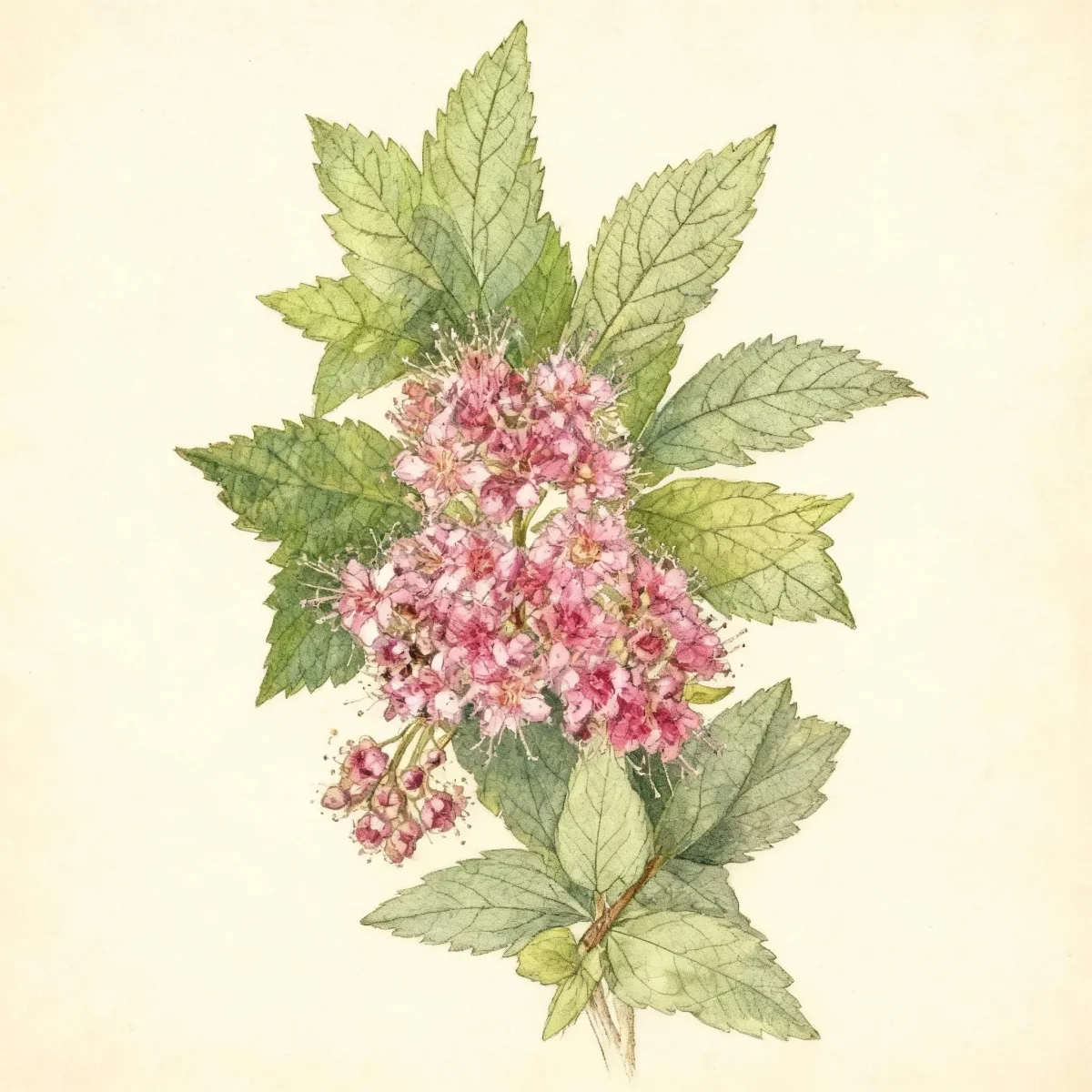
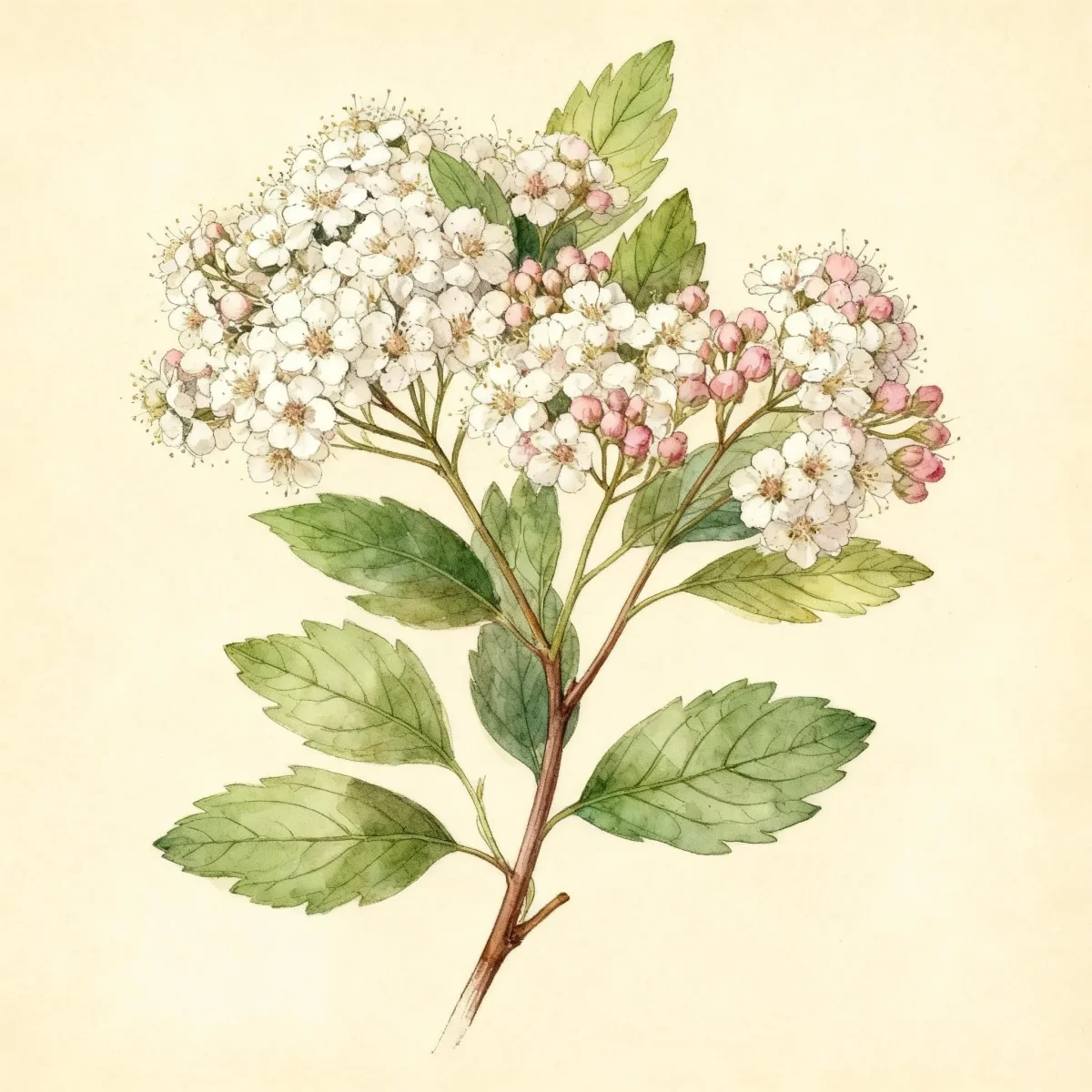
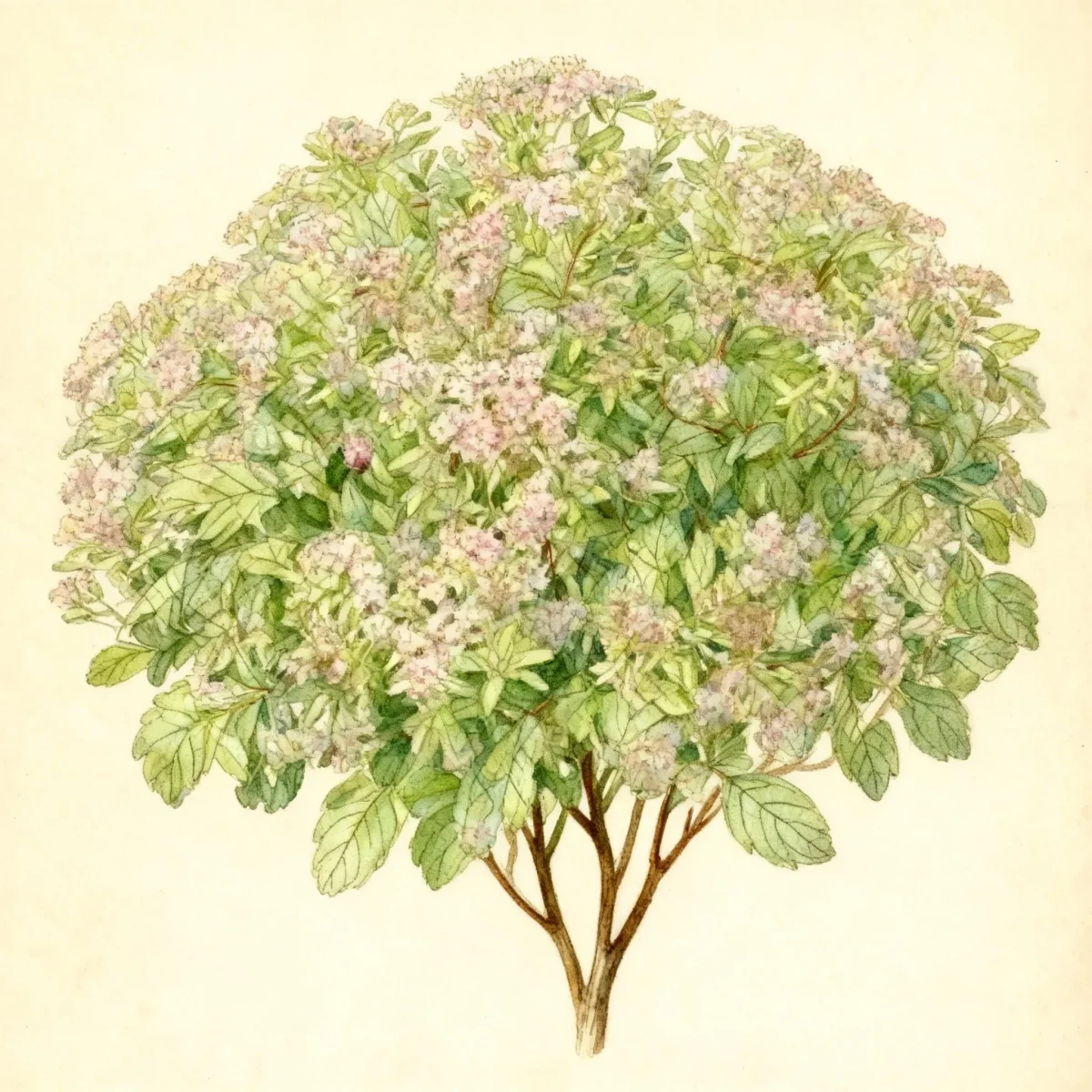
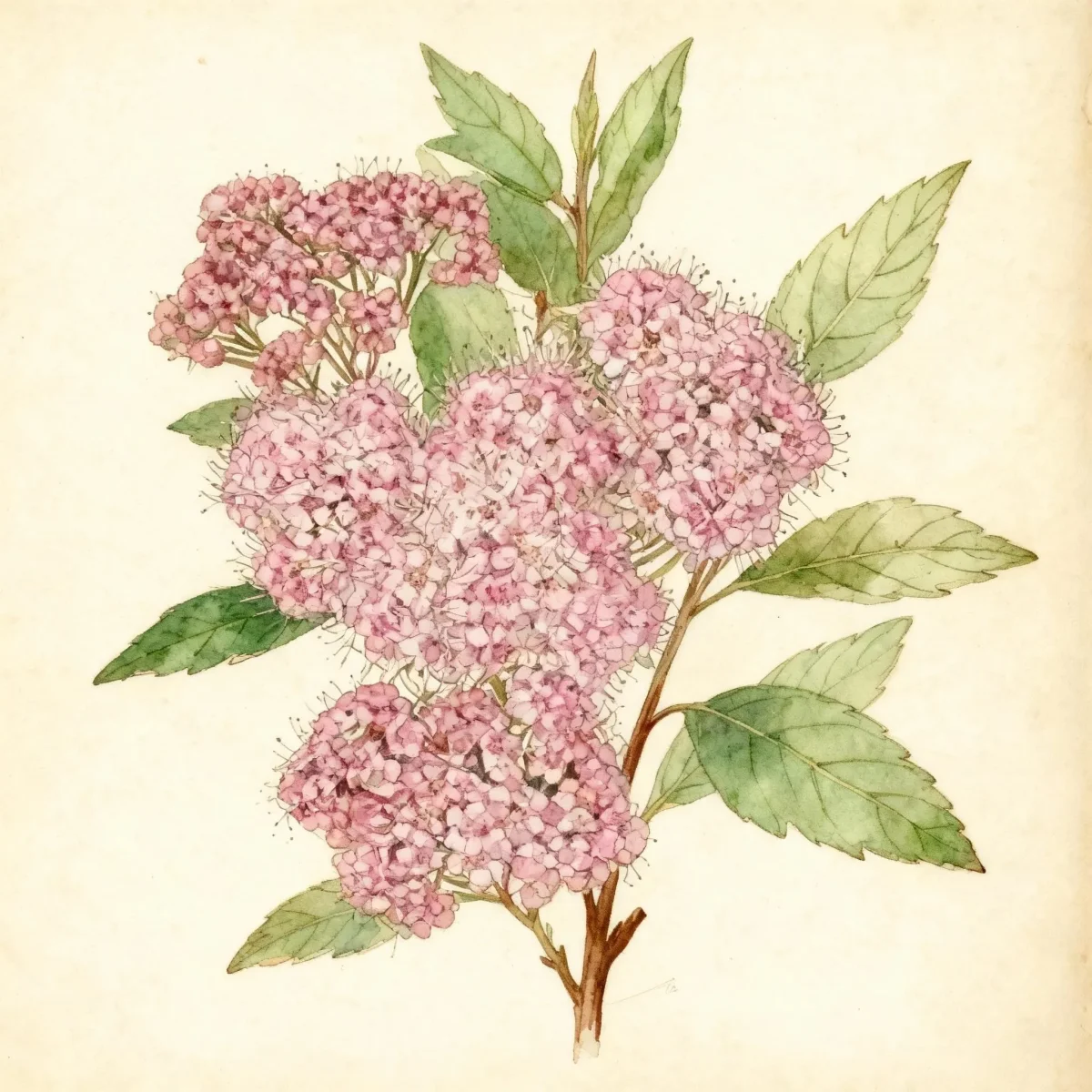
Japanese spirea (Spiraea japonica 'Gold Mound')
Spiraea japonica 'Gold Mound' is a low-maintenance deciduous shrub known for its brilliant golden foliage and delicate pink summer blooms.
Scroll down to discover growing tips, care requirements, companion plants, and more
Complete Plant Information
Overview
Japanese spirea, specifically the cultivar Spiraea japonica ‘Gold Mound’, offers gardeners exceptional year-round interest through its vibrant coloration. This dense, upright, mounded deciduous shrub is highly valued for its compact habit and striking golden foliage that emerges brightly in spring before softening slightly in summer heat. It provides reliable structure and color in the landscape without demanding excessive attention from the gardener.
The value of Spiraea japonica ‘Gold Mound’ lies in its easy cultivation and robust nature. Growing to a manageable 2 to 3 feet tall, it fits perfectly into smaller borders or foundation plantings where larger shrubs might overwhelm the space. While it matures to a standard size, pruning can easily maintain its handsome, rounded form.
Functionally, this variety of Japanese spirea delivers a pleasing display of tiny pink flowers clustered in flat-topped corymbs throughout early to mid-summer. Its low maintenance needs, combined with considerable hardiness and tolerance for various conditions, cement its place as a foundational element in modern landscape design.
Fast Facts
- Plant Family: Rosaceae
- Plant Type: Deciduous shrub
- Hardiness Zones: USDA Zones 4-8
- Size at Maturity:
- Height: 2-3 ft
- Spread: 3-4 ft
- Bloom Time: June to July
- Bloom Description: Pink
- Sun Exposure: Full sun
- Water Needs: Medium
- Maintenance Level: Low
How to Grow
For optimal performance, plant Spiraea japonica ‘Gold Mound’ during the spring or fall when temperatures are mild. Select a site that receives full sun; while it tolerates light shade, the best golden color develops with at least six hours of direct sunlight daily. This shrub thrives in average, medium moisture, well-drained soils and is notably adaptable, tolerating a wide array of soil types, including heavier clay soils.
Maintenance for this Japanese spirea is generally low. Water regularly to keep the soil consistently moist, especially during the first year establishing roots. While it can handle average conditions, prefer rich, moist loams for superior growth. Fertilizing is rarely necessary unless the soil is extremely poor.
Pruning is key to maintaining the compact shape of Spiraea japonica ‘Gold Mound’. Since it flowers on new wood, the best time for shaping or rejuvenation pruning is late winter or early spring before new growth starts. Faded blooms can be removed through light shearing to encourage sporadic repeat flowering, although this may slightly affect the subsequent year’s initial bloom volume.
Be aware that this plant can occasionally be aggressive, spreading through suckering in the garden and potentially self-seeding. If containment is necessary, selective pruning or root barriers can help manage its spread in tight spaces.
Landscape Uses
This compact, colorful shrub is incredibly versatile. Spiraea japonica ‘Gold Mound’ excels when used as a low hedge for lining walkways or defining the front edge of foundation plantings, where its bright foliage contrasts beautifully with darker greens. It also performs admirably as a specimen plant in rock gardens, drawing the eye with its luminous color, or massed throughout a border for continuous visual impact.
Incorporating this Japanese spirea into the shrub border connects textures and heights effectively. Pair its bright chartreuse/gold leaves with plants that offer deep green or deep purple foliage for maximum contrast. Low-growing perennials or groundcovers that appreciate similar sun and soil conditions—such as hardy Geraniums or fine-textured ornamental grasses—make excellent companions.
Due to its neat, mounded habit, it is a foundational choice for low hedges where precision matters. Avoid placing it where it might become overgrown by larger shrubs, as its compact form is best showcased when it stands out against a backdrop or line of taller plants.
Standout Features
Flower Qualities
- Showy
Noteworthy Characteristics
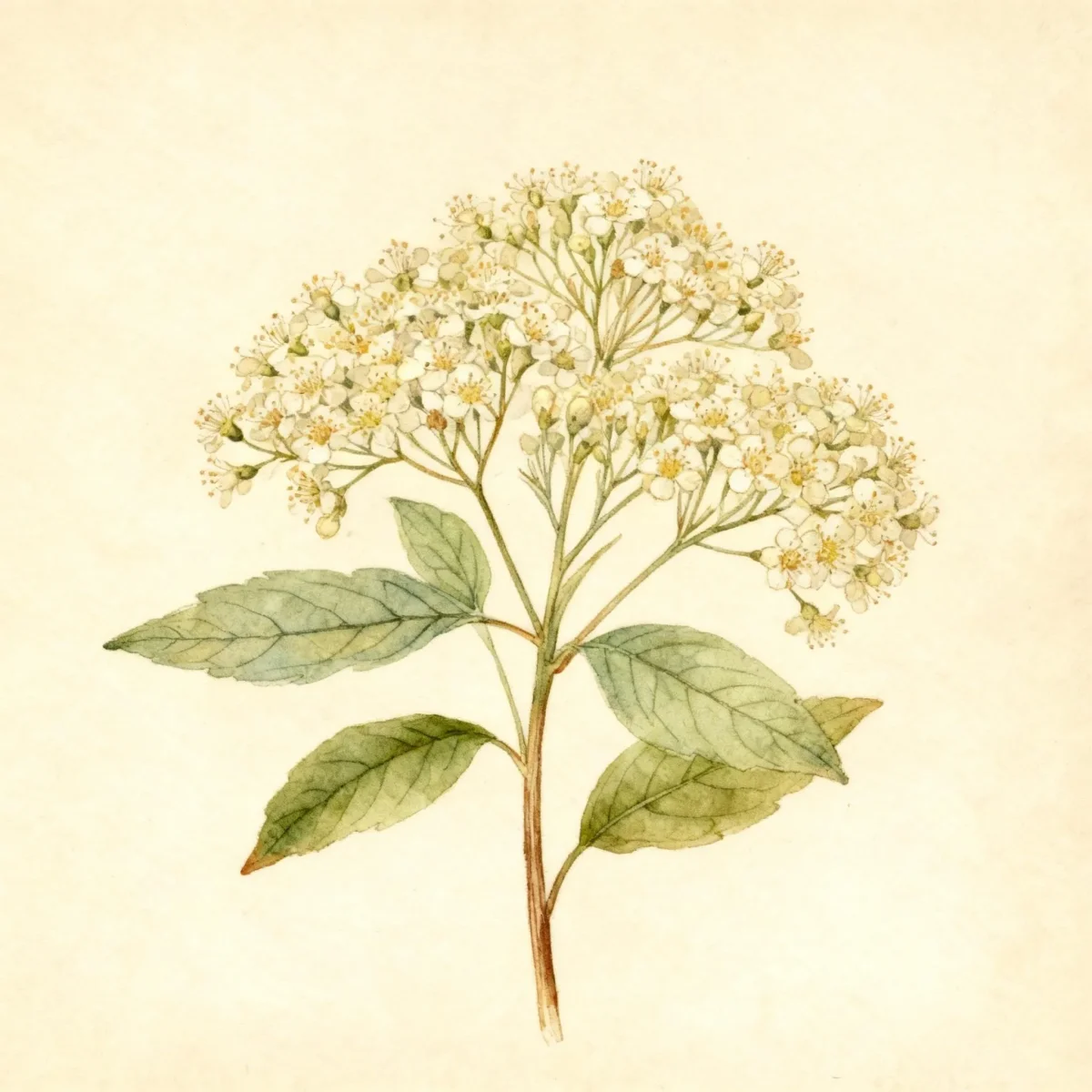
Spiraea japonica, commonly called Japanese spirea, is a dense, upright, mounded, deciduous shrub that typically grows 4-6’ tall with a slightly larger spread. Leaves (to 3” long) are oval and sharply-toothed. Tiny pink flowers in flat-topped clusters (corymbs) cover the foliage from late spring to mid-summer, with sparse and intermittent repeat bloom sometimes occurring. Flowers are attractive to butterflies. The cultivar ‘Gold Mound’ is specifically noted for its attractive golden foliage, emerging bright gold in spring and fading gradually to a gold-green. This is a compact mounded cultivar that grows to about 3.5 feet tall and wide, with small pink flowers appearing in late spring/early summer.
Tolerances
- Deer
- Erosion
- Clay Soil
- Air Pollution
Potential Problems
This selection of Japanese spirea is generally free from serious insect or disease issues, making it highly reliable. However, like other members of the rose family, it can occasionally suffer from common maladies. These may include fungal issues like leaf spot, powdery mildew, or, more seriously, fire blight.
Preventative measures are the best defense against these potential problems. Ensure good air circulation through proper spacing and avoid overhead watering, especially late in the day, which minimizes humidity conducive to fungal growth. If pests like aphids or scale appear, standard horticultural oil or insecticidal soap treatments are usually effective. Rot remains a risk only if the plant is situated in consistently soggy, poorly draining soil.
Frequently Asked Questions
What hardiness zones is Japanese spirea suitable for?
This variety of Japanese spirea is hardy across USDA Zones 4 through 8, offering reliable cold tolerance for much of the temperate United States.
How large does Spiraea japonica ‘Gold Mound’ grow?
It typically reaches a manageable height between 2 and 3 feet, with a spread ranging from 3 to 4 feet, maintaining a compact, mounded shape.
What sun exposure does Spiraea japonica ‘Gold Mound’ need?
For the most vibrant golden foliage color, Spiraea japonica ‘Gold Mound’ requires full sun, though it can survive with partial shade protection.
When does Japanese spirea bloom?
This shrub produces its characteristic pink flowers in dense, flattened clusters, typically blooming between June and July.
Conclusion
The Spiraea japonica ‘Gold Mound’ is an indispensable plant for gardeners seeking low-maintenance structure and persistent color. Its golden foliage and adaptability to clay soil and urban conditions make it a superb performer where many other shrubs struggle. Before planting, confirm your local USDA hardiness zone falls between 4 and 8, and choose a sunny spot to ensure the best possible glow from this exceptional Japanese spirea.
Companion Planting
Selecting companions that contrast or complement the gold foliage of Spiraea japonica ‘Gold Mound’ enhances its ornamental value. Consider pairing it with plants that offer blue or dark purple foliage, such as certain varieties of Heuchera (Coral Bells) or deep-hued Amsonia (Blue Star). These darker colors allow the bright gold leaves of the Japanese spirea to truly pop visually throughout the season.
Avoid planting it directly against deep green evergreens, as the contrast might become muddy rather than crisp. Instead, use it as a bright foreground element against mid-sized shrubs or utilize lower-growing perennials that bloom at different times, ensuring continuous interest in the border where this reliable shrub resides.
Wildlife Benefits
While Spiraea japonica ‘Gold Mound’ is not primarily grown as a pollinator specialist, its pink flower clusters are certainly attractive to many beneficial insects, including butterflies, during its June to July bloom period. The flowers are small but numerous, providing a good source of nectar when they emerge after the spring rush.
Beyond blooms, the dense, mounded structure of this deciduous shrub offers excellent cover and protection. Its compact nature provides safe nesting or foraging spots for small songbirds in the garden, particularly when it is situated near other layered plantings, enhancing the overall ecological value of the landscape space utilizing this versatile plant.