Violet (Viola 'Red Giant')
Discover Viola 'Red Giant' Violet, a low-maintenance perennial boasting large, rose-red flowers in spring. Ideal ground cover for zones 4-8.
Scroll down to discover growing tips, care requirements, companion plants, and more
Complete Plant Information
Overview
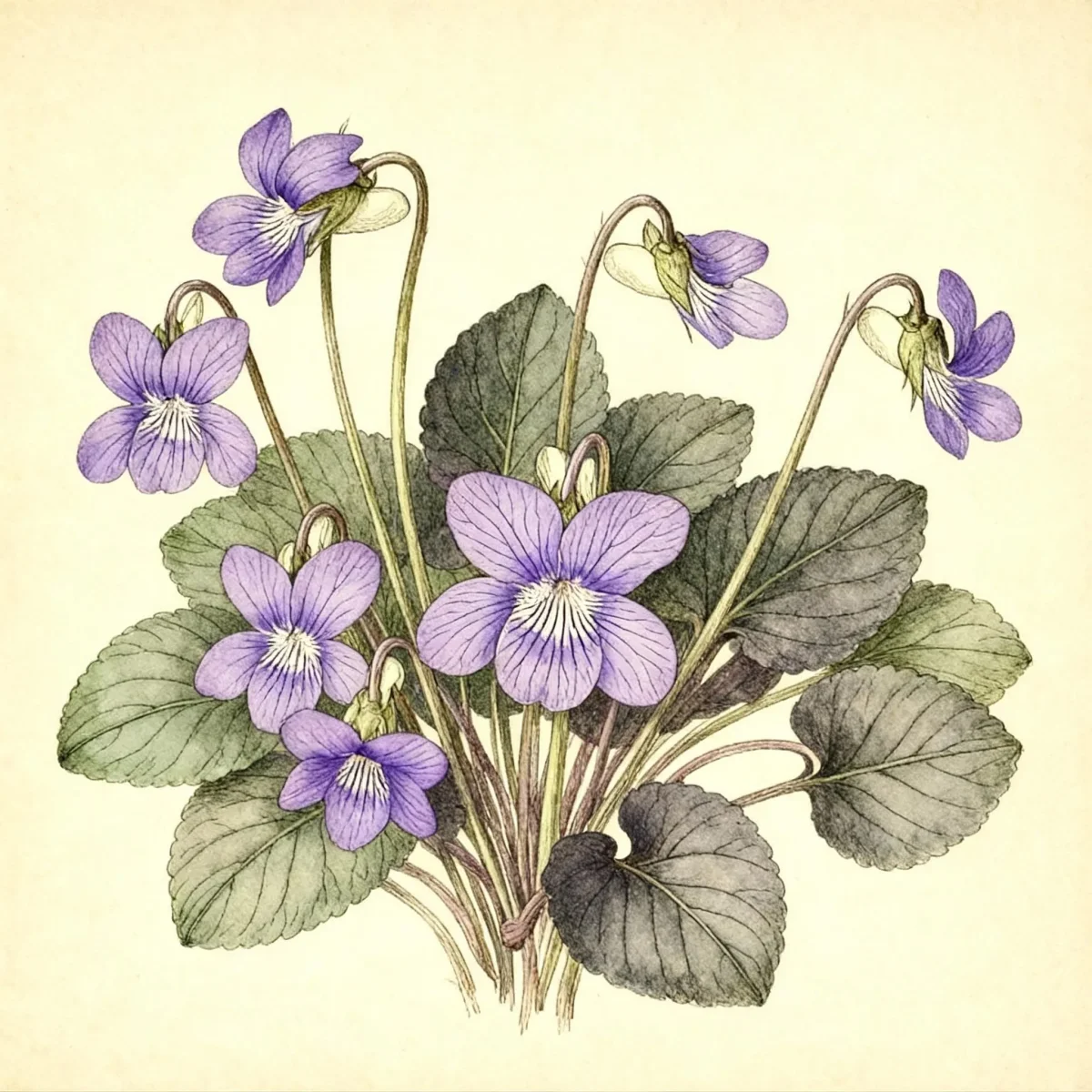
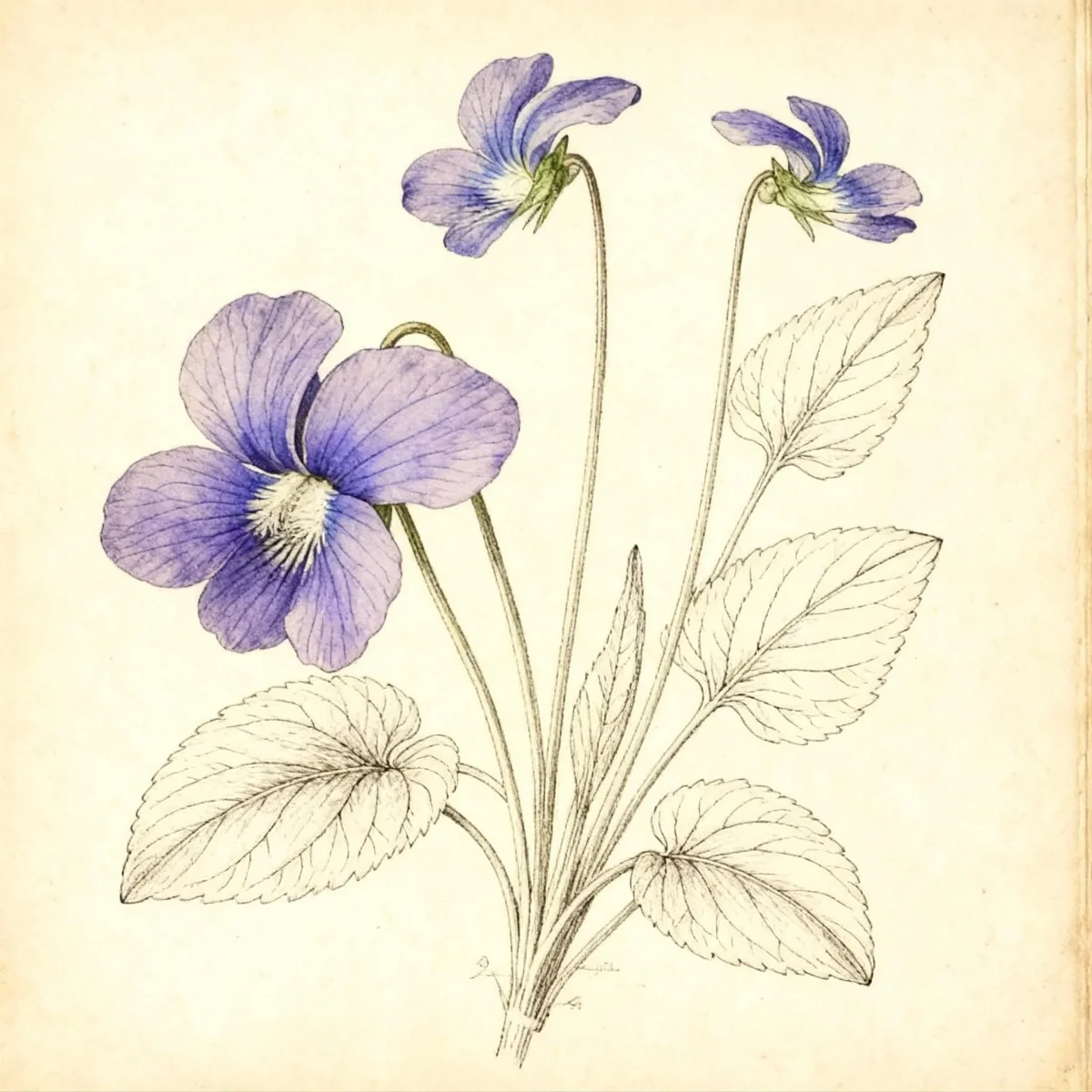
Viola ‘Red Giant’ is a highly valued herbaceous perennial recognized for its vibrant spring display of large, rose-red flowers rising directly above the foliage. This specific Violet cultivar offers excellent ground-covering capabilities without demanding excessive attention, making it perfect for busy gardeners. Its dense, low-growing habit establishes quickly via rhizomes, creating an attractive tapestry across woodland edges or shaded borders.
As a member of the extensive Viola genus, this plant thrives across a wide temperature spectrum in USDA Zones 4 through 8. Its principal appeal lies in its showy blooms appearing early in the season, often signaling the true start of spring color in the garden. Growing Viola ‘Red Giant’ ensures you have consistent, low-profile coverage that handles partial shade excellently.
This easy-to-manage perennial provides practical aesthetic benefits by effectively suppressing weeds in its preferred moist, rich soil conditions. While sometimes confused with other violets, genuine Viola ‘Red Giant’ provides reliable performance as a versatile ground cover or naturalized planting, adding a unique splash of deep color.
Fast Facts
- Plant Family: Violaceae
- Plant Type: Herbaceous perennial
- Hardiness Zones: USDA Zones 4-8
- Size at Maturity:
- Height: 0.5-0.75 ft
- Spread: 0.5-0.75 ft
- Bloom Time: April to May
- Bloom Description: Rose red
- Sun Exposure: Full sun to part shade
- Water Needs: Medium
- Maintenance Level: Low
How to Grow
Planting Viola ‘Red Giant’ is best accomplished in spring or fall when temperatures are moderate, placing them in locations that receive average to rich, humusy soil. These violets absolutely require well-drained soil and are intolerant of drought; consistent medium moisture is key to robust growth. While they tolerate full sun, this is only recommended in cooler summer climates to prevent scorching the foliage.
Routine care for Viola ‘Red Giant’ is minimal, fitting its low-maintenance classification. Water regularly to maintain even soil moisture, especially during establishment or dry spells, as they do not perform well when dry. Fertilization is rarely needed if the soil is organically rich; excessive feeding can promote leaf growth over flowering.
As the plant spreads by rhizomes, occasional division every few years can maintain vigor and help control its spread if it becomes too aggressive. In late winter or early spring, remove any spent debris before new growth begins. Because Viola ‘Red Giant’ often self-seeds, monitor seedlings if you wish to maintain strict planting boundaries.
Landscape Uses
Viola ‘Red Giant’ excels as an effective ground cover due to its spreading nature and durable low stature (0.5 to 0.75 feet high). It is perfectly suited for softening the edges of rock gardens or providing a colorful border front where taller plants might overshadow it. The suggestion to “Naturalize” indicates its success in woodland gardens or beneath larger, deciduous trees where dappled light prevails.
When blending Viola ‘Red Giant’ into landscape designs, consider pairing it with plants that share similar moisture and light preferences, such as hostas, ferns, or bleeding hearts, which appreciate the rich, woodland-style conditions it favors. Its early spring color offers significant contrast against emerging spring bulbs like tulips or daffodils before they fully leaf out.
For borders, use this Violet as an effective edger, creating a dense carpet that clearly defines pathways or lawn edges. Its ability to tolerate close planting means you can achieve rapid coverage, transforming neglected pockets of ground under shade into vibrant, low-upkeep areas.
Standout Features
Flower Qualities
- Showy
Noteworthy Characteristics
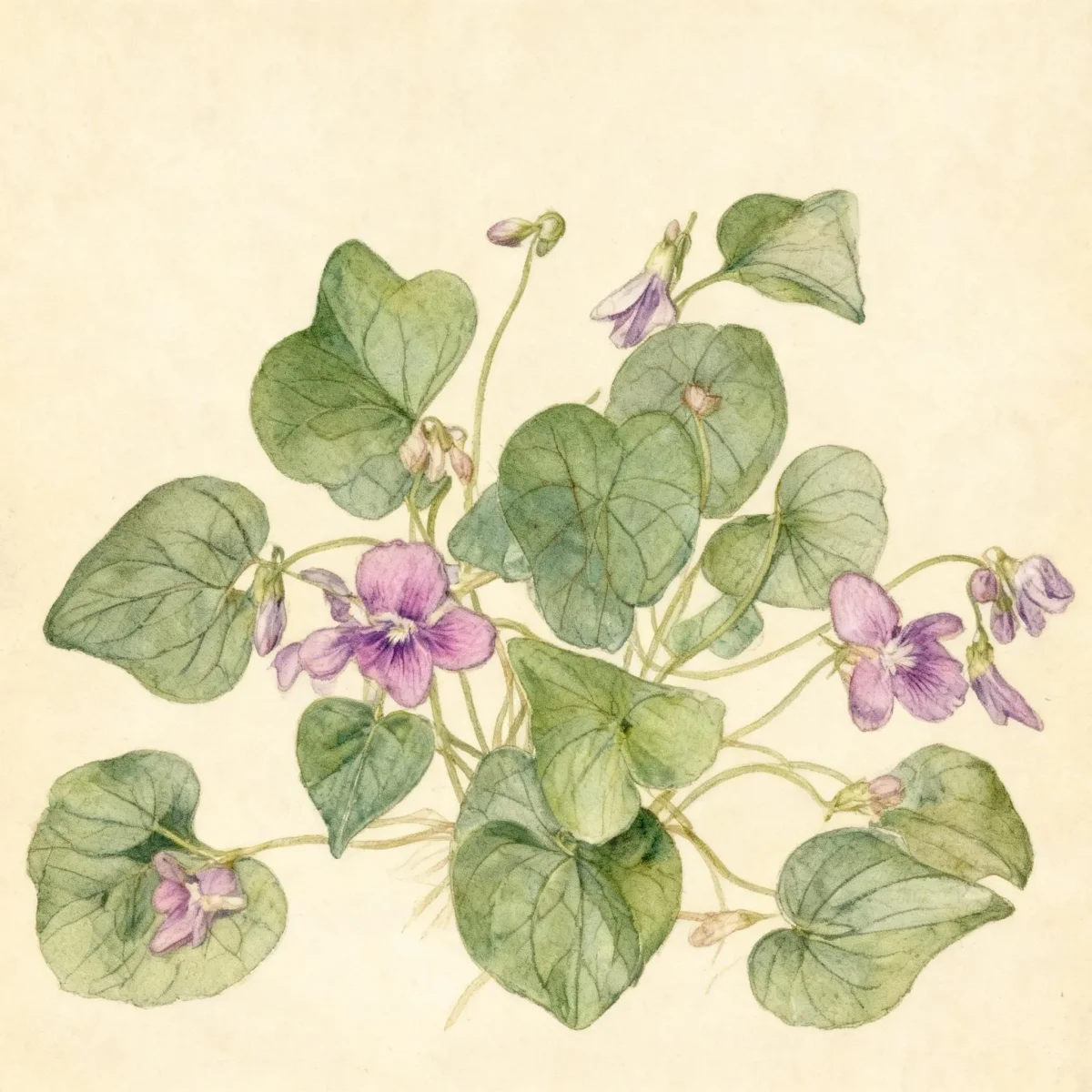
Viola is a genus of about 500 species found worldwide in temperate areas, with many hybrids developed specifically for their showy flowers. The genus name originates from the Latin term for various sweet-scented flowers. ‘Red Giant’ is a stemless violet characterized by large rose-red flowers appearing reliably in the spring, supported by medium green, heart-shaped leaves emerging directly from the crown.
Tolerances
- Deer
Potential Problems
Viola ‘Red Giant’ generally enjoys a low incidence of serious pest or disease issues when grown in its ideal conditions. The most significant management concern developers face is population control; in optimal environments—rich, moist soil with adequate shade—these plants may spread rapidly via rhizomes and self-seeding. Prevention involves ensuring excellent soil drainage to prevent rot and monitoring the plant density as it matures so it doesn’t overwhelm adjacent plantings.
Frequently Asked Questions
What hardiness zones is Violet suitable for?
Viola ‘Red Giant’ performs reliably in USDA Hardiness Zones 4 through 8.
How large does Violet grow?
This perennial typically reaches a mature height between 0.5 and 0.75 feet tall, with a similar spread of 0.5 to 0.75 feet.
What sun exposure does Viola ‘Red Giant’ need?
Viola ‘Red Giant’ prefers full sun to part shade, though it thrives best when protected from intense afternoon sun or when situated in cool summer climates.
When does Violet bloom?
This variety of Violet blooms from April to May, showcasing distinct rose-red flowers.
Conclusion
Viola ‘Red Giant’ offers gardeners vibrant, low-maintenance color, serving as a robust ground cover with beautiful rose-red blooms early in the season. Its adaptability to partial shade and low care requirements make this Violet a staple for shaded landscape areas. Before planting, ensure your site offers the rich, moist, well-drained soil necessary for this striking perennial to truly flourish.
Companion Planting
When selecting companions for Viola ‘Red Giant’, focus on plants that share its need for consistent moisture and appreciate morning sun or high shade, mirroring woodland garden conditions. Consider pairing it with low-growing spring ephemerals that will die back as the violet mat thickens, ensuring continuous seasonal interest. Hostas with contrasting light-colored foliage create a wonderful backdrop that allows the deep rose color of the Violet flowers to really stand out.
For borders, integrate plants known for textured foliage or later summer blooms, such as various types of Astilbe or Hakonechloa macra (Japanese Forest Grass). This layering strategy ensures that while Viola ‘Red Giant’ dominates the spring display and provides excellent low coverage, the area remains visually interesting throughout the entire growing season without overcrowding the spreading rhizomes of the Violet.
Design Ideas
Utilize Viola ‘Red Giant’ in mass plantings to create a seamless carpet of color and texture beneath high deciduous trees where lawn grass often struggles. Its low profile makes it an ideal choice for softening the harsh edges of retaining walls or large boulders in a rock garden setting, allowing the stone to appear more naturally integrated into the landscape. The term “Naturalize” suggests that planting in sweeping, irregular drifts rather than rigid rows will enhance its aesthetic appeal.
Consider using this colorful Violet in mixed containers for spring patio displays. Since it stays small (under 9 inches tall), plant it near the edge or base of the container surrounding taller specimens like geraniums or trailing vine plants. This application allows you to easily move the container to maximize sun exposure early in the season before transplanting the established Viola ‘Red Giant’ to its final garden position later in the year.