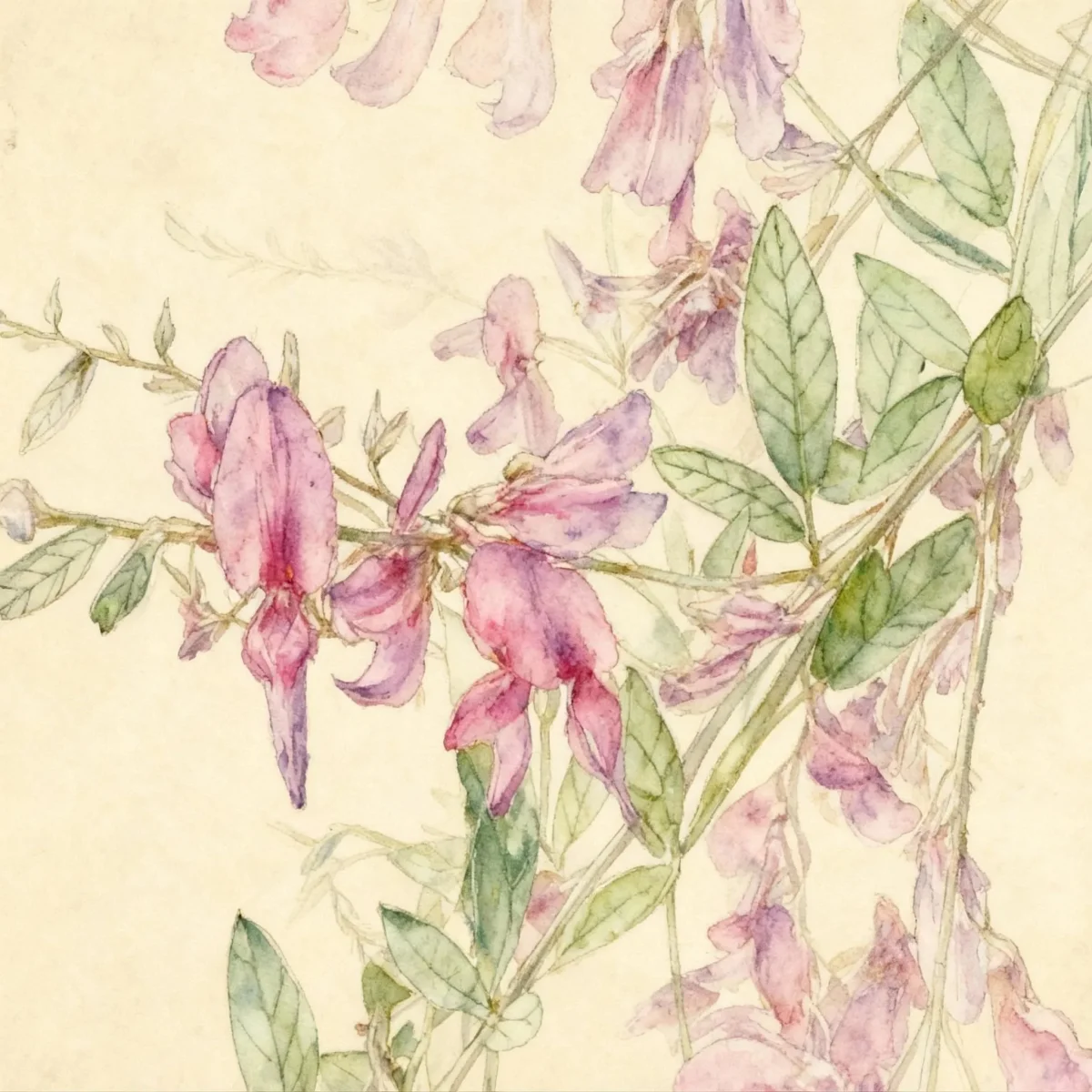
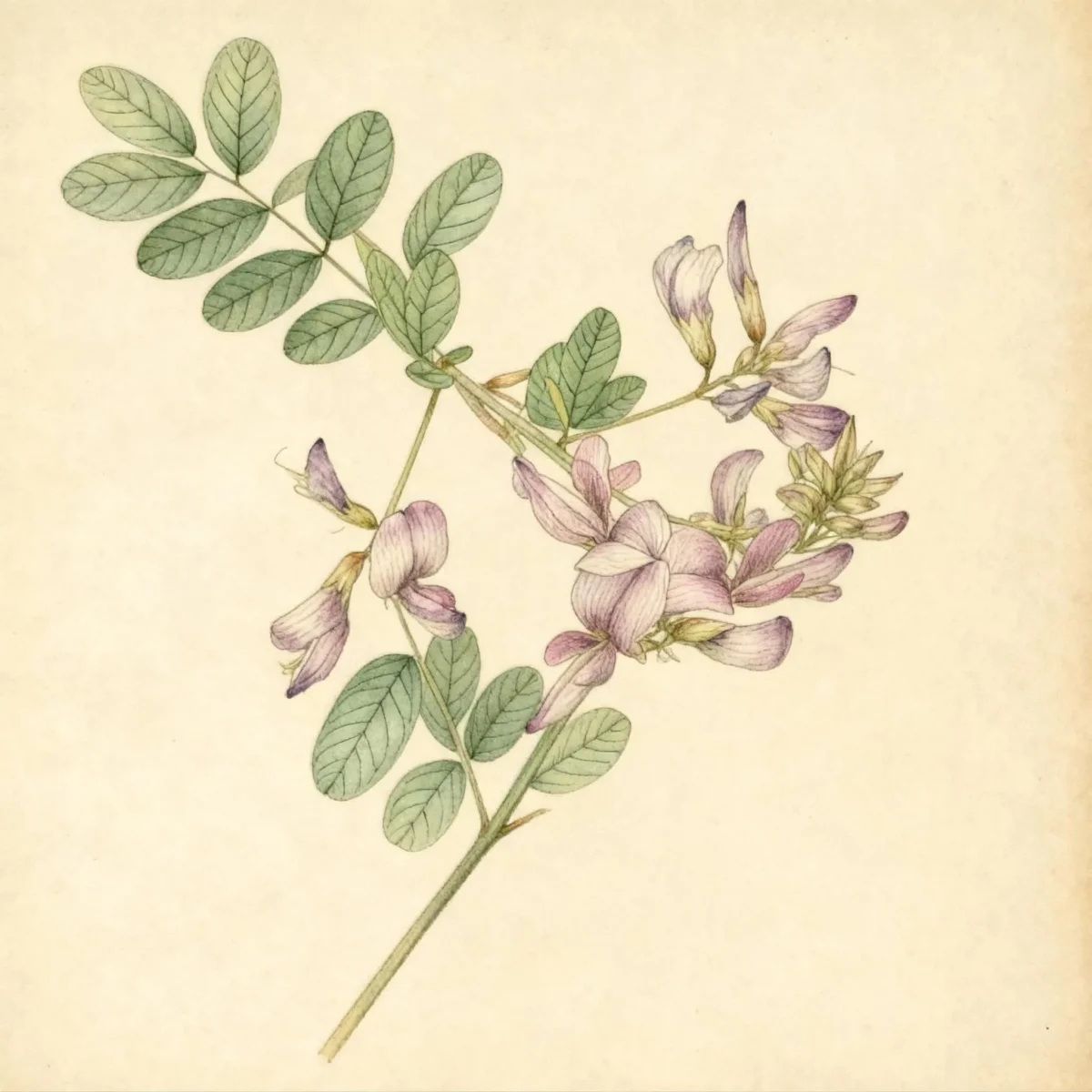
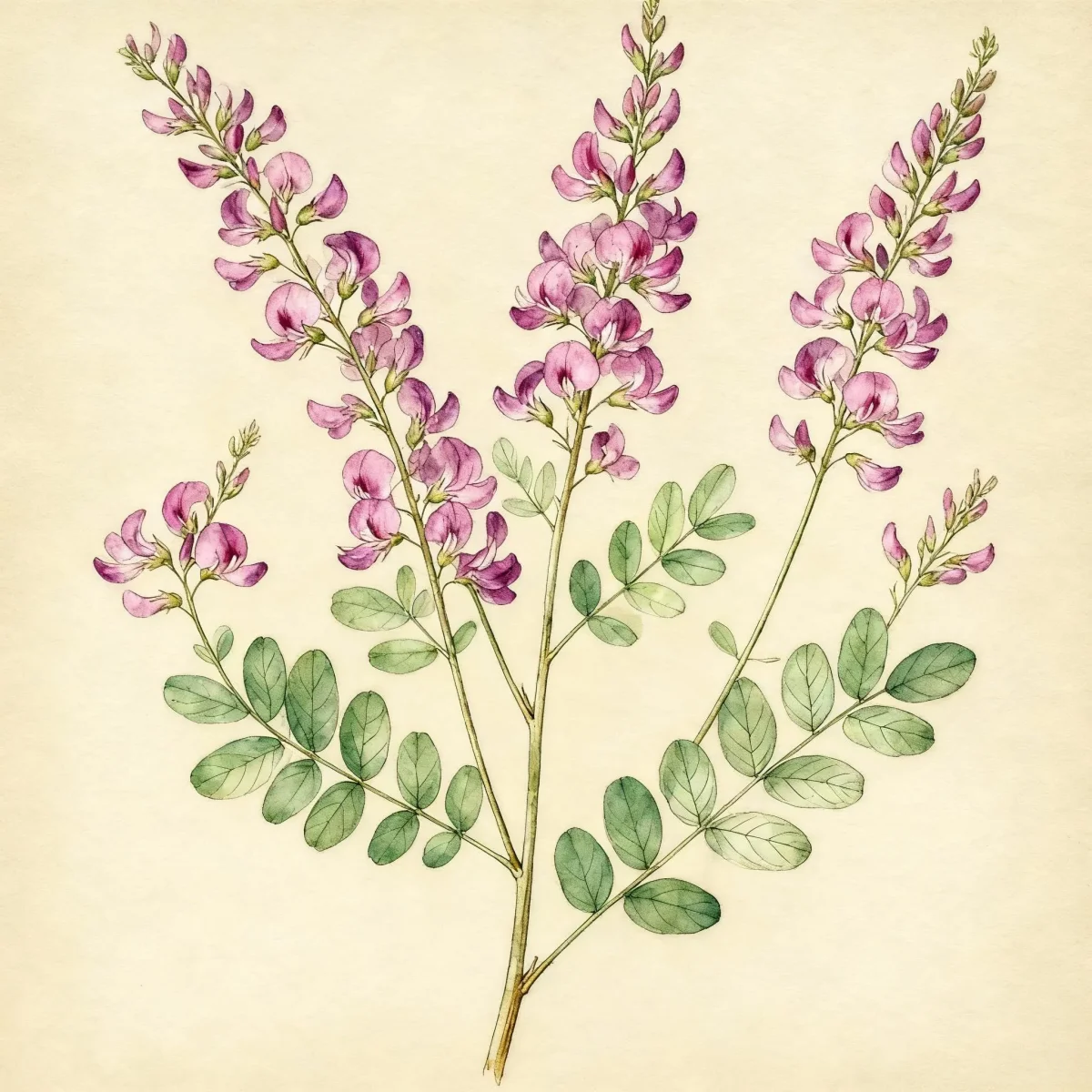
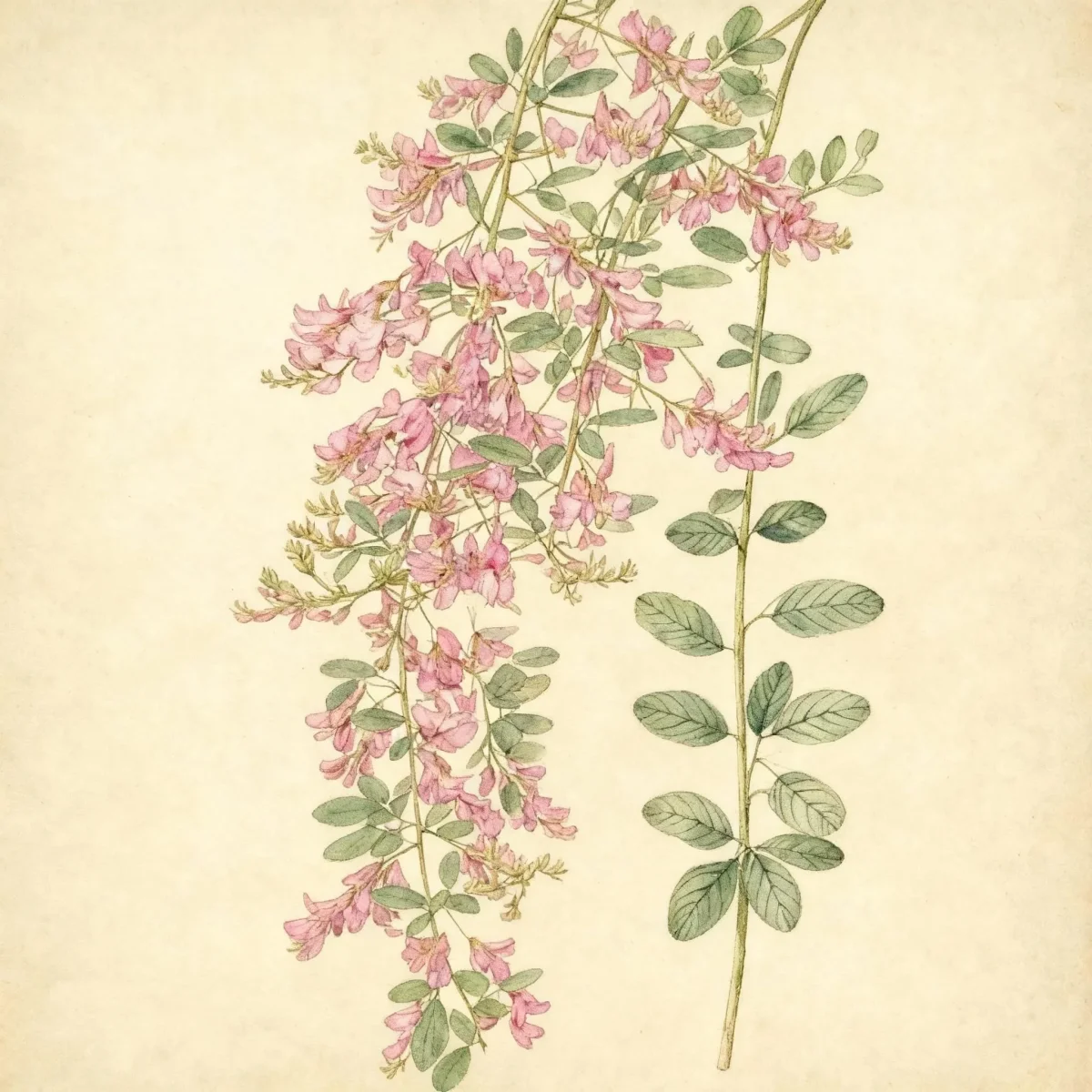
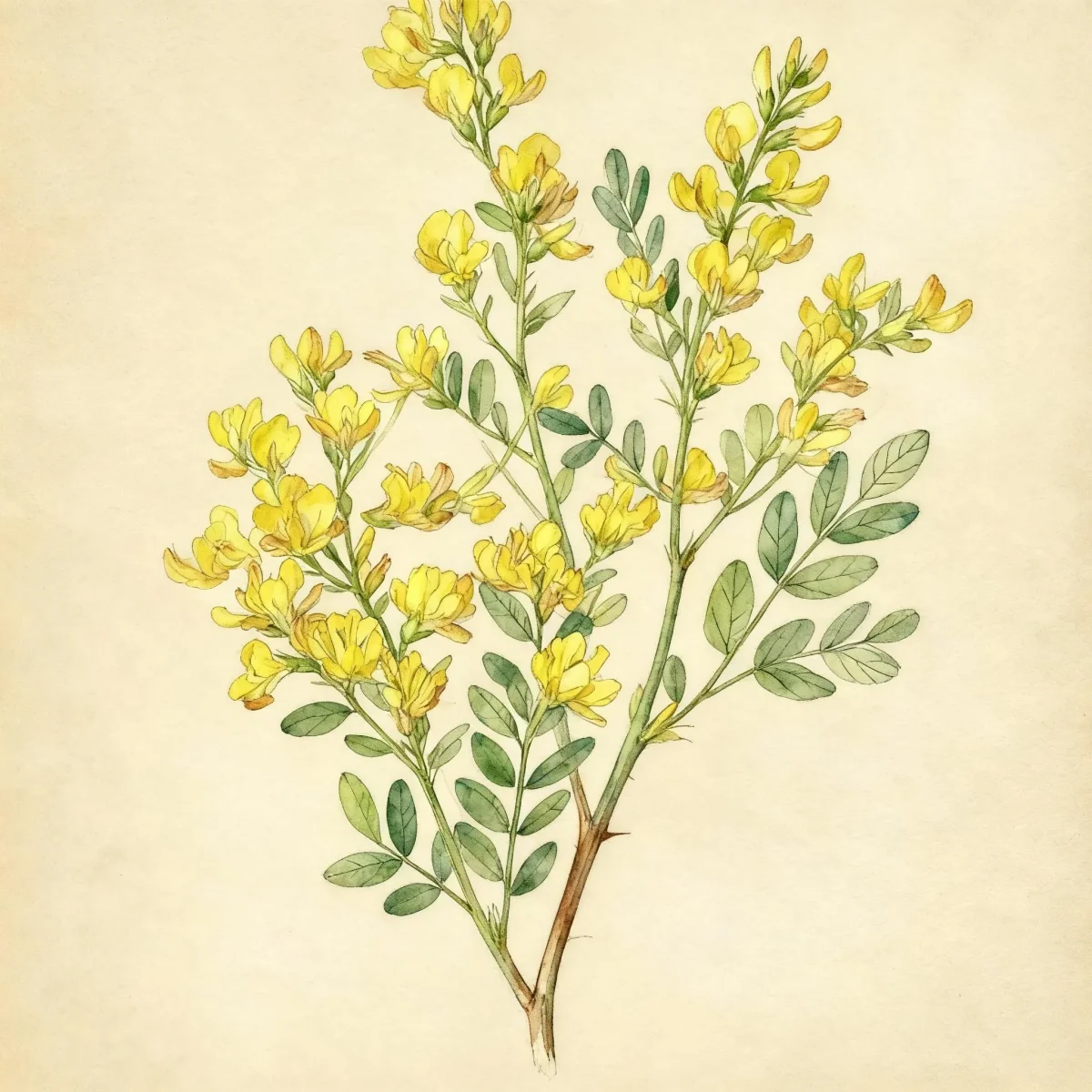
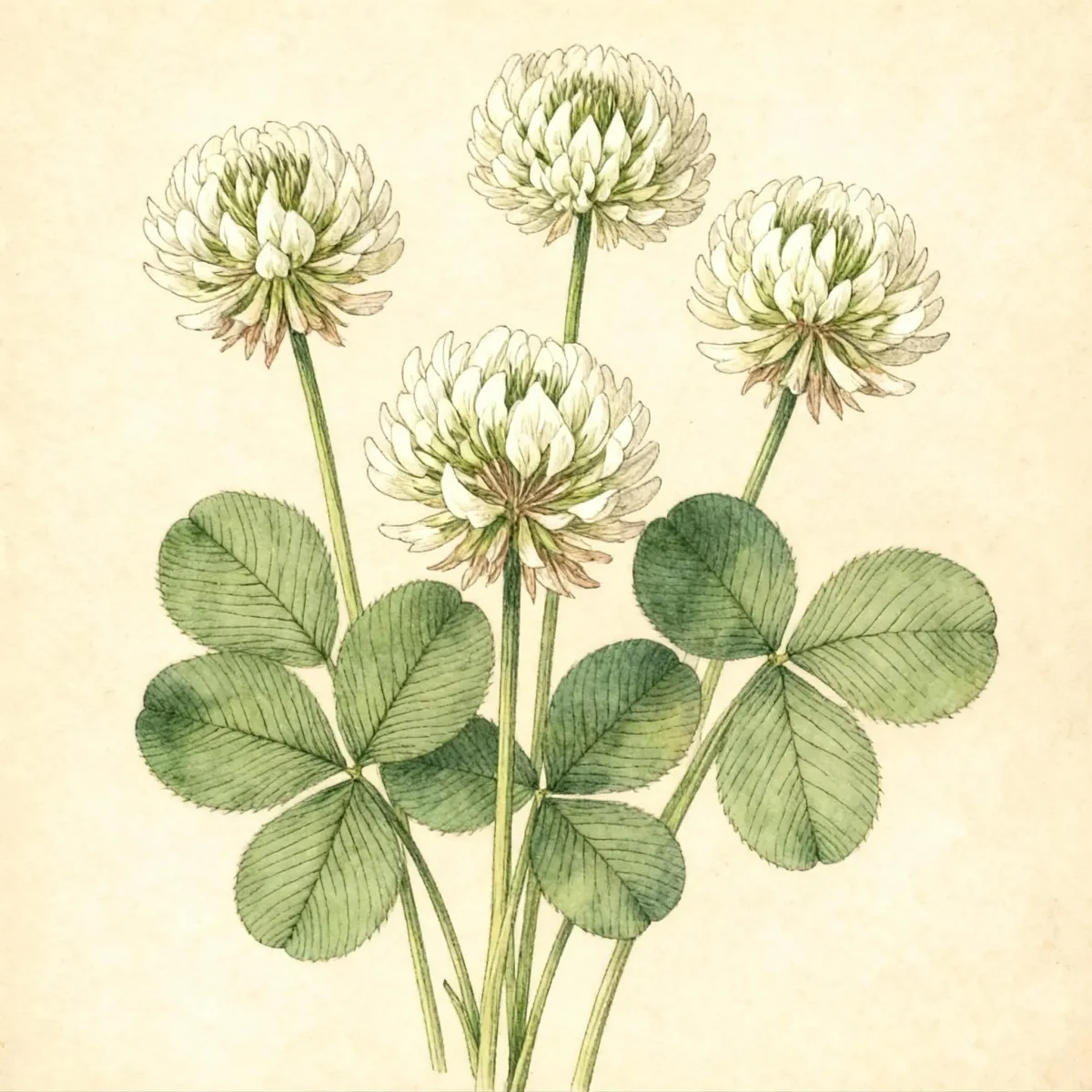
Bush clover (Lespedeza thunbergii 'White Fountain')
Lespedeza thunbergii 'White Fountain' is a stunning deciduous shrub offering white late-season blooms on arching stems. This Bush clover excels in full sun and tolerates poor soils.
Scroll down to discover growing tips, care requirements, companion plants, and more
Complete Plant Information
Overview
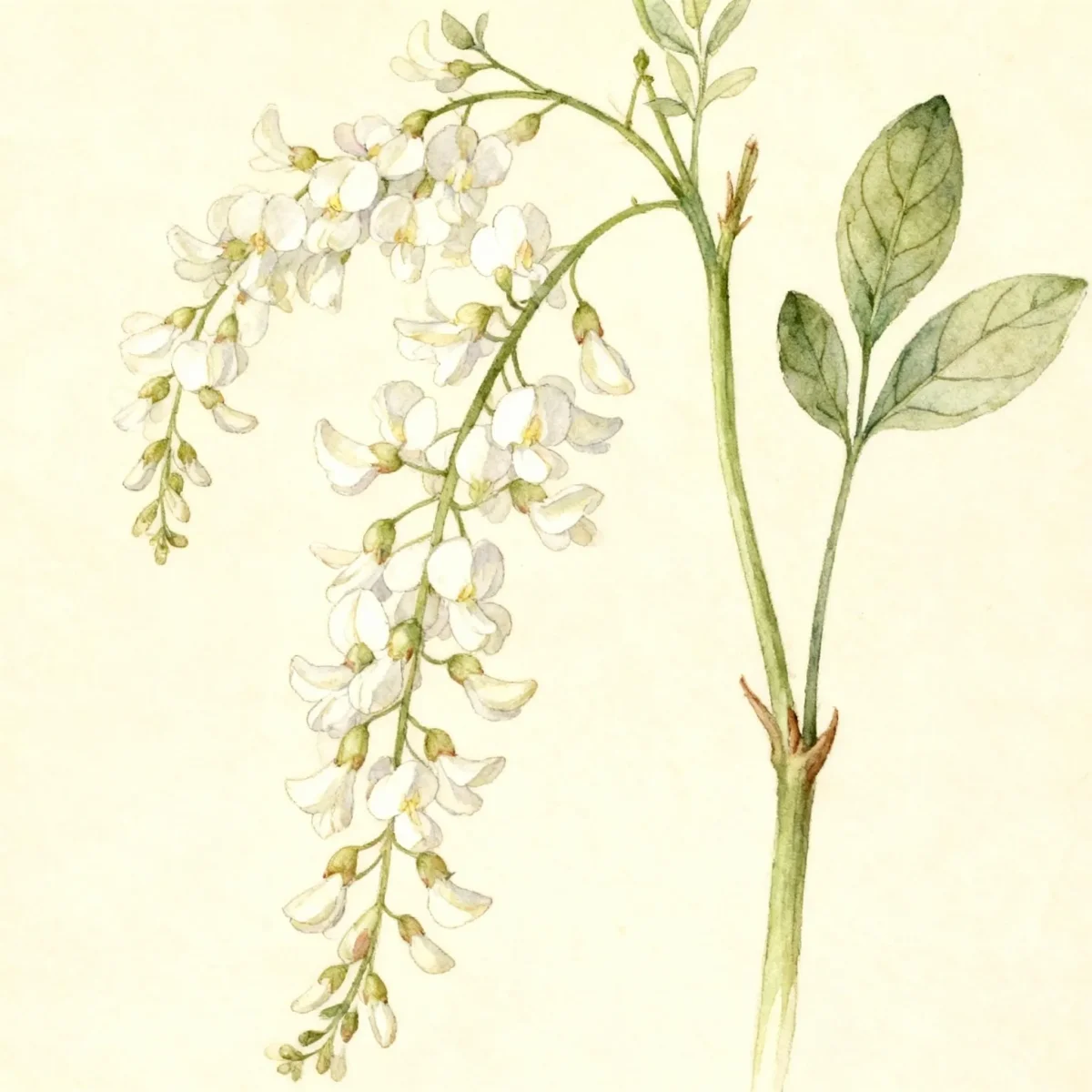
Lespedeza thunbergii ‘White Fountain’ provides a spectacular display of white, pea-like flowers cascading on graceful, arching stems in late summer and early fall. This variety of Bush clover forms a semi-woody, fountain-like structure that brightens areas when many other shrubs have finished flowering. Gardeners prize this shrub for its reliable, late-season color and its impressive tolerance for less-than-ideal soil conditions.
This deciduous shrub responds well to harsh pruning, rapidly producing new, attractive foliage and abundant blooms annually. The foliage is a pleasing bluish-green, setting off the late-blooming racemes beautifully. As a functional landscape element, Lespedeza thunbergii ‘White Fountain’ is excellent for adding texture and vertical interest to sunny borders.
Once established, this tough plant handles periods of dryness, making it a sensible choice for low-water gardens or slopes needing stabilization. Enjoying full sun maximizes flowering, ensuring the best performance from your Lespedeza thunbergii ‘White Fountain’ throughout August and September.
Fast Facts
- Plant Family: Fabaceae
- Plant Type: Deciduous shrub
- Hardiness Zones: USDA Zones 4-8
- Size at Maturity:
- Height: 4-6 ft
- Spread: 4-12 ft
- Bloom Time: August to September
- Bloom Description: White
- Sun Exposure: Full sun to part shade
- Water Needs: Medium
- Maintenance Level: Medium
How to Grow
Plant Bush clover in the spring or fall in average, well-drained soil. While it performs adequately in part shade, ensure it receives full sun exposure for the most abundant and vibrant flowering display. Good drainage is non-negotiable; standing water will quickly harm the root structure of this desirable shrub.
Water requirements are medium, recognizing that the plant tolerates drought effectively once its root system is established in its permanent location. Avoid aggressive fertilization, as this cultivar thrives even in infertile or sandy soils and excessive nutrients can lead to weak, overly lush growth.
Maintenance focuses heavily on pruning. Since Lespedeza thunbergii ‘White Fountain’ blooms exclusively on new growth, pruning is essential for shape and vigor. Cut the stems back as needed in late winter or early spring, treating it almost like a semi-woody perennial by cutting it back to the ground.
Be aware that while the roots are hardy down to Zone 6, the top growth often dies back to the ground during harsh winters; pruning in late winter prepares the plant for its rapid resurgence the following season. Plants may also gently naturalize the area via reseeding or stem rooting.
Landscape Uses
The graceful, weeping habit of Lespedeza thunbergii ‘White Fountain’ makes it an exceptional specimen plant for the late-season garden. It shines brightest when positioned where its arching branches can cascade naturally, such as spilling over the edge of a retaining wall or softening the line of a pathway.
Use this Bush clover in traditional shrub borders to provide necessary structure, mixing it with later-blooming perennials like asters or sedums that complement its white flowers. Because it offers stability, it is highly recommended for planting on slopes or hillsides where its roots can help with erosion control while its structure adds visual appeal.
Consider planting masses near the entrance to a cottage garden, allowing the flowing white panicles to create a romantic, soft focal point. Its late flowering ensures the garden maintains interest long after summer perennials have faded.
Standout Features
Flower Qualities
- Showy
Noteworthy Characteristics
Lespedeza thunbergii, commonly called bush clover, is a deciduous, semi-woody shrub with an arching, fountain-like habit. When cut to the ground in late winter to early spring, it responds by producing rapid annual growth to 3- 6’ tall and as wide during the following growing season. ‘White Fountatin’, as the name suggests, is a fountain-like plant that produces white pea-like flowers in late summer on weeping branches clad with trifoliate deep green leaves.
Tolerances
- Drought
- Erosion
Potential Problems
This plant generally avoids serious insect or disease complications, which contributes significantly to its low maintenance ranking. Monitor for general garden pests, but significant infestations or debilitating diseases are rarely reported for healthy specimens. Proper cultural care—especially ensuring excellent drainage—is the best preventative measure against potential secondary issues arising from stressed plants.
Frequently Asked Questions
What hardiness zones is Bush clover suitable for?
Lespedeza thunbergii ‘White Fountain’ is well-suited for USDA Hardiness Zones 4 through 8.
How large does Bush clover grow?
This deciduous shrub typically reaches a mature height between 4 and 6 feet, with a spread ranging from 4 to 12 feet, creating a wide, weeping mound.
When does Bush clover bloom?
This variety of Bush clover provides its signature display of white flowers from August into September, offering valuable late-season color.
What sun exposure does Lespedeza thunbergii ‘White Fountain’ need?
For optimal flowering, this plant requires full sun, although it tolerates conditions transitioning into part shade.
Conclusion
For reliable, late-season structure and cascades of white flowers, Lespedeza thunbergii ‘White Fountain’ is an indispensable choice for the structure of the season. Its adaptability to drought and poor soils, combined with its dramatic form, makes this Bush clover a gardener favorite. Before planting, confirm your location falls within USDA Zones 4-8 and ensure you plan for its necessary hard pruning in late winter.
Companion Planting
When selecting plants to grow alongside your Lespedeza thunbergii ‘White Fountain’, focus on species that appreciate similar sun exposure and drainage conditions. Late-blooming perennials like Japanese Anemones (Anemone hupehensis) or tall ornamental grasses create excellent textural contrast against the fountain-like habit of the Bush clover. Avoid plants that require consistently rich, moist soil, as overwatering the shrub area contradicts the well-drained needs of the Lespedeza.
Consider mixing in low-growing Junipers or creeping Sedums near the base, especially if planting on a slope, to enhance the erosion control benefits while ensuring the base of the shrub remains visible during its blooming period. These companions will remain evergreen or provide excellent fall color to frame the deciduous Lespedeza.
Design Ideas for Poor Soils
The ability of Lespedeza thunbergii ‘White Fountain’ to perform well in infertile, sandy environments opens up unique design possibilities for challenging garden spots. Utilize this shrub as an anchor plant in a xeriscape or native plant border where competition from demanding species is low. Its high tolerance for drought means it integrates seamlessly into rock gardens or dry slopes needing visual appeal through late summer.
To maximize the white flower impact, pair the shrub with deep blue or burgundy foliage that contrasts sharply with the white blossoms and the bluish-green leaves. Plants such as certain varieties of Smokebush (Cotinus) or Russian Sage (Perovskia atriplicifolia) offer rich color backdrops that make the fountain-like display of the Bush clover truly stand out as the season matures.