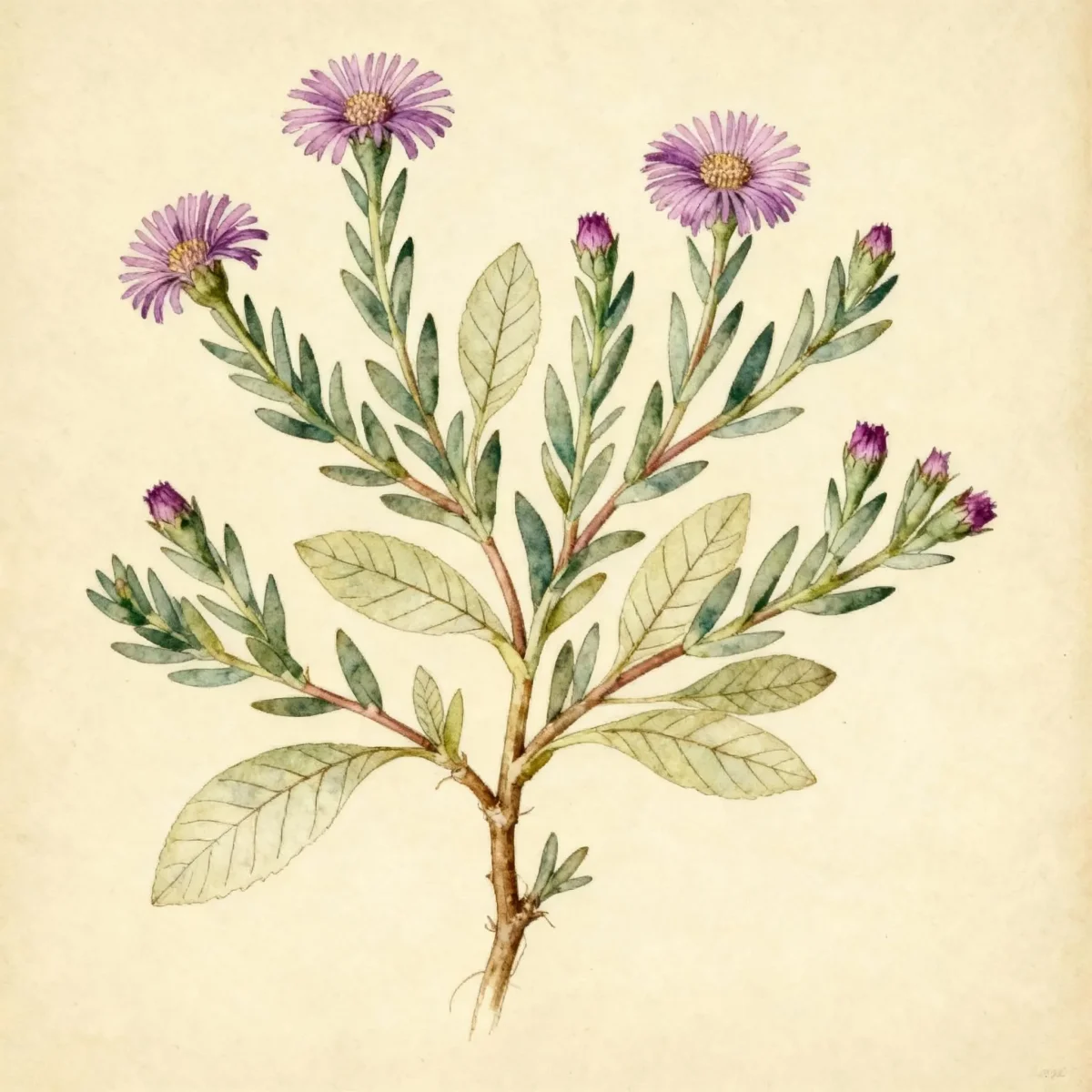
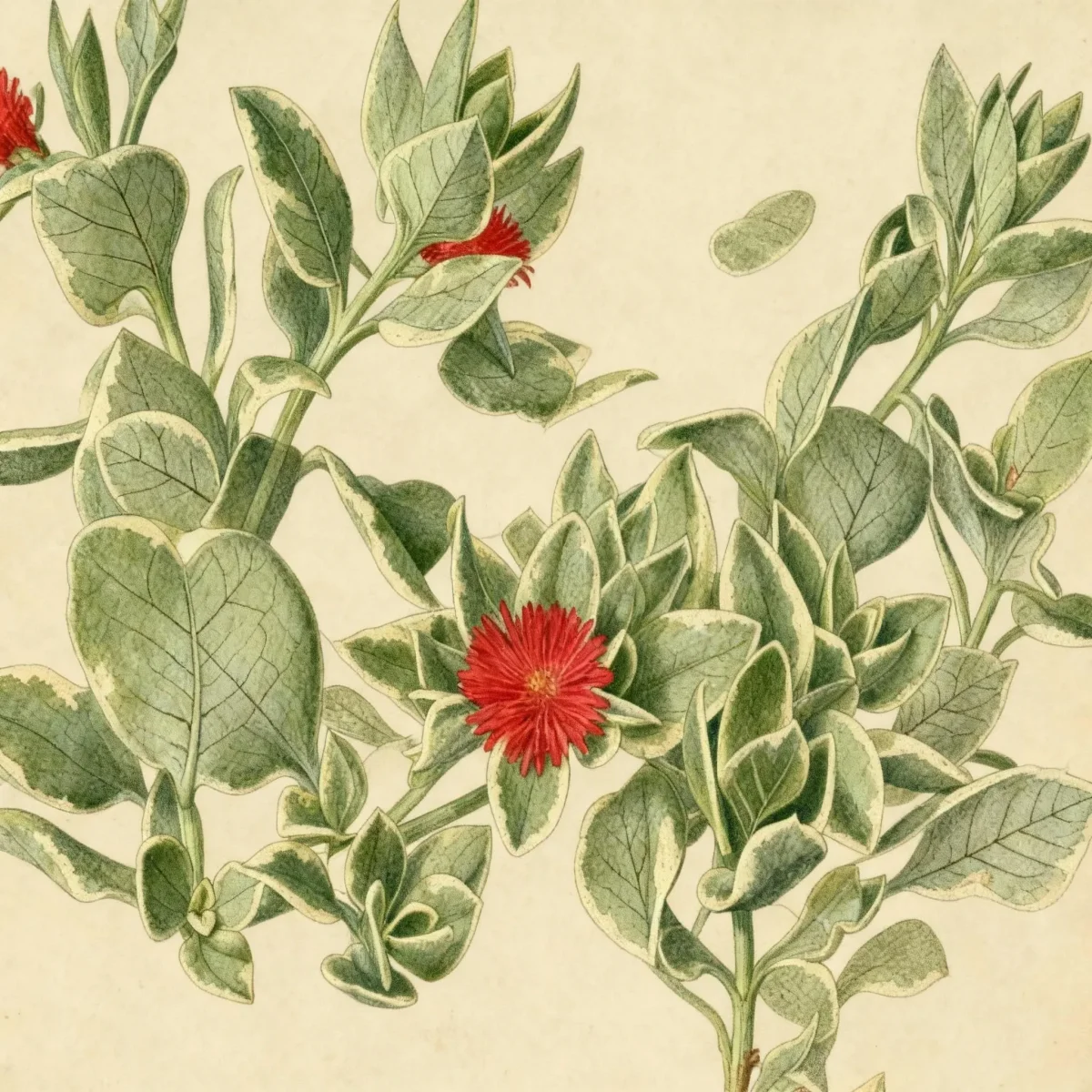
Ice plant (Delosperma 'Kelaidis')
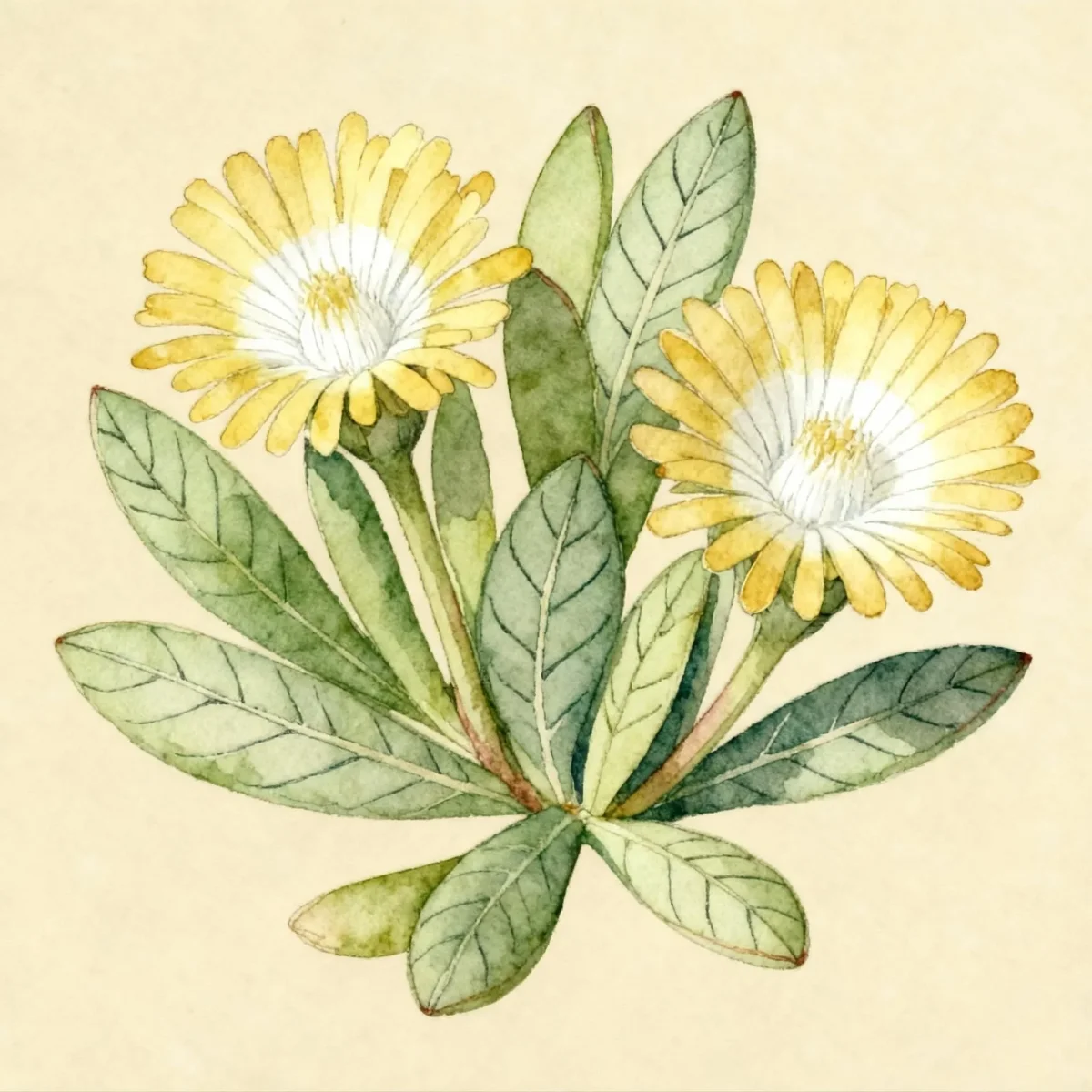
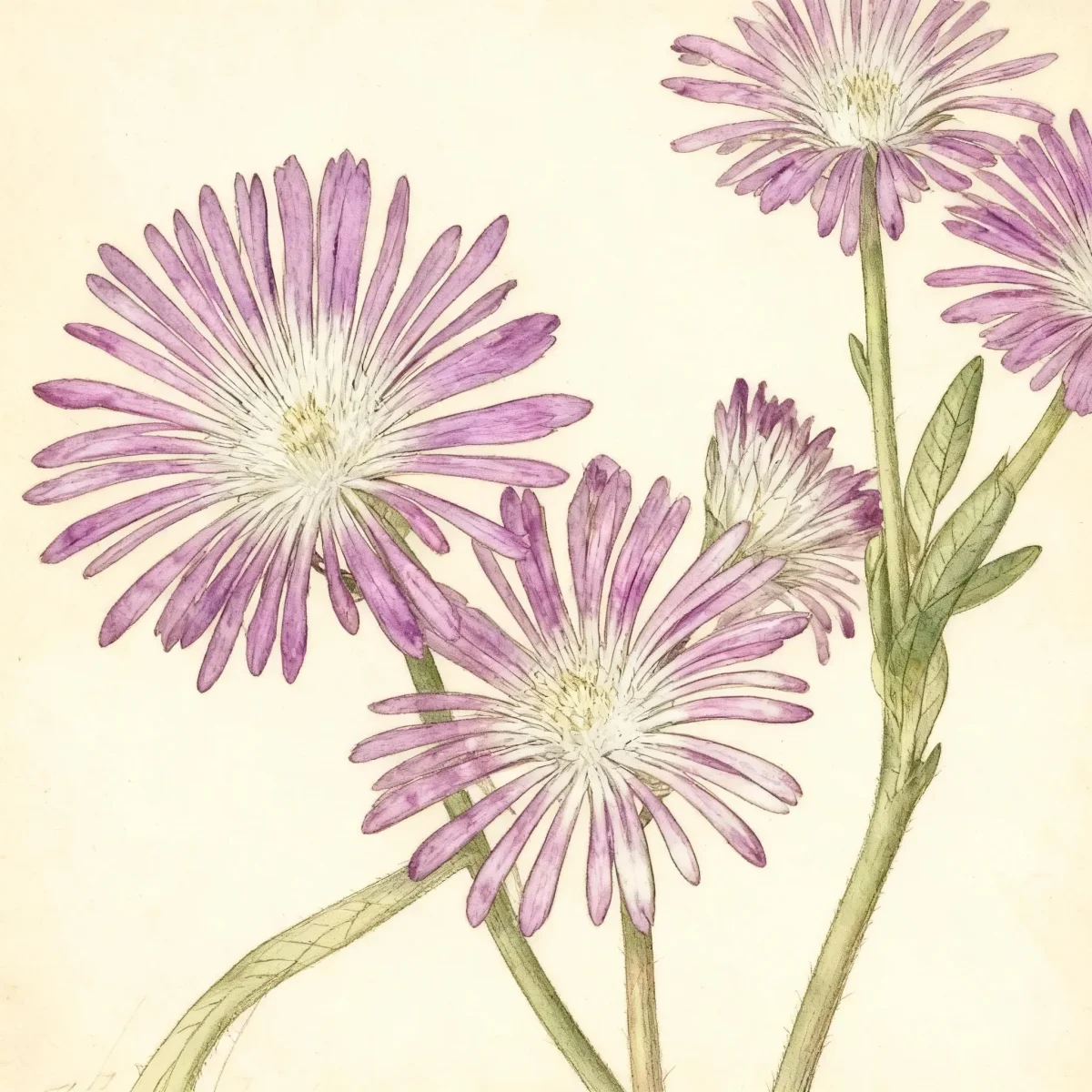
Delosperma 'Kelaidis' Ice plant offers stunning salmon-pink blooms from June to September in full sun.
Scroll down to discover growing tips, care requirements, companion plants, and more
Complete Plant Information
Overview
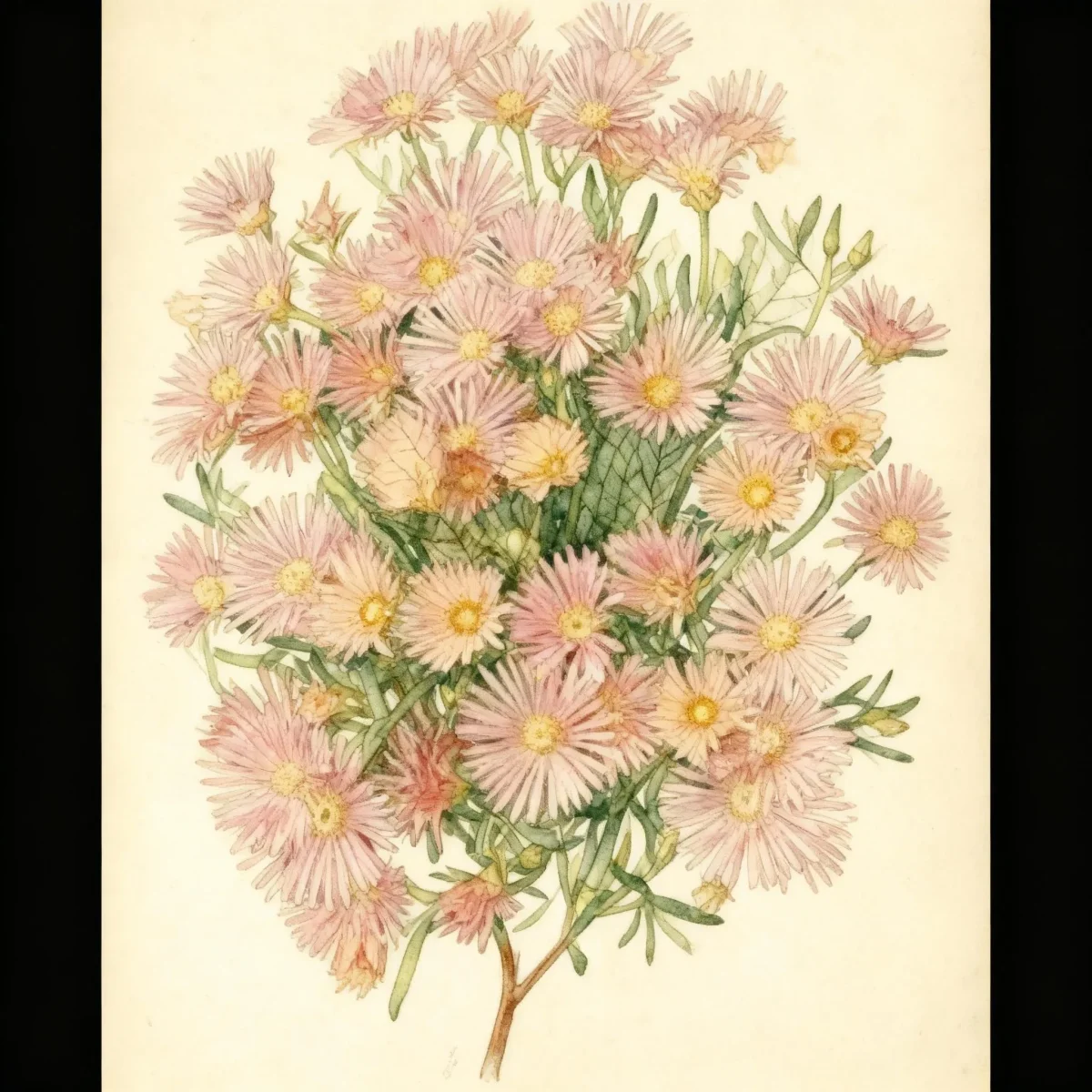
Delosperma ‘Kelaidis’, commonly known as Ice plant, is a standout succulent perennial prized for its dense, mat-forming habit and exceptionally long bloom period. Its primary appeal lies in the prolific display of salmon-pink, daisy-like flowers that obscure the foliage from early summer well into autumn. This ground cover spreads freely, rooting along the ground to create a continuous tapestry of color, perfect for stabilizing slopes or filling in sunny, dry areas.
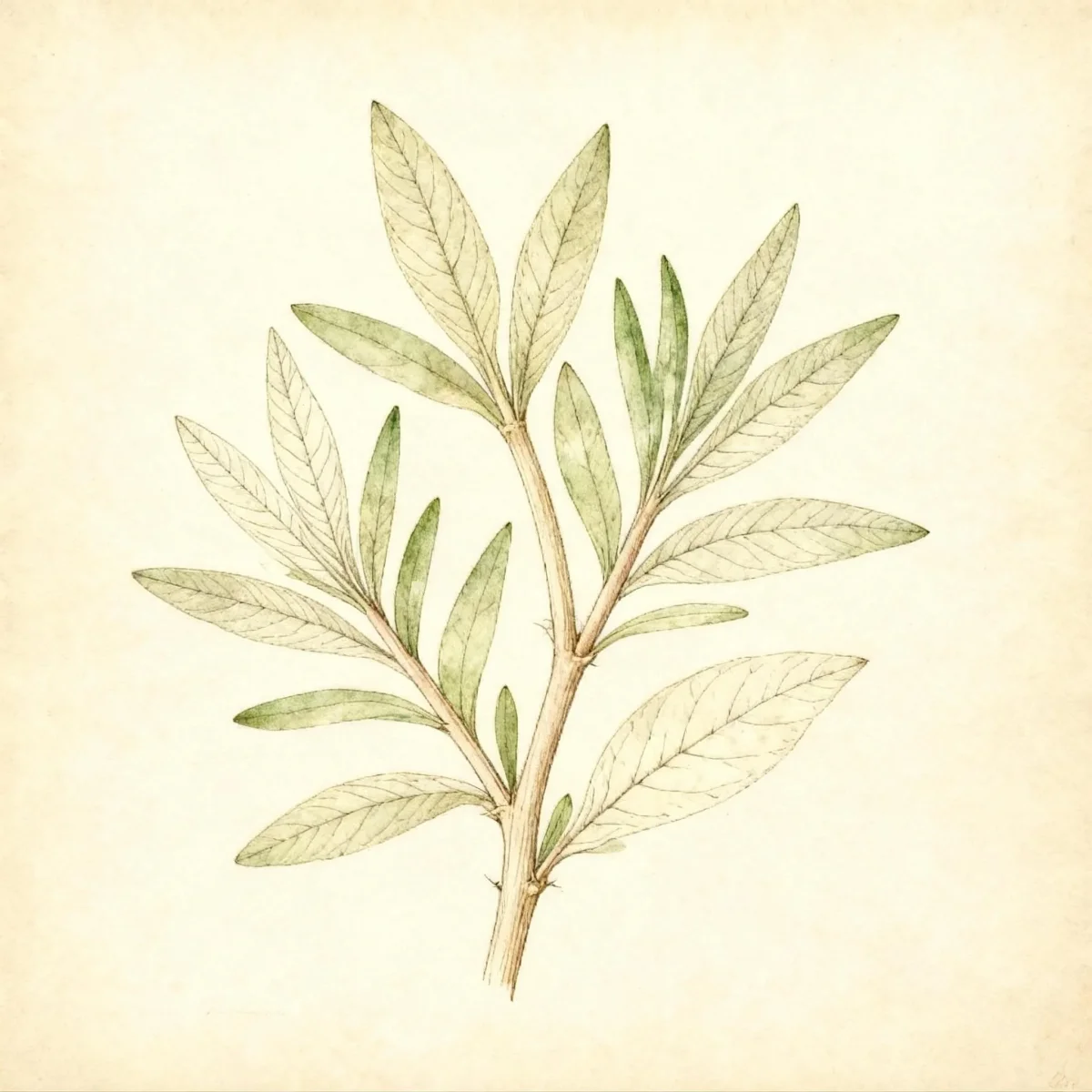
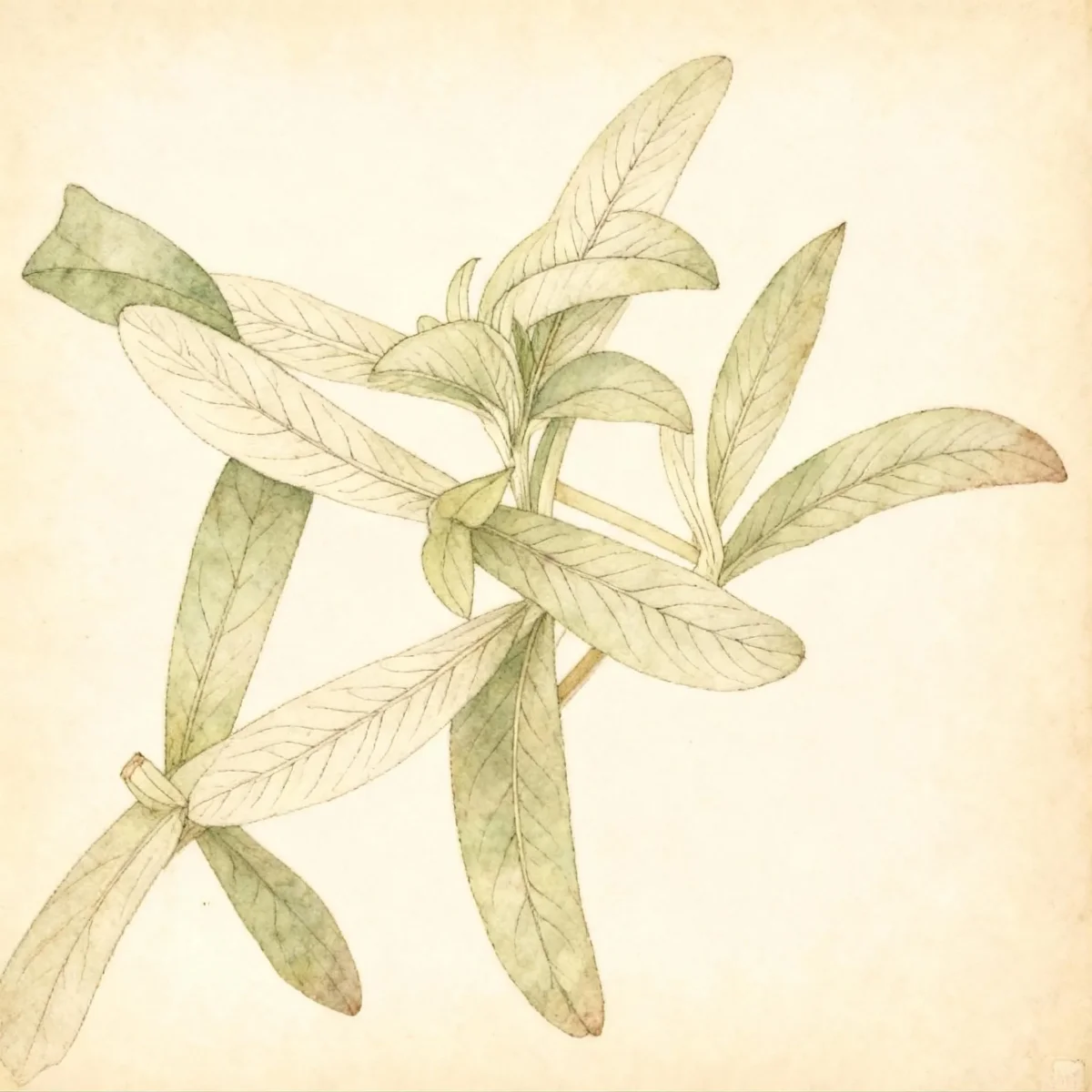
This herbaceous perennial thrives under heat and drought conditions once established, making it an excellent, low-input selection for challenging garden spots. Growing just inches tall but spreading significantly wider, Delosperma ‘Kelaidis’ demands excellent drainage, especially during overwintering periods in cooler zones. The unique foliage, covered in tiny, transparent flakes resembling ice, adds textural interest even when flowers are absent.
The commitment to providing full sun and well-drained soil ensures this specific Ice plant variety reliably delivers its vibrant color. Gardeners appreciate the ease of propagation; simply tucking succulent leaf segments into the soil often results in new plants. For reliable performance, especially regarding winter hardiness in transitional zones, consider siting Delosperma ‘Kelaidis’ where moisture is controlled.
Fast Facts
- Plant Family: Aizoaceae
- Plant Type: Herbaceous perennial
- Hardiness Zones: USDA Zones 4-8
- Size at Maturity:
- Height: 0.25-0.5 ft
- Spread: 1-2 ft
- Bloom Time: June to September
- Bloom Description: Salmon pink
- Sun Exposure: Full sun
- Water Needs: Dry to medium
- Maintenance Level: Medium
How to Grow
Plant Delosperma ‘Kelaidis’ in the spring after the danger of frost has passed, ensuring the location offers full, unobstructed sun exposure throughout the day. The most critical requirement for this Ice plant is excellent soil drainage; it prefers average, dry to medium, well-drained soils, leaning towards sandy compositions. If planting along a slope or in areas where winter moisture retention is high, consider preparing a raised bed to ensure sharp drainage, which is essential for preventing winter root rot.
Watering should be minimal once established, as this succulent variety tolerates drought exceptionally well. Avoid overwatering entirely; prolonged wet or moist winter soil is often fatal to this variety. Fertilization is rarely necessary; these plants do best in lean soils and rich amendments can promote excessive foliage growth at the expense of flowers.
Routine care involves minimal intervention. Deadheading is usually unnecessary, as the spent flowers are not particularly conspicuous. Propagation is incredibly easy: stems and succulent leaves can be easily rooted simply by pressing them into moist soil. In colder zones (like Zone 4), providing winter protection, particularly ensuring the area remains dry, can significantly boost the survival rate of Delosperma ‘Kelaidis’.
Landscape Uses
The prostrate, spreading nature of Delosperma ‘Kelaidis’ makes it an outstanding choice for ground cover applications where a dense, low mat is desired. It is fantastic for stabilizing banks or sunny, rocky xeriscapes where traditional turf struggles. Furthermore, use this Ice plant as an attractive edger along walkways or define the borders of dry perennial beds.
Because of its shallow root system and drought tolerance, Delosperma ‘Kelaidis’ performs surprisingly well in containers and shallow pots, offering continuous color throughout the summer. In landscape design, pair its bright salmon-pink blooms with contrasting textures, such as coarse ornamental grasses or silver-leaved succulents that share similar dry-sun demands. The dense matting habit also allows it to naturalize effectively in sprawling, informal garden settings.
Standout Features
Flower Qualities
- Showy
Noteworthy Characteristics
Delospora is a genus of about 150 species, commonly called ice plants, with the genus name referencing “evident seed.” The foliage earns the common name from transparent flakes resembling tiny pieces of ice. Delosperma ‘Kelaidis’ is specifically noted for its dense, spreading form and long bloom of salmon-pink, daisy-like flowers atop succulent, jellybean-like foliage that may turn purple in winter.
Tolerances
- Drought
Potential Problems
Ice plant varieties like Delosperma ‘Kelaidis’ generally resist serious insect or disease issues, which adds to their low-maintenance appeal. However, persistent monitoring for common succulent pests is advised, specifically watching for aphids and mealybugs, especially if the plant is crowded or stressed by humidity. The primary challenge gardeners face across the northern reaches of its recommended range, particularly around transitional planting areas like St. Louis, is winter hardiness. While reportedly hardy to Zone 4, survival hinges almost entirely on soil drainage; persistently moist or wet soils during winter freezes can prove fatal. Ensuring the planting location sheds water quickly is the best preventative measure against winter failure.
Frequently Asked Questions
What hardiness zones is Ice plant suitable for?
Delosperma ‘Kelaidis’ is recommended for USDA Hardiness Zones 4 through 8.
How large does Delosperma ‘Kelaidis’ grow?
This Ice plant typically achieves a height between 0.25 to 0.5 feet, spreading generously between 1 and 2 feet wide, forming a low mat.
What sun exposure does Delosperma ‘Kelaidis’ need?
This sun-loving perennial requires full sun to produce its best flush of blooms and maintain compact growth.
When does Delosperma ‘Kelaidis’ bloom?
The bloom time for this Ice plant extends from June through September, featuring salmon-pink flowers.
Conclusion
The Delosperma ‘Kelaidis’ Ice plant remains a superior choice for sunny areas demanding vibrant, long-lasting color with minimal water reliance. Its succulent foliage and striking salmon-pink flowers guarantee aesthetic appeal throughout the growing season. Before planting, confirm your site provides the intense sunlight and sharply drained soil necessary for this stunning mat-forming perennial to thrive through all seasons.
Propagation Tips
Propagating Delosperma ‘Kelaidis’ is remarkably straightforward, capitalizing on the plant’s natural rooting tendencies along its stems. This ease of propagation ensures that you can quickly expand your ground cover coverage or replace any winter-damaged areas. Stems or even healthy, succulent leaves can be gently detached from the mother plant, ensuring a small piece of the base remains attached if possible.
Once harvested, these cuttings do not always require rooting hormone. Simply allow the cut ends to callous over for a day or two, which helps prevent rot. Then, press the base of the cutting directly into average, well-drained potting mix or sandy garden soil in full sun. Keep the soil slightly moist (but never wet) until roots form, which usually occurs quite rapidly.
This technique means that once you establish one Delosperma ‘Kelaidis’, you can easily multiply it across dry, sunny spots in your landscape or create beautiful mixed containers featuring this spreading Ice plant. Rooting success is high, making this a cost-effective and rewarding propagation project for any gardener.
Companion Planting
Due to the strict drainage and sun requirements shared by Delosperma ‘Kelaidis’, companion plants should primarily be other drought-tolerant, sun-loving species. Excellent partners include various Sedums and Sempervivums (Hens and Chicks), which share a similar succulent texture and low-growing habit. These companions create a tapestry effect while thriving in the lean, dry soil this Ice plant prefers.
Consider pairing the lower profile ground cover with upright, structural drought resistors like ornamental grasses such as Blue Fescue (Festuca glauca) or certain ornamental Alliums that offer vertical contrast against the flat spread of the Ice plant. Avoid planting Delosperma ‘Kelaidis’ near moisture-loving perennials like Hostas or Astilbes, as the resulting watering competition or differing soil preferences will quickly lead to the decline of the Ice plant.