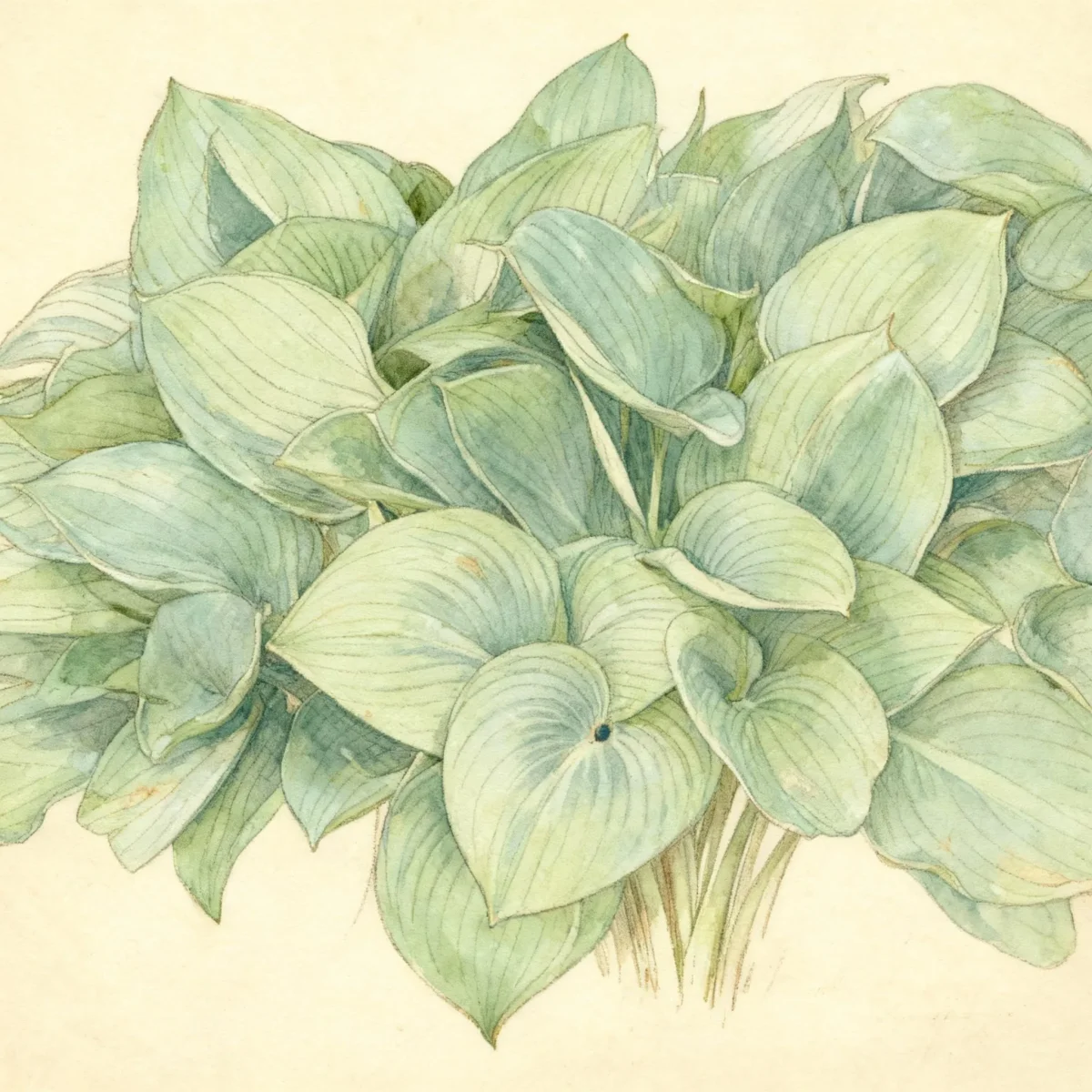
Hosta (Hosta 'Liberty')
Hosta 'Liberty' offers striking blue-green foliage with wide, creamy yellow margins, perfect for shade gardens.
Scroll down to discover growing tips, care requirements, companion plants, and more
Complete Plant Information
Overview
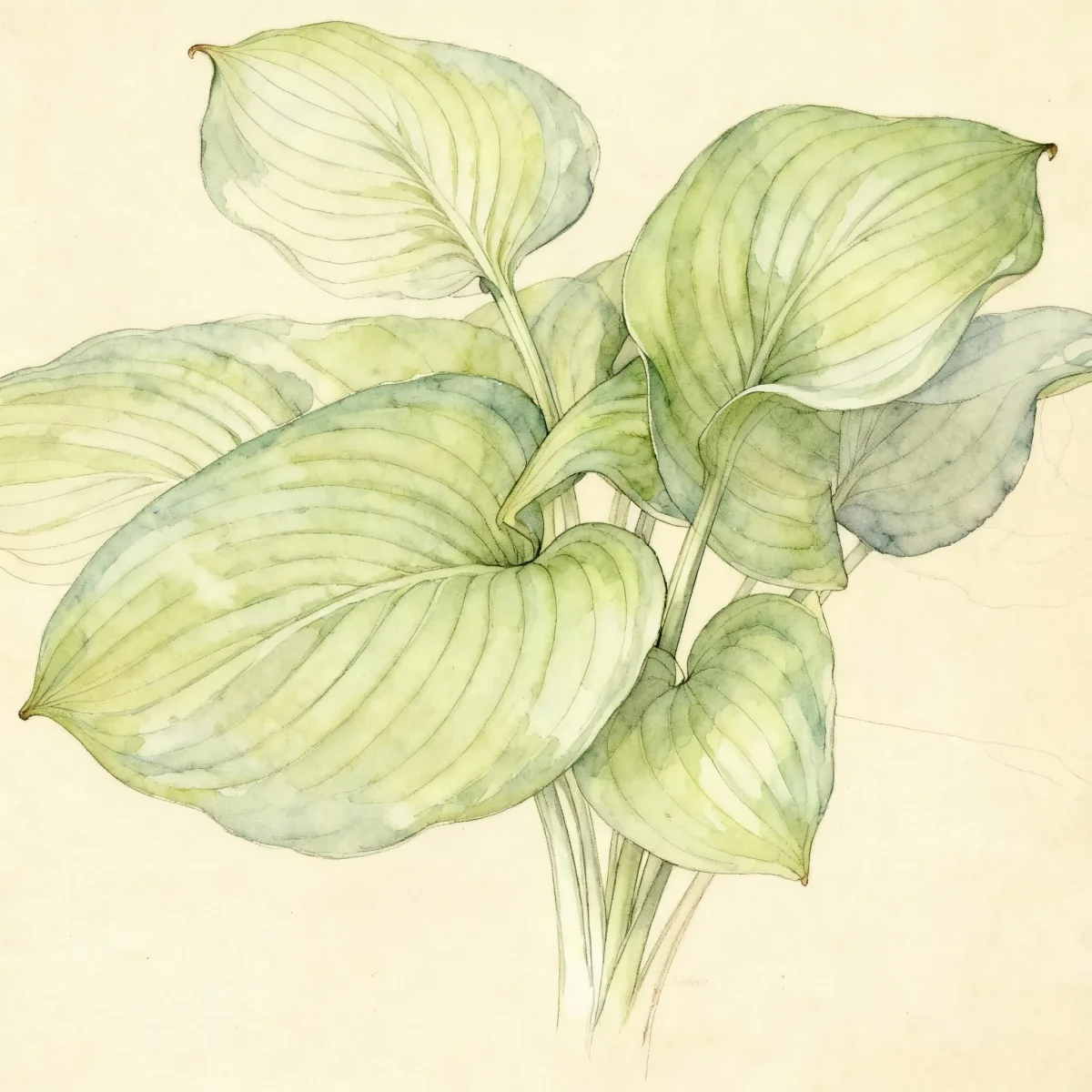
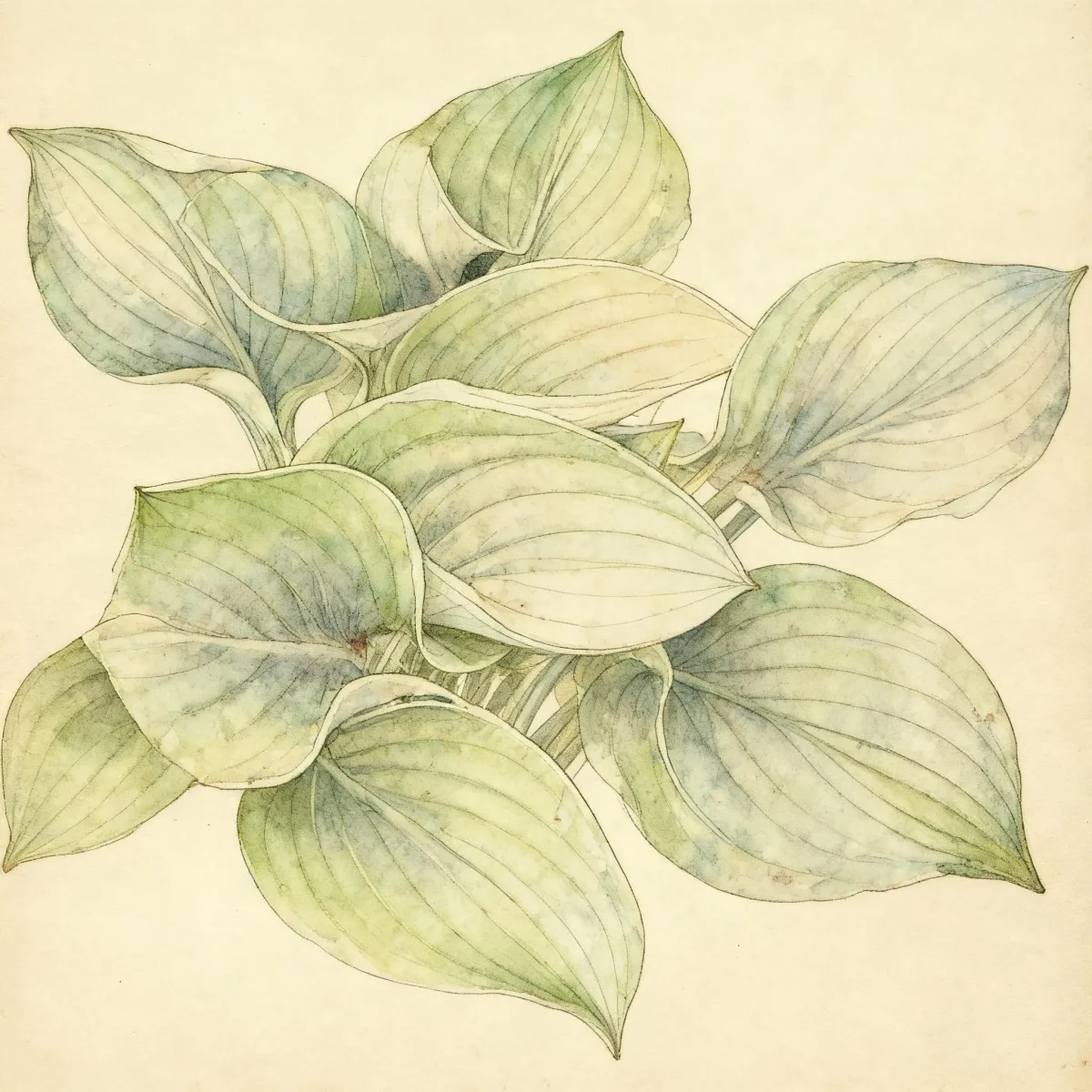
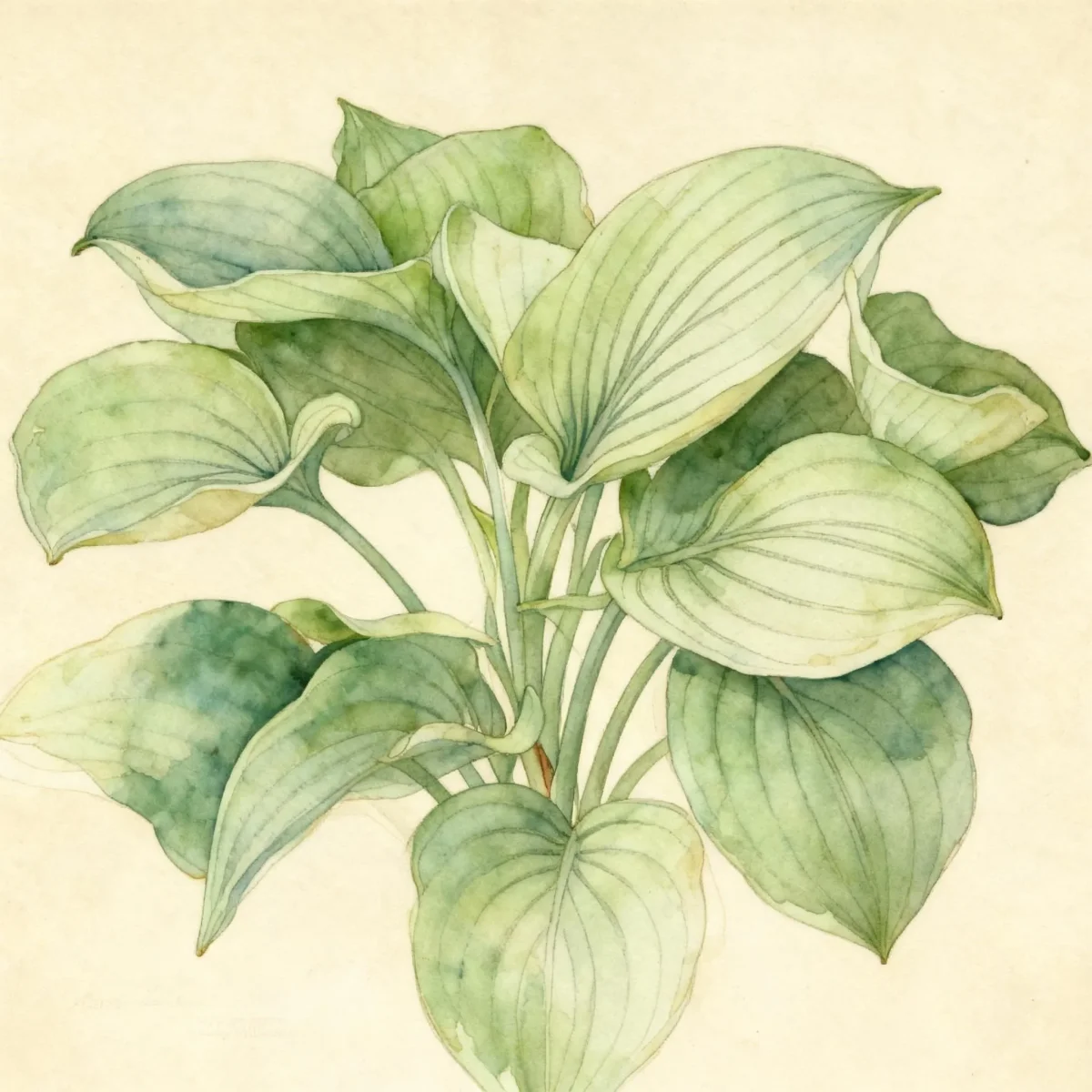
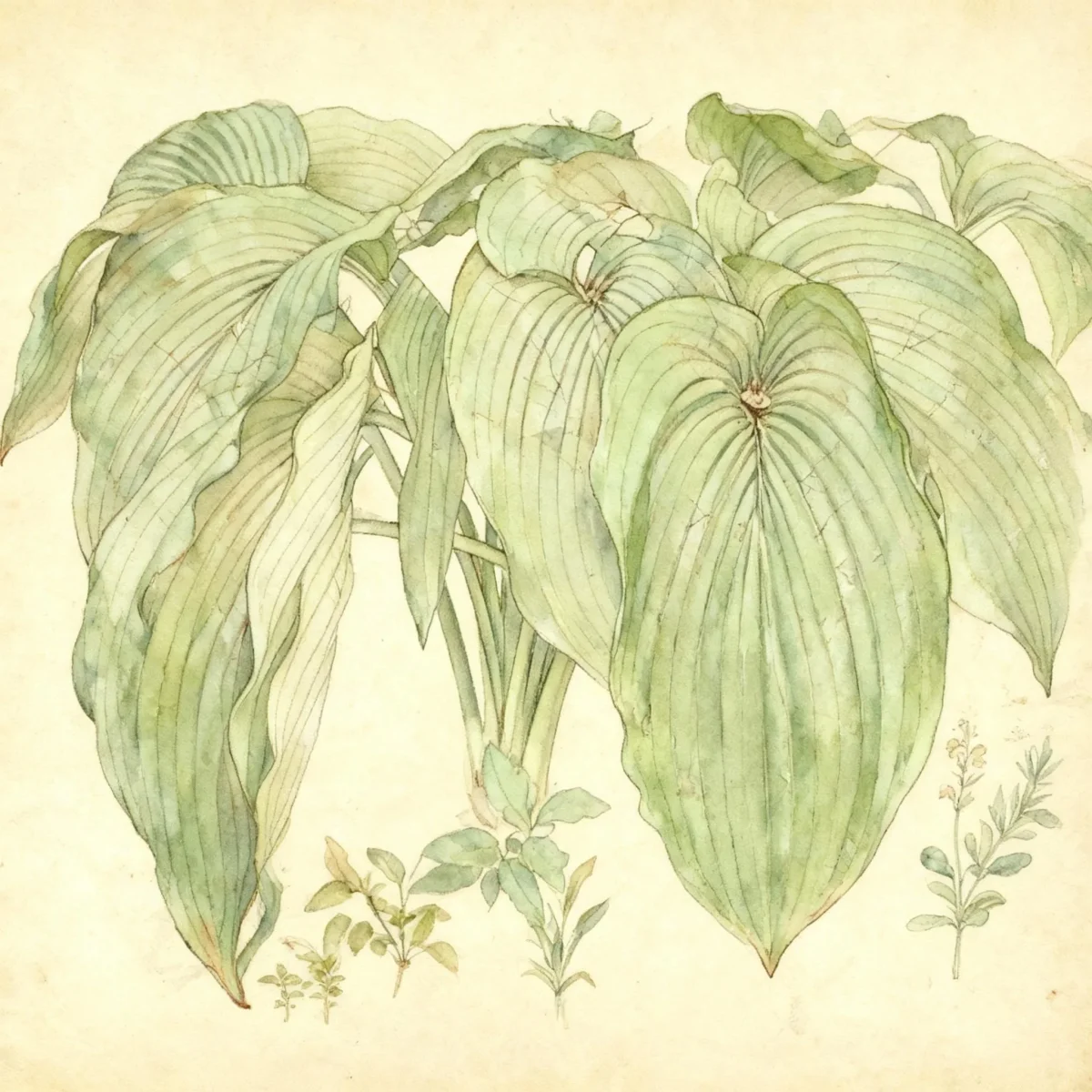
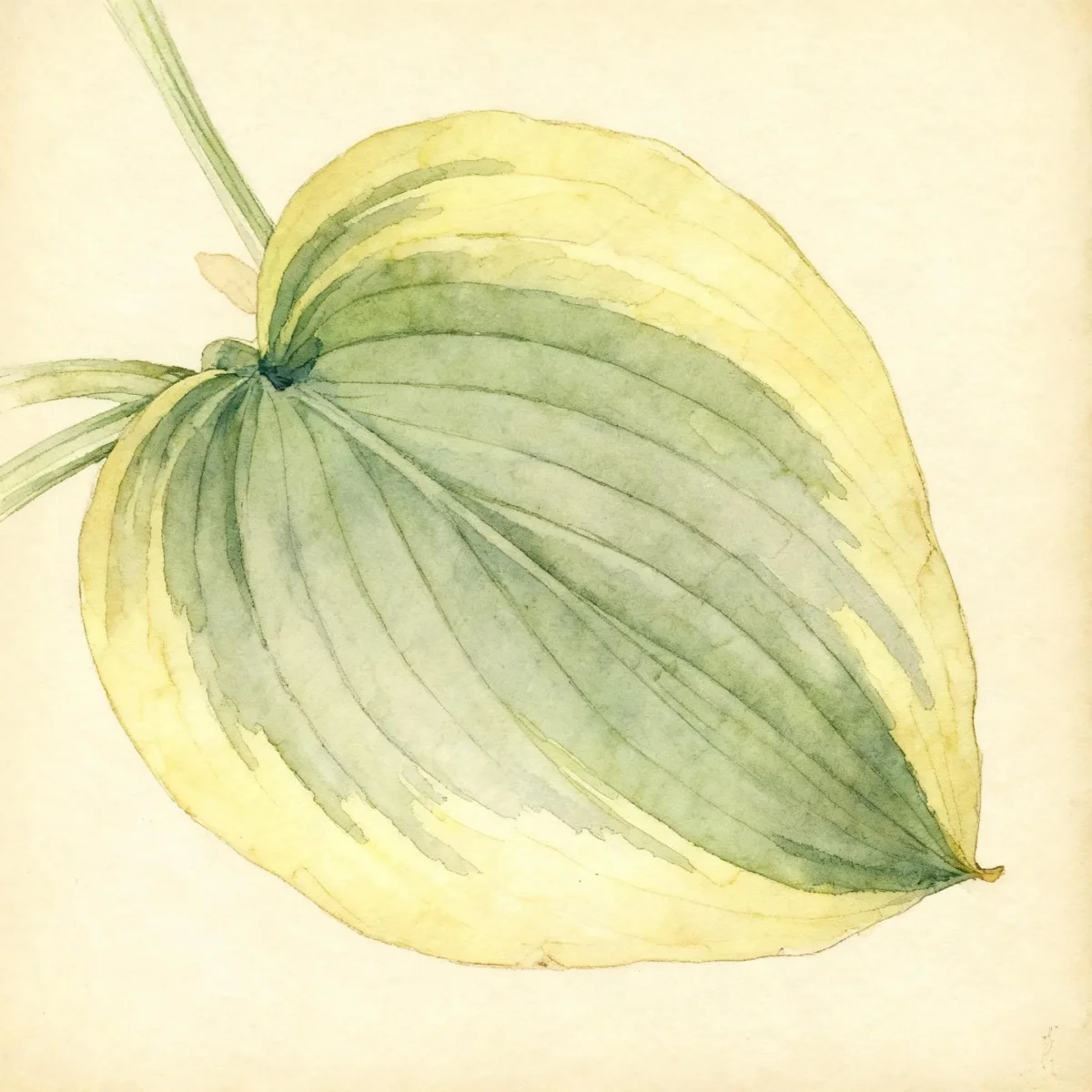
Hosta ‘Liberty’ is a spectacular cultivar highly valued in the landscape primarily for its robust and visually arresting foliage. This large Hosta cultivar features thick, wide-oval leaves that emerge blue-green and soon display dramatically wide, creamy white margins, ensuring season-long interest even in deep shade. As a low-maintenance perennial, Hosta ‘Liberty’ forms impressive mounds perfect for providing structure and contrast beneath taller trees or along shaded walkways.
Originating as a sport of H. ‘Sagae’, this Hosta excels in providing ornamental excellence where few other plants thrive. While it does produce pale lavender, funnel-shaped flowers in mid-summer, its true value lies in its dense, shade-loving mound of variegated leaves, making it a superstar performer in woodland settings.
Fast Facts
- Plant Family: Asparagaceae
- Plant Type: Herbaceous perennial
- Hardiness Zones: USDA Zones 3-8
- Size at Maturity:
- Height: 1-3 ft
- Spread: 1-3 ft
- Bloom Time: July
- Bloom Description: Pale lavender
- Sun Exposure: Part shade to full shade
- Water Needs: Medium
- Maintenance Level: Low
How to Grow
The best results for Hosta ‘Liberty’ are achieved when planted in the spring or early autumn. Ensure the planting location offers organically rich, well-drained soil, which is critical for the long-term health of any Hosta. While these perennials tolerate heavy shade, they perform best with some morning sun or dapples light to really bring out the variegation on the leaf margins.
These specimens require medium, consistent moisture to fully develop their impressive size and form. Water deeply and consistently, applying the water directly to the soil beneath the leaves to avoid fungal issues on the foliage. Established Hosta plants can manage some dry shade, but prolonged drought should be avoided if you want the best quality mound.
Maintenance for Hosta is generally considered low. Divide plants, if necessary, in early spring before the leaves unfurl, or in the fall. It is wise to plant Hosta ‘Liberty’ in areas naturally protected from strong winds, as harsh weather can physically damage the large leaves.
Landscape Uses
Hostas are the quintessential mainstay of shade gardens, prized for the ornamental excellence of their foliage over their often showy flowers. Hosta ‘Liberty’ serves beautifully as a bold specimen plant or when massed together to create a unified, striking groundcover effect in woodland gardens.
Due to its large size and upright, vase-like habit, Hosta ‘Liberty’ functions wonderfully as a background plant along shady borders or within woodland plantings where it can contrast nicely with fine-textured ferns or groundcovers like epimedium. They are highly effective when boldly grouped for maximum visual impact throughout the shaded parts of the yard.
Standout Features
Flower Qualities
- Showy
Noteworthy Characteristics
This cultivar distinguishes itself as a large Hosta, typically reaching 20-24 inches tall with an eventual spread up to 36 inches wide. Its wide-oval leaves emerge blue-green beautifully bordered by margins that start yellow and mature to a creamy white, distinguishing it from similar varieties like H. ‘Sagae’ due to these proportionally larger margins. Funnel-shaped, pale lavender flowers bloom in early summer atop scapes that rise significantly above the dense foliage mound.
Tolerances
- Heavy Shade
- Black Walnut
Potential Problems
Slugs and snails pose the most significant threat, often chewing irregular, jagged holes in the foliage, which can quickly degrade the plant’s appearance. Inspect plants regularly, especially after rains, and employ slug management strategies early in the season. Keep an eye out for foliar nematodes, which cause interveinal browning, and immediately destroy any plant showing signs of viral infection like Hosta Virus X (HVX).
Deer and rabbits frequently target Hosta foliage for food, often consuming leaves voraciously, so protection may be necessary in wildlife-heavy areas. While leaf spots and crown rot can occur, they are less common provided cultural water needs are met.
Frequently Asked Questions
What hardiness zones is Hosta suitable for?
Hosta ‘Liberty’ performs reliably in USDA Hardiness Zones 3 through 8.
How large does Hosta ‘Liberty’ grow?
This large Hosta typically reaches a height between 1 and 3 feet and spreads to occupy a space 1 to 3 feet wide.
What sun exposure does Hosta need?
This Hosta variety thrives best in part shade to full shade conditions, benefitting from protection from intense afternoon sun.
When does Hosta bloom?
Hosta ‘Liberty’ produces its blooms, described as pale lavender, during the month of July.
Conclusion
Hosta ‘Liberty’ is an indispensable perennial for brightening shaded areas with its exceptionally variegated, large mounding foliage. Its low maintenance requirements and tolerance for deep shade—including competition from Black Walnut—make this Hosta a gardener’s reliable choice. Before planting, confirm your location falls within USDA Zones 3-8 and ensure consistent ground moisture to maximize the stunning display of this superb Hosta cultivar.
Companion Planting in Shade
When designing a grouping with Hosta ‘Liberty’, select companions that contrast in texture or form to highlight the hosta’s bold leaves. Consider pairing it with fine-textured foliage plants such as Japanese Forest Grass (Hakonechloa macra) or delicate ferns like the Japanese Painted Fern (Athyrium niponicum).
For seasonal interest, add shade-tolerant blooming perennials like Astilbe or Bleeding Heart (Dicentra spectabilis) which offer color while the Hosta provides structure. Ensure that any companion plants share the requirement for medium moisture to simplify the watering schedule beneath the canopy.
Seasonal Care Calendar
Spring care focuses on division and initial cleanup; this is the easiest time to divide overcrowded clumps of Hosta ‘Liberty’ before active growth begins. Monitor closely for early pest activity, especially slugs emerging from overwintering sites.
During the peak growing season of summer, consistent watering is key to preserving the creamy white margins of the Hosta foliage; deep watering encourages robust root systems. In autumn, allow foliage to die back naturally; cleanup should wait until early spring to provide winter insulation for the crown.