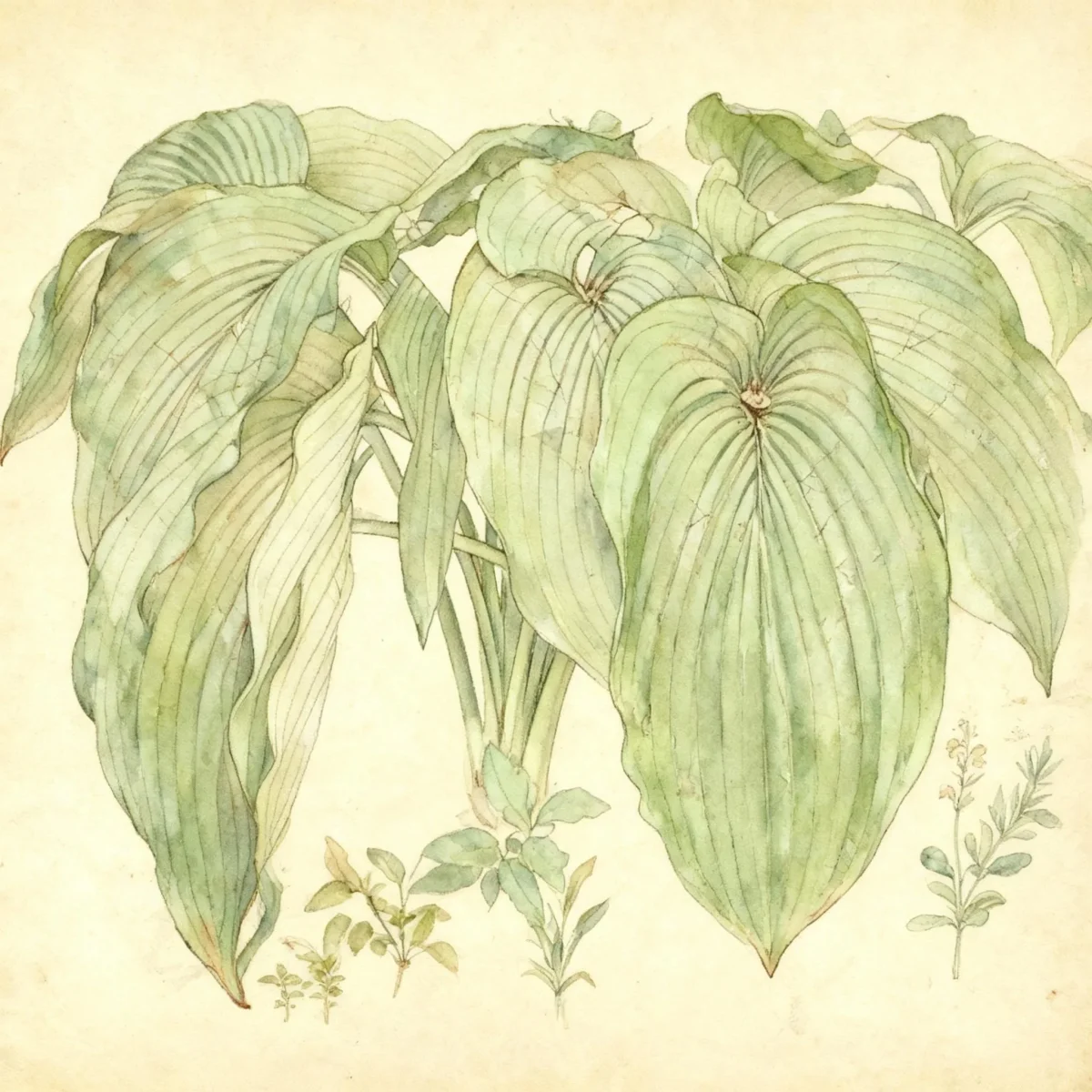
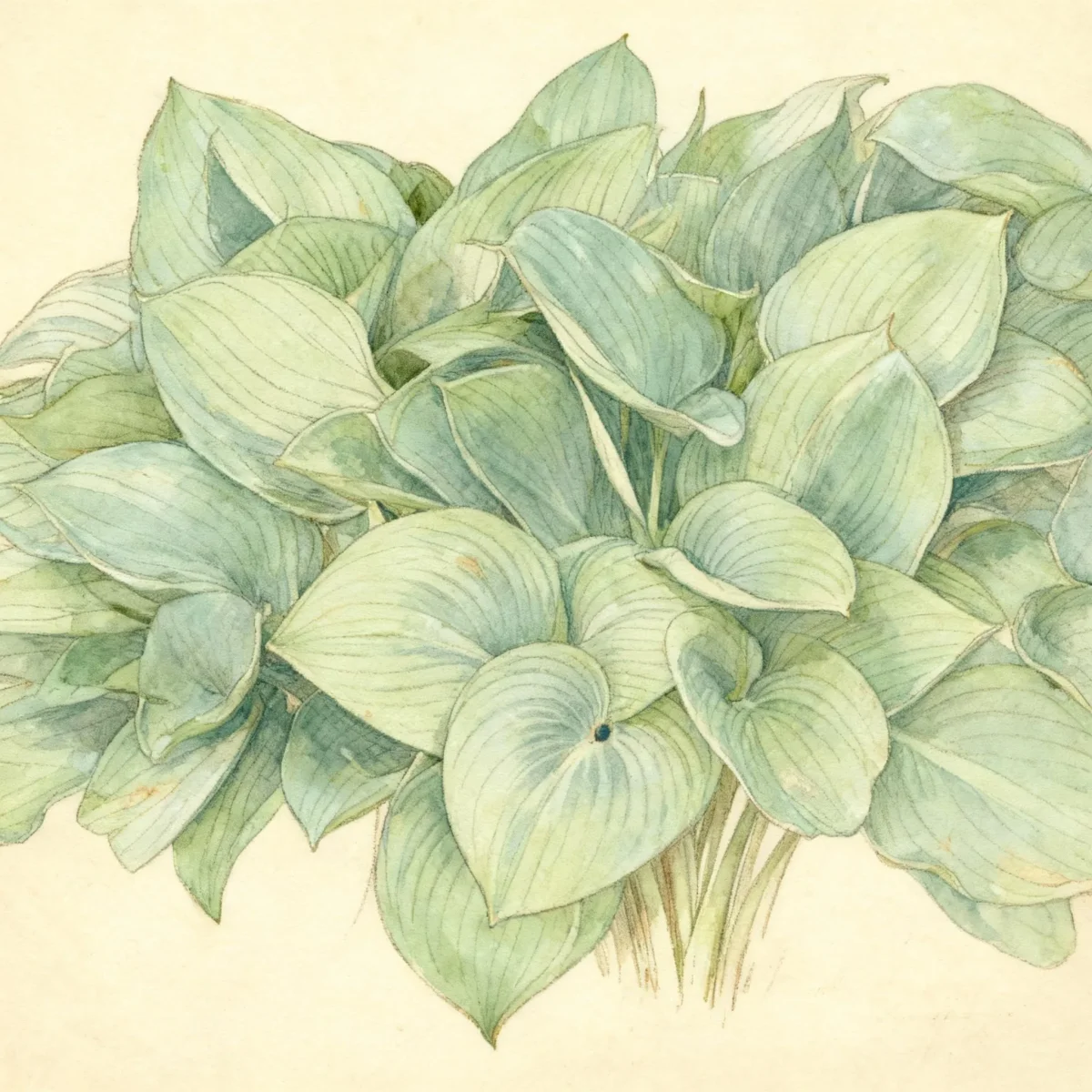
Hosta (Hosta 'Ghost Spirit')
Hosta 'Ghost Spirit' is a stunning herbaceous perennial ideal for shade gardens, prized for its creamy streaked foliage and lavender blooms.
Scroll down to discover growing tips, care requirements, companion plants, and more
Complete Plant Information
Overview
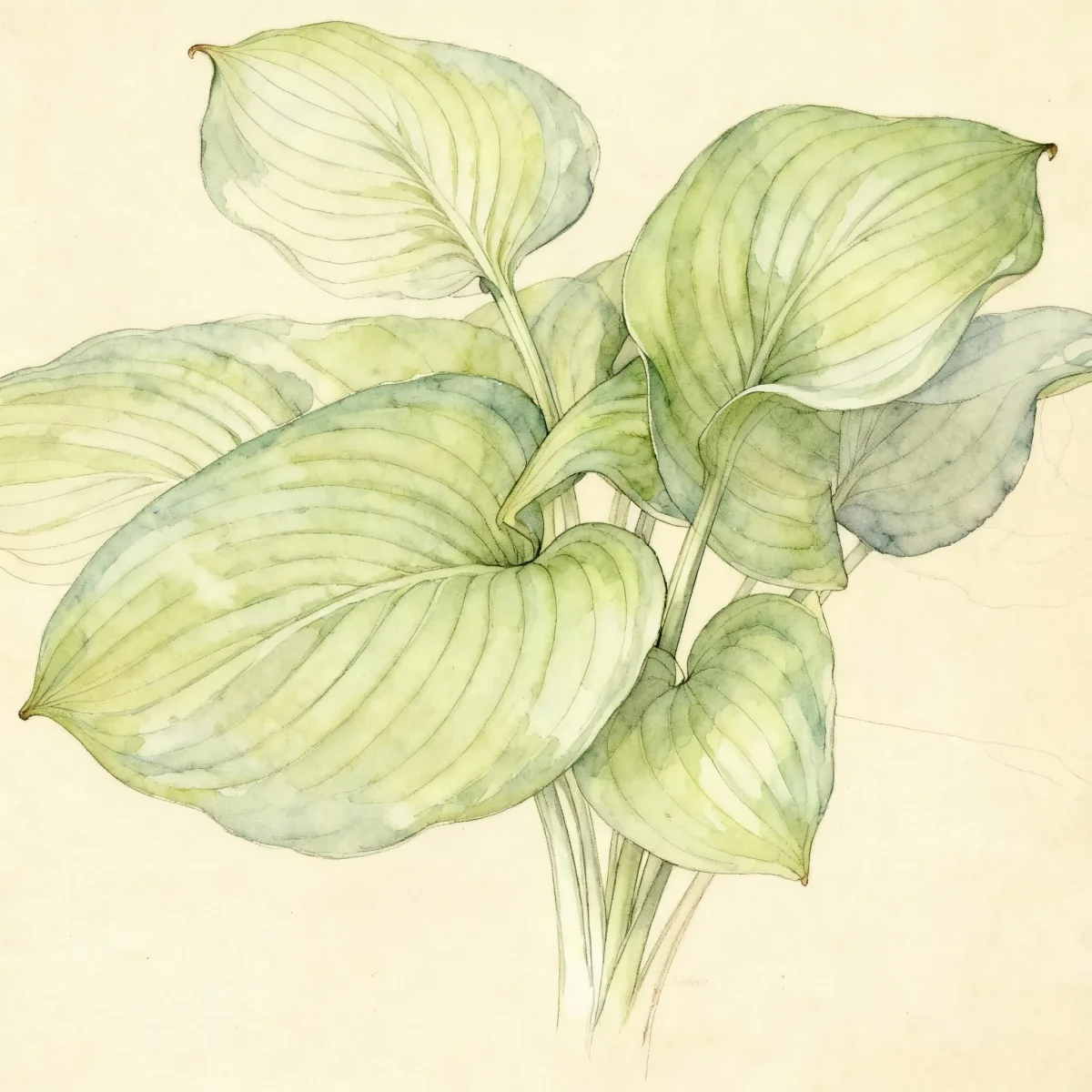
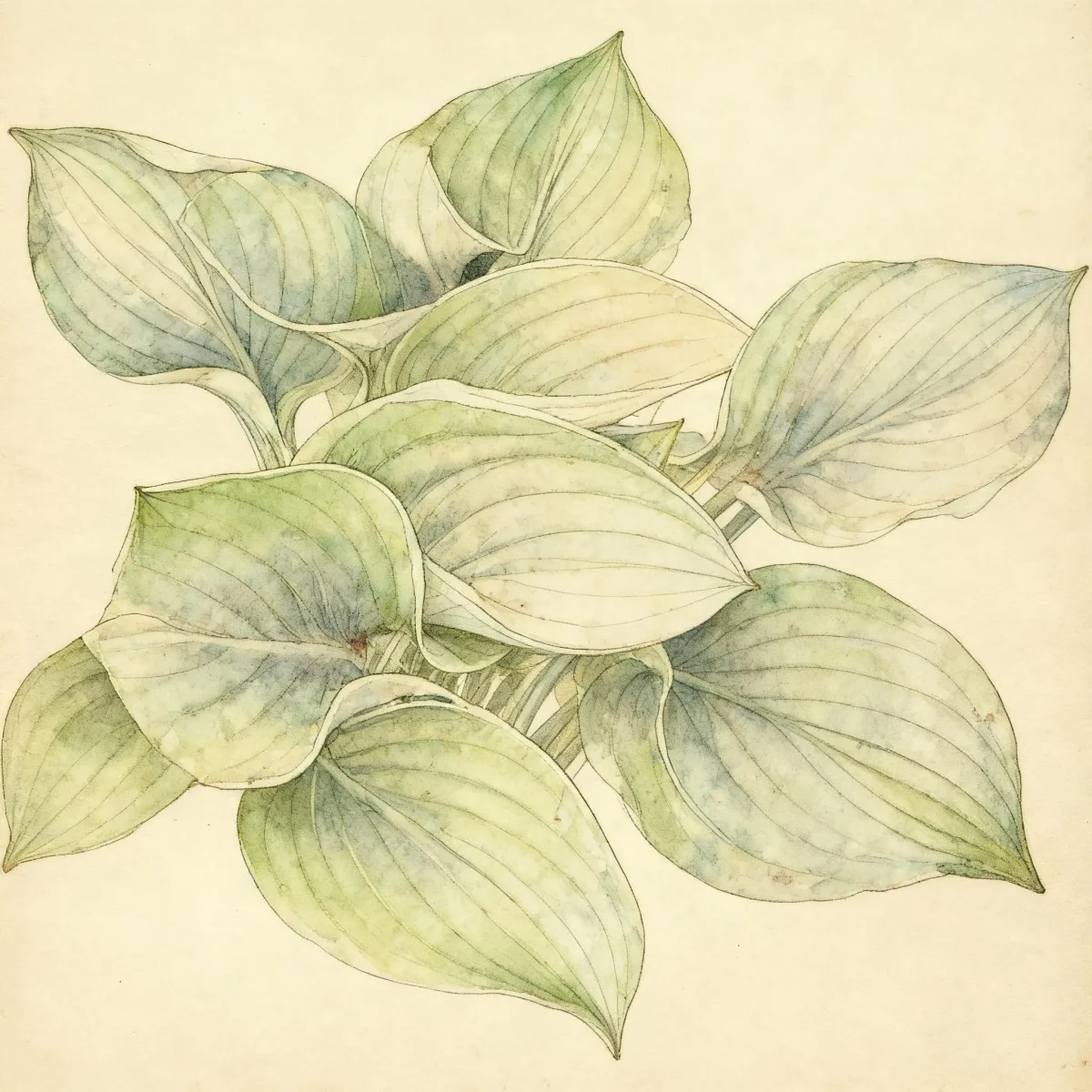
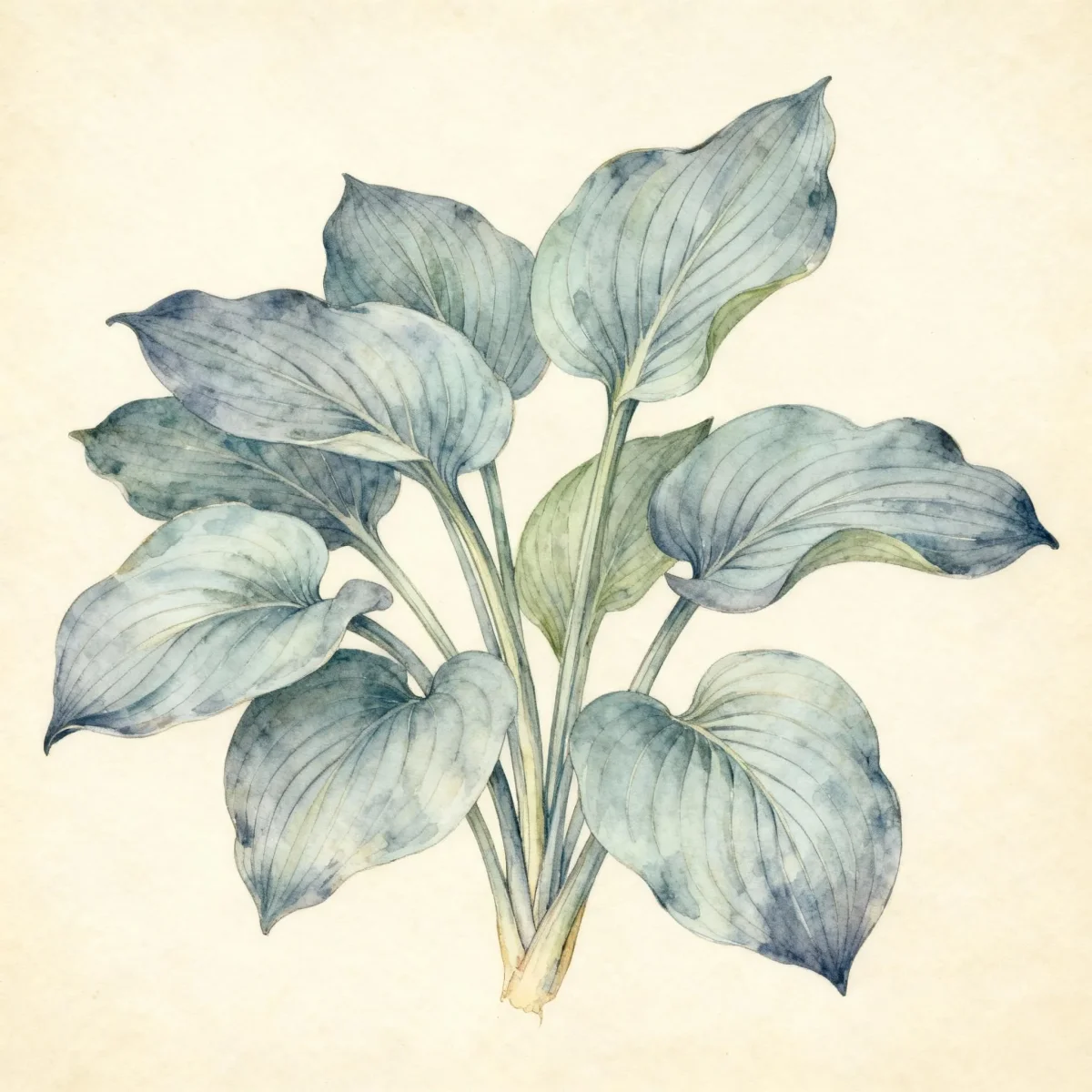
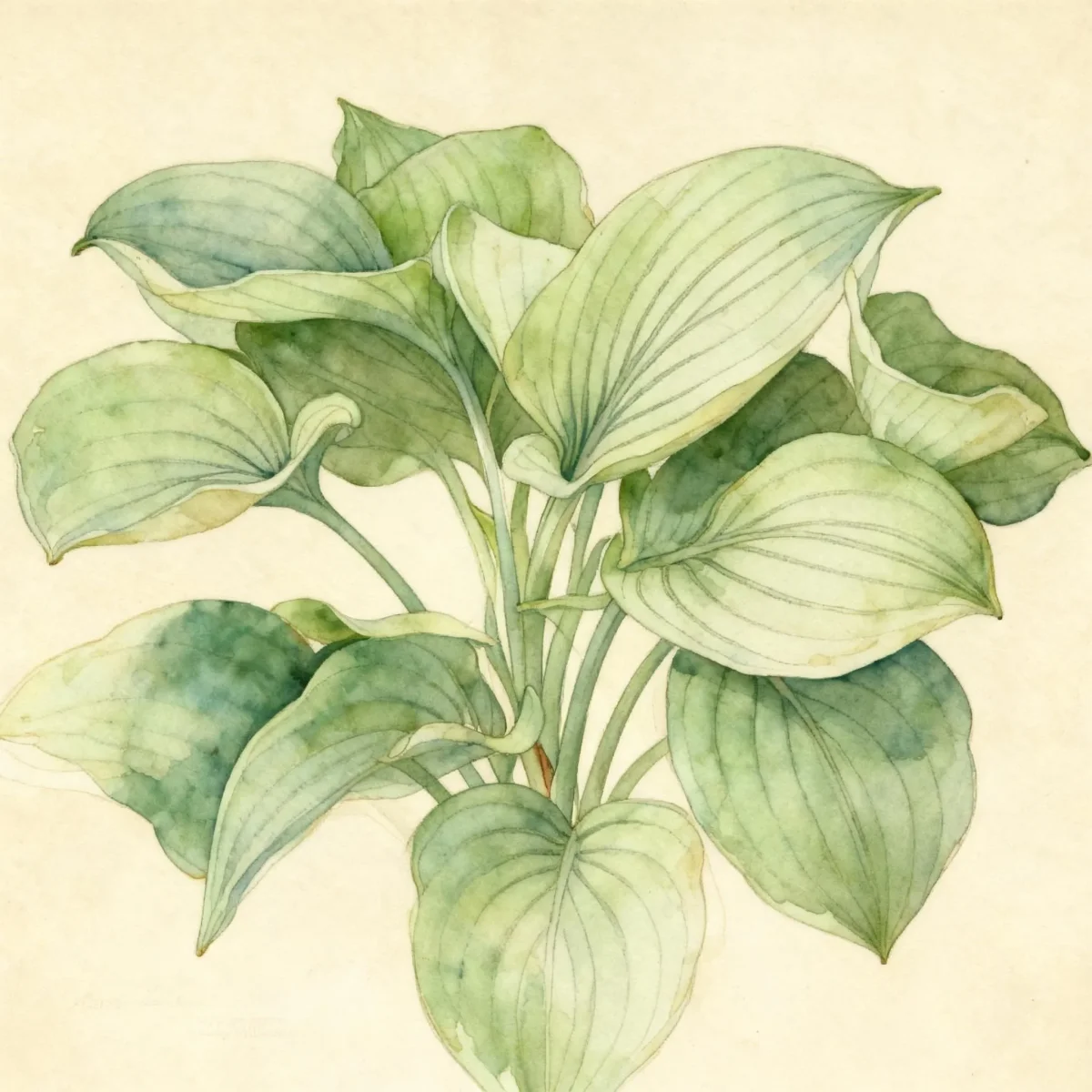
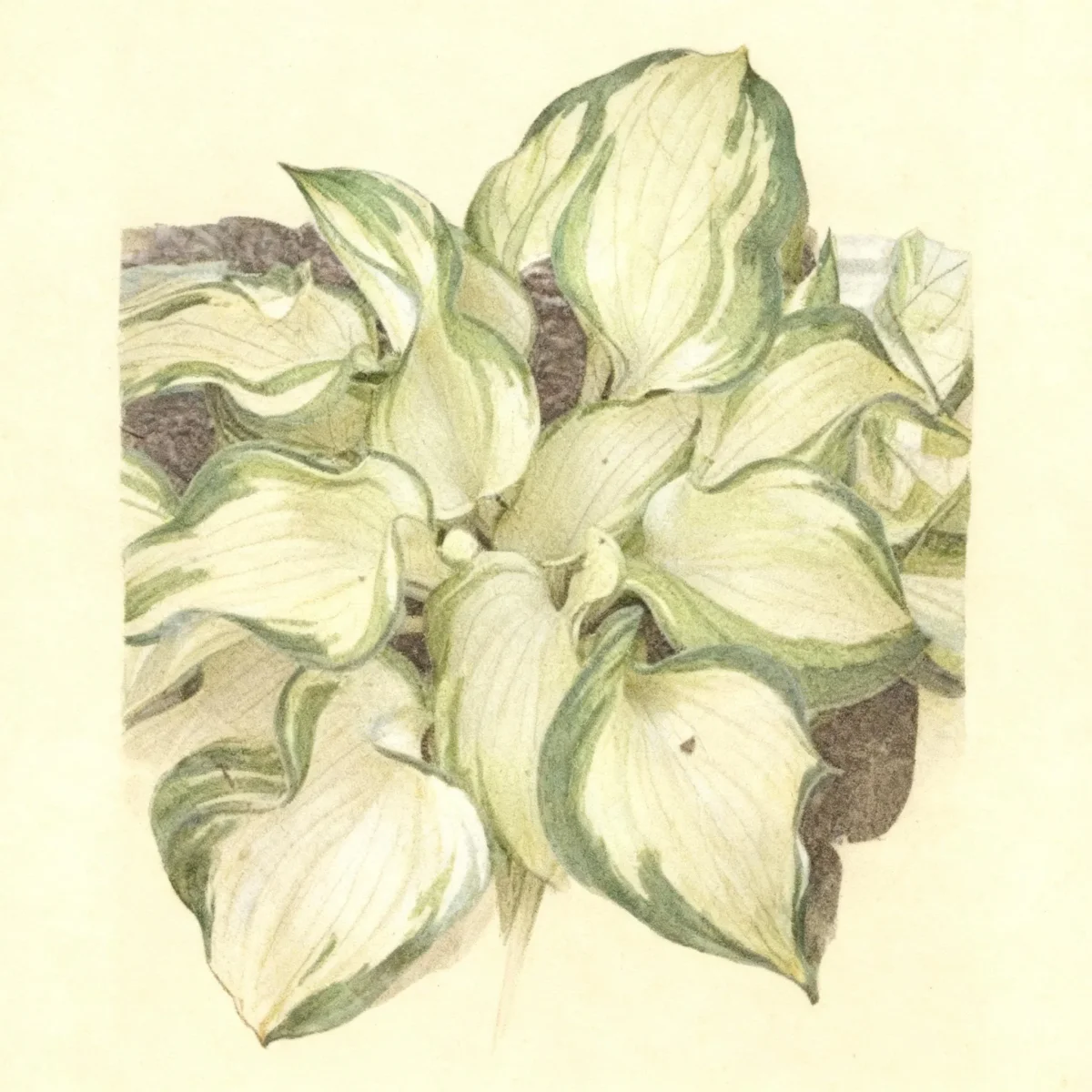
Hosta ‘Ghost Spirit’ is celebrated primarily for its exceptional, ornamental foliage, a hallmark feature of the Hosta genus. This cultivar emerges with striking new leaves showcasing creamy white/green streaking over a blue-green margin, developing a beautiful misting effect as the season progresses. Growing into a respectable mound, Hosta ‘Ghost Spirit’ provides crucial texture and light contrast in deep shade landscapes.
This herbaceous perennial thrives best when given consistent moisture, allowing its medium size (reaching 1-2 feet tall and 1-3 feet wide) to fully develop its mounding habit. It inherits the general low-maintenance nature expected of most quality Hostas, making it a dependable choice for busy gardeners seeking reliable shade color.
Beyond its stunning leaves, Hosta ‘Ghost Spirit’ offers decorative lavender flowers in early summer, rising above the foliage on dark scapes. This dependable performance in shady conditions solidifies its role as a mainstay for woodland gardens, borders, and creating layered depth where few other flowering plants succeed.
Fast Facts
- Plant Family: Asparagaceae
- Plant Type: Herbaceous perennial
- Hardiness Zones: USDA Zones 3-8
- Size at Maturity:
- Height: 1-2 ft
- Spread: 1-3 ft
- Bloom Time: June to July
- Bloom Description: Lavender
- Sun Exposure: Part shade to full shade
- Water Needs: Medium
- Maintenance Level: Low
How to Grow
Planting Hosta ‘Ghost Spirit’ is best achieved in spring or early autumn, ensuring it is situated in a location protected from harsh winds which can damage foliage. The key cultural requirement for this Hosta is soil: it performs best in organically rich, well-drained soils that remain evenly moist. While established plants tolerate some dry shade, consistent moisture is vital for achieving the plant’s full size and keeping the variegation vibrant.
Watering should focus on applying moisture directly to the soil beneath the leaves rather than overhead sprinkling. This practice helps keep the crown dry and minimizes opportunities for foliar diseases. While maintenance is generally low, ensure growth conditions are optimal early on; once established, regular fertilization is usually unnecessary.
Divide Hosta clumps as needed, preferably in early spring before the new leaves have unfurled, or in the autumn. This perennial requires the right spot; aim for dappled sunlight or morning sun areas for the absolute best performance of the Hosta ‘Ghost Spirit’ foliage color.
Landscape Uses
Hostas are undisputed champions of the shade garden, and Hosta ‘Ghost Spirit’ brings exceptional light color that brightens darker corners. They are very effective when groups or masses are planted together, allowing the mounding foliage to read as a cohesive, dynamic groundcover. Use them to line shady borders or create definition within woodland settings.
Because of its striking two-toned centers and margins, Hosta ‘Ghost Spirit’ serves beautifully as a strong mid-layer plant. Consider pairing it with fine-textured green ferns or dark-leaved groundcovers to accentuate its lighter tones. It functions perfectly as a backbone for shade beds where continuous foliage interest is desired from spring emergence well into fall.
Standout Features
Flower Qualities
- Showy
Noteworthy Characteristics
Hosta is a genus of about 70 species of shade-loving, rhizomatous, clump-forming, herbaceous perennials which are native to open woodlands, woodland margins and glades in Japan, Korea, China and eastern Russia. Hostas are primarily grown for their ornamental foliage. Stalked, conspicuously-veined, often dense, basal leaves in a variety of shapes, sizes, colors and textures rise up from a central rhizomatous crown to form a rounded to spreading mound of foliage. ‘Ghost Spirit’ is a sport of H. ‘Valentine Lace’; it is a medium to large hosta that typically grows 14-20” tall with oval leaves that display creamy white/green misting and streaking against blue-green margins throughout the season. Funnel-shaped lavender flowers appear in early summer on dark scapes rising above the foliage mound.
Tolerances
- Heavy Shade
- Black Walnut
Potential Problems
Slugs and snails pose the most significant threat to Hosta foliage, avidly chewing jagged holes that rapidly degrade its ornamental value. Immediate intervention is necessary; apply slug bait strategically or use organic controls like diatomaceous earth rings around young plants. Foliar nematodes can cause interveinal browning, while leaf spots and crown rot are less common but indicate poor drainage or humidity issues.
Deer and rabbits frequently find the leaves palatable, often eating them voraciously. Protecting new growth in spring through physical barriers or using repellents effective against browsing mammals is highly recommended, especially when establishing new Hosta or Hosta ‘Ghost Spirit’ specimens.
Frequently Asked Questions
What hardiness zones is Hosta ‘Ghost Spirit’ suitable for?
Hosta ‘Ghost Spirit’ is hardy and reliably grows in USDA Zones 3 through 8.
How large does Hosta grow?
This variety typically reaches a mature height between 1 and 2 feet tall, spreading to fill an area between 1 and 3 feet wide.
What sun exposure does Hosta need?
Hosta requires part shade to full shade conditions to thrive and maintain the best variegation on the foliage of Hosta ‘Ghost Spirit’.
When does Hosta bloom?
Hosta ‘Ghost Spirit’ produces its lavender, funnel-shaped flowers primarily from June to July.
Conclusion
Hosta ‘Ghost Spirit’ offers gardeners a reliable, low-maintenance source of bright, textural foliage essential for designing successful shade gardens. Its creamy variegation ensures visual interest throughout the growing season, complementing the subtle lavender blooms. Before planting, confirm your site meets the medium water needs and offers protection in USDA zones 3-8.
Companion Planting in Shade
When designing a perennial border around Hosta, focus on plants that share similar cultural needs for moisture and shade exposure. Fine-textured ferns, such as Japanese Painted Ferns (Athyrium niponicum) or Autumn Ferns (Dryopteris erythrosora), provide a delicate contrast to the bold substance of the Hosta leaves. Astilbes are excellent partners, offering feathery plumes of color that bloom later in the summer when the Hosta flower show wanes.
Consider using evergreen groundcovers like Sweet Woodruff (Galium odoratum) to maintain interest through winter, or utilize Heuchera (Coral Bells) for contrasting leaflet shapes and colors that work well alongside the prominent veining of Hosta ‘Ghost Spirit’. Ensuring all companions prefer rich, well-drained soil will simplify long-term care for the entire planting area.
Propagation Tips
The primary and easiest method for increasing your stock of Hosta ‘Ghost Spirit’ is by division, as it is a clump-forming perennial arising from a central crown. Wait until early spring when the emerging shoots (pips) are just breaking the soil surface or alternatively in the fall after flowering. Carefully dig up the entire clump, using a sharp spade or knife to divide the root mass into sections, ensuring each division has several healthy eyes or leaf nodes attached.
Replant the divisions immediately into prepared, enriched soil at the same depth they were previously growing. This technique works well for Hosta and helps rejuvenate older clumps, ensuring the vibrant variegation of ‘Ghost Spirit’ continues to multiply successfully across your shady spaces.