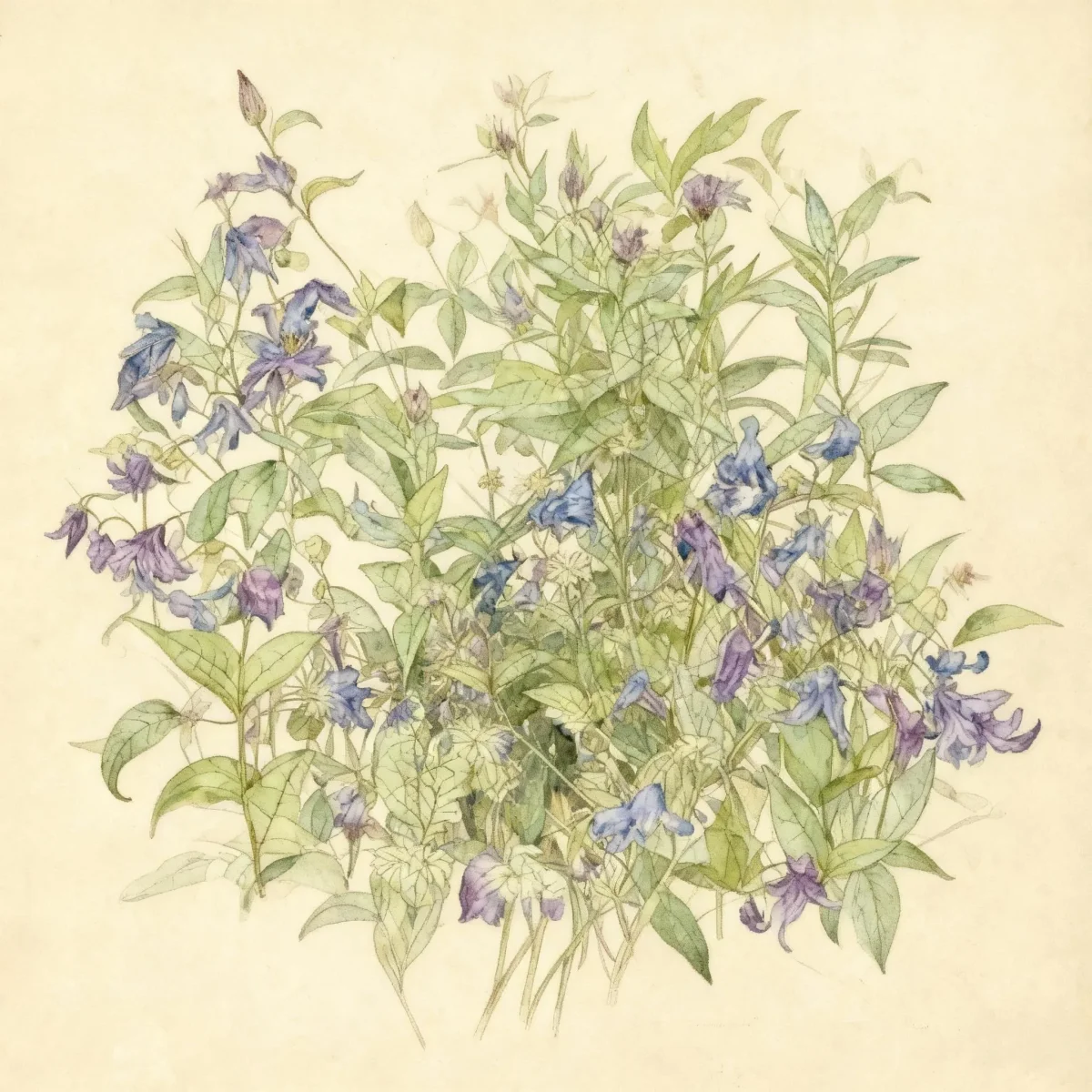
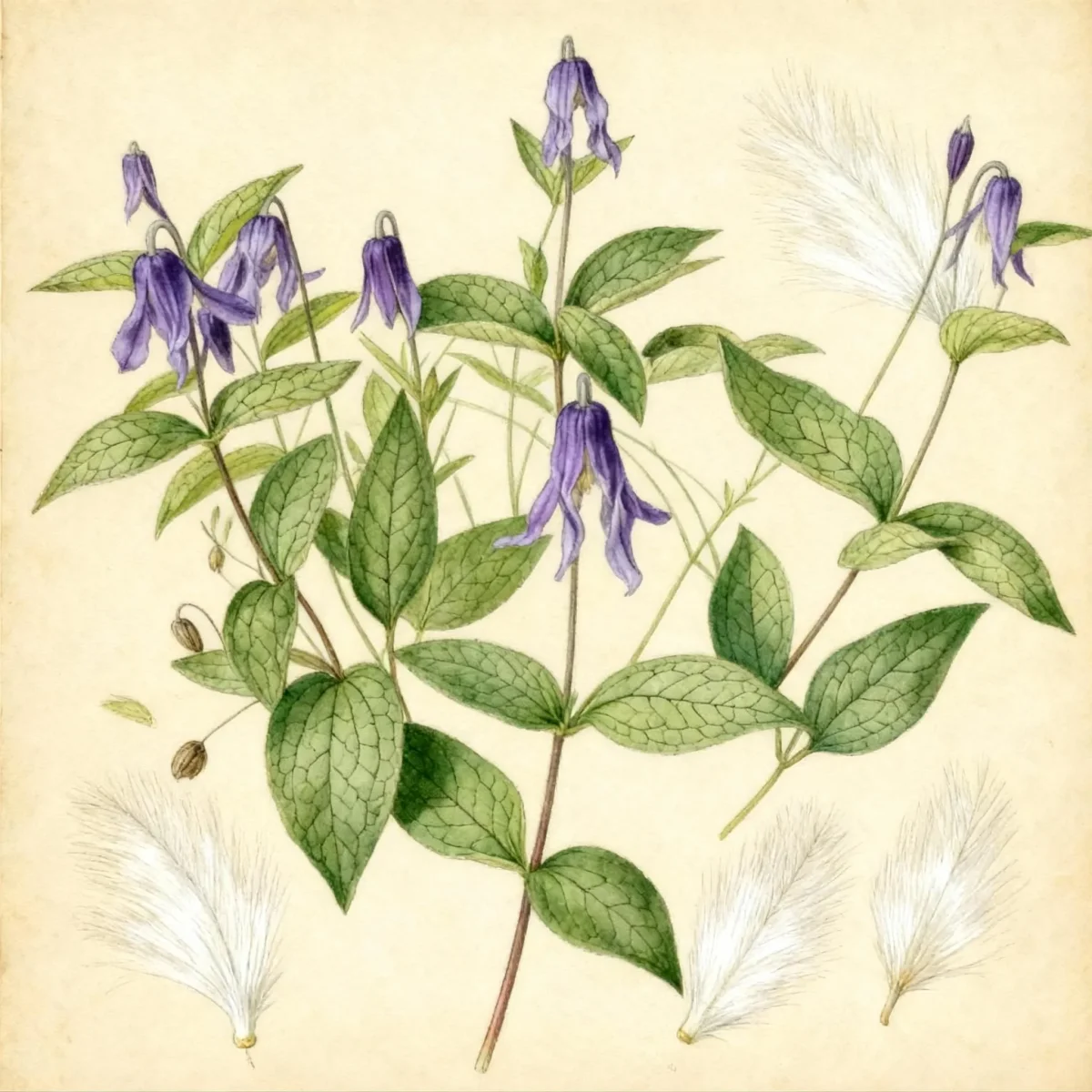
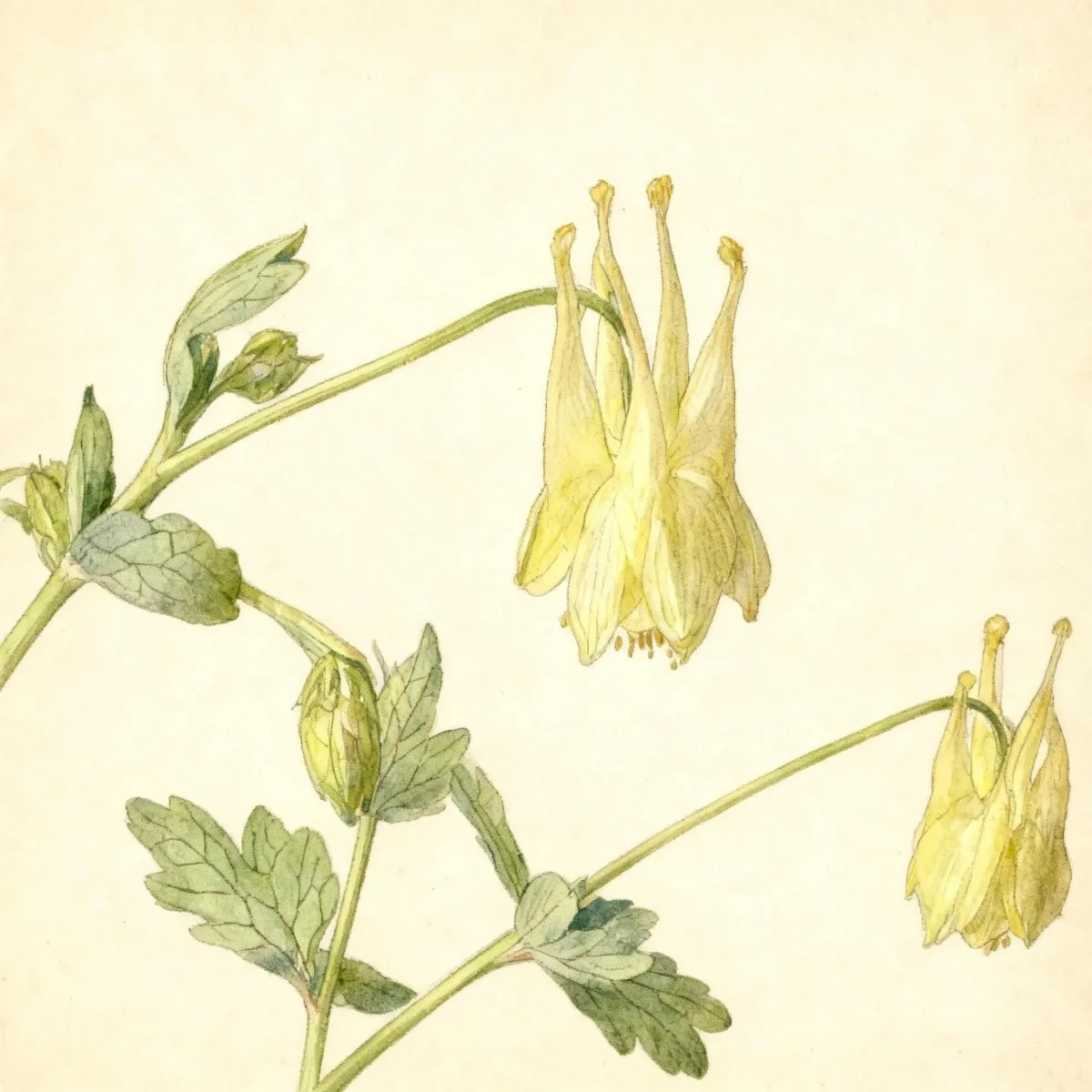
Solitary clematis (Clematis integrifolia 'Rose Colored Glasses')
Clematis integrifolia 'Rose Colored Glasses' offers rose-pink blooms May-Sept; a non-climbing Solitary clematis perfect for borders.
Scroll down to discover growing tips, care requirements, companion plants, and more
Complete Plant Information
Overview
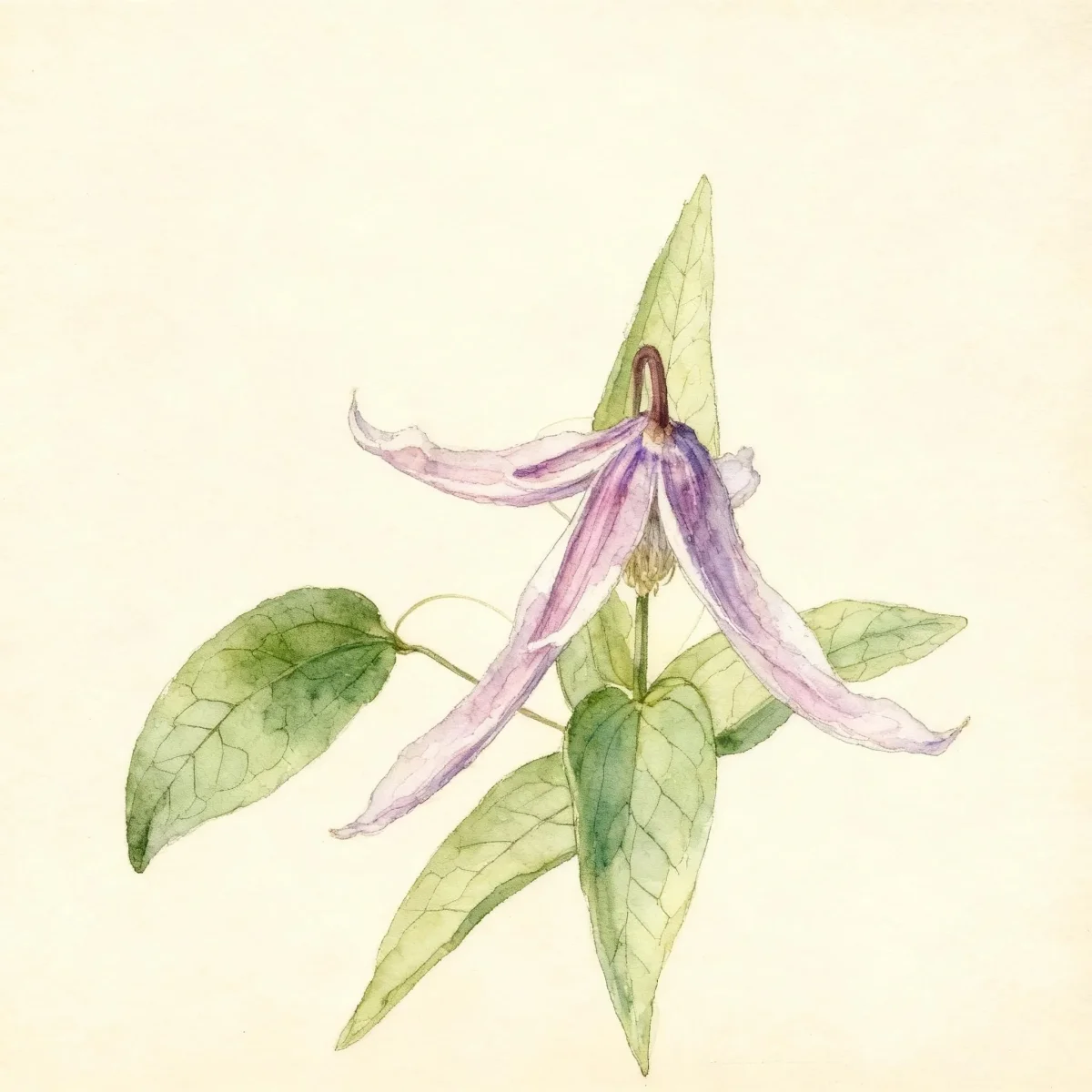
The Clematis integrifolia ‘Rose Colored Glasses’ is a distinctive, woody-based herbaceous perennial offering continuous color throughout the summer. Unlike its climbing cousins, this variety, commonly known as Solitary clematis, forms a manageable, upright, shrubby mound perfect for defined garden spaces. Its rose-pink, nodding, urn-shaped flowers are highly valued for their unusual form and extended bloom period, truly setting Clematis integrifolia ‘Rose Colored Glasses’ apart.
Gardeners appreciate this plant for its reliably non-climbing nature and its rich display lasting from May well into September. It thrives best in areas receiving substantial sunlight, which encourages vigorous flowering, though it tolerates partial shade well. The resulting foliage clump is dense, featuring entire (uncut or undivided) leaves, offering great texture even when not in bloom.
This Solitary clematis variety brings structure and enduring color to the landscape without the need for extensive support structures. Its ornamental appeal continues after flowering ends, thanks to attractive, silvery-green, plumose seed heads which add seasonal interest. Establishing Clematis integrifolia ‘Rose Colored Glasses’ requires attention to moisture and drainage, rewarding careful cultivation with season-long performance.
Fast Facts
- Plant Family: Ranunculaceae
- Plant Type: Herbaceous perennial
- Hardiness Zones: USDA Zones 3-7
- Size at Maturity:
- Height: 1-2 ft
- Spread: 1-2 ft
- Bloom Time: May to September
- Bloom Description: Rose pink
- Sun Exposure: Full sun to part shade
- Water Needs: Medium
- Maintenance Level: Medium
How to Grow
Plant Clematis integrifolia ‘Rose Colored Glasses’ where soil is fertile, well-drained, and rich in humus or peat. This Solitary clematis prefers medium moisture levels, meaning the soil must remain uniformly moist but never waterlogged; excellent drainage is crucial. The best time for planting is usually spring, setting the plant so the crown is properly situated, though fall planting can also work depending on your zone progression.
To ensure the best flowering display, provide full sun, although partial shade is tolerated, resulting in fewer blooms. Due to its tendency to sprawl slightly, light staking using pea sticks or similar supports will maintain a tidy shape and prevent undue sprawling of the foliage. Focus maintenance efforts on keeping the root zone cool, shaded, and consistently moist throughout the growing season.
Since bloom occurs on new, current-year growth, pruning is straightforward; stems of this herbaceous perennial die back to the woody base each autumn after the first hard frost. Minimal fertilizer is usually required if the soil is already fertile. Avoid overhead watering late in the day, which can increase the risk of fungal issues like powdery mildew.
Landscape Uses
The non-climbing habit of Clematis integrifolia ‘Rose Colored Glasses’ makes it exceptionally versatile in mixed plantings. Given its compact, mounding habit, it works perfectly as a border front plant, softening the edge between a pathway or lawn and taller shrubs or perennials. Mass planting is highly recommended, as grouping several plants together amplifies the impact of the rose-pink spring and summer flowers.
This hardy Solitary clematis integrates beautifully into cottage garden schemes where mixed textures and historical plantings are favored. It also finds a home in rock gardens, provided the drainage requirements are met, or can be used liberally throughout meadows for naturalistic drifts. Pair it with plants that appreciate similar conditions—full sun and rich, well-drained soil—such as Catmint (Nepeta), shorter Salvia varieties, or ornamental grasses that complement its vertical structure.
Standout Features
Flower Qualities
- Showy
Noteworthy Characteristics
Clematis integrifolia, commonly known as solitary clematis, is a non-climbing, woody-based, herbaceous perennial that typically grows in a dense, upright to sprawling, shrubby mound of undivided leaves to 12-24” tall. Medium green leaves (to 5 1/2” long) are entire, ovate-lanceolate, conspicuously-veined and sessile, and will form a dense foliage clump. Each flower appears singly atop its own slender stalk, showcasing nodding, urn-shaped flowers followed by an ornamentally-attractive, silvery-green seed head. The cultivar ‘Rose Colored Glasses’ is specifically noted for producing rose-pink flowers that are somewhat larger than those found on the species plants.
Tolerances
- Deer
- Black Walnut
Potential Problems
Clematis wilt is a significant concern; while less common on non-hybrid herbaceous types, vigilant monitoring is necessary, as it is a potentially fatal fungal disease. The primary defense against soil-borne pathogens impacting the roots is ensuring exceptional drainage and never letting the root zone become waterlogged. Fungal issues like powdery mildew and leaf spots can develop, particularly in poorly ventilated or overly dry/stressed conditions.
Monitor actively for common insect pests such as aphids, slugs, and snails, especially when the plant is establishing. If sun exposure is insufficient, leaf spot diseases become more common due to increased moisture trapped on foliage. Always keep the roots cool and shaded, as this cultural practice supports overall plant health, making Clematis integrifolia ‘Rose Colored Glasses’ less susceptible to stress-related problems.
Frequently Asked Questions
What hardiness zones is Solitary clematis suitable for?
Clematis integrifolia ‘Rose Colored Glasses’ is hardy in USDA Zones 3 through 7, offering good cold tolerance for many northern gardens.
How large does Clematis integrifolia ‘Rose Colored Glasses’ grow?
This is a compact plant, generally reaching a mature height between 1 and 2 feet tall, with a similar spread of 1 to 2 feet wide.
What sun exposure does Solitary clematis need?
For the best results and most profuse rose-pink blooms, Clematis integrifolia ‘Rose Colored Glasses’ requires full sun, though it will tolerate partial shade.
When does Clematis integrifolia ‘Rose Colored Glasses’ bloom?
This variety provides an exceptionally long bloom display, typically starting in May and continuing through September, featuring attractive rose-pink flowers.
Conclusion
The Clematis integrifolia ‘Rose Colored Glasses’ brings reliable, non-climbing structure and vibrant, long-lasting color to any perennial border or cottage garden setting. Its unique upright form, combined with the extended bloom time of Solitary clematis, makes this cultivar an extremely valuable addition to summer garden interest. Before planting, confirm that your site offers the required medium moisture, excellent drainage, and adequate sun exposure to ensure a thriving Clematis integrifolia ‘Rose Colored Glasses’.
Companion Planting
Selecting appropriate partners is key to managing the moisture needs of this plant. Companion plants should thrive in average to moist, well-drained soil and appreciate the similar sun requirements of Clematis integrifolia ‘Rose Colored Glasses’. Good choices include Siberian Iris (Iris sibirica), which provides early height contrast, or Geranium ‘Rozanne,’ which offers matching mid-to-late season blue/purple tones without competing aggressively for root space near the base of the Solitary clematis.
Avoid pairing this perennial with plants that aggressively dry out the soil quickly or demand full, baking afternoon sun without consistent irrigation. Herbs like Chives or low-growing ornamental grasses that offer airy texture balance the solid, shrubby mound of the clematis foliage nicely throughout the season.
Seasonal Care Calendar
Spring cleanup for Clematis integrifolia ‘Rose Colored Glasses’ involves removing the dead stems from the previous year down to the woody crown, as this is where new growth will emerge. Once new growth begins, apply a balanced, slow-release fertilizer if your soil is not already rich, and ensure a 2-3 inch layer of mulch is maintained around the base of the plant, keeping it away from the crown itself.
Summer care is centered on consistent moisture management; check soil moisture deeply twice a week during dry spells, especially when blooms peak in July. Deadheading faded rose-pink flowers is optional; leaving some blooms allows the attractive, silvery seed heads to form, contributing to fall interest. If light staking is necessary to prevent sprawling, install supports early in the season before the plant fills out fully.
Conclusion
The Clematis integrifolia ‘Rose Colored Glasses’ brings reliable, non-climbing structure and vibrant, long-lasting color to any perennial border or cottage garden setting. Its unique upright form, combined with the extended bloom time of the Solitary clematis, makes this cultivar an extremely valuable addition to summer garden interest. Before planting, confirm that your site offers the required medium moisture, excellent drainage, and adequate sun exposure to ensure a thriving Clematis integrifolia ‘Rose Colored Glasses’.