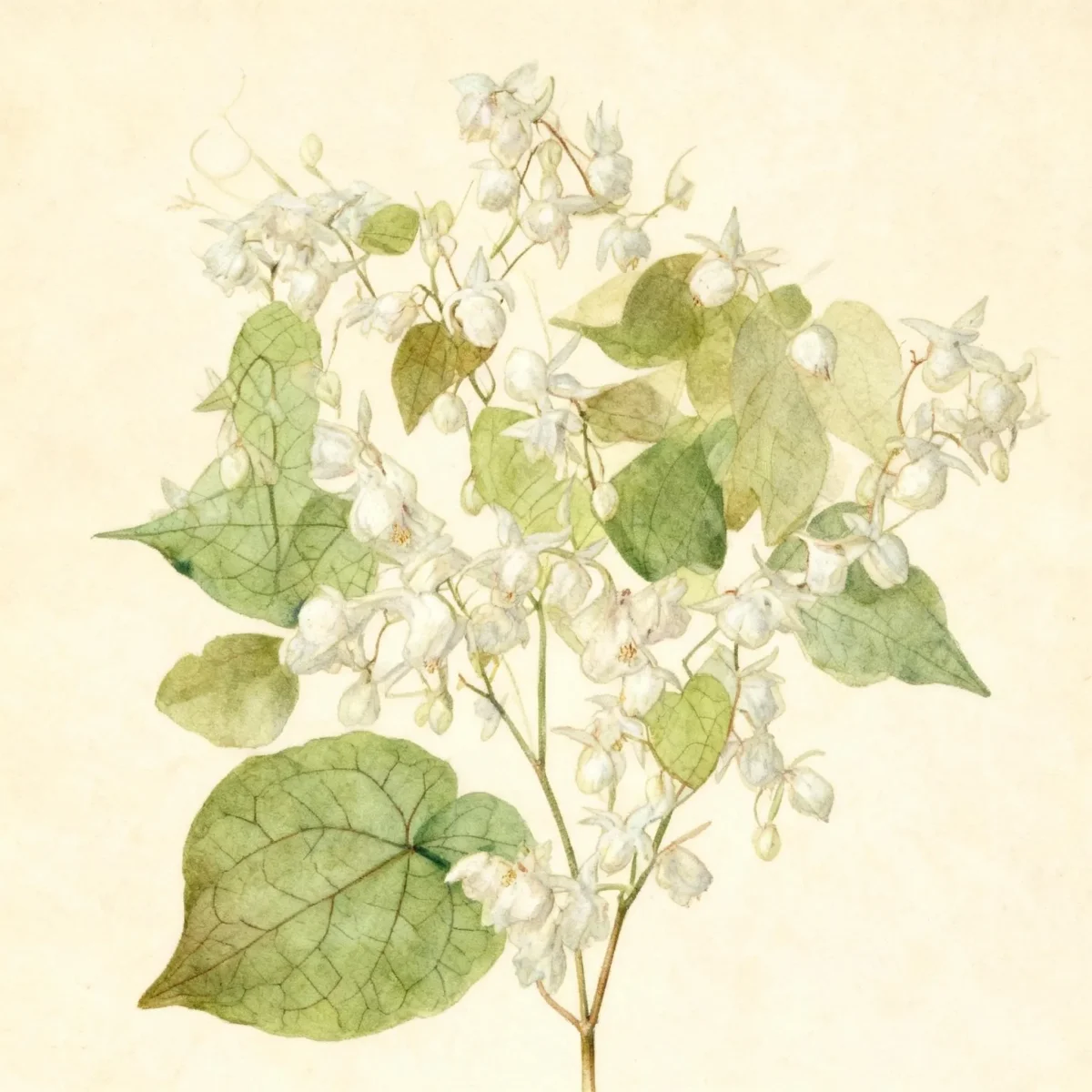
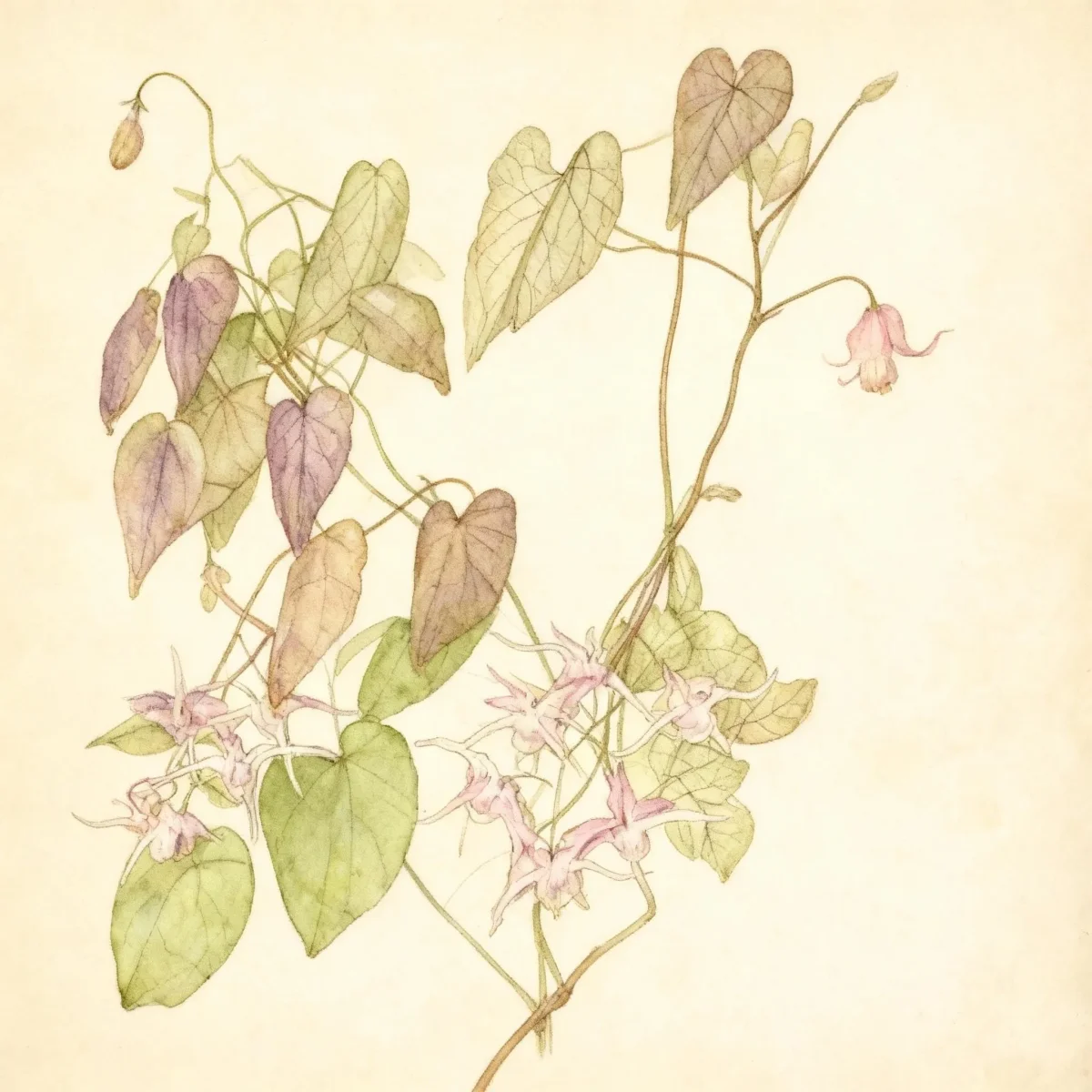
Bishop's hat (Epimedium grandiflorum 'Pierre's Purple')
Epimedium grandiflorum 'Pierre's Purple' offers tough groundcover potential with unique purple blooms. Low maintenance.
Scroll down to discover growing tips, care requirements, companion plants, and more
Complete Plant Information
Overview
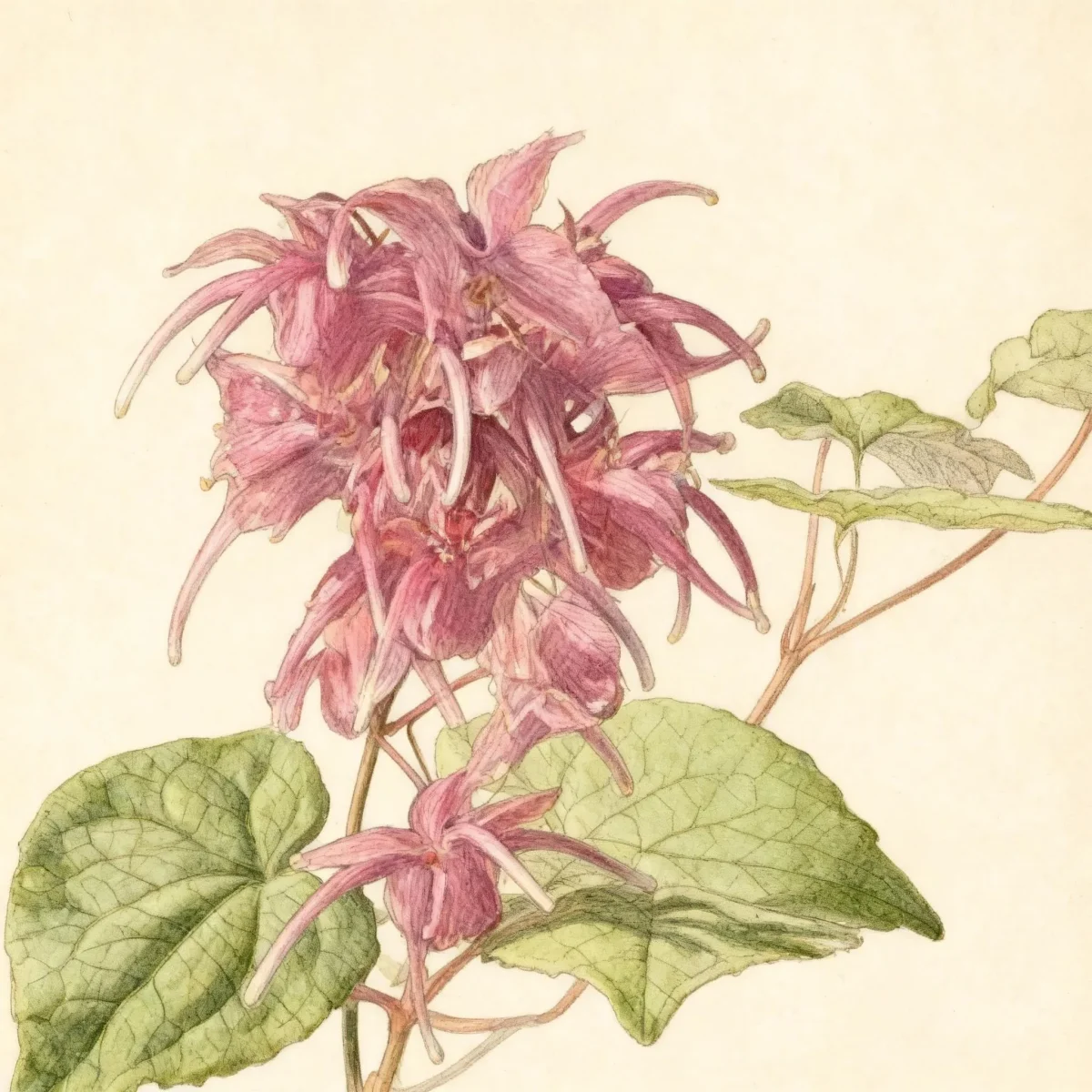
Epimedium grandiflorum ‘Pierre’s Purple’ is a highly valued woodland perennial cherished for its resilience and elegant, early spring flowers. This specific cultivar, often known by its common name Bishop’s hat, produces striking wine-purple blooms before the foliage fully develops, offering crucial early-season color in shaded settings. Its dense, rhizomatous habit makes it an excellent choice for suppressing weeds and providing consistent coverage.
As a champion of dry shade, this perennial adapts well to challenging under-tree conditions where many other plants fail. The attractive mounds of medium green, compound foliage provide structure throughout the growing season, even after the spectacular display of Epimedium grandiflorum ‘Pierre’s Purple’ fades. This plant is a low-maintenance solution for difficult garden areas.
Gardeners appreciate the dual appeal of this Epimedium: beautiful flowers in spring and reliable, attractive green foliage covering the ground for the rest of the year. It establishes slowly but reliably forms dense colonies, making it perfect for naturalizing under deciduous trees.
Fast Facts
- Plant Family: Berberidaceae
- Plant Type: Herbaceous perennial
- Hardiness Zones: USDA Zones 5-8
- Size at Maturity:
- Height: 0.75-1.5 ft
- Spread: 0.75-1.5 ft
- Bloom Time: April to May
- Bloom Description: Purple
- Sun Exposure: Part shade to full shade
- Water Needs: Dry to medium
- Maintenance Level: Low
How to Grow
Planting Epimedium grandiflorum ‘Pierre’s Purple’ is best done in spring or fall when temperatures are mild, allowing the rhizomes to establish before summer heat or winter freezes. It thrives in average, well-drained soils, preferring conditions that are slightly acidic. While it tolerates truly dry soil eventually, providing loose, organically rich loam with consistent moisture ensures the best initial establishment. Avoid planting where soil is heavily alkaline.
Care for established Bishop’s hat is minimal. While it handles drought effectively once its rhizomes are set, occasional watering during prolonged dry spells benefits performance. Fertilization is rarely necessary if the soil is amended with organic matter at planting. The most important task is performed in late winter: cut back any lingering old foliage that survived the winter, clearing the way for the new growth and flowers of Epimedium grandiflorum ‘Pierre’s Purple’ to emerge cleanly.
This plant establishes slowly but forms dense colonies through rhizome spread over time. Propagation is straightforward, achievable through division in early spring or fall. Be aware that in colder zones (5-6), this perennial often behaves as fully deciduous, but in warmer zones, it may retain some semi-evergreen leaves that should still be tidied up before spring growth.
Landscape Uses
Epimedium grandiflorum ‘Pierre’s Purple’ excels as a superb ground cover or edger for any area receiving significant shade. Its tolerance for dry shade makes it invaluable beneath mature trees where root competition limits moisture availability for other plants. Mass plantings create seamless, textured carpets that require virtually no attention once planted.
Use this Bishop’s hat variety to naturalize gentle slopes, control erosion, or soften the edges of woodland paths. Its structure works well to border gently shaded walkways, providing year-round visual interest. Furthermore, its tolerance for shallow, rocky soils means it can be successfully integrated into slightly drier rock gardens as long as adequate shade is present.
For border fronts, pair this plant with other shade lovers that thrive in similar conditions, such as Hellebores or early spring bulbs. The texture contrast between the delicate Epimedium foliage and larger-leafed hostas creates visual depth in the dappled light.
Standout Features
Flower Qualities
- Showy
Noteworthy Characteristics
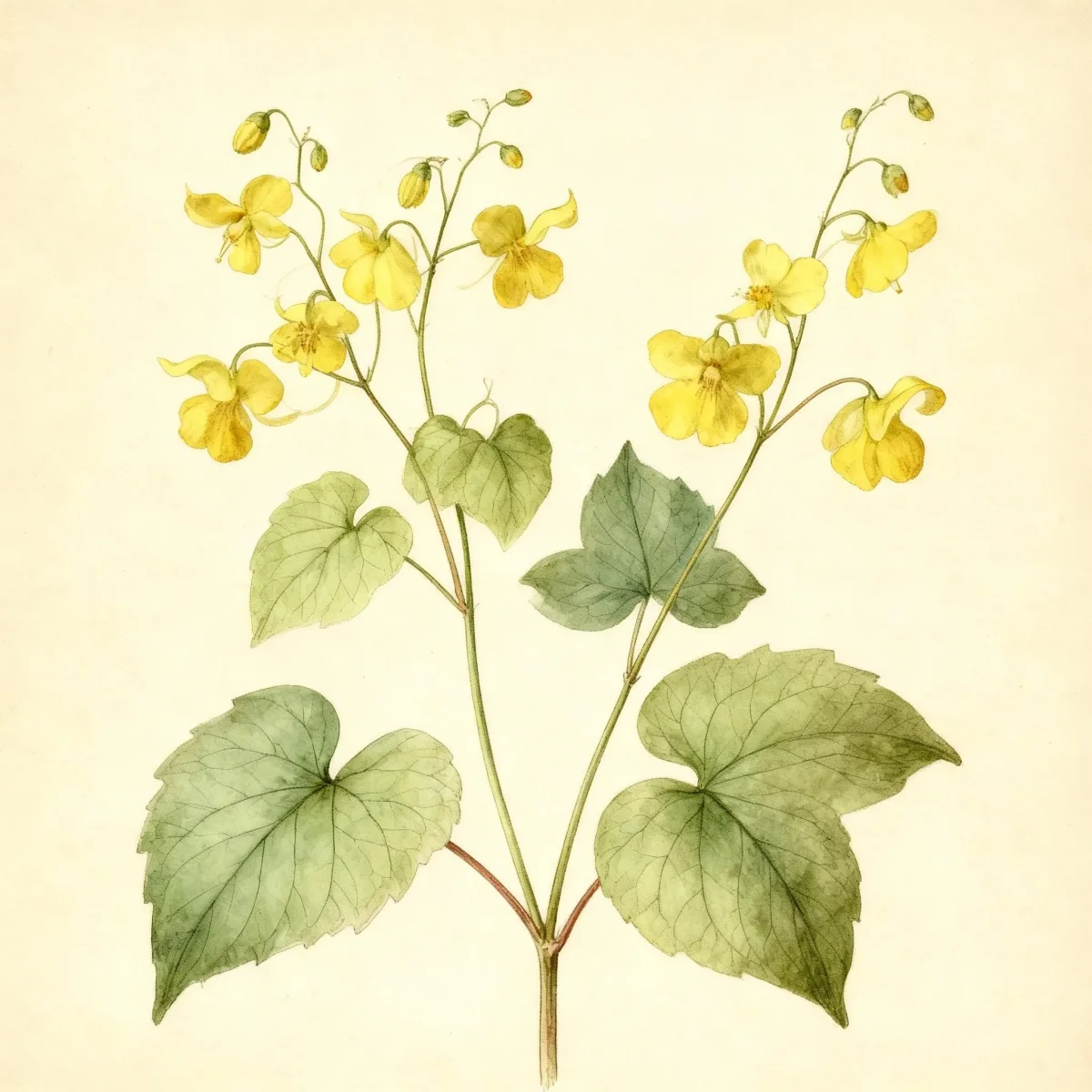
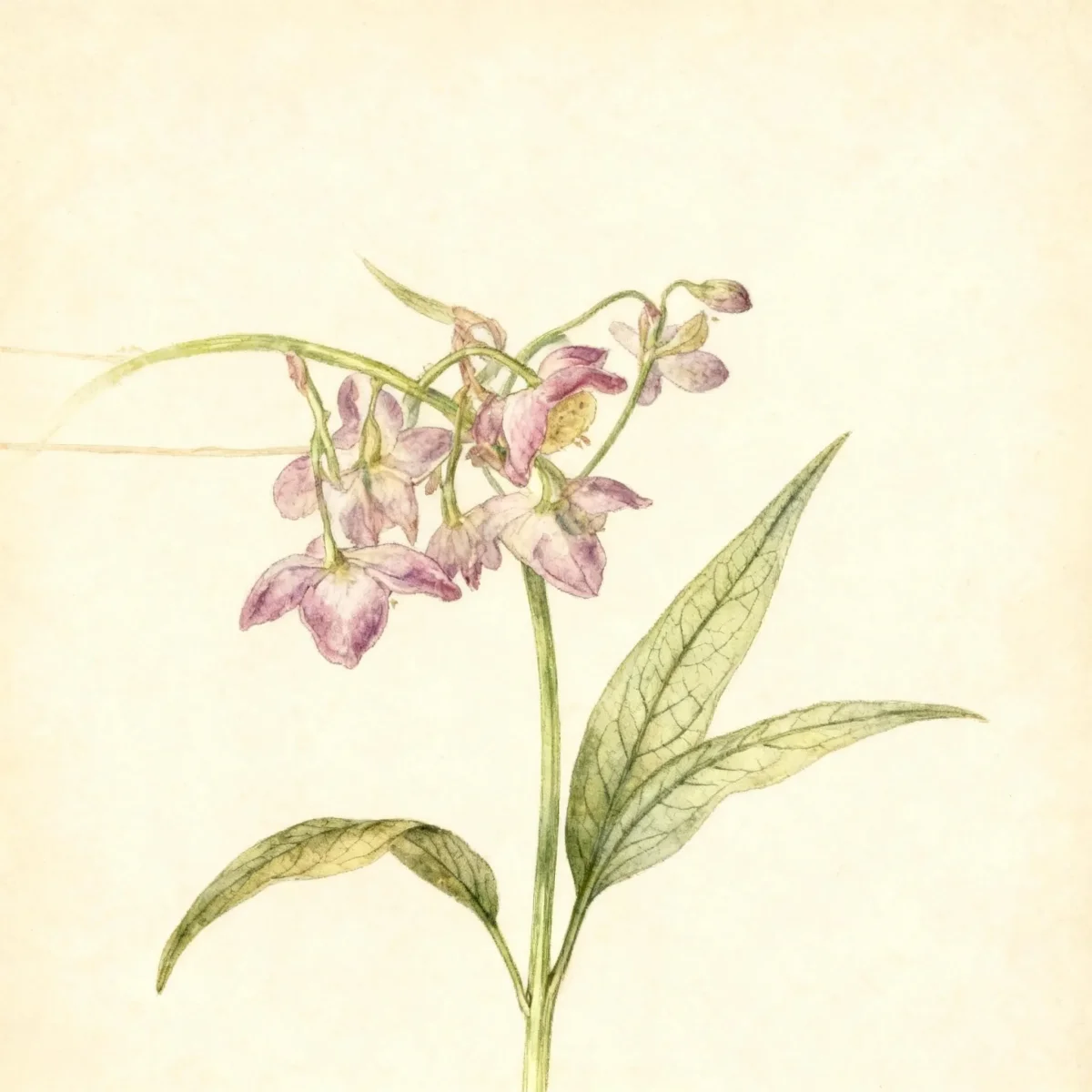
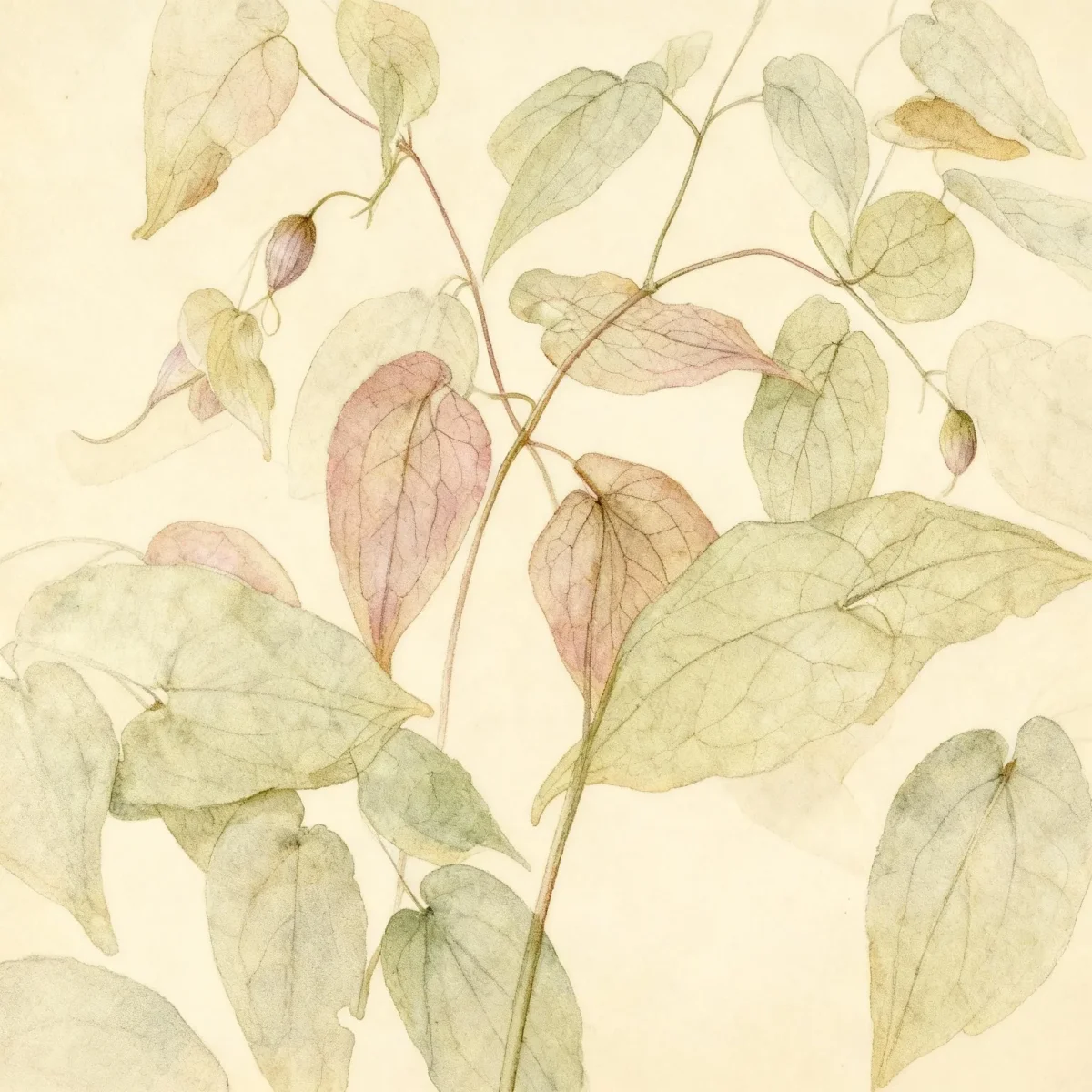
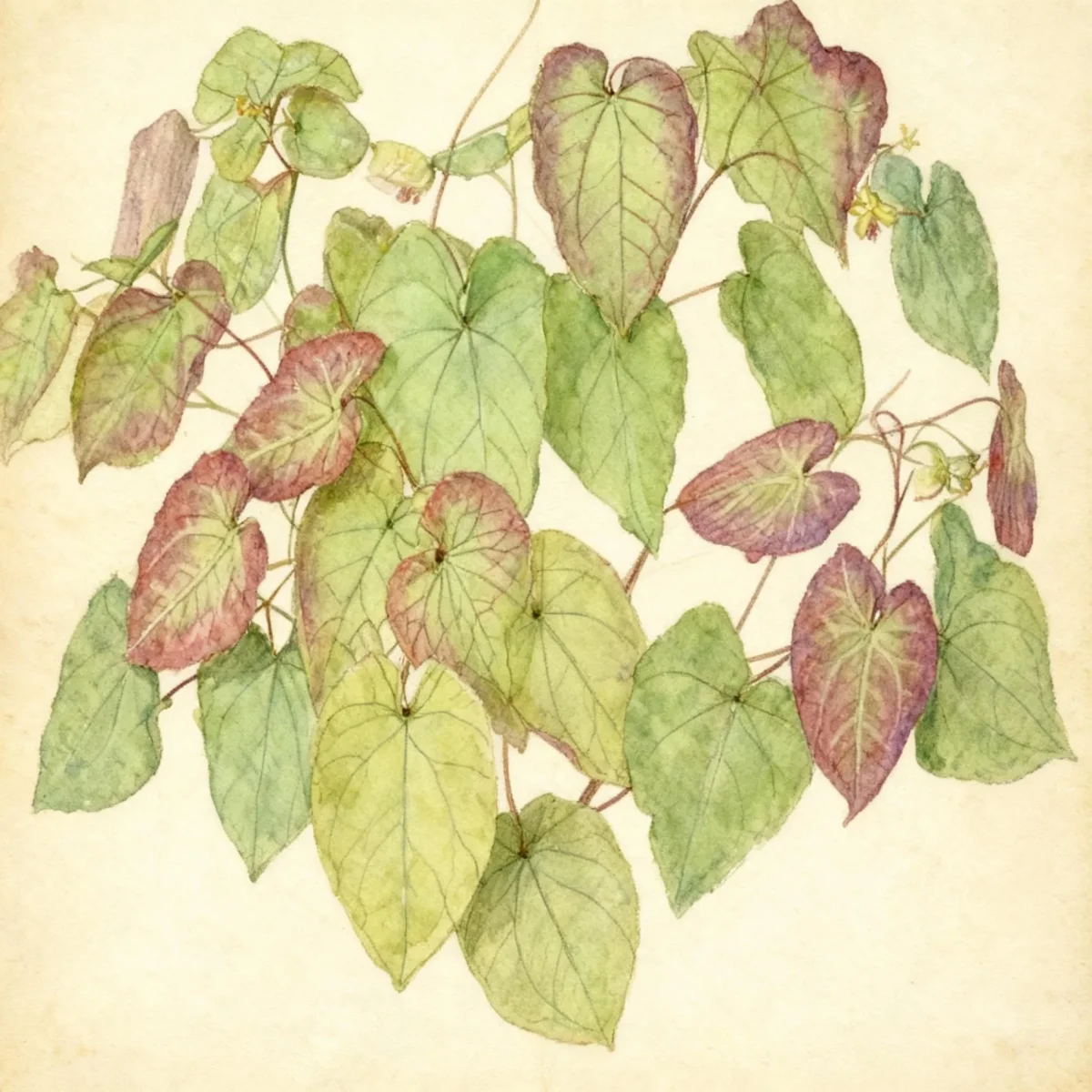
Epimedium grandiflorum is a dense, rhizomatous, clump-forming, usually deciduous perennial that typically grows 10-15” tall with a spread to 18-20”. Spidery flowers, reaching 1-2” across, feature pale rose to violet inner sepals and bloom in tight racemes above the foliage in spring. The cultivar ‘Pierre’s Purple’ specifically produces large-spurred, wine purple flowers that stand appealingly above the emerging foliage. Compound, medium green leaves form attractive foliage mounds, often starting with a bronze cast in the spring.
Tolerances
- Rabbit
- Deer
- Drought
- Heavy Shade
- Erosion
- Dry Soil
- Shallow-Rocky Soil
Potential Problems
This ground cover is generally pest and disease free, contributing significantly to its low maintenance profile. The primary disease risk involves Mosaic virus, which is transmitted specifically by aphids. Prevention centers on good sanitation and monitoring for aphid infestations early in the season.
Since the foliage can sometimes behave unevenly regarding winter die-back depending on the specific microclimate within USDA Zones 5-8, keeping an eye on the plant in late winter is recommended. Promptly cutting back any lingering winter-damaged leaves ensures the best emergence of new, bronze-tinged growth and purple flowers in the spring.
Frequently Asked Questions
What hardiness zones is Epimedium grandiflorum ‘Pierre’s Purple’ suitable for?
This Bishop’s hat cultivar is reliably hardy in USDA Zones 5 through 8.
How large does Epimedium grandiflorum ‘Pierre’s Purple’ grow?
It typically reaches a mature height between 0.75 and 1.5 feet tall with a similar spread, forming slowly spreading colonies.
When does Bishop’s hat bloom?
This perennial puts on its primary show from April through May, displaying wine purple flowers.
What sun exposure does Epimedium grandiflorum ‘Pierre’s Purple’ need?
It prefers part shade to full shade; foliage is prone to burning if exposed to intense afternoon sun.
Conclusion
Epimedium grandiflorum ‘Pierre’s Purple’ offers a rare combination of drought tolerance, toughness in heavy shade, and unique early spring color. This low-maintenance Bishop’s hat is a foundational plant for challenging woodland garden settings. Assess your garden’s shade pattern and plan to incorporate this dependable perennial this fall or spring.
Companion Planting
When designing a shady border, pair Epimedium grandiflorum ‘Pierre’s Purple’ with plants that appreciate similar dry to medium moisture regimes once established. Shade-loving ferns provide fine texture contrast to the broad, compound leaves of the Bishop’s hat. Consider pairing it with Helleborus (Lenten Rose), which shares a similar bloom time and shade preference, ensuring continuous interest from early spring onward.
For a woodland ground cover tapestry, interplant with spring bulbs like Snowdrops or Scilla, which will emerge and bloom through the Epimedium foliage before the latter fully thickens its summer canopy. This layered approach maximizes seasonal appeal under deciduous trees.
Propagation Tips
The most effective method for increasing your stock of Epimedium grandiflorum ‘Pierre’s Purple’ is division, capitalizing on its rhizomatous nature. This process should be undertaken either in early spring, just as the emerging shoots begin to swell, or in the fall after the main growing season has concluded.
Gently lift clumps using a garden fork, taking care to keep the root system intact. Separate larger clumps into smaller sections, ensuring each division has several healthy buds or growth points attached to the root mass. Replant these divisions immediately at the same soil depth they previously occupied.
Because this plant spreads somewhat slowly, dividing established colonies every few years helps rejuvenate the plants and provides new, free specimens to fill out other shady areas of the landscape.