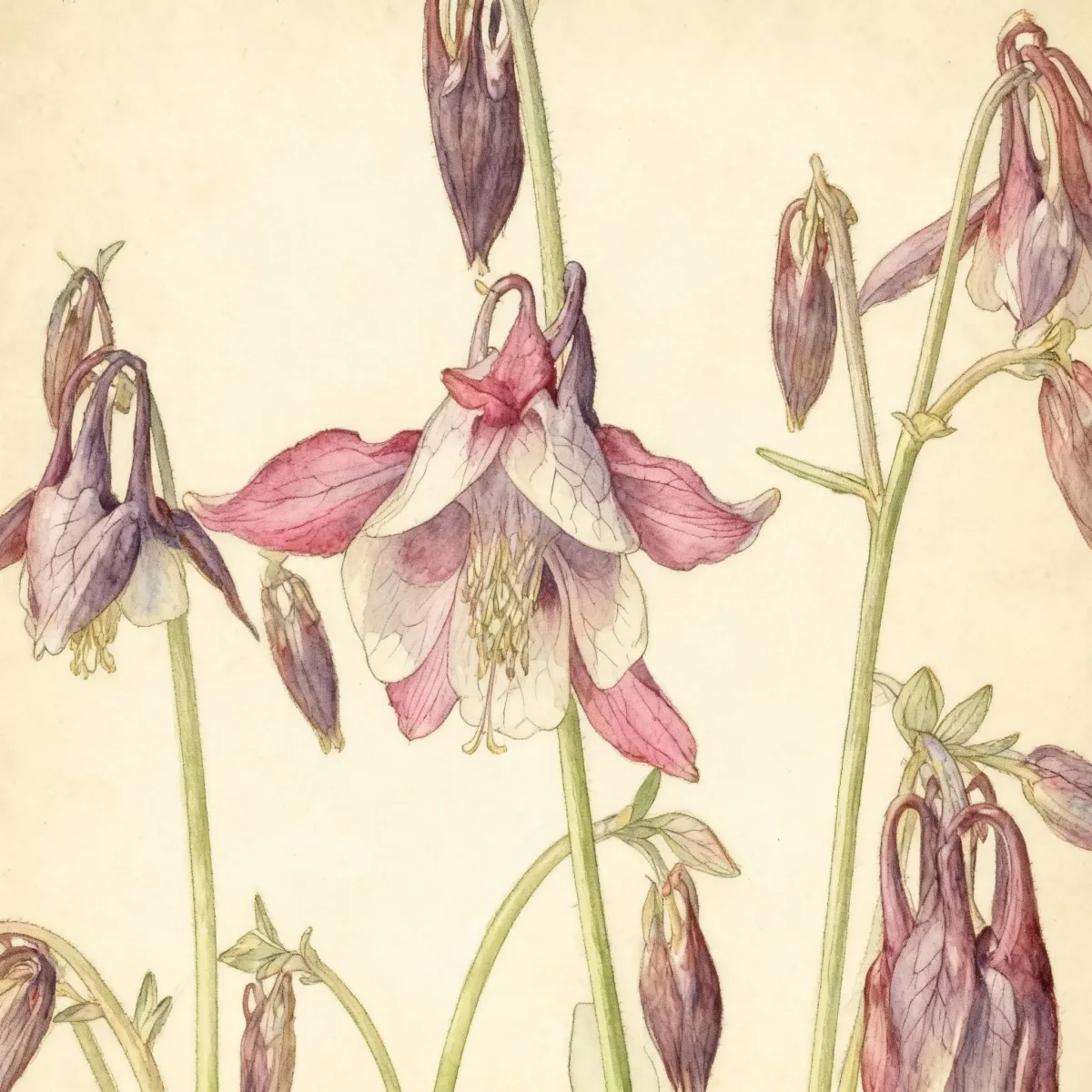
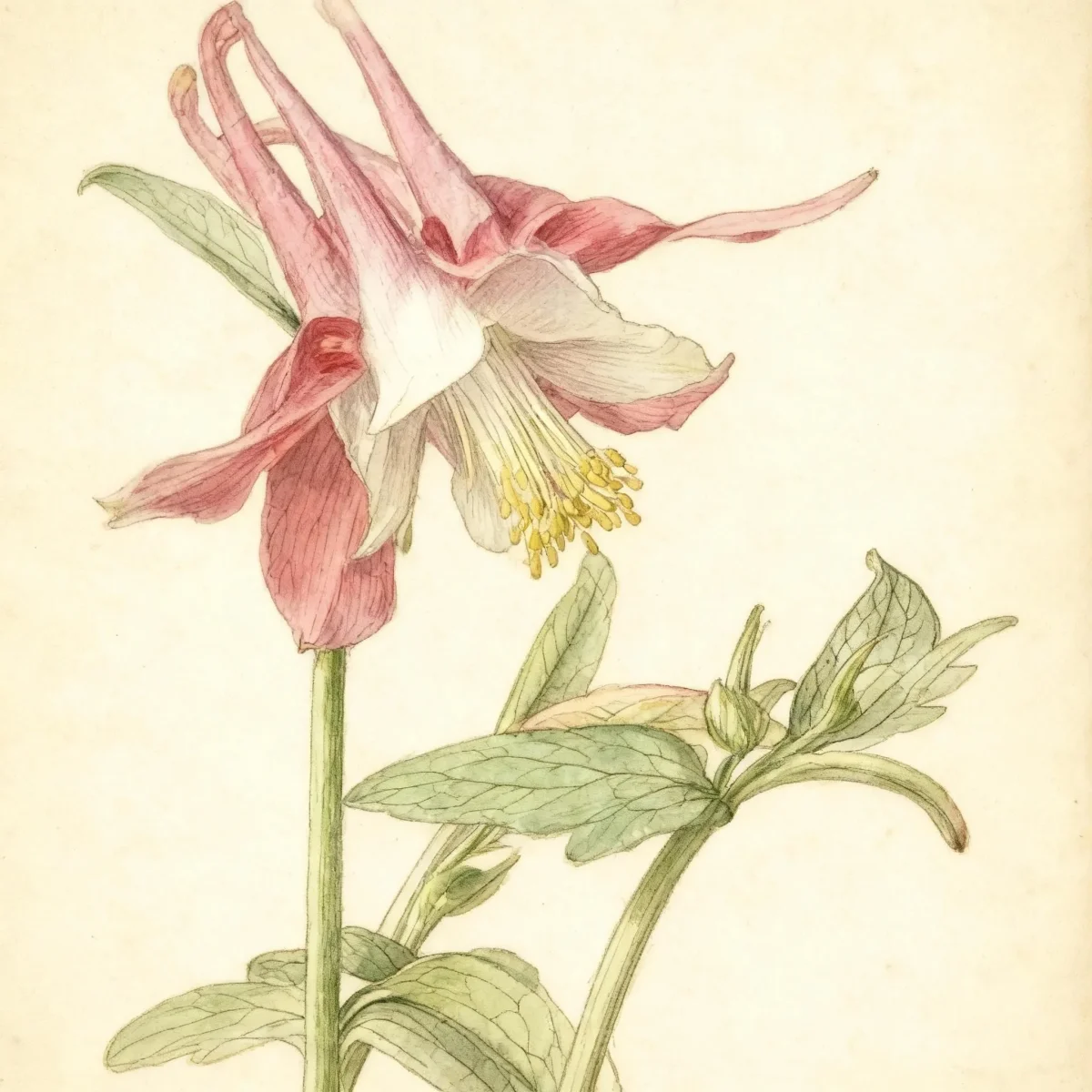
Columbine (Aquilegia (Biedermeier Group))
Aquilegia (Biedermeier Group) Columbine offers compact mounds of leafy stems and glorious pastel-colored spurred flowers in spring.
Scroll down to discover growing tips, care requirements, companion plants, and more
Complete Plant Information
Overview
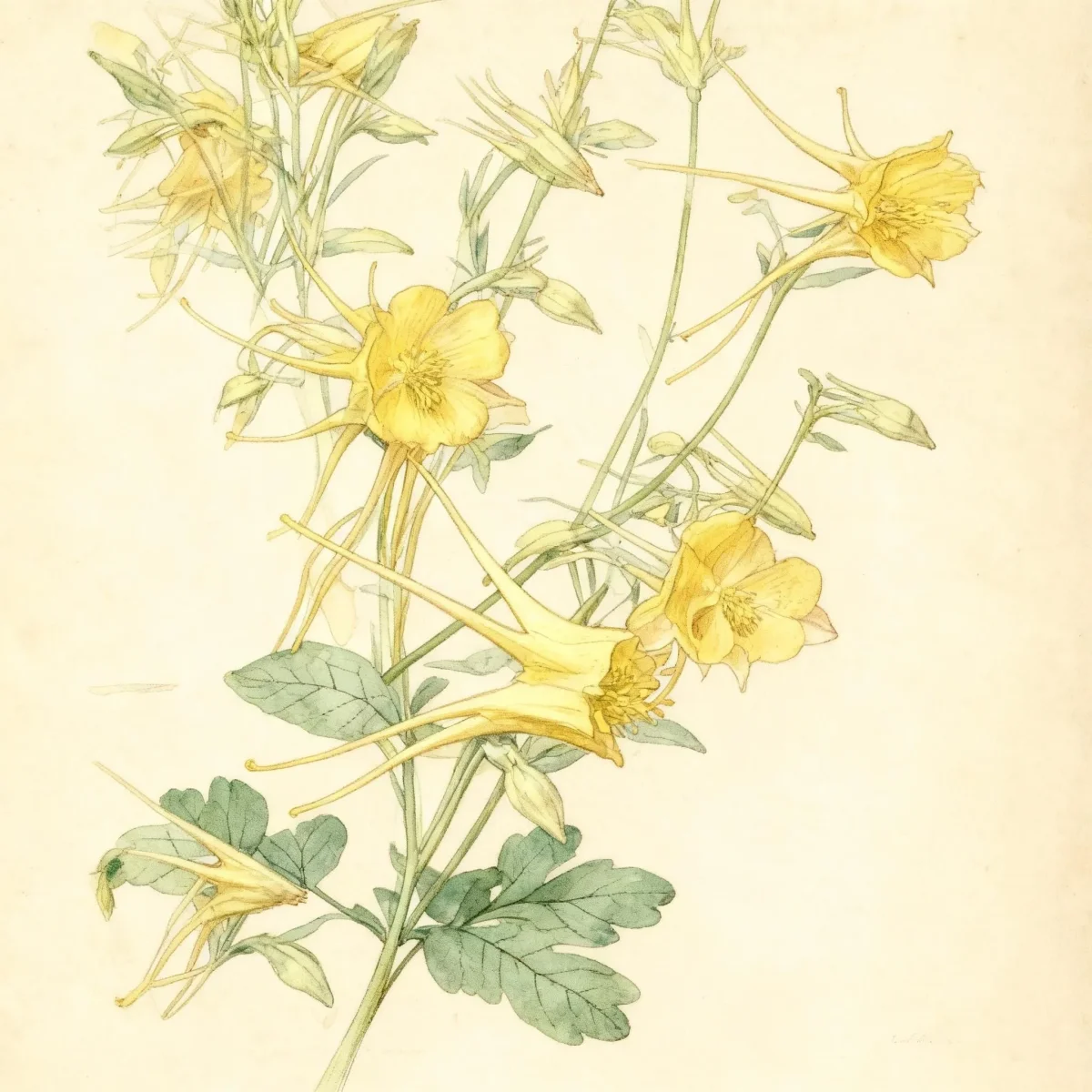
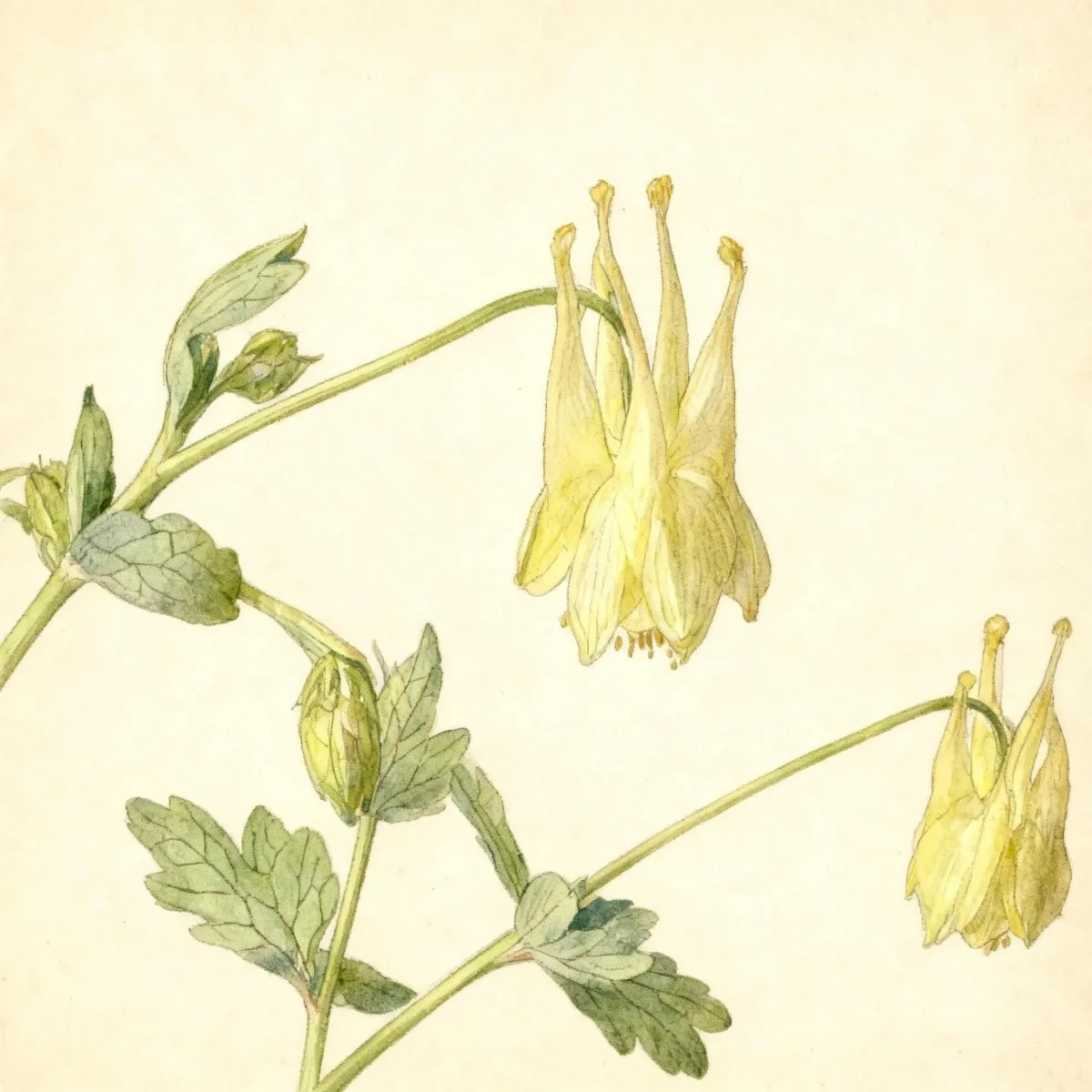
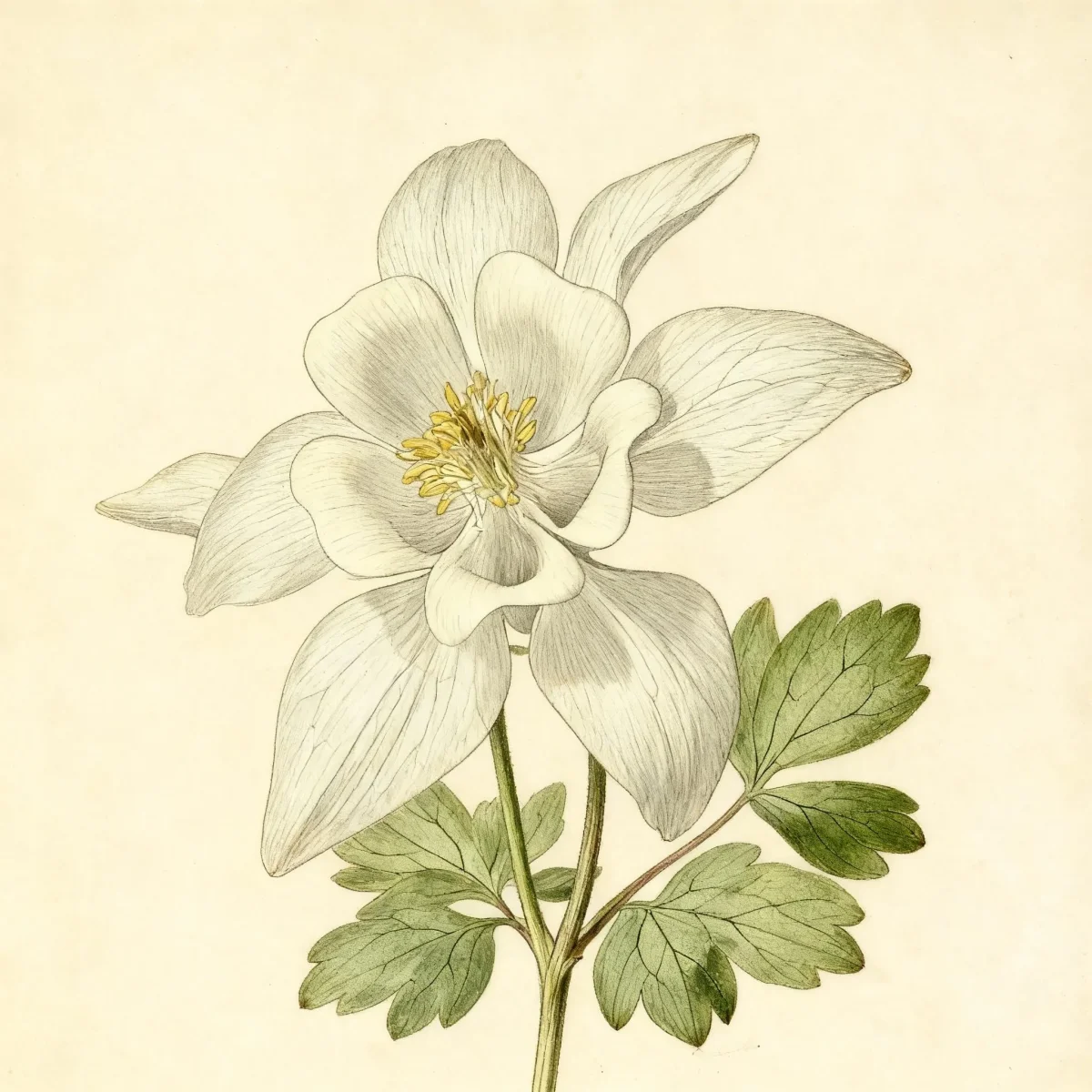
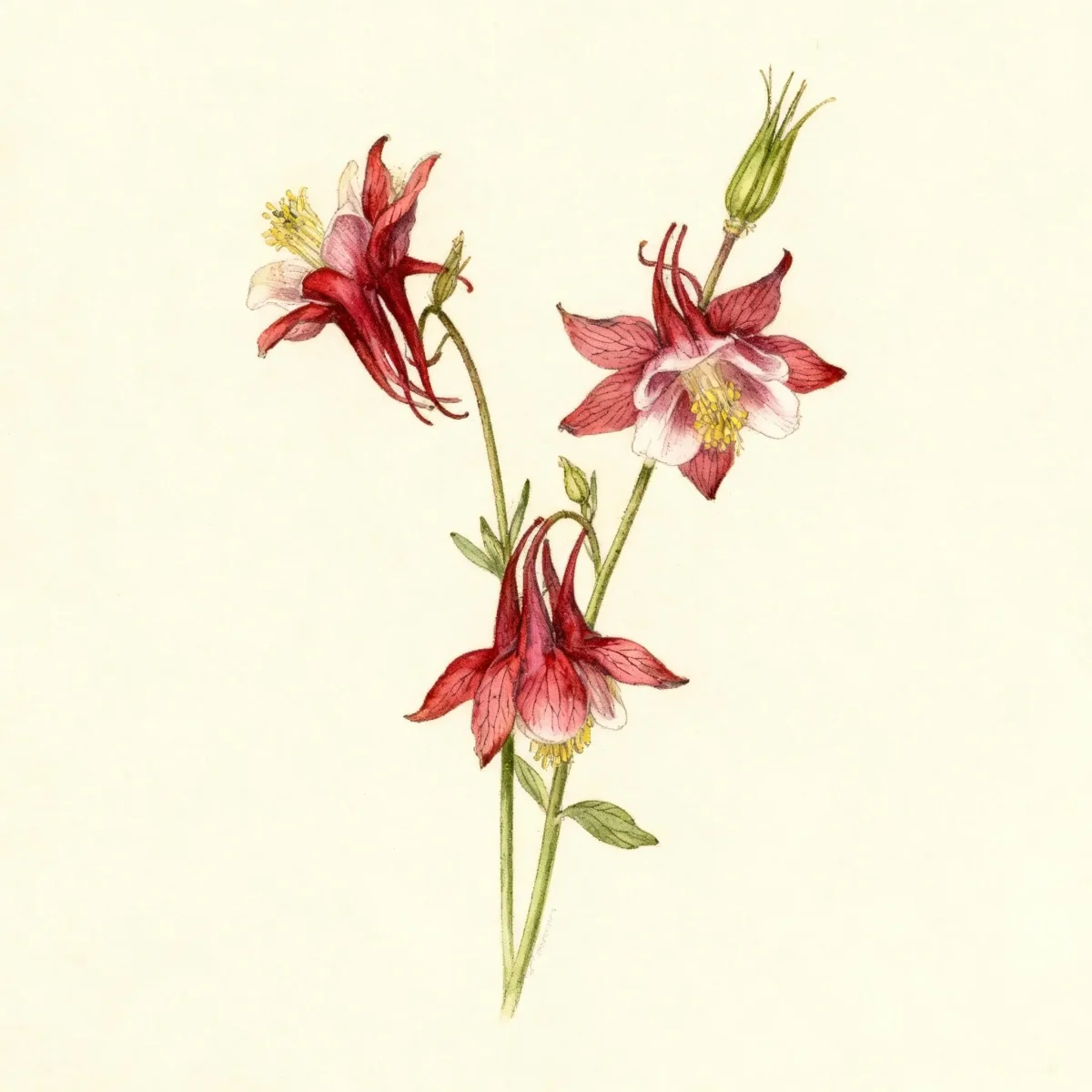
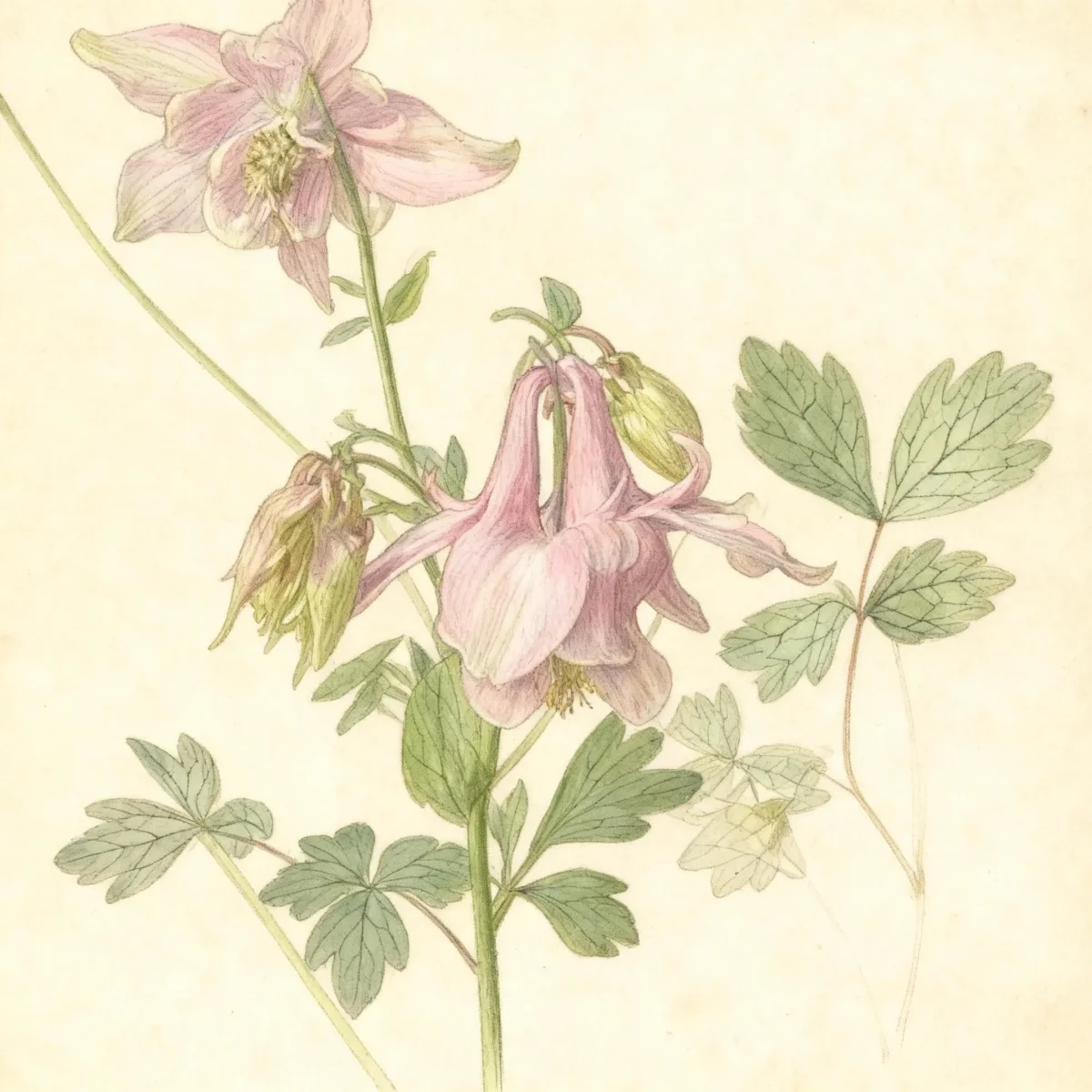
The Aquilegia (Biedermeier Group), commonly known as Columbine, is prized by gardeners for its exceptionally cheerful and compact spring display. This specific strain features bushy, clump-forming perennials that produce a glorious bloom of spurred flowers in soft pastel shades, including pink, red, blue, and white. Valued for its manageable size and reliable performance, the Aquilegia (Biedermeier Group) provides essential early-season color before many summer perennials awaken.
These herbaceous perennials thrive when given average, evenly moist, well-drained soil conditions, easily adapting to light or moderate shade. While their spring performance is spectacular, proper care ensures the attractive foliage remains appealing longer, offering good ground cover well into the season. Gardeners appreciate the ease with which this Columbine can be naturalized, creating soft, drifts of color across borders and woodland edges.
As noted by its genus name, derived from the Latin word for eagle, the unique spurred flowers add distinct architectural interest to the spring garden. The Aquilegia (Biedermeier Group) is an excellent choice for adding traditional cottage charm or brightening partially shaded woodland settings with its mid-sized, mounding habit.
Fast Facts
- Plant Family: Ranunculaceae
- Plant Type: Herbaceous perennial
- Hardiness Zones: USDA Zones 3-8
- Size at Maturity:
- Height: 1-1.5 ft
- Spread: 0.75-1 ft
- Bloom Time: April to May
- Bloom Description: White, pink, red, blue
- Sun Exposure: Full sun to part shade
- Water Needs: Medium
- Maintenance Level: Medium
How to Grow
Planting should occur in spring or early autumn when soil temperatures are moderate. Choose a location providing full sun to partial shade, ideally benefiting from organically rich, moist soil that drains well. Avoid heavy, clay soils, as drainage is critical for the long-term health of your Columbine plants.
Consistent moisture is key during the growing season. Maintain evenly moist soil, especially after the spring bloom concludes, to keep the foliage looking its best. To encourage repeat flowering, prune spent flower stems once blooming finishes. If the foliage deteriorates mid-season, you may cut the entire plant back near the ground.
The Aquilegia (Biedermeier Group) readily self-seeds, but be aware that cross-pollination between different Columbine varieties is common, meaning resulting seedlings may vary significantly from the parents. If you wish to maintain the exact pastel mix, it is best to grow them from commercially purchased seed or collect seed only from isolated plants.
Landscape Uses
The compact nature of the Aquilegia (Biedermeier Group) makes it incredibly versatile for defined garden spaces. It excels when used along borders, tucked into rock gardens where its airy structure contrasts nicely with stone, or massed in informal cottage gardens. Its tolerance for shade also makes it a welcome addition to open shade gardens or naturalized areas under high tree canopies.
These plants are frequently noted as excellent selections for attracting hummingbirds, making them a valuable addition to wildlife-focused garden designs. Continue watering plants well after they finish blooming; this ensures the foliage remains lush, serving as an attractive ground cover until dormancy.
Standout Features
Flower Qualities
- Showy
Noteworthy Characteristics
The Aquilegia (Biedermeier Group) belongs to a genus comprising about 70 herbaceous perennials originating in the Northern Hemisphere. This group is characterized by its compact, low-growing habit, typically forming mounds of leafy stems reaching about 12 inches tall. They are renowned for their spring display of spurred flowers blending delicate pastel colors.
Tolerances
- Rabbit
- Deer
Potential Problems
Aquilegia (Biedermeier Group) is generally robust, but leaf miners are the most common pest concern; treating affected foliage promptly can mitigate damage. Aphids pose a lesser threat but should be managed if infestations become heavy. Potential diseases include common issues like leaf spot, rust, and powdery mildew, often exacerbated by poor air circulation or excessive humidity.
Preventative measures focus on good cultural practices: ensure excellent soil drainage and avoid overhead watering late in the day to minimize moisture retention on foliage, which encourages fungal development. If foliage declines significantly mid-summer, follow pruning advice to keep the planting looking tidy.
Frequently Asked Questions
What hardiness zones is Columbine suitable for?
This variety of Columbine is hardy across USDA Zones 3 through 8, offering reliable perennial performance across a wide climatic range.
How large does Aquilegia (Biedermeier Group) grow?
This compact strain typically reaches heights between 1 and 1.5 feet, with a spread of three-quarters of a foot to 1 foot, making it ideal for front-of-border placement.
When does Columbine bloom?
The glorious spring bloom period for the Aquilegia (Biedermeier Group) occurs from April to May, showcasing flowers in shades of white, pink, red, and blue.
What sun exposure does Aquilegia (Biedermeier Group) need?
These plants perform best in locations receiving full sun to part shade, though they appreciate protection from intense afternoon heat, especially in warmer zones.
Conclusion
The Aquilegia (Biedermeier Group) delivers exceptional value through its early, colorful, spurred blooms and tidy foliage, perfectly fitting cottage and woodland designs. This easy-to-manage perennial will reward your care with cheerful spring color year after year. Before planting, check your local USDA Hardiness Zone compatibility to ensure a successful growing experience with this charming Columbine.
Companion Planting
When planning placements near your Aquilegia (Biedermeier Group), select companions that share similar light and moisture preferences. Medium-moisture loving plants that thrive in partial shade work well, such as Hosta, Lungwort (Pulmonaria), or bleeding hearts (Dicentra). Planting these together naturally creates a layered, lush woodland understory effect suitable for the Columbine’s aesthetic.
Avoid placing these plants directly next to species that prefer dry, hot conditions, as this variance in water needs can stress the Aquilegia. Utilizing these companions helps mask the foliage decline that can sometimes occur in mid-summer once the initial magic of the Aquilegia (Biedermeier Group) bloom fades.
Propagation Tips
While the Aquilegia (Biedermeier Group) can naturalize via self-seeding, gardeners interested in preservation or expansion can propagate reliable clones through division. Dig up the clumps in early spring or early fall, separating the root ball into sections, ensuring each division has viable crown growth.
If propagating from seed, remember that germination may require a period of cold stratification to mimic natural winter conditions. Sow seeds thinly in well-drained containers and keep them cool and consistently moist before transplanting the resulting seedlings to their permanent locations the following season.