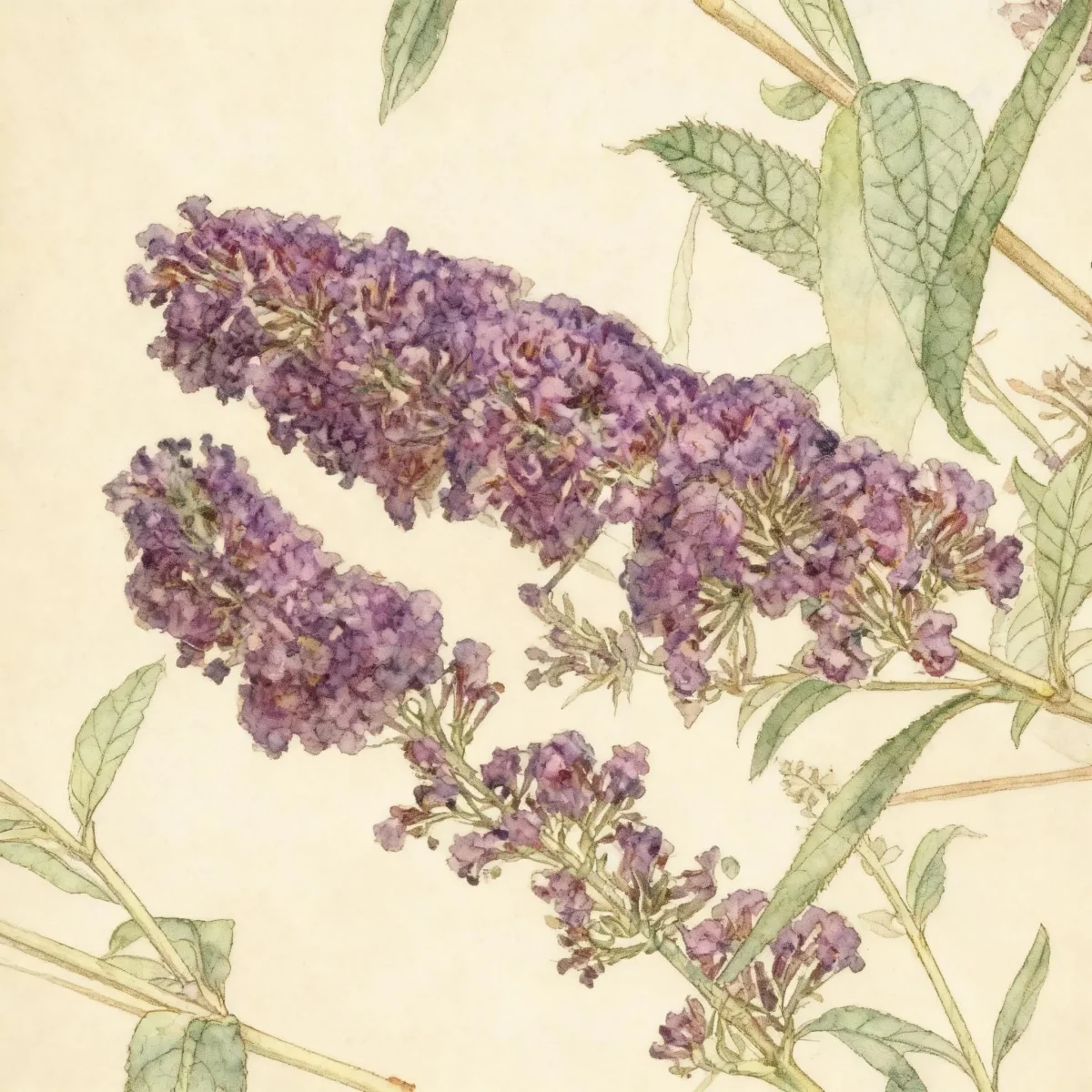
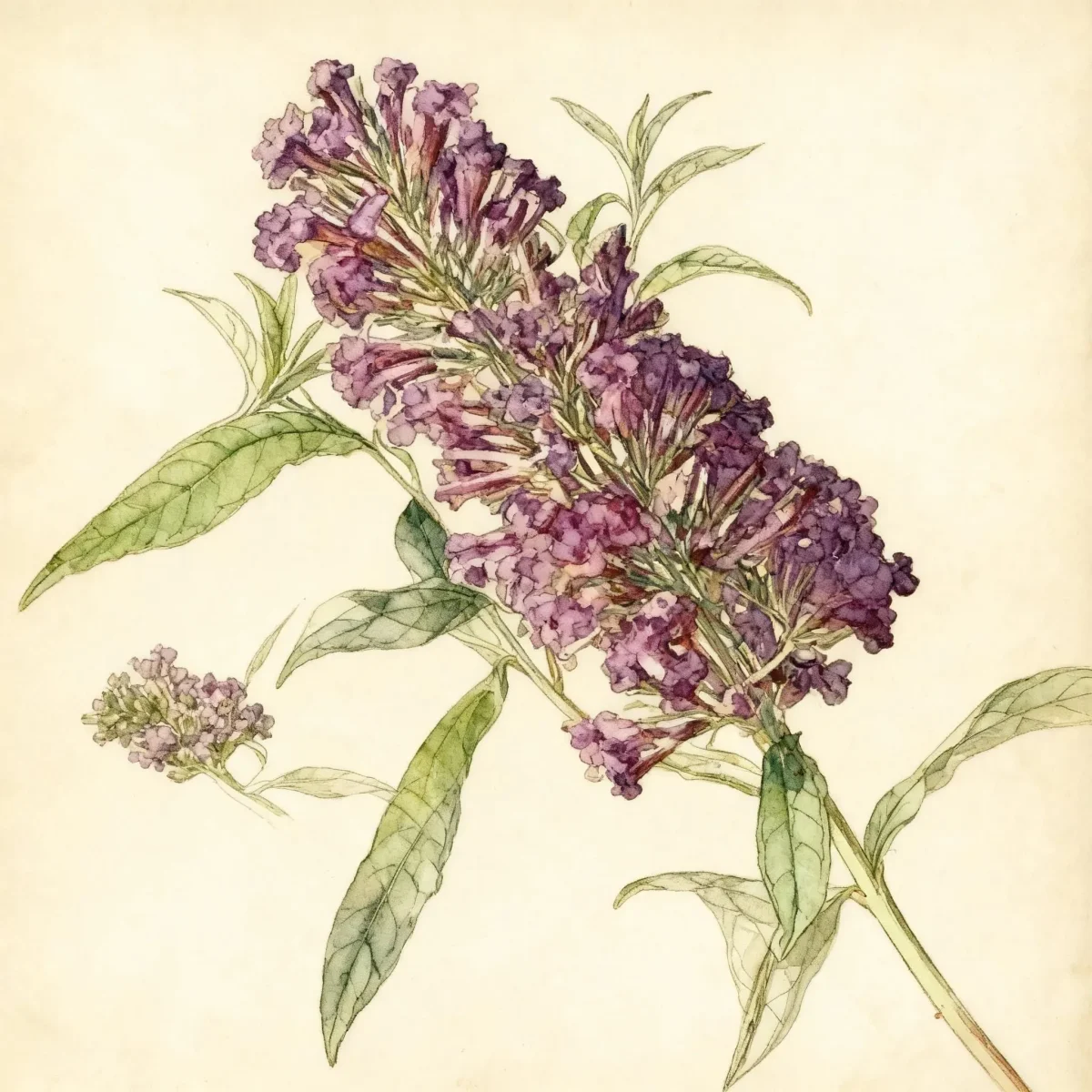
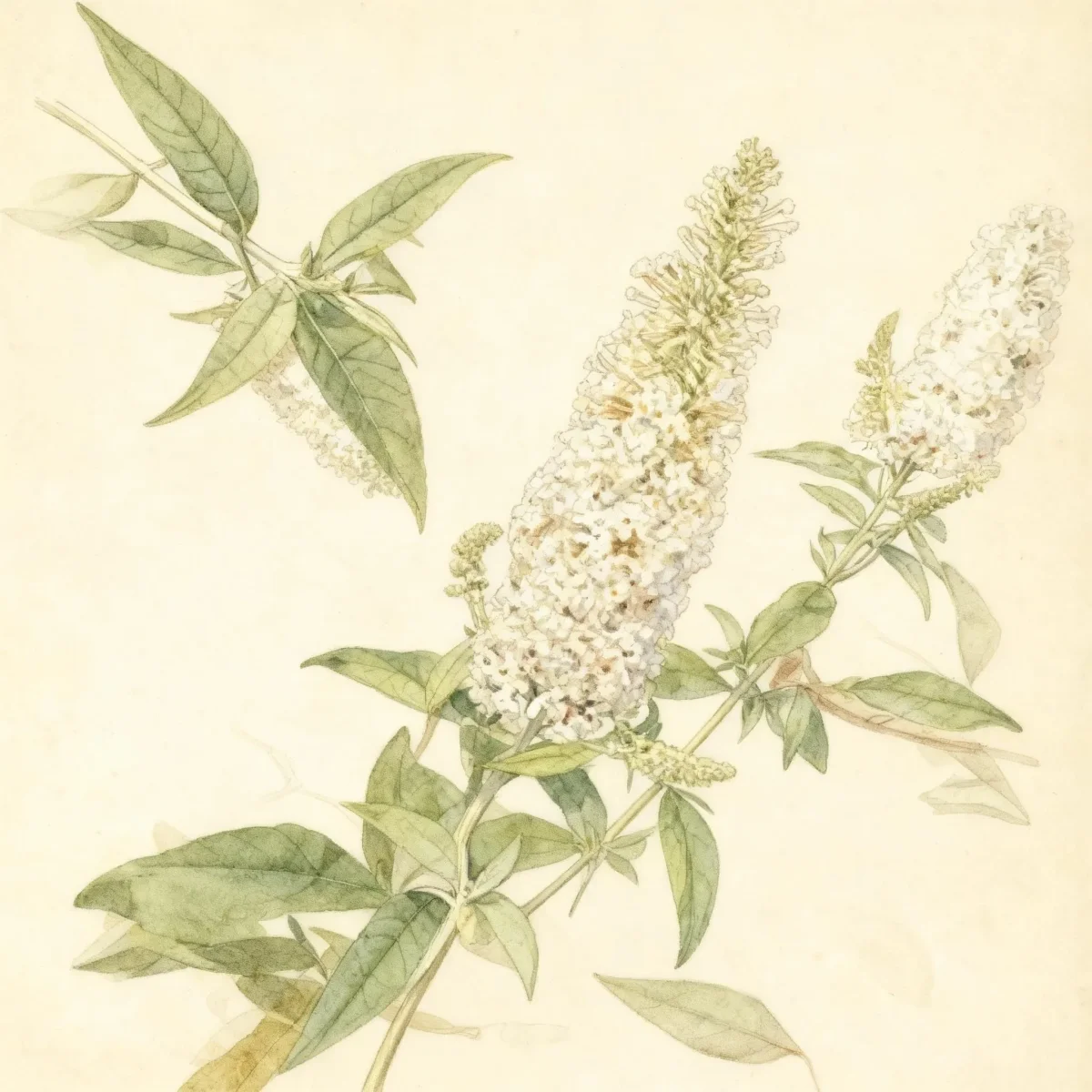
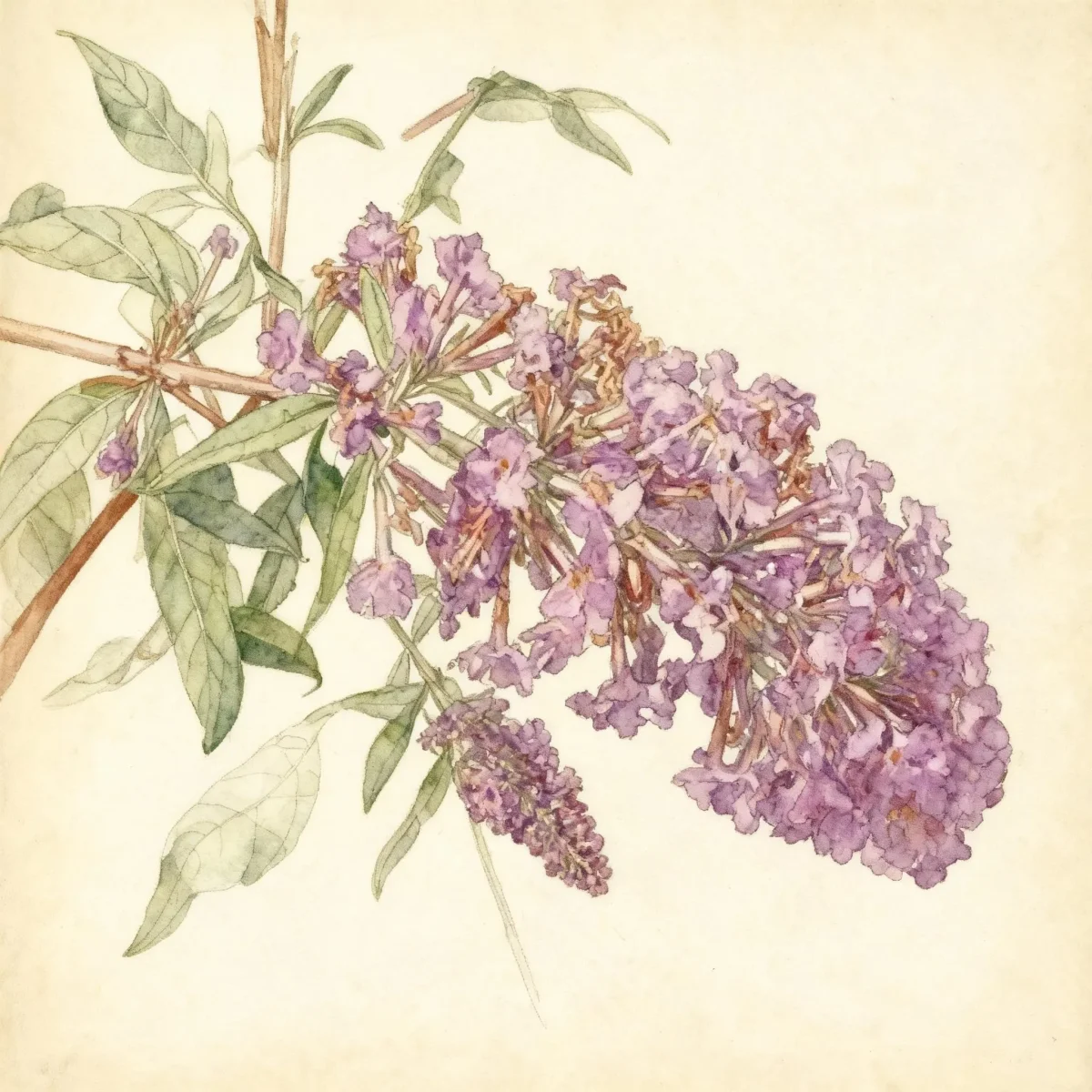
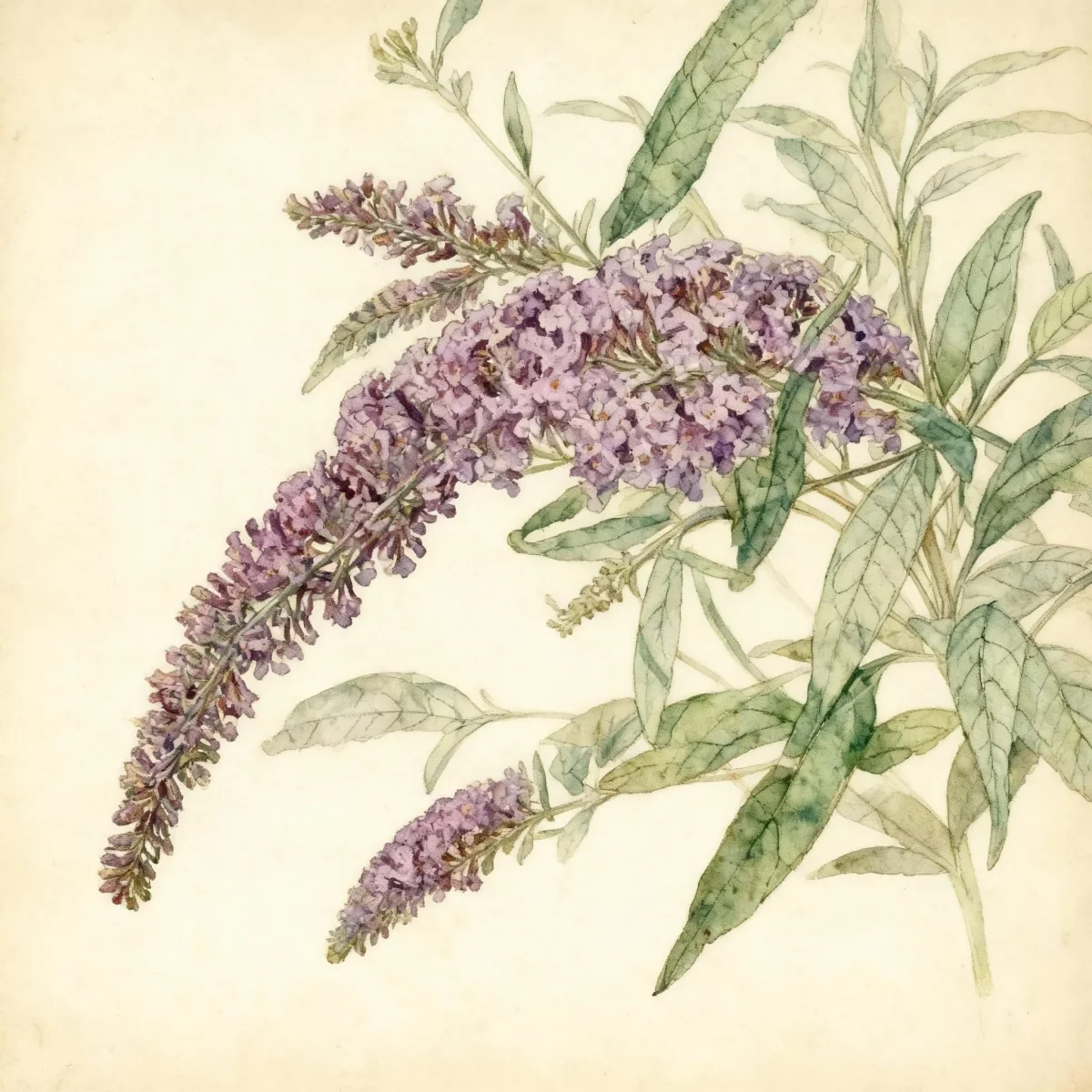
Butterfly bush (Buddleja davidii 'Pyrkeep' PURPLE EMPEROR)
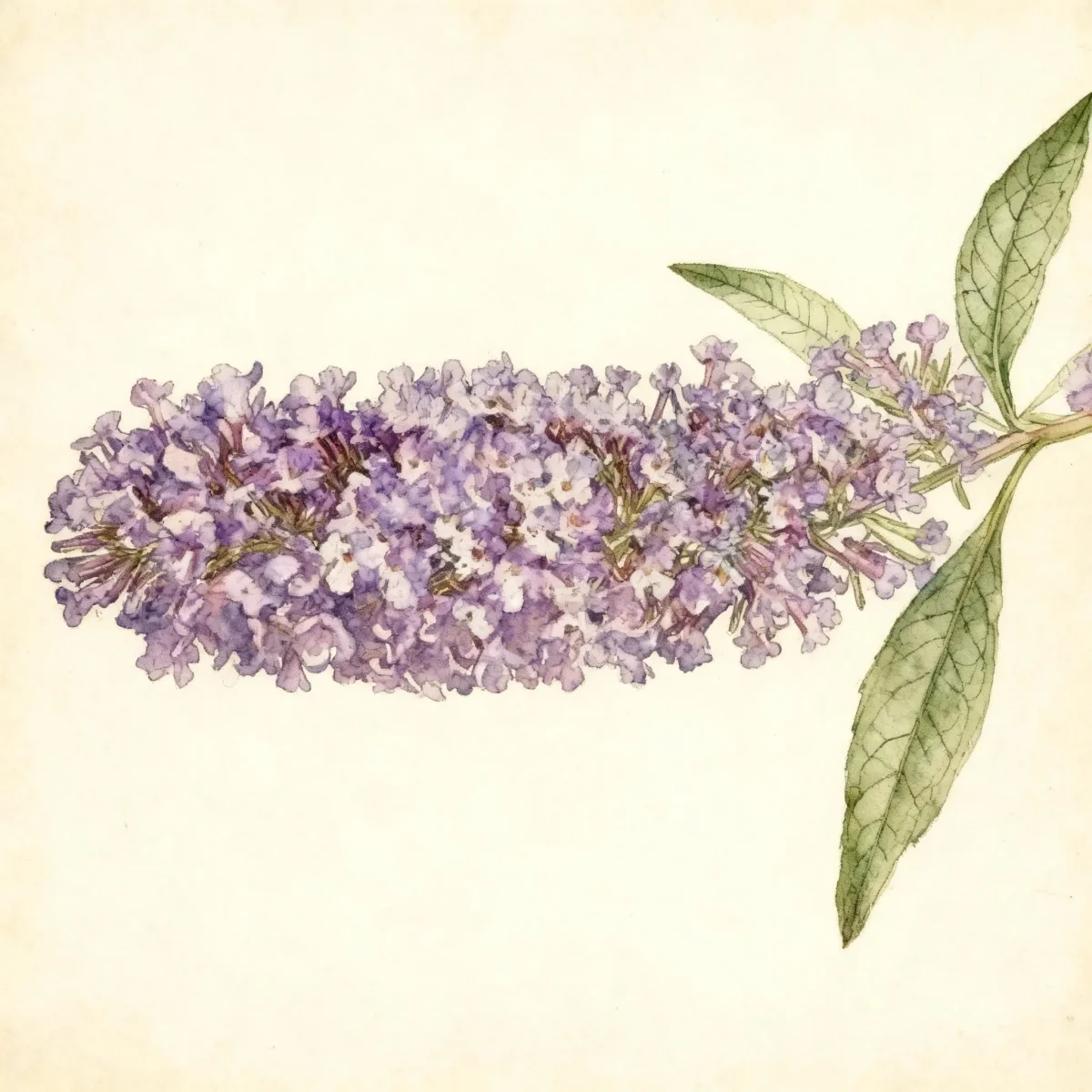
The Buddleja davidii 'Pyrkeep' PURPLE EMPEROR is a compact Butterfly bush offering fragrant, showy mauve-purple blooms from June to September.
Scroll down to discover growing tips, care requirements, companion plants, and more
Complete Plant Information
Overview
The Buddleja davidii ‘Pyrkeep’ PURPLE EMPEROR, a choice cultivar often sold as PURPLE EMPEROR, brings the traditional butterfly-attracting power of the Butterfly bush into a more managed size. This deciduous shrub is prized for its dense, upright habit, reaching only 3 to 5 feet tall, making it versatile for smaller landscape applications where the straight species might overwhelm. Gardeners love this plant for its long season of outstanding color.
This compact selection generates significant visual impact with its spike-like terminal clusters of mauve-purple flowers booming reliably from early summer until the first frost. Its vigorous growth and low maintenance requirements further cement its status as a perennial favorite in mixed borders and cottage gardens across suitable zones. True to its common name, the Butterfly bush is an unparalleled magnet for pollinators.
While the standard Butterfly bush can occasionally become aggressively self-seeding, gardeners planting Buddleja davidii ‘Pyrkeep’ PURPLE EMPEROR benefit from a plant bred for superior form and size control, though vigilance in removing spent blooms is still recommended where unwanted spread is a concern.
Fast Facts
- Plant Family: Scrophulariaceae
- Plant Type: Deciduous shrub
- Hardiness Zones: USDA Zones 5-9
- Size at Maturity:
- Height: 3-5 ft
- Spread: 3-5 ft
- Bloom Time: June to September
- Bloom Description: Mauve-purple
- Sun Exposure: Full sun
- Water Needs: Medium
- Maintenance Level: Low
How to Grow
Plant Buddleja davidii ‘Pyrkeep’ PURPLE EMPEROR in spring or fall in an average, medium-moisture location that receives full, unfiltered sunlight every day. This shrub performs best in well-drained soil; it does poorly if situated in perpetually wet or poorly draining conditions, though it will adapt well to clay soil if the site is sufficiently amended prior to planting. Lack of sufficient sun exposure will result in sparse growth and diminished flowering performance, negating the shrub’s primary appeal.
Water moderately, allowing the soil to dry slightly between waterings during establishment. Maintenance is generally low, but pruning is highly recommended for optimal results. In colder regions (Zones 5 and 6), the plant may die back to the ground in winter; prune these lifeless stems back severely in late winter to encourage vigorous new growth and superior flowering. Even where it survives winter intact, annual hard pruning in late winter maintains the dense, well-branched shape characteristic of the PURPLE EMPEROR cultivar.
To maximize bloom duration, promptly remove spent flower spikes throughout the growing season. If you wish to prevent self-seeding, which can sometimes occur aggressively, ensure all faded flowers are removed before seeds mature and are dispersed by the wind.
Landscape Uses
The compact stature of the Buddleja davidii ‘Pyrkeep’ PURPLE EMPEROR makes it highly valuable for integrating summer color into smaller spaces. It provides essential mid-to-late season floral interest when many other shrubs have finished blooming. This shrub excels when placed toward the middle or back of perennial borders, adding height contrast to lower-growing summer annuals and perennials.
Consider using this dwarf Butterfly bush in cottage gardens where its upright form mixes charmingly with roses and other classic flowering shrubs. Because its flowers are popular as fresh-cut material, planting a few specimens near a cutting garden area is advisable. While it generally performs poorly as a solitary specimen, it anchors a compact corner beautifully.
Standout Features
Flower Qualities
- Showy
- Fragrant
Noteworthy Characteristics
The Buddleja davidii, commonly known as butterfly bush, is famous for its vigorous growth and flowers highly attractive to butterflies and bees. PURPLE EMPEROR is a specific dwarf cultivar noted for producing large flower clusters on dense, well-branched shrubs that are about half the size of typical B. davidii plants. Its leaves are elliptic to lanceolate, featuring sage green upper sides and white, downy undersides that add texture.
Tolerances
- Rabbit
- Clay Soil
Potential Problems
The Butterfly bush is generally regarded as resilient, facing no serious, frequent issues with pests or diseases. Gardeners should remain vigilant for occasional spider mite infestations, particularly during hot, dry periods when moisture stress occurs. In southern climates, root-knot nematodes can sometimes prove troublesome to established plants. Regular, deep watering when natural rainfall is scarce often helps the shrub resist minor opportunistic pests.
Frequently Asked Questions
What hardiness zones is Buddleja davidii ‘Pyrkeep’ PURPLE EMPEROR suitable for?
This vibrant Butterfly bush thrives in USDA Hardiness Zones 5 through 9.
How large does Buddleja davidii ‘Pyrkeep’ PURPLE EMPEROR grow?
This dwarf variety is intended to be compact, reaching a mature height and spread typically between 3 and 5 feet.
What sun exposure does the Butterfly bush need?
For the best maintenance, shape, and flowering performance, Buddleja davidii ‘Pyrkeep’ PURPLE EMPEROR absolutely requires full sun exposure.
When does Buddleja davidii ‘Pyrkeep’ PURPLE EMPEROR bloom?
It offers abundant blooms from June all the way through September, presenting attractive mauve-purple flower clusters.
Conclusion
The Buddleja davidii ‘Pyrkeep’ PURPLE EMPEROR offers gardeners a manageable size without sacrificing the stunning, fragrant, pollinator-attracting blooms famous in the Butterfly bush family. Its low maintenance and long blooming season make it a highly practical choice for adding continuous summer color to any sunny spot. Ensure your planting area receives full sun and has decent drainage before incorporating this fantastic shrub into your landscape design.
Companion Planting
Choosing the right partners can enhance the appeal and ecological function of your Butterfly bush planting. Since B. davidii thrives in full sun and medium moisture, select companions that share similar needs, such as Coneflowers (Echinacea), Black-Eyed Susans (Rudbeckia), or ornamental grasses that appreciate well-drained soil. Avoid planting near moisture-loving bog plants, as waterlogged winter soil is detrimental to the health of this shrub. Grouping PURPLE EMPEROR with companion plants that bloom earlier or later helps ensure continuous interest in the border.
Seasonal Care Calendar
The key to vigor in the Butterfly bush lies in late winter pruning. In late winter or very early spring before new growth begins, cut the stems of your Buddleja davidii ‘Pyrkeep’ PURPLE EMPEROR back hard—often to just a few inches above the ground, especially in Zones 5 and 6. During the active summer growing season, deadheading (prompt removal of spent flower spikes) is the most important task to promote new flushes of flowers. Water consistently during seasonal droughts to support its medium water requirements and overall health throughout the heat of summer.