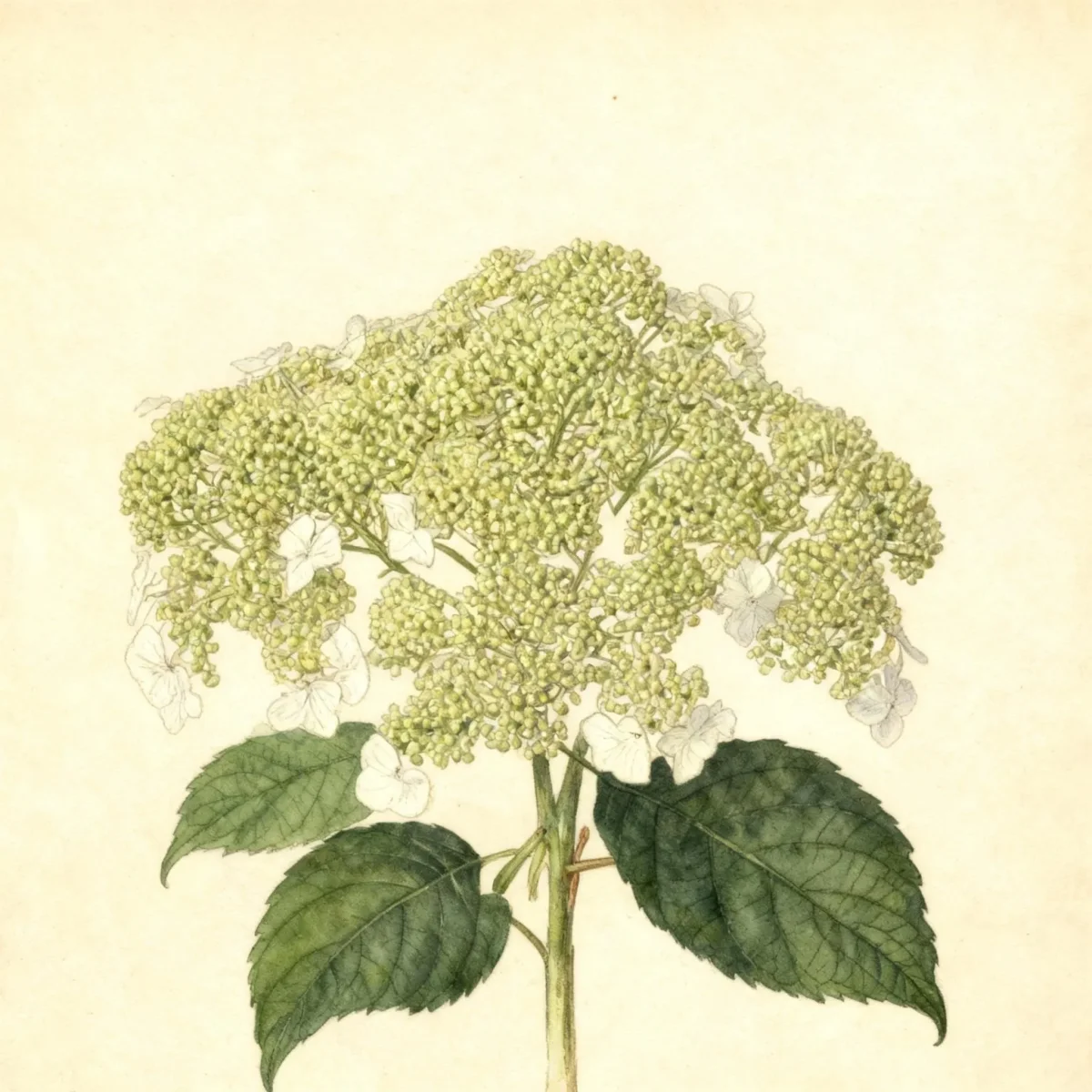
Smooth hydrangea (Hydrangea arborescens 'Dardom' WHITE DOME)
Hydrangea arborescens 'Dardom' WHITE DOME offers vigorous growth, dome-shaped white blooms, and low maintenance for Zones 4-9.
Scroll down to discover growing tips, care requirements, companion plants, and more
Complete Plant Information
Overview
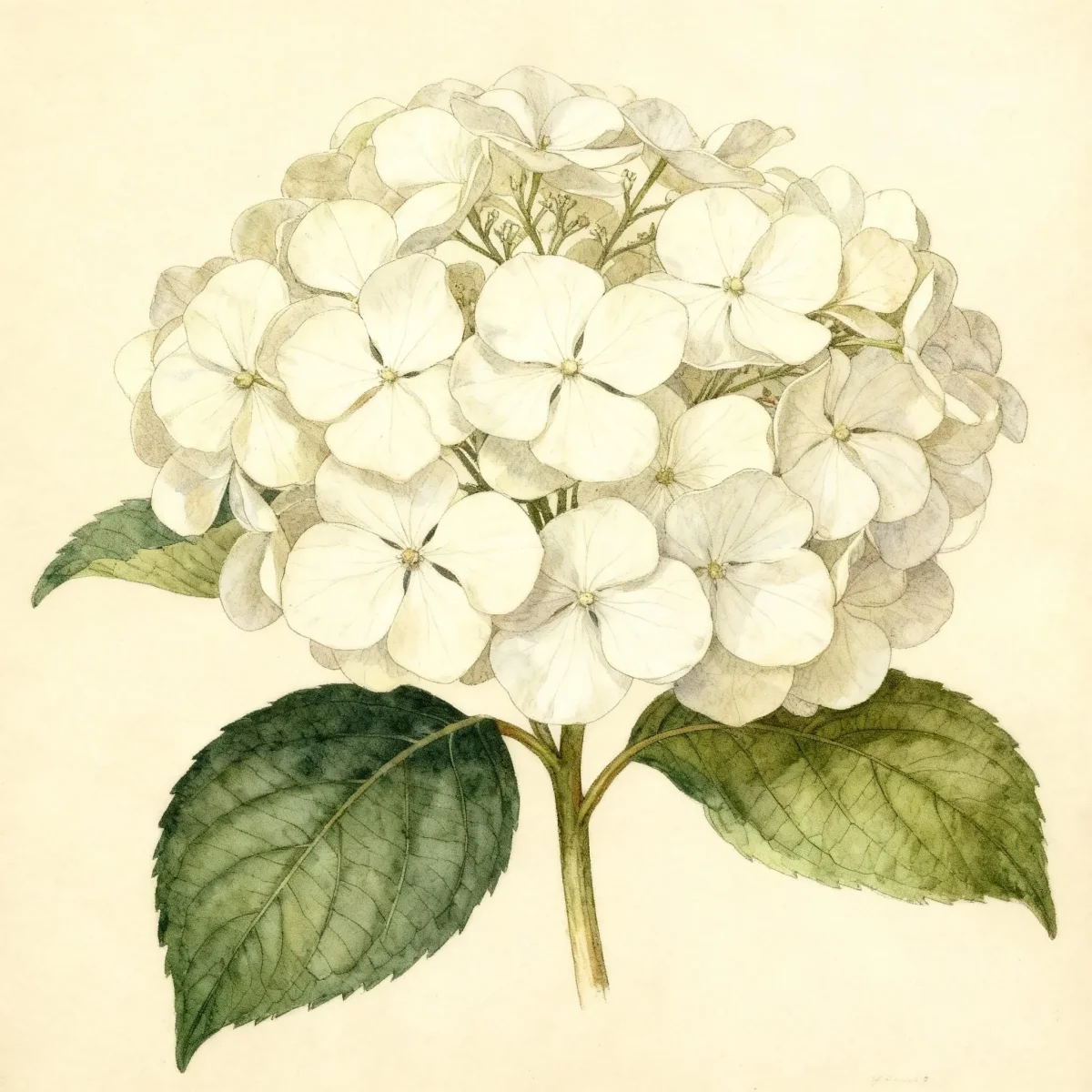
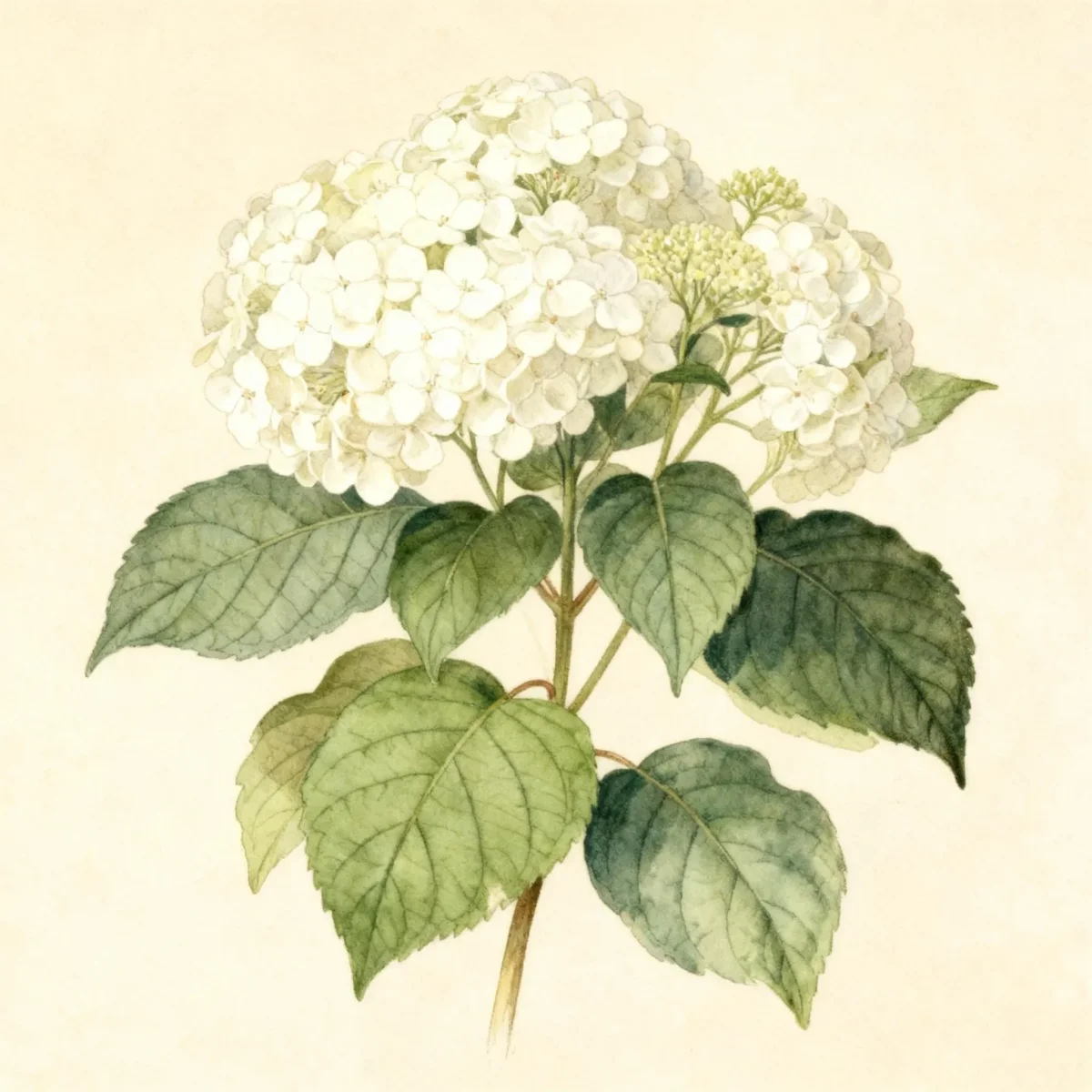
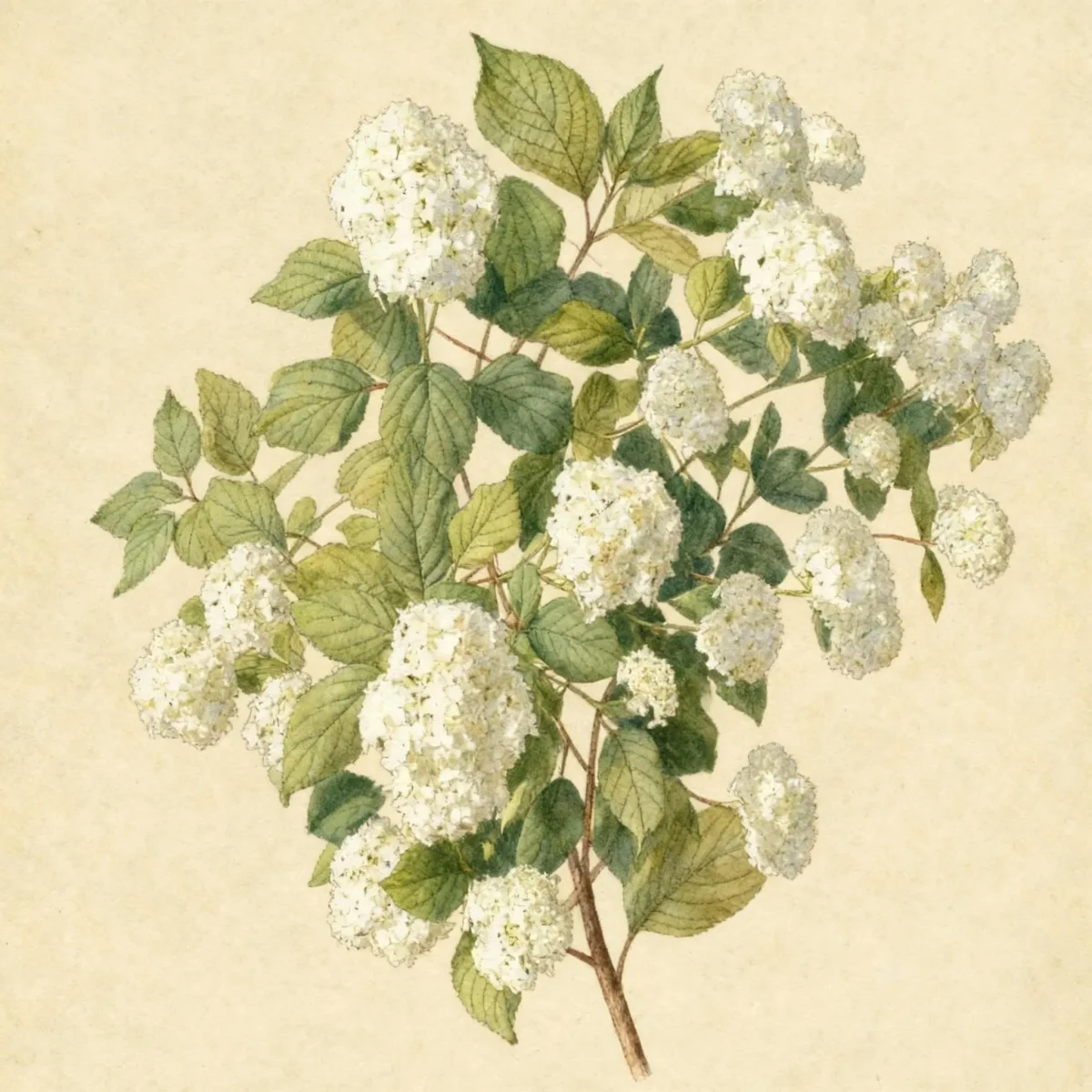
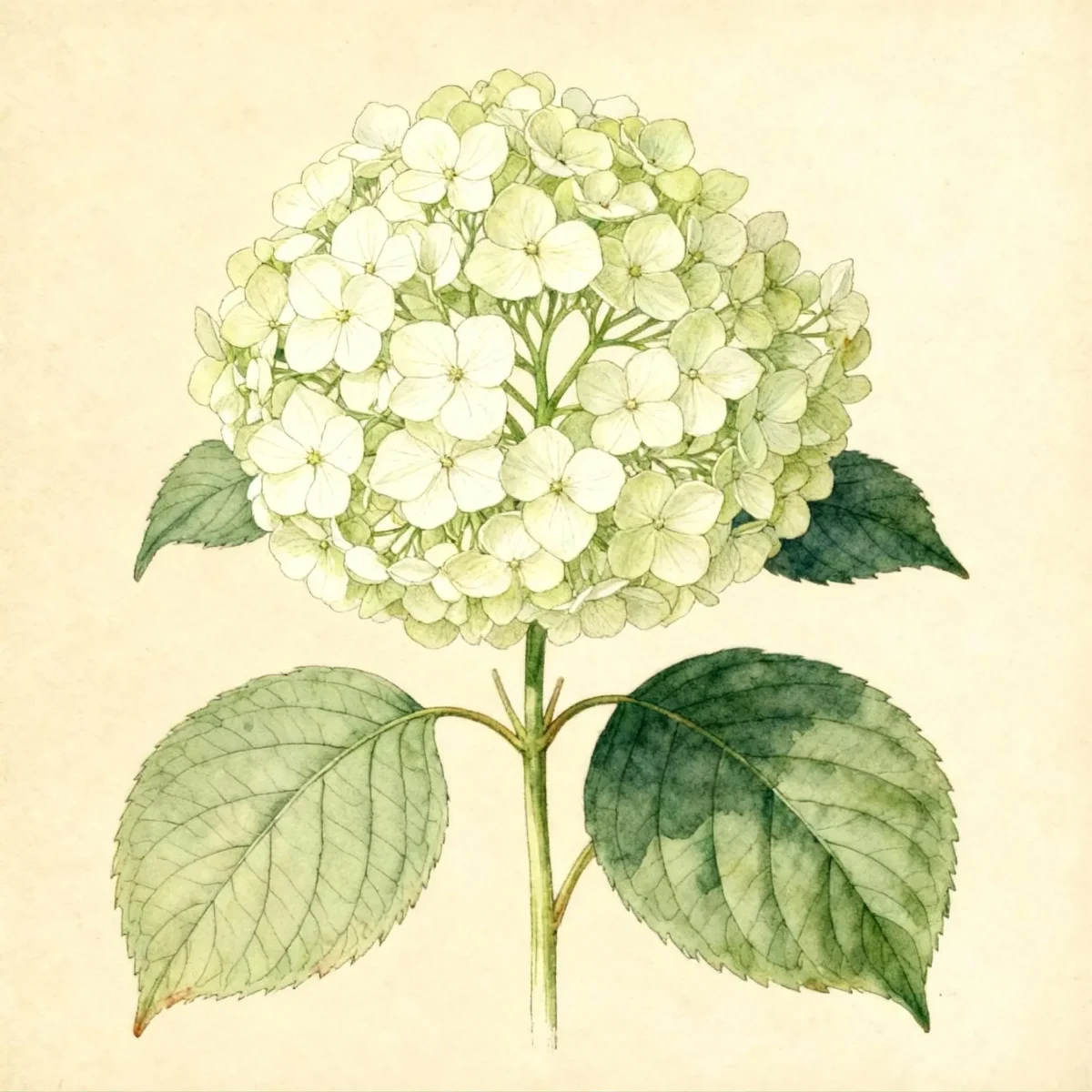
Hydrangea arborescens ‘Dardom’ WHITE DOME, known as Smooth hydrangea, is a highly valued cultivar prized for its robust constitution and spectacular floral display. This vigorous, rounded shrub produces huge, symmetrical, dome-shaped inflorescences of pure white flowers that last throughout the early summer months. It provides excellent structure and bright color contrast against its large, dark green foliage, making it a standout specimen in shaded landscapes.
As a hardy deciduous shrub, the Smooth hydrangea adapts well to a wide range of cultural conditions, though it performs best with consistent moisture. Its structure features strong stems, which is an important improvement over some older cultivars, allowing the large flower heads of Hydrangea arborescens ‘Dardom’ WHITE DOME to stand upright without excessive flopping. This reliability contributes to its low maintenance rating.
Functionally, this variety excels in areas requiring tough, resilient screening or backdrop planting. Besides its striking aesthetic appeal, the blooms of Hydrangea arborescens ‘Dardom’ WHITE DOME are excellent for fresh cutting and subsequent drying for winter arrangements, enhancing the garden long after the growing season ends.
Fast Facts
- Plant Family: Hydrangeaceae
- Plant Type: Deciduous shrub
- Hardiness Zones: USDA Zones 4-9
- Size at Maturity:
- Height: 3-5 ft
- Spread: 3-4 ft
- Bloom Time: June to August
- Bloom Description: White
- Sun Exposure: Part shade
- Water Needs: Medium
- Maintenance Level: Low
How to Grow
The best time for establishing your Smooth hydrangea is during autumn or early spring when soil temperatures are favorable for root growth. Hydrangea arborescens ‘Dardom’ WHITE DOME thrives in average, medium moisture, well-drained soils. While it prefers part shade, it can manage full sun if kept consistently moist; however, the foliage will suffer significantly if allowed to dry out. This species handles various soil types, though it shows particular resilience in clay soils.
Consistent, medium watering is crucial, especially during establishment and hot summer periods. This shrub is intolerant of drought, and soil moisture should be maintained but never waterlogged. Fertilization is usually not required; excessive feeding can promote lush foliage at the expense of flower production. Pruning is the most significant annual task.
Bloom occurs on new wood, making late winter the ideal time to cut back the stems of Hydrangea arborescens ‘Dardom’ WHITE DOME close to the ground. This severe pruning revitalizes the shrub, ensuring vigorous new stem growth and the largest possible flower heads for the following season. If you skip the hard prune, focus only on removing any stems weakened or damaged during the winter in early spring.
Landscape Uses
For gardeners designing woodland settings or native plant gardens, the Smooth hydrangea offers an excellent base layer or transitional planting. Its ability to create mass plantings of white in partial shade makes it indispensable for brightening darker corners of the landscape. The cultivar ‘Dardom’ WHITE DOME is specifically recommended for mixed shrub borders where its strong, upright habit can serve as a reliable background for lower-growing perennials.
Consider using this plant in rain gardens, as its medium water needs and tolerance for wet soils make it a practical choice for slightly damp depressions where turf grass struggles. It also performs well when massed to the sides of entryways or against darker evergreen backdrops, allowing the brilliant white domes to truly pop visually. Because it handles clay quite well, it is a robust solution for structured, lower-maintenance borders.
Standout Features
Flower Qualities
- Showy
- Good Cut
- Good Dried
Noteworthy Characteristics
Hydrangea arborescens, commonly known as smooth hydrangea or wild hydrangea, is a loosely and widely branched deciduous shrub that typically grows to 3-6’ tall, though ‘Dardom’ is usually smaller. The genus name Hydrangea comes from hydor meaning “water” and aggeion meaning “vessel,” referencing its fruit structure. The patented ‘Dardom’ cultivar is distinguished by its vigorous growth, large leaves, and huge, symmetrical dome-shaped white flower heads, which can reach up to 10 inches across and bloom for two months starting in early June.
Tolerances
- Rabbit
- Erosion
- Clay Soil
- Dry Soil
- Wet Soil
- Shallow-Rocky Soil
- Black Walnut
Potential Problems
Many species of hydrangea, including this Smooth hydrangea, are susceptible to various fungal diseases such as bud blight, leaf spots, rust, and powdery mildew. To manage these, ensure good air circulation through proper spacing and timely pruning. Be vigilant for common pests like aphids, mites, and scale, treating with horticultural oil or insecticidal soap as necessary. A key preventative measure for maintaining vigor and bloom quality in Hydrangea arborescens ‘Dardom’ WHITE DOME is the practice of pruning stems back close to the ground every late winter, which rejuvenates the plant and minimizes woody, weak old growth. Fortunately, rabbits tend to avoid this species.
Frequently Asked Questions
What hardiness zones is Smooth hydrangea suitable for?
This cultivar performs reliably across USDA Hardiness Zones 4 through 9.
How large does Hydrangea arborescens ‘Dardom’ WHITE DOME grow?
The typical mature size for this fast-growing shrub ranges between 3 to 5 feet in height and 3 to 4 feet in spread.
What sun exposure does Smooth hydrangea need?
It thrives best when situated in part shade, though it can tolerate more sun provided consistent moisture is supplied throughout the day.
When does Hydrangea arborescens ‘Dardom’ WHITE DOME bloom?
The large white flowers appear beginning in June and continue blooming throughout August.
Conclusion
The Hydrangea arborescens ‘Dardom’ WHITE DOME offers garden designers a superbly reliable, low-maintenance shrub known for its prolific, bright white, dome-shaped blooms. Its adaptability to various soil types, including clay, coupled with its strong stems, makes the Smooth hydrangea an exceptional choice for nearly any partially shaded garden spot. Before planting, confirm that your local USDA zone falls between 4 and 9 to ensure beautiful, long-lasting performance.
Companion Planting
When integrating Hydrangea arborescens ‘Dardom’ WHITE DOME into a layered landscape, select companions that share its preference for part shade and medium moisture. Hostas provide excellent textural contrast with their broader leaves planted beneath the shrub’s canopy. Similarly, plants like Astilbe or Rodgersia offer feathery, colorful summer interest that complements the large white flower heads of the Smooth hydrangea. For spring color before the hydrangea leafs out, consider planting early-blooming bulbs such as Daffodils or woodland phlox.
Seasonal Care Calendar
Spring is the time for revitalizing your shrub; prune remaining winter-damaged stems back hard in late winter to encourage maximum new wood growth for summer flowers. Once established, consistent moisture management is key; monitor drought conditions, especially during the first few summers. In the fall, after the foliage has turned yellow, it is often best to let the leaves decompose naturally unless disease symptoms are present. Winter protection generally involves ensuring the plant has adequate moisture before the ground freezes, particularly in the colder end of its zone range (Zone 4).