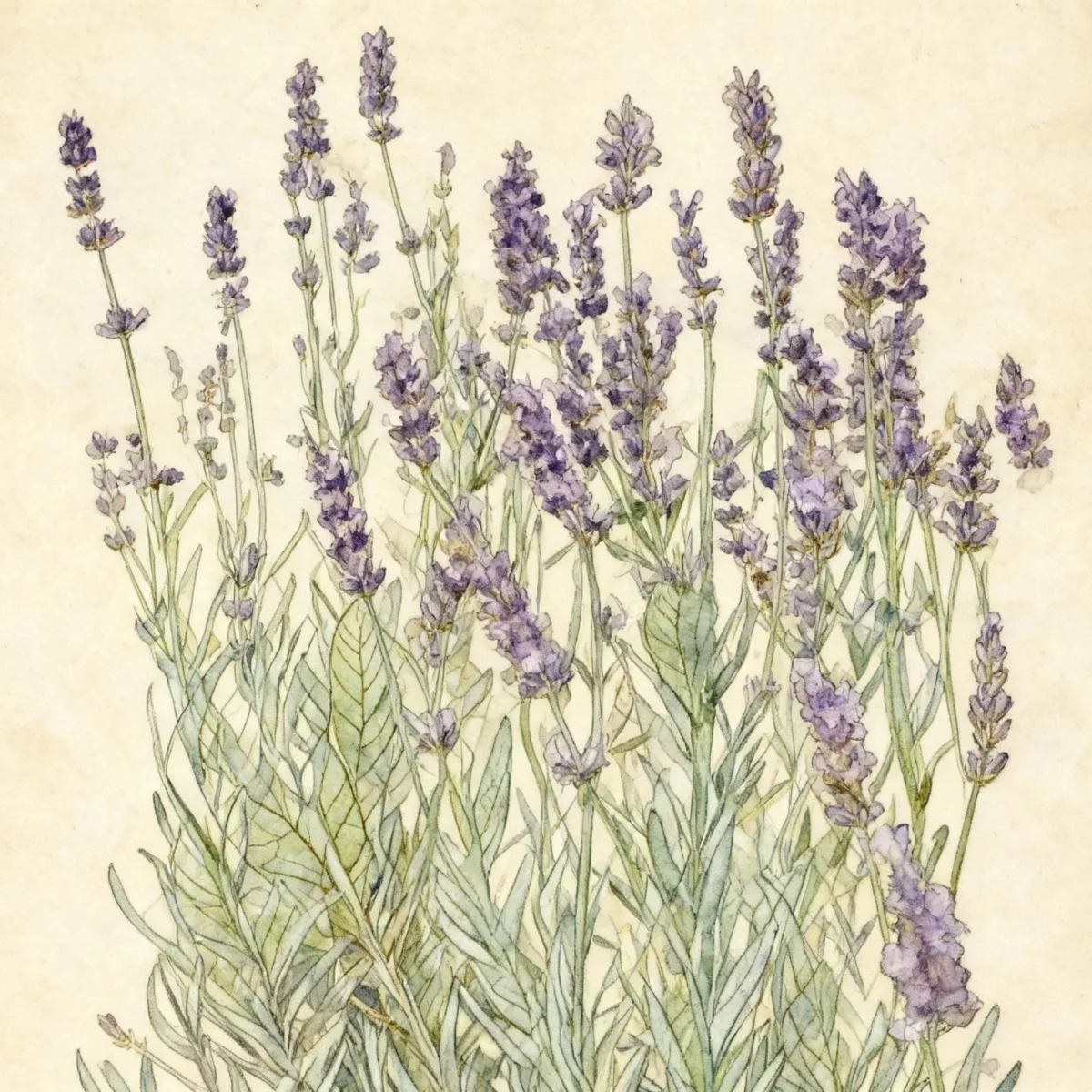
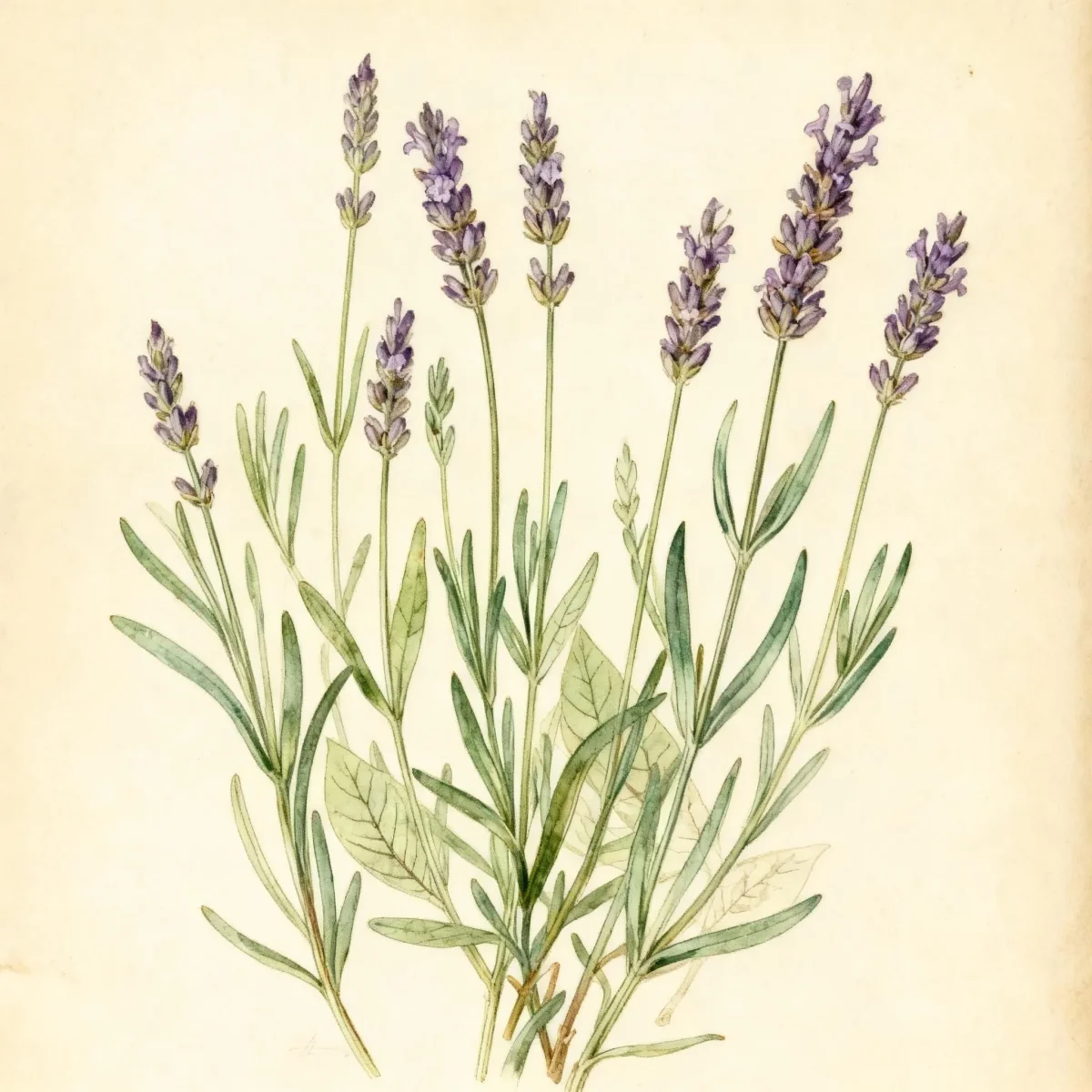
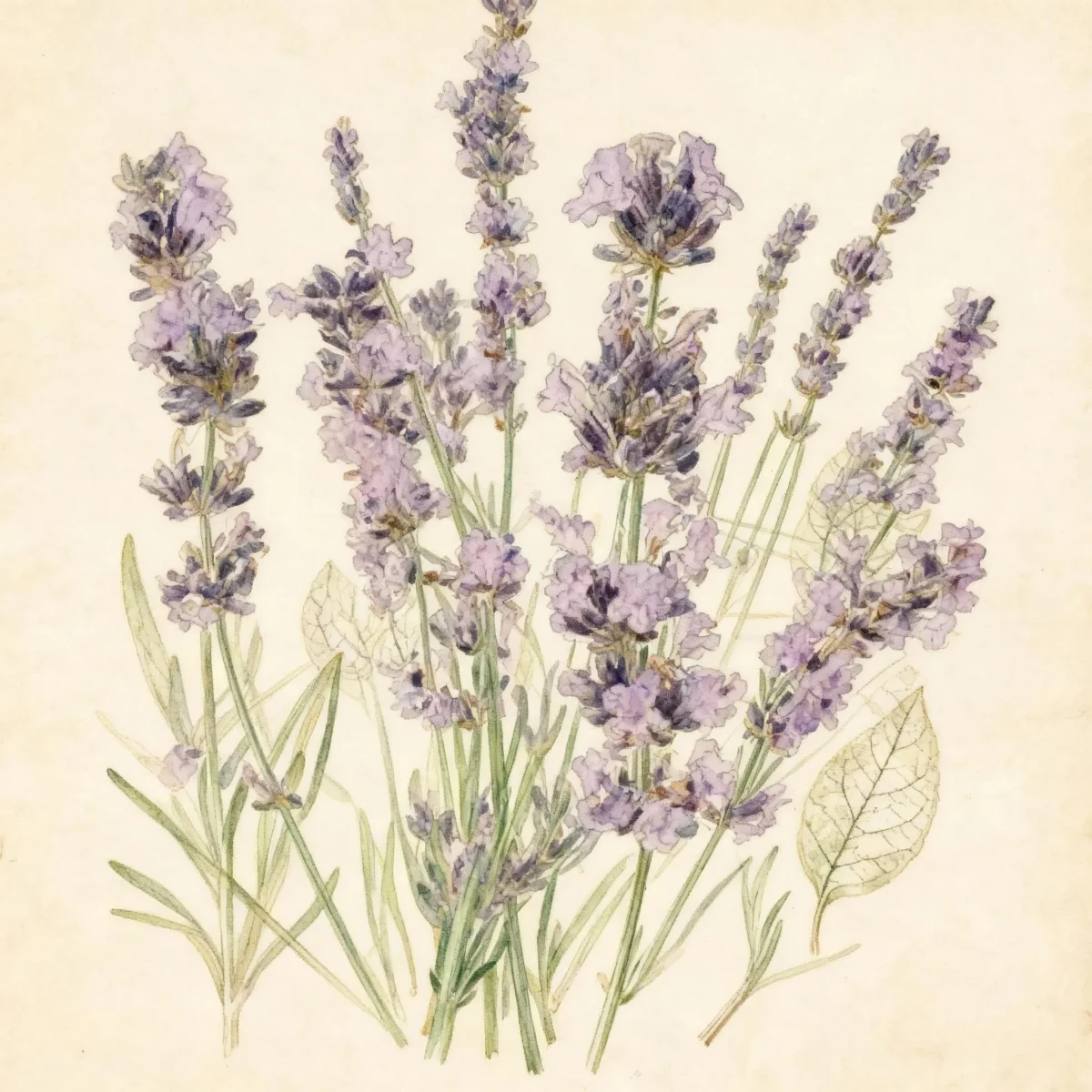
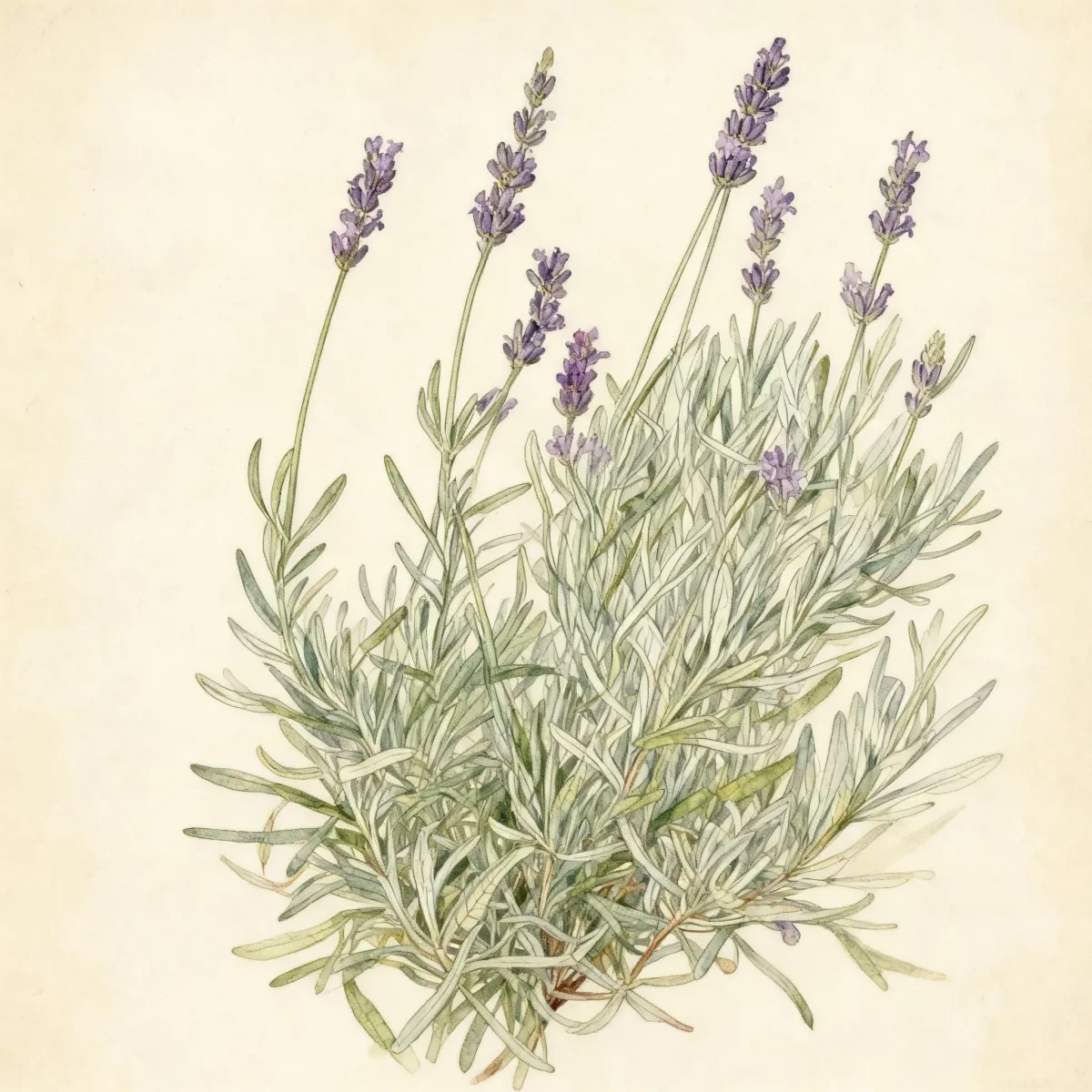
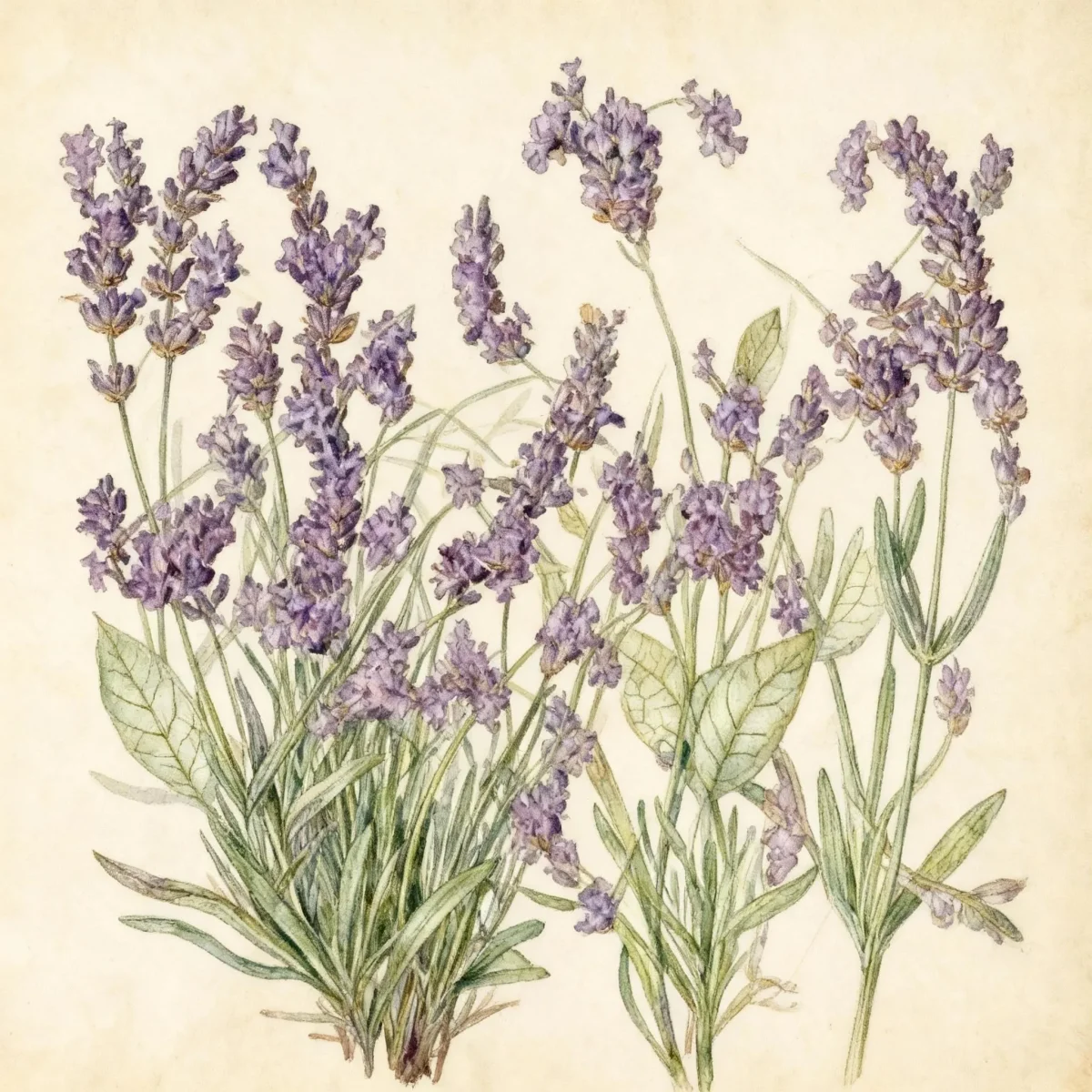
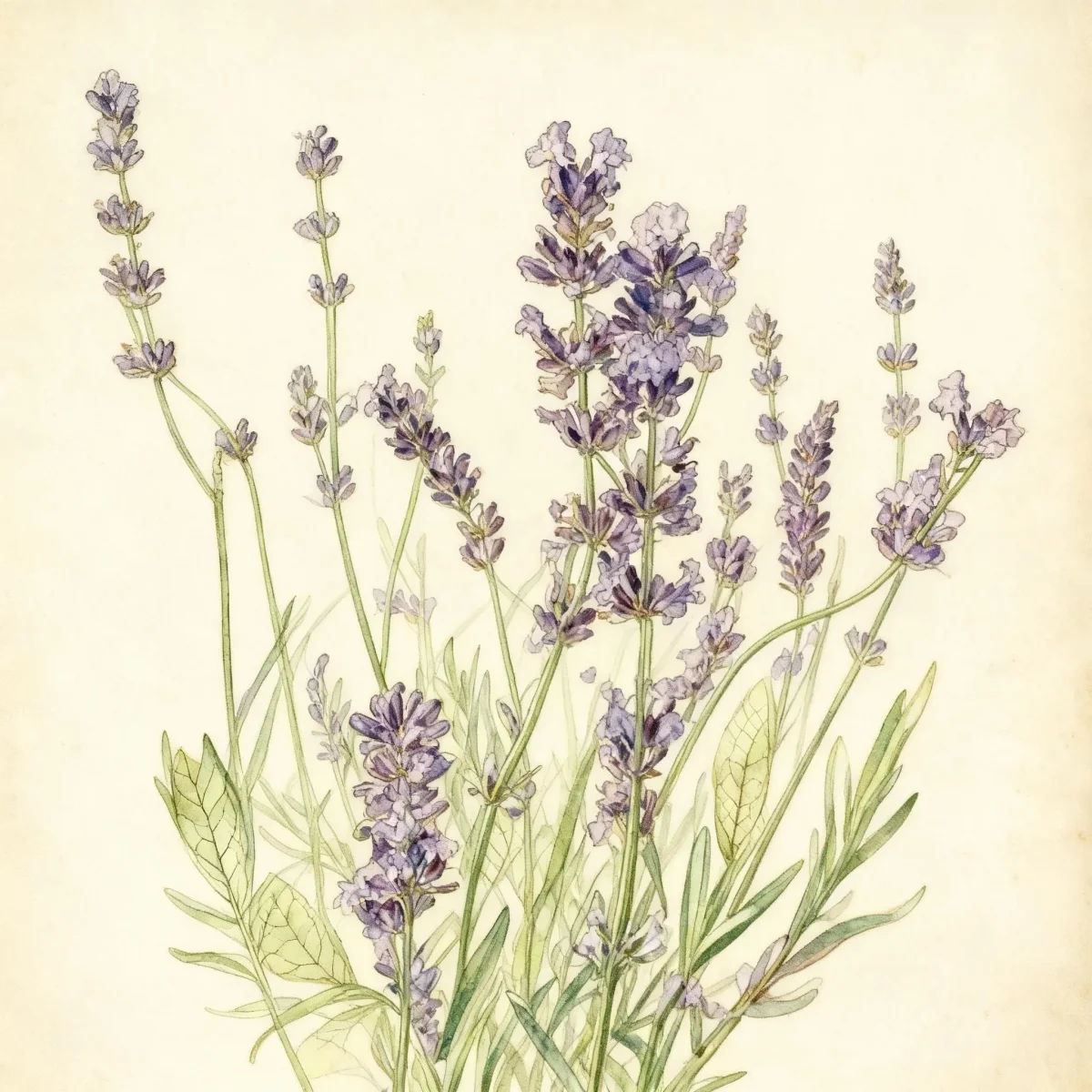
English lavender (Lavandula angustifolia 'Potpourri Sky Blue')
Compact Lavandula angustifolia 'Potpourri Sky Blue' offers fragrant, deep lavender blue flowers mid-summer. Ideal for dry, sunny spots across Zones 5-8.
Scroll down to discover growing tips, care requirements, companion plants, and more
Complete Plant Information
Overview
Lavandula angustifolia ‘Potpourri Sky Blue’ is a highly desirable cultivar of English lavender, prized for its compact size and excellent fragrance. This variety delivers deep lavender blue flowers reliably from June through August, making it a mid-summer highlight in any garden setting. Its aromatic foliage and showy flowers offer both visual appeal and functional benefits, often integrated into herb gardens for culinary or aromatic use.
As a true lavender, this English lavender cultivar offers better heat tolerance compared to many hybrids, though successful cultivation hinges heavily on providing sharp drainage. It is a semi-woody perennial that remains relatively low-growing, typically reaching just over a foot in height and spread. Planting Lavandula angustifolia ‘Potpourri Sky Blue’ ensures you have a reliable source of highly aromatic material for sachets and potpourris.
This plant thrives when provided excellent light and dry soil conditions, reflecting its Mediterranean origins. Modern gardeners appreciate the versatility of this fragrant herb for borders, rock gardens, and even low hedging, provided high summer humidity is managed effectively through thoughtful site selection.
Fast Facts
- Plant Family: Lamiaceae
- Plant Type: Herbaceous perennial
- Hardiness Zones: USDA Zones 5-8
- Size at Maturity:
- Height: 0.75-1.5 ft
- Spread: 0.75-1.5 ft
- Bloom Time: June to August
- Bloom Description: Deep lavender blue
- Sun Exposure: Full sun
- Water Needs: Dry to medium
- Maintenance Level: Medium
How to Grow
The key to successfully growing Lavandula angustifolia ‘Potpourri Sky Blue’ revolves entirely around soil preparation and sun exposure. Plant in full sun, ensuring at least six hours of direct light daily, and incorporate well-drained, alkaline soil, perhaps light and sandy in nature, into the planting area. Planting should occur when established plants are introduced, avoiding overly wet winter conditions, which are fatal to English lavender.
Watering should be kept to a minimum once the plant is established; allow the soil to dry out between waterings, categorized as dry to medium needs. Avoid rich soils and excessive feeding, as low fertility encourages better fragrance and a sturdier habit. Root rot is a primary concern in poorly drained or overly damp locations, especially during winter dormancy.
Pruning is crucial for maintaining the compact shape and vigor of Lavandula angustifolia ‘Potpourri Sky Blue’. Remove faded flowers throughout the season to encourage rebloom. Annually, prune gently to shape in spring once new growth appears. Every three years, perform a harder prune, cutting back stems to about 8 inches to stimulate robust, new growth and prevent excessive woodiness.
For gardeners facing high humidity, such as those in the St. Louis area, special attention is needed. To combat moisture retention, skip organic mulches around the base and opt for gravel or rock mulch instead. While English lavender is generally robust, sheltered locations may offer better winter survival.
Landscape Uses
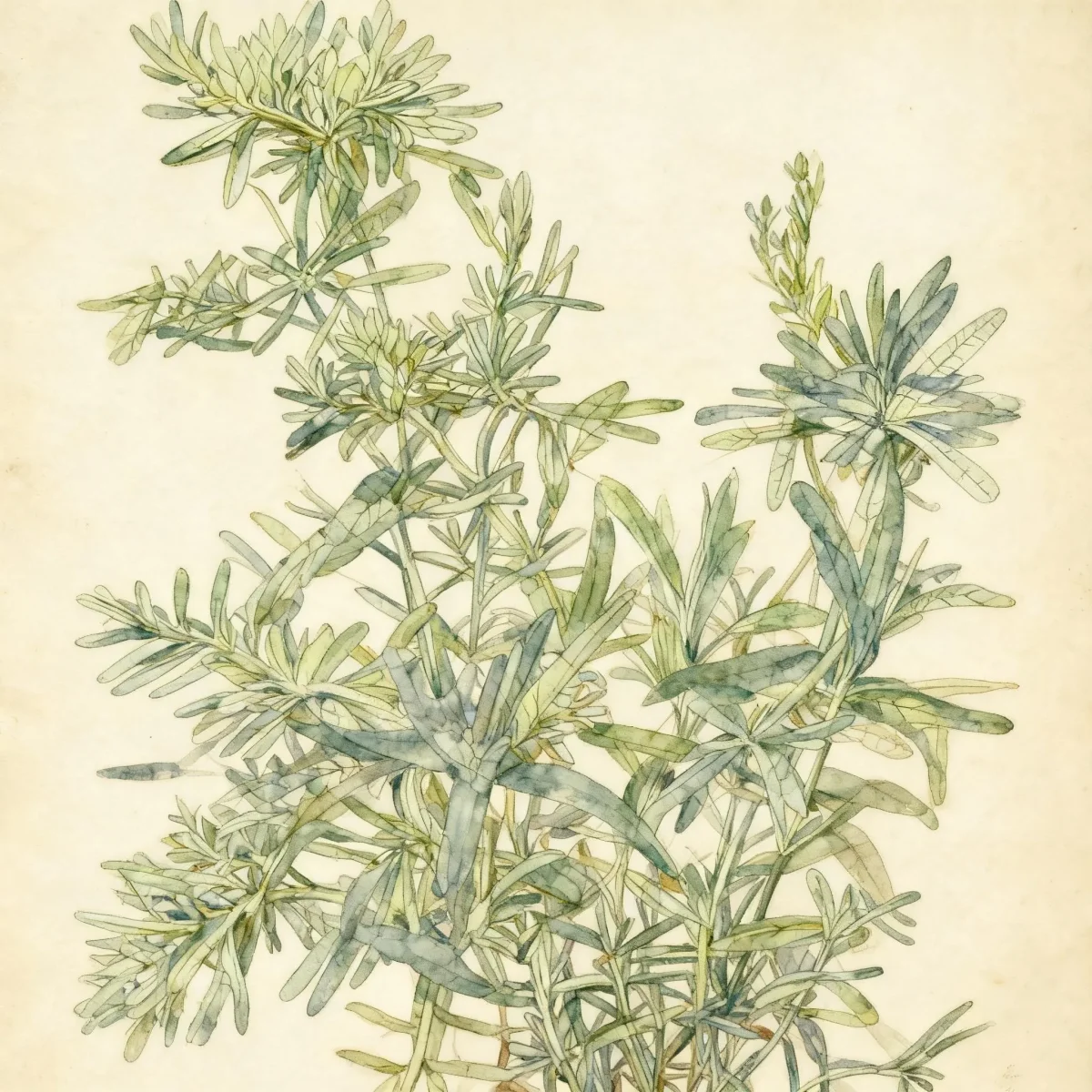
Lavandula angustifolia ‘Potpourri Sky Blue’ is far more versatile than just an herb garden planting. Its neat, semi-woody structure and fine, gray-green foliage provide excellent texture contrast against coarser perennial leaves in the border front. Considering mass planting achieves the best visual and aromatic impact, creating swathes of mid-summer blue color.
This variety functions beautifully as a low edging plant along pathways where its fragrance can be appreciated with every footstep. In rock gardens, it softens the hard lines of stone while appreciating the sharp drainage provided by the rocky substrate. The fragrant flowers are ideal for drying, providing material for homemade sachets and potpourris, ensuring the enjoyment of your English lavender extends indoors.
Standout Features
Flower Qualities
- Showy
- Fragrant
Noteworthy Characteristics
Lavandula angustifolia, commonly called English lavender, has been a mainstay of herb gardens for many years, despite its name suggesting English origins, deriving instead from the Mediterranean region. This “true lavender” is commercially valued for its essential oils used in perfumes, and its culinary applications often surpass those of other lavender types. The cultivar ‘Potpourri Sky Blue’ is compact, reaching only about 10-13 inches tall, featuring terminal spikes of deep lavender blue flowers that bloom throughout the summer.
Tolerances
- Rabbit
- Deer
- Drought
- Dry Soil
- Shallow-Rocky Soil
- Air Pollution
Potential Problems
Lavandula angustifolia ‘Potpourri Sky Blue’ is susceptible to fungal issues, principally root rot and leaf spot. Root rot almost always occurs where drainage is inadequate, which can be exacerbated by heavy organic mulches in humid climates. Plants may also suffer severe winter dieback or death if temperatures drop below zero, particularly without protective snow cover or adequate winter soil dryness. Prevention centers on ensuring the soil is highly porous and alkaline, and avoiding overhead watering late in the day.
Frequently Asked Questions
What hardiness zones is English lavender suitable for?
Lavandula angustifolia ‘Potpourri Sky Blue’ is generally suitable for USDA Hardiness Zones 5 through 8.
How large does Lavandula angustifolia ‘Potpourri Sky Blue’ grow?
This compact cultivar typically matures to a height between 0.75 and 1.5 feet, with an equal spread.
What sun exposure does English lavender need?
This perennial requires full sun exposure to thrive, meaning at least six hours of direct sunlight daily.
When does Lavandula angustifolia ‘Potpourri Sky Blue’ bloom?
This variety blooms from June to August, featuring striking deep lavender blue flowers.
Companion Planting
When designing a perennial border with Lavandula angustifolia ‘Potpourri Sky Blue’, select companions that share similar needs for full sun and excellent drainage. Pairing lavender with Mediterranean herbs like Rosemary or Thyme creates a cohesive, drought-tolerant planting scheme. Alternatively, utilize plants with contrasting textures, such as silvery artemisia or the spikes of Salvia nemorosa, which complement the fine habit of English lavender without competing for nutrients in lean soil.
Seasonal Care Calendar
Spring is the vital time for establishing your pruning regimen for Lavandula angustifolia ‘Potpourri Sky Blue’. Wait until new green growth emerges on the stems before cutting back old wood by about one-third to shape the plant. In summer, deadhead spent flower spikes regularly to encourage continuous bloom throughout July and August. During fall and winter, especially in colder Zone 5 locations, ensure the area around the crown is protected; avoid heavy watering and consider applying grit or stone mulch rather than organic materials to maintain dry soil conditions near the roots over winter.
Conclusion
Lavandula angustifolia ‘Potpourri Sky Blue’ offers gardeners a beautiful explosion of fragrant, deep lavender blue color that lasts throughout the summer months. Its drought tolerance and attractiveness to no one (deer resistance) make it a low-fuss option for sunny spaces. Confirm your garden conditions meet the full sun and superb drainage requirements before planting this compact English lavender variety.