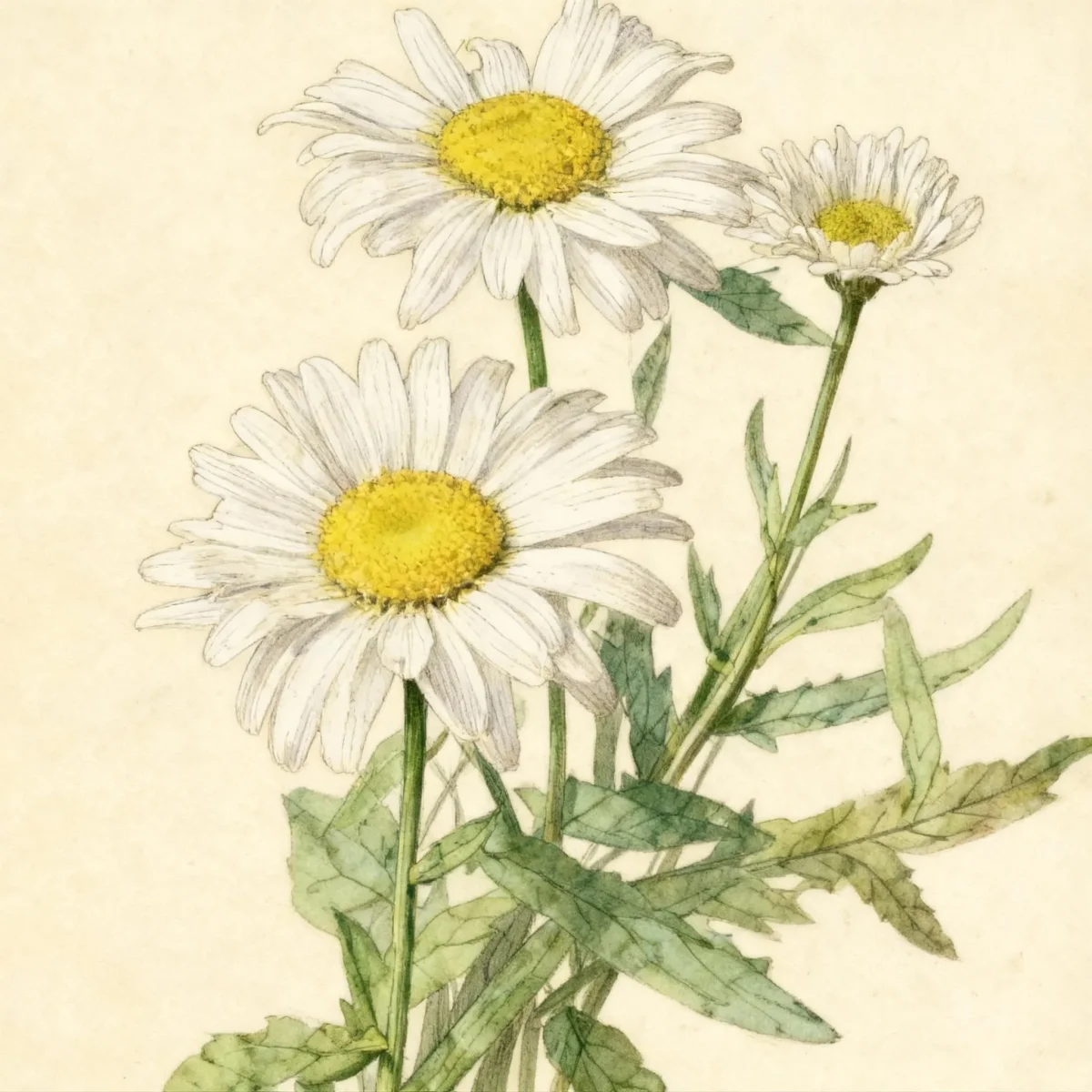
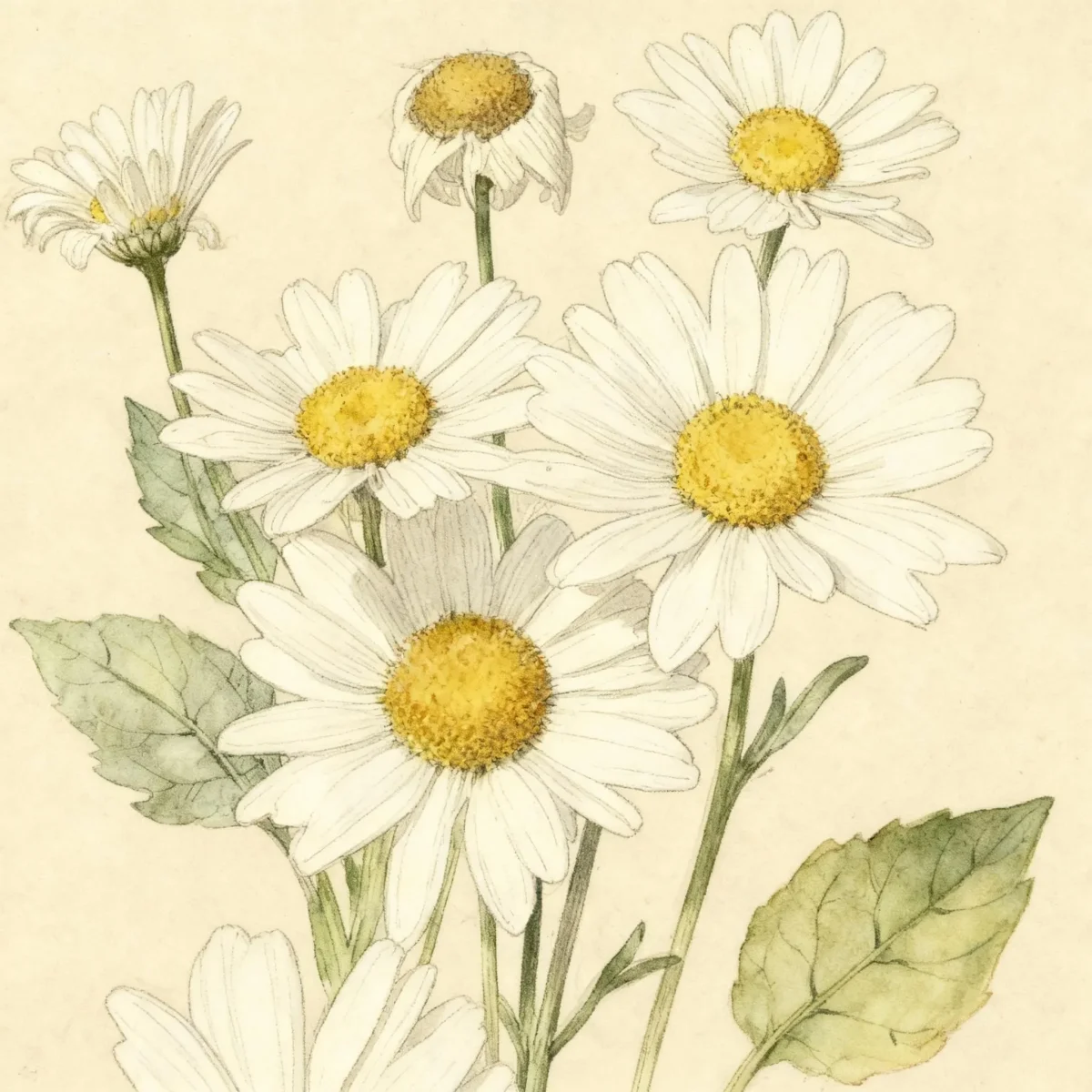
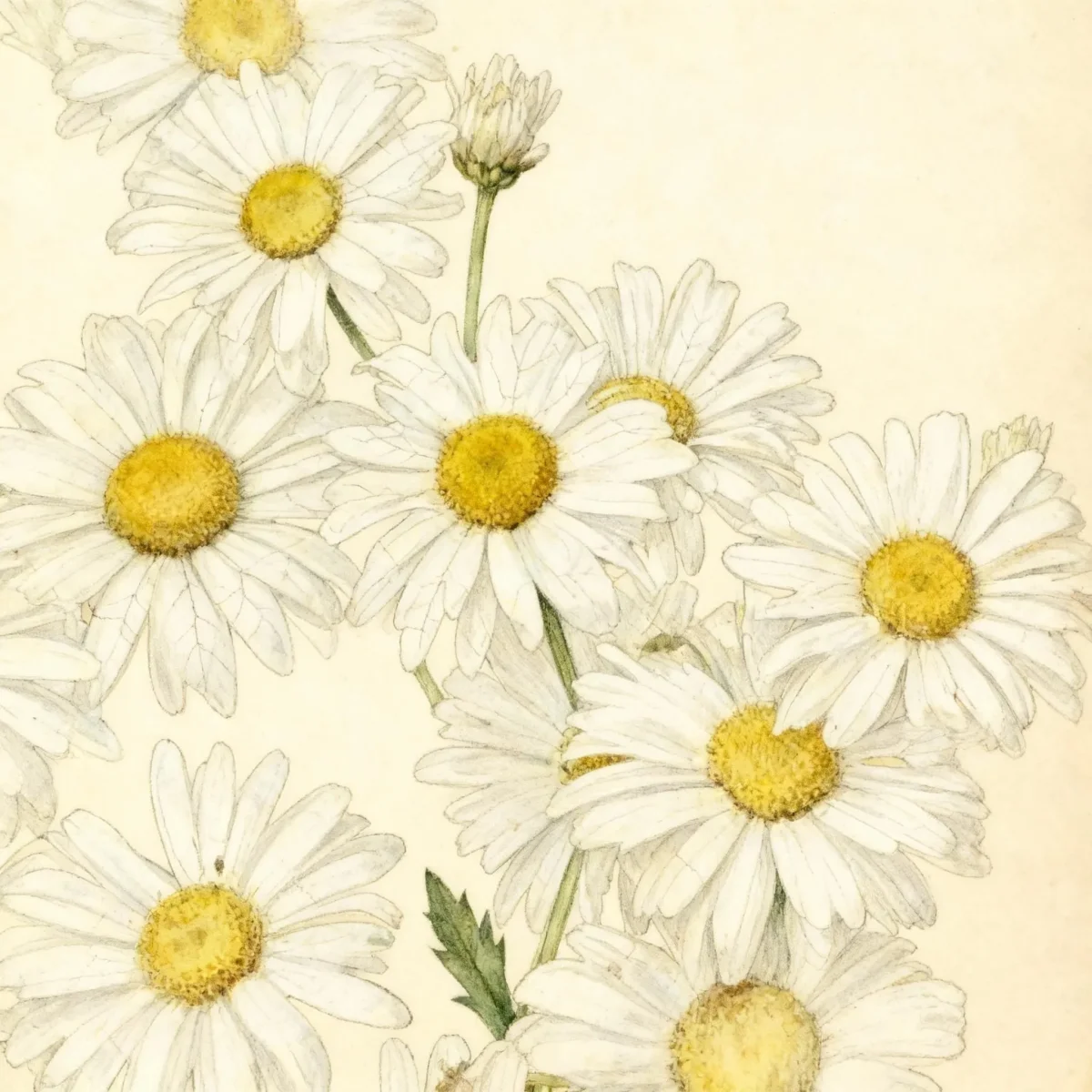
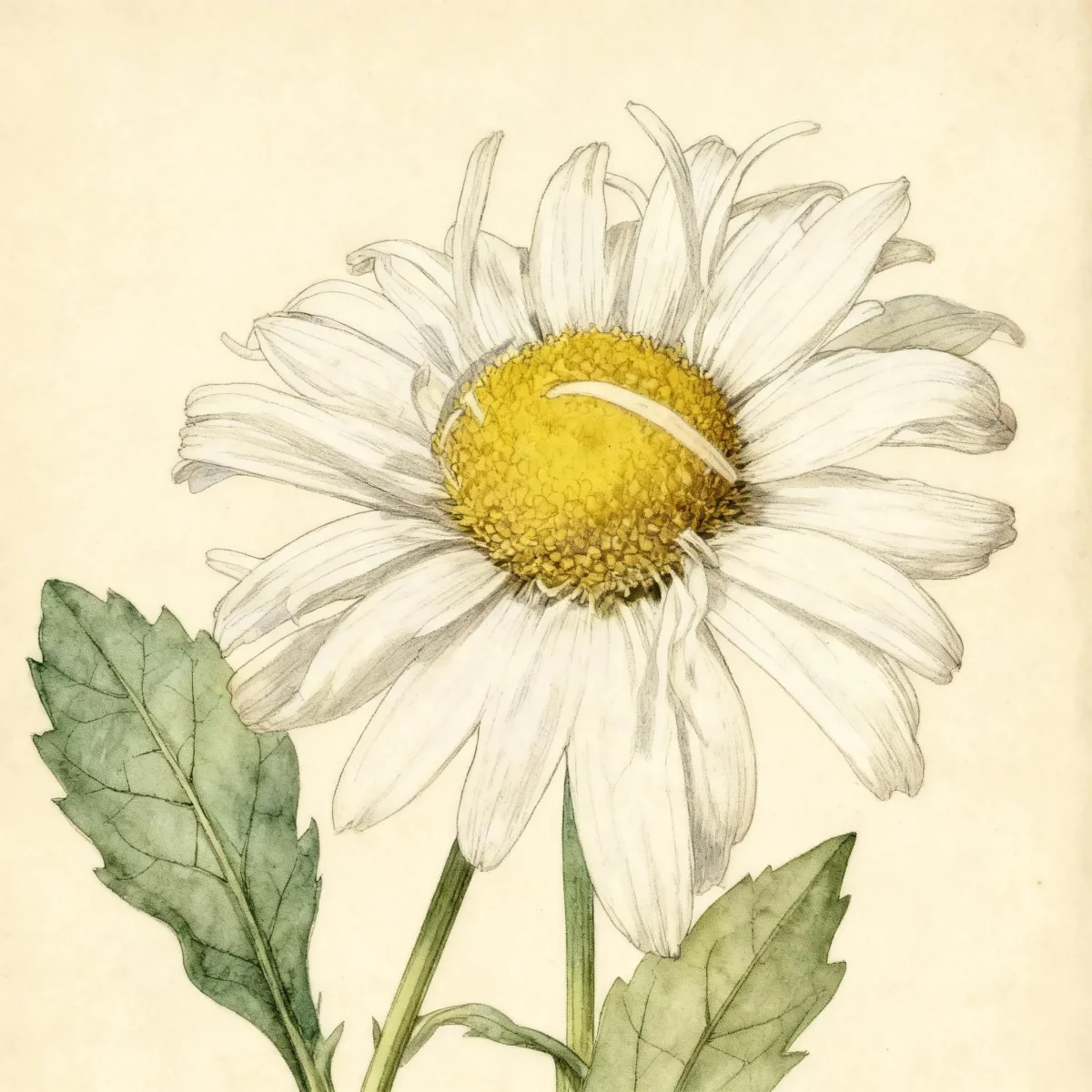
Shasta daisy (Leucanthemum × superbum 'Silberprinzesschen' LITTLE PRINCESS)
Discover Leucanthemum × superbum 'Silberprinzesschen' LITTLE PRINCESS, a compact, low-maintenance Shasta daisy perfect for summer borders.
Scroll down to discover growing tips, care requirements, companion plants, and more
Complete Plant Information
Overview
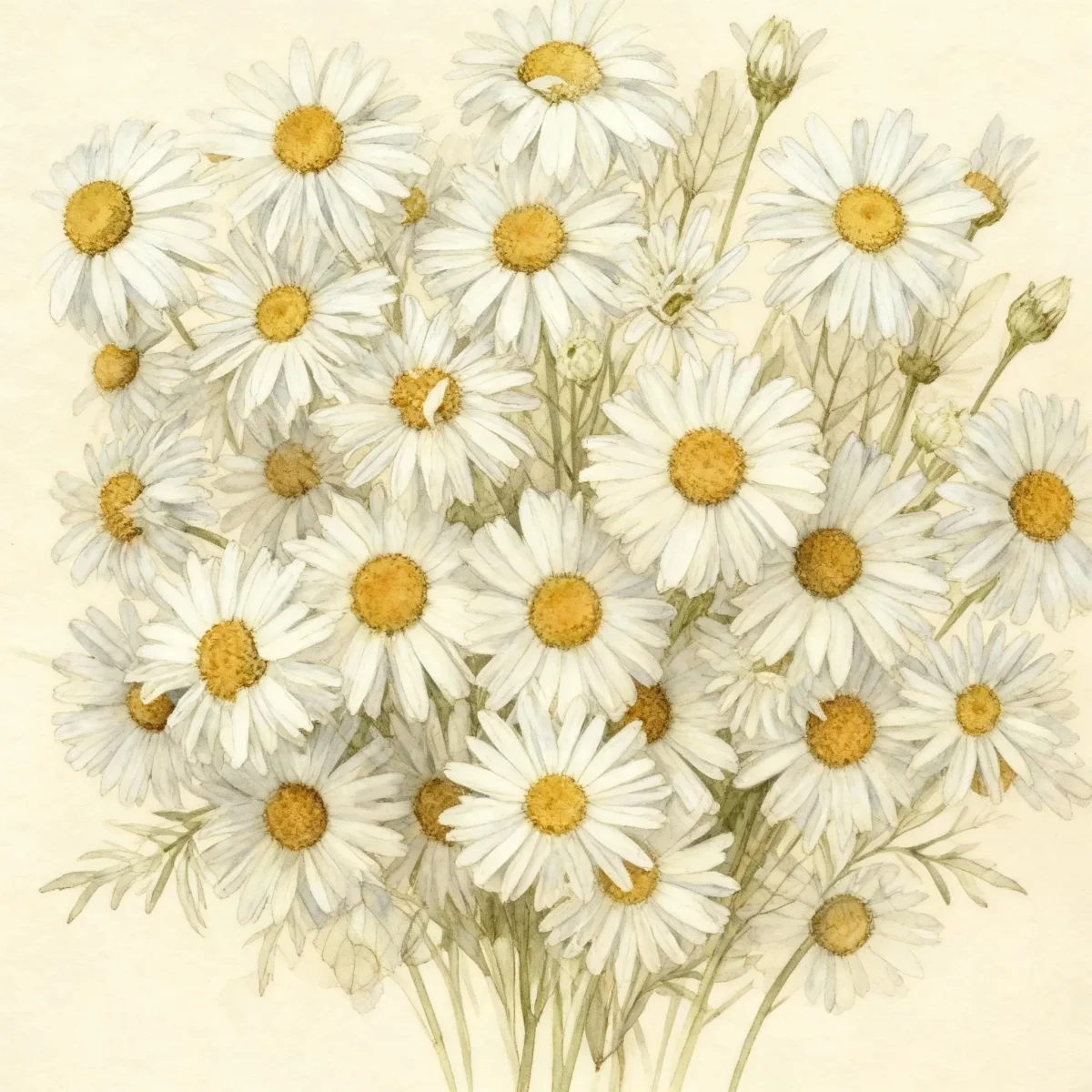
Leucanthemum × superbum ‘Silberprinzesschen’ LITTLE PRINCESS offers the classic charm of the Shasta daisy in a wonderfully compact package, ideal for modern gardens where space is limited. This cultivar is prized for its abundant flowering period, typically spanning from June through August, providing reliable, bright white blooms with cheerful yellow centers. As a newer, shorter form of the beloved Shasta daisy, it maintains the excellent vigor and aesthetic appeal of its larger relations.
Growing only 0.5 to 1 foot tall with a slightly wider spread, this herbaceous perennial brings essential summer structure to borders and containers. Its low maintenance needs and toughness—especially regarding drought and common garden pests—make Leucanthemum × superbum ‘Silberprinzesschen’ LITTLE PRINCESS a workhorse in the perennial landscape. Enjoy its superb performance, ensuring you plant it where its bright flowers can shine.
Fast Facts
- Plant Family: Asteraceae
- Plant Type: Herbaceous perennial
- Hardiness Zones: USDA Zones 5-9
- Size at Maturity:
- Height: 0.5-1 ft
- Spread: 1-1.5 ft
- Bloom Time: June to August
- Bloom Description: White with yellow center
- Sun Exposure: Full sun
- Water Needs: Dry to medium
- Maintenance Level: Low
How to Grow
Plant Leucanthemum × superbum ‘Silberpriczesschen’ LITTLE PRINCESS in the spring or fall, ensuring it receives full sun exposure for the best flowering performance, though it tolerates light afternoon shade in very hot climates. This plant demands well-drained soil; good drainage is absolutely essential, as wet winter soils can quickly prove fatal to these robust plants. Prepare the planting site by amending heavy clay with organic matter to improve aeration.
Care is straightforward for this low-maintenance variety. Water primarily when the soil is dry to the touch, as it handles drought well once established. Fertilization is rarely necessary if the soil quality is average. Deadheading spent flowers encourages a longer bloom season throughout the summer.
To maintain the vigor of older clumps and prolong the life of the plant, divide the clumps every two to three years during the early spring or fall. A helpful practice is cutting the flower stems back to the base of the foliage immediately post-flowering; this conserves plant energy and may help the plant live longer.
Landscape Uses
Shasta daisies, including the compact Leucanthemum × superbum ‘Silberprinzesschen’ LITTLE PRINCESS, are foundational elements for long-lasting summer color in mixed borders. Their classic white and yellow structure blends seamlessly with almost any color palette, making them cottage garden staples. Because of its smaller stature, LITTLE PRINCESS is perfect for the front of the border where taller Shasta daisy cultivars might overwhelm neighbors.
This durable perennial also excels in dedicated cutting gardens, yielding an abundance of long-lasting fresh cuts throughout its peak season. Furthermore, it performs beautifully in containers, adding height and brightness that lasts all summer long, or nestled into rock gardens where drainage is naturally excellent. Consider pairing it with deep purple Salvia or blue Nepeta to emphasize the crisp white daisies.
Standout Features
Flower Qualities
- Showy
- Good Cut
Noteworthy Characteristics
Leucanthemum representatives, commonly called Shasta daisy, were developed by Luther Burbank in the 1890s through a hybridization involving several daisy species near Mt. Shasta. The resulting hybrid, Leucanthemum × superbum, has the common name Shasta daisy, although these plants were formerly grouped under the genus Chrysanthemum. LITTLE PRINCESS is noteworthy for being one of the shortest Shasta daisy cultivars, reaching only 12 inches tall while still producing large, 3-inch diameter daisies perfect for cutting.
Tolerances
- Rabbit
- Deer
- Drought
- Dry Soil
Potential Problems
Leucanthemums are generally tough but can occasionally face fungal issues like leaf spots or stem rots, especially in humid or overly wet conditions. Watch for potential susceptibility to verticillium wilt, which can cause wilting seemingly out of nowhere. Occasional insect visitors might include aphids, mites, or leaf miners, typically manageable through simple cultural adjustments or insecticidal soap treatments. Maintaining excellent air circulation and avoiding heavy overhead watering helps mitigate most disease risks.
Frequently Asked Questions
What hardiness zones is Shasta daisy suitable for?
Leucanthemum × superbum ‘Silberprinzesschen’ LITTLE PRINCESS is reliably hardy in USDA Zones 5 through 9.
How large does Leucanthemum × superbum ‘Silberpriczesschen’ LITTLE PRINCESS grow?
This cultivar remains quite small for a Shasta daisy, typically reaching a height between 0.5 and 1 foot tall, with a spread ranging from 1 to 1.5 feet wide.
What sun exposure does Leucanthemum × superbum ‘Silberpriczesschen’ LITTLE PRINCESS need?
For optimal performance and excellent flowering, this plant requires full sun exposure in the garden.
When does Shasta daisy bloom?
This variety provides consistent color from June all the way through August, featuring showy white flowers accented by bright yellow centers.
Conclusion
The Leucanthemum × superbum ‘Silberpriczesschen’ LITTLE PRINCESS provides irreplaceable summer cheer through its abundant, classic white daisy blooms without demanding extensive care. Its tolerance for dry soil and compact size make the Shasta daisy cultivar an accessible choice for nearly any garden space needing reliable perennial color. Before planting, confirm your site offers full sun and guarantees dry, well-drained soil conditions for long-term success.
Companion Planting for Shasta Daisies
Selecting appropriate neighbors enhances the beauty and health of your Leucanthemum × superbum ‘Silberpriczesschen’ LITTLE PRINCESS. Since this compact Shasta daisy appreciates good drainage and dislikes wet feet, pair it with other plants that share similar dry to medium water requirements. Reliable companions include ornamental grasses, which offer textural contrast to the flat daisy blooms, or sturdy Mediterranean herbs like Lavender or Thyme that thrive in similar sunny, dry spots.
Consider planting companions that bloom just before or immediately after the peak season of Leucanthemum × superbum ‘Silberpriczesschen’ LITTLE PRINCESS to ensure continuous interest. Plants with deep purple or blue flowers create a vibrant complementary contrast against the white daisies, making the classic combination pop throughout mid-summer. Avoid heavy feeders or plants that form dense, wet clumps at the base of the daisy.
Seasonal Care Calendar
Spring cleanup is vital for invigorating your perennial patches. In early spring, remove any old, dead foliage left over from the previous season once new growth begins emerging from the base of the Leucanthemum × superbum ‘Silberpriczesschen’ LITTLE PRINCESS clumps. This helps improve air circulation, reducing the risk of fungal issues later in the year. Division should also be planned for this time if the clumps have become congested.
Summer care centers on deadheading. Regularly removing spent flower heads will maximize the number of blooms you get from your Shasta daisy throughout June, July, and August. If the plant begins to look tired mid-summer, a light shearing back can encourage a fresh flush of smaller blooms before fall approaches.
As autumn arrives, refrain from heavy pruning. Allow the plant to begin its natural decline, maybe cutting stems back to about six inches above ground level once the foliage yellows significantly. This remaining stubble helps protect the crown over winter, especially in the colder edges of its hardiness range.