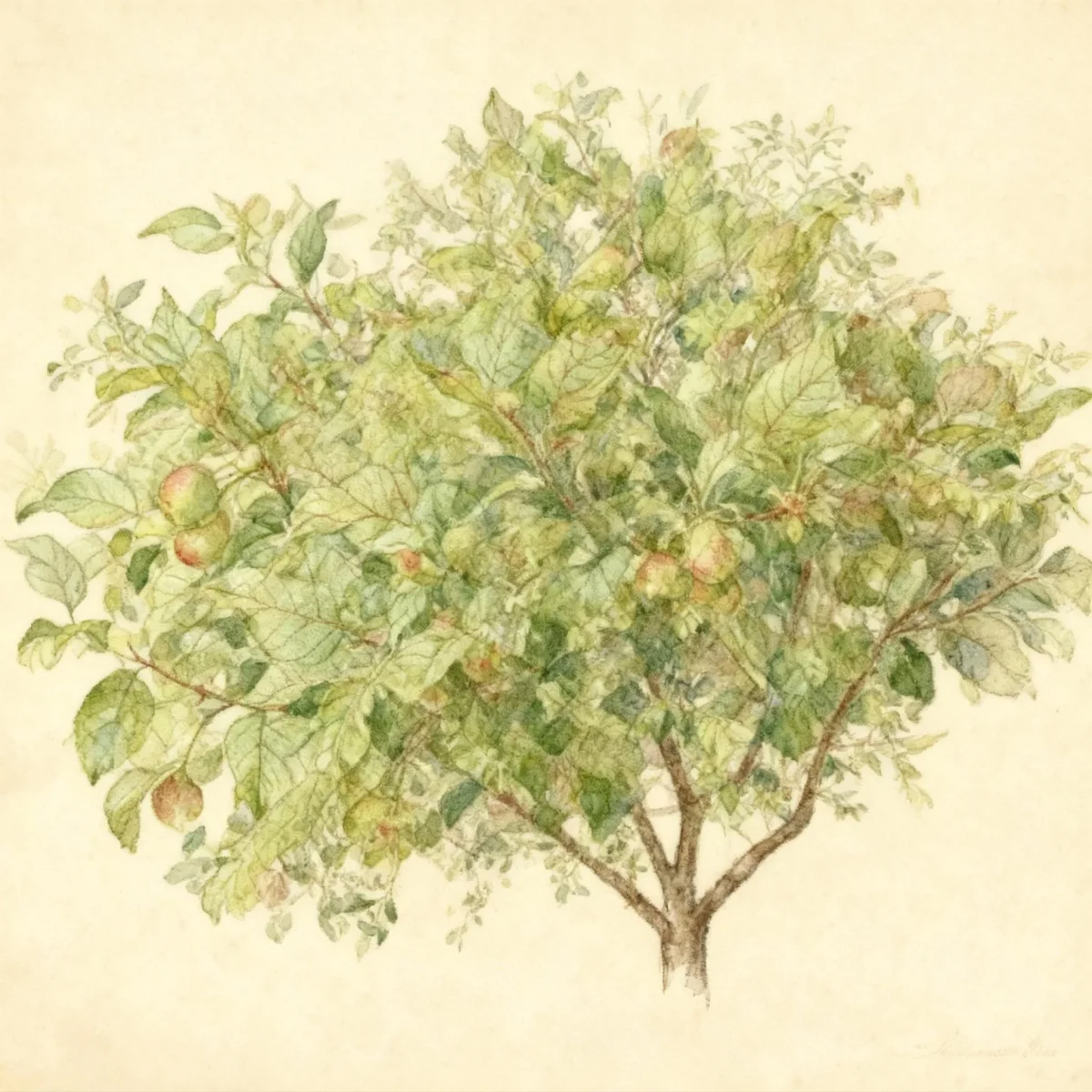
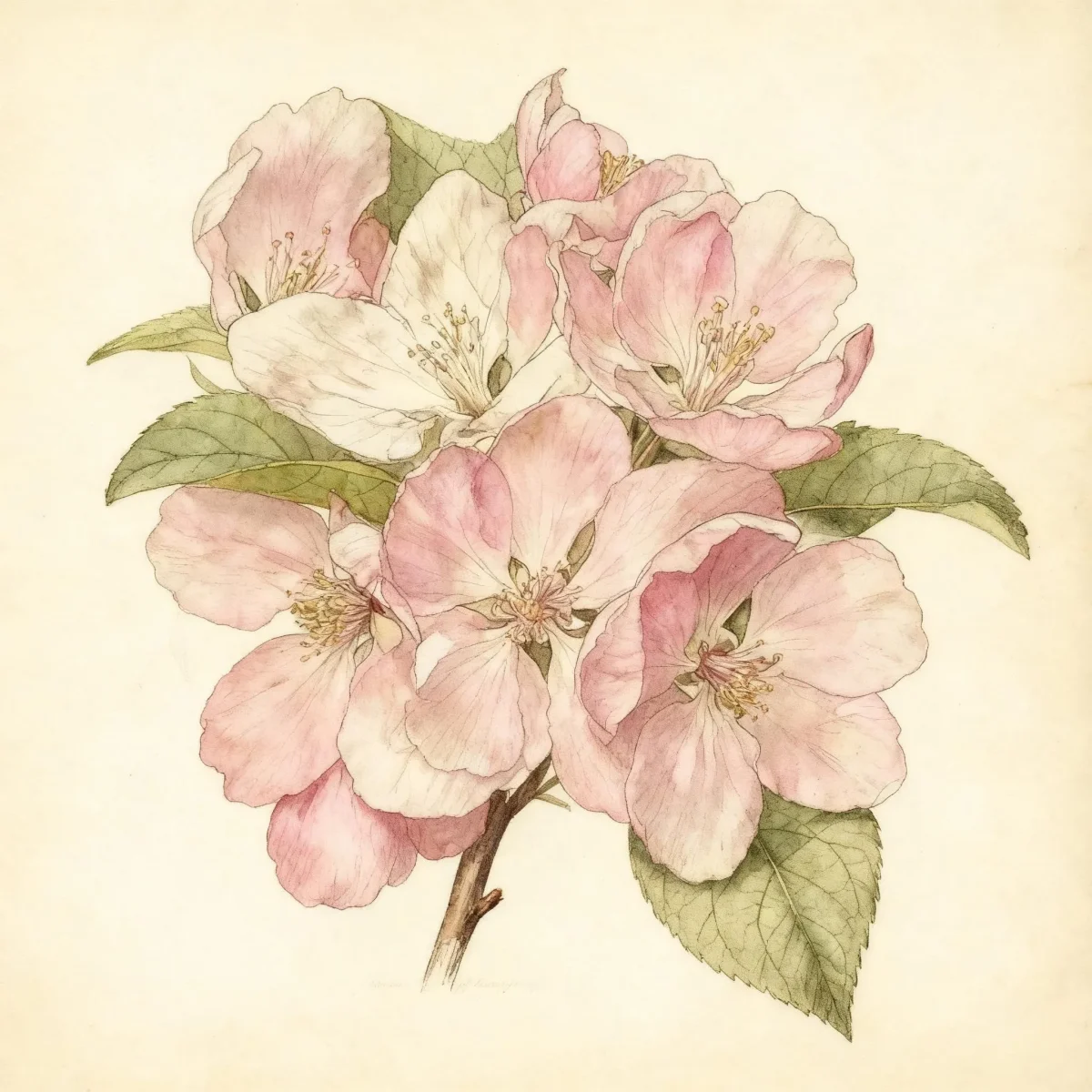
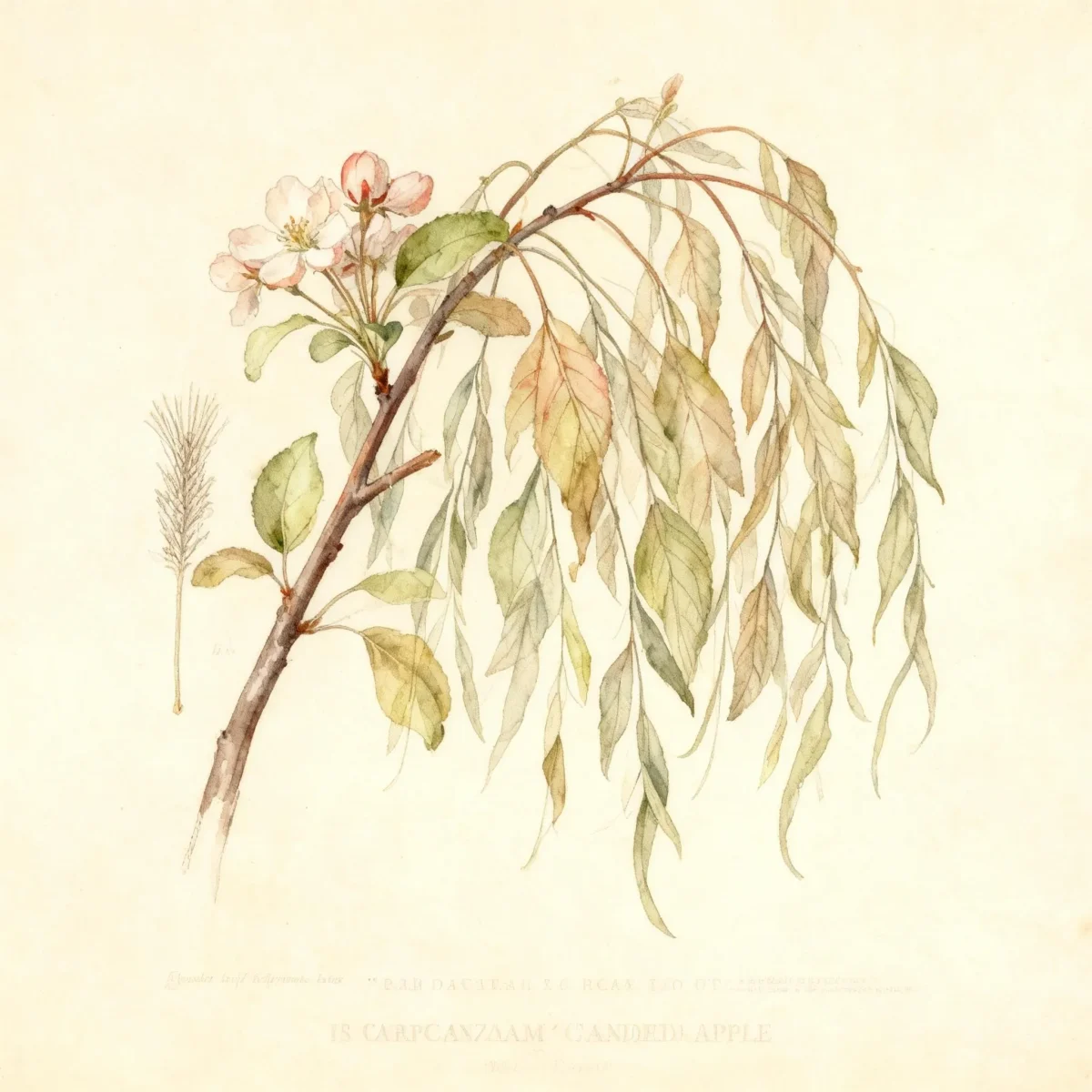
Flowering crabapple (Malus 'Camzam' CAMELOT)
Malus 'Camzam' CAMELOT is a dwarf Flowering crabapple, ideal for small spaces, featuring showy white blooms and persistent red fruit.
Scroll down to discover growing tips, care requirements, companion plants, and more
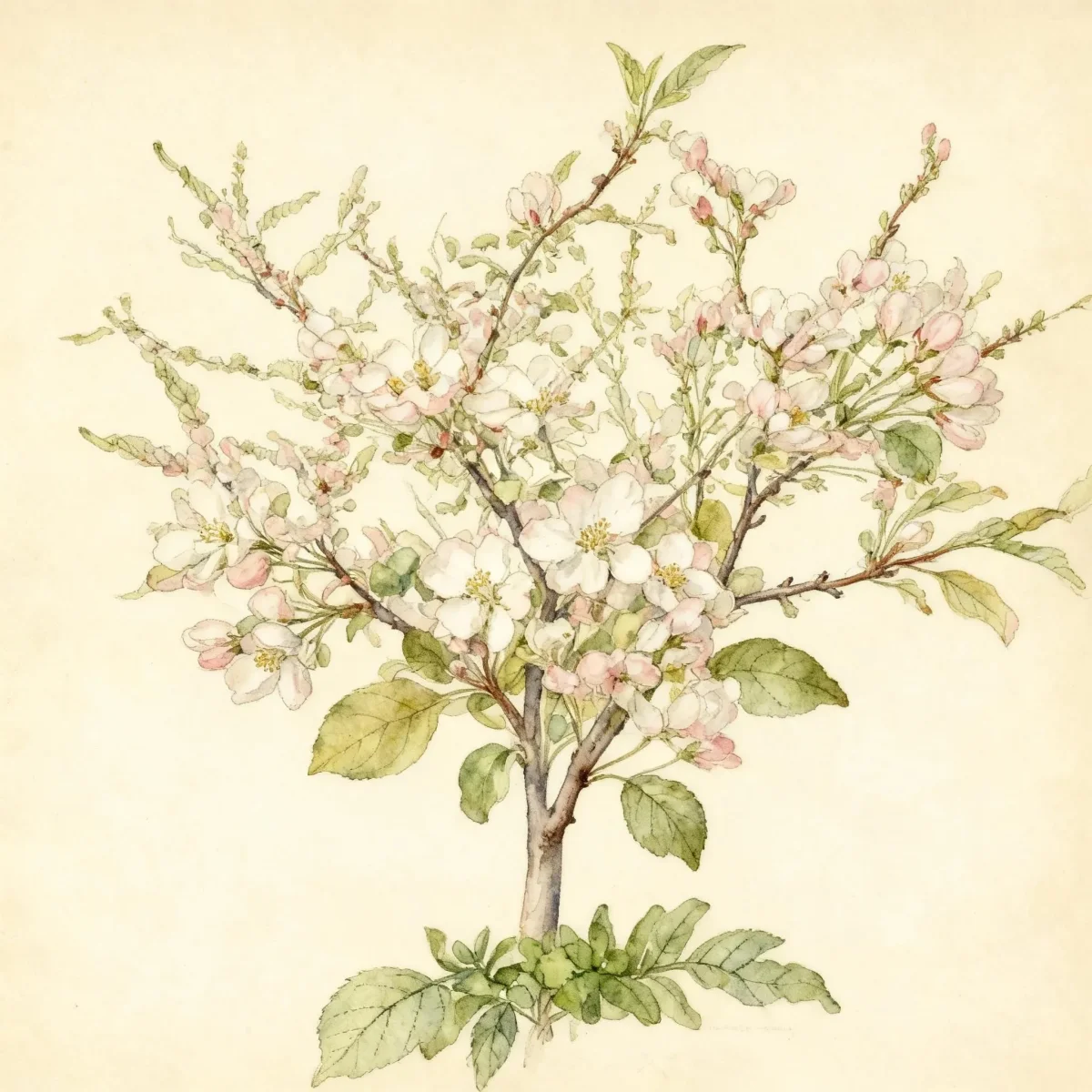
Complete Plant Information
Overview
The Malus ‘Camzam’ CAMELOT, commonly known as the Flowering crabapple, offers substantial ornamental value in a compact package. This specific cultivar is valued for maintaining a manageable height, making it perfect for smaller gardens where a full-sized tree would overwhelm the space. Gardeners appreciate its clean structure and reliable seasonal progression of color.
This deciduous tree matures to a modest height of 8 to 10 feet, boasting a rounded form ideal for accent planting. It presents beautiful white flowers in the spring, which are succeeded by persistent red-to-burgundy fruit that often lasts into the winter months. The Malus ‘Camzam’ CAMELOT is also noted for its relatively good disease resistance compared to many other crabapples.
As a versatile specimen, the Flowering crabapple brings structure and spring fragrance to the landscape. Its adaptability means it thrives beautifully when sited correctly, providing excellent color contrast against surrounding greenery throughout the growing season.
Fast Facts
- Plant Family: Rosaceae
- Plant Type: Tree
- Hardiness Zones: USDA Zones 4-8
- Size at Maturity:
- Height: 8-10 ft
- Spread: 6-8 ft
- Bloom Time: April
- Bloom Description: White
- Sun Exposure: Full sun
- Water Needs: Medium
- Maintenance Level: Low
How to Grow
For optimal health, plant Malus ‘Camzam’ CAMELOT where it receives full sun exposure daily. This plant thrives best when situated in medium-moisture, well-drained, acidic loam soils, though it shows adaptability across a variety of soil types. Planting should generally occur in the early spring or fall before the ground freezes or hard summer heat sets in.
Established trees exhibit some drought tolerance, but consistent watering is necessary, especially during the first few growing seasons. Apply water deeply when the top inch of soil begins to dry out, ensuring the soil remains consistently moist but never waterlogged. Fertilizing is usually not required if the initial soil quality is good.
Pruning the Flowering crabapple should be done sparingly and only as needed to correct structure or remove damaged limbs. The best time for performing necessary pruning is in late winter while the tree is dormant. Avoid spring pruning completely, as fresh cuts create entry points susceptible to fireblight bacterium.
Landscape Uses
The scale of the Malus ‘Camzam’ CAMELOT makes it an excellent choice for locations needing a focal point without large overhead canopy. Its classification as a Flowering Tree suggests prime placement as a specimen tree nestled near patios or entryways where its white spring blossoms and fragrant flowers can be fully appreciated. It is also perfectly suited for planting in small groupings to create an informal screen or layered visual effect.
Due to its manageable size, this dwarf crabapple works well when contrasted with larger, darker evergreen shrubs, allowing its light spring flowers and persistent red fruit to truly stand out. Consider it for structured border plantings or mixed shrub borders where year-round interest is desired. The persistent fruit adds vital color to the late fall and early winter landscape.
Standout Features
Flower Qualities
- Showy
- Fragrant
Fruit Qualities
- Showy
- Edible
Noteworthy Characteristics
Malus is a genus rich in history, specifically noted for deciduous trees and shrubs originating from Europe, Asia, and North America; the genus name derives from the ancient Latin name for apple. The ‘Camzam’ cultivar, sold under the trade name CAMELOT, is a dwarf, white-flowered tree reaching about 10’ tall and 8’ wide, recognized for its rounded form and solid disease resistance. Spring reveals red buds opening into 1.5” white flowers with pink tinges, providing a frame for the subsequent red, 1/2” crabapples that transition to burgundy by fall, often persisting into winter and attracting birds.
Tolerances
- Air Pollution
Potential Problems
The main fungal challenges for any Flowering crabapple, including Malus ‘Camzam’ CAMELOT, include scab, rusts, leaf spot, and powdery mildew. Fire blight remains a serious bacterial threat, which is why delayed pruning is critical. Insect pests such as aphids, borers, scale, and Japanese beetles may occasionally appear, though they are generally of lesser concern.
While this specific variety shows good disease resistance to common crabapple ailments, proactive management is key. Ensure excellent air circulation through proper spacing and avoid overhead watering to minimize fungal development. If pests like spider mites become noticeable, appropriate horticultural oils or insecticidal soaps can offer targeted control.
Frequently Asked Questions
What hardiness zones is Flowering crabapple suitable for?
The Malus ‘Camzam’ CAMELOT is hardy and suitable for planting across USDA Zones 4 through 8, offering reliability for many temperate regions.
How large does Flowering crabapple grow?
This is a dwarf variety, typically reaching a mature height between 8 and 10 feet tall, with a comparable spread of 6 to 8 feet wide.
What sun exposure does Malus ‘Camzam’ CAMELOT need?
This tree performs best when situated in a location that receives full sun consistently throughout the day to ensure robust flowering and fruit production.
When does Flowering crabapple bloom?
Bloom time for the Malus ‘Camzam’ CAMELOT is generally in April, featuring attractive white flowers.
Conclusion
The Malus ‘Camzam’ CAMELOT is a top choice for gardeners seeking high ornamental impact in a compact silhouette. With its fragrant white spring blooms, disease resistance, and persistent red fruit, the Flowering crabapple brings multi-season interest. Before planting this excellent specimen, confirm that your site provides full sun and well-drained soil within USDA Zones 4–8.
Wildlife Benefits
The persistent fruit displayed by the Malus ‘Camzam’ CAMELOT offers significant late-season sustenance for local bird populations. Once the leaves drop, these bright red apples age to a deeper burgundy, providing a colorful and accessible food source well into the winter months when other natural food sources are scarce. Planting this tree contributes positively to local biodiversity.
Additionally, the early spring flowers of the Flowering crabapple attract numerous beneficial insects and pollinators. While the petals may have hints of pink upon opening, the overall white display signals the start of the season, encouraging bees and other early-season insects to forage actively.
Companion Planting
When situating the Malus ‘Camzam’ CAMELOT, select companions that share its love for full sun and high drainage. Low-growing perennials that bloom later in the season, like hostas (in filtered light areas at the dripline) or Siberian Iris, offer textural contrast while the tree is maturing. Avoid planting aggressive groundcovers immediately around the base that might compete heavily for surface moisture.
For larger landscape schemes, pair this tree with finely textured evergreens, such as dwarf globe arborvitae or certain junipers, to highlight its delicate springtime structure and provide an evergreen backdrop for the crabapples. Ensure any companion plants also tolerate or prefer slightly acidic soil conditions to maintain optimal health for the Flowering crabapple.