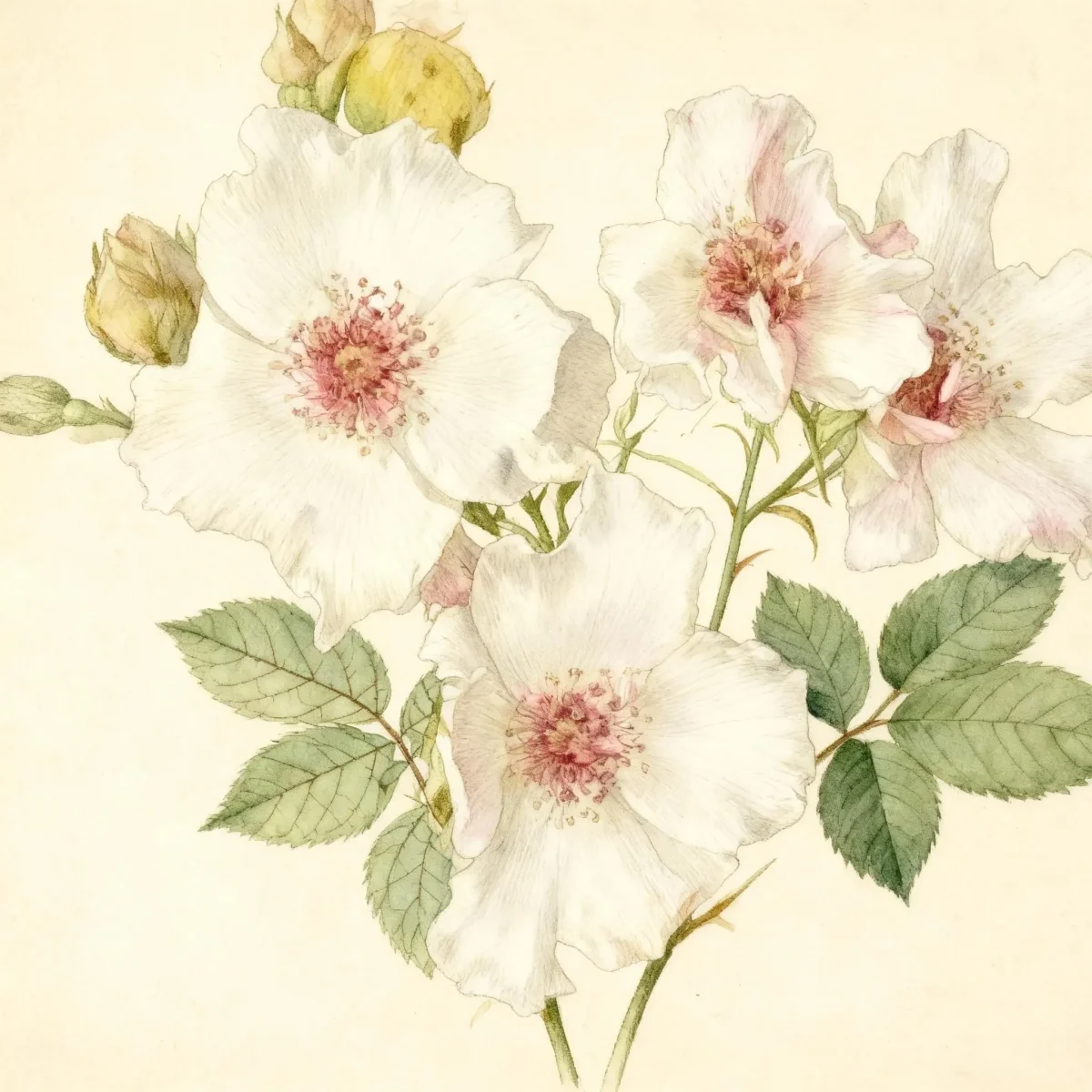
Shrub rose (Rosa 'Radcor' RAINBOW KNOCK OUT)
Rosa 'Radcor' RAINBOW KNOCK OUT is a low-maintenance Shrub rose offering coral pink blooms from May to frost in Zones 5-9.
Scroll down to discover growing tips, care requirements, companion plants, and more
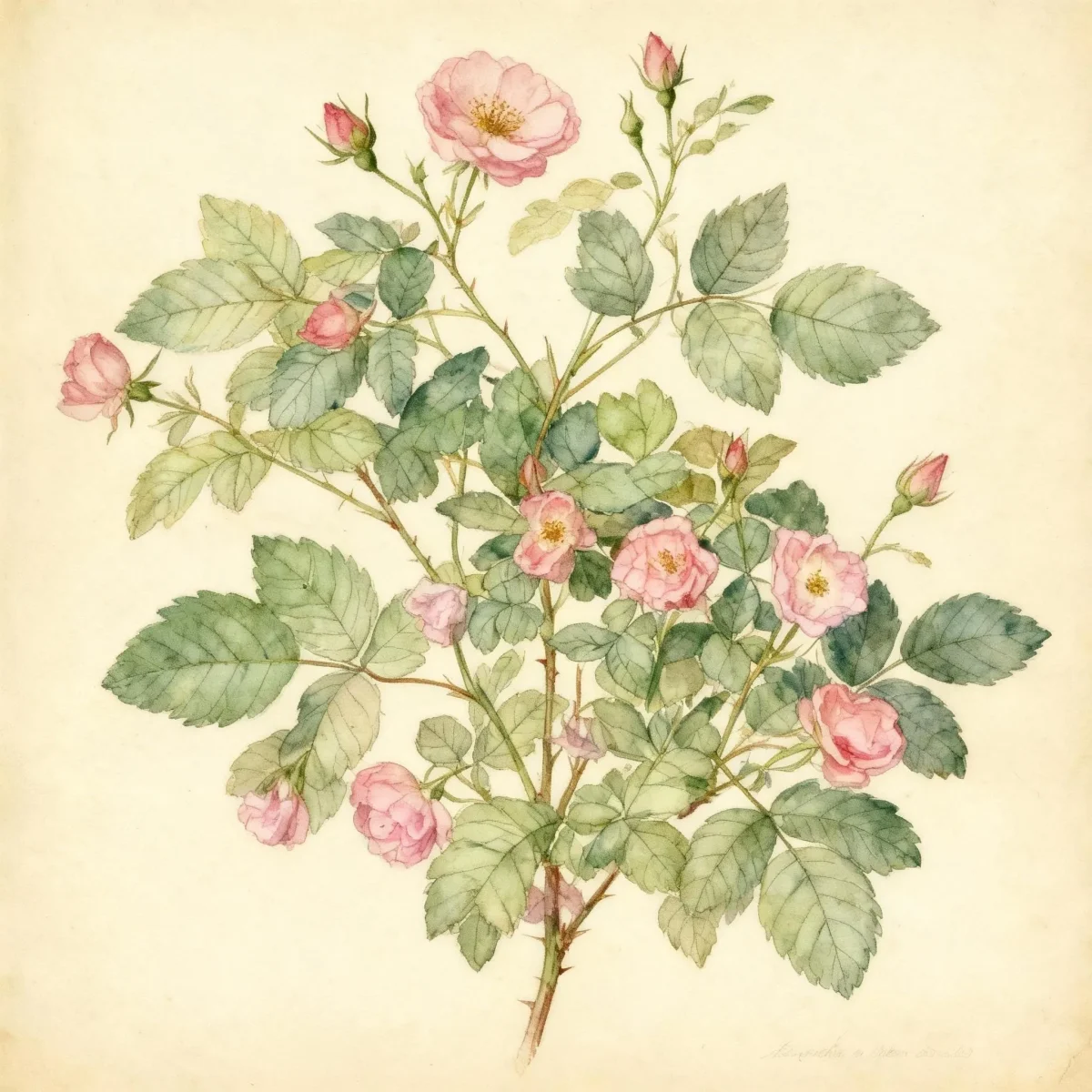
Complete Plant Information
Overview
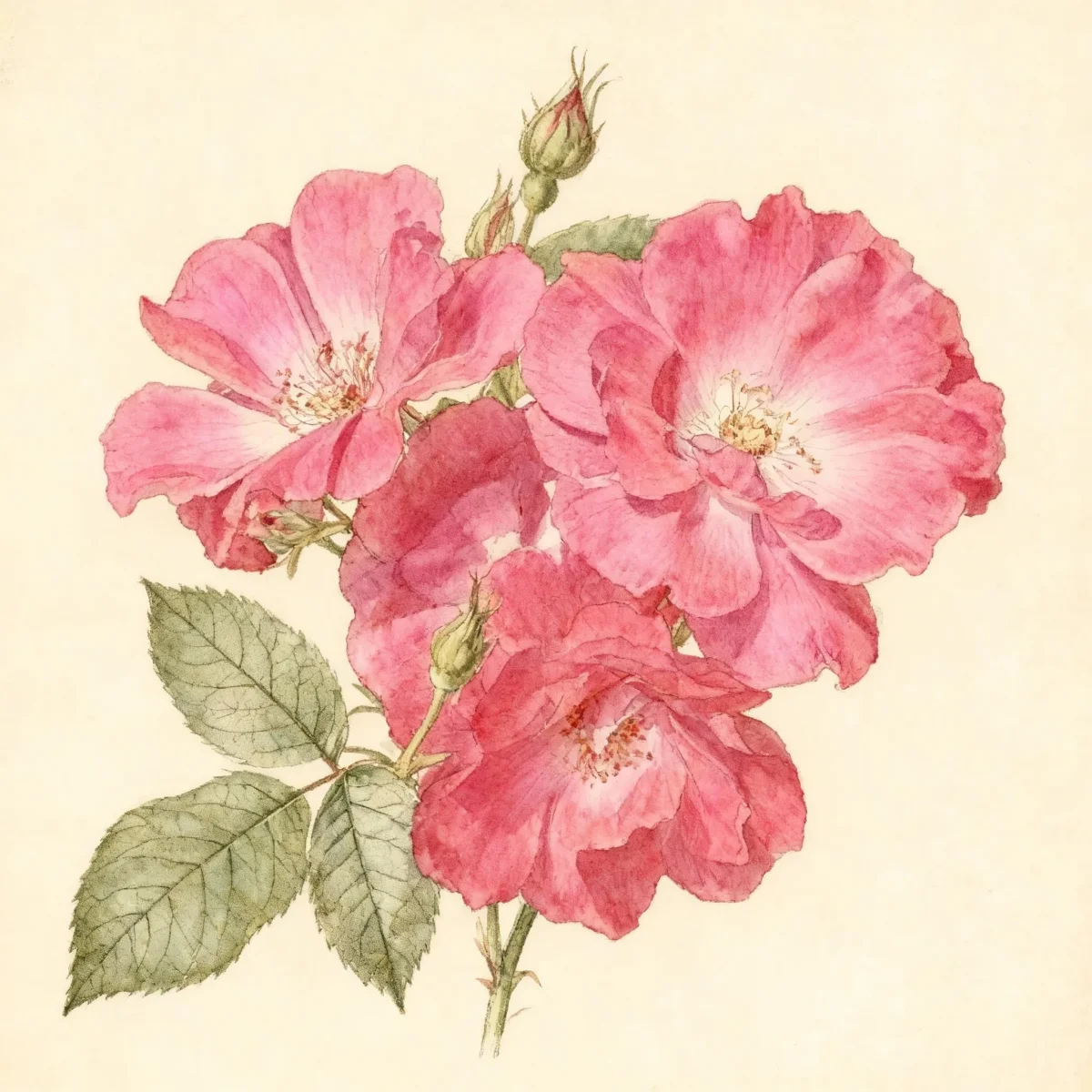
The Rosa ‘Radcor’ RAINBOW KNOCK OUT is a highly valued compact, mounding Shrub rose celebrated for its exceptional disease resistance and extended blooming period. This variety brings vibrant color to the landscape, producing clusters of striking coral pink flowers with bright yellow centers from late spring right up until the first frost. Its rugged nature makes it an ideal choice for gardeners seeking reliable performance with reduced chemical intervention.
As a tough, low-maintenance addition to mixed borders or foundation plantings, this Rosa ‘Radcor’ RAINBOW KNOCK OUT typically reaches 3 to 4 feet tall and wide. It offers significant aesthetic appeal through its continuous flowering habit, even under less-than-ideal conditions, proving that beauty doesn’t require constant fuss.
This versatile Shrub rose thrives in full sun but is particularly notable for performing well even with just a few hours of direct daily sunlight. Its adaptability makes the RAINBOW KNOCK OUT an excellent foundation plant for both sunny perennial borders and slightly shaded areas where many other roses struggle.
Fast Facts
- Plant Family: Rosaceae
- Plant Type: Deciduous shrub
- Hardiness Zones: USDA Zones 5-9
- Size at Maturity:
- Height: 3-4 ft
- Spread: 3-4 ft
- Bloom Time: May to frost
- Bloom Description: Coral pink with yellow center
- Sun Exposure: Full sun to part shade
- Water Needs: Medium
- Maintenance Level: Medium
How to Grow
For best establishment, plant the Rosa ‘Radcor’ RAINBOW KNOCK OUT in the late winter or early spring, ensuring it settles into its permanent location with medium moisture and well-drained garden loam. While full sun promotes the best flowering and disease resistance, this shrub is distinguished by its ability to thrive even in locations receiving as little as three hours of direct sun daily.
Maintain consistent moisture by watering deeply and regularly, preferably in the mornings, while always avoiding overhead irrigation to discourage fungal outbreaks. Apply a layer of summer mulch to help keep the roots cool, conserve water, and suppress weeds throughout the growing season. Good air circulation is crucial for healthy growth and disease prevention.
A major benefit of this Shrub rose is its self-cleaning nature; spent blooms typically drop cleanly, meaning regular deadheading is not required to encourage rebloom. Prune lightly only as necessary in late winter or early spring to maintain shape. In the coldest parts of its hardiness range, such as Zone 5 winters, ensure the crowns receive extra winter protection. Always remove and destroy old foliage, especially in late fall, to mitigate overwintering disease spores.
Landscape Uses
The disease-resistant nature and manageable size of the Rosa ‘Radcor’ RAINBOW KNOCK OUT make it an exceptional performer in structured landscape designs. It is highly recommended for use as a continuous mass planting or a uniform hedge, offering reliable, season-long color where a bold border is needed.
Beyond formal hedges, this Shrub rose integrates beautifully into cottage gardens, foundation plantings, or mixed shrub borders where its vibrant coral hue can contrast with cooler greens and blues. Its adaptability to part shade conditions also makes it a reliable choice for brightening slightly shadowed areas along walkways or near structures.
When designing mixed borders, choose companions that share similar needs for medium water and well-drained soil, such as dwarf hydrangeas or salvias that tolerate partial shade. The compact, mounding habit of the RAINBOW KNOCK OUT provides excellent mid-level structure in the garden tapestry.
Standout Features
Flower Qualities
- Showy
Fruit Qualities
- Showy
Noteworthy Characteristics
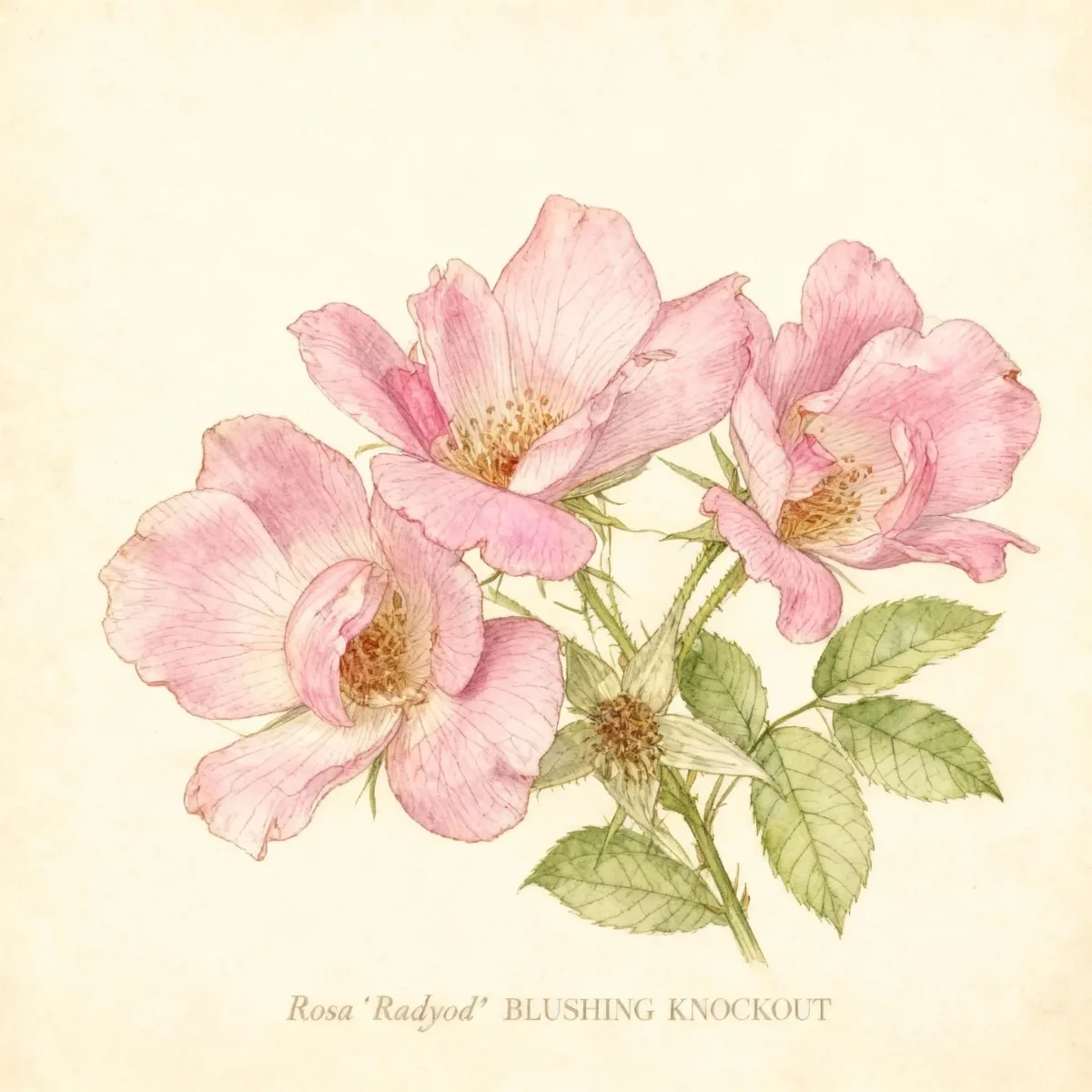
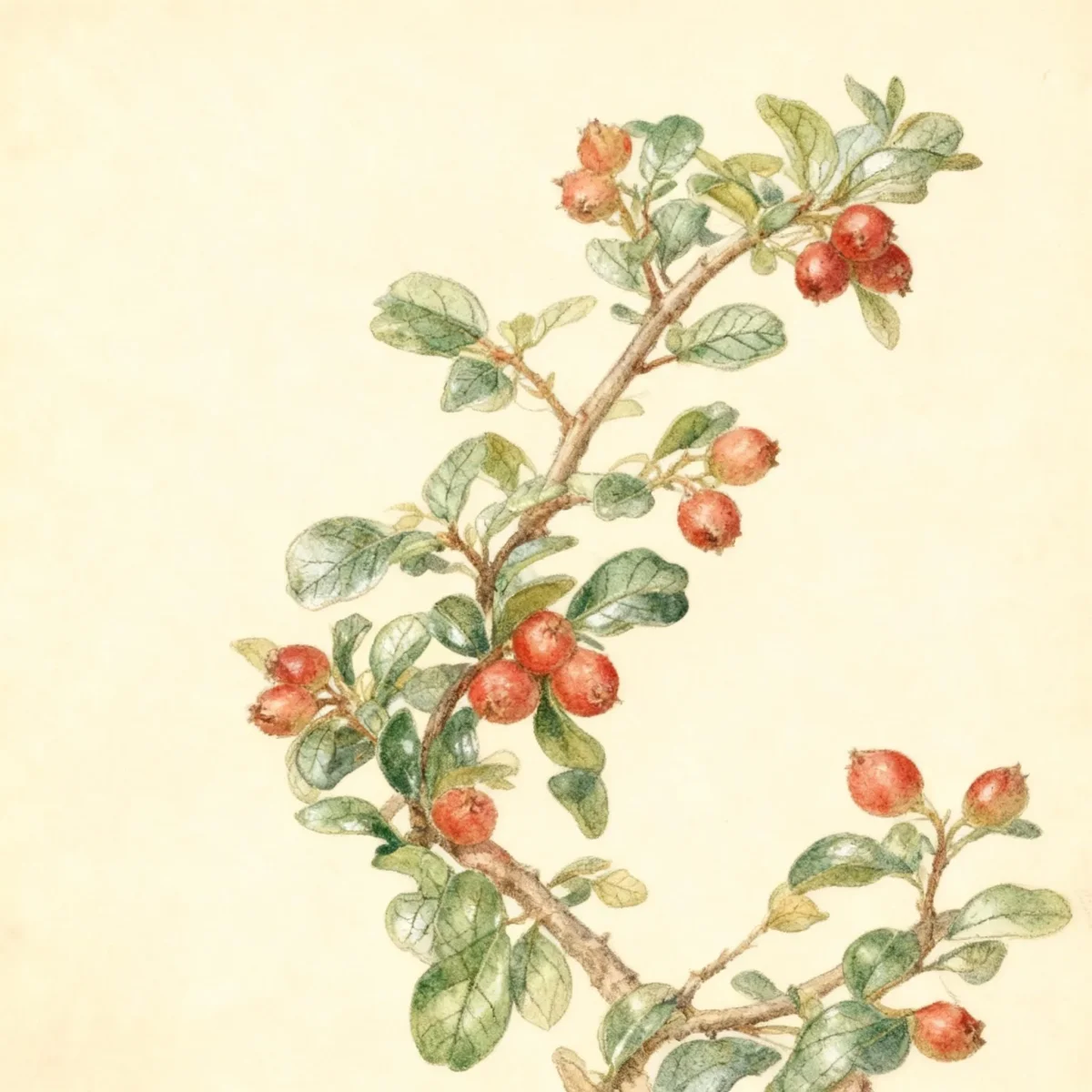
The genus Rosa is famed for beautiful, often fragrant, flowers, but the RAINBOW KNOCK OUT stands out as a compact mounding shrub rose maturing at 3-4 feet tall. It is especially valued for its excellent disease resistance and its ability to produce single, 5-petaled coral pink flowers with yellow centers continuously from May until frost, even thriving in as little as 3 hours of sun daily. Foliage is satiny dark green, sometimes developing burgundy tones in autumn, and the flowers are followed by ornamental orange-red hips.
Tolerances
- Excellent resistance to black spot and rust
Potential Problems
Roses are generally susceptible to numerous issues, including black spot, powdery mildew, rust, and rose rosette, often requiring preventative fungicide treatments, especially in humid climates. Potential insect pests include aphids, borers, and spider mites, necessitating diligent scouting and management. However, the Rosa ‘Radcor’ RAINBOW KNOCK OUT exhibits excellent resistance to common diseases, particularly black spot and rust, often negating the need for routine fungicide applications. Good cultural practices, such as ensuring good air circulation and promptly cleaning up fallen debris, form the primary defense against persistent issues.
Frequently Asked Questions
What hardiness zones is Shrub rose suitable for?
This robust Shrub rose, Rosa ‘Radcor’ RAINBOW KNOCK OUT, is suitable for USDA Hardiness Zones 5 through 9.
How large does Rosa ‘Radcor’ RAINBOW KNOCK OUT grow?
Rosa ‘Radcor’ RAINBOW KNOCK OUT typically matures to a height between 3 and 4 feet, with a similar spread of 3 to 4 feet, forming a compact mound.
What sun exposure does Shrub rose need?
This plant prefers full sun for optimal performance, but it is highly adaptable and will flower well even in partial shade conditions.
When does Rosa ‘Radcor’ RAINBOW KNOCK OUT bloom?
It features its signature bloom time from May all the way through the first frost, displaying flowers described as coral pink with a yellow center.
Conclusion
The Rosa ‘Radcor’ RAINBOW KNOCK OUT offers gardeners a low-hassle path to continuous color, thanks to its superior disease resistance and its remarkably long blooming season extending from May to frost. This versatile Shrub rose excels in hedges or borders, making it a staple new addition to nearly any sunny or partially shaded garden space. Ensure your site offers medium moisture and good drainage, and confirm that USDA Zone 5 through 9 compatibility aligns with your local climate before planting.
Companion Planting
Selecting companions for the RAINBOW KNOCK OUT Shrub rose involves looking for plants that require similar sunlight and cultural inputs. Since this rose thrives in medium moisture and tolerates some shade, consider pairing it with shade-tolerant perennials like Hosta varieties, Astilbe, or Japanese Forest Grass (Hakonechloa). These choices provide contrasting textures and foliage without competing aggressively for sun or nutrients, allowing the brilliant coral blooms of the RAINBOW KNOCK OUT to remain the focal point.
Seasonal Care Calendar
For effective management of your Rosa ‘Radcor’ RAINBOW KNOCK OUT, adopt a seasonal approach. The best time for necessary pruning is late winter to early spring before new growth begins. During summer, focus on deep, consistent watering in the mornings and maintain a layer of mulch to retain soil moisture and temperature stability. Late fall cleanup is essential; thoroughly remove all diseased (if any) and dead leaves from the ground around the plant to reduce overwintering fungal spores, safeguarding the plant’s excellent disease resistance for the following year.