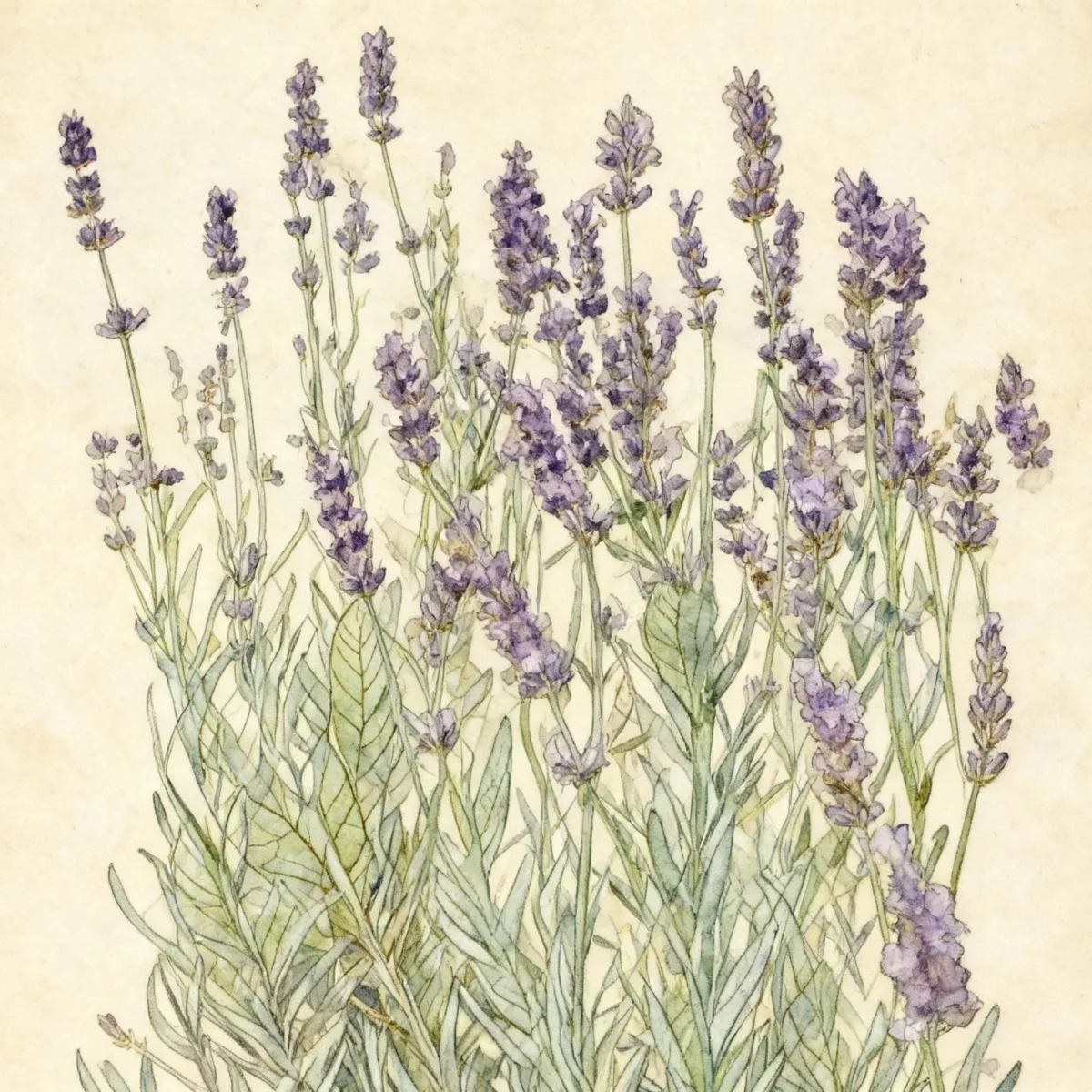
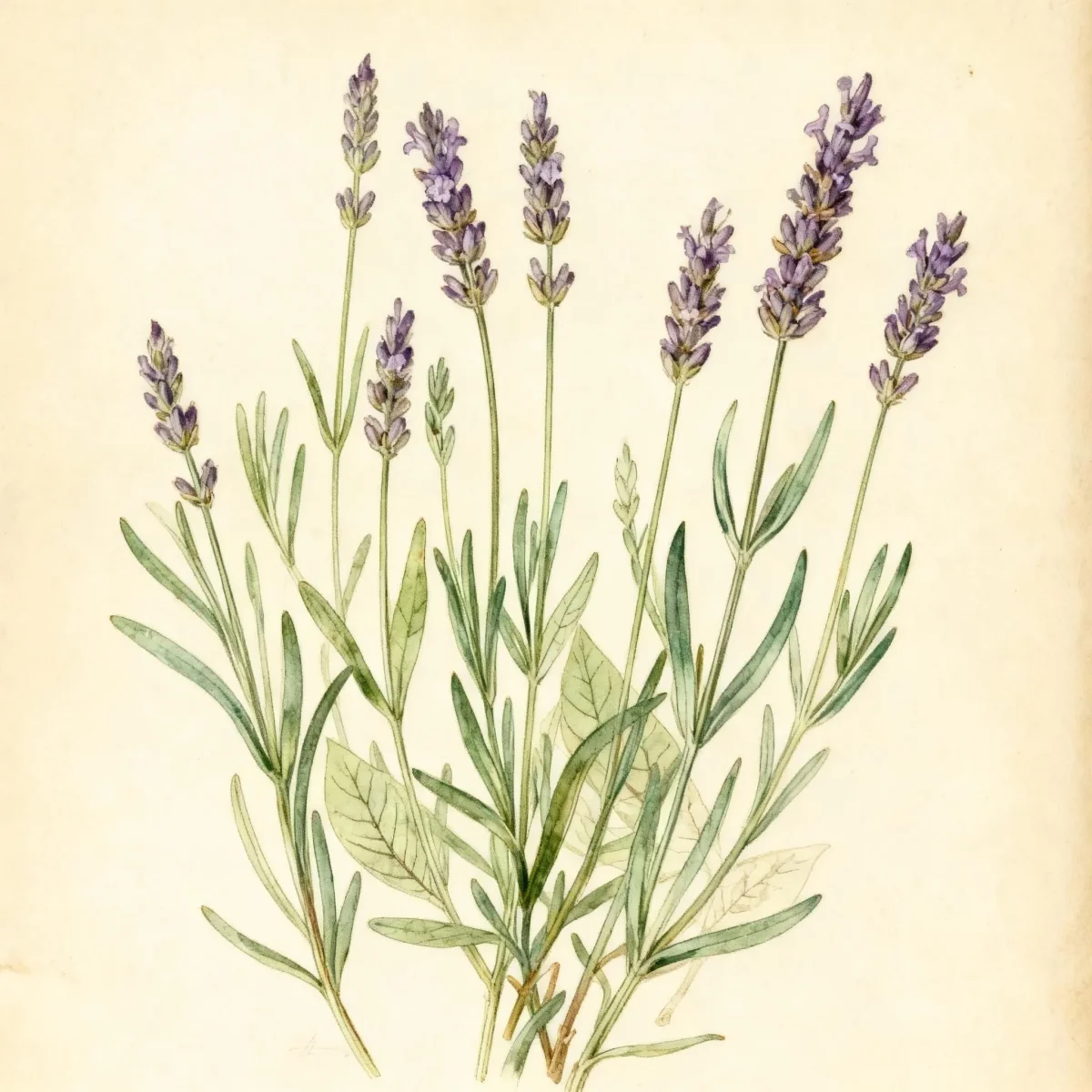
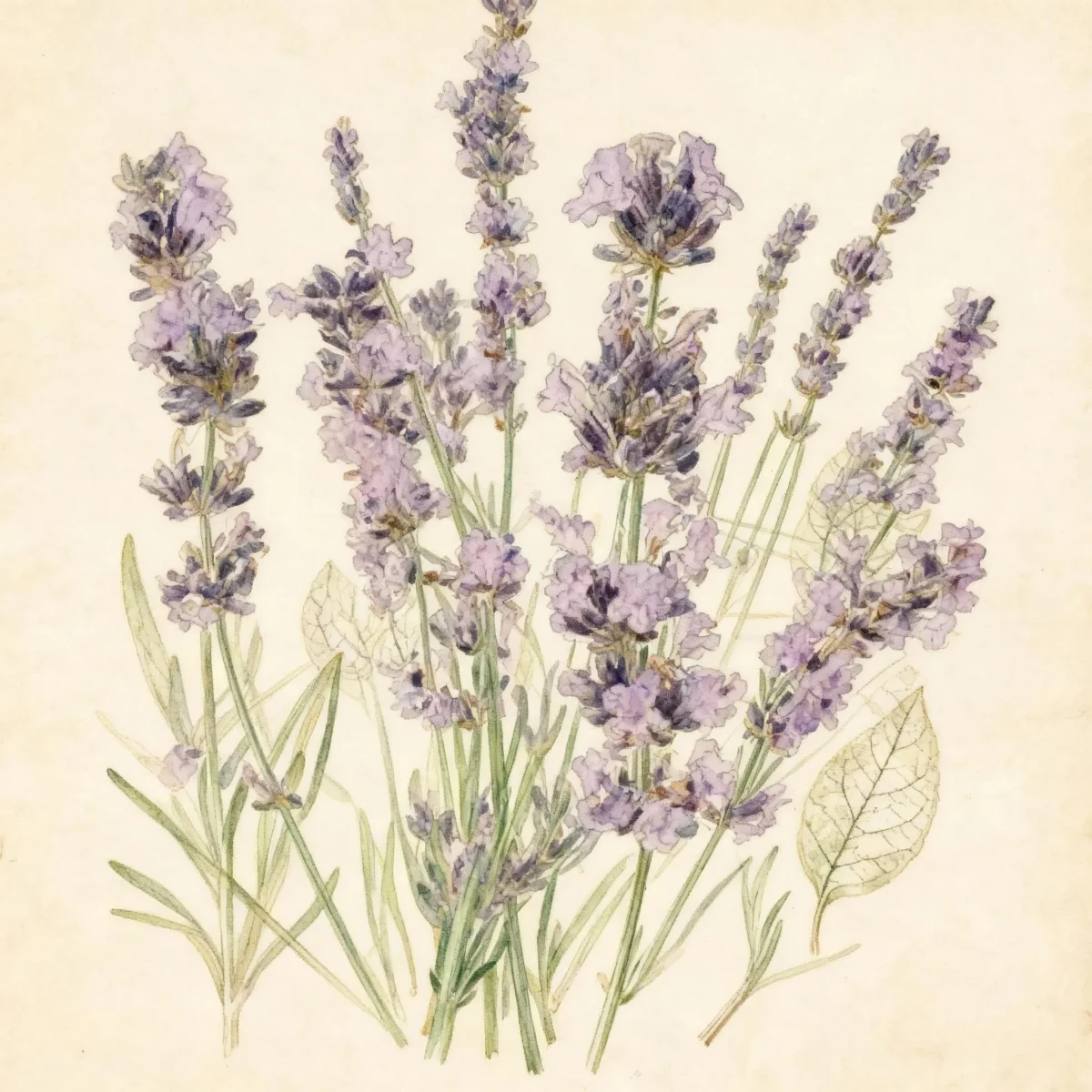
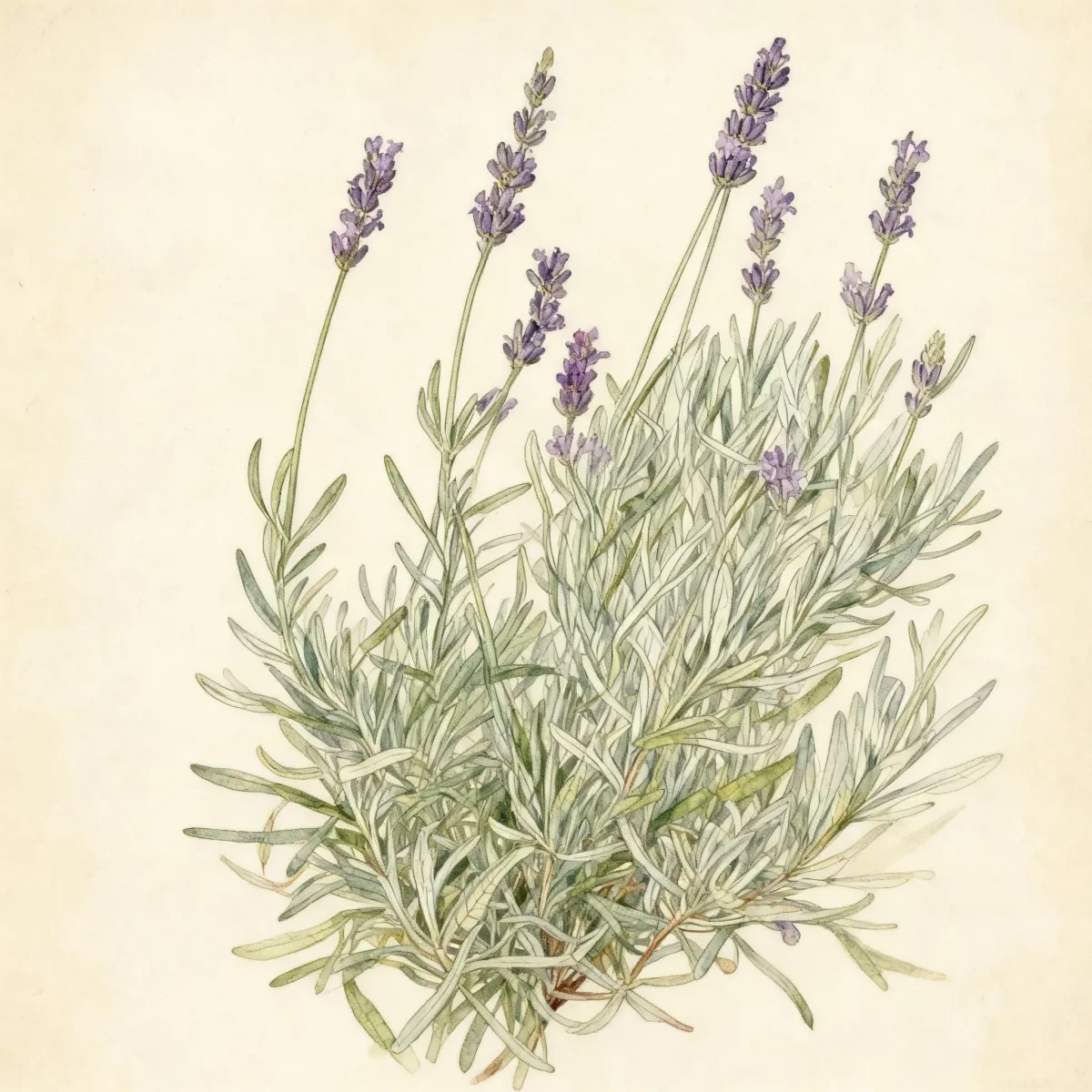
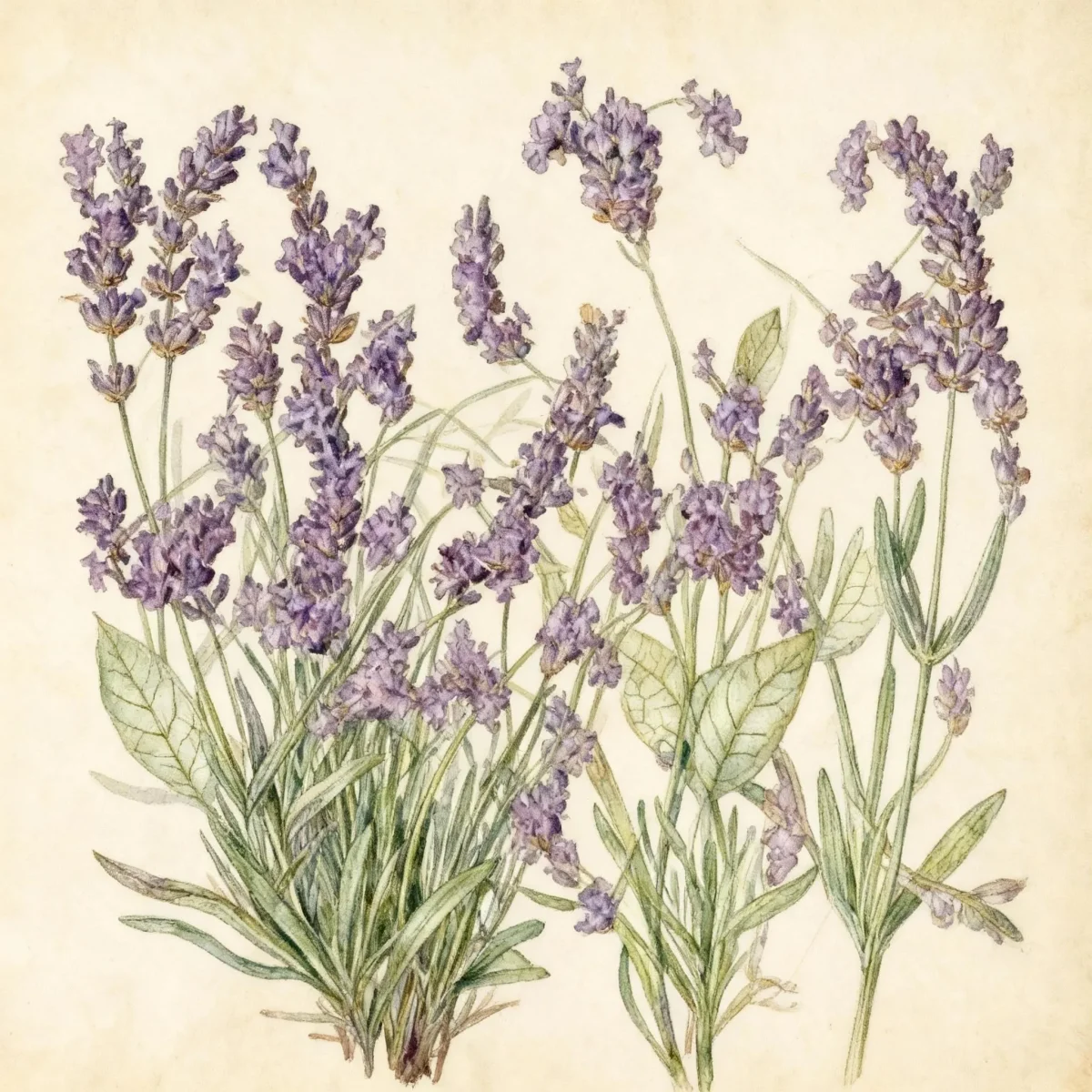
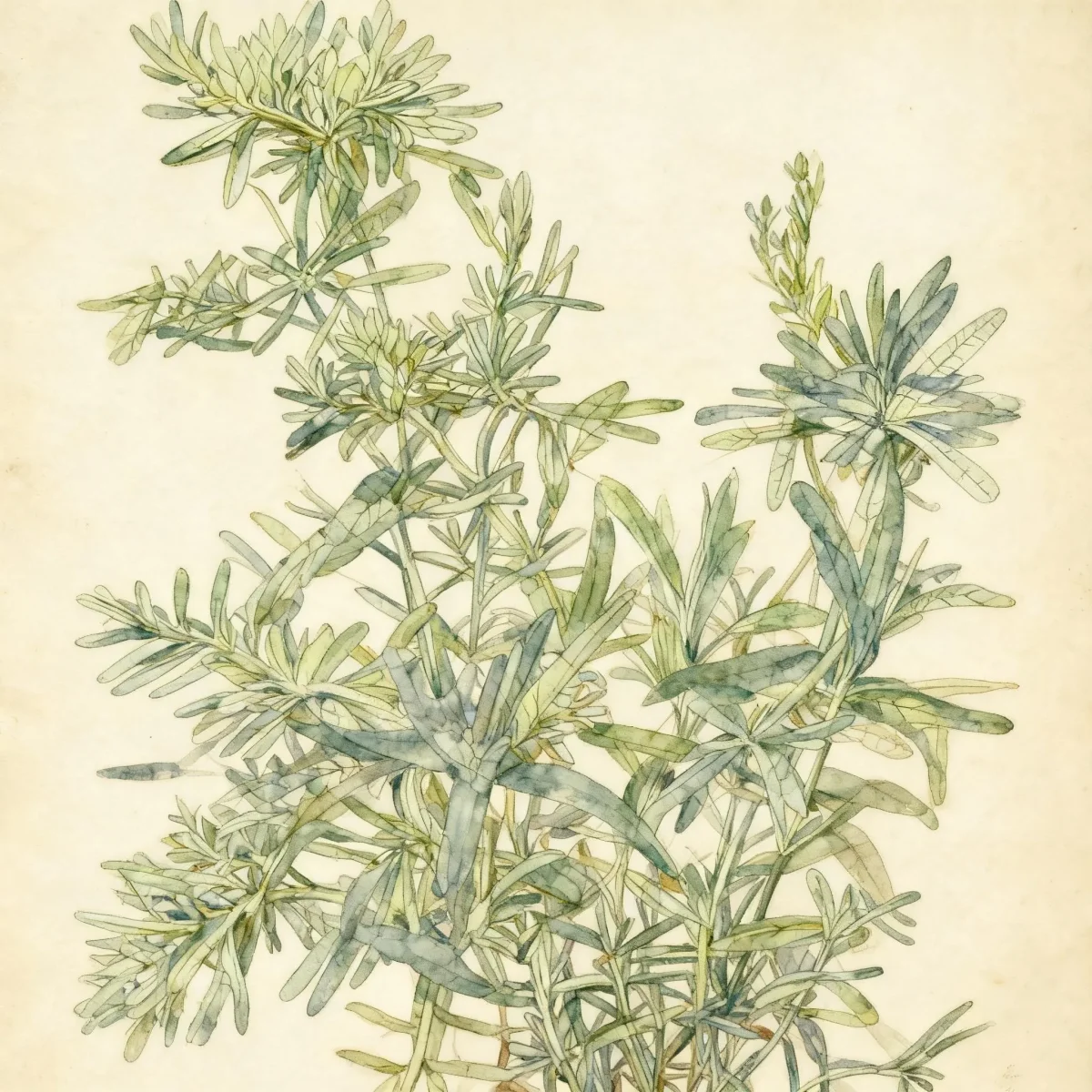
English lavender (Lavandula angustifolia 'Sharon Roberts')
Lavandula angustifolia 'Sharon Roberts' is a fragrant, deep lavender English lavender cultivar offering showy blooms from June to September.
Scroll down to discover growing tips, care requirements, companion plants, and more
Complete Plant Information
Overview
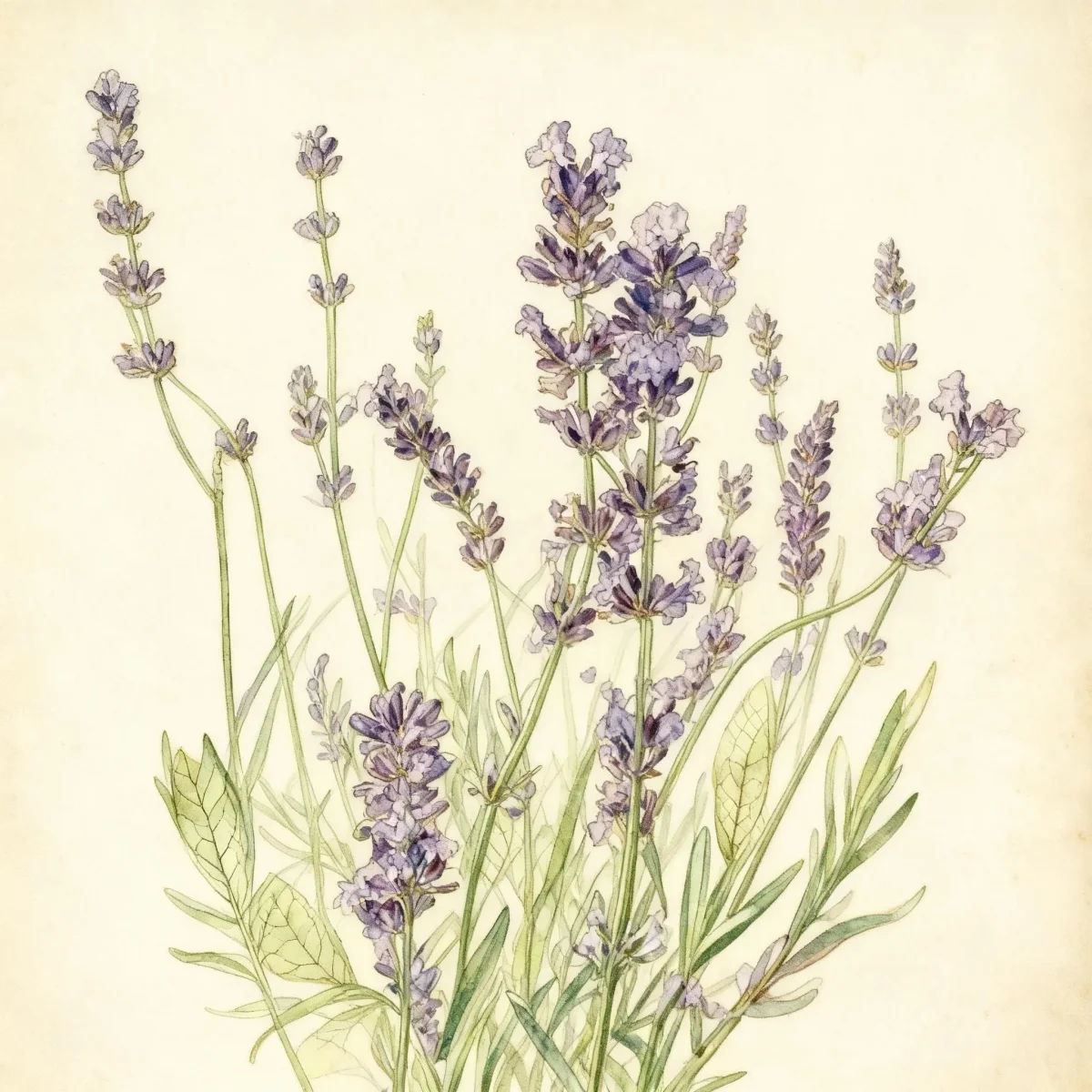
Lavandula angustifolia ‘Sharon Roberts’, commonly known as English lavender, is a highly valued variety prized for its long stems and reliable bloom time. This cultivar presents deep lavender flowers held high on strong stalks, ideal for cutting and drying. As a “true lavender,” it possesses the characteristic aromatic foliage and flowers that make it a staple in scented gardens.
This semi-woody perennial establishes into a tidy, 1.5 to 2-foot mound of narrow, gray-green leaves, offering year-round interest in warmer climates. While English lavender has greater tolerance for cooler conditions than many hybrid lavenders, gardeners must ensure excellent drainage, especially when growing Lavandula angustifolia ‘Sharon Roberts’ in humid summers. Its ornamental appeal, fragrance, and culinary potential solidify its spot in any functional or aesthetic garden design.
Fast Facts
- Plant Family: Lamiaceae
- Plant Type: Herbaceous perennial
- Hardiness Zones: USDA Zones 5-8
- Size at Maturity:
- Height: 1.5-2 ft
- Spread: 1.5-2 ft
- Bloom Time: June to September
- Bloom Description: Deep lavender
- Sun Exposure: Full sun
- Water Needs: Dry to medium
- Maintenance Level: Medium
How to Grow
Plant Lavandula angustifolia ‘Sharon Roberts’ in average, well-drained, alkaline soil, ensuring it receives full, unobstructed sunlight throughout the day. The paramount requirement for success, particularly avoiding root rot, is drainage; rocky or sandy soil is preferred over heavy clay. Planting during the cooler parts of the season allows for better establishment before summer heat arrives.
Watering should be sparse once established; aim for dry to medium conditions, allowing the soil to dry out completely between waterings. Avoid over-fertilizing, as low fertility promotes better bloom quality and fragrance in English lavender. Remove faded flower spikes promptly to encourage additional intermittent blooming throughout the summer season.
Pruning is essential for maintaining the vigor of your Lavandula angustifolia ‘Sharon Roberts’. Shape the plant lightly in the spring just as new foliage appears. Every three years, consider a harder prune, cutting back to about 8 inches high to encourage robust, new growth from the base and prevent the plant from becoming overly woody and sparse.
Gardeners in regions with high summer humidity, such as the St. Louis area, should specifically address moisture retention near the crown. In these challenging environments, utilize rock mulch instead of organic mulch to minimize humidity buildup around the base of the plant throughout the humid months. This attention to drainage is key to winter survival and summer health.
Landscape Uses
Lavandula angustifolia ‘Sharon Roberts’ is much more than a simple herb garden plant; it functions wonderfully as a versatile structural element in the landscape. Its silvery-green foliage and vibrant deep lavender flowers provide excellent mid-summer contrast when placed at the front of a perennial border. Mass plantings of English lavender create striking drifts of color and scent that are unforgettable.
Consider using this cultivar for low hedging along walkways where its fragrance can be easily enjoyed, or integrate it into rock gardens where its preference for dry, shallow soils is naturally accommodated. The highly aromatic flowers are excellent when dried and utilized in sachets or potpourri, making this a multifunctional specimen deserving of prime placement.
Standout Features
Flower Qualities
- Showy
- Fragrant
Noteworthy Characteristics
Lavandula angustifolia, commonly called English lavender, has long been a backbone of herb gardens, although it originates mainly from the Mediterranean rather than England. This “true lavender” is commercially important for its essential oils used in perfumery, and its flavorful flowers are often used culinarily, more so than other lavender types. ‘Sharon Roberts’ is specifically noted as a long-stemmed cultivar with an open habit, consistently delivering deep lavender terminal spikes and often rewarding attentive growers with a second substantial bloom late in the season.
Tolerances
- Rabbit
- Deer
- Drought
- Dry Soil
- Shallow-Rocky Soil
- Air Pollution
Potential Problems
The primary enemies of English lavender are fungal diseases facilitated by poor conditions. Susceptibility to leaf spot and root rot is high, especially when soils remain saturated, particularly during winter dormancy periods. Plants may not survive winter if soils are not perfectly well-drained or if temperatures dip significantly below zero without adequate snow cover. Managing these issues means prioritizing sharp drainage and avoiding overhead watering, especially late in the day.
Frequently Asked Questions
What hardiness zones is English lavender suitable for?
Lavandula angustifolia ‘Sharon Roberts’ is generally suitable for USDA Hardiness Zones 5 through 8.
How large does Lavandula angustifolia ‘Sharon Roberts’ grow?
This cultivar typically reaches a height of 1.5 to 2 feet tall with a similar spread, achieving an 18-24 inch height profile according to some reports.
What sun exposure does English lavender need?
This plant requires full sun conditions to thrive, flower profusely, and maintain good air circulation to prevent humidity-related issues.
When does Lavandula angustifolia ‘Sharon Roberts’ bloom?
It blooms reliably from June through September, showcasing deep lavender flowers, sometimes with a secondary flush of bloom occurring in late summer or early fall.
Conclusion
The dependable fragrance and showy, deep lavender flowers make Lavandula angustifolia ‘Sharon Roberts’ an indispensable addition to sunny, well-drained garden spaces. Offering good drought resistance and appealing to admirers while deterring pests, this English lavender variety is highly versatile. Before planting, ensure your site meets the full sun and excellent drainage requirements so you can fully enjoy the aromatic benefits of this fantastic perennial.
Companion Planting
When planning the perennial border around your Lavandula angustifolia ‘Sharon Roberts’, select partners that share similar needs for intense sunlight and dry, lean soil. Consider pairing it with drought-tolerant Mediterranean herbs like Rosemary (Salvia rosmarinus) or Thyme (Thymus vulgaris). These plants not only look harmonious with the gray-green foliage but also thrive under the same low-water conditions required by high-quality English lavender.
Avoid placing it near heavy feeders or plants that require constant moisture, as this dramatically increases the risk of root rot for the lavender. Instead, look toward plants like Sedum or Achillea, which offer textural contrast and complement the requirements of the fragrant English lavender, ensuring a resilient, low-maintenance planting scheme.
Seasonal Care Calendar
Spring is the critical time for maintenance, immediately after new leaf growth appears. This is the ideal moment for shaping the plant and performing the major pruning—cutting back to about 8 inches every third year to spur renewal. Throughout summer, deadheading faded spikes will encourage the intermittent blooming that extends the color display well into September. Mulch with rock instead of wood chips around the base to help manage humidity during hot, wet spells, especially critical for the health of Lavandula angustifolia ‘Sharon Roberts’ in high-humidity zones.