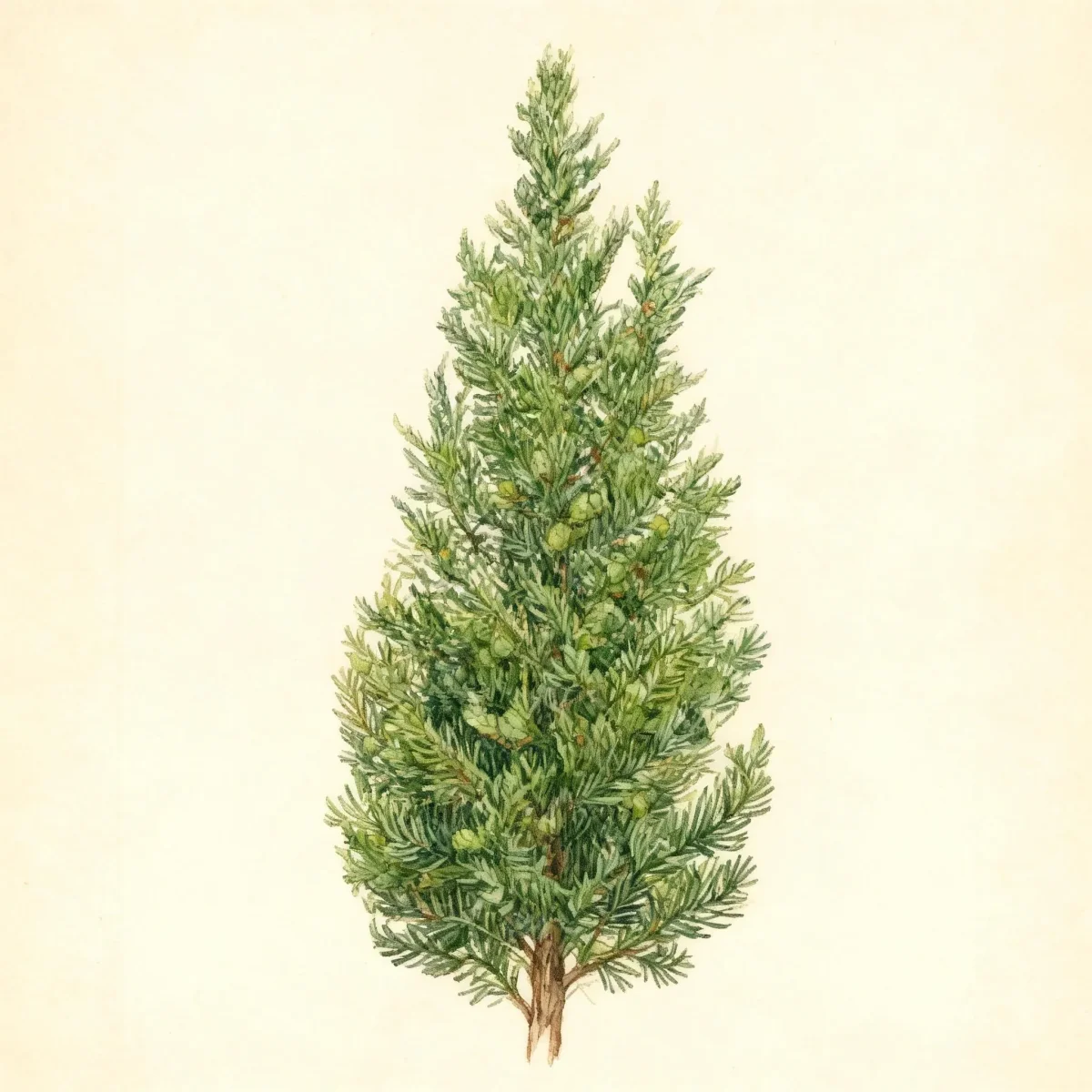
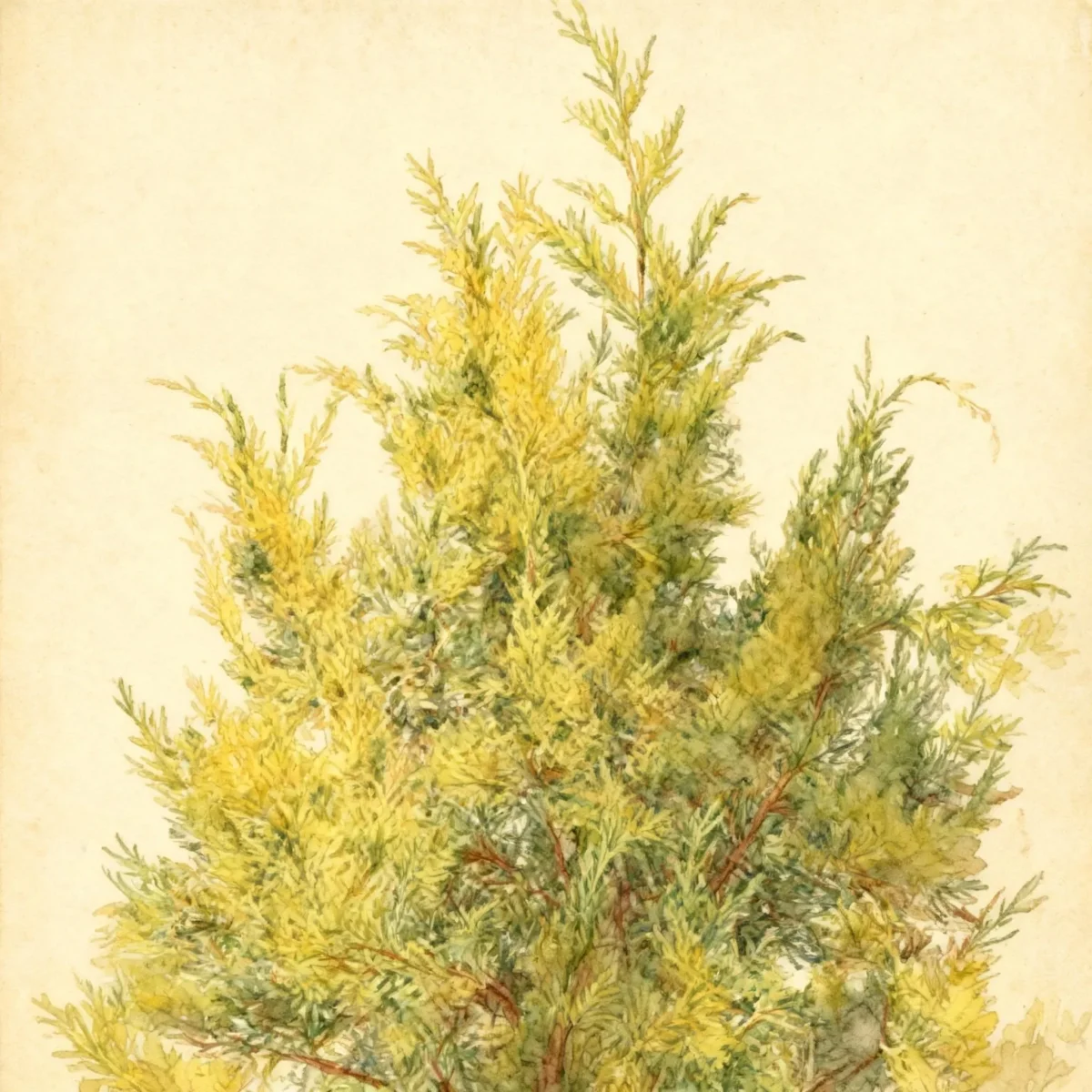
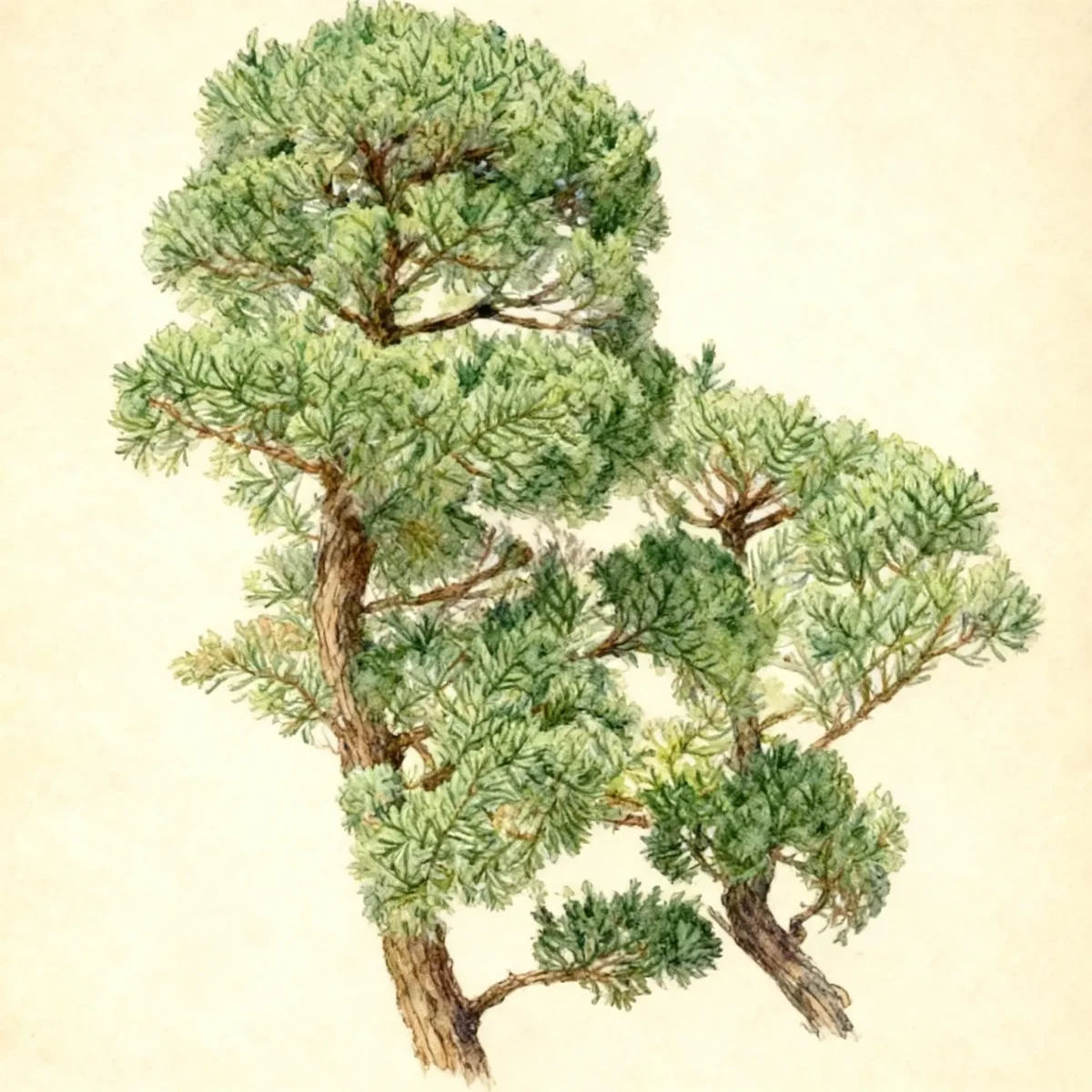
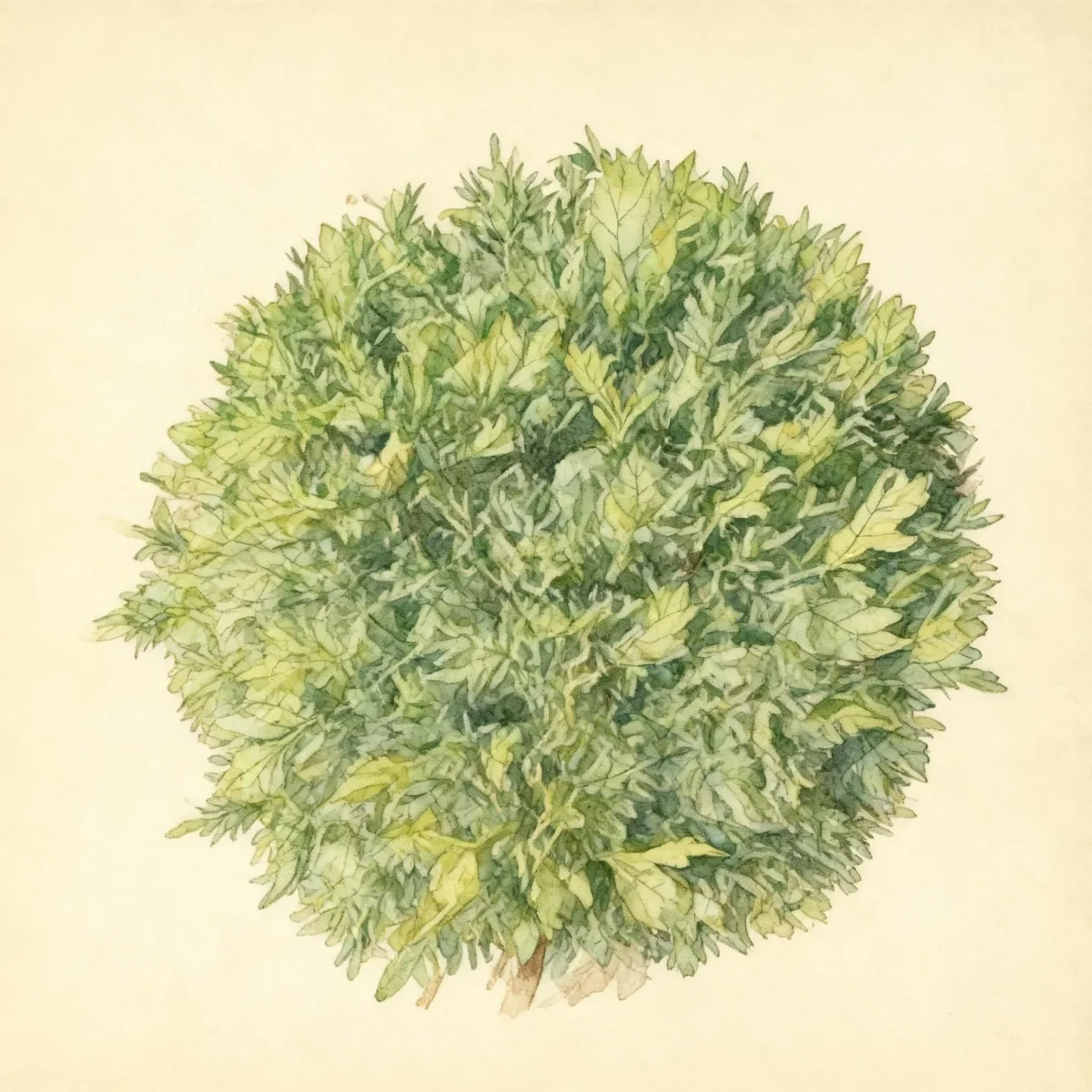
Chinese juniper (Juniperus chinensis 'Daniel's Dwarf')
Juniperus chinensis 'Daniel's Dwarf' is a slow-growing, dwarf Chinese juniper, perfect for rock gardens needing low-maintenance evergreen structure.
Scroll down to discover growing tips, care requirements, companion plants, and more
Complete Plant Information
Overview
Juniperus chinensis ‘Daniel’s Dwarf’ offers exceptional structure and year-round color in a compact, manageable size. This selected cultivar of the Chinese juniper is highly valued for its slow, dense, outward-spreading habit, making it an excellent anchor evergreen where space is limited or for detailed formal layouts. Its medium green foliage remains attractive throughout all four seasons, providing excellent texture contrast.
As a truly low-maintenance specimen, Chinese juniper forms a durable, spreading mound reaching only about two feet high. This attribute ensures that Juniperus chinensis ‘Daniel’s Dwarf’ fits well into smaller foundation plantings or rock gardens without rapidly outgrowing its designated space, making site selection easier for the home gardener.
Functionally, this dwarf conifer demonstrates impressive resilience against various challenging urban and garden conditions. Both deer and drought tolerance, combined with its ability to handle poor or polluted air, establish Juniperus chinensis ‘Daniel’s Dwarf’ as a reliable workhorse in difficult planting pockets.
Fast Facts
- Plant Family: Cupressaceae
- Plant Type: Needled evergreen
- Hardiness Zones: USDA Zones 4-9
- Size at Maturity:
- Height: 1.5-2 ft
- Spread: 1.5-3 ft
- Bloom Time: Non-flowering
- Bloom Description: Non-flowering
- Sun Exposure: Full sun
- Water Needs: Medium
- Maintenance Level: Low
How to Grow
The best time to plant Juniperus chinensis ‘Daniel’s Dwarf’ is typically in the spring or fall when the soil temperatures are moderate. Ensure the planting site provides full sun exposure, as insufficient light will lead to sparse growth and compromise the dense habit for which this Chinese juniper is prized. This conifer thrives in average garden soils, provided they are well-drained.
Once established, the water requirements are straightforward, requiring only medium moisture. While adaptable to drought conditions later on, consistent watering during the first growing season helps develop a robust root system. Avoid wet or soggy soils at all costs, as this variety is intolerant and susceptible to root rot, especially in heavy clay areas.
Maintenance for this dwarf cultivar is inherently low. Little to no structural pruning is usually necessary due to its perfectly sculpted, slow-growing nature. If trimming is required, perform it lightly right after new spring growth begins to maintain shape without sacrificing too much of the year’s texture.
Landscape Uses
The compact, spreading nature of the Chinese juniper makes it uniquely suited for rock gardens, where it can spill gracefully over stones, mimicking natural alpine growth patterns. Furthermore, its diminutive size, reaching just under two feet in height, allows it to be placed near home foundations without obscuring windows or walkways, unlike its towering relatives.
Consider using Juniperus chinensis ‘Daniel’s Dwarf’ as a dense, textural groundcover or as a low border element along pathways in contemporary or low-maintenance landscape designs. Its evergreen presence provides vital winter structure in mixed beds.
For companion planting, pair this slow-growing juniper with perennials and other shrubs that also enjoy full sun and well-drained conditions, such as Sedums, ornamental grasses, or low-growing dwarf conifers that offer contrasting foliage color (e.g., golden or blue varieties).
Standout Features
Noteworthy Characteristics
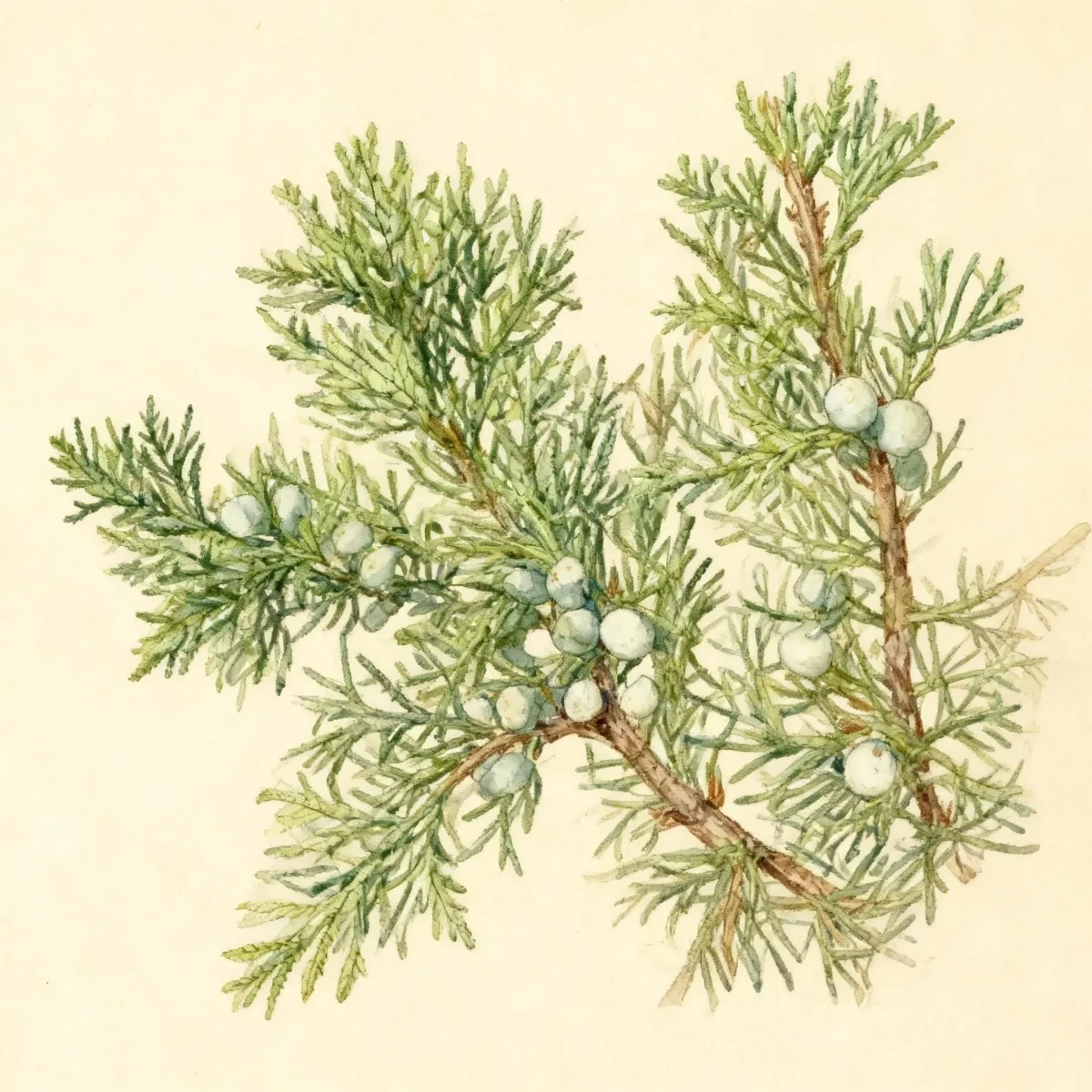
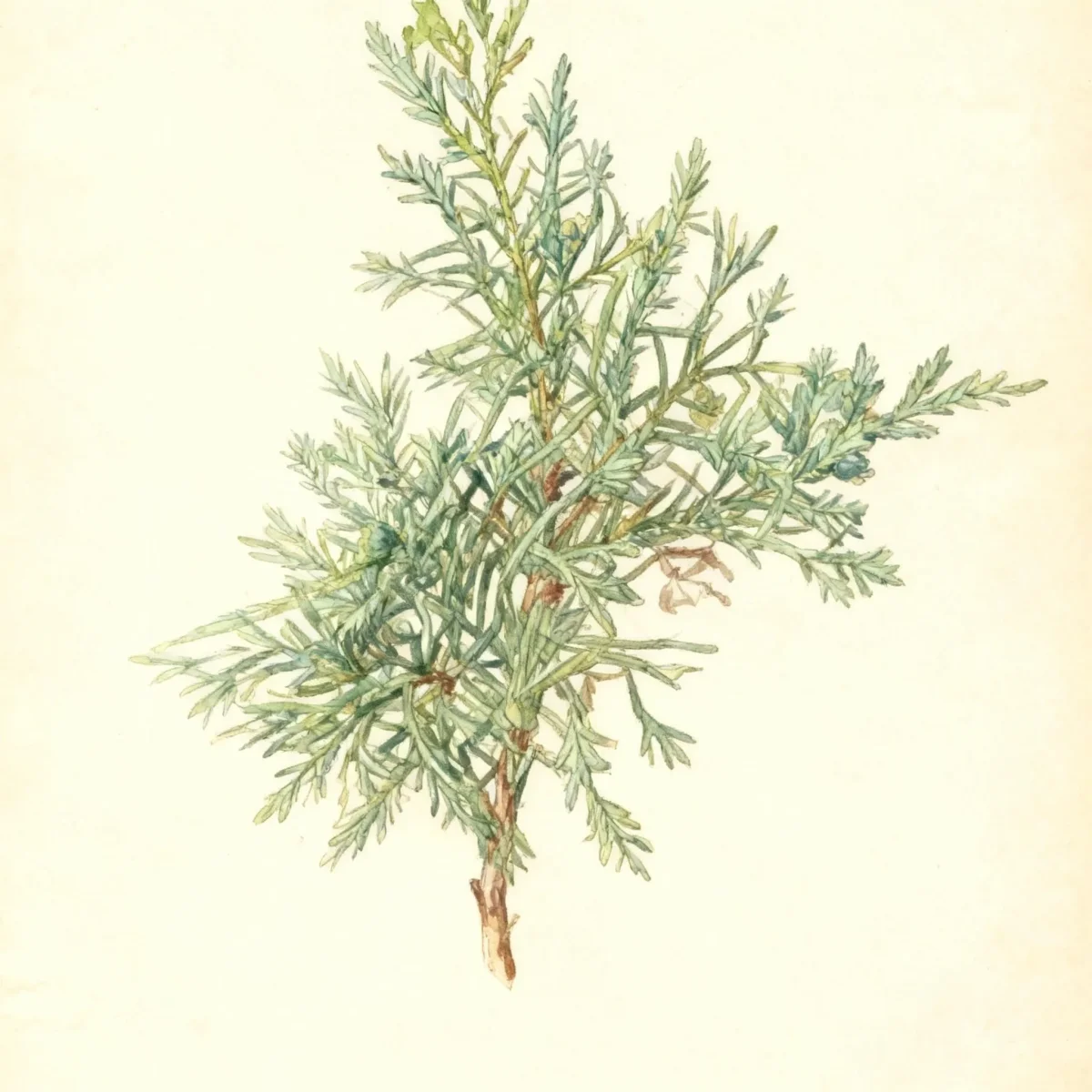
Juniperus chinensis, commonly called Chinese juniper, is a dioecious evergreen conifer that is native to China, Japan, Mongolia and the Himalayas. It is often seen in the wild as a conical tree to 50’ tall and 20’ wide, but also appears in much shorter shrubby or spreading forms. Foliage is dark green. Brown bark on mature stems peels in strips. Although species plants are rarely sold in commerce, a large number of cultivated varieties ranging in size from large trees to large/small shrubs to low-growing groundcovers have become popular ornamental landscape plants. Chinese juniper leaves come in two types: scale-like (adult) and awl/needle-like (juvenile). Cones (pollen and seed-bearing) appear on different plants. Male plants produce catkin-like pollen cones. Female plants produce fleshy, berry-like, whitish-blue seed cones that usually acquire violet-brown tones as they mature over two years.Genus name comes from the Latin name for the juniper.Specific epithet means of China.‘Daniel’s Dwarf’ is a dwarf, shrubby, outward-spreading form of Chinese juniper that grows slowly to only 18-24” tall. Medium green foliage is attractive year round.
Tolerances
- Deer
- Drought
- Erosion
- Dry Soil
- Shallow-Rocky Soil
- Air Pollution
Potential Problems
Junipers, including Juniperus chinensis ‘Daniel’s Dwarf’, generally require monitoring for fungal diseases like tip and needle blights. To prevent these, ensure excellent air circulation around the plant and avoid overhead watering, especially in humid conditions. Rust diseases, such as cedar-apple rust, also spend part of their lifecycle on junipers, requiring preventative fungicide application during vulnerable periods if rust is common in your area.
Poor drainage is the primary cultural culprit leading to root rot in Chinese juniper specimens. If your soil tends to hold water, incorporate coarse grit or compost before planting to improve aeration. Furthermore, watch for minor insect pests such as aphids or scale, which can usually be managed with horticultural oils or insecticidal soaps if infestations become heavy.
Frequently Asked Questions
What hardiness zones is Chinese juniper suitable for?
Juniperus chinensis ‘Daniel’s Dwarf’ is suited for USDA Hardiness Zones 4 through 9, offering adaptability across a wide climatic range.
How large does Juniperus chinensis ‘Daniel’s Dwarf’ grow?
This dwarf cultivar generally reaches a mature height between 1.5 and 2 feet tall, with a spread ranging from 1.5 to 3 feet wide.
What sun exposure does Chinese juniper need?
Juniperus chinensis ‘Daniel’s Dwarf’ requires full sun conditions to maintain its dense, attractive form and color.
When does Chinese juniper bloom?
This species is categorized as non-flowering, as it produces cones rather than traditional ornamental flowers; the foliage itself is the primary visual feature.
Conclusion
Juniperus chinensis ‘Daniel’s Dwarf’ is an invaluable, slow-growing evergreen choice for gardeners seeking reliable structure and minimal upkeep. The durable, low-spreading habit of this Chinese juniper shines in rockeries and foundation plantings alike. Check your local hardiness rating and ensure sharp drainage before planning your installation this season.
Companion Planting with Dwarf Conifers
When designing beds featuring Juniperus chinensis ‘Daniel’s Dwarf’, consider complementing its medium-green texture with contrasting foliage colors and shapes. Dwarf Mugo Pines or certain low-growing Chamaecyparis (False Cypress) varieties introduce textural differences and, often, contrasting golds or blues that enhance the visual interest of the dwarf Chinese juniper.
Select companions that share the same requirements for full sun and excellent drainage. Plants like ornamental grasses, such as low-growing varieties of Festuca glauca (Blue Fescue), harmonize well without competing aggressively for resources or overwhelming the slow-growing Juniperus chinensis ‘Daniel’s Dwarf’.
Seasonal Care Calendar
For spring preparation, a light application of a slow-release, balanced fertilizer formulated for acid-loving or evergreen plants can benefit the Chinese juniper, though this is often unnecessary due to its low-maintenance profile. This is also the ideal time for any minor shaping or removal of winter-damaged tips.
Summer care centers almost entirely around watering practice; ensure deep, infrequent watering until the plant is fully established (the first year or two). In autumn and winter, focus on preventing harsh dehydration during dry winter spells, especially if snow cover is intermittent, to protect the foliage of your Juniperus chinensis ‘Daniel’s Dwarf’ from winter burn.