Flowering crabapple (Malus 'Louisa')
Discover Malus 'Louisa', a low-maintenance, weeping Flowering crabapple tree boasting pink spring blossoms and persistent, edible fruit.
Scroll down to discover growing tips, care requirements, companion plants, and more
Complete Plant Information
Overview
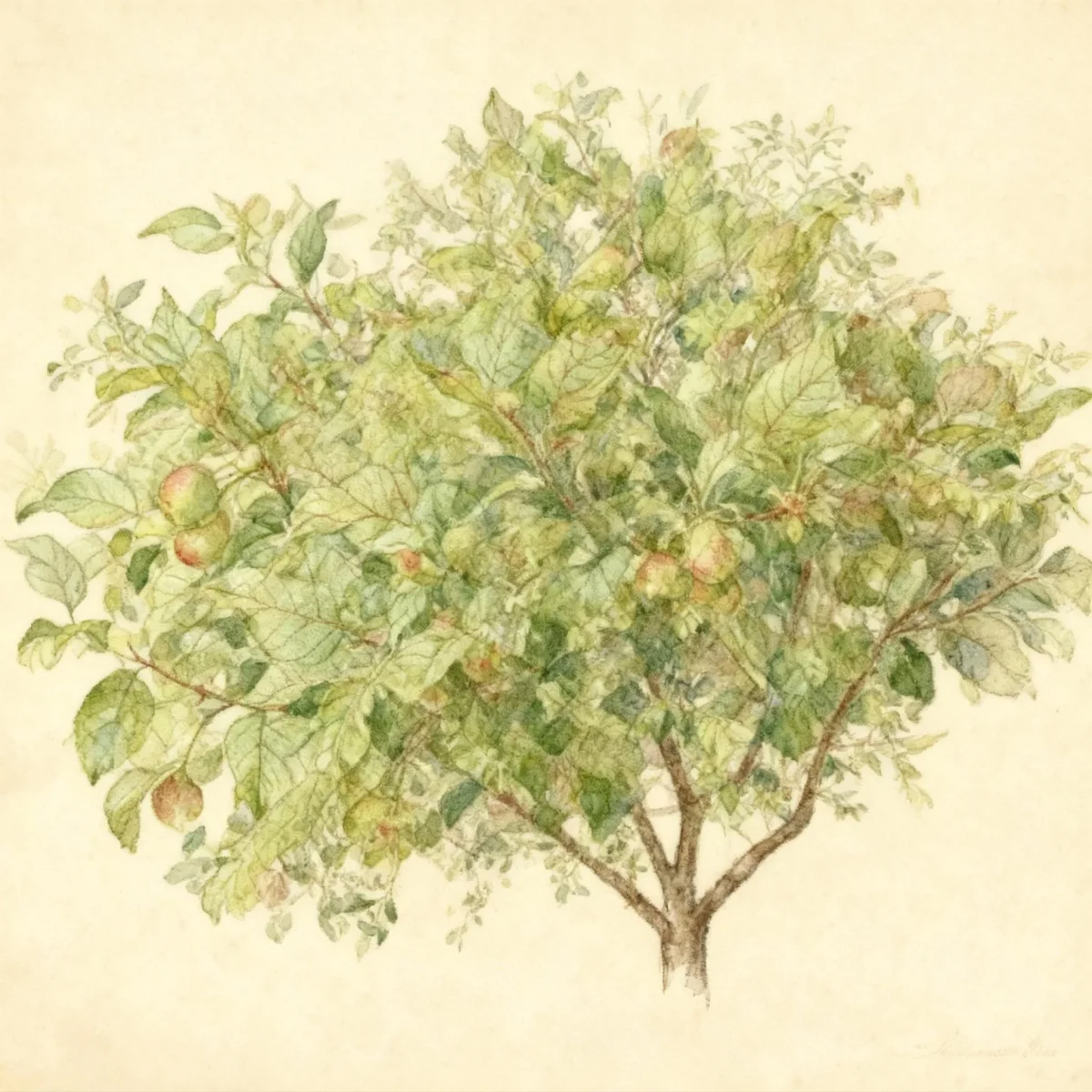
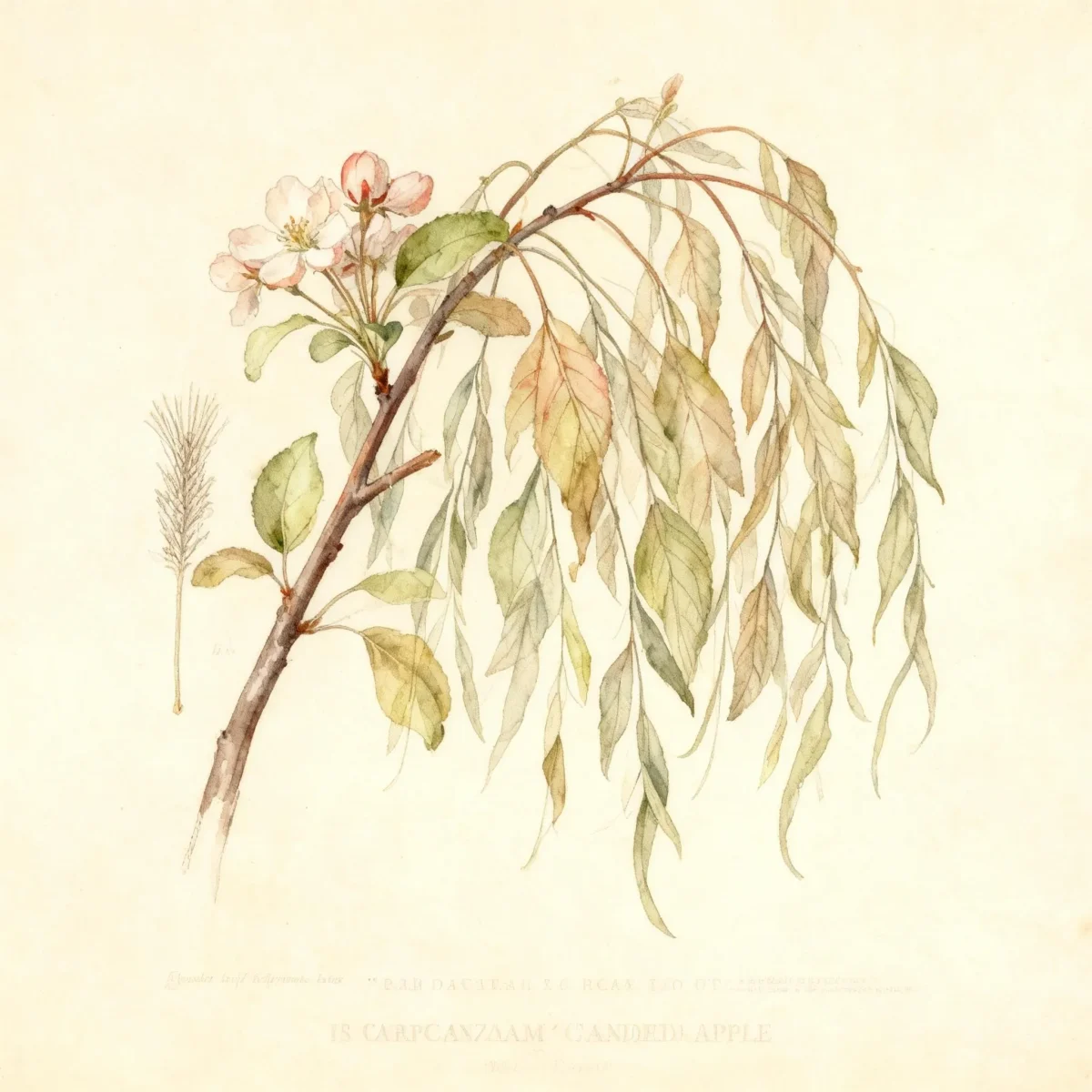
Malus ‘Louisa’ is a standout specimen tree recognized for its gracefully weeping form, making it an exceptional focal point in any landscape. This Flowering crabapple matures into a broad, low-cascading display, offering significant visual interest from its spring blooms to its persistent fall fruit. Home gardeners value the Malus ‘Louisa’ for its relatively low maintenance requirements coupled with its extended season of appeal.
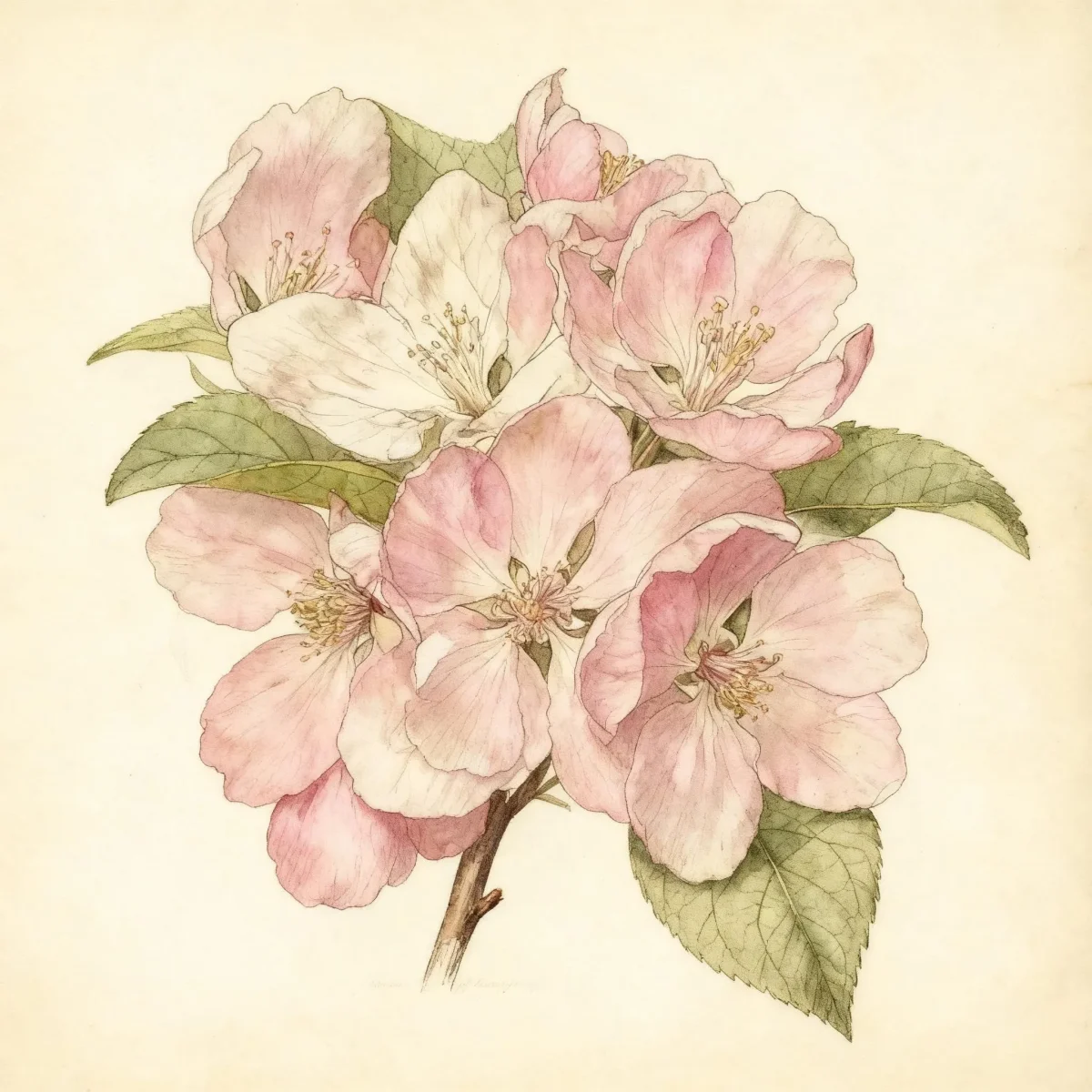
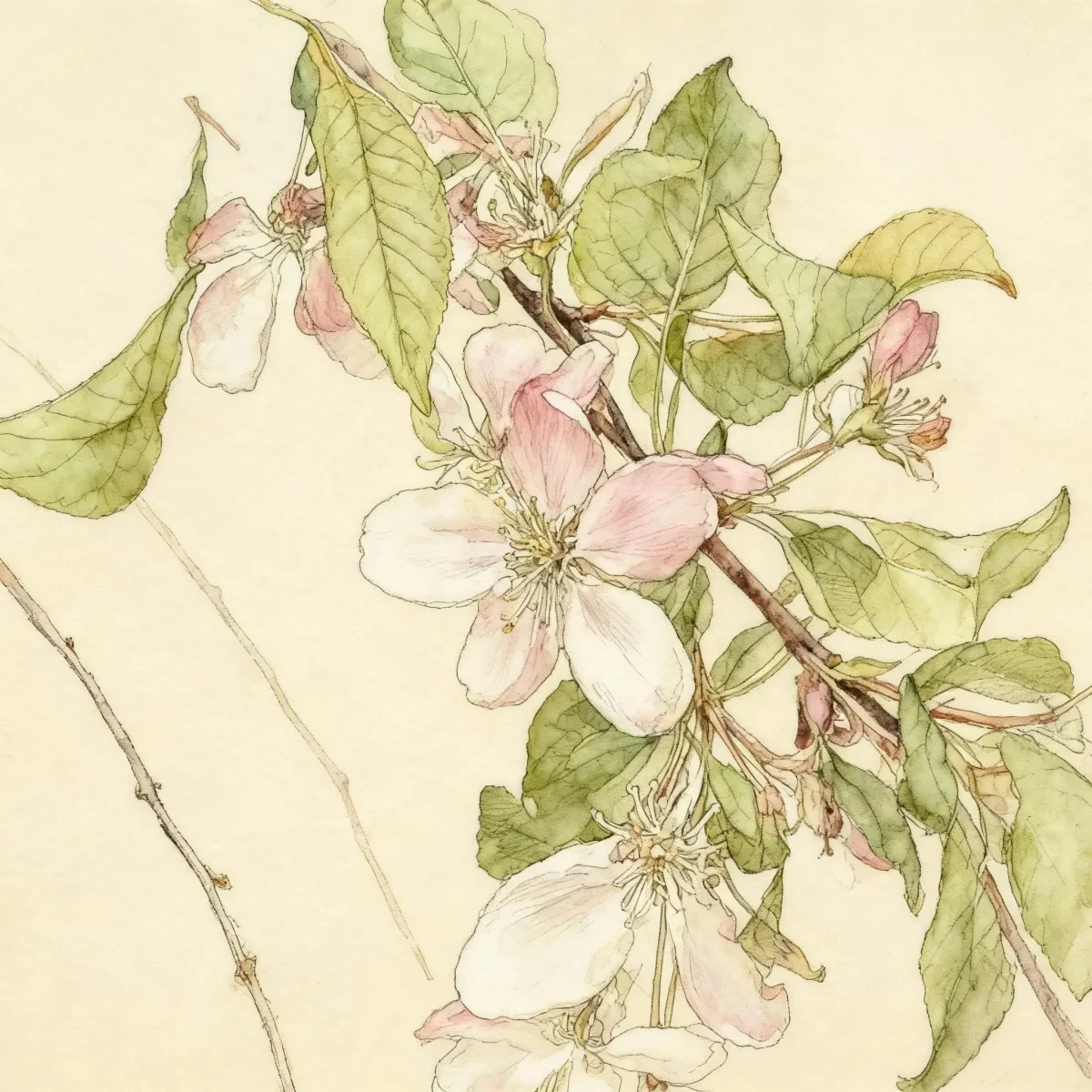
The tree produces single, fragrant pink flowers starting in April, which attract beneficial pollinators like bees. Following flowering, small, lopsided crabapples develop, maturing to yellow with a rose blush that often lingers well into the winter months, providing valuable winter interest. Its adaptable nature and good disease resistance further cement the reputation of this Flowering crabapple as a dependable landscape feature.
Fast Facts
- Plant Family: Rosaceae
- Plant Type: Tree
- Hardiness Zones: USDA Zones 4-8
- Size at Maturity:
- Height: 12-15 ft
- Spread: 12-15 ft
- Bloom Time: April
- Bloom Description: Pink
- Sun Exposure: Full sun
- Water Needs: Medium
- Maintenance Level: Low
How to Grow
The Malus ‘Louisa’ thrives best when planted in full sun, ensuring the best flower and fruit production. This Flowering crabapple adapts well to a wide range of soils but performs optimally in medium moisture, well-drained, acidic loams. Proper planting depth is crucial to avoid smothering the root flare, which is common for many landscape trees.
Water established trees moderately; while they develop some drought tolerance once mature, consistent watering during dry spells, especially in the first few years, supports vigorous growth. Fertilization is rarely necessary if the existing soil is adequate, as too much nitrogen can encourage overly dense, weak growth. Focus cultural efforts on preventative care rather than aggressive feeding.
Pruning for Malus ‘Louisa’ should be done judiciously in late winter when the plant is dormant. Avoid any spring pruning, as fresh cuts create entry points for the fireblight bacterium. Prune only to remove crossing, damaged, or dead wood to maintain the weeping structure without compromising the tree’s health.
Landscape Uses
The weeping habit of Malus ‘Louisa’ makes it superb as a specimen or accent planting, drawing the eye immediately to its distinctive shape. Plant it in a location where its low, cascading branches can spread naturally, perhaps near a patio edge or over a retaining wall to soften hard lines. This tree is also excellent when planted in small groupings to create a textured screen without significant height.
General landscape use benefits from incorporating plants that complement the structure and bloom time. Consider pairing the pink spring flowers of this Flowering crabapple with early spring bulbs or later-blooming shrubs to extend color interest across the growing season. Its semi-persistent, colorful fruit provides texture when many other plants are dormant.
Standout Features
Flower Qualities
- Showy
Fruit Qualities
- Showy
- Edible
Noteworthy Characteristics
The genus Malus includes about 35 species of deciduous trees and shrubs native to Europe, Asia, and North America, with the genus name derived from the ancient Latin word for apple. Malus ‘Louisa’ is specifically prized for its weeping character, maturing to 12-15 feet tall and wide, with branches cascading toward the ground. Its spring flowers are single, fragrant, and pink, followed by small, lopsided crabapples that mature to shades of yellow with a rose blush, persisting into winter and attracting birds.
Tolerances
- Air Pollution
Potential Problems
While this cultivar boasts good disease resistance compared to other crabapples, gardeners should still monitor for common issues. The primary fungal diseases affecting the genus include scab, rusts, leaf spot, and powdery mildew. Insect pests like aphids, scale, and Japanese beetles occasionally cause cosmetic damage.
Prevention is key; ensure good air circulation around Malus ‘Louisa’ by avoiding overly dense planting and adhering to correct late-winter pruning schedules. If fungal issues appear, application of recommended fungicides early in the season can manage outbreaks effectively. Address severe insect infestations with targeted, least-toxic treatments as soon as damage is noticed.
Frequently Asked Questions
What hardiness zones is Flowering crabapple suitable for?
Malus ‘Louisa’ is well-suited for USDA Hardiness Zones 4 through 8.
How large does Malus ‘Louisa’ grow?
This weeping variety typically reaches a mature height between 12 and 15 feet, with an equal spread of 12 to 15 feet.
What sun exposure does Flowering crabapple need?
The Malus ‘Louisa’ requires full sun exposure to maximize its flowering potential and overall vigor.
When does Malus ‘Louisa’ bloom?
This tree produces its signature pink blooms during the month of April.
Conclusion
The Malus ‘Louisa’ offers gardeners a unique architectural element with its strong weeping structure and reliable spring pink blossoms, making it a worthwhile addition to many settings. Its low maintenance profile and attractive persistent fruit add seasonal value throughout the year. Before planting, confirm that your site provides full sun and check your local USDA zone compatibility for this beautiful Flowering crabapple.
Wildlife Benefits
The flowers of the Malus ‘Louisa’ are noted as being attractive to bees, providing an important early-season nectar source when they bloom in April. Later in the year, the small, persistent crabapples are attractive to birds who feed on the fruit well into the winter months. Planting this cultivar helps support local pollinator populations and provides beneficial late-season food for avian wildlife in your yard.
Pruning for Structure and Health
Because the branches of Malus ‘Louisa’ tend to cascade near or along the ground, prudent pruning is necessary to maintain necessary clearance and air flow. Perform this maintenance during late winter, cutting back to outward-facing buds to encourage healthy growth patterns that complement the weeping habit. Never prune in spring, as fresh wounds are susceptible to harboring pathogens like fire blight, which can severely damage or kill sections of the tree.