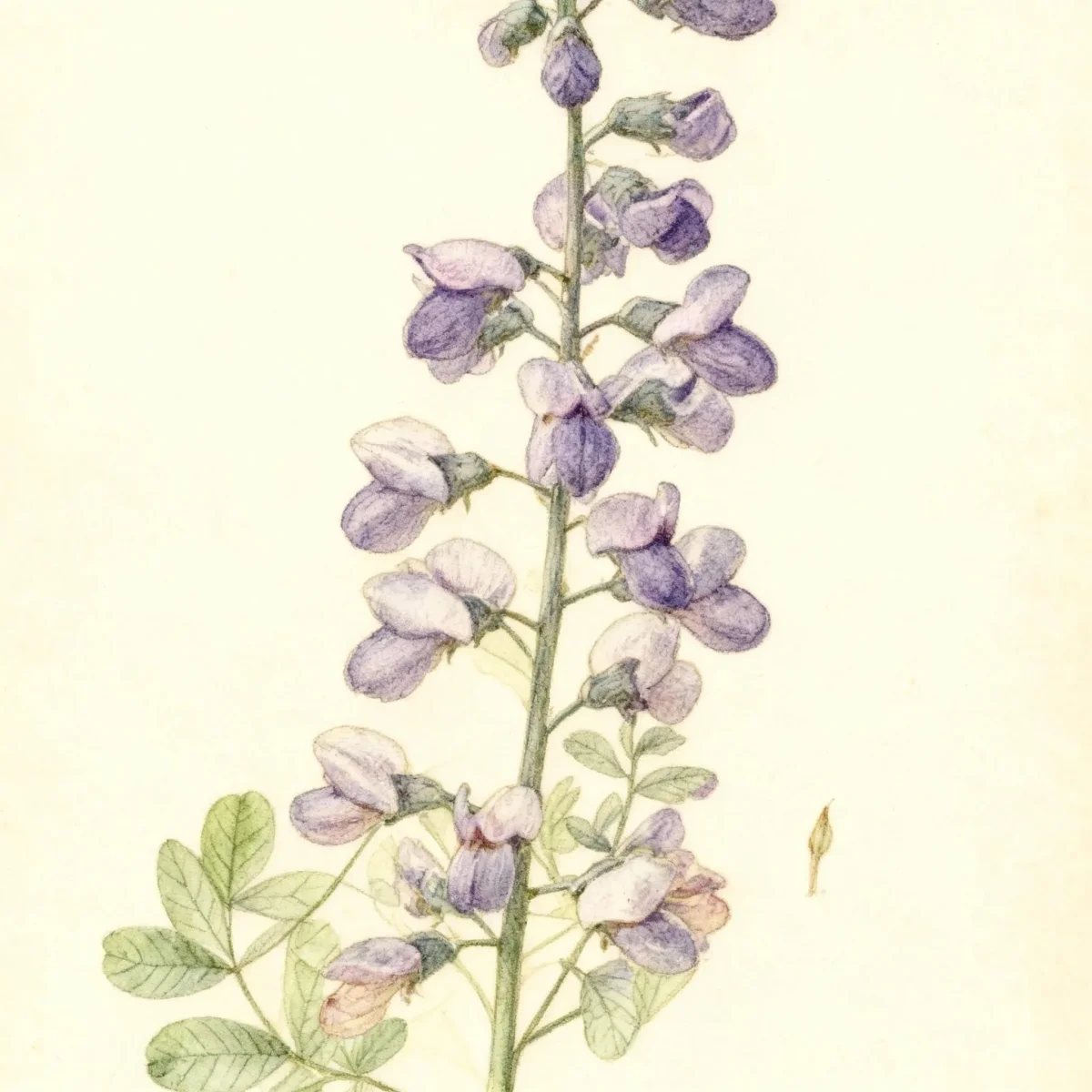
Bush clover (Lespedeza bicolor 'Little Buddy')
Lespedeza bicolor 'Little Buddy' (Bush clover) is a compact, low-maintenance shrub offering attractive purple blooms in late summer.
Scroll down to discover growing tips, care requirements, companion plants, and more
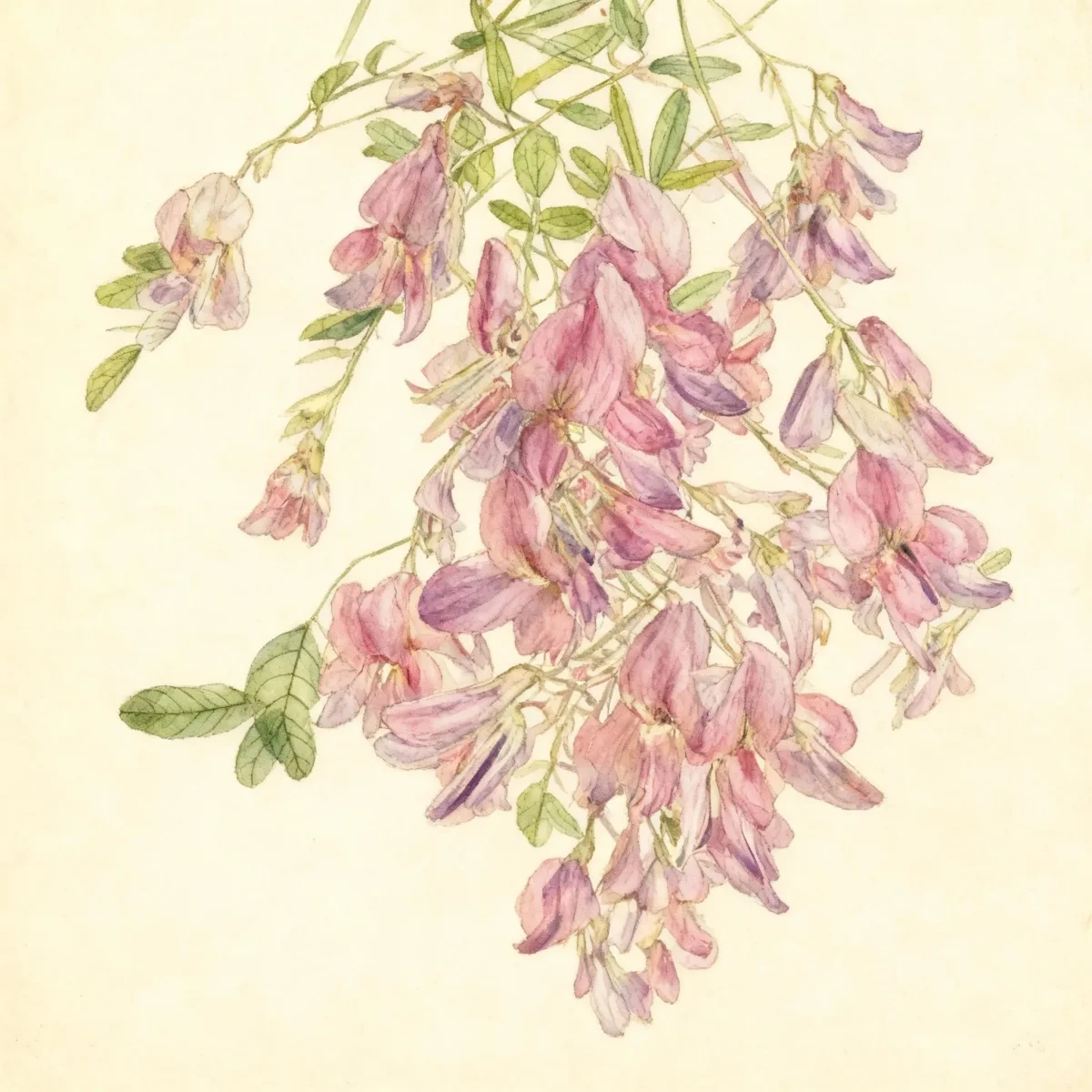
Complete Plant Information
Overview
Lespedeza bicolor ‘Little Buddy’ offers gardeners a wonderful option for reliable late-season color in a manageable size. This cultivar of Bush clover is valued for its dense, upright habit, making it far less sprawling than the species form. It provides welcome visual interest when many other shrubs are fading, thanks to its profusion of attractive flowers.
As a compact deciduous shrub, Lespedeza bicolor ‘Little Buddy’ typically reaches only 2 to 3 feet tall and wide. This small stature makes it perfect for front-of-border placement or smaller garden spaces where the larger species might overwhelm the area. It tolerates a range of conditions, provided good drainage is available.
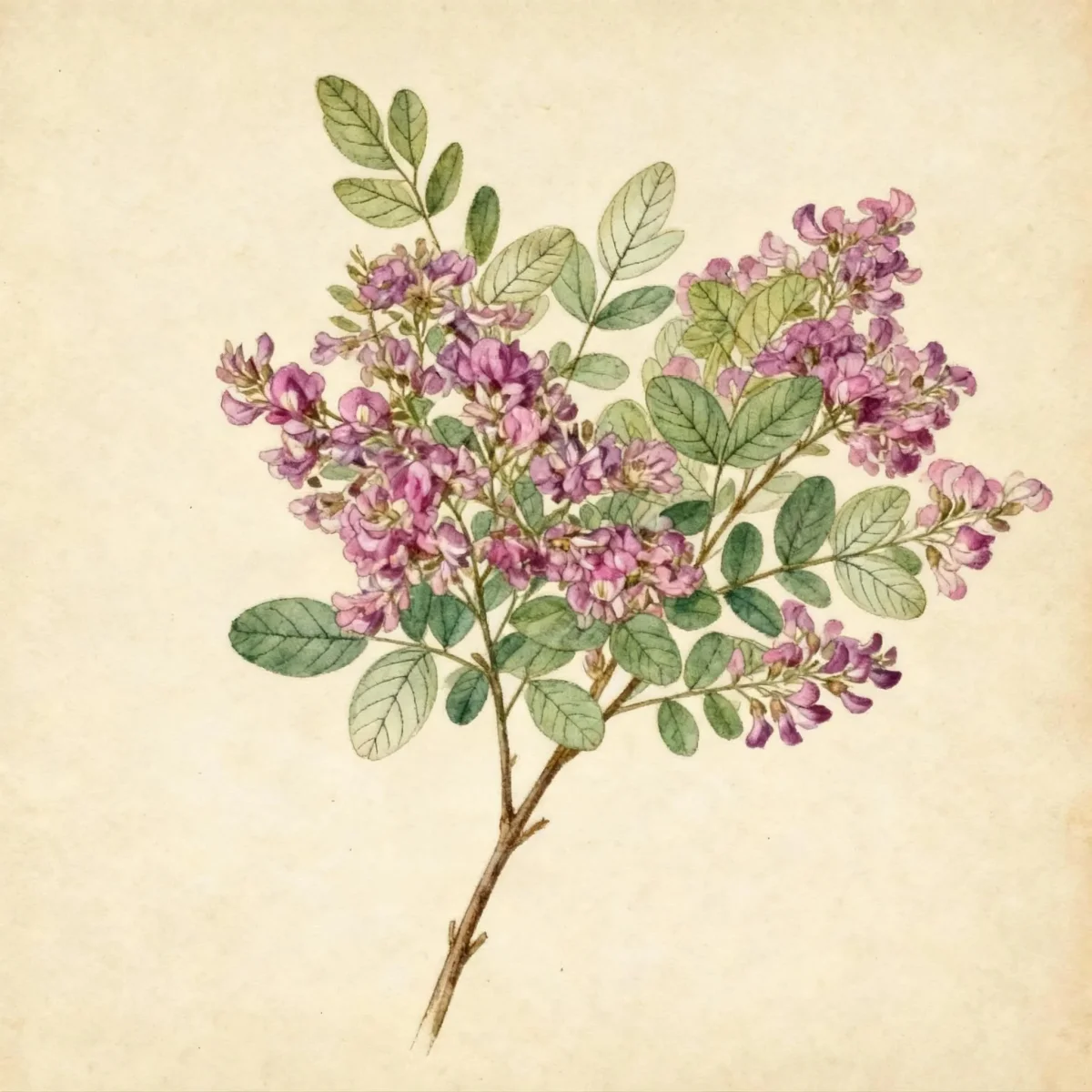
The primary appeal of this Bush clover lies in its late summer bloom when purple, pea-like flowers emerge, contrasting nicely with its dark green trifoliate foliage. Its low maintenance requirements and drought tolerance make Lespedeza bicolor ‘Little Buddy’ a highly practical choice for sustainable and low-effort landscaping.
Fast Facts
- Plant Family: Fabaceae
- Plant Type: Deciduous shrub
- Hardiness Zones: USDA Zones 4-8
- Size at Maturity:
- Height: 2-3 ft
- Spread: 2-3 ft
- Bloom Time: August to September
- Bloom Description: Purple
- Sun Exposure: Full sun to part shade
- Water Needs: Dry to medium
- Maintenance Level: Low
How to Grow
Planting Lespedeza bicolor ‘Little Buddy’ is best achieved in spring after the danger of hard frost has passed, though fall planting in milder climates is also acceptable. This plant excels in average, medium, well-drained soil. Although it tolerates poor soil, good drainage is absolutely essential for long-term success. Locate it where it receives full sun to encourage the best flowering, though partial shade is tolerated.
Care for this Bush clover is straightforward due to its low maintenance needs and excellent drought tolerance once established. Avoid constantly moist soil, as this can lead to root issues. Fertilizing is generally unnecessary, especially if the plant is sited in average or infertile soils where it naturally thrives.
A key cultural practice for Lespedeza bicolor ‘Little Buddy’ involves pruning, as it blooms reliably on new growth. Prune back hard in late winter or very early spring, cutting stems close to the ground, especially in colder zones where the top growth might have died back during harsh winters. This annual rejuvenation acts like treating it as an herbaceous perennial, ensuring a fresh flush of blooming wood for the summer display.
Landscape Uses
Lespedeza bicolor ‘Little Buddy’ is versatile, serving well in defined borders or mass plantings where its late-season texture and color can be appreciated. Due to its historical use on slopes, it remains highly effective in naturalized areas or on banks where erosion control is a concern. Its compact size allows it to be massed effectively to create a uniform drift of purple in late summer.
Consider using this Bush clover near structures or walkways where the upright, vase-like habit of the new growth can be easily admired. It pairs beautifully with late-blooming perennials that share its preference for dryness, such as Sedums, Russian Sage, or certain ornamental grasses that provide contrasting foliage textures.
For woodland gardens, place it on the edge where it can benefit from full sun exposure while still benefiting from the dappled shade provided by taller deciduous trees during the hottest part of the day. Its suitability for dry soil makes it an excellent component for rock gardens or xeriscapes looking for reliable summer color.
Standout Features
Flower Qualities
- Showy
Noteworthy Characteristics
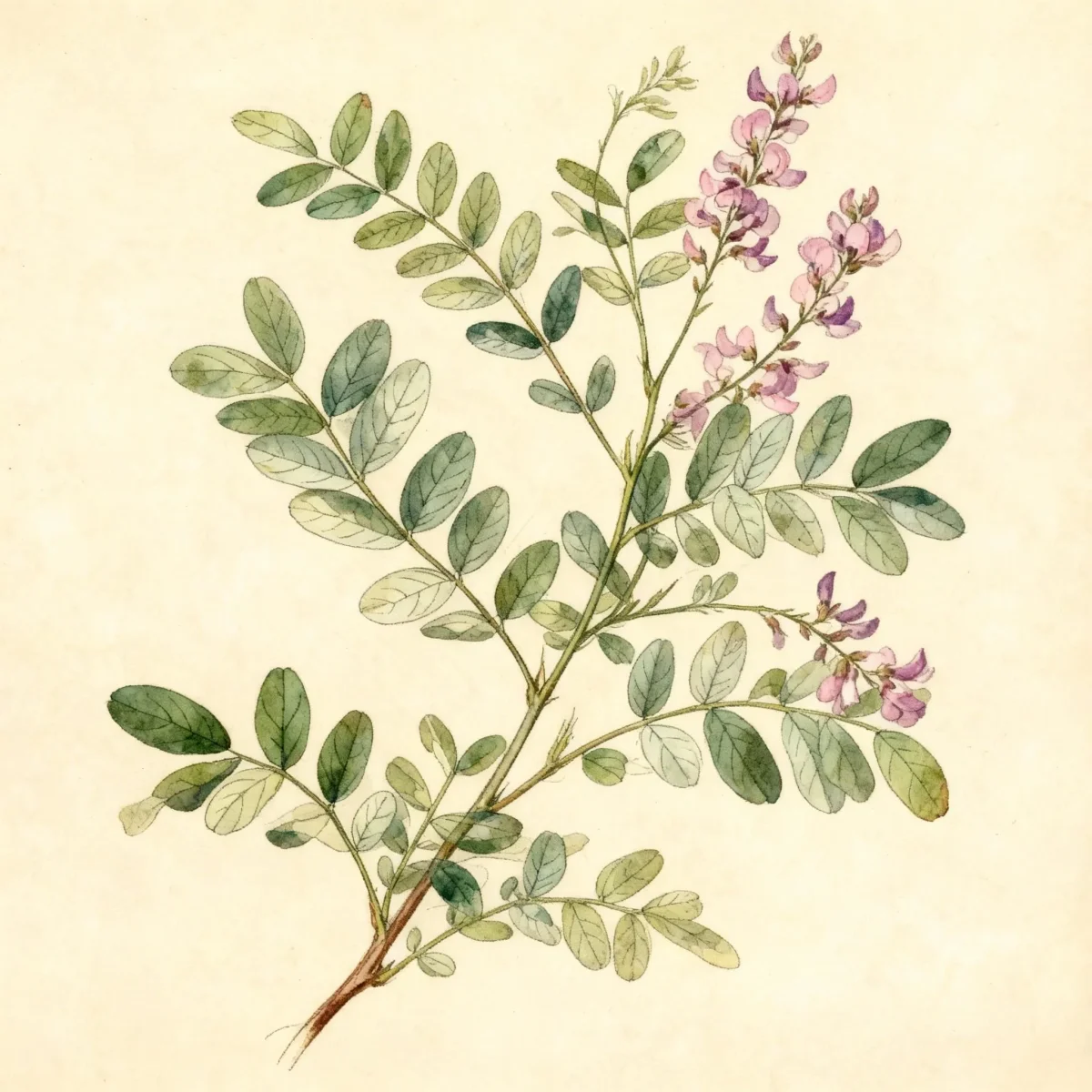
Lespedeza bicolor, commonly called bush clover, is a loose, open, deciduous shrub or sub-shrub which typically grows 5-10’ tall and as wide. If cut to the ground in late winter, it will rapidly grow to 5’ tall in a single growing season. Features trifoliate, dark green leaves (elliptic leaflets to 2” long) and erect racemes (to 5” long) of rose-purple, pea-like flowers which bloom both at the stem tips and in the upper leaf axils in late summer. Flowers are followed by small, flat, rounded to elliptic, one-seeded pods (to 1/3” long). Although native to China and Japan, this shrub was introduced into the U.S. In the mid 1800s and was at one point commonly planted on banks and slopes to help control erosion. It has naturalized in many parts of the southeastern U.S. Where it is now considered to be an invasive plant in many areas, particularly in southeastern forests. Birds and animals help disburse the seeds.Genus name honors Vincente Manuel de Cespedes, Spanish Governor of West Florida from 1784 to 1790.Specific epithet means of two colors.‘Little Buddy’ is a compact form that grows upright to 3’ tall. It features a less aggressive growth rate than the species. Pea-shaped flowers are an attractive purple and bloom in summer. Trifoliate leaves are dark green changing to yellow in fall. ‘Little Buddy’ is sometime sold in commerce as a cultivar of Lespedeza thunbergii
Tolerances
- Drought
- Erosion
- Dry Soil
Potential Problems
This cultivar exhibits a notable benefit: there are generally no serious insect or disease problems reported for Lespedeza bicolor ‘Little Buddy’. This fact contributes significantly to its low maintenance profile in the landscape. Gardeners should focus primarily on proper siting—ensuring excellent drainage—rather than pest management.
In colder reaches of its range (Zone 4), the top growth may appear dead after harsh winter snaps. This is normal; simply cut the woody stems back severely in early spring. Avoid anxious digging or removal until new spring growth verifies viability, as the roots remain hardy well below freezing.
Frequently Asked Questions
What hardiness zones is Bush clover suitable for?
Lespedeza bicolor ‘Little Buddy’ is reliably hardy in USDA Zones 4 through 8.
How large does Lespedeza bicolor ‘Little Buddy’ grow?
This compact cultivar matures to a height and spread between 2 and 3 feet, making it significantly smaller than the species.
When does Bush clover bloom?
This plant provides beautiful purple blooms late in the season, typically from August through September.
What sun exposure does Lespedeza bicolor ‘Little Buddy’ need?
It performs best in full sun but can tolerate partial shade, though flowering may be reduced in shadier locations.
Conclusion
The compact size, drought resistance, and late-season purple flowers ensure that Lespedeza bicolor ‘Little Buddy’ earns its place in modern gardening. This reliable Bush clover offers aesthetic appeal with minimal fuss, provided you meet its core need for well-drained soil. Check your local climate to confirm suitability within USDA Zones 4-8 and plan your late winter pruning schedule now for the best summer show.
Companion Planting
Selecting companions whose needs align with the dry, sunny requirements of Lespedeza bicolor ‘Little Buddy’ will ensure a cohesive, thriving planting scheme. Look for other drought-tolerant, low-maintenance sun lovers common in prairie or meadow-style plantings. Good partners include flowering herbs or sturdy perennials that don’t demand consistent moisture through the summer months.
Many ornamental grasses thrive under similar conditions, providing excellent textural contrast to the fine, trifoliate leaves of the Bush clover. Consider weaving it through native grasses or using low-growing varieties of switchgrass that won’t compete aggressively for resources. Allowing Lespedeza bicolor ‘Little Buddy’ to naturalize slightly can create soft transitions between beds and lawn areas.
Avoid placing it near moisture-hungry plants such as hostas or many types of hydrangeas, as the excess watering required by those plants will negate the drought tolerance of the Lespedeza. A design focused on maximizing drainage will keep both the Bush clover and its neighbors healthy from summer drought to winter dormancy.
Wildlife Benefits
While the main text notes that birds and animals help disperse seeds, the late-season blooms of Lespedeza bicolor ‘Little Buddy’ offer significant ecological advantages when nectar sources are dwindling elsewhere. The pea-like flowers provide a valuable late resource for native pollinators, continuing to support local bee and butterfly populations into early autumn.
Because this Bush clover blooms in late summer when many early-season flowers are finished, it helps bridge the late-season food gap. Bees can rely on this reliable purple nectar source as they prepare for winter or when raising late broods.
Planting Lespedeza bicolor ‘Little Buddy’ en masse creates a substantial landing zone for pollinators. By selecting native or native-derived cultivars known for supporting local wildlife, gardeners enhance their landscape’s overall biodiversity footprint while enjoying extremely low maintenance.