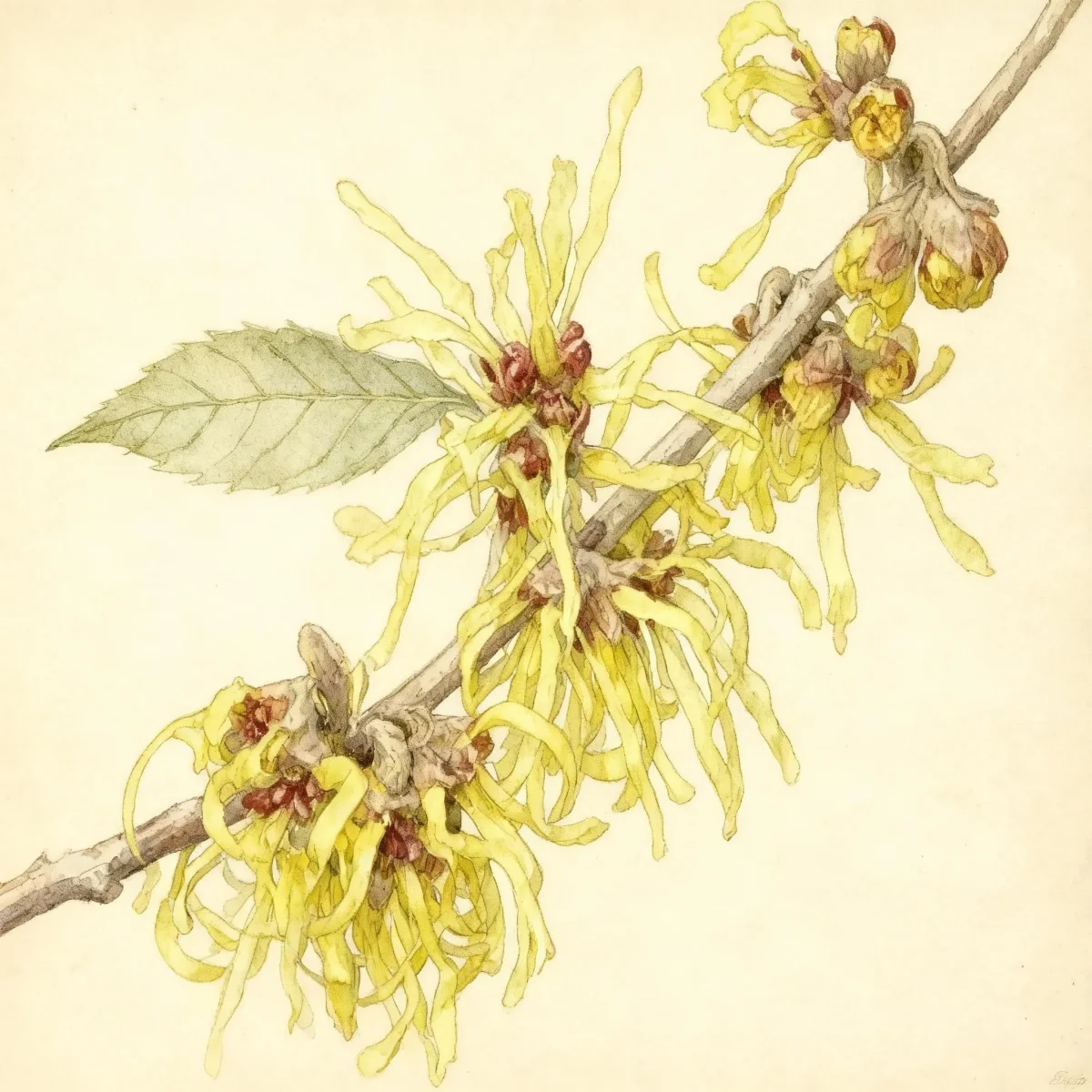
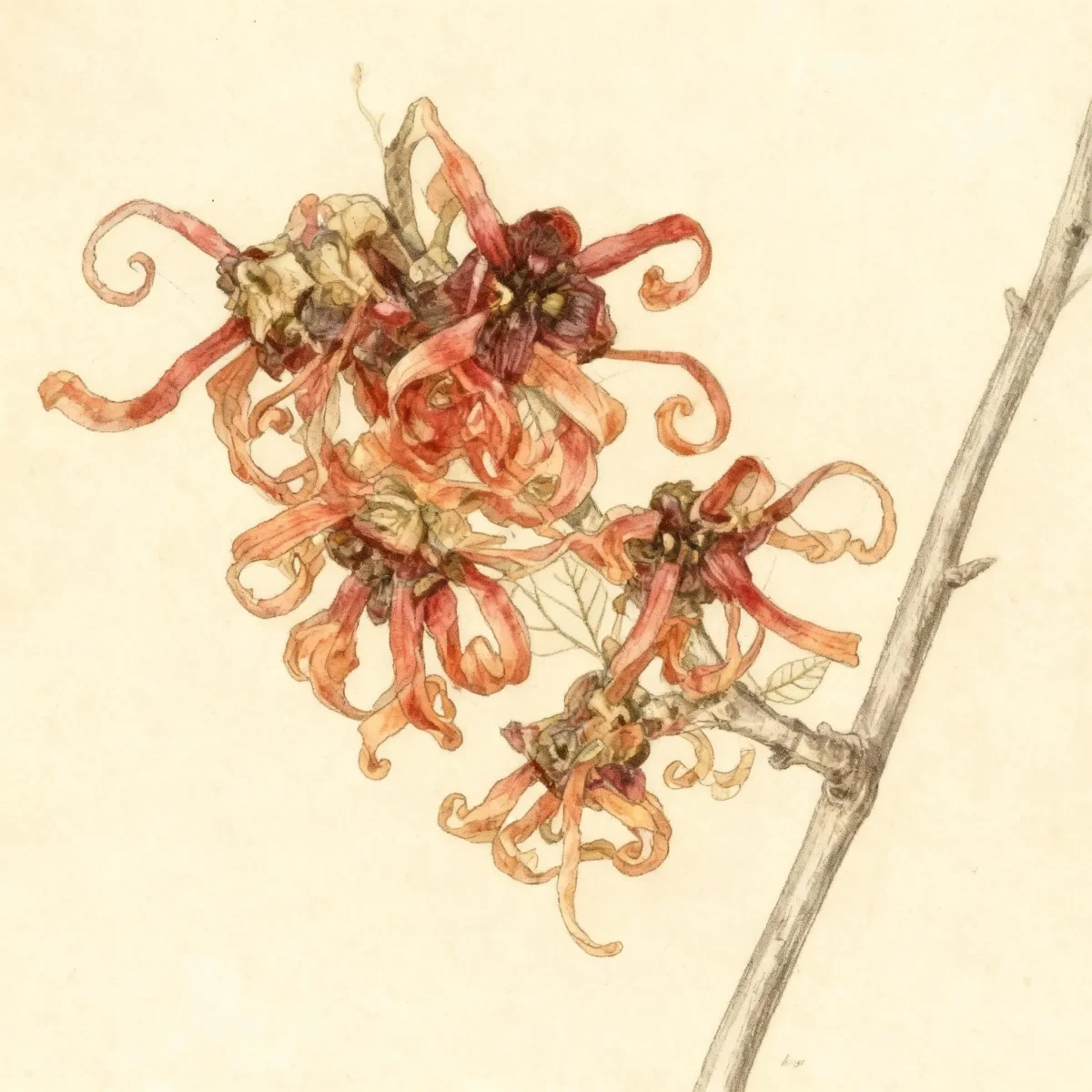
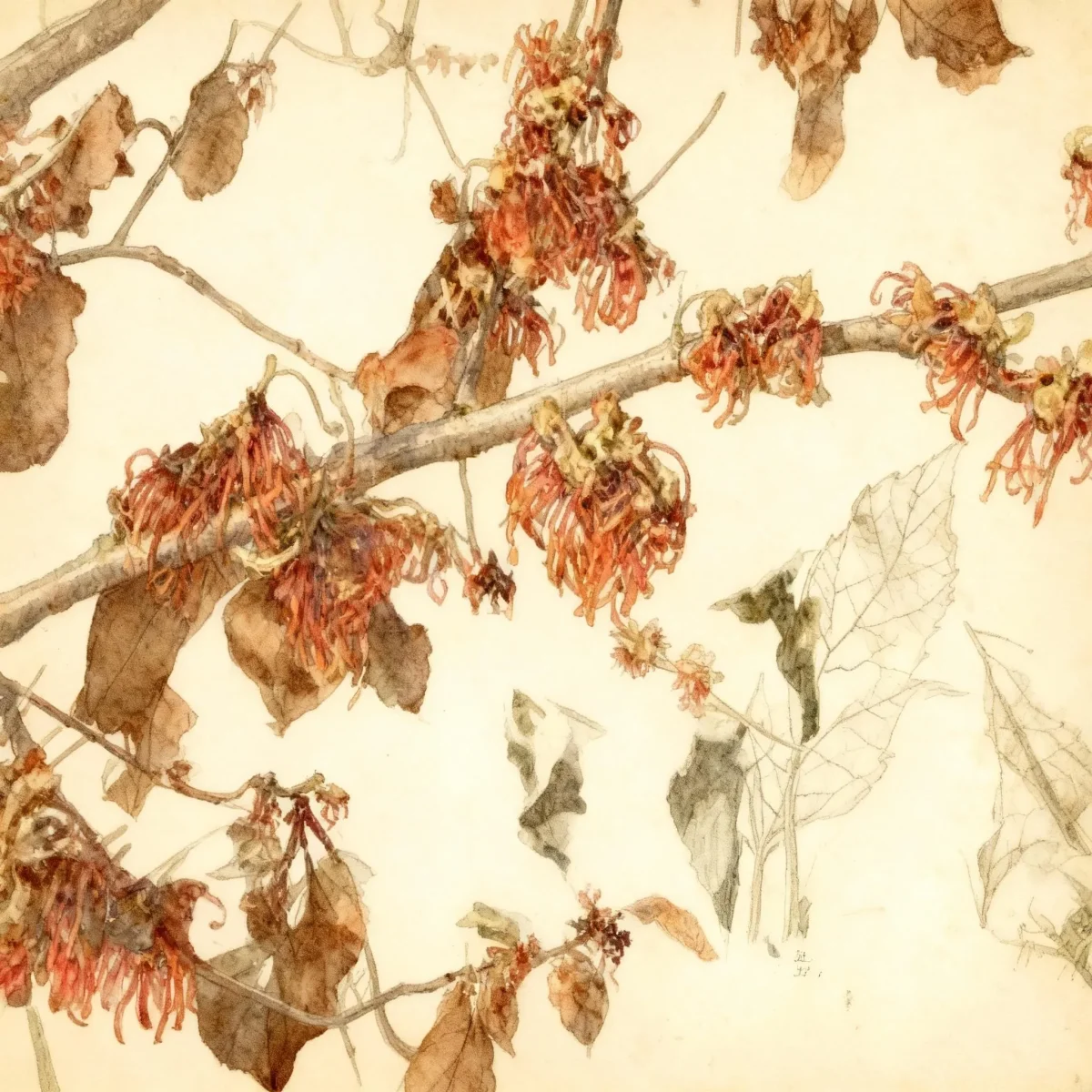
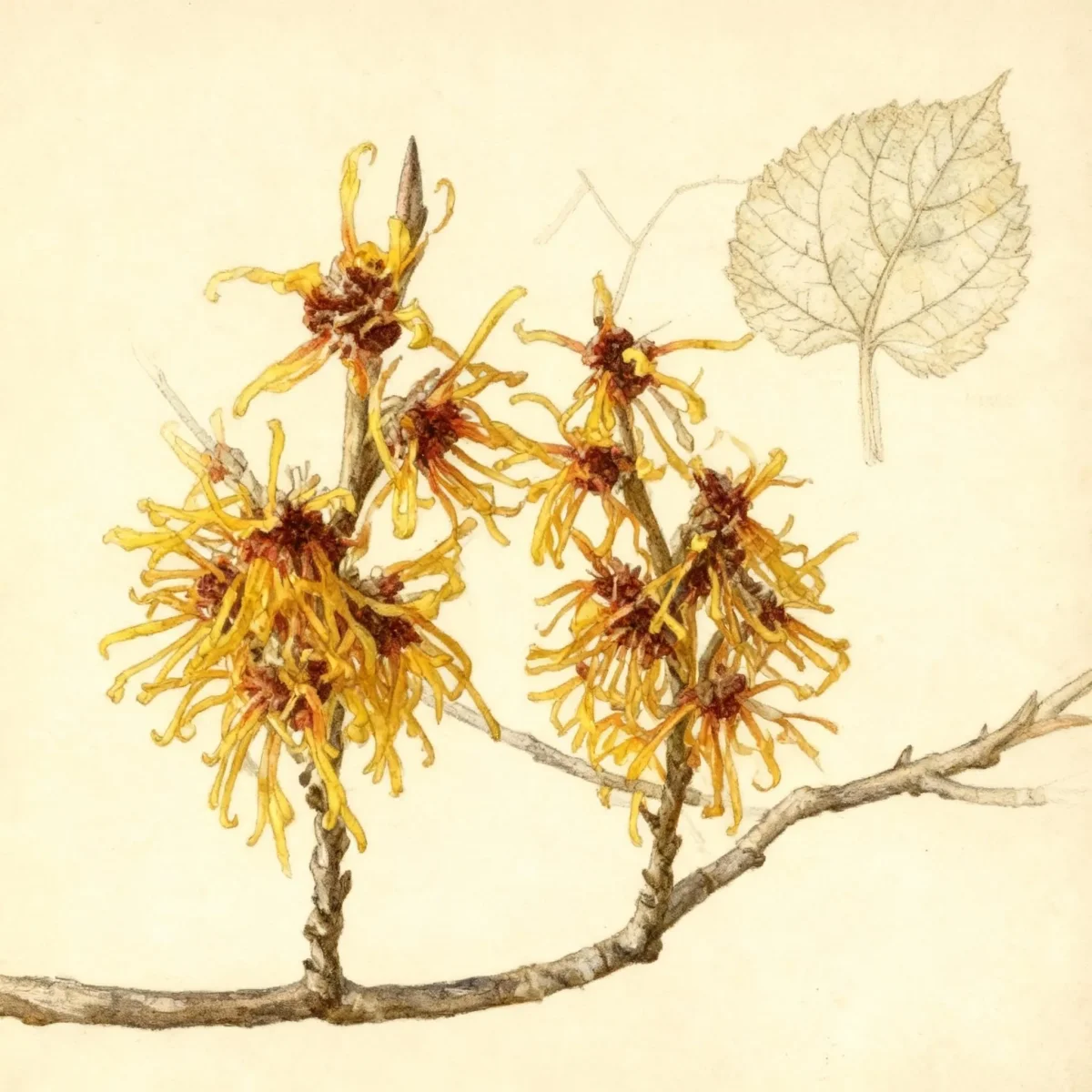
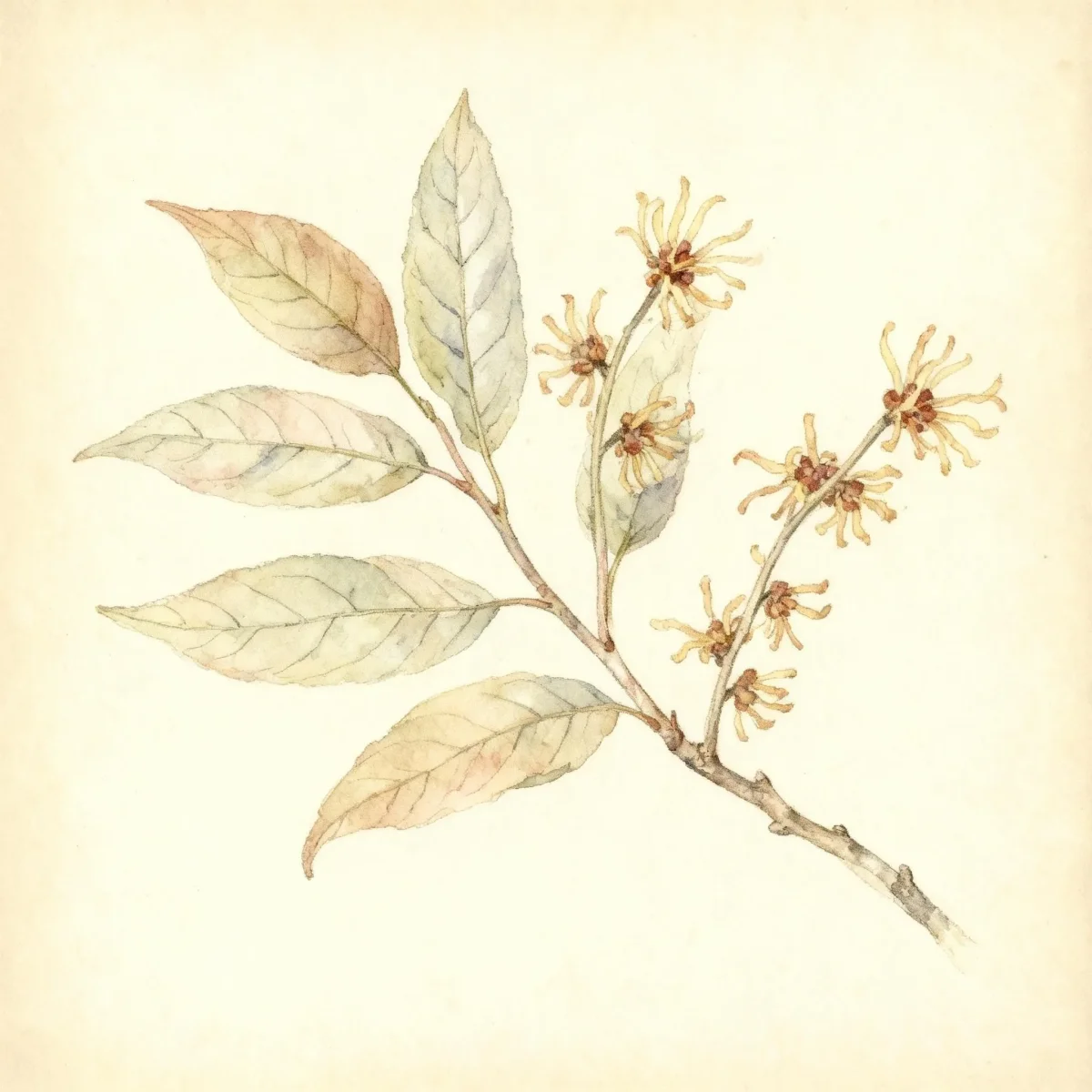
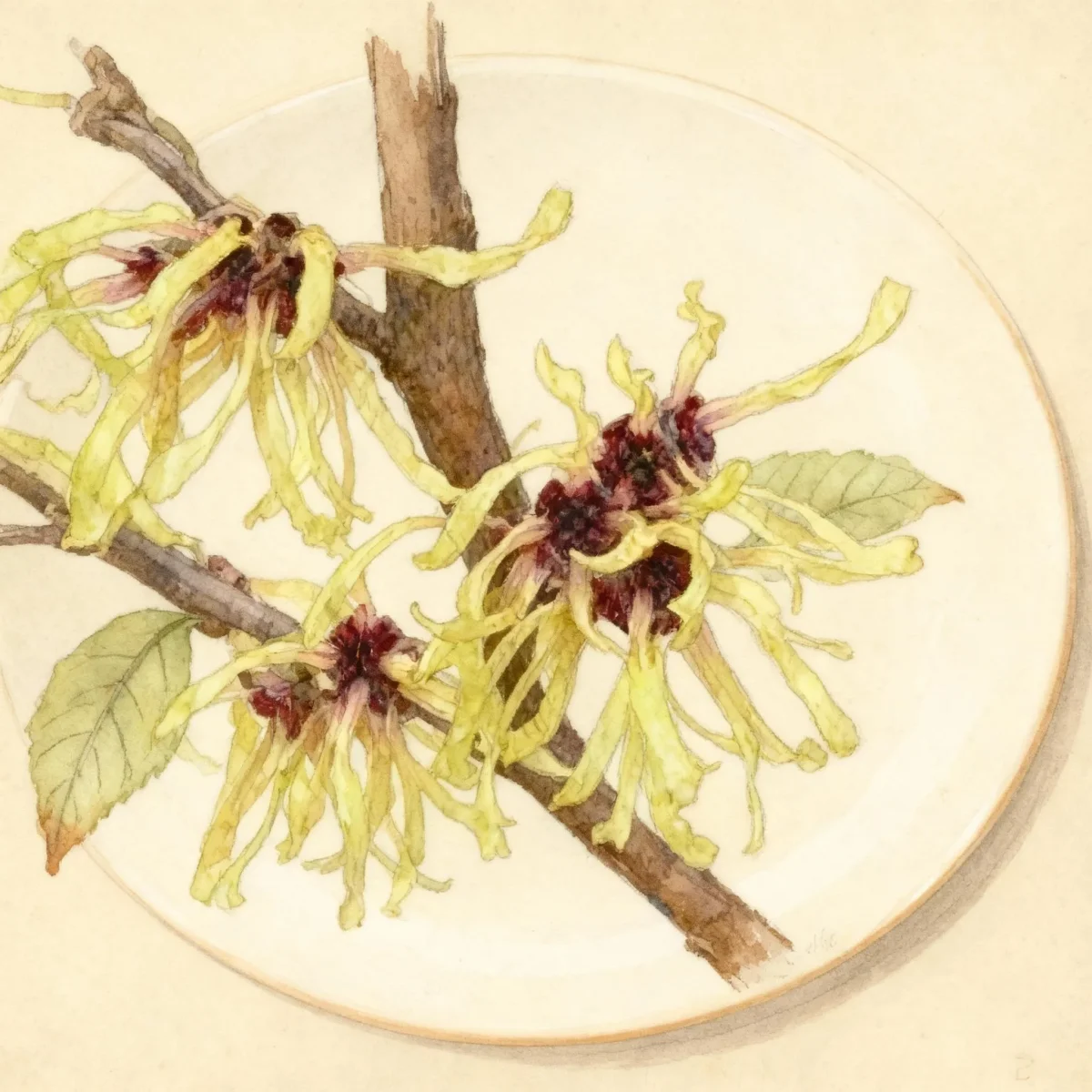
Witch hazel (Hamamelis 'Fire Blaze')
Discover Hamamelis 'Fire Blaze' Witch hazel, prized for its spicy, copper-orange winter blooms. Low maintenance and adaptable.
Scroll down to discover growing tips, care requirements, companion plants, and more
Complete Plant Information
Overview
Hamamelis ‘Fire Blaze’ is a stunning deciduous shrub celebrated for bringing essential color to the late winter landscape when few other plants are active. This cultivar is highly valued for its unique cluster of spidery, ribbon-like flowers that emerge before summer foliage, offering vital early interest. As an exceptional specimen or screen, this Witch hazel provides a dramatic focal point during the coldest months.
This hybrid cultivar typically develops into a vase-shaped plant, reaching up to 10 feet tall and 12 feet wide at maturity. While it commands attention in winter with its showy copper-orange blooms, it transitions smoothly, offering soft green leaves that turn yellow in the autumn. Hamamelis ‘Fire Blaze’ is prized by gardeners for its relatively low maintenance requirements once established in the right conditions.
Planting the Hamamelis ‘Fire Blaze’ where its early bloom can be easily observed allows gardeners to enjoy its spicy fragrance and vibrant display. It serves a dual role by providing colorful seasonal interest and structural presence to woodland gardens or shrub borders throughout the year.
Fast Facts
- Plant Family: Hamamelidaceae
- Plant Type: Deciduous shrub
- Hardiness Zones: USDA Zones 5-8
- Size at Maturity:
- Height: 8-10 ft
- Spread: 9-12 ft
- Bloom Time: February to March
- Bloom Description: Copper orange
- Sun Exposure: Full sun to part shade
- Water Needs: Medium
- Maintenance Level: Low
How to Grow
The best time to establish your Witch hazel, including the highly desirable Hamamelis ‘Fire Blaze’, is during the dormant season, either in fall or early spring. Site selection is crucial; these shrubs thrive best with full sun exposure, which maximizes flower production, though they tolerate partial shade. Cultivate the soil to be average, medium moisture, and well-drained. They prefer moist, acidic, organically rich soils, and while they show some tolerance for clay, ensure drainage remains adequate to prevent root issues.
Watering needs are medium. Providing consistent moisture throughout the summer is important, as stress from prolonged summer drought can lead to leaf scorch. Fertilization is rarely necessary if the soil is rich, but an annual application of compost around the base can boost growth and soil health.
Pruning should be performed promptly in the spring immediately after the flowering period ends to maintain shape and size. A critical aspect of Hamamelis care is controlling suckering growth; promptly remove any root suckers that arise, especially those originating below the graft union, to prevent undesirable colonial spread.
Landscape Uses
Hamamelis ‘Fire Blaze’ excels as an excellent winter-flowering shrub, making it an invaluable addition to serious landscape designs. Its height and spread (up to 10 x 12 feet) make it perfectly suited for use as a tall hedge or natural screen where winter views are important. Use this Witch hazel as a specimen plant in the woodland garden, ensuring it is positioned where its mid-winter color performance can be appreciated against dark evergreen backdrops. Incorporate it into mixed shrub borders to provide structural backbone during the dormant season.
The unique, late-winter bloom also attracts early pollinators, enhancing the ecological value of the garden space. When placed near outdoor living areas, the spicy aroma produced by the flowers of Hamamelis ‘Fire Blaze’ carries well on the cool air.
Standout Features
Flower Qualities
- Showy
- Fragrant
Noteworthy Characteristics
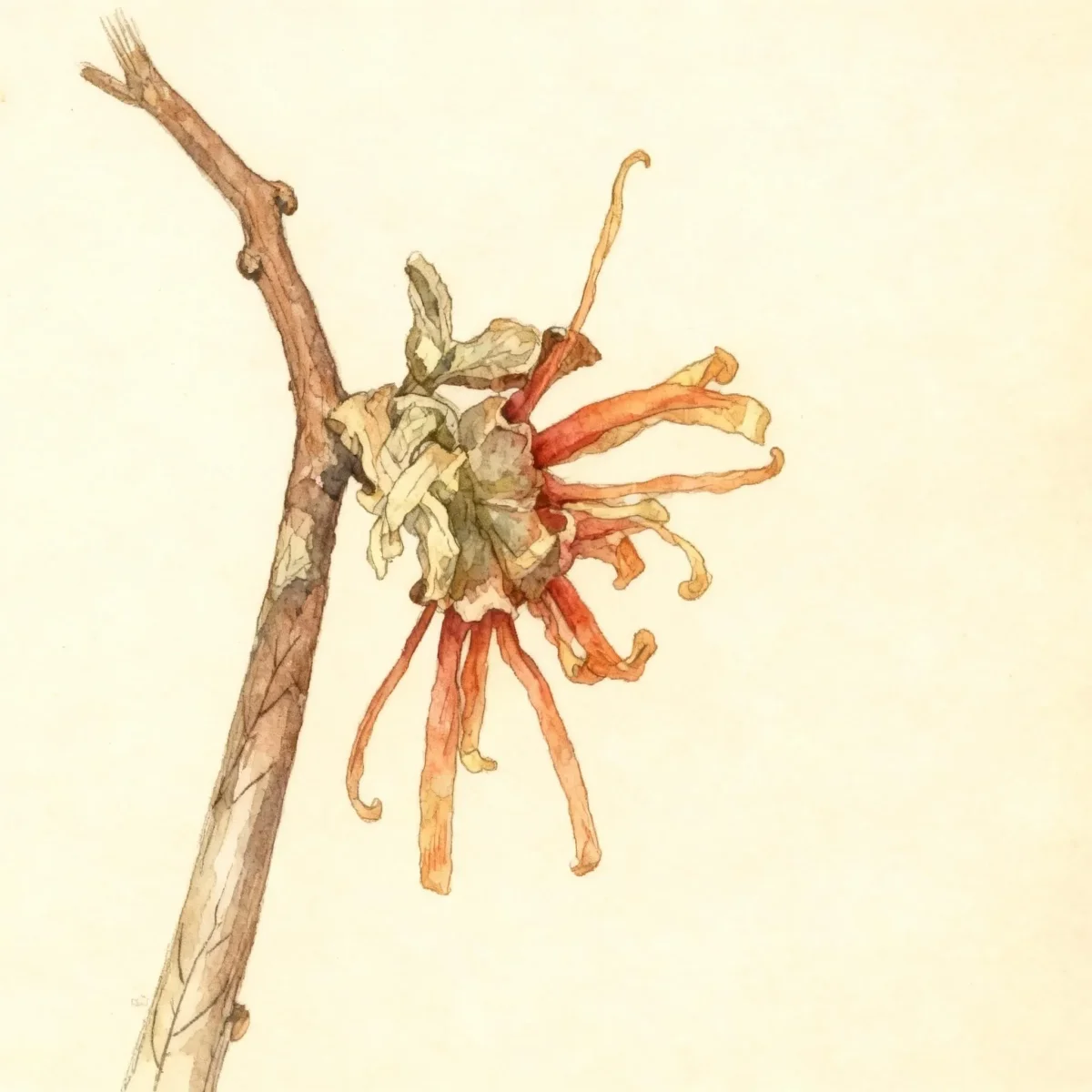
Hamamelis is a genus of 5 to 6 species of deciduous shrubs from East Asia and North America, grown for their very early late winter through early spring bloom. ‘Fire Blaze’ is considered a hybrid cross, noted for its spidery, often fragrant, late winter flowers that appear before the spring foliage emerges. Showy copper-orange flowers with a spicy aroma bloom in axillary clusters along the bare stems, typically in February and March.
Tolerances
- Deer
- Erosion
- Clay Soil
- Air Pollution
Potential Problems
Insect issues with this Witch hazel are generally minor, though gardeners should monitor for leaf damage caused by caterpillars and Japanese beetles which occasionally chew on the foliage. You may also encounter gall aphids, scale, leafroller, and leafminer, but these rarely require intensive chemical intervention. Potential diseases include powdery mildew, occasional leaf spots, and various rots. Maintaining good air circulation and ensuring proper site drainage will significantly help prevent fungal issues.
Frequently Asked Questions
What hardiness zones is Witch hazel suitable for?
Hamamelis ‘Fire Blaze’ is suitable for USDA Zones 5 through 8.
How large does Witch hazel grow?
This shrub typically reaches a height between 8 and 10 feet, with a spread ranging from 9 to 12 feet wide.
When does Hamamelis ‘Fire Blaze’ bloom?
This Witch hazel displays its distinctive flowers from February into March.
What sun exposure does Hamamelis ‘Fire Blaze’ need?
For best flowering performance, Hamamelis ‘Fire Blaze’ requires full sun, although it can tolerate part shade.
Conclusion
The Hamamelis ‘Fire Blaze’ Witch hazel provides unparalleled winter interest thanks to its fragrant, showy, copper-orange flowers appearing weeks before spring competitors. Its low maintenance profile and structural presence ensure lasting appeal throughout the year. Plan to plant Hamamelis ‘Fire Blaze’ in a spot that offers moist, well-drained soil compatibility based on your USDA zone to ensure a spectacular cold-season display.
Companion Planting
When integrating Hamamelis ‘Fire Blaze’ into your landscape, consider pairing it with plants that offer structure or color contrast during its dormant period. Evergreen shrubs, such as Japanese hollies or dwarf rhododendrons, create a dark, solid backdrop that makes the bright blooms of the Witch hazel truly pop in February. Additionally, planting early-blooming bulbs like snowdrops or winter aconite near the base of the shrub can extend the feeling of early spring awakening, drawing the eye down while the main shrub is flowering. Focus on companion plants that share the preference for consistently moist, slightly acidic soil conditions.
Structural Pruning
While Hamamelis ‘Fire Blaze’ generally requires low maintenance, understanding the timing and purpose of pruning is essential for shaping and health. Always delay major pruning until after flowering is complete in the early spring; cutting branches before bloom removes the season’s flower buds. The primary goal of structural pruning is to maintain the desired vase shape and remove any dead, crossing, or rubbing branches internally to improve air circulation. Be vigilant about removing root suckers arising from below the graft union to maintain the specific characteristics of the ‘Fire Blaze’ cultivar rather than reverting to rootstock traits.