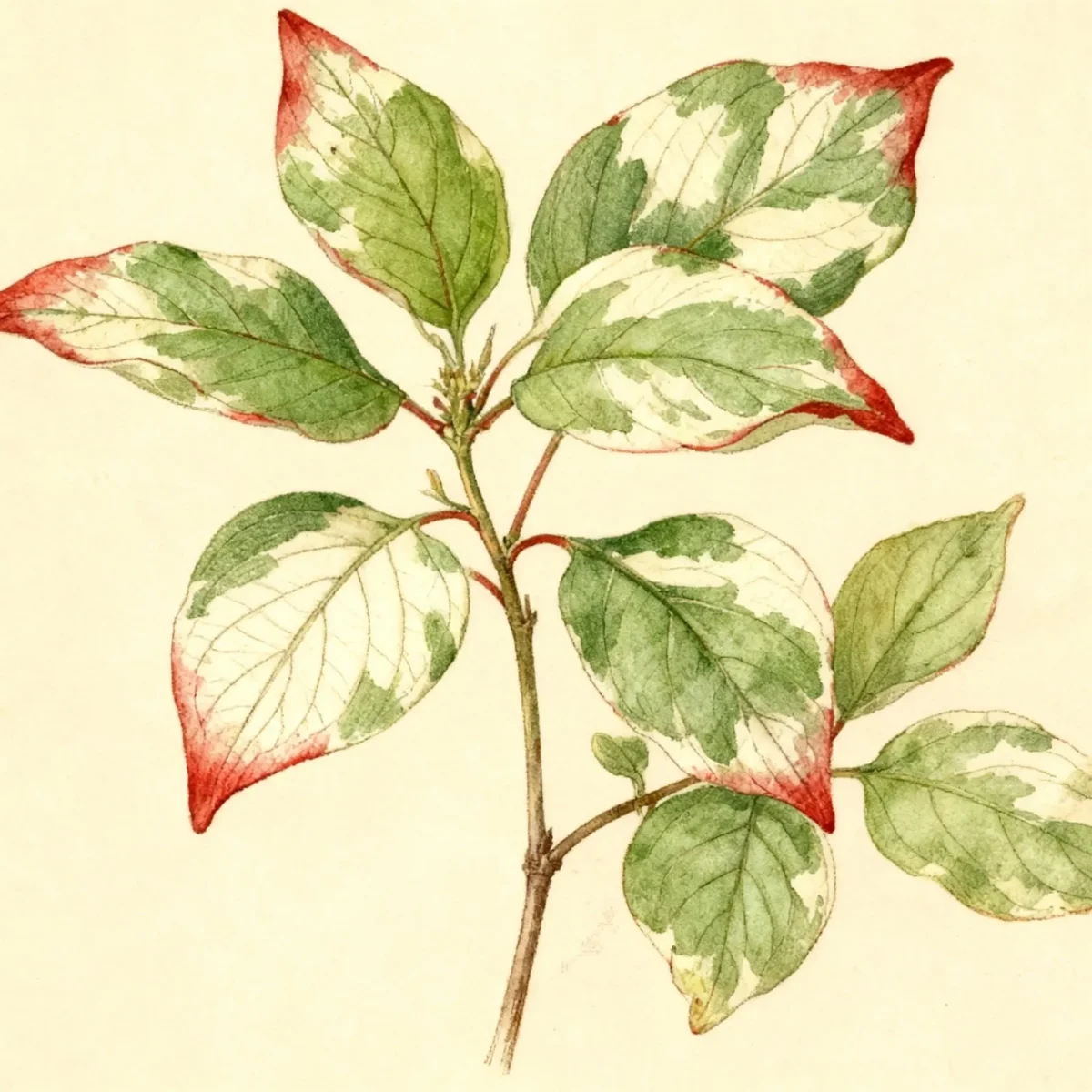
Bloodtwig dogwood (Cornus sanguinea 'Cato' ARCTIC SUN)
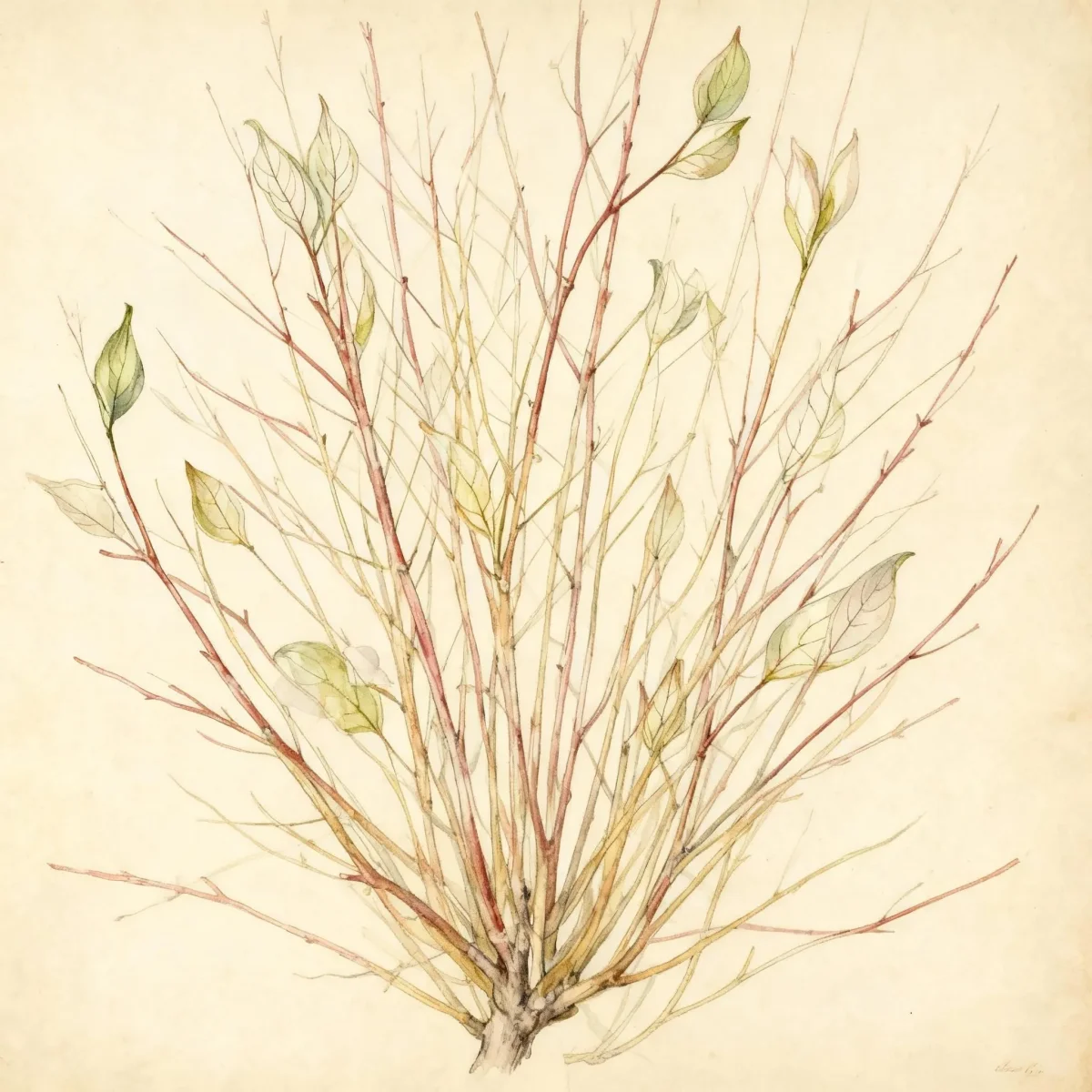
Cornus sanguinea 'Cato' ARCTIC SUN is a dwarf Bloodtwig dogwood valued for brilliant yellow winter stems with crimson tips. Low maintenance.
Scroll down to discover growing tips, care requirements, companion plants, and more
Complete Plant Information
Overview
Cornus sanguinea ‘Cato’ ARCTIC SUN, a cultivar of Bloodtwig dogwood, is highly prized for its exceptional winter effect, featuring brilliant yellow stems tipped with striking crimson color. This dwarf variety typically reaches 3 to 4 feet tall, making it an excellent structural plant for smaller gardens where year-round interest is paramount. Its dense branching habit and low maintenance requirements ensure it remains a desirable addition to the landscape.
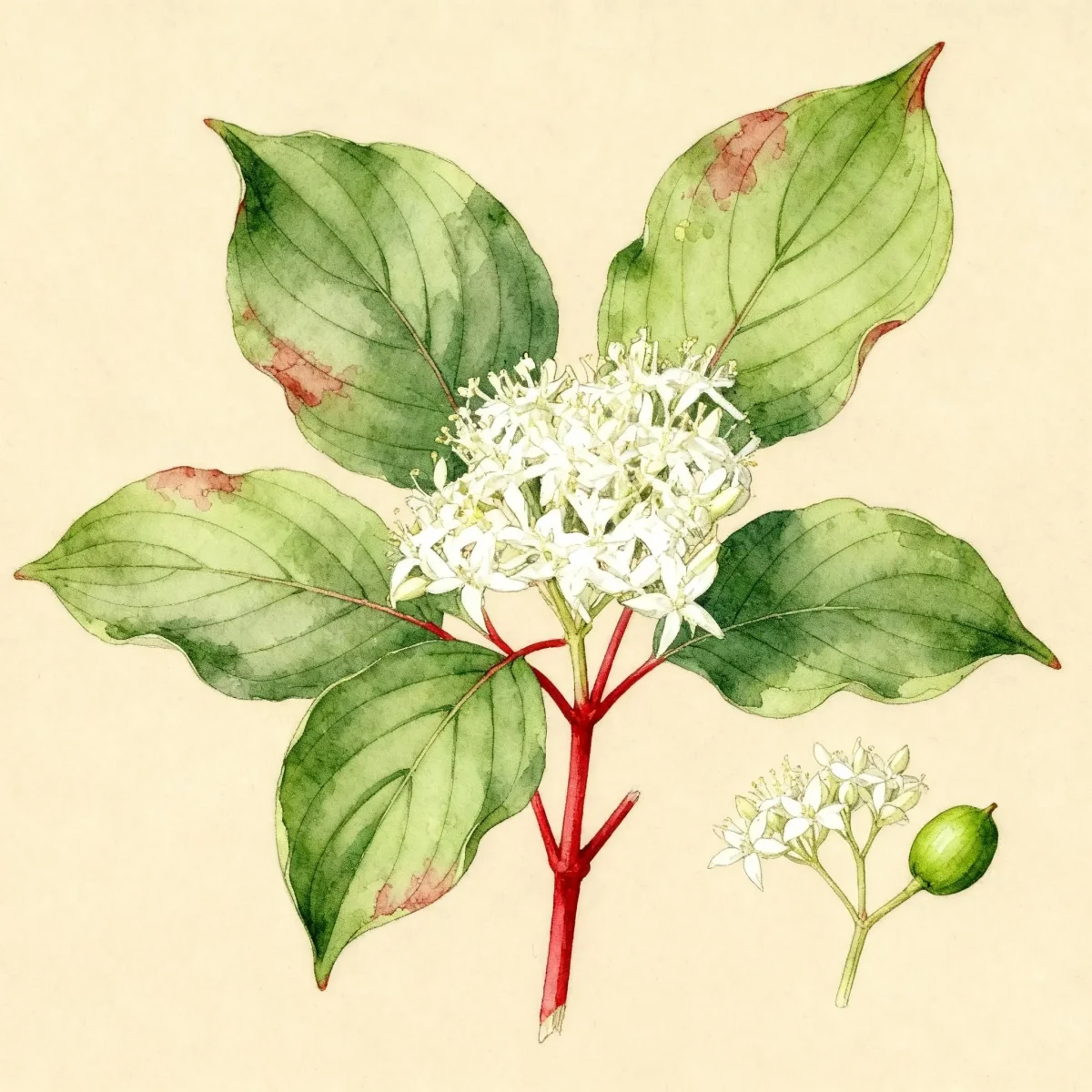
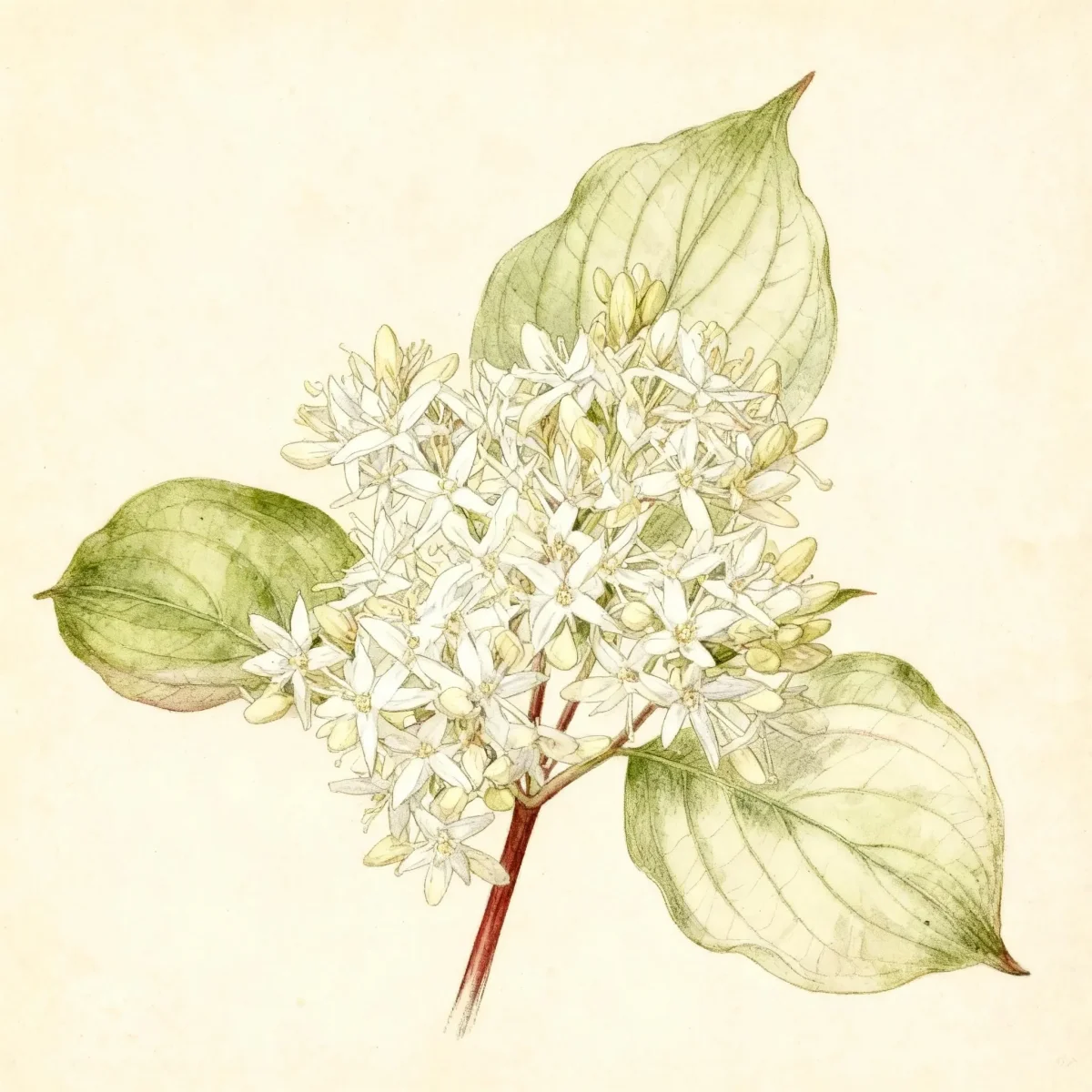
While it provides modest white flowers in late spring, the true ornamental value of this Bloodtwig dogwood lies in its stark winter display against snow or dark evergreen backdrops. It is tolerant of a range of soil conditions, though it thrives best when provided consistently moist, well-drained soil, unlike some of its larger shrub relatives. Gardeners can rely on this cultivar to deliver consistent performance and vibrant color through the dormant months.
Fast Facts
- Plant Family: Cornaceae
- Plant Type: Deciduous shrub
- Hardiness Zones: USDA Zones 4-8
- Size at Maturity:
- Height: 3-4 ft
- Spread: 3-4 ft
- Bloom Time: May to June
- Bloom Description: White
- Sun Exposure: Full sun to part shade
- Water Needs: Medium
- Maintenance Level: Low
How to Grow
Plant Cornus sanguinea ‘Cato’ ARCTIC SUN in the spring or fall in a location that receives full sun to partial shade. This variety prefers organically rich, well-drained soils that remain consistently medium in moisture. Although it tolerates a variety of soils, avoid locations where water pools, as good drainage is critical for overall health.
Maintenance is generally low, but to maximize the vibrant stem color that makes this Bloodtwig dogwood famous, strategic pruning is recommended. For the best color, remove 20-25% of the oldest wood every early spring to encourage vigorous new growth. Alternatively, gardeners can cut all stems back severely to the ground every two to three years for a complete renewal.
Water regularly, especially during establishment, maintaining that preferred consistent moisture level. No routine fertilization is usually necessary if the soil is rich. If allowed to spread via root suckers, prune these away near their origin if you wish to maintain a singular specimen clump.
Landscape Uses
The compact nature of Cornus sanguinea ‘Cato’ ARCTIC SUN (3-4 ft tall and wide) makes it an excellent choice for shrub borders or mass plantings where low light tolerance is not required. Its year-round color, particularly the glowing winter stems, positions it perfectly for viewing from windows or near seating areas during the colder months. It performs admirably in rain gardens due to its preference for moist conditions.
Consider combining this dwarf Bloodtwig dogwood with contrasting textures and colors to enhance its appeal. Pairing it with dark green evergreens will make the yellow and crimson winter stems truly pop. It also offers excellent contrast when placed near cultivars known for strong red winter stem color, such as other varieties of red twig dogwood. This plant is a superb choice for smaller gardens that still demand significant seasonal impact.
Standout Features
Flower Qualities
- Showy
Fruit Qualities
- Showy
Noteworthy Characteristics
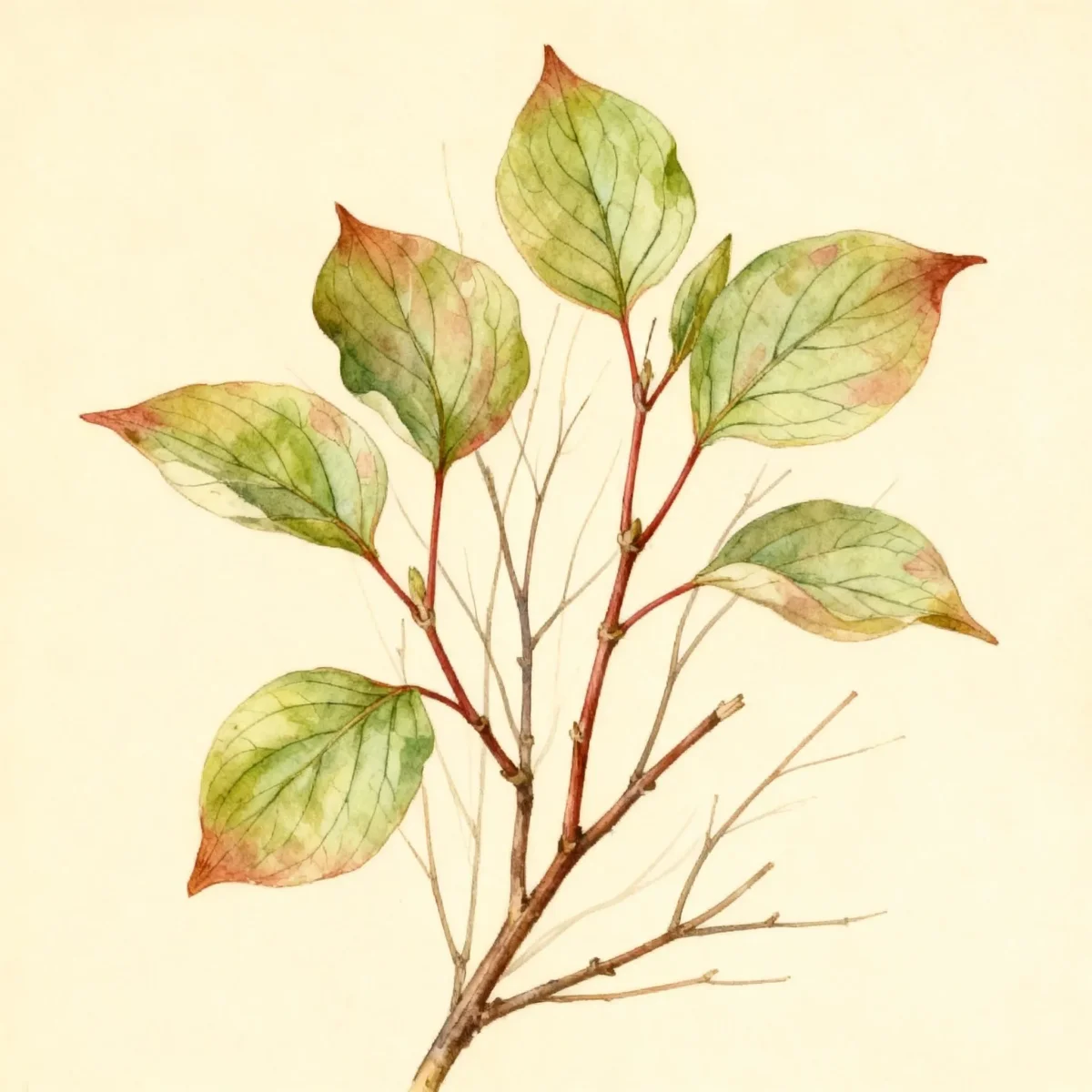
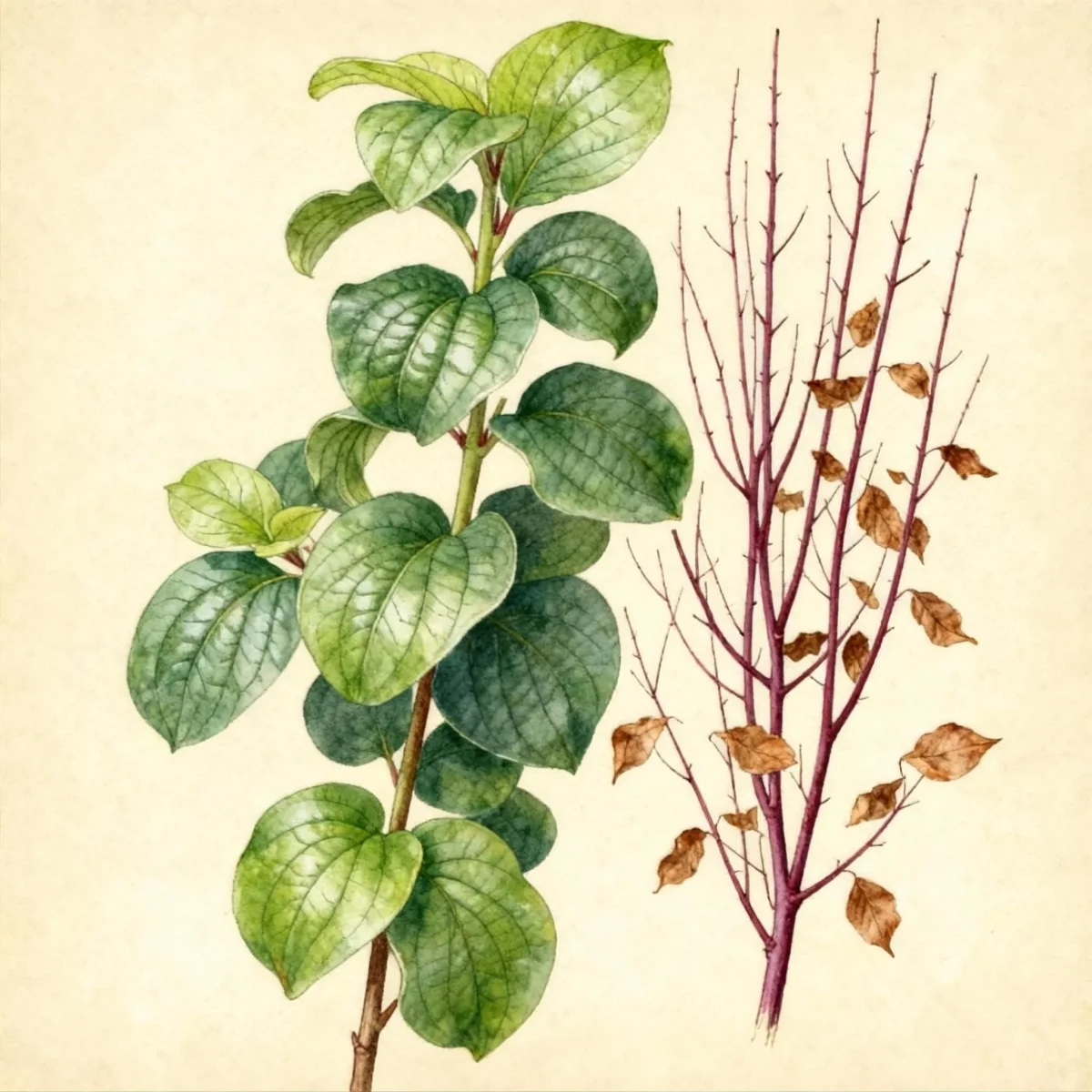
The typical Bloodtwig dogwood (Cornus sanguinea) is a large shrub native to Northern Europe, but the cultivar ‘Cato’, sold as ARCTIC SUN, is a dwarf selection valued specifically for its bright yellow winter stems accented with crimson tips against snow. While it does produce small white summer flowers and attractive blue-black fruit, these features are secondary to the spectacular stem coloration displayed in the winter landscape. Its dark green leaves turn golden yellow in the autumn before dropping to reveal the colorful core of the plant.
Tolerances
- Deer
- Erosion
Potential Problems
Cornus sanguinea ‘Cato’ ARCTIC SUN generally exhibits few serious maintenance concerns regarding pests or diseases. It is notably resistant to the major insect and fungal issues that sometimes plague other dogwood species. Consistent moisture and good air circulation remain the primary factors in keeping this dwarf Bloodtwig dogwood healthy long-term. Adhering strictly to the required pruning schedule helps maintain vigor and minimizes stress that can attract opportunistic pests.
Frequently Asked Questions
What hardiness zones is Bloodtwig dogwood suitable for?
This cultivar is hardy and adaptable across USDA Zones 4 through 8. Ensure your location falls within this range for reliable perennial growth.
How large does Cornus sanguinea ‘Cato’ ARCTIC SUN grow?
This specific cultivar is considered dwarf, typically maturing to a manageable height and spread of only 3 to 4 feet.
What sun exposure does Cornus sanguinea ‘Cato’ ARCTIC SUN need?
For optimal growth and the most intense stem color, position this shrub where it receives full sun, although it will tolerate partial shade.
When does Bloodtwig dogwood bloom?
The blooming period for this deciduous shrub is generally from May into June, producing small white flowers.
Conclusion
The Cornus sanguinea ‘Cato’ ARCTIC SUN offers exceptional, low-maintenance visual drama, primarily through its intensely colored, dense winter twigs. This dwarf Bloodtwig dogwood serves as a vital structural element that shines when most other plants are dormant. Assess your garden’s hardiness zone and soil moisture retention, then plan a prominent spot for this spectacular, colorful specimen.
Companion Planting
When siting Cornus sanguinea ‘Cato’ ARCTIC SUN, focus on companions that complement its winter interest or share its moisture needs. Low-growing evergreen groundcovers like creeping juniper or dwarf spreading hemlock provide a deep green canvas that makes the yellow and crimson stems intensely visible during winter. For seasonal moisture management, consider companion planting in rain garden settings with Iris sibirica (Siberian Iris) or native sedges, which thrive in moist, well-drained soils similar to those preferred by this dogwood.
Seasonal Care Calendar
Spring is the most active time for ensuring next winter’s display; perform your renewal pruning now, removing the oldest, least colorful stems. Throughout the entire growing season, monitor soil moisture, ensuring medium levels are maintained, especially through summer heatwaves, which helps maintain rapid stem growth. In late fall, as leaves drop, the ornamental stems of the Bloodtwig dogwood become the focal point; avoid harsh cleanups too early, allowing early frost to enhance the twig color before winter fully sets in.