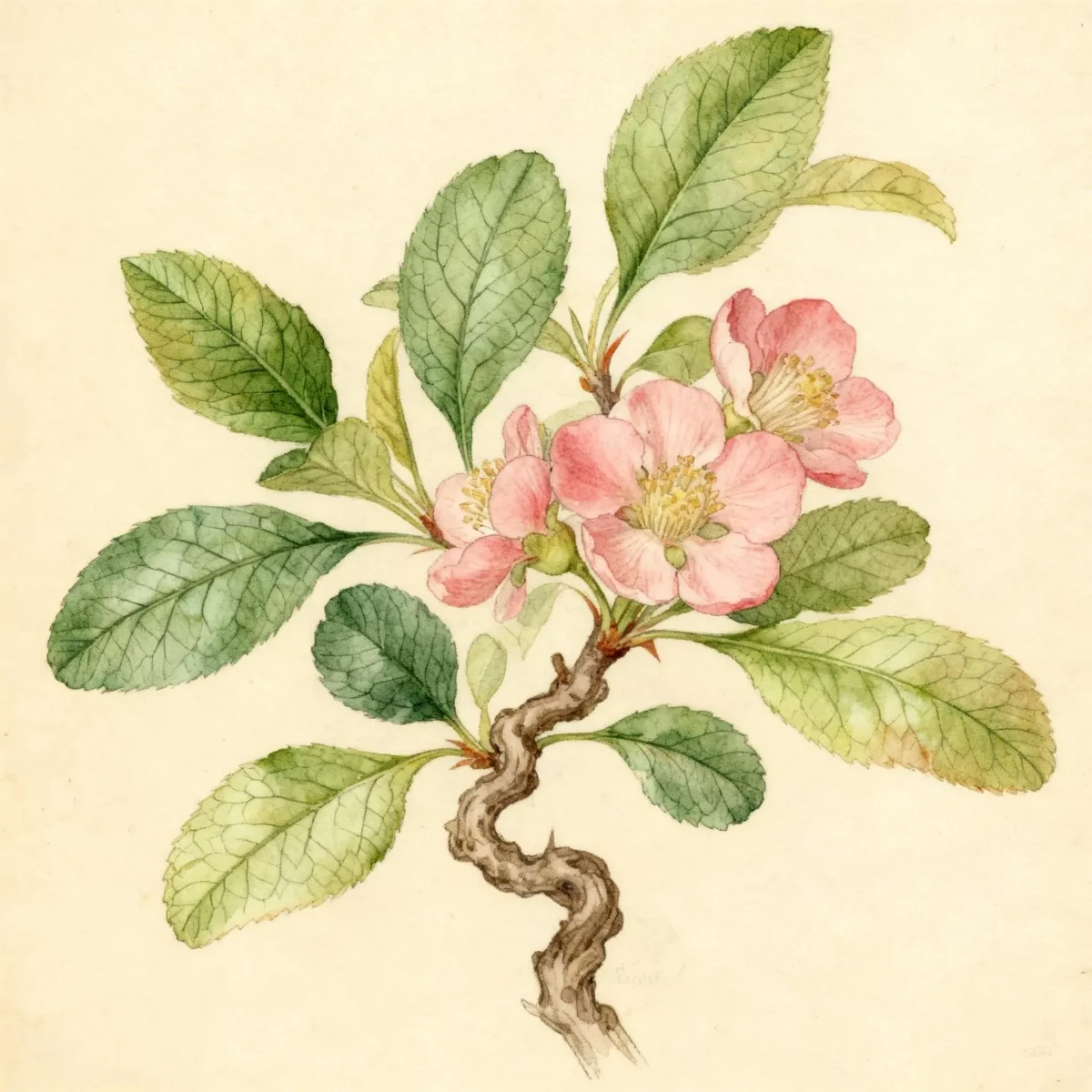
Cotoneaster (Cotoneaster hessei)
Cotoneaster hessei is a tough, low-growing, deciduous shrub valued for its glossy leaves and bright red autumn fruits.
Scroll down to discover growing tips, care requirements, companion plants, and more
Complete Plant Information
Overview
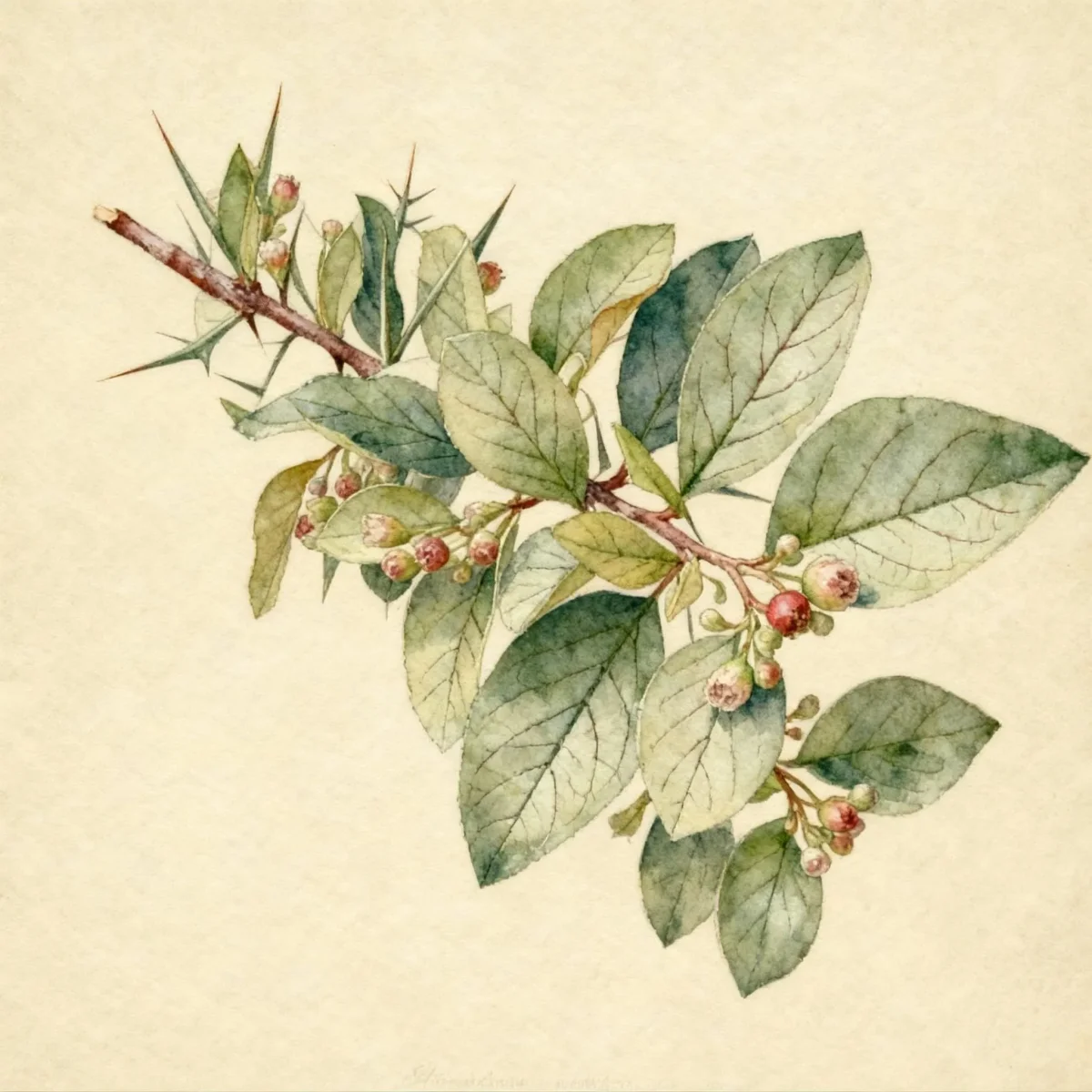
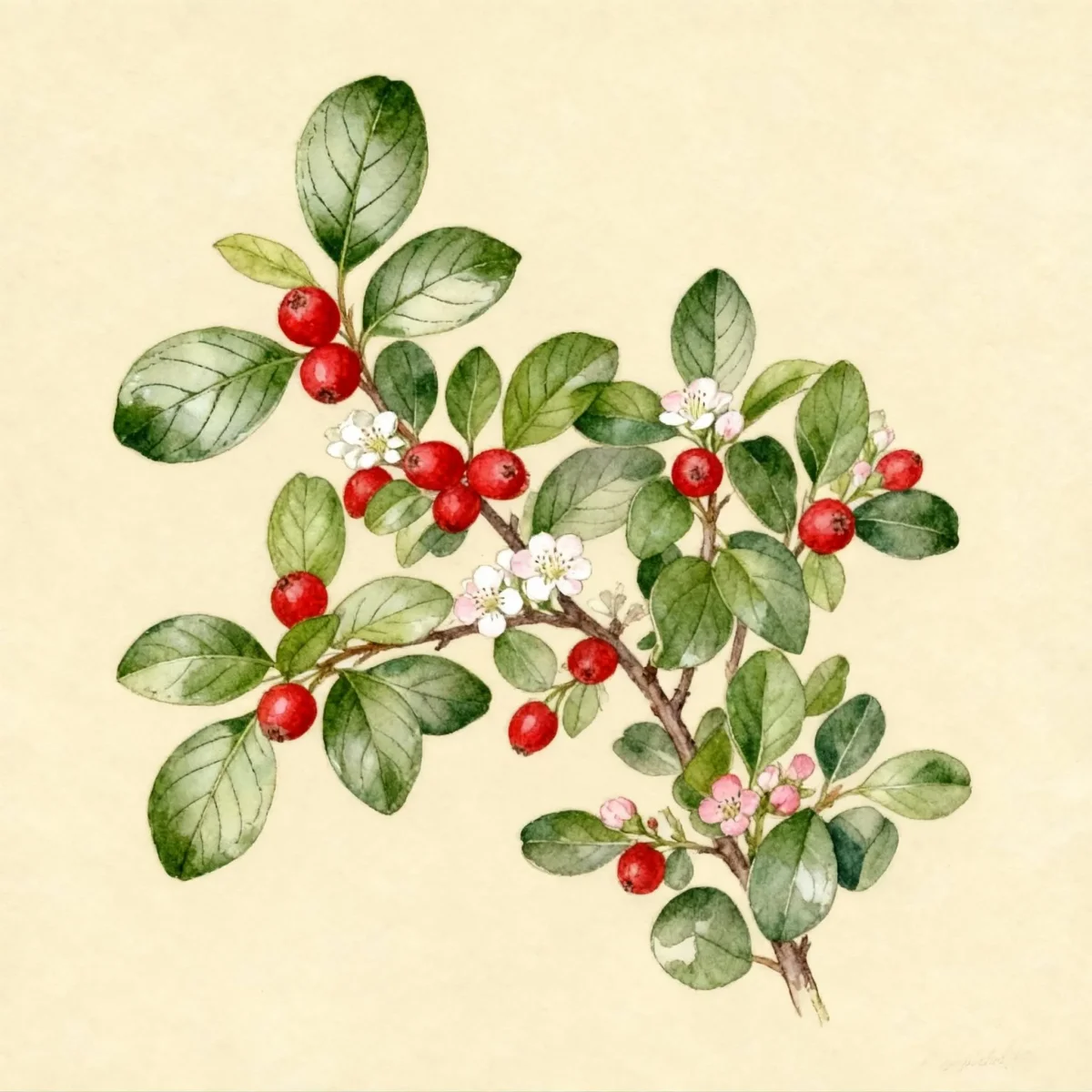
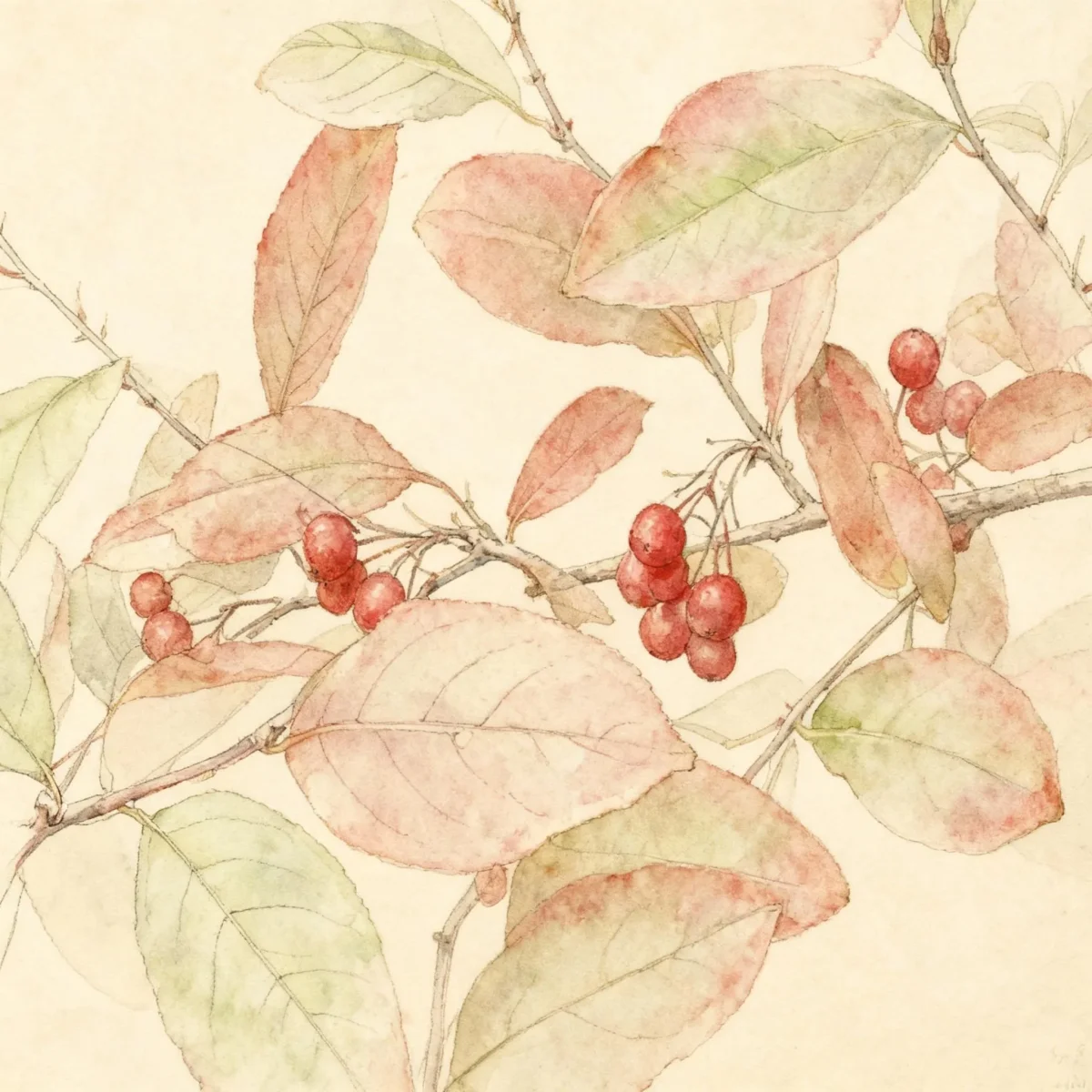
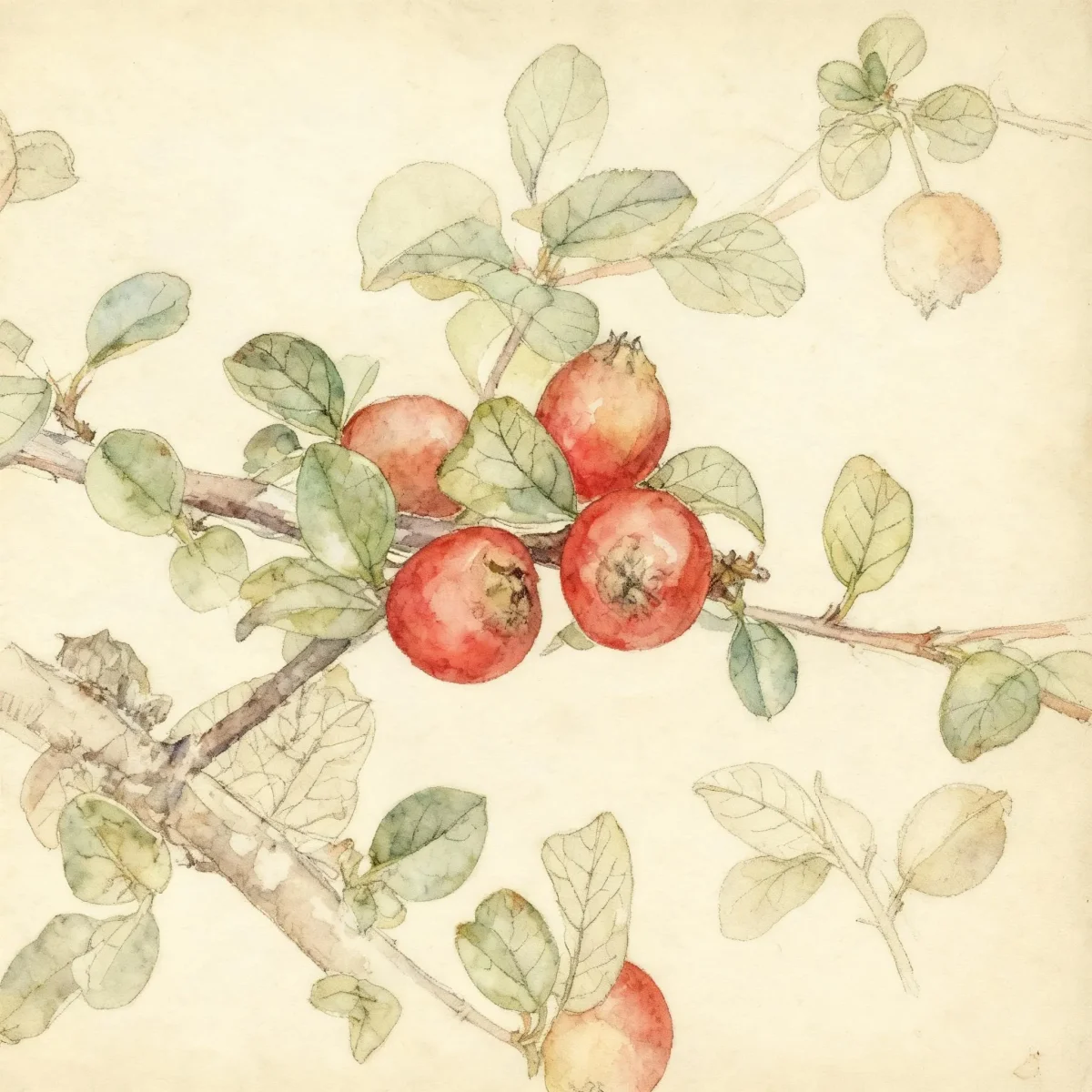
The Cotoneaster hessei, commonly known as Hesse cotoneaster, is a highly valuable, low-growing deciduous shrub perfect for ground cover applications in sunny landscapes. This adaptable Cotoneaster variety creates a dense, attractive sweep with its arching branches and glossy, dark green foliage that transitions to reddish-purple tones in autumn. Its appeal is enhanced by tiny reddish-pink flowers followed by persistent, bright red fruits that offer significant visual interest well into winter.
While its exact origins are debated, this robust shrub, developed in Germany, proves itself hardy and tough in garden settings. Cotoneaster hessei tolerates poor soils and established plants handle drought quite well, making it an excellent, low-maintenance choice for large areas requiring reliable coverage. It brings fine texture and seasonal color, proving why it remains a recommended plant in many regional horticulture lists.
Fast Facts
- Plant Family: Rosaceae
- Plant Type: Deciduous shrub
- Hardiness Zones: USDA Zones 4-7
- Size at Maturity:
- Height: 1-1.5 ft
- Spread: 3-5 ft
- Bloom Time: May
- Bloom Description: Reddish pink
- Sun Exposure: Full sun to part shade
- Water Needs: Medium
- Maintenance Level: Low
How to Grow
Plant Cotoneaster hessei in spring or fall, ideally locating it where it receives full sun to light partial shade. Success is largely determined by soil quality; the plant thrives best in moist, loamy soils that are well-drained. It is crucial to avoid locations where the soil remains persistently wet or poorly drained, as this can lead to significant issues.
Once established, this Cotoneaster variety is quite drought-tolerant, requiring only medium supplemental water during prolonged dry spells. Generally, maintenance is low. Pruning should be minimal if the plant is sited correctly, focusing only on shaping or removing crossing branches. Cotoneaster hessei may struggle if placed in areas experiencing intense, hot summer conditions, especially south of its recommended Zone 7 range.
For mass plantings, space container-grown specimens about 4 to 5 feet apart to allow them room to reach their mature spread. Propagation is reliably achieved through stem cuttings taken at the appropriate time of year.
Landscape Uses
This Cotoneaster serves as an exceptional woody ground cover, particularly effective when mass planted in sunny expanses across the landscape. Its relatively low stature and broad spread make it ideal for suppressing weeds and stabilizing slopes where other ground covers might struggle. The attractive combination of foliage, small spring flowers, and persistent red berries ensures multi-season appeal.
Consider using Cotoneaster hessei to sprawl naturally over large rocks or along the top edge of stone walls, softening hard architectural lines. It is also a dependable choice for sunny foundation plantings where a low hedge or dense filler is required. Its tough nature means it pairs well with other resilient, sun-loving perennials or low shrubs.
Standout Features
Flower Qualities
- Showy
Fruit Qualities
- Showy
Noteworthy Characteristics
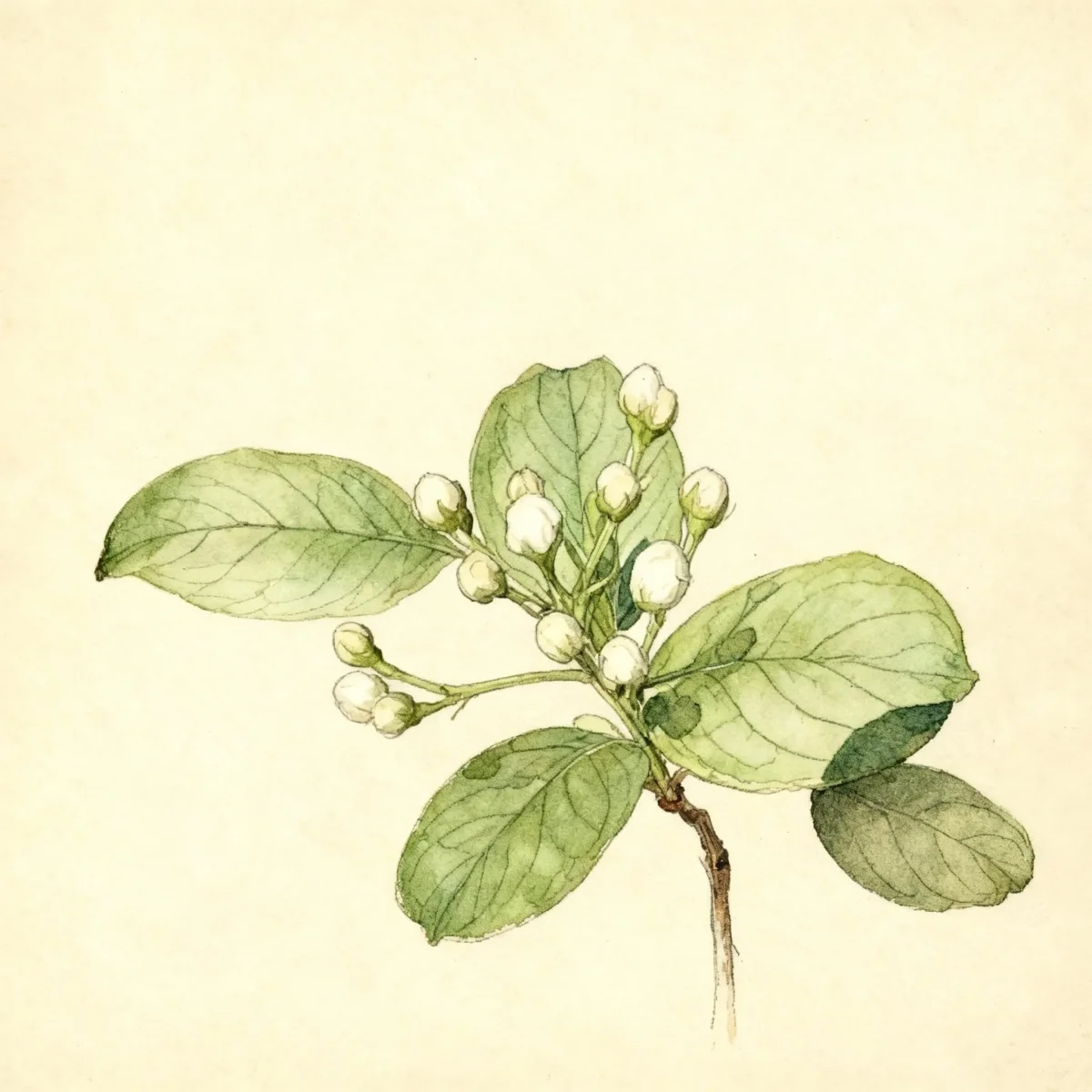
Cotoneaster hessei, sometimes commonly called Hesse cotoneaster, is a low-growing, deciduous, shrubby ground cover that rises to 18” tall but spreads over time to as much as 5’ wide. The plant features arching branches clothed with round to elliptic, glossy dark green leaves that are deeply attractive throughout the growing season, turning reddish purple in fall. Tiny, five-petaled, reddish-pink flowers appear in May, followed by bright red fruits that mature in late summer through fall and often persist through much of winter.
Tolerances
- Rabbit
- Drought
- Air Pollution
Potential Problems
Though generally tough, Cotoneaster hessei can be susceptible to certain common challenges that gardeners should monitor. These include fireblight, various leaf spots, and canker in unfavorable conditions. Pest concerns often involve the cotoneaster webworm and lacebug, while mites can become an issue, particularly during hot, dry summers. The dense nature of the mature foliage poses a maintenance obstacle, as cleaning dead leaves and debris from deep within the planting can be difficult once the shrub matures fully.
Frequently Asked Questions
What hardiness zones is Cotoneaster suitable for?
The Hesse cotoneaster is typically hardy and recommended for USDA Zones 4 through 7.
How large does Cotoneaster hessei grow?
This ground cover usually reaches a low height between 1 and 1.5 feet tall, but it spreads outward considerably, developing a mature spread between 3 and 5 feet wide.
When does Cotoneaster bloom?
Flowering generally occurs in May, producing small, five-petaled flowers noted for their reddish pink coloration.
What sun exposure does Cotoneaster hessei need?
This plant performs best when situated in full sun or areas that receive partial shade exposure throughout the day.
Conclusion
The Cotoneaster hessei offers gardeners a low-maintenance, exceptionally wide-spreading shrub that provides superior texture, good flowers, and invaluable long-lasting red fruit. This specific variety of Cotoneaster proves highly adaptable when given the proper well-drained conditions, making it a steadfast choice for larger groups or slopes. Before planting, confirm that your site falls within USDA Zones 4 through 7 to ensure this tough ground cover reaches its full potential.
Companion Planting
Selecting appropriate partners for Cotoneaster hessei should always prioritize plants that share its preference for full sun to partial shade environments and well-drained soil. Consider pairing it with ornamental grasses, such as Little Bluestem (Schizachyrium scoparium), which offer contrasting upright form and seasonal texture without competing heavily for root space. Low-growing, drought-tolerant perennials like Sedum species or creeping Thyme (Thymus serpyllum) are excellent choices to plant along the edges of a large Cotoneaster grouping.
Avoid moisture-loving plants, as introducing species that require consistently damp soil near this moderately drought-tolerant shrub can create a management conflict. The dense mat formed by the Cotoneaster also helps suppress weeds, allowing lower-growing companions beneath it to thrive without constant interruption.
Wildlife Benefits
While the dense foliage of this Cotoneaster is important for ground cover, its flowers and persistent fruits contribute benefits to the garden ecosystem. The tiny reddish-pink flowers appearing in May are attractive primarily to generalist pollinators like bees, helping to support local insect populations early in the season.
More significantly, the bright red fruits that develop late in the season and remain into winter serve as a critical late-season food source for various bird species. Planting Cotoneaster hessei near denser screening shrubs or evergreen borders can offer wildlife both foraging opportunities and sheltered spots during colder months.