Shasta daisy (Leucanthemum × superbum 'Beaute Nivelloise')
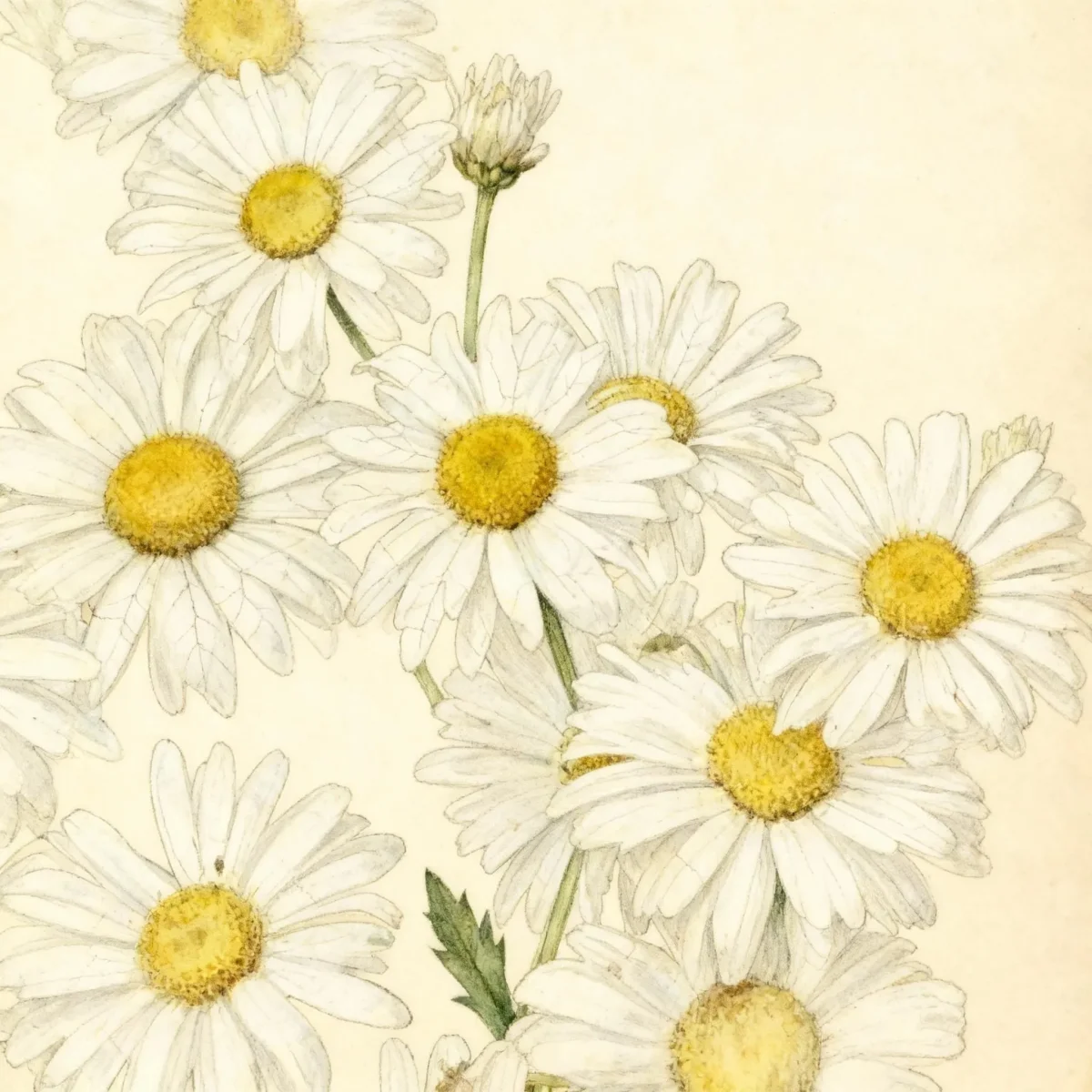
Leucanthemum × superbum 'Beaute Nivelloise' is a vigorous Shasta daisy offering masses of frilly white blooms from June through August in sunny borders.
Scroll down to discover growing tips, care requirements, companion plants, and more
Complete Plant Information
Overview
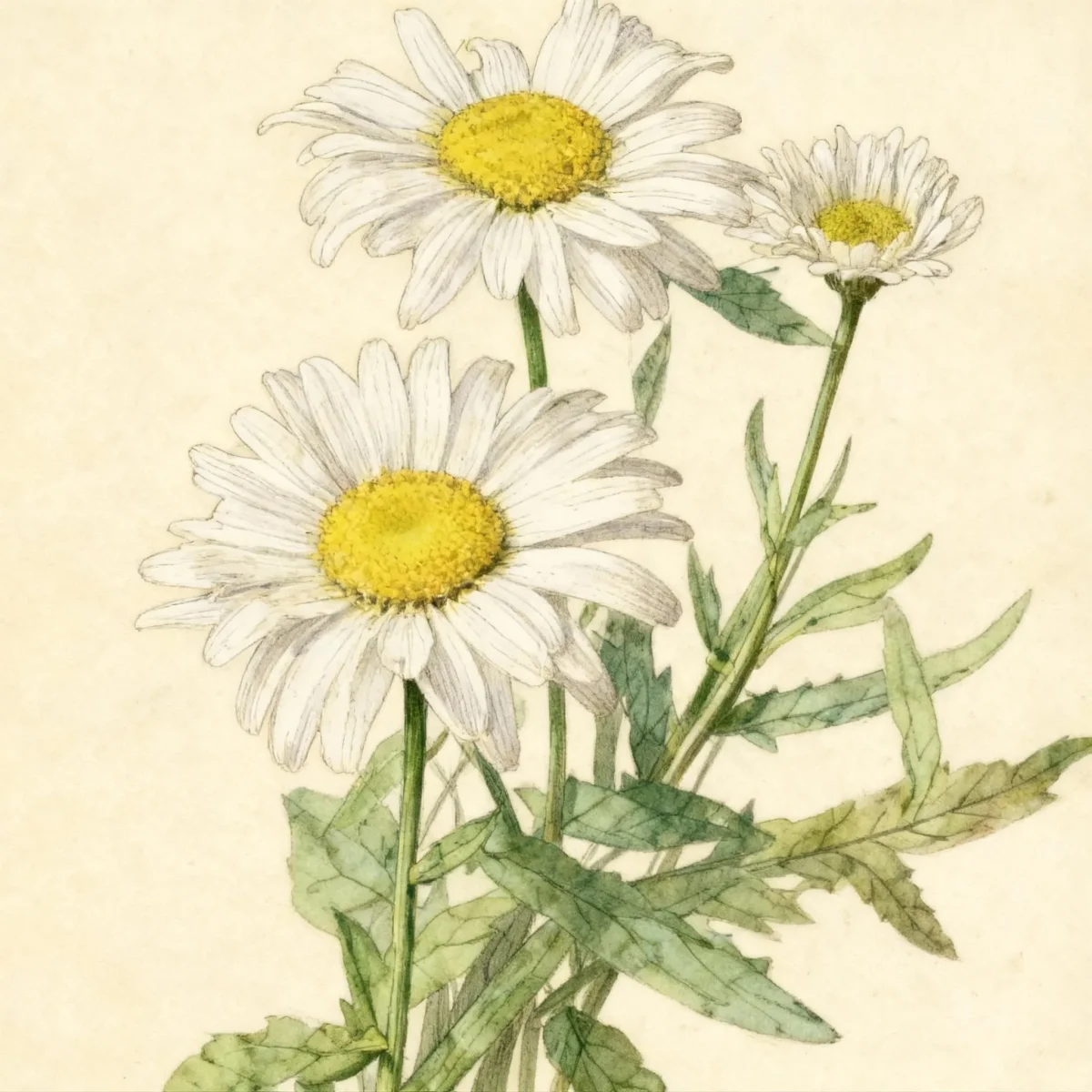
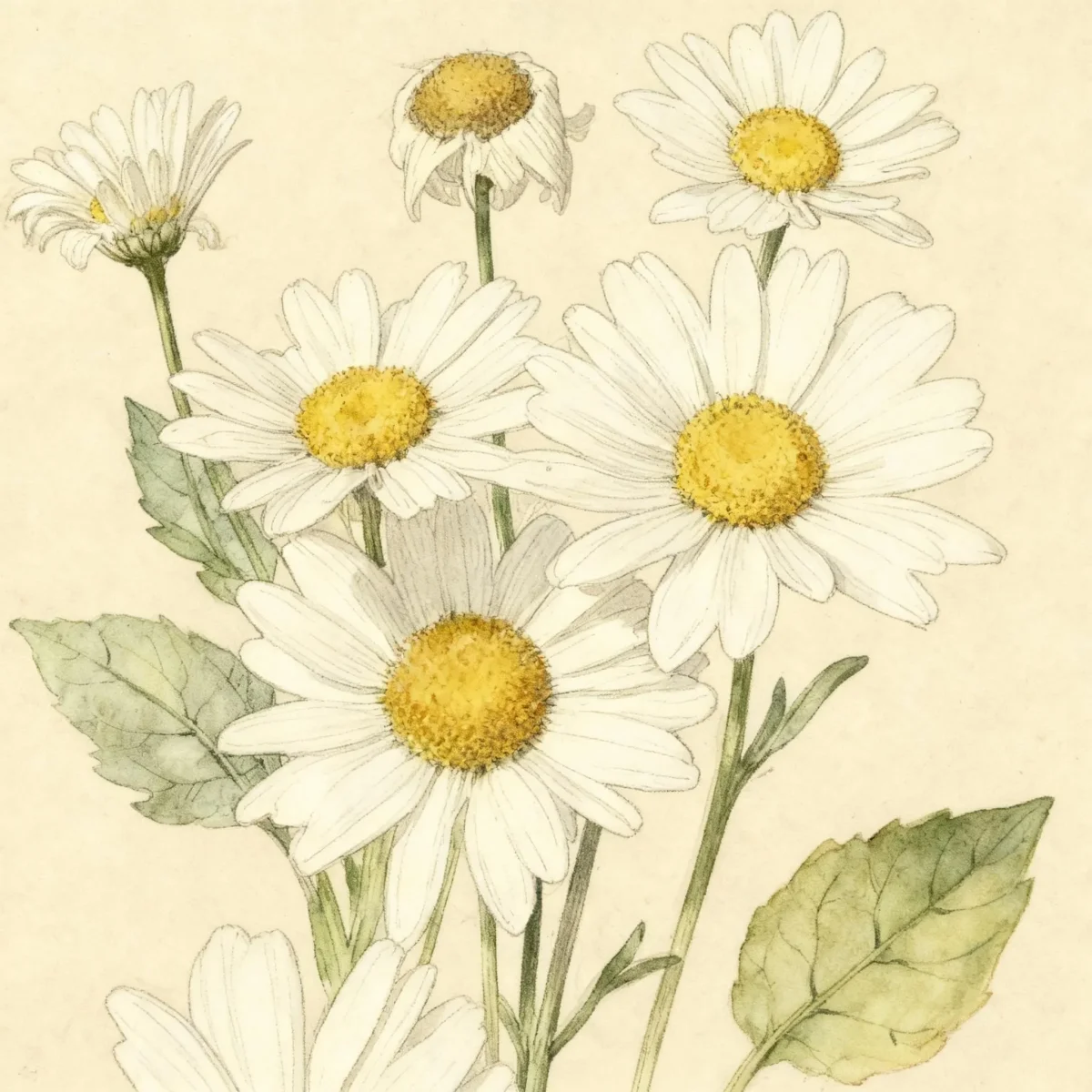
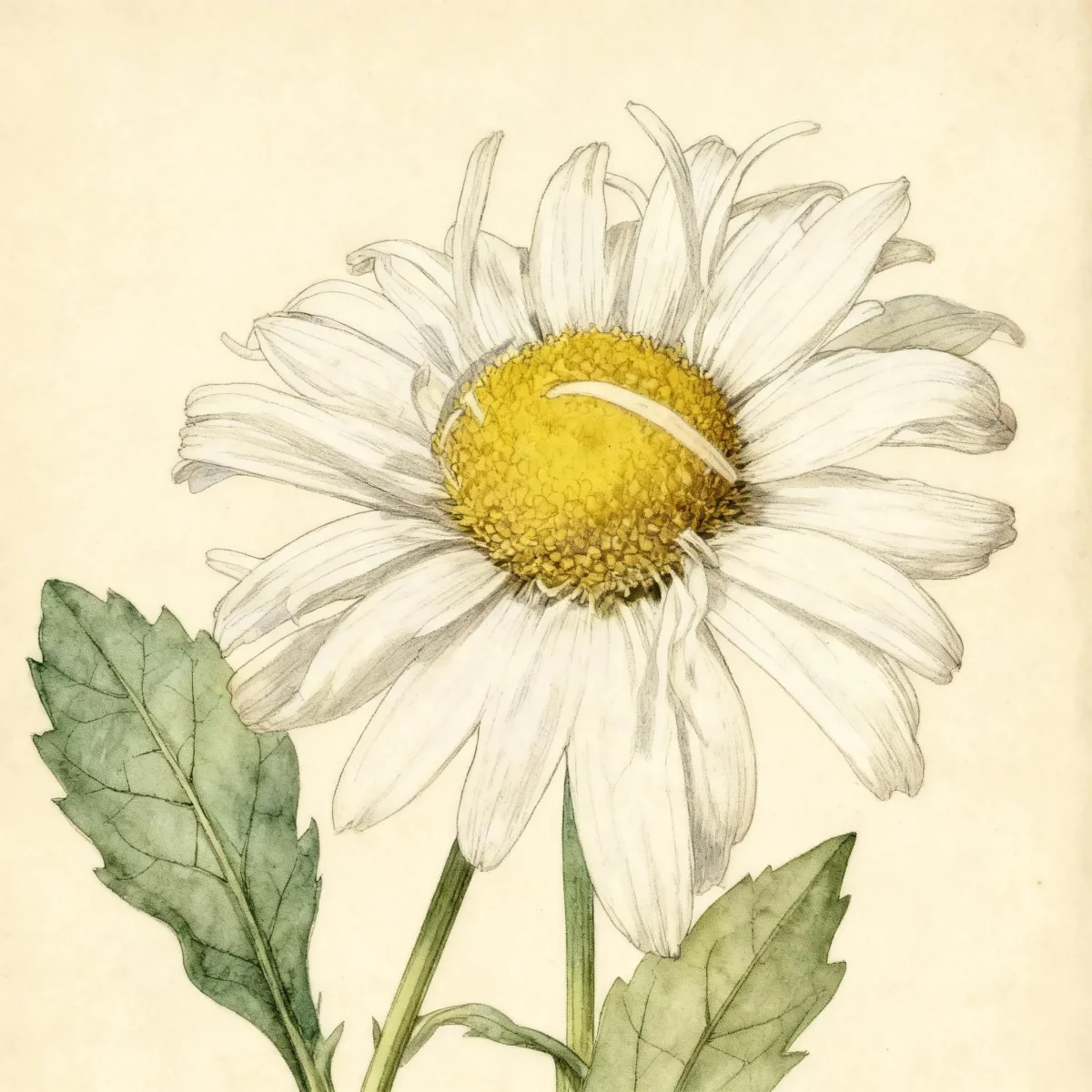
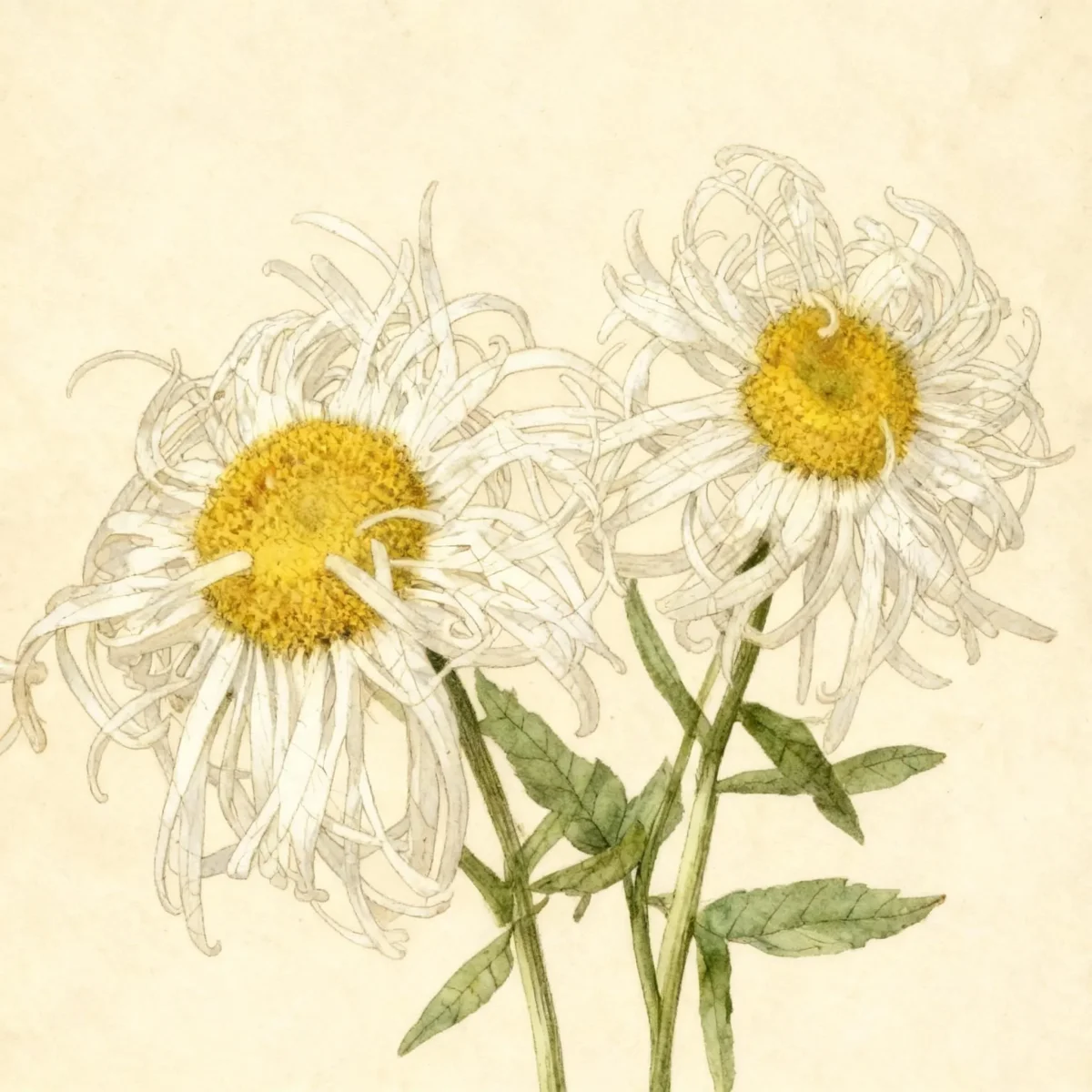
Leucanthemum × superbum ‘Beaute Nivelloise’ is a spectacular cultivar of the classic Shasta daisy, prized by gardeners for its exceptionally long bloom season spanning mid-summer. This herbaceous perennial delivers a powerful visual impact with its masses of pure white flowers, distinguished by very narrow, twisting, and frilly petals surrounding a traditional yellow eye. Culturally robust, this variety thrives when provided with ample sunlight and well-draining soil, making it a dependable, low-maintenance staple for summer color.
The history of the Shasta daisy lineage, developed by Luther Burbank, speaks to its enduring appeal as a garden mainstay. Expect Leucanthemum × superbum ‘Beaute Nivelloise’ to reach heights between two and two-and-a-half feet, forming neat clumps perfect for mid-border placements. It reliably provides long-lasting, showy blooms ideal not only for garden display but also for abundant cutting material.
Fast Facts
- Plant Family: Asteraceae
- Plant Type: Herbaceous perennial
- Hardiness Zones: USDA Zones 4-9
- Size at Maturity:
- Height: 2-2.5 ft
- Spread: 1.5-2 ft
- Bloom Time: June to August
- Bloom Description: White with yellow center
- Sun Exposure: Full sun
- Water Needs: Dry to medium
- Maintenance Level: Low
How to Grow
Plant Leucanthemum × superbum ‘Beaute Nivelloise’ in the spring or fall, ensuring the location receives full sun for the best flower production. These Shasta daisies prefer average, well-drained soils; excellent drainage is not just recommended but essential, as wet soils, especially during winter dormancy, can prove fatal to the plant crowns. While they tolerate some afternoon shade, particularly in hotter zones, maximum sunshine encourages denser habit and prolific blooming.
Watering should be light to moderate; once established, the plants exhibit good drought tolerance, aligning with their ‘Dry to medium’ water needs. Fertilization is rarely necessary if the soil structure is adequate; over-fertilizing can lead to floppy growth. Pruning involves deadheading spent flower heads regularly to encourage a steady procession of new blooms throughout the summer season.
To maintain the vigor of your clumps of Leucanthemum × superbum ‘Beaute Nivelloise’, plan to divide them every two to three years. This perennial variety is considered somewhat short-lived, so division is key to long-term success. As an optional energy-saving measure, consider cutting the stems back completely to the basal foliage just as the main flush of flowering ends; this may help prolong the plant’s lifespan in the border.
Landscape Uses
Shasta daisies, including the cultivar ‘Beaute Nivelloise’, are fundamental components of the traditional perennial border, offering a crisp white contrast against deeper hues. They serve as excellent structural plants in cottage gardens where their informal yet reliable nature complements soft plantings like salvias or trailing geraniums. Their ability to provide reliable summer color year after year makes them mainstays.
Furthermore, Leucanthemum × superbum ‘Beaute Nivelloise’ excels in the cutting garden. The sturdy stems and long vase life of the flowers make them indispensable for summer bouquets. They also perform well in informal rock gardens, provided conditions are dry and sunny, and can be successfully managed in large containers if the drainage requirements are strictly met.
Standout Features
Flower Qualities
- Showy
Noteworthy Characteristics
Leucanthemum × superbum, commonly called Shasta daisy, is a hybrid developed by Luther Burbank in the 1890s by crossing four different species, resulting in the superb hybrid we know today. This vigorous cultivar, ‘Beaute Nivelloise’, stands tall on strong stems, supporting masses of very narrow, frilly white petals that twist around a central yellow eye. The genus name reflects its white flowers, derived from the Greek words leukos (white) and anthemum (flower).
Tolerances
- Rabbit
- Deer
- Drought
- Dry Soil
Potential Problems
Leucanthemums generally possess a moderate susceptibility to common fungal issues like verticillium wilt, leaf spots, and various stem rots, often exacerbated by poor air circulation or chronically wet conditions. In terms of pests, occasional infestations of aphids, leaf miners, and spider mites can occur, particularly if the plant is stressed. Ensure excellent air flow by spacing plants appropriately, and avoid overhead watering late in the day to mitigate fungal risks.
Frequently Asked Questions
What hardiness zones is Shasta daisy suitable for?
Leucanthemum × superbum ‘Beaute Nivelloise’ is hardy and well-suited for planting across USDA Zones 4 through 9.
How large does Leucanthemum × superbum ‘Beaute Nivelloise’ grow?
This vigorous Shasta daisy typically matures to a height between 2 and 2.5 feet tall, spreading between 1.5 to 2 feet wide.
What sun exposure does Shasta daisy need?
For optimal flowering and robust structure, Leucanthemum × superbum ‘Beaute Nivelloise’ requires full sun exposure throughout the growing season.
When does Shasta daisy bloom?
This perennial offers prolonged bloom from June straight through August, displaying classic white flowers with crisp yellow centers.
Conclusion
The Leucanthemum × superbum ‘Beaute Nivelloise’ offers tremendous value to the summer garden through its dependable, showy, white blooms and low cultural demands. By providing full sun and superb drainage, gardeners can rely on this excellent Shasta daisy cultivar for season-long color contrast. Check your regional USDA zone compatibility now and plan to incorporate this superb perennial into your borders this coming planting season.
Companion Planting
Choosing appropriate companions is key to integrating Leucanthemum × superbum ‘Beaute Nivelloise’ seamlessly into a perennial scheme, particularly considering its requirement for dryish soil and full sun. Pair it with plants that share similar low-water needs to prevent root rot issues in adjacent plantings. Species like Russian Sage (Perovskia atriplicifolia), Nepeta (Catmint), or ornamental grasses thrive nearby, offering contrasting textures and colors without demanding excessive moisture.
Avoid planting this daisy directly next to moisture-loving species such as Hostas or Astilbes, as the contrasting water requirements can create stressful microclimates for one plant or the other. A successful design utilizes the Shasta daisy’s upright habit to anchor the middle ground of a sunny border, letting shorter, drought-tolerant groundcovers drift around its base.
Propagation Tips
The most practical method for increasing your stock of Leucanthemum × superbum ‘Beaute Nivelloise’ is through division, as described in the cultural care section. Since the plants are considered somewhat short-lived, division every few years is crucial for plant health and expansion. The best time to perform this task is in early spring before new growth fully emerges, or sometimes in early fall after flowering has ceased.
Carefully lift the entire clump using a garden fork, taking care not to damage the root ball more than necessary. Gently tease apart the established crown into smaller sections, ensuring each new division has a healthy segment of roots attached. Replant these divisions immediately into prepared, well-drained soil at the same depth they were previously growing, ensuring the plant recovers quickly to provide future blooms.