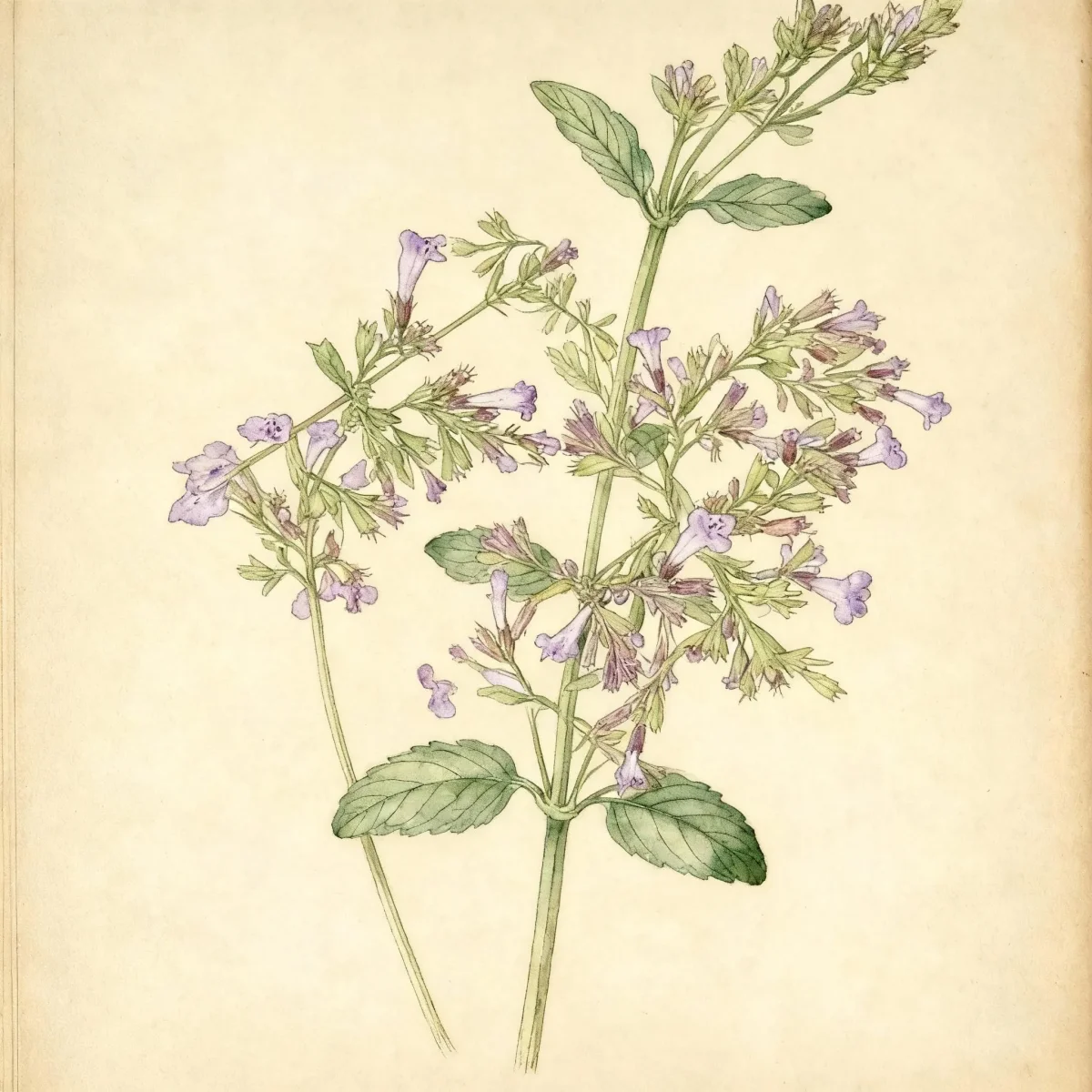
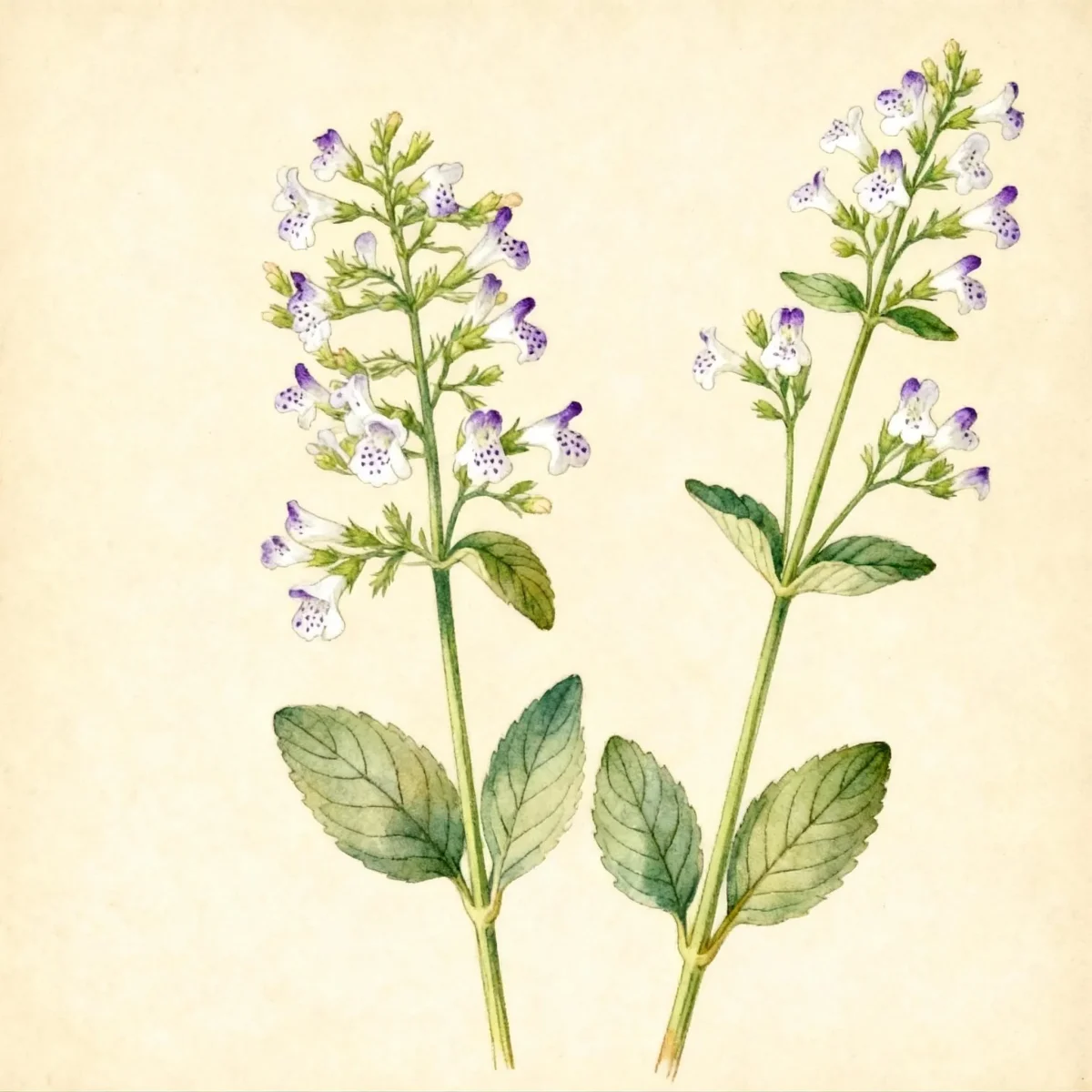
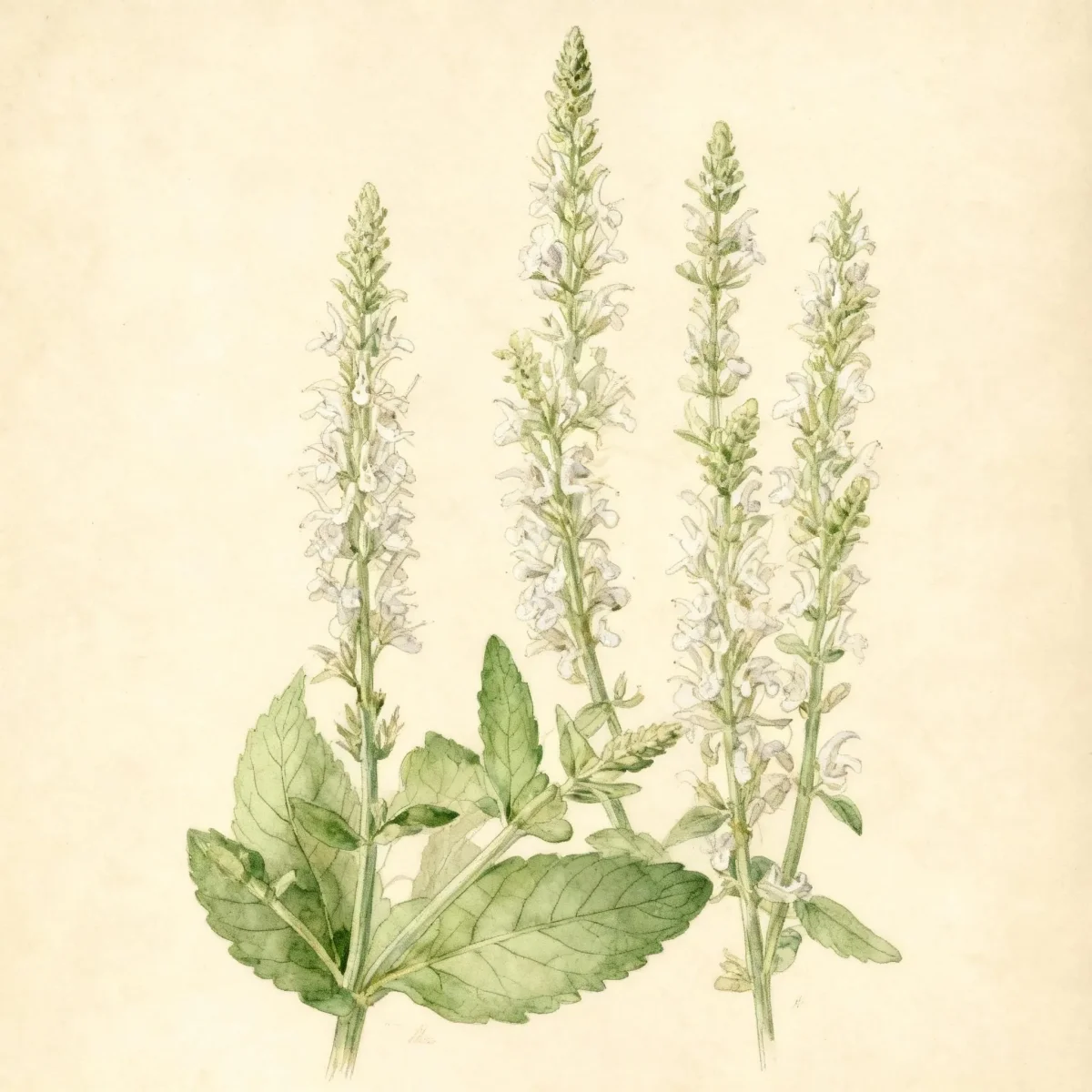
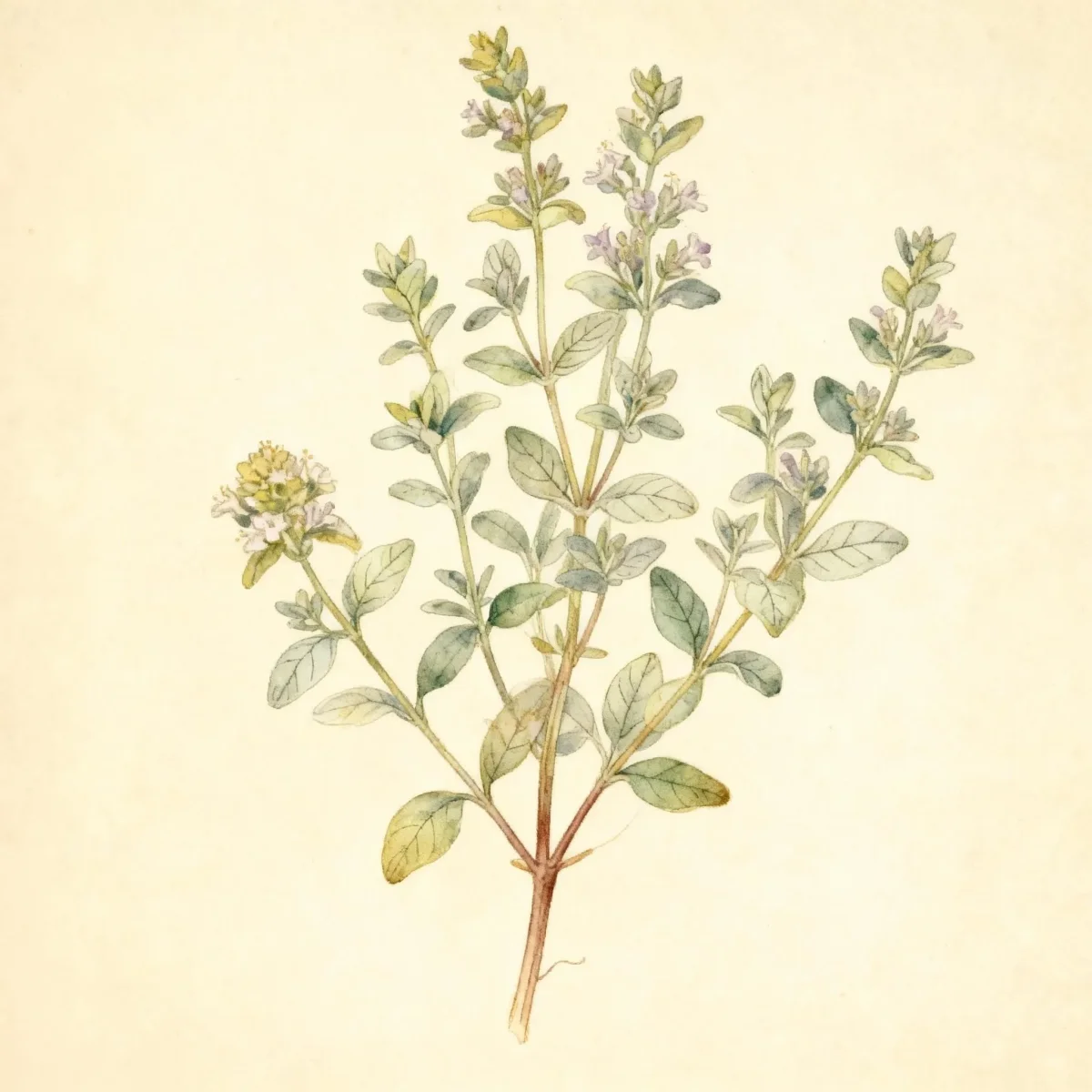
Calamint (Calamintha nepeta subsp. nepeta)
Calamint (Calamintha nepeta subsp. nepeta) is a fragrant, low-maintenance perennial, ideal for borders and ground cover in zones 5-7.
Scroll down to discover growing tips, care requirements, companion plants, and more
Complete Plant Information
Overview
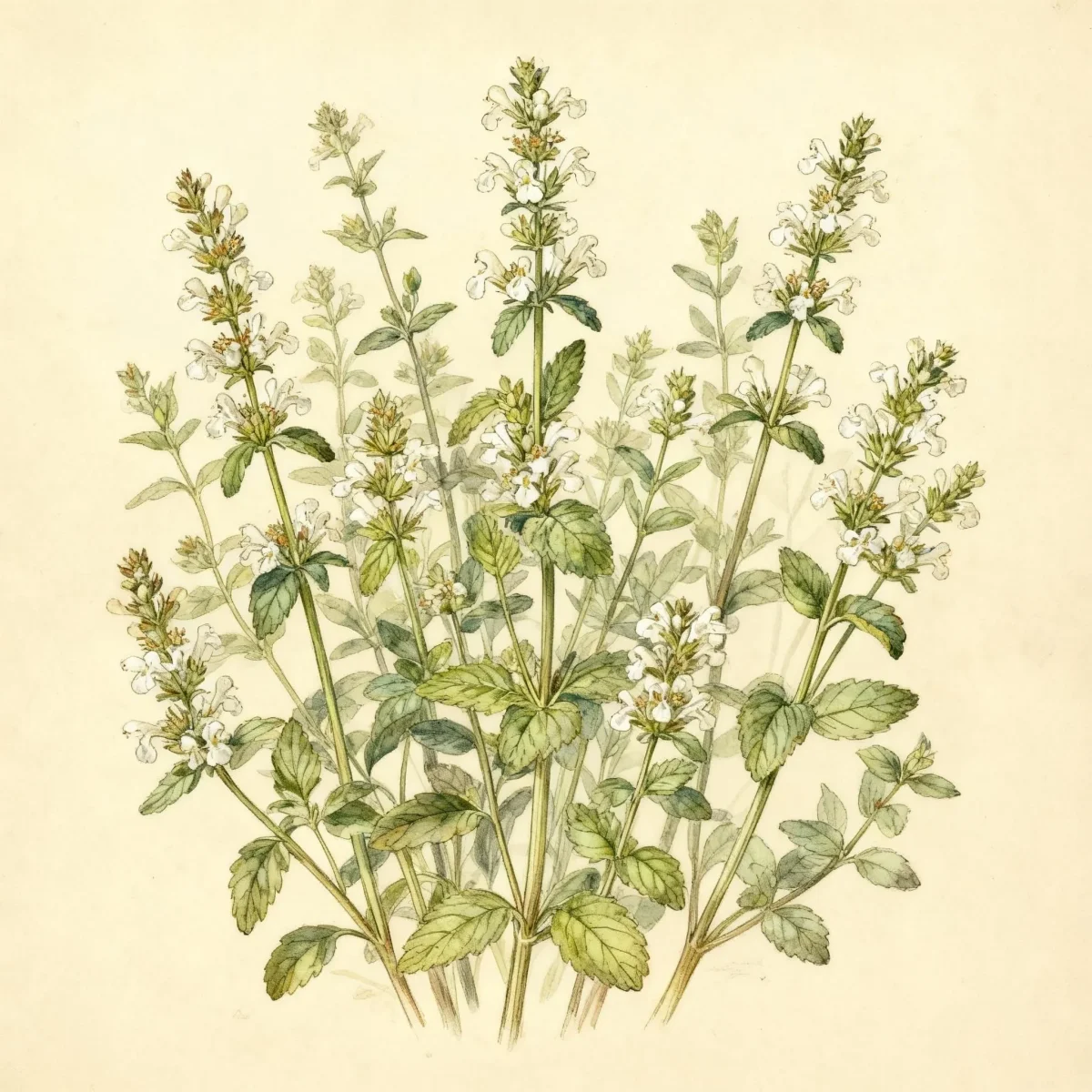
Calamint, scientifically known as Calamintha nepeta subsp. nepeta, is a highly valued member of the mint family, appreciated for its long bloom time and refined, yet tough, nature. This bushy, rhizomatous perennial forms a dense, spreading mat, effectively suppressing weeds while providing continuous texture and color throughout the summer months. Its primary appeal lies in its highly fragrant, gray-green foliage and masses of tiny, airy lilac to white flowers favored by a host of insect pollinators.
Native to Southern Europe, Calamintha nepeta subsp. Nepeta thrives in sunny locations where many other herbs struggle, tolerating dry, rocky conditions once established. Gardeners benefit from its low maintenance requirements and its ability to serve as an informal ground cover or a neat edging plant along pathways. The subspecies Nepeta is noted for being a more vigorous performer than the species, enhancing its utility in the landscape.
This versatile herb is indispensable for creating relaxed, naturalistic plantings that benefit local ecosystems. Whether utilized in rock gardens, spilling over retaining walls, or nestled into herb gardens, Calamint offers consistent performance from early summer until fall frost. Achieving a rewarding display requires minimal effort, making it an excellent substitute for fussier bedding plants.
Fast Facts
- Plant Family: Lamiaceae
- Plant Type: Herbaceous perennial
- Native Range: Southern Europe to Great Britain
- Hardiness Zones: USDA Zones 5-7
- Size at Maturity:
- Height: 1-1.5 ft
- Spread: 1-2 ft
- Bloom Time: June to September
- Bloom Description: Lilac to white
- Sun Exposure: Full sun
- Water Needs: Dry to medium
- Maintenance Level: Low
How to Grow
Start Calamintha nepeta subsp. nepeta in the spring after the danger of hard frost has passed, ensuring it is situated in full sun. This plant thrives in well-drained soils that are slightly acidic to slightly alkaline, preferring dry to medium moisture levels, though it appreciates somewhat evenly moist conditions during establishment. While it tolerates a bit of afternoon shade, intense, prolonged heat without sufficient moisture may cause foliage decline, especially in warmer climates below Zone 7.
Maintenance for Calamint is remarkably low. While it tolerates drought, occasional, deep watering during the driest parts of summer will improve vigor. Fertilization is generally unnecessary; rich soil often leads to floppier growth. Because Calamintha nepeta subsp. Nepeta can spread via rhizomes or self-seeding, plan to shear or cut back the plants immediately after the main flush of flowering concludes. This tidies the appearance and prevents unwanted seedlings from establishing in undesirable locations.
Propagation is easily achieved from seed, though the plant may also root readily where stem nodes touch the ground. For the best aesthetic results and to manage its spreading habit, treat it as an informal border plant. Remember that plants generally do not perform well in the deep South, often suffering from excessive humidity and heat.
Landscape Uses
Calamint excels in roles where a soft, continuous texture is desired without demanding constant attention. Its habit makes it an excellent, informal ground cover, spilling beautifully over the edges of beds or softening the hard lines of walkways and patios. Consider planting it as a relaxed edging plant in an herb garden, where its fragrant leaves can be brushed as you pass.
The recommended use includes naturalizing it into drifts, particularly on slopes where its drought and erosion tolerance are assets. It also looks stunning allowed to cascade over low retaining walls or tumble from containers. For a cohesive design, pair Calamintha nepeta subsp. Nepeta with other sun-loving, low-growing, Mediterranean herbs or flowering perennials that share similar dry soil requirements.
Standout Features
Flower Qualities
- Showy
- Fragrant
Noteworthy Characteristics
Calamintha nepeta is a bushy, rhizomatous, perennial herb of the mint family that is native to Europe and the Mediterranean region. It typically forms a dense, indefinitely spreading, foliage mat with upright leafy flowering stems rising to 12-18” tall. The tiny, tubular flowers appear over a long June-September bloom period and are highly attractive to bees, showcasing the vigorous nature of subspecies Nepeta over the base species.
Tolerances
- Drought
- Erosion
- Dry Soil
- Shallow-Rocky Soil
Potential Problems
Calamintha nepeta subsp. Nepeta is generally free of serious insect or disease issues, reflecting its hardy nature. Gardeners in areas with hot and humid summers, such as parts of the Southeast, may observe foliage decline later in the season. The primary management concern to watch for is powdery mildew, which can occur when air circulation is poor or humidity is persistently high. Ensure adequate spacing when planting to promote air movement around the clumps.
Frequently Asked Questions
What hardiness zones is Calamint suitable for?
Calamint is suitable for USDA Zones 5 through 7, performing best where summers are moderately warm and humid conditions are not pervasive.
How large does Calamint grow?
This perennial typically reaches a height between 1 and 1.5 feet, spreading to a width of 1 to 2 feet, often forming an ever-expanding mat.
What sun exposure does Calamint need?
Calamint requires full sun exposure to maintain its best shape and flowering performance, although it can tolerate light afternoon shade.
When does Calamint bloom?
The blooming period for Calamint is extensive, running from June all the way through September, featuring masses of small, lilac to white flowers.
Conclusion
The combination of low maintenance, drought tolerance, and exceptional pollinator appeal makes Calamintha nepeta subsp. nepeta a superb choice for sustainable gardens. This Calamint variant provides long-lasting color without demanding rich soil or constant water. Before planting, verify your local hardiness zone compatibility and ensure you provide it with the full sun it craves for optimal performance.
Companion Planting
Calamint pairs beautifully with other drought-tolerant, sun-loving perennials that share its Mediterranean heritage. Consider pairing it with ornamental grasses like Blue Fescue, which offer contrasting fine texture, or with structural plants like Lavender and Thyme. Because of its low spread and low visual height, it works perfectly below taller, sun-loving companions such as Salvia or Russian Sage, creating layered borders that require infrequent watering once established.
Propagation Tips
While Calamintha nepeta subsp. Nepeta is easily started from seed, experienced gardeners often prefer vegetative propagation for faster results and to guarantee true-to-type plants. Take soft-wood cuttings during the early summer when new growth is pliable. Because the stems root easily at the nodes where they touch the soil, another simple method involves layering—gently bending low-growing stems down and securing them against the soil, keeping the tips exposed. These rooted sections can be divided and transplanted the following spring.