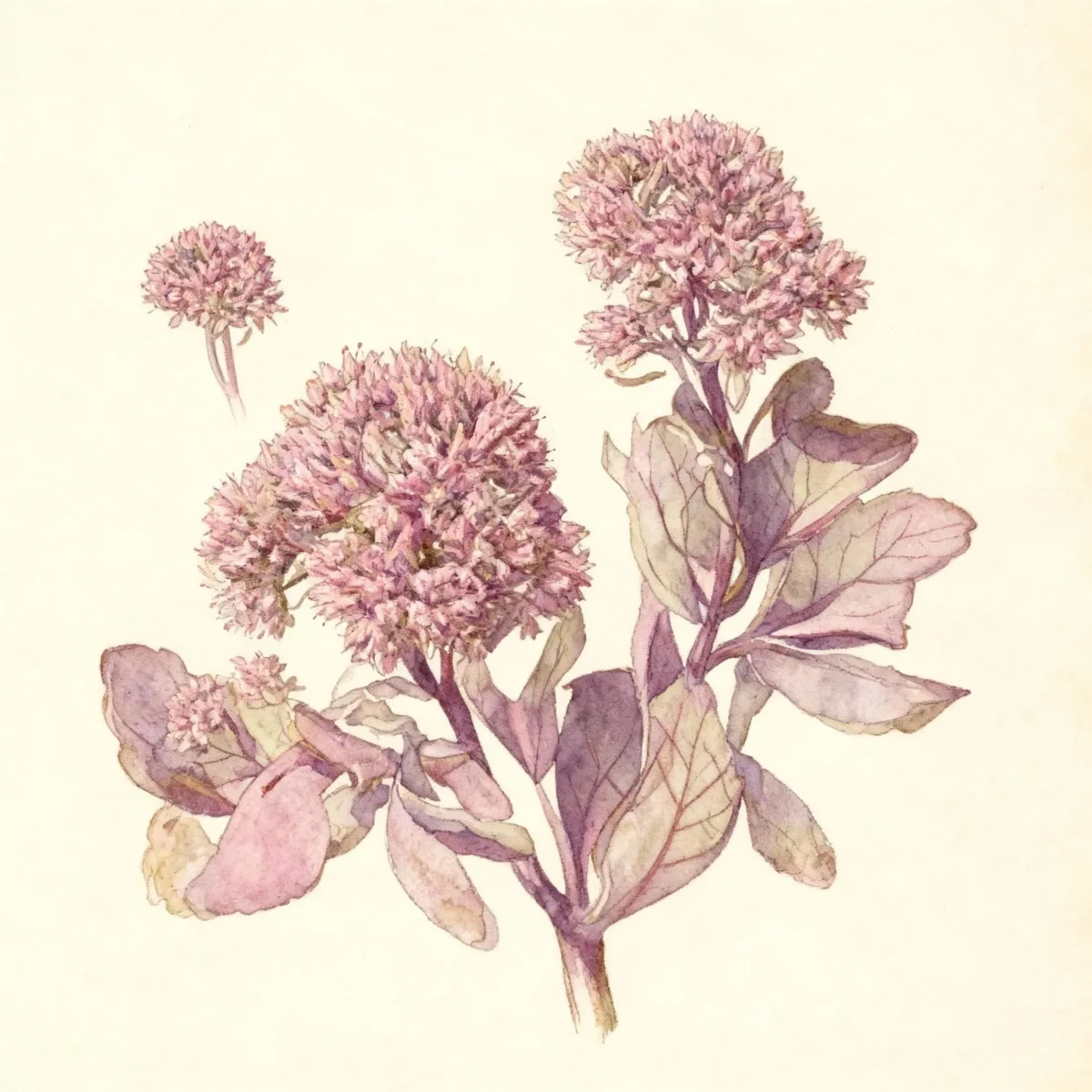
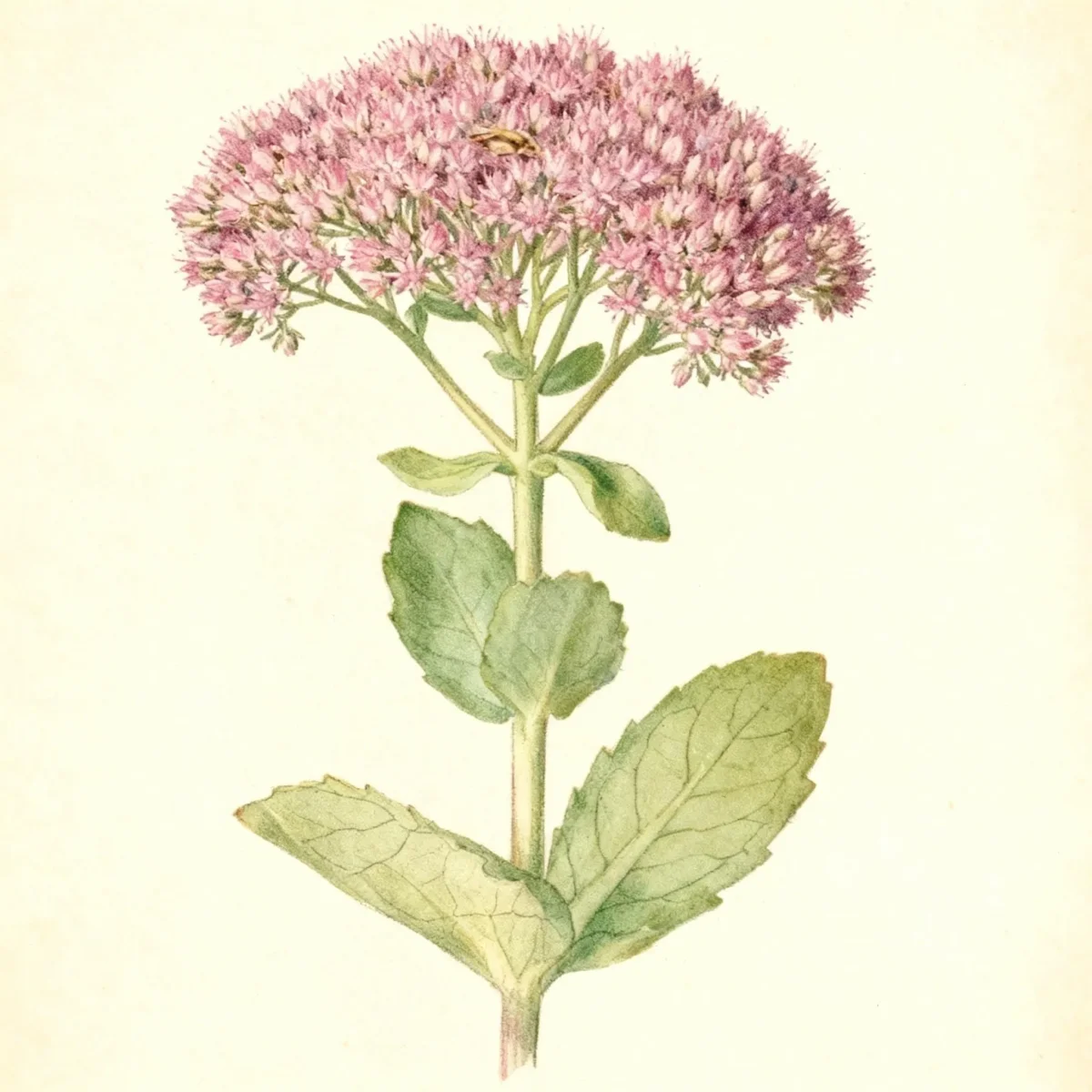
Hylotelephium (Hylotelephium spectabile 'Neon')
Hylotelephium spectabile 'Neon' offers vibrant neon pink late-season blooms atop succulent mounds. This low-maintenance Hylotelephium excels in full sun and well-drained soil.
Scroll down to discover growing tips, care requirements, companion plants, and more
Complete Plant Information
Overview
Hylotelephium spectabile ‘Neon’ is a highly valued succulent perennial, prized for its intense, late-season floral display. This cultivar of Hylotelephium delivers dense masses of startlingly bright, neon pink flowers, making it an essential late-season color anchor in the garden. It maintains a neat, upright mound, showcasing fleshy, attractive foliage throughout the growing season.
This variety offers exceptional performance in challenging conditions, thriving where many other perennials struggle. As a Hylotelephium, it demands excellent drainage and prefers neglect over over-care, making it an ideal selection for low-maintenance landscapes. Its vigorous nature ensures reliable seasonal interest, extending color well into the autumn months.
The persistent structure and rich bloom make Hylotelephium spectabile ‘Neon’ a superb choice for attracting late-season pollinators. Gardeners rely on this plant for reliable structure and vibrant color contrast as summer fades into fall, proving itself to be a dependable and beautiful addition to mixed borders.
Fast Facts
- Plant Family: Crassulaceae
- Plant Type: Herbaceous perennial
- Hardiness Zones: USDA Zones 3-9
- Size at Maturity:
- Height: 1-2 ft
- Spread: 1-2 ft
- Bloom Time: August to October
- Bloom Description: Neon pink
- Sun Exposure: Full sun
- Water Needs: Dry to medium
- Maintenance Level: Low
How to Grow
Plant Hylotelephium spectabile ‘Neon’ in spring or autumn once danger of hard frost has passed, ensuring it receives full sun exposure for the best flower color and strongest stems. Success hinges on soil quality; this Hylotelephium absolutely requires well-drained gritty or gravelly soil. While it tolerates average conditions, avoid overly rich soil, as this encourages floppy, weak growth rather than stout, upright stems.
Water requirements are minimal once established; treat this plant as drought tolerant, providing water only during prolonged dry spells. Fertilizing is rarely necessary; rich soil amendments can actually hinder performance by promoting weak stems that struggle to support the heavy flower heads. Good soil drainage is the single most critical factor for long-term health.
To maintain a tidy appearance and encourage denser growth, you can pinch back the stems by up to half their height in early summer. For propagation, divisions in the spring are straightforward, or you can utilize stem cuttings taken in summer. Even single detached leaves, placed on lightly moist soil, can easily root to form new Hylotelephium plants.
Landscape Uses
This stunning perennial excels in locations where its late-season, vivid color is needed most. Hylotelephium spectabile ‘Neon’ works beautifully planted in large rock gardens, where its succulent nature complements stony environments. It serves effectively as a substantial border front, providing reliable, mid-height structure against taller background plantings.
Consider using Hylotelephium in specimen plantings or grouped together to create impactful drifts of color. Because of its structure and excellent drought tolerance, it integrates seamlessly into dry perennial borders, needing little attention after establishment. It also performs admirably in containers, provided the potting mix ensures rapid drainage.
Pair this plant with other sun-loving, water-wise perennials such as ornamental grasses, Sedum relatives, or hardy Agastache. The light gray-green foliage of the Hylotelephium spectabile ‘Neon’ creates a wonderful, cooling contrast against plants with darker green or purple leaves.
Standout Features
Flower Qualities
- Showy
Noteworthy Characteristics
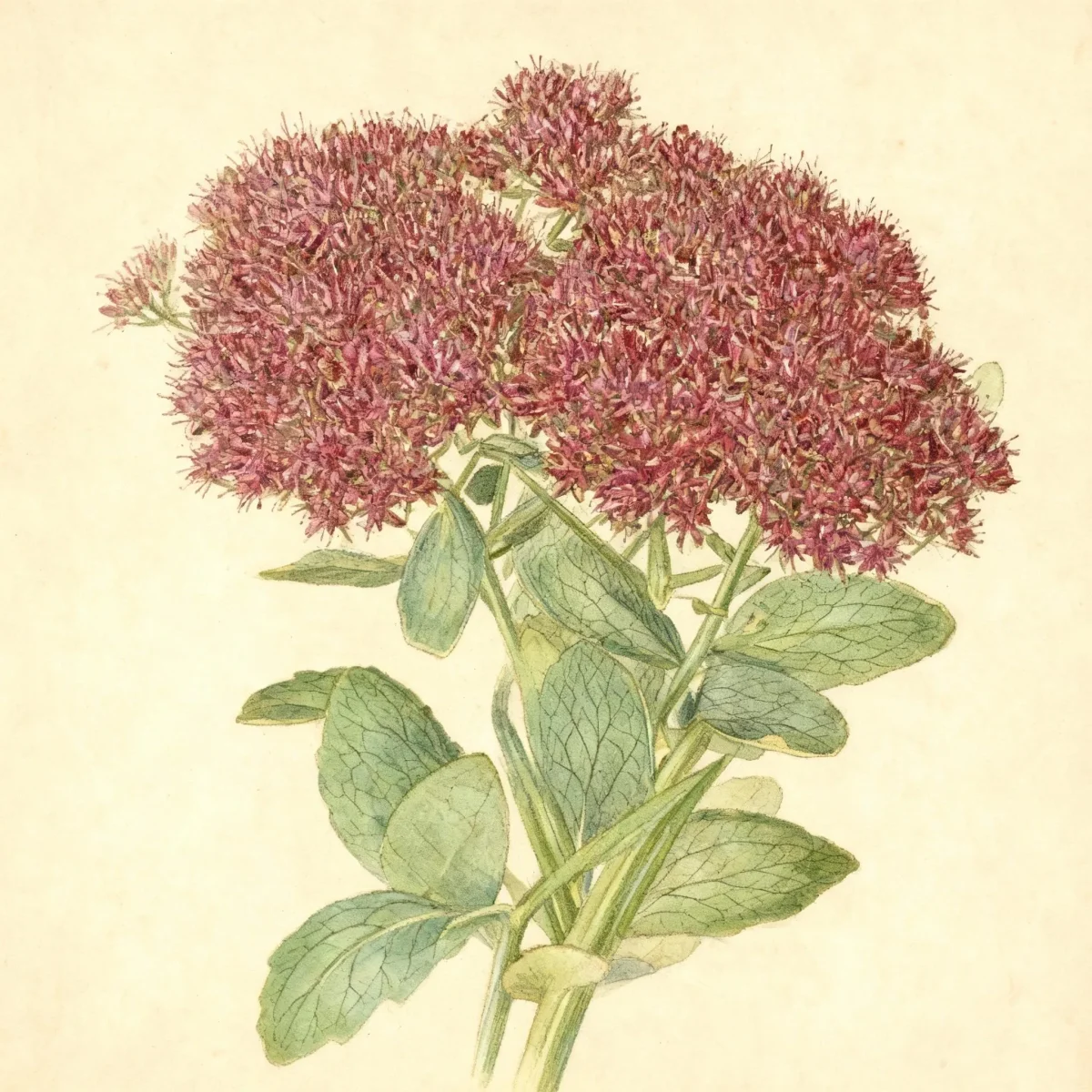
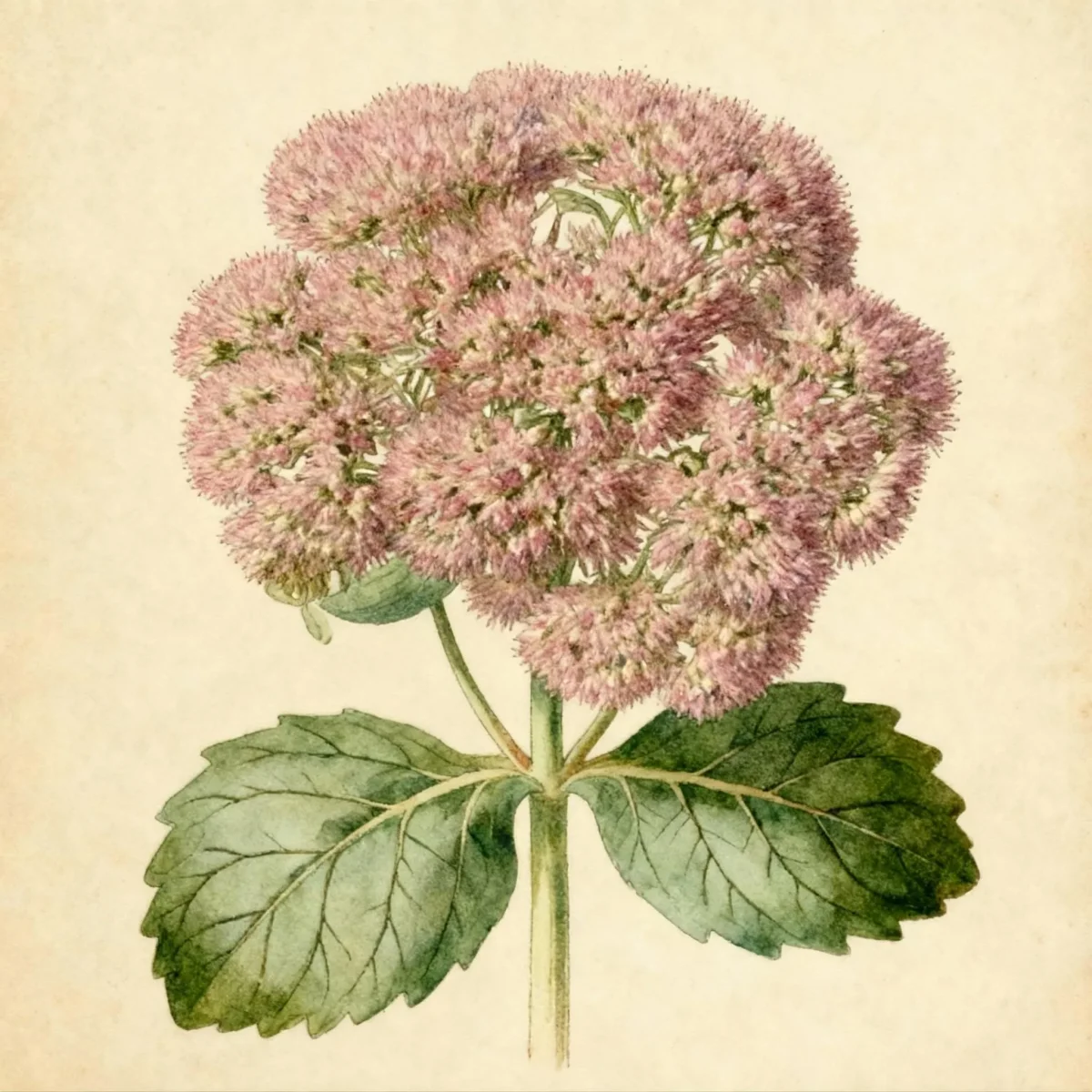
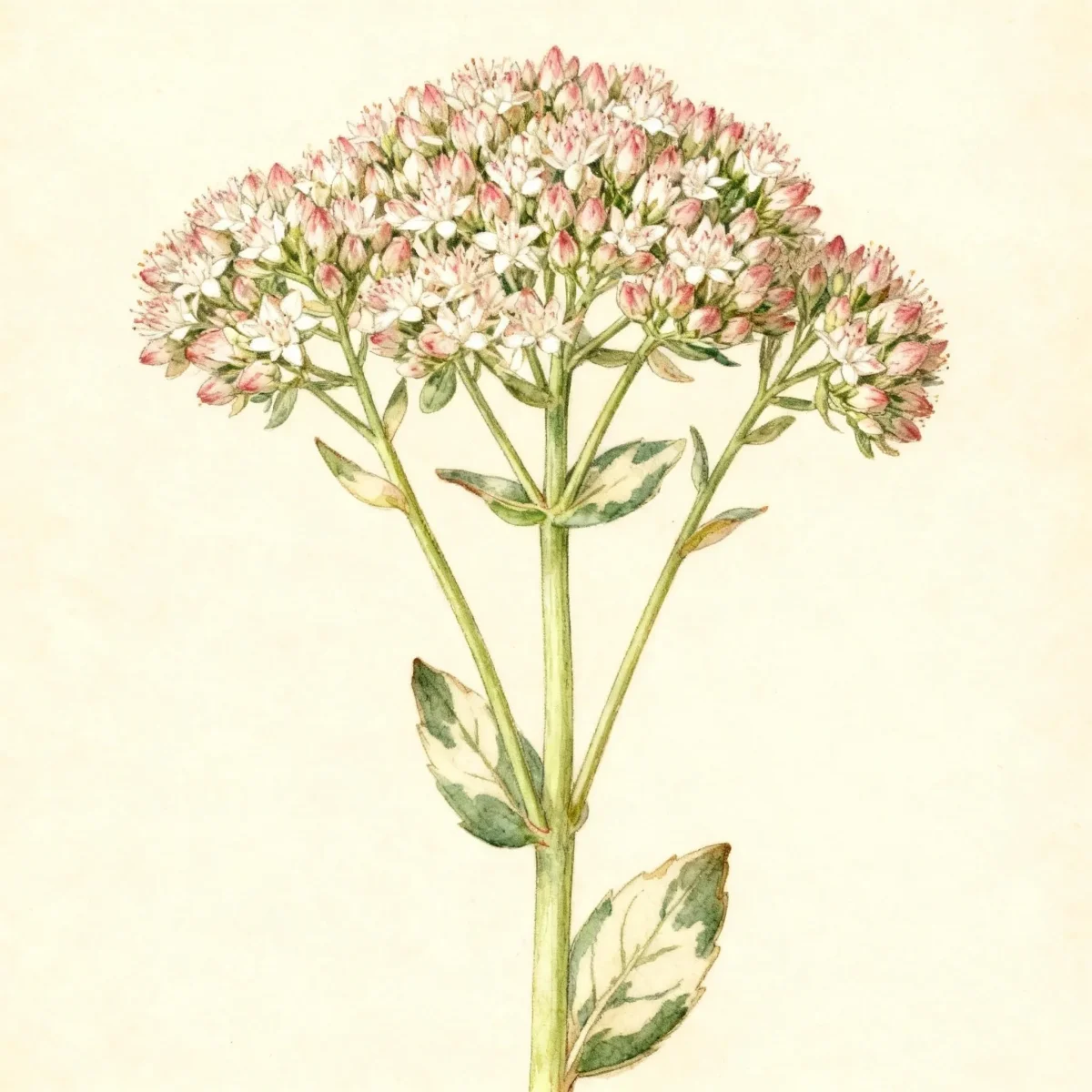
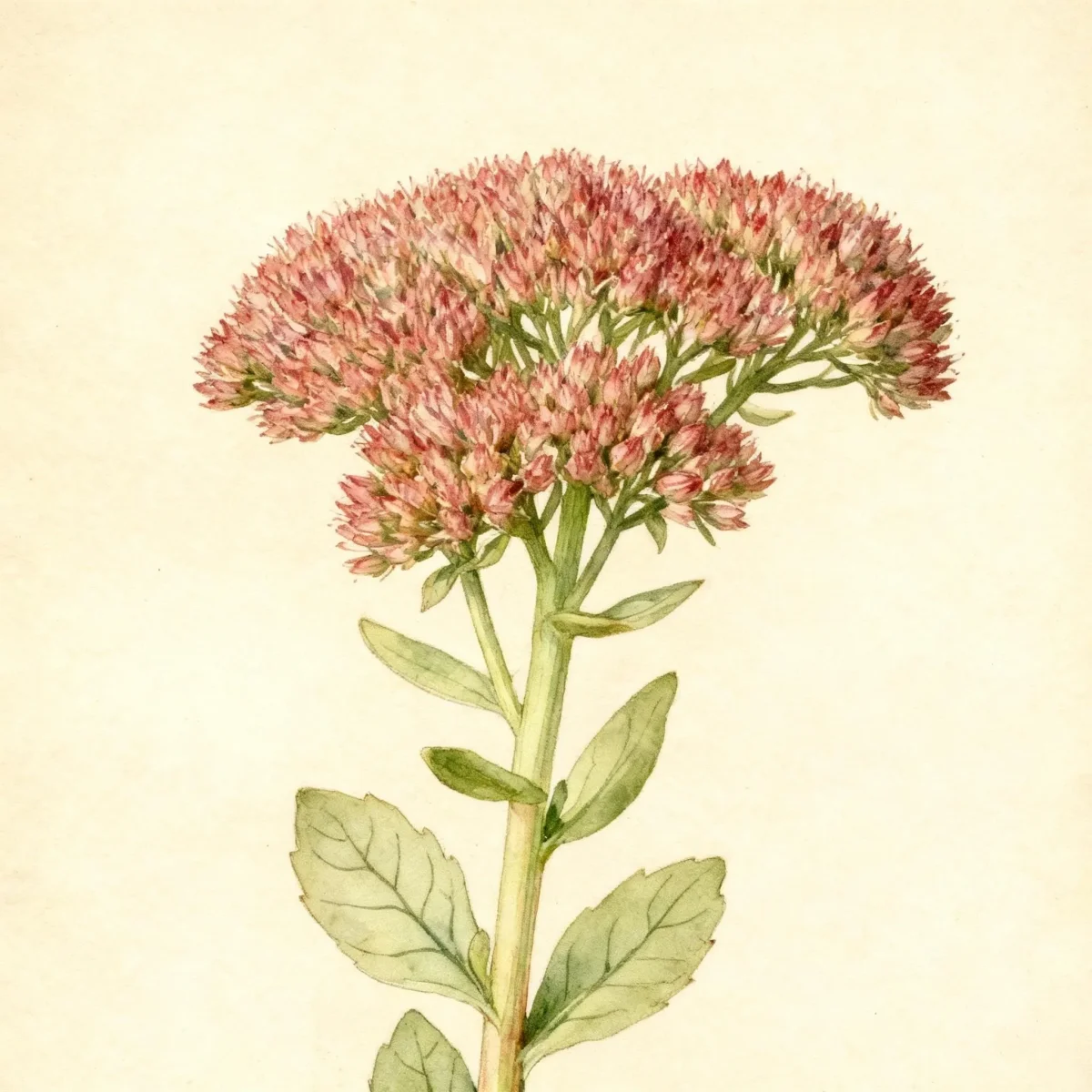
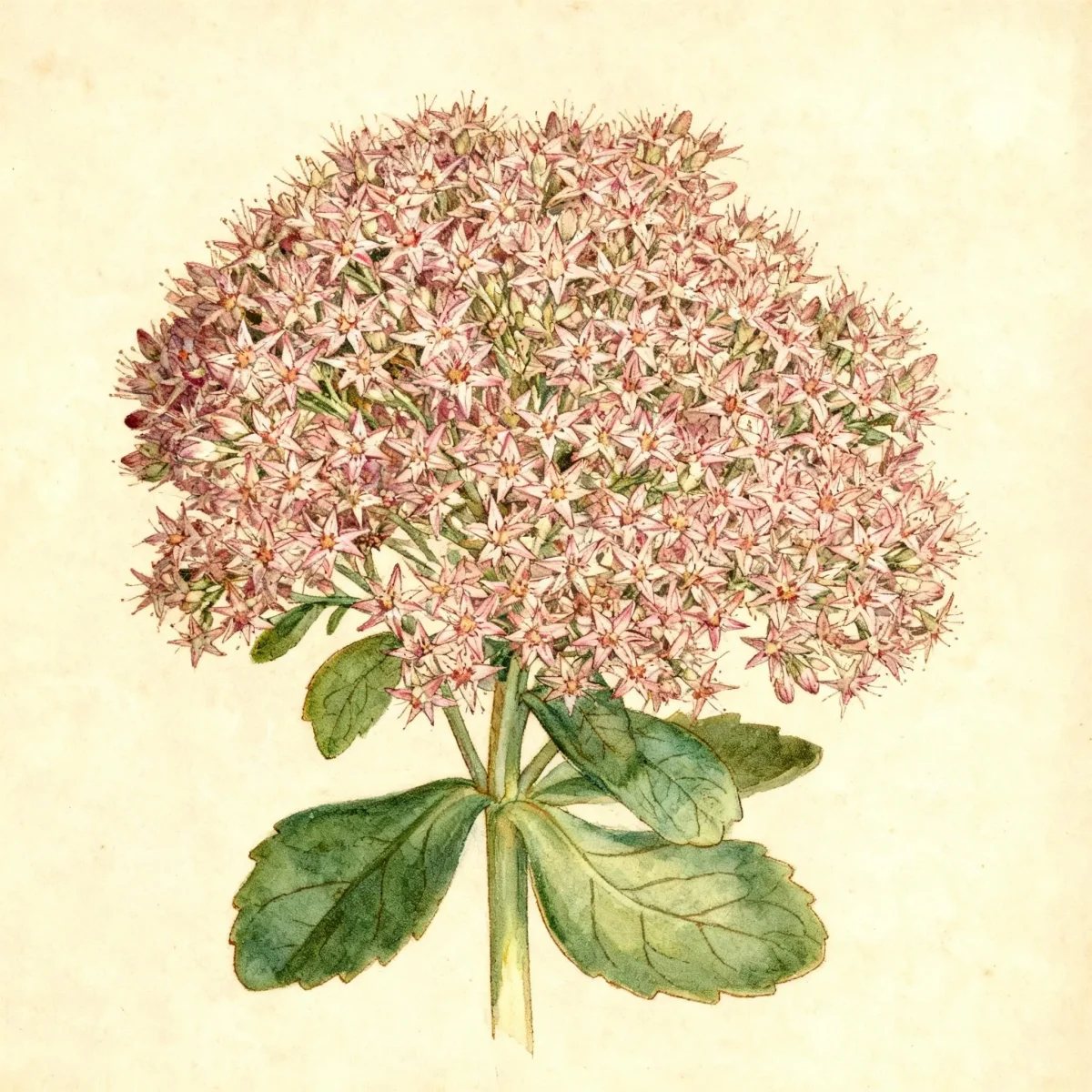
Hylotelephium spectabile, commonly known as hylotelephium, showy stonecrop, live-forever, ice plant or orpine, is a succulent herbaceous perennial which typically grows in an upright to semi-upright mound on unbranched stems typically rising to 18-24” tall. It features (a) fleshy, flat, coarsely-toothed, elliptic, opposite (sometimes in whorls of 3-4), dull green to blue-green leaves (to 3” long), (b) fleshy stems and (c) tiny, star-like, pink flowers (to 1/2” across) which bloom from late summer to frost (August-October) in dense rounded flower heads (corymbose cymes to 3-4” across). Flower color fades to burgundy brown as the flowers age. The cultivar ‘Neon’ is known for larger, rounded flower heads reaching up to 6” across, displaying bright neon pink blooms atop stout stems clad with fleshy, rounded, succulent-like, light gray-green leaves.
Tolerances
- Drought
- Dry Soil
- Shallow-Rocky Soil
Potential Problems
Hylotelephium spectabile ‘Neon’, being robust, rarely suffers from serious insect or disease issues, making it a wonderfully resilient choice. The most frequent visitors are general garden pests like slugs, scale, mealybugs, aphids, and weevils, which may occasionally appear, especially during wet periods. Snails and slugs are most attracted to the tender new growth in spring. Implementing preventative measures like diatomaceous earth around the base or maintaining sharp drainage can often discourage minor infestations. If floppy stems occur, remember this is cultural, usually caused by too much shade or overly rich, wet soil, not disease.
Frequently Asked Questions
What hardiness zones is Hylotelephium suitable for?
This Hylotelephium cultivar is reliably hardy across USDA Zones 3 through 9.
How large does Hylotelephium spectabile ‘Neon’ grow?
It typically reaches a height between 1 and 2 feet, spreading to match its height between 1 and 2 feet wide.
What sun exposure does Hylotelephium spectabile ‘Neon’ need?
Optimal growth and flower production occur in full sun. Too much shade will result in weaker stems that flop over.
When does Hylotelephium spectabile ‘Neon’ bloom?
This plant provides brilliant color starting in August and continues blooming robustly through to October with distinct neon pink flowers.
Conclusion
Hylotelephium spectabile ‘Neon’ is an indispensable plant for late-season structure and remarkable color payoff with very little input required from the gardener. This resilient Hylotelephium variety thrives in sun and lean, dry soils, proving its worth through consistent, vibrant performance. Before planting, confirm your soil drains excellently, then enjoy the minimum maintenance required to keep your ‘Neon’ specimens blooming brilliantly through the autumn.
Propagation Tips
Propagation of Hylotelephium spectabile ‘Neon’ is straightforward, which contributes to its accessibility for gardeners. The most common method is stem cuttings, taken during the summer months. Simply sever a healthy stem section, allow the cut end to dry and callus over for a day or two, and then place it into sharp, dry potting mix or gravel.
Alternatively, you can divide established older clumps during the early spring before new growth fully erupts. Ensure each division retains several healthy root sections and at least one viable growth node. Even accidental breakage benefits this plant; detached leaves can be laid on the soil surface, and they will readily root to form entirely new plants, showcasing the live-forever nature of this Hylotelephium.
Companion Planting
Because Hylotelephium spectabile ‘Neon’ prefers dry, average, or even poor soil and full sun, companion plants should share this low-nutrient, high-drainage requirement. Pair it with other drought-tolerant perennials that bloom later in the season or offer contrasting textures. Excellent partners include ornamental grasses like Panicum or Miscanthus, or other hardy Sedums that don’t require rich compost.
Avoid placing this Hylotelephium next to heavy feeders or plants that need constantly moist conditions, as this combination often leads to poor performance for the stonecrop itself. In a mixed border, the uniform height of Hylotelephium spectabile ‘Neon’ acts as a wonderful mid-border anchor, bridging taller background plants with shorter edging material.