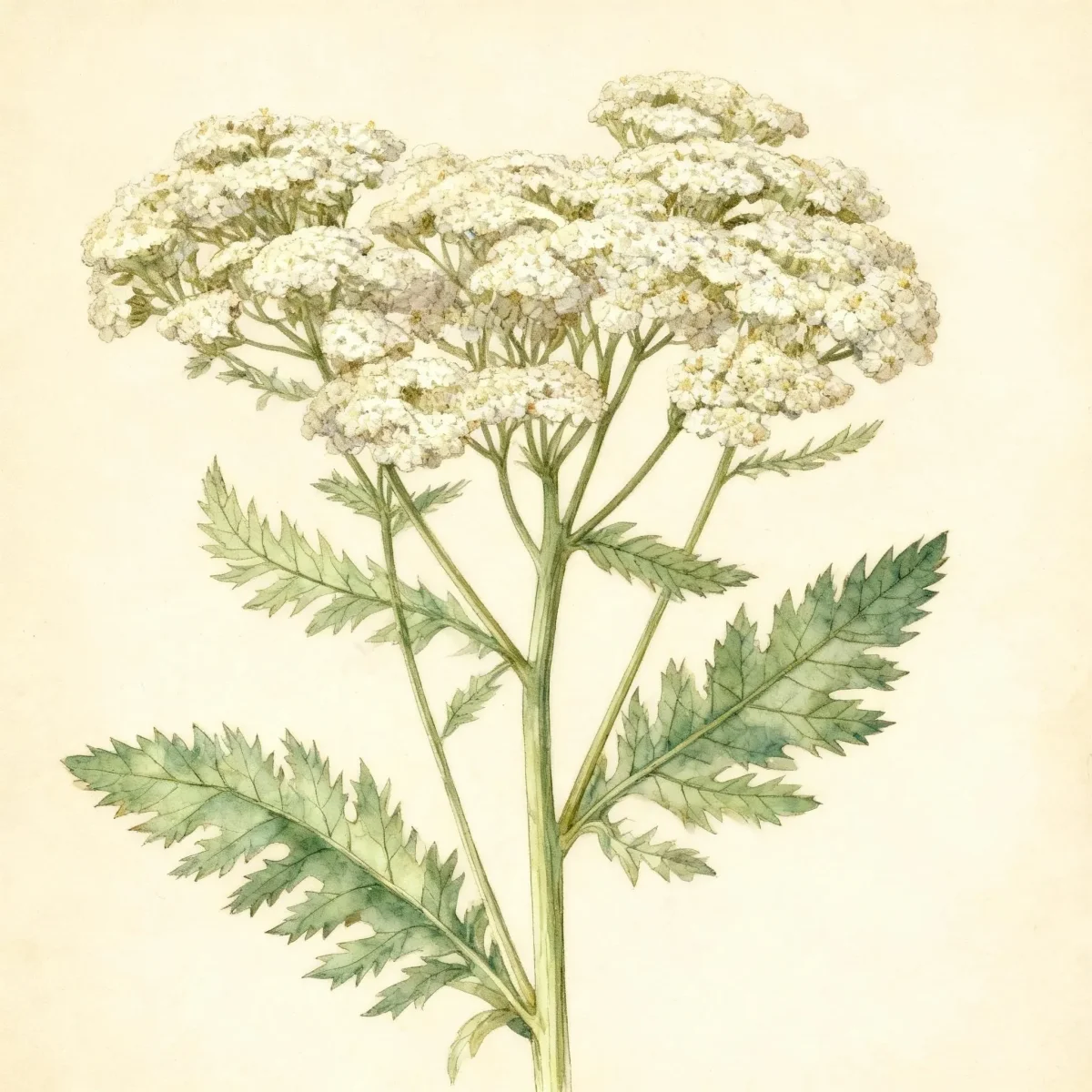
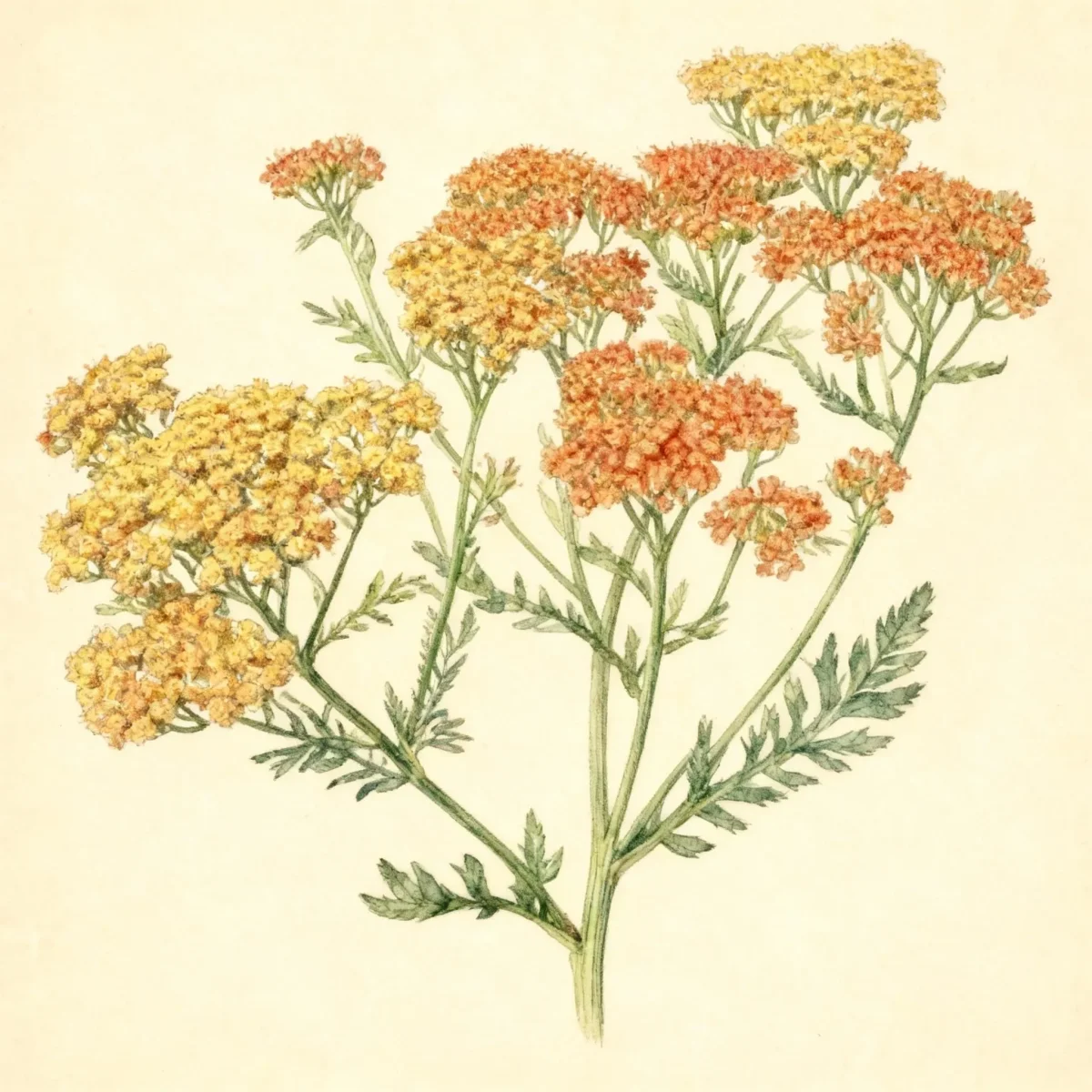
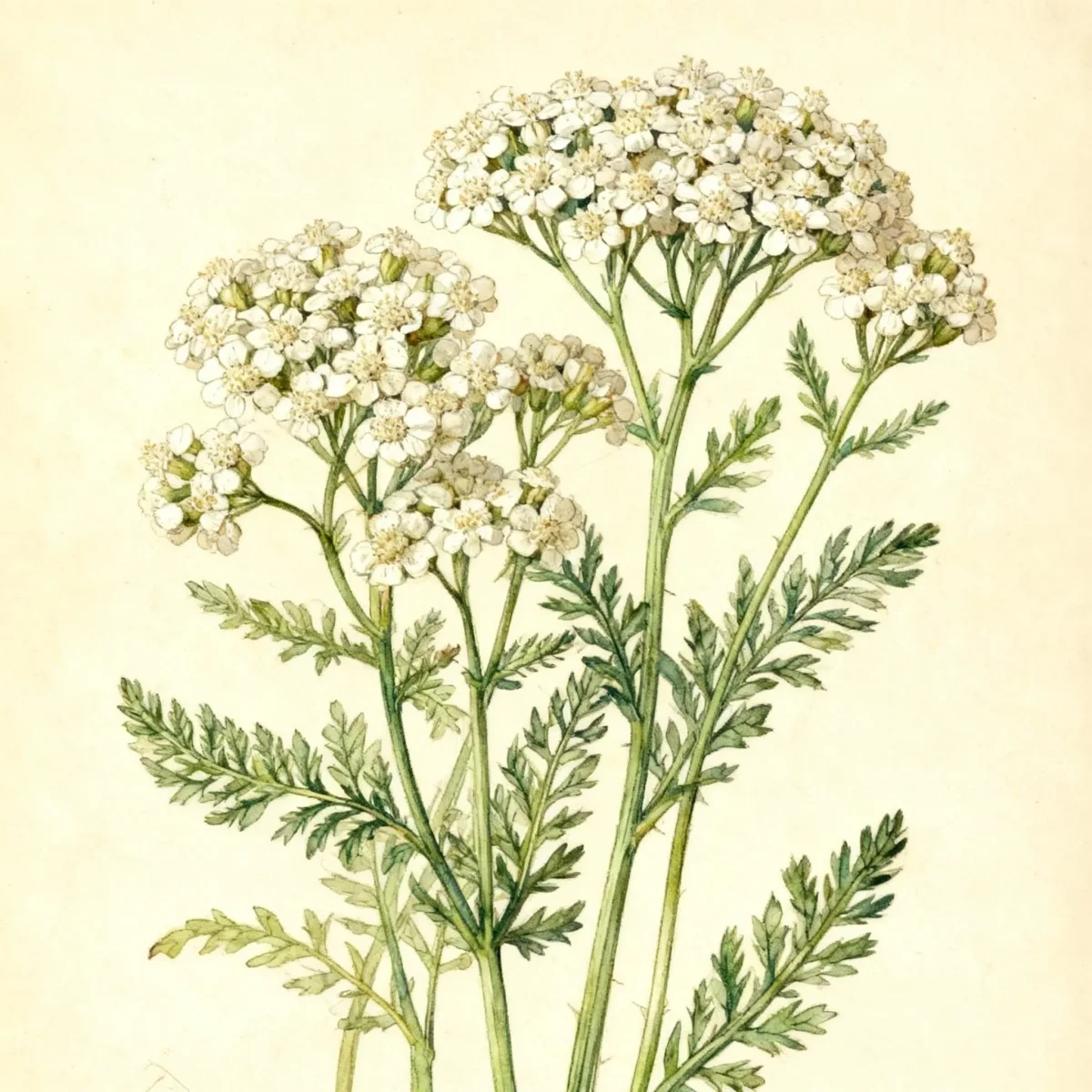
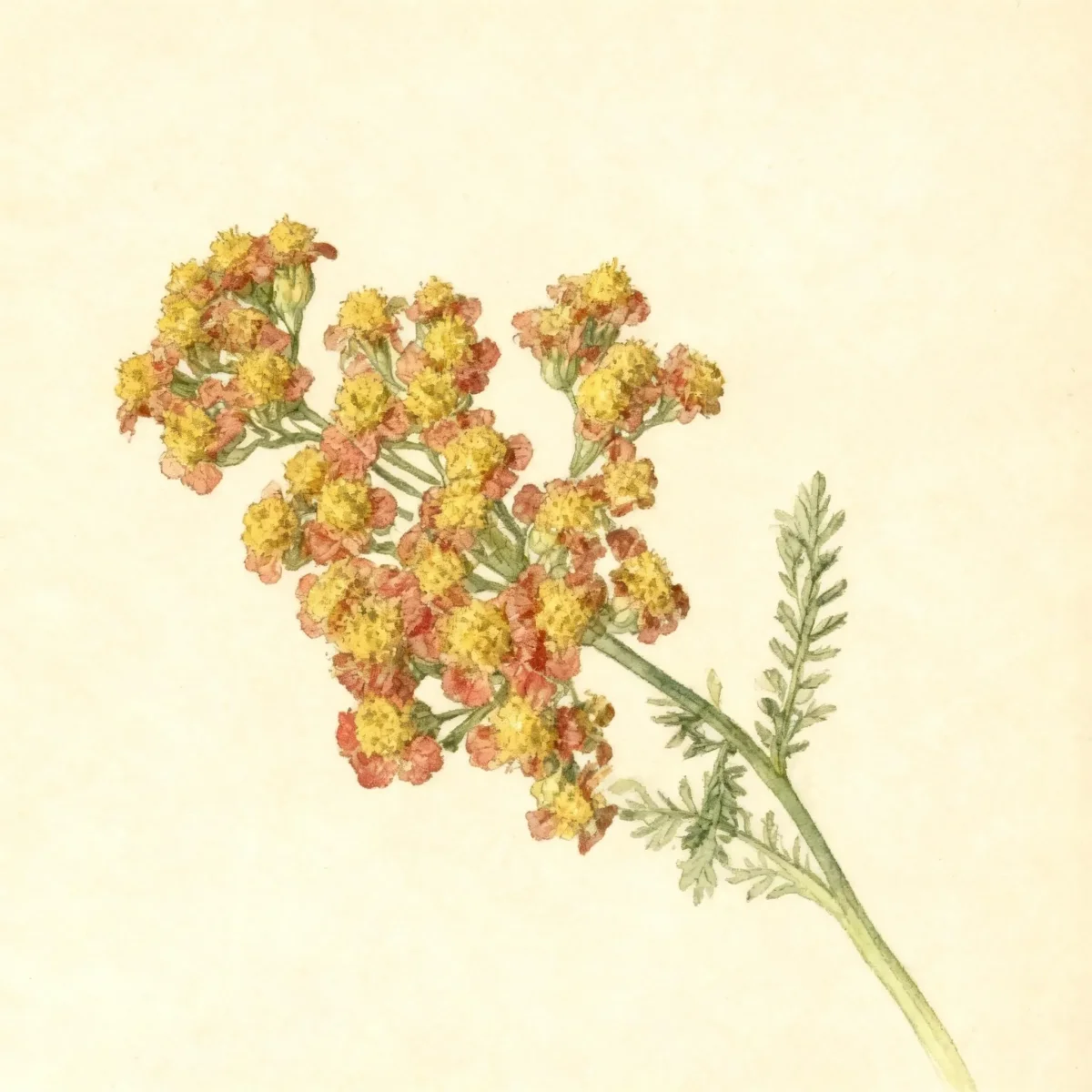
Yarrow (Achillea millefolium 'Red Beauty')
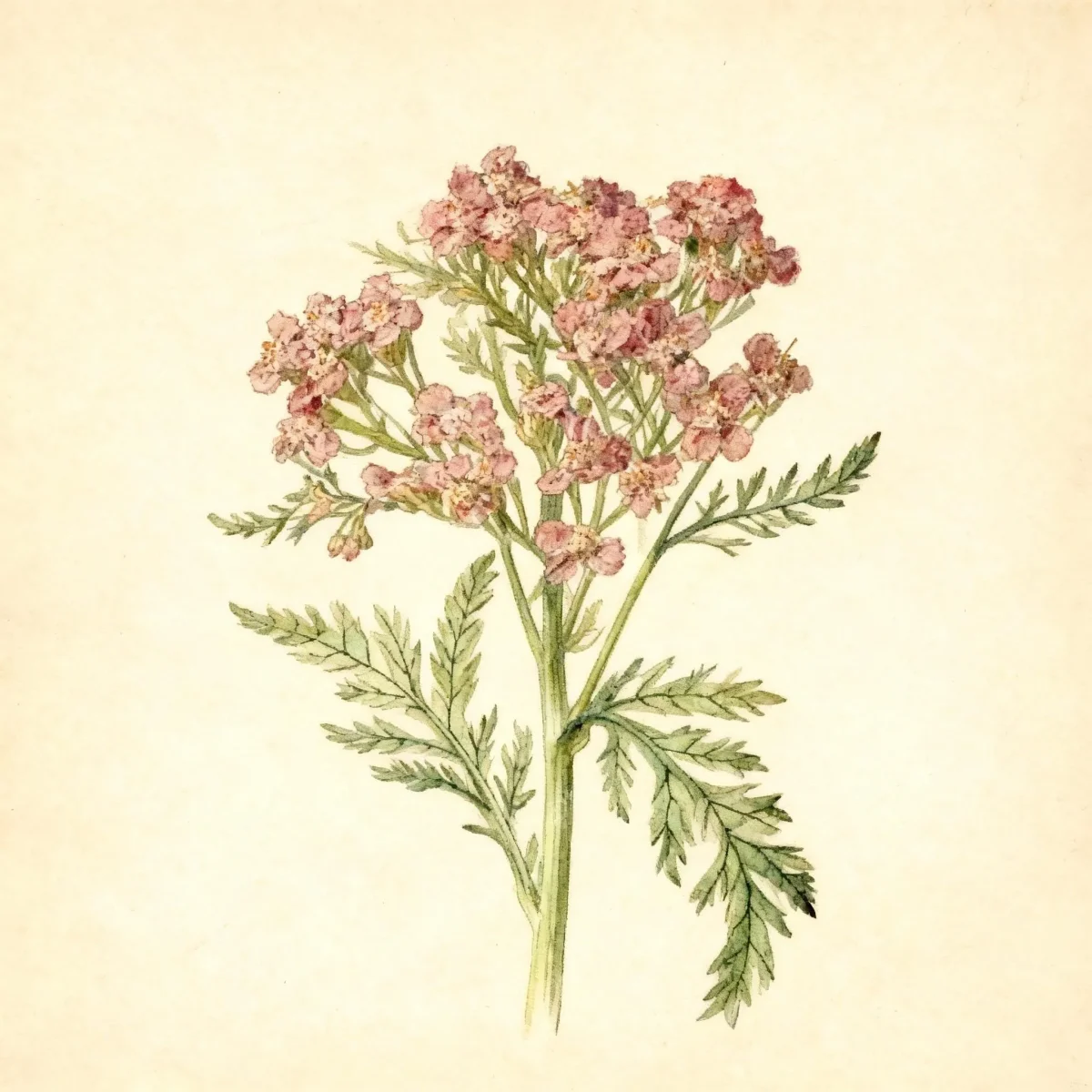
Achillea millefolium 'Red Beauty' Yarrow offers bright red summer blooms and aromatic, ferny foliage. Low maintenance and drought tolerant.
Scroll down to discover growing tips, care requirements, companion plants, and more
Complete Plant Information
Overview
Achillea millefolium ‘Red Beauty’, commonly known as Yarrow, is a valued herbaceous perennial prized for its vivid cerise-red flowers held above finely dissected, feather-like foliage. This cultivar provides excellent texture contrast in the garden while maintaining a remarkably low maintenance profile once established. The aromatic leaves and persistent blooms make this specific variety of Yarrow an enduring favorite for both ornamental plantings and functional garden areas.
This spreading perennial thrives in challenging conditions, proving highly tolerant of drought and poor soils, provided drainage is adequate. While the species plant can be aggressive, the cultivar Achillea millefolium ‘Red Beauty’ offers specific color saturation and generally improved stature for defined garden beds. It draws in beneficial pollinators, adding life to summer borders.
For optimum garden performance, site this Yarrow selection where it receives constant bright light. While it handles neglect well, addressing potential flopping issues through siting or light pruning ensures this resilient plant remains attractive throughout its long summer flowering season.
Fast Facts
- Plant Family: Asteraceae
- Plant Type: Herbaceous perennial
- Hardiness Zones: USDA Zones 3-8
- Size at Maturity:
- Height: 1-2 ft
- Spread: 1-2 ft
- Bloom Time: June to July
- Bloom Description: Red
- Sun Exposure: Full sun
- Water Needs: Dry to medium
- Maintenance Level: Low
How to Grow
Achillea millefolium ‘Red Beauty’ should ideally be planted in the spring or fall when conditions are cooler, ensuring good root establishment. Select a location receiving full sun; insufficient light leads to weak stems and reduced flowering for this Yarrow. The best growing medium consists of lean, dry to medium soil, ideally well-drained sandy loams. Plants tolerate average garden soils and even poor soils, emphasizing the need for excellent drainage above all else.
Watering should be kept to a dry to medium schedule; established plants are highly drought-tolerant and resist dry soil conditions once rooted. Avoid overwatering, especially in summer, as this can promote fungal issues or cause the stems to flop. Fertilizing is generally unnecessary; rich soil encourages excessive, weak vegetative growth.
To manage the potentially floppy nature of the stems, especially in humid climates, consider cutting back the plant stems in late spring before flowering commence to reduce overall height. After the initial flush of red blooms fades, cutting plants back to lateral flower buds will tidy the planting and encourage a secondary bloom period. Throughout the season, dividing clumps every 2-3 years ensures the planting maintains its vitality, as this Yarrow spreads actively by rhizomes.
Landscape Uses
The robust nature of Achillea millefolium ‘Red Beauty’ makes it an excellent component for naturalized plantings, meadows, and prairies where it can quickly form attractive, low-maintenance colonies. It integrates beautifully into the structure of cottage gardens, providing reliable mid-season bursts of red color against softer perennials. Its drought tolerance also makes it suitable for xeriscaping or rock gardens where harsher conditions prevail.
This Yarrow cultivar excels as an informal border plant or as a filler in larger mixed perennial beds. Its fine, ferny texture contrasts wonderfully with bold-leaved plants. Furthermore, the flowers of Achillea millefolium ‘Red Beauty’ are highly recommended for both fresh cut arrangements and dried floral crafts due to their lasting color and structure.
When selecting companions, pair this Yarrow with plants that share its love for lean soil and full sun, such as ornamental grasses or Sedums. Avoid placing it near plants that demand rich, consistently moist conditions, as these environmental mismatches will lead to poor performance for both partners.
Standout Features
Flower Qualities
- Showy
Noteworthy Characteristics
Achillea millefolium, commonly called common yarrow, is a rhizomatous, spreading, upright to mat-forming perennial that is considered by many to be an aggressive weed. Common yarrow from Europe and Asia was originally introduced to America in colonial times, and has since naturalized throughout the U. S. Primarily along roadsides, fields, waste areas and lawns. These species plants are noted for producing deeply-dissected, fern-like, aromatic, medium green foliage and tiny, long-lasting, white flowers that appear in dense, flattened, compound, corymb-like arrays (to 2-4” across) throughout the summer on stems typically rising 2-3’ tall. The flowers are attractive to butterflies and other insect pollinators. Foliage has a strong, somewhat spicy aroma that persists when used in dried arrangements. Species plants are uncommonly sold in commerce, however. It is the cultivars and hybrids of common yarrow, most of which have stronger stems, more upright habits and larger flowers, that have become popular flowering plants for ornamental gardens. Cultivars also extend the range of flower colors to include pinks, reds, creams, yellows and bicolor pastels.The genus name Achillea refers to Achilles, hero of the Trojan Wars in Greek mythology, who used the plant medicinally to stop bleeding and to heal the wounds of his soldiers.The specific epithet millefolium means “thousand-leaved” in reference to the highly dissected foliage.Common yarrow has a large number of additional common names, including milfoil, thousandleaf, soldier’s woundwort, bloodwort, nose bleed, devil’s nettle, sanguinary, old-man’s-pepper and stenchgrass.‘Red Beauty’ is a rhizomatous, spreading, upright yarrow cultivar that is noted for its cerise-red flowers and ferny aromatic foliage. Flowers appear in dense, flattened clusters (compound corymbs to 2-4” across) over a long summer bloom on stems typically rising to 18-24” tall. Deeply-dissected, fern-like, medium green leaves have a strong, somewhat spicy aroma that may persist when used in dried arrangements.
Tolerances
- Deer
- Drought
- Dry Soil
- Air Pollution
Potential Problems
Stem rot, powdery mildew, and rust are the primary disease threats to this Yarrow, often exacerbated by overly rich soil or poor air circulation. Prevention involves ensuring excellent drainage and avoiding wet, humid conditions near the base of the plant. Stems of Achillea millefolium ‘Red Beauty’ are inherently weak and prone to lodging (flopping), particularly after heavy summer rain or if the plant has excessive moisture. To counteract lodging, site plants away from strong winds and utilize the practice of cutting back stems in early spring to encourage a shorter, sturdier habit. Be aware that Yarrow spreads via rhizomes and self-seeding; proactively divide clumps every few years to maintain vigor and control its spread in the garden.
Frequently Asked Questions
What hardiness zones is Yarrow suitable for?
Achillea millefolium ‘Red Beauty’ is reliably hardy across USDA Zones 3 through 8.
How large does Achillea millefolium ‘Red Beauty’ grow?
This cultivar typically reaches a height between 1 and 2 feet, with a corresponding spread of 1 to 2 feet.
What sun exposure does Yarrow need?
This plant strictly requires full sun exposure to achieve its best performance, compact habit, and vibrant red blooms.
When does Yarrow bloom?
You can expect the cerise-red flowers of this Yarrow to appear throughout the primary season, generally from June into July.
Conclusion
The Achillea millefolium ‘Red Beauty’ offers gardeners a reliable tapestry of fine texture and striking red color, all while demanding minimal care. Its exceptional drought tolerance and preference for lean soil make it indispensable for hot, dry areas where other perennials struggle. Before planting, confirm your site receives full sun and has sharp drainage to best enjoy this dependable Yarrow performer.
Propagation Tips
Propagation of Achillea millefolium ‘Red Beauty’ is most effectively managed through division, which is best performed every two to three years to maintain the vigor of the clump. Early spring, before new active growth surges, is the ideal time to divide. Carefully dig up the entire clump and gently separate the rhizomatous root structure into smaller sections, ensuring each division has a healthy crown. Replant these divisions immediately at the same depth they were previously growing.
Since this is a named cultivar, division is necessary to ensure the retention of the ‘Red Beauty’ characteristics, such as the cerise-red flower color. While the species plants self-seed readily, the offspring of cultivars often revert or display variable traits, making seed starting unreliable for horticultural replication.
Wildlife Benefits
The dense, flattened flower clusters characteristic of Yarrow are highly attractive to a wide array of beneficial insects. During its June to July bloom period, Achillea millefolium ‘Red Beauty’ acts as a reliable nectar source, drawing in essential pollinators like bees and butterflies looking for accessible flat landing pads.
In addition to pollinators, the strongly aromatic, ferny foliage provides subtle ground cover that deer generally tend to avoid, offering a measure of passive pest deterrence in the perennial border. Establishing a colony of this Yarrow supports local insect populations, contributing positively to the overall biodiversity of the garden ecosystem.