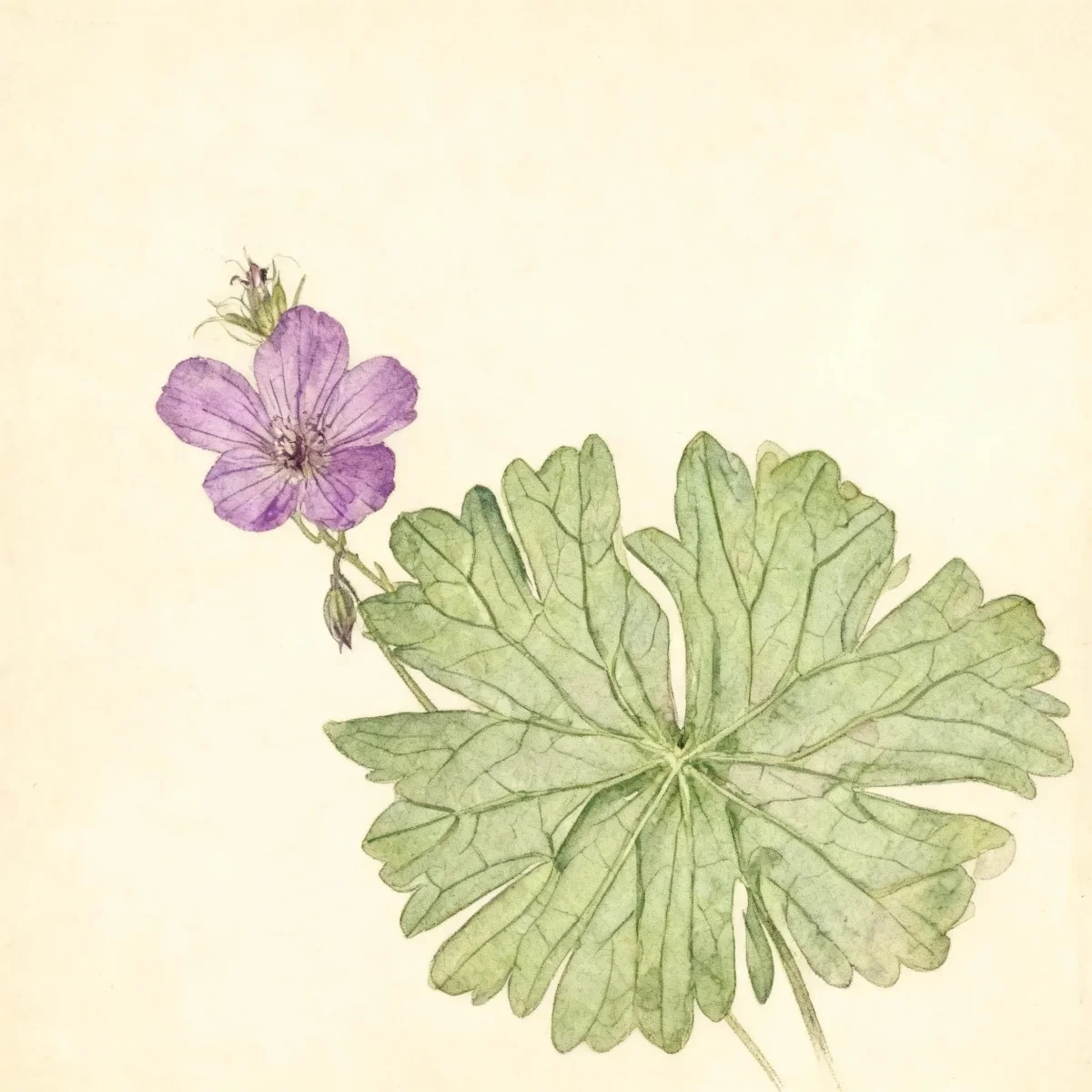
Cranesbill (Geranium × oxonianum 'Katherine Adele')
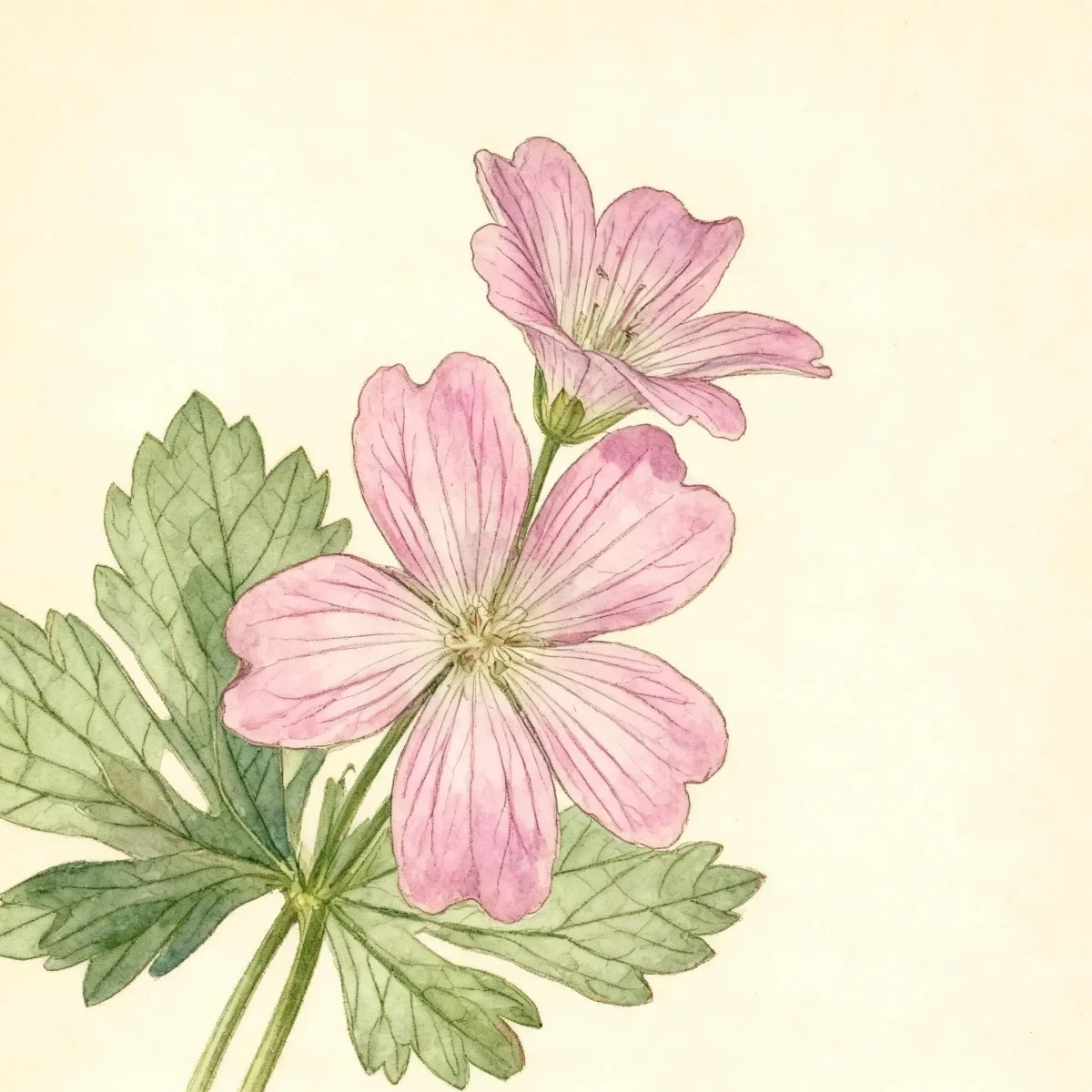
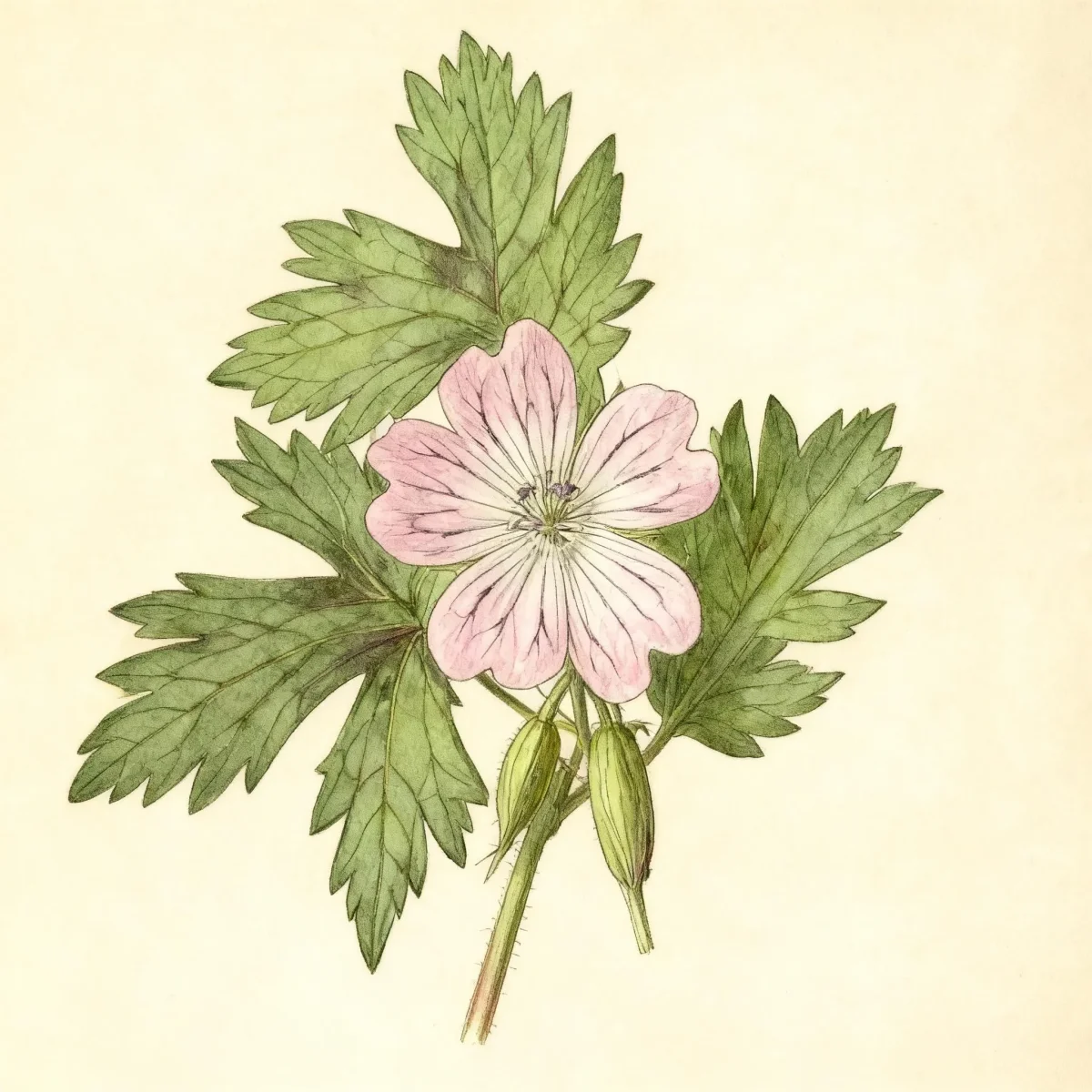
Geranium × oxonianum 'Katherine Adele' Cranesbill is a vigorous perennial offering lacy foliage and light pink flowers with dark purple veining from late spring through summer.
Scroll down to discover growing tips, care requirements, companion plants, and more
Complete Plant Information
Overview
The Geranium × oxonianum ‘Katherine Adele’ Cranesbill is a standout hybrid known for its vigor and attractive semi-evergreen clumping habit. This cultivar brings continuous color to mixed borders and garden beds, often revitalizing its appearance after initial heavy blooming if managed properly in summer heat. Gardeners prize this perennial for its reliable performance and its subtly detailed flowers.
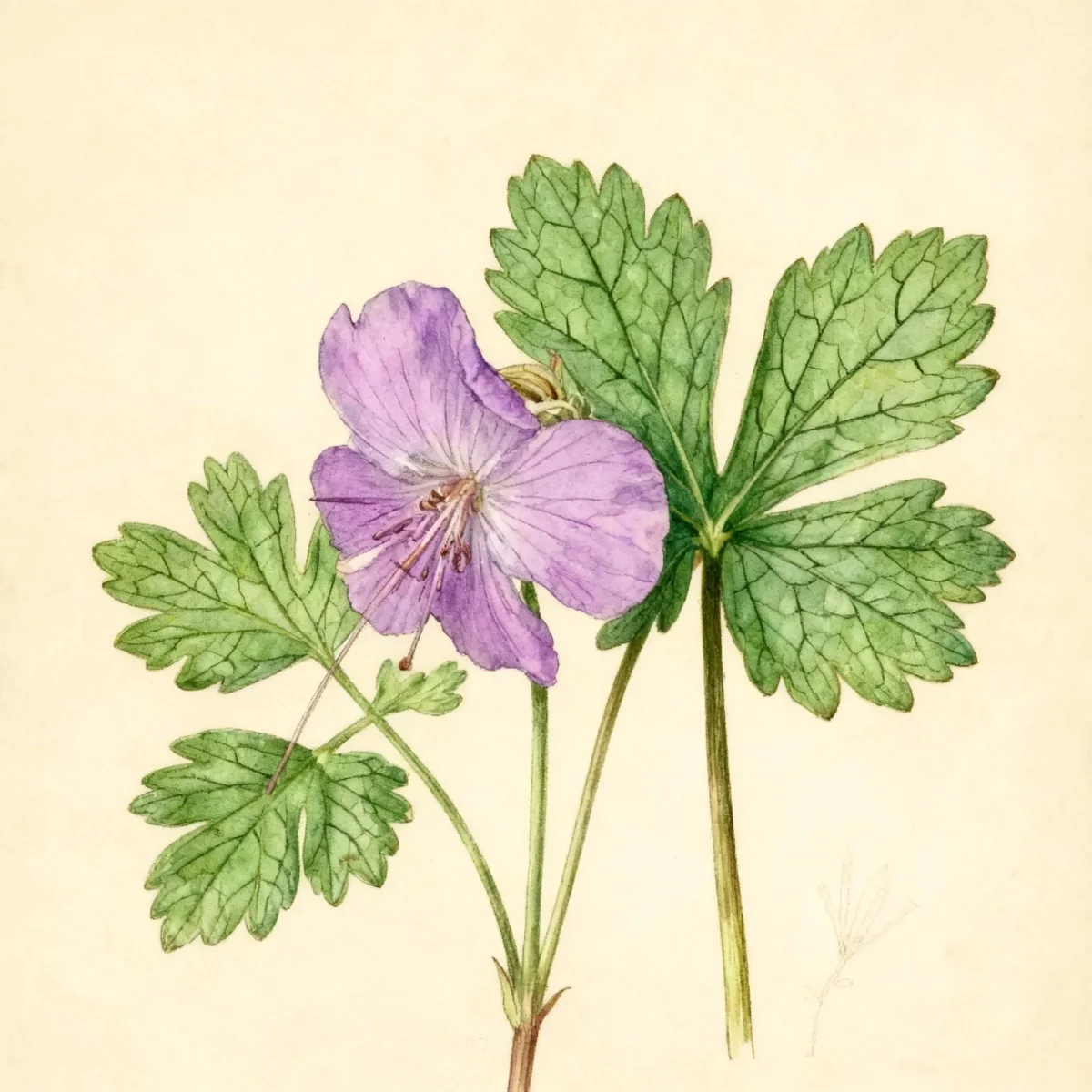
This particular variety of Cranesbill features glossy, deeply-lobed, variegated green leaves that are uniquely accented with dark purple-black blotches, adding year-round interest beneath the summer flowers. Growing to about 16 inches tall and equally wide, Geranium × oxonianum ‘Katherine Adele’ establishes quickly, providing excellent low-maintenance ground cover when massed.
It thrives across a wide range of conditions, offering flexibility for placement in both full sun in cooler regions or spots receiving partial afternoon shade where summers are intense. Its ability to withstand browsing from common yard pests makes the beautiful Geranium × oxonianum ‘Katherine Adele’ a highly practical addition to many landscape designs.
Fast Facts
- Plant Family: Geraniaceae
- Plant Type: Herbaceous perennial
- Hardiness Zones: USDA Zones 4-7
- Size at Maturity:
- Height: 1-1.5 ft
- Spread: 1-2.5 ft
- Bloom Time: May to June
- Bloom Description: Light pink with purple veining
- Sun Exposure: Full sun to part shade
- Water Needs: Medium
- Maintenance Level: Medium
How to Grow
Planting the Geranium × oxonianum ‘Katherine Adele’ is best achieved in spring or early fall, giving it time to establish before extreme weather. Ensure the location offers average, medium-moisture conditions within well-drained soil, which is critical for the long-term health of this Cranesbill. While it tolerates some drought once established, humusy and moderately fertile soil with consistent moisture promotes the best flowering.
Ongoing care is relatively simple. Water regularly, especially during dry spells, ensuring the soil remains moist but never soggy. Fertilization is generally unnecessary if the soil is adequately fertile. While deadheading the prolific blooms can encourage sporadic rebloom, it is often time-consuming in large drifts and thus deemed unnecessary by many growers.
If the foliage declines or looks ragged following intense summer heat, especially in hotter zones, cut the plant back hard to shape it and refresh the leaf presentation. This often prompts a fresh flush of growth and potential sporadic reblooming later in the season. Propagation of this vigorous cultivar is easily achieved through simple division of the clumps.
Landscape Uses
The moderate size and delightful texture make Geranium × oxonianum ‘Katherine Adele’ exceptionally versatile in the landscape. It excels when used at border fronts, providing a neat, softening edge that contrasts well with taller perennials or structural shrubs. Mass plantings create an effective, nearly weed-suppressing ground cover that features seasonal color.
Consider using this Cranesbill in cottage gardens where its informal, yet tidy, habit blends beautifully with roses and other traditional favorites. It is also perfectly suited for rock gardens, where its root system can penetrate deeper crevices, provided drainage remains excellent. The attractive, blotched foliage ensures visual interest even when the plant is not in its main bloom phase.
When placing Geranium × oxonianum ‘Katherine Adele’, remember its tolerance for partial shade is beneficial in areas receiving harsh afternoon sun. Pair it with plants requiring similar medium water needs, such as Hostas planted in dappled light, or integrate it with low-growing ornamental grasses for varied textural contrast.
Standout Features
Flower Qualities
- Showy
Noteworthy Characteristics
Geranium × oxonianum is a fertile hybrid between G. Endressii and G. Versicolor. Cymes of pink flowers with darker veins bloom from late spring into summer on clumping plants featuring 5-lobed basal leaves. The hybrid name oxonianum refers to Oxford, England, while the genus name comes from the Greek word geranos (crane) due to the shape of the fruit. The cultivar ‘Katherine Adele’ is vigorous, growing in a clump to 16” tall and wide, defined by its light pink, 5-petaled flowers bearing dark petal veins and glossy, deeply-lobed, variegated green leaves with distinctive dark purple-black blotches.
Tolerances
- Rabbit
- Deer
Potential Problems
Fortunately, this Cranesbill variety rarely suffers from serious insect predation or overwhelming disease pressure. The primary concern gardeners might face involves fungal issues, specifically some susceptibility to leaf spots or rust, particularly in conditions where air circulation is poor or humidity is consistently high. Proper soil drainage and avoiding overhead watering, especially late in the day, are highly effective preventative measures against these minor issues. Monitoring foliage throughout the season allows for prompt removal of any affected leaves before widespread infection occurs.
Frequently Asked Questions
What hardiness zones is Cranesbill suitable for?
The Geranium × oxonianum ‘Katherine Adele’ is best grown in USDA Zones 4 through 7, requiring protection in regions colder than zone 4.
How large does Cranesbill grow?
This perennial typically reaches a height between 1 and 1.5 feet tall, spreading to cover an area between 1 and 2.5 feet wide when fully mature.
When does Cranesbill bloom?
Primary flowering occurs from May into June, presenting light pink flowers marked distinctly with purple veining, with some sporadic rebloom possible later in the summer if temperatures moderate.
What sun exposure does Geranium × oxonianum ‘Katherine Adele’ need?
For the best performance, plant this Cranesbill in locations receiving full sun, although it appreciates afternoon shade in regions experiencing particularly hot summers.
Companion Planting
When selecting neighbors for Geranium × oxonianum ‘Katherine Adele’, focus on plants that share similar requirements for medium moisture and well-drained soil. Spring-blooming bulbs provide excellent early color before this Cranesbill reaches its peak, creating a layered effect. Consider pairing it with slower-spreading Hostas or hardy ornamental grasses that appreciate the filtered light that this plant might cast as it matures slightly through midsummer.
Propagation Tips
The easiest and most reliable method for increasing your stock of Geranium × oxonianum ‘Katherine Adele’ is through the division of established clumps. This task should preferably be performed in spring just as new growth is emerging, or in early fall. Dig up the established clump, gently separate sections ensuring each new division has a healthy amount of roots and viable shoots, and replant immediately into prepared soil. This process helps rejuvenate the mother plant while providing you with new specimens for spreading ground cover or fresh borders.
Conclusion
The vigorous growth habit combined with the attractive variegated foliage makes Geranium × oxonianum ‘Katherine Adele’ an essential workhorse perennial for reliable summer color. This shade-tolerant Cranesbill brings beautiful light pink blooms and stands up well to common garden pests. Before planting, confirm that your garden resides within USDA Zones 4–7 and ensure your soil allows for good drainage.