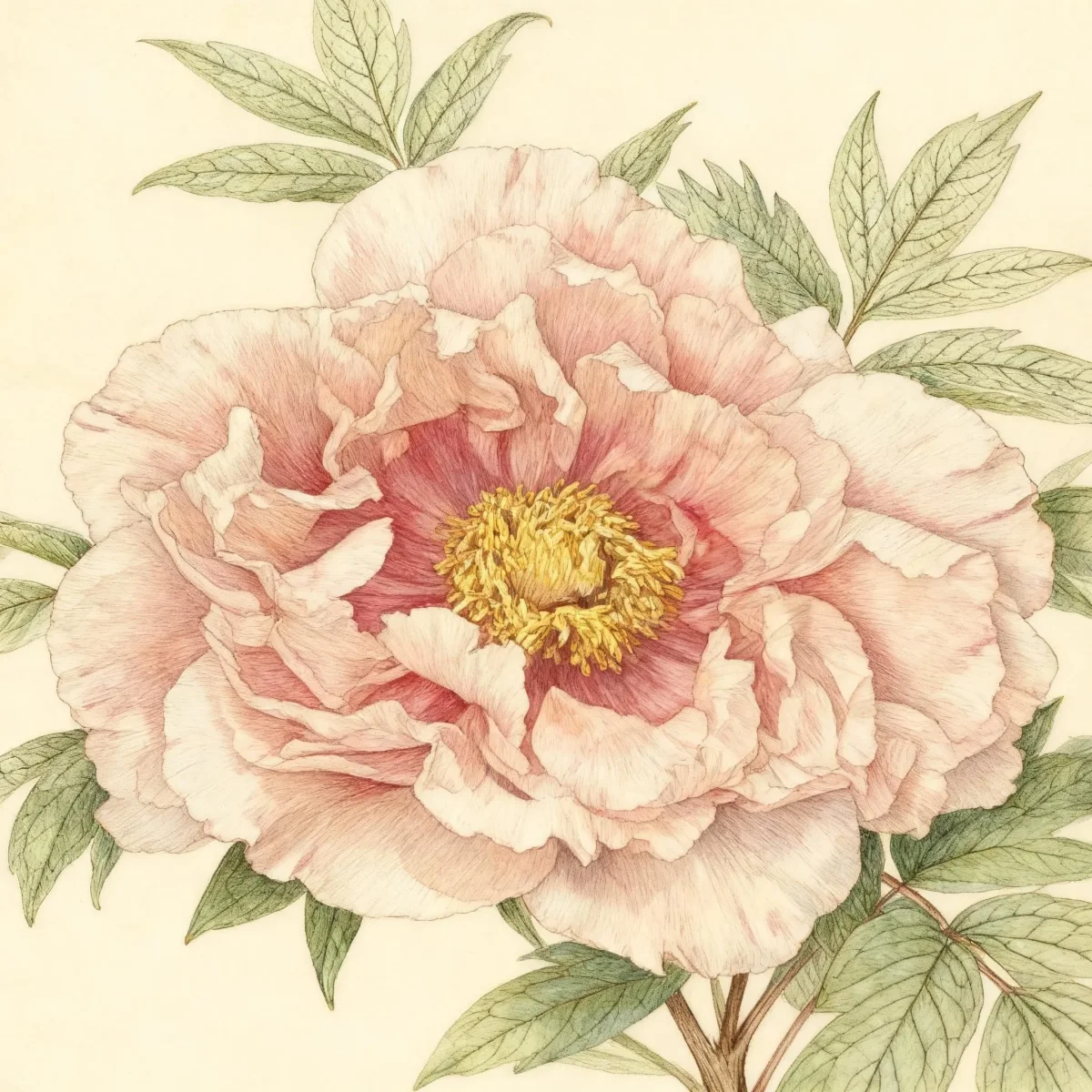
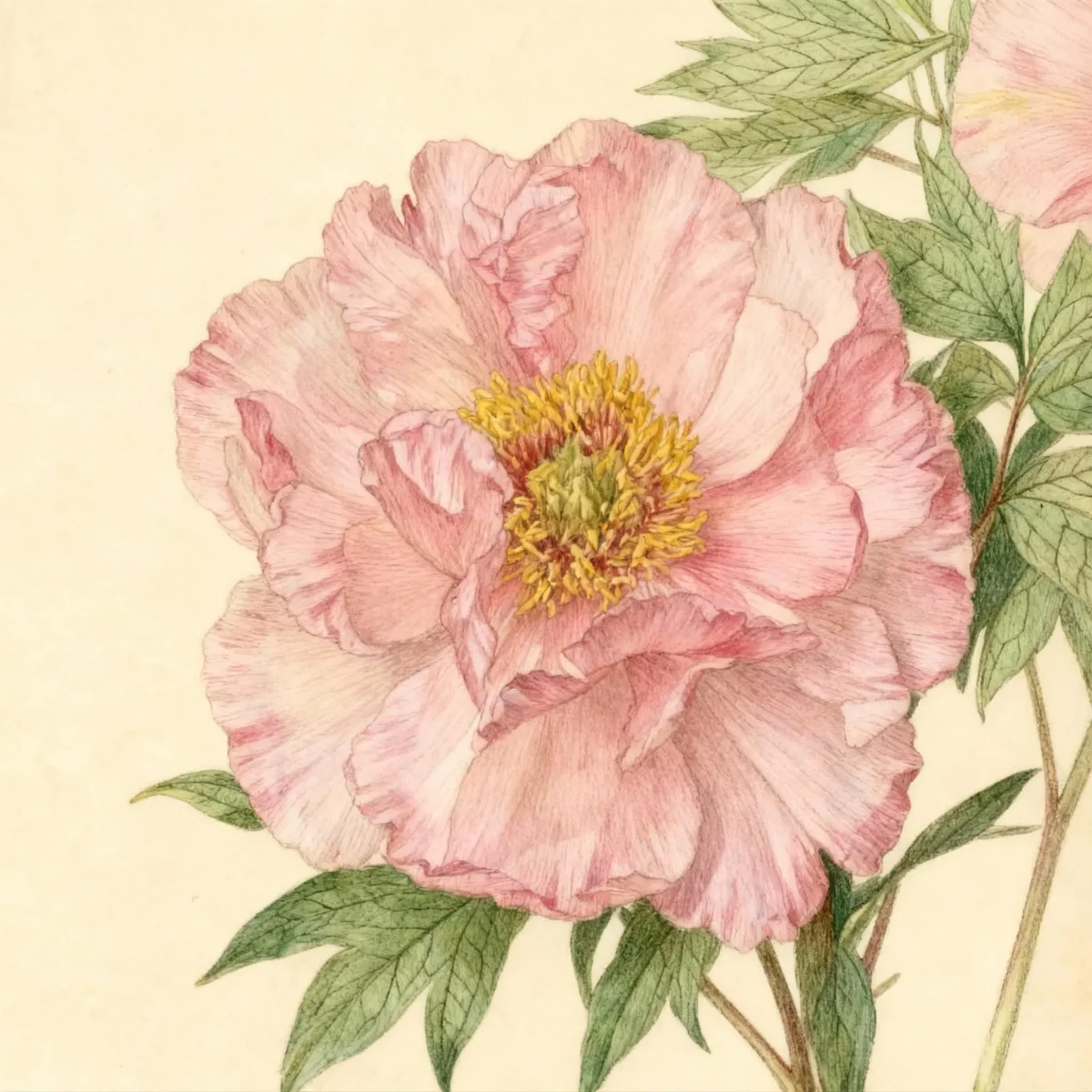
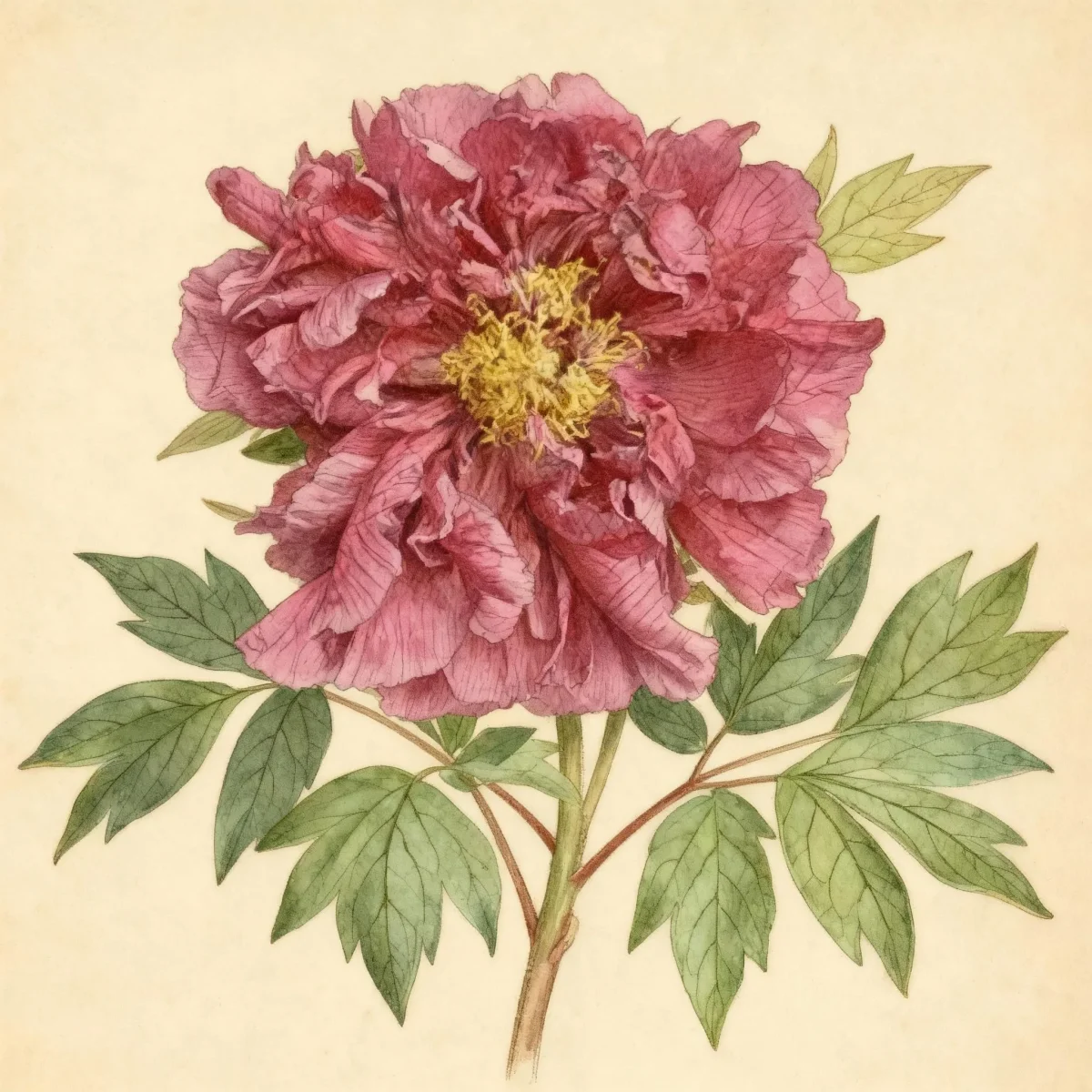
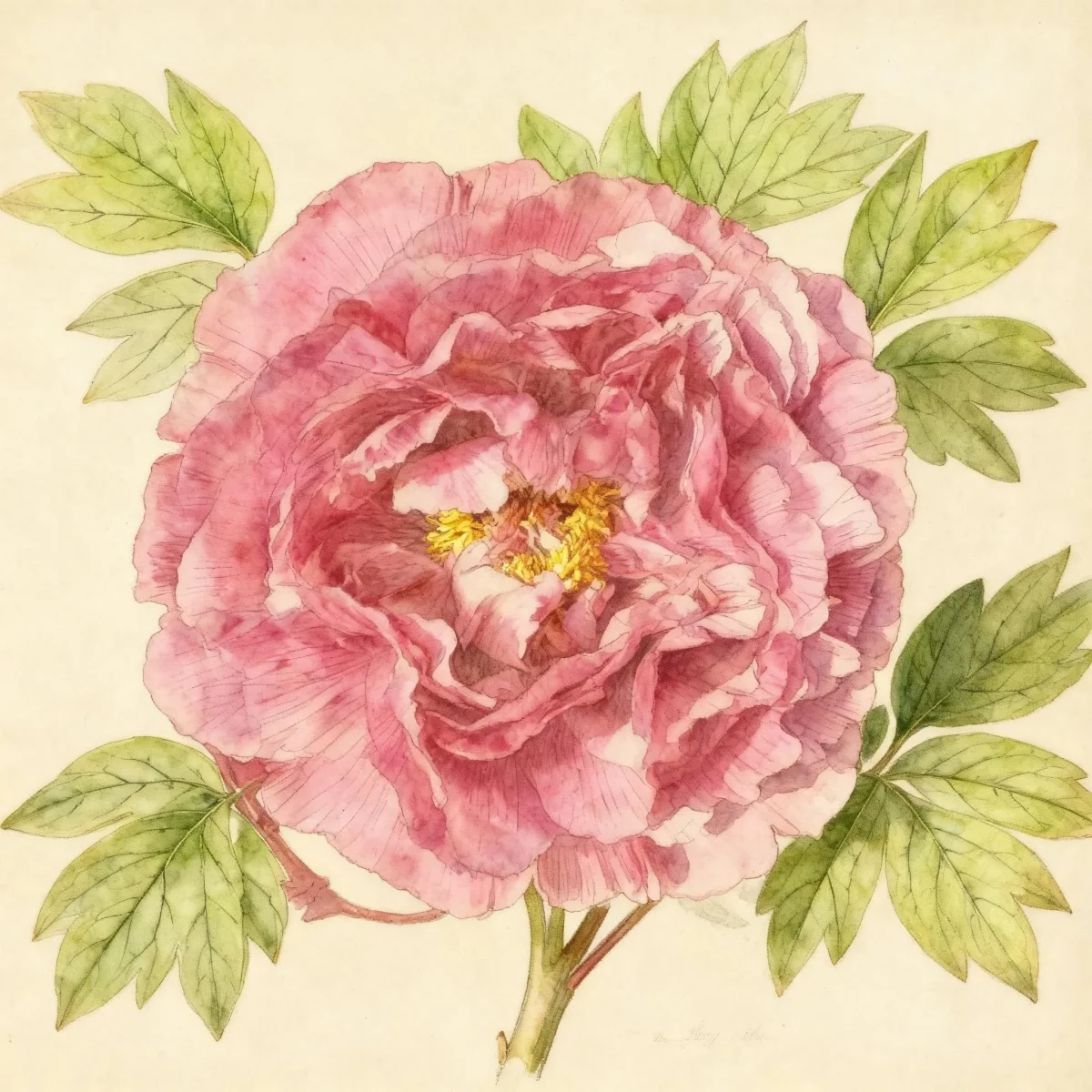
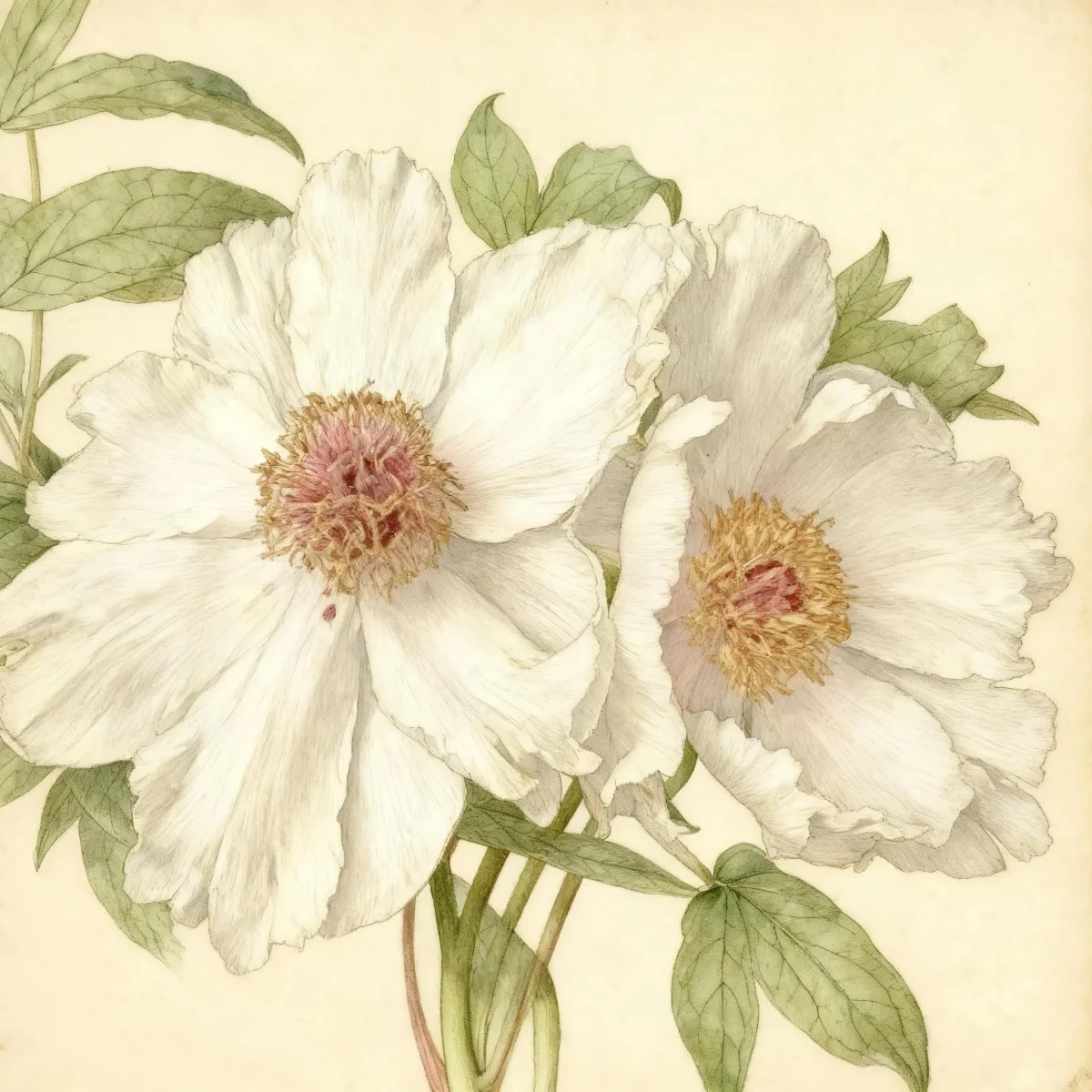
Tree peony (Paeonia 'Summer Night')
Paeonia 'Summer Night' is a stunning Tree peony, offering showy, fragrant rose and yellow blooms in May on a woody shrub.
Scroll down to discover growing tips, care requirements, companion plants, and more
Complete Plant Information
Overview
Paeonia ‘Summer Night’ is a celebrated hybrid Tree peony, valued by gardeners for its woody, persistent structure and spectacular spring floral display. This deciduous shrub holds its shape throughout the year, unlike its herbaceous relatives, offering structure even during winter dormancy. Its namesake feature, the vibrant rose and yellow flowers, emerges reliably in May, making it a show-stopping specimen.
As a Tree peony, Paeonia ‘Summer Night’ provides significant landscape impact, growing to a manageable 3 to 4 feet tall and wide. It combines large, semi-double blooms with attractive, deeply divided foliage that often carries a bronze hue early in the season. With medium maintenance requirements, this long-lived plant rewards patience with deep color and fragrance year after year.
Gardeners seeking classical beauty combined with structural permanence will appreciate the Tree peony classification. Paeonia ‘Summer Night’ performs best when sited where it can be admired, whether acting as an accent near walkways or integrated into permanent shrub borders, providing reliable performance across USDA Zones 4 through 8.
Fast Facts
- Plant Family: Paeoniaceae
- Plant Type: Deciduous shrub
- Hardiness Zones: USDA Zones 4-8
- Size at Maturity:
- Height: 3-4 ft
- Spread: 3-4 ft
- Bloom Time: May
- Bloom Description: Rose and yellow
- Sun Exposure: Full sun to part shade
- Water Needs: Medium
- Maintenance Level: Medium
How to Grow
The success of Paeonia ‘Summer Night’ begins with proper placement and soil preparation. These shrubs thrive best when planted in deep, fertile, well-drained soil, requiring consistent medium moisture, especially during establishment. Site your Tree peony where it receives full sun to light afternoon shade; protection from relentless, strong winds is beneficial for larger specimens. Incorporate compost thoroughly into the planting area before setting the roots.
Cultivation is relatively easy once established, though Tree peonies take several years to settle in fully; disturbing them or transplanting later is often difficult due to their deep root systems. Watering should be consistent to maintain medium moisture levels, and the plant is known to be tolerant of summer heat when adequately hydrated. Unlike herbaceous peonies, avoid cutting back the woody stems of this Tree peony after frost, as the stems remain year-round.
Pruning needs are minimal; the primary task is removing dead wood or suckers emerging below the graft union in early spring. If shaping is necessary for leggy plants, a moderate pruning can be done in the early fall to encourage lower branching. Remember to deadhead spent flowers immediately after blooming finishes to encourage energy back into root development. Gardeners in Zone 4 should plan for some extra winter protection during the first few seasons.
Landscape Uses
The formal beauty of Paeonia ‘Summer Night’ makes it an outstanding choice for areas requiring long-term structure and seasonal impact. Its 3-4 foot stature lends itself well to creating permanent, low hedges bordering sidewalks or driveways, providing a substantial green backdrop once blooms fade. They function exceptionally well as specimen plants, offering dramatic focal points in lawns or formal garden beds.
Consider planting Paeonia ‘Summer Night’ in groups or borders where their extremely showy flowers can be appreciated up close. The foliage remains attractive throughout the growing season, making them effective as a frame or backdrop for earlier spring bulbs or later-season perennials that fill the summer gap. Their classic form pairs well with evergreen foundation plantings or alongside structures like walls or fences.
This Tree peony blends formality with robust habit. When placing them in the garden, ensure they have enough room to reach their mature spread of 3 to 4 feet without being crowded by faster-growing neighbors. Their long lifespan ensures that once sited correctly, they become permanent, reliable features of the mature landscape design.
Standout Features
Flower Qualities
- Showy
- Fragrant
Noteworthy Characteristics
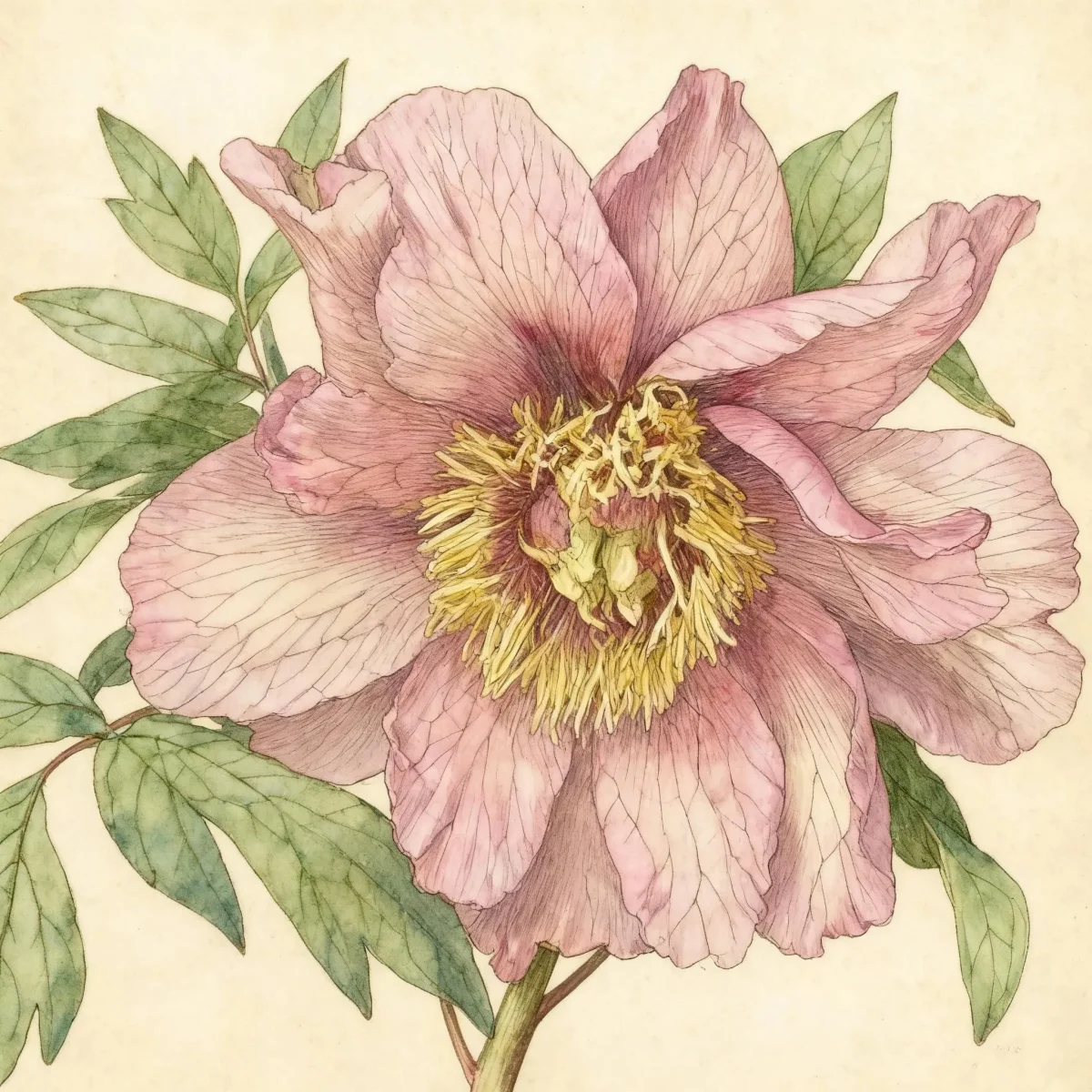
Paeonia ‘Summer Night’ is a hybrid Tree peony introduced by Saunders in 1949, characterized by its large, semi-double flowers displaying rose and yellow tones, highlighted by attractive yellow center stamens. This is a woody, deciduous shrub reaching 3-4 feet tall, which keeps its woody stems all year, distinguishing it from herbaceous types. Its medium green foliage is deeply cut into oval to lance-shaped leaflets, often displaying a lovely bronze tint.
Tolerances
- Rabbit
- Deer
Potential Problems
Tree peonies, including Paeonia ‘Summer Night’, are generally regarded as pest-free, offering ease of care compared to some flowering shrubs. However, watch for susceptibility to fungal issues like canker, leaf blotch, tip blight, and Verticillium wilt, which often arise from poor air circulation or overly wet conditions. Ants commonly gather on the developing buds; these are entirely harmless and should be ignored. Less frequently, scale insects or Japanese beetles may make an appearance, requiring targeted treatment if infestations become severe.
Frequently Asked Questions
What hardiness zones is Paeonia ‘Summer Night’ suitable for?
Paeonia ‘Summer Night’ is suitable for cultivation in USDA Hardiness Zones 4 through 8.
How large does Tree peony grow?
This shrub typically reaches a mature height between 3 and 4 feet, with a corresponding spread of 3 to 4 feet.
When does Paeonia ‘Summer Night’ bloom?
This Tree peony blooms in the month of May, producing striking rose and yellow flowers.
What sun exposure does Tree peony need?
Paeonia ‘Summer Night’ prefers full sun exposure but tolerates light part shade conditions well.
Conclusion
Paeonia ‘Summer Night’ provides immense garden structure and irreplaceable fragrance, making it a highly valuable addition to any long-term planting scheme. Ensure you provide rich, well-drained soil to support this magnificent Tree peony as it matures. Before planting, verify that your site falls within USDA Zones 4-8 and select a location that allows its spectacular spring display to shine.
Companion Planting
Selecting appropriate neighbors is key to enhancing the visual appeal of Paeonia ‘Summer Night’ and supporting its growth cycle. Because Tree peonies bloom relatively early, pair them with plants that offer mid-to-late summer color to cover the period after the May flowering ceases. Consider incorporating low-growing perennials like Geraniums (‘Rozanne’ or ‘Brookside’) or Alchemilla mollis (Lady’s Mantle) to gently soften the base of the shrub where the woody stems meet the soil.
Avoid planting vigorous, heavy feeders too closely, as they will compete directly with the Tree peony’s deep root structure. Instead, emphasize plants that appreciate similar soil fertility but have different visual textures and bloom times. Early blooming bulbs like late tulips or Siberian Iris make excellent temporary companions, fading gracefully as the Paeonia ‘Summer Night’ foliage fills out its space.
Seasonal Care Calendar
Spring is the most active time for pruning and initial feeding; cut out any winter-killed wood or suckers right as growth begins. Apply a balanced fertilizer lightly around the drip line early in the season, followed by a layer of organic mulch to retain moisture and regulate soil temperature. Once blooming concludes in late spring, remove spent flowers to redirect the plant’s energy.
Summer care centers primarily on consistent watering, especially during dry spells, as medium water needs must be met. Monitor for potential pests like Japanese beetles, treating only if necessary. By early fall, you may perform necessary moderate pruning if the desire is to shape the shrub, but cease heavy pruning well before the first hard frost to allow any cuts to harden off.
Conclusion
Paeonia ‘Summer Night’ provides immense garden structure and irreplaceable fragrance, making it a highly valuable addition to any long-term planting scheme. Ensure you provide rich, well-drained soil to support this magnificent Tree peony as it matures. Before planting, verify that your site falls within USDA Zones 4-8 and select a location that allows its spectacular spring display to shine.